
Position
Full sun, Part shade

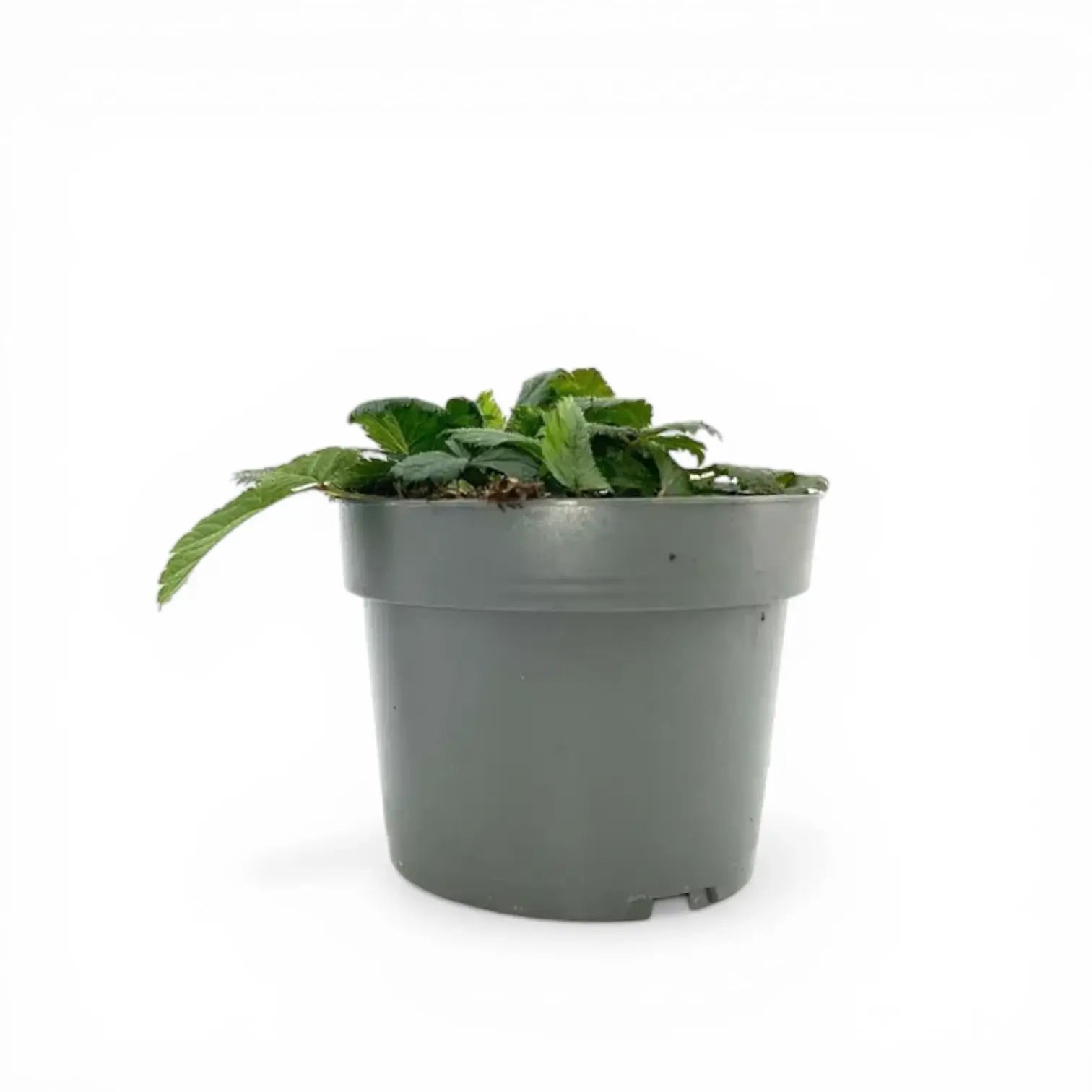
Astilbe
VAT included · plus
Your outdoor plant has just been packed, transported and unpacked, so give it a calm start before planting or placing it permanently. Remove all packaging carefully, check the pot, stems, visible roots and substrate moisture, and settle any loose growing medium back around the root ball. Water if the root ball feels dry, but do not leave the pot standing in water. For the first few days, keep the plant in a sheltered spot suited to its light needs, away from strong midday sun, heavy wind, frost and heat stress.
Do not move the plant straight into full exposure, especially if it is young, newly flushed, evergreen, recently pruned or greenhouse-grown. Gradually introduce more sun, wind and temperature variation over several days. If cold nights, storms, intense sun or hot dry weather are expected, keep the plant protected until conditions are more stable. Do not fertilize immediately after delivery; let the plant settle first and resume feeding only when it is actively growing and conditions are suitable.
Outdoor plants may arrive in different seasonal stages. Depending on the time of year, your plant may be leafy, flowering, newly sprouting, recently pruned, dormant, partly bare or leafless. Adjust care to what the plant is doing: actively growing plants need closer moisture checks, while dormant plants usually need protection from extremes and only light moisture management until growth resumes.
Plant outdoors when the soil is workable and weather conditions suit the plant type. Avoid planting during frost, heatwaves, waterlogged soil or very dry windy periods. It is better to keep the plant protected in its pot for a short time than to plant into stressful conditions. After planting, water thoroughly so the root ball and surrounding soil connect properly, then monitor moisture while the plant establishes.
Secure shipping, carefully packed orders with safe delivery across the EU, UK and Switzerland.
28-day plant guarantee, if a plant arrives damaged or fails soon after delivery, we help you make it right.
Free returns, simple, cost-free returns according to our policy.
For full details, please see:
Please head to our FAQ Page or Contact us.
Herbaceous perennial
Position
Full sun, Part shade
Moisture
Moist
Drainage
Moisture-retentive, Well-drained
Hardiness
Fully hardy · -25°C
Mature size
20–30 × 30–50 cm
Winter habit
Herbaceous die-back
Bloom time
Summer
Containers
Good in pots
Pruning
Spring
Tibet (China); moist mountain ground and streamside planting in cool, damp habitats.
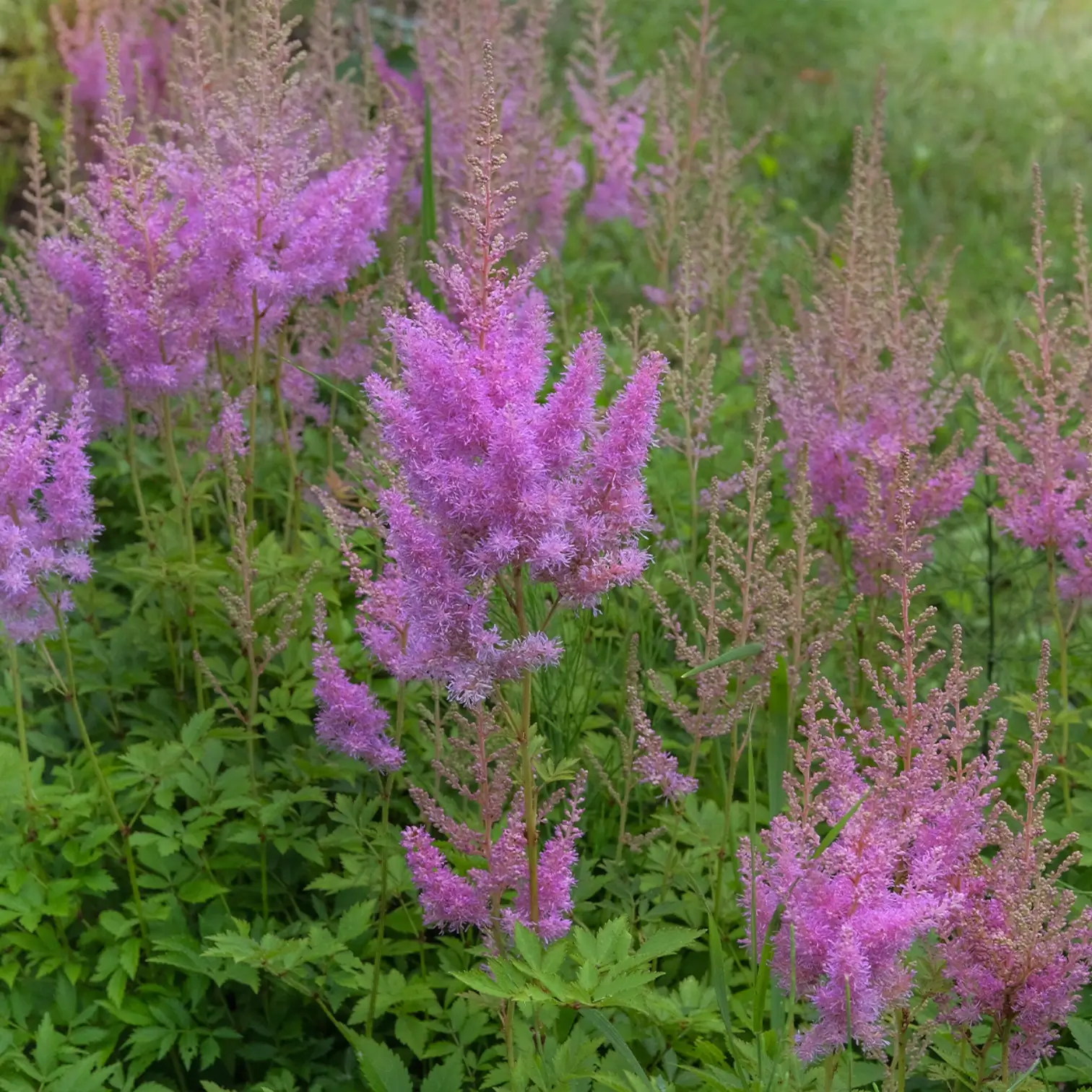
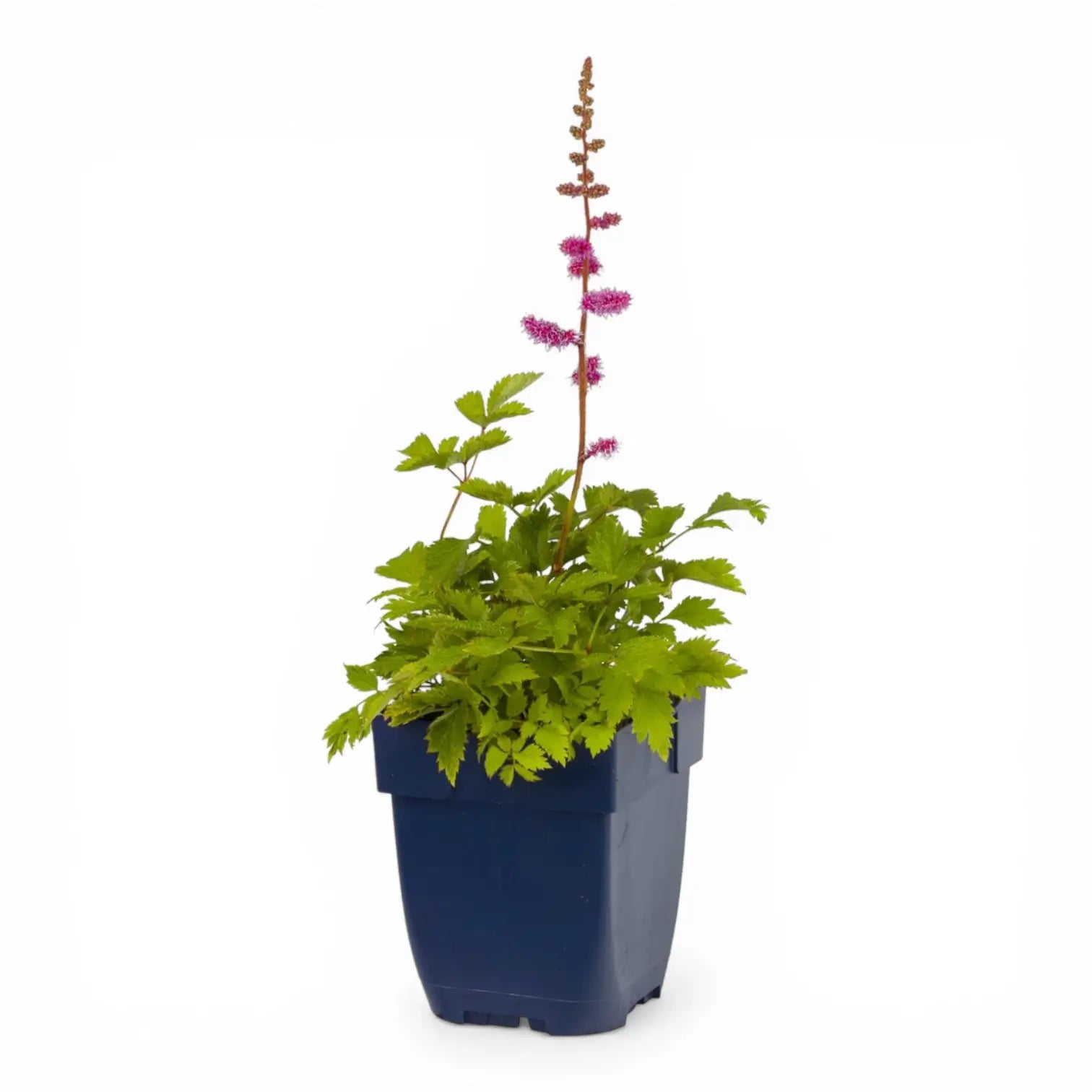
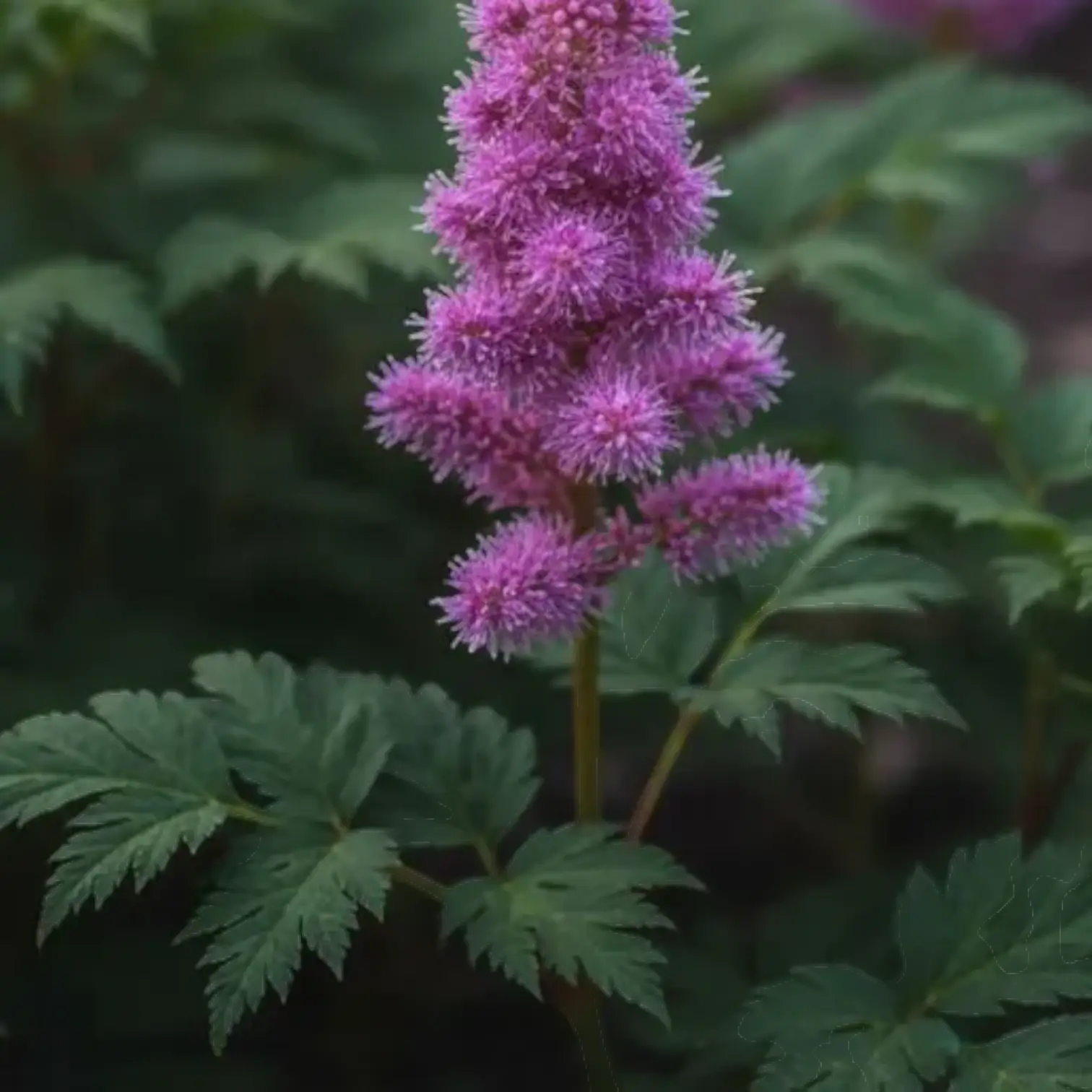
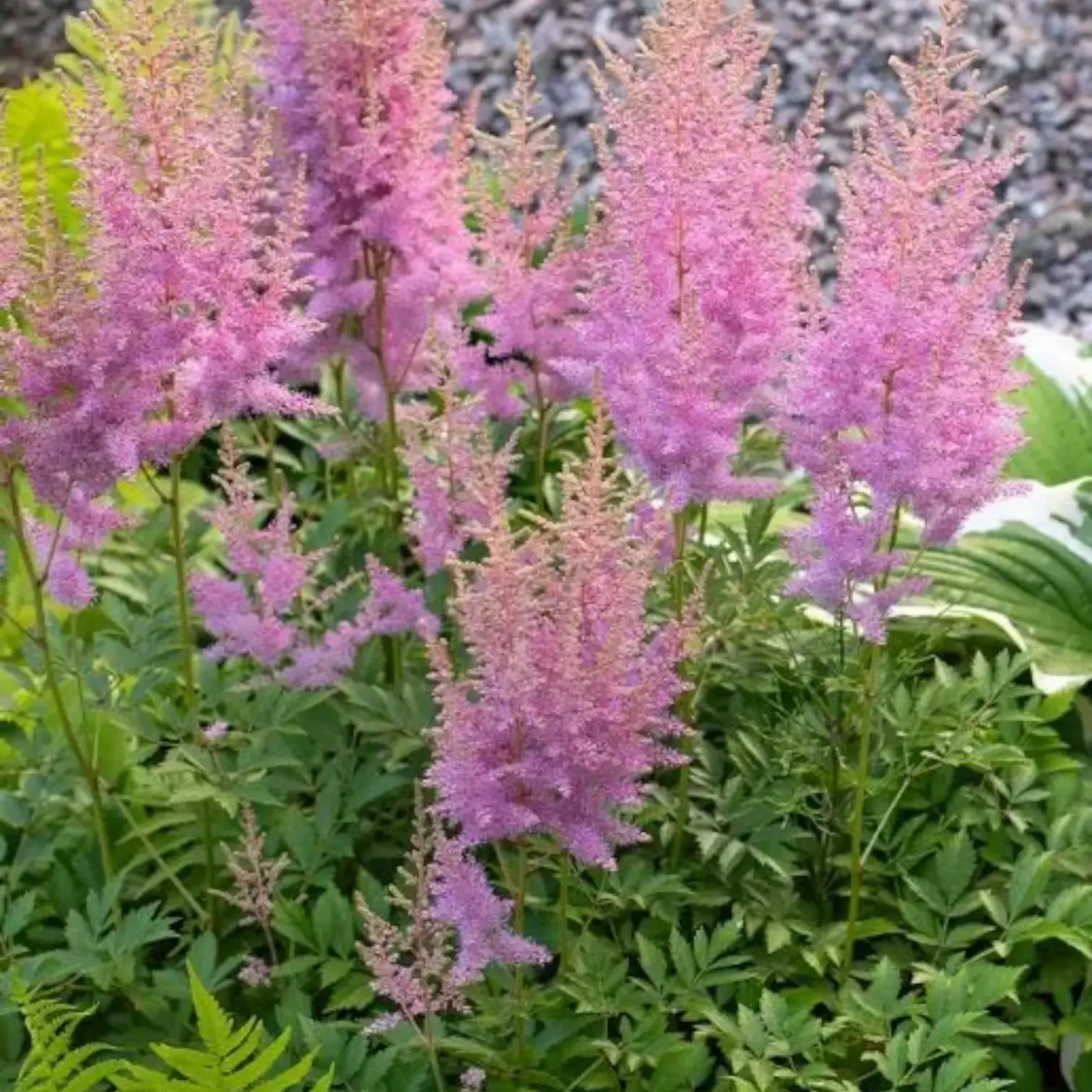
Astilbe chinensis var. pumila (often sold as Astilbe chinensis ‘Pumila’) is a dwarf Chinese astilbe with a spreading habit and dense, deeply cut leaves. It carries fluffy rosy-mauve flower spikes later in summer, so it extends the “plume season” into the warm end of the year. The plant forms a low cushion that can gradually knit together, which makes it useful as a soft edging in consistently moist parts of the garden.
Expect the foliage mound to sit around 20-30 cm tall, while the clump can expand to around 50 cm wide with time. In containers, growth is slower and the plant stays more compact than it does in open ground.
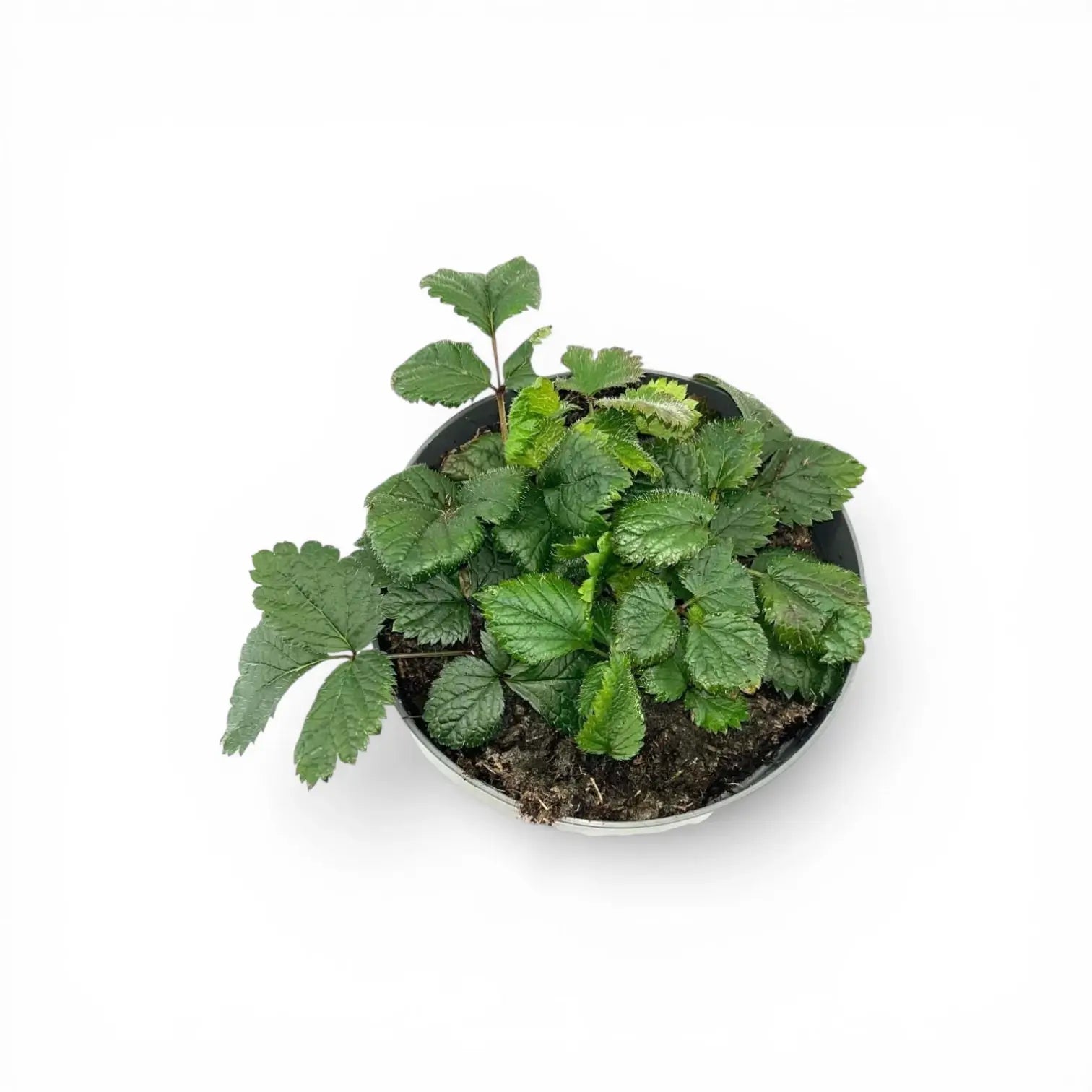
The foliage emerges in spring and quickly forms a dense, divided tuft. Flower spikes usually arrive in late summer, carrying airy, fluffy plumes in rosy-mauve tones. After flowering, the plant remains a tidy green mound until autumn, then dies back for winter. New shoots appear again from the crown in spring.
This dwarf form is associated with Tibet in its plant range, and it performs best in garden conditions that echo cool-rooted, moisture-rich sites. In practice, that means soil that stays evenly moist in summer and planting positions that shelter the root zone from drying winds.
Clay or loam suits this astilbe well, especially when it is enriched with organic matter that holds moisture. The key is a root zone that stays evenly moist, with enough structure for oxygen around the roots. A mulch layer helps buffer summer heat and reduces surface drying, particularly in sunnier exposures.
This plant tolerates full sun when the soil never dries for long. Partial shade is more forgiving in warm summers, and bright shade keeps the clump fresh in heat. In all cases, the most reliable results come from steady moisture in the root zone.
Plant in spring or early autumn. Set the crown at soil level and water thoroughly to settle the root zone. As the plant matures, it spreads by forming a wider clump. For a soft edging effect, plant with enough room for that widening habit and allow the clumps to meet gradually.
Astilbe chinensis var. pumila copes well with boggy situations and can sit in heavier ground that stays damp through summer. In these sites, keep the crown at the right level and top-dress with compost to build a humus layer. In very compacted soil, improving the planting zone with organic matter supports better root structure over time.
In the border, a spring top-dressing of compost usually covers nutrition needs. In poorer soil, a balanced feed in spring supports stronger stems and fuller foliage. After flowering, remove stems for a tidy edge, or leave them briefly if you like the fading texture. Once the plant finishes for the year, cut back to the base; it returns from the crown in spring.
Division refreshes the crown and keeps the clump vigorous, especially if it has thickened into a broad mat. Lift in late winter or early spring, split into strong sections with visible buds, and replant into refreshed soil. This is also a simple way to extend an edging line without starting from scratch.
Because it stays low, ‘Pumila’ works well as a transition between taller border plants and the path edge. The divided foliage has a fine texture that sits comfortably next to broad-leaved shade perennials and also alongside grasses or sedges in moist planting. For a calmer look, repeat several clumps in a staggered line; for a fuller groundcover effect, plant in small groups and let them meet over time.
In pots, choose a container with enough volume to keep moisture stable. A moisture-holding mix with added structure supports healthy roots. Containers keep growth slower and a little smaller than in the border, which can be useful where space is limited. In winter, a sheltered corner and some insulation around the pot wall helps the root zone stay more even.
This astilbe is generally straightforward when moisture is consistent. In containers, vine weevil can damage roots and weaken growth. Powdery mildew can appear during warm spells with still air; spacing, airflow, and steady moisture supports healthier leaves. Slugs and snails can nibble young shoots in spring, especially in damp planting areas.
Most setbacks relate to summer drying. When moisture drops too low, foliage can lose its clean edges and flowering reduces. A steadier watering rhythm and a mulch layer usually improves the next flush of growth.

Choose options


Sign up for Foliage Factory newsletter for early access to new arrivals and practical care tips that work in real homes.

%20is%20a%20dwarf%20Chinese%20astilbe%20with%20a%20spreading%20habit%20and%20dense,%20deeply%20c...)