Position
Part shade

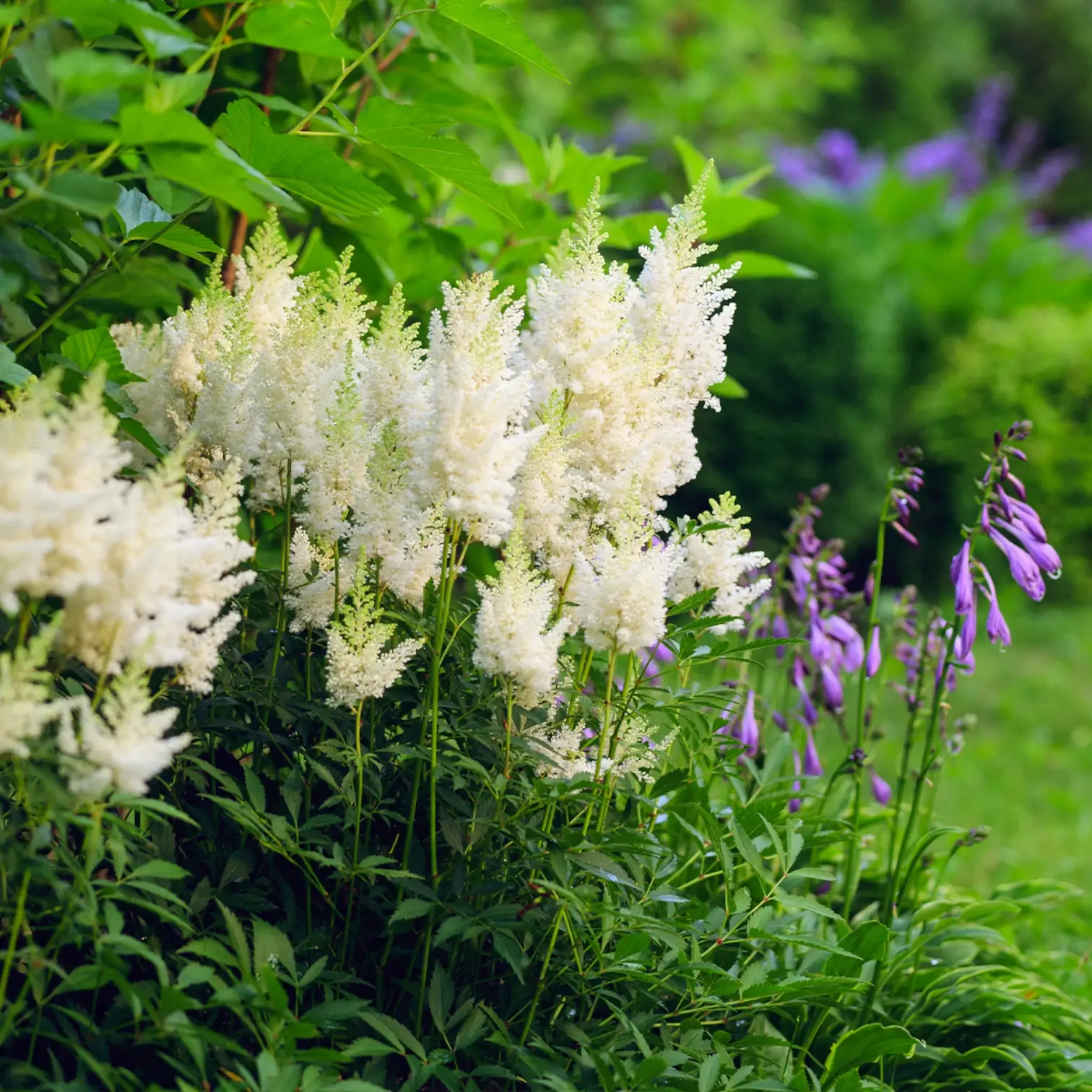
Astilbe
VAT included · plus
Your outdoor plant has just been packed, transported and unpacked, so give it a calm start before planting or placing it permanently. Remove all packaging carefully, check the pot, stems, visible roots and substrate moisture, and settle any loose growing medium back around the root ball. Water if the root ball feels dry, but do not leave the pot standing in water. For the first few days, keep the plant in a sheltered spot suited to its light needs, away from strong midday sun, heavy wind, frost and heat stress.
Do not move the plant straight into full exposure, especially if it is young, newly flushed, evergreen, recently pruned or greenhouse-grown. Gradually introduce more sun, wind and temperature variation over several days. If cold nights, storms, intense sun or hot dry weather are expected, keep the plant protected until conditions are more stable. Do not fertilize immediately after delivery; let the plant settle first and resume feeding only when it is actively growing and conditions are suitable.
Outdoor plants may arrive in different seasonal stages. Depending on the time of year, your plant may be leafy, flowering, newly sprouting, recently pruned, dormant, partly bare or leafless. Adjust care to what the plant is doing: actively growing plants need closer moisture checks, while dormant plants usually need protection from extremes and only light moisture management until growth resumes.
Plant outdoors when the soil is workable and weather conditions suit the plant type. Avoid planting during frost, heatwaves, waterlogged soil or very dry windy periods. It is better to keep the plant protected in its pot for a short time than to plant into stressful conditions. After planting, water thoroughly so the root ball and surrounding soil connect properly, then monitor moisture while the plant establishes.
Secure shipping, carefully packed orders with safe delivery across the EU, UK and Switzerland.
28-day plant guarantee, if a plant arrives damaged or fails soon after delivery, we help you make it right.
Free returns, simple, cost-free returns according to our policy.
For full details, please see:
Please head to our FAQ Page or Contact us.
Herbaceous perennial
Position
Part shade
Moisture
Moist
Drainage
Moisture-retentive, Well-drained
Hardiness
Fully hardy · -25°C
Mature size
30–40 × 30–40 cm
Winter habit
Herbaceous die-back
Bloom time
Summer
Containers
Good in pots
Pruning
Spring
Garden hybrid derived mainly from East Asian Astilbe species of moist woodland and streamside habitats.
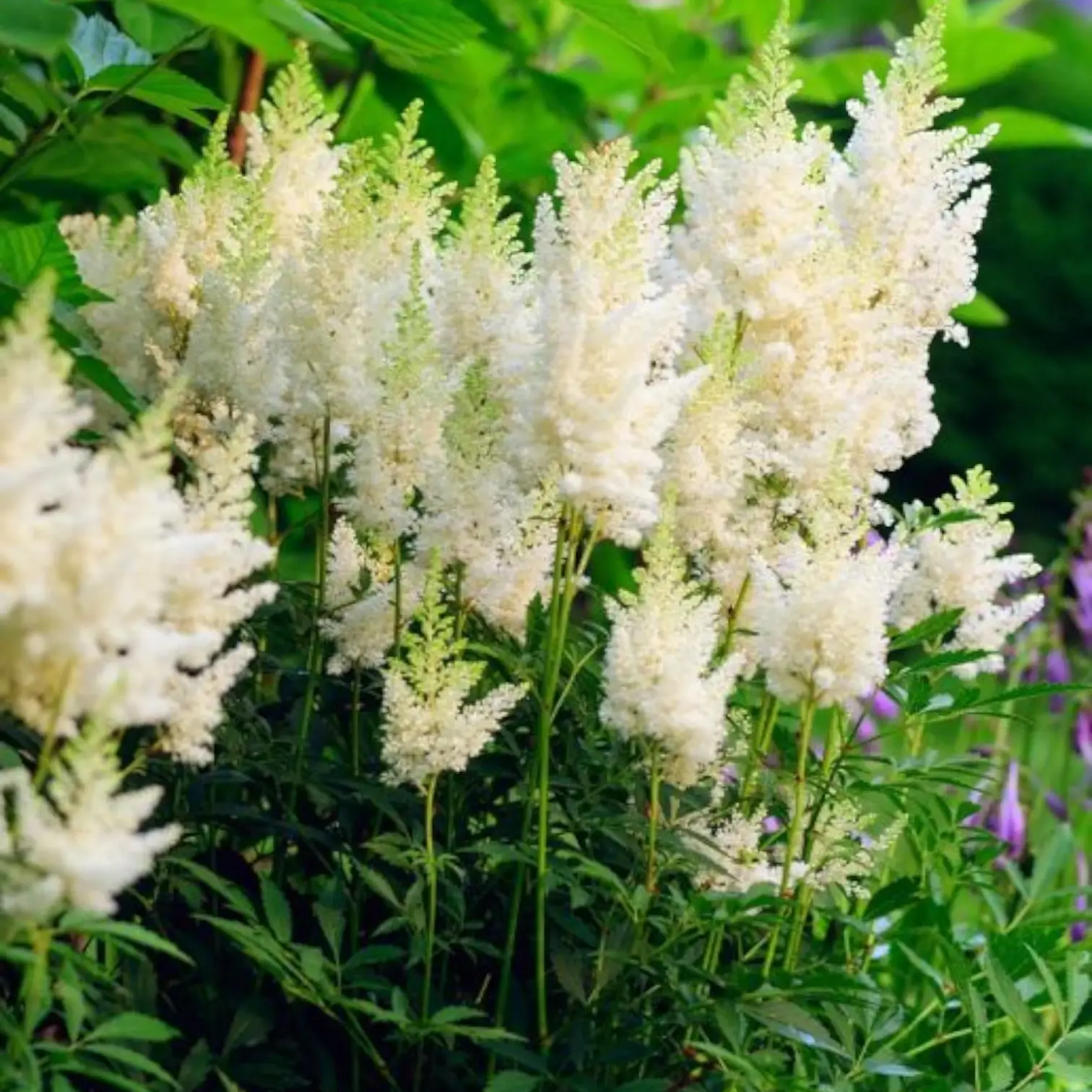
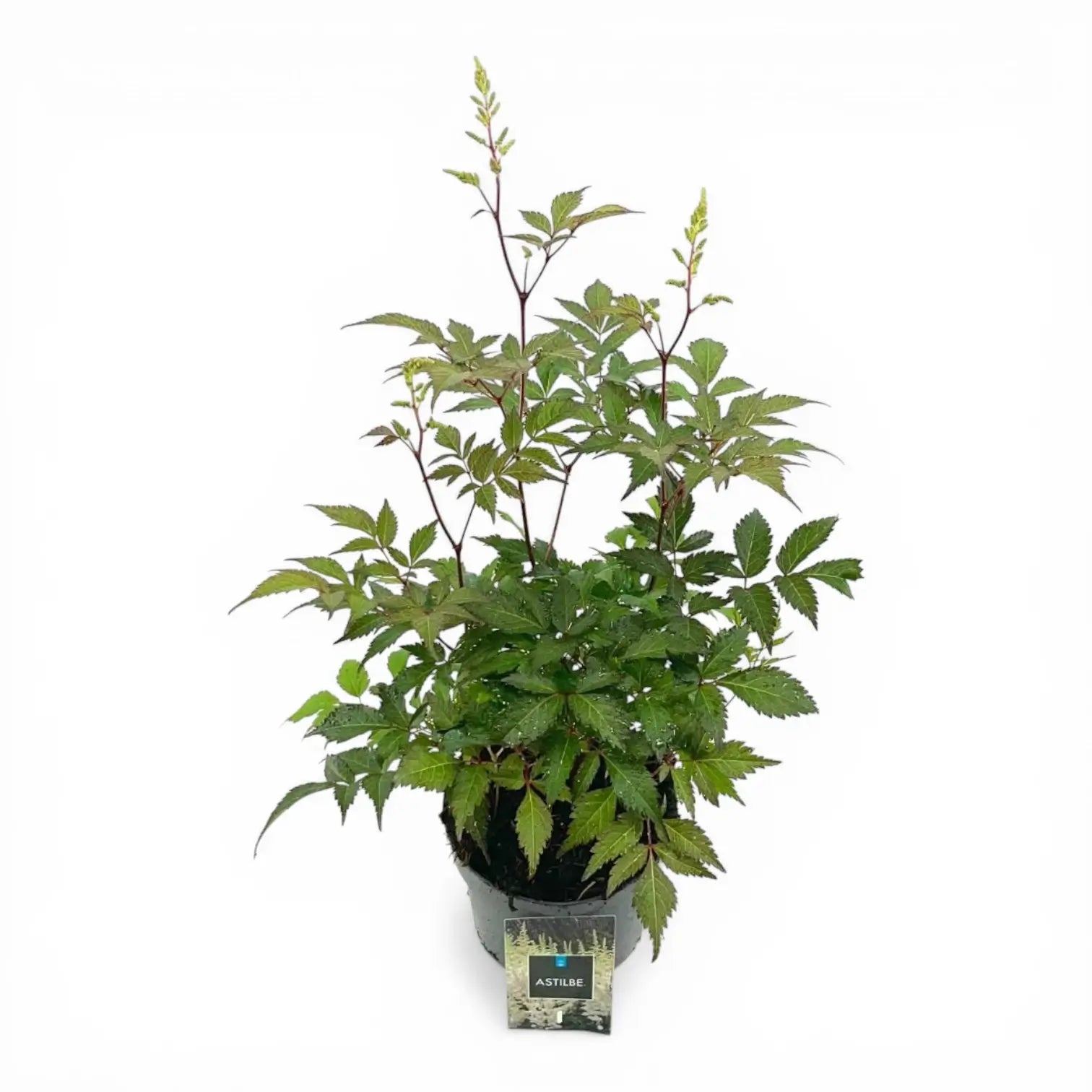
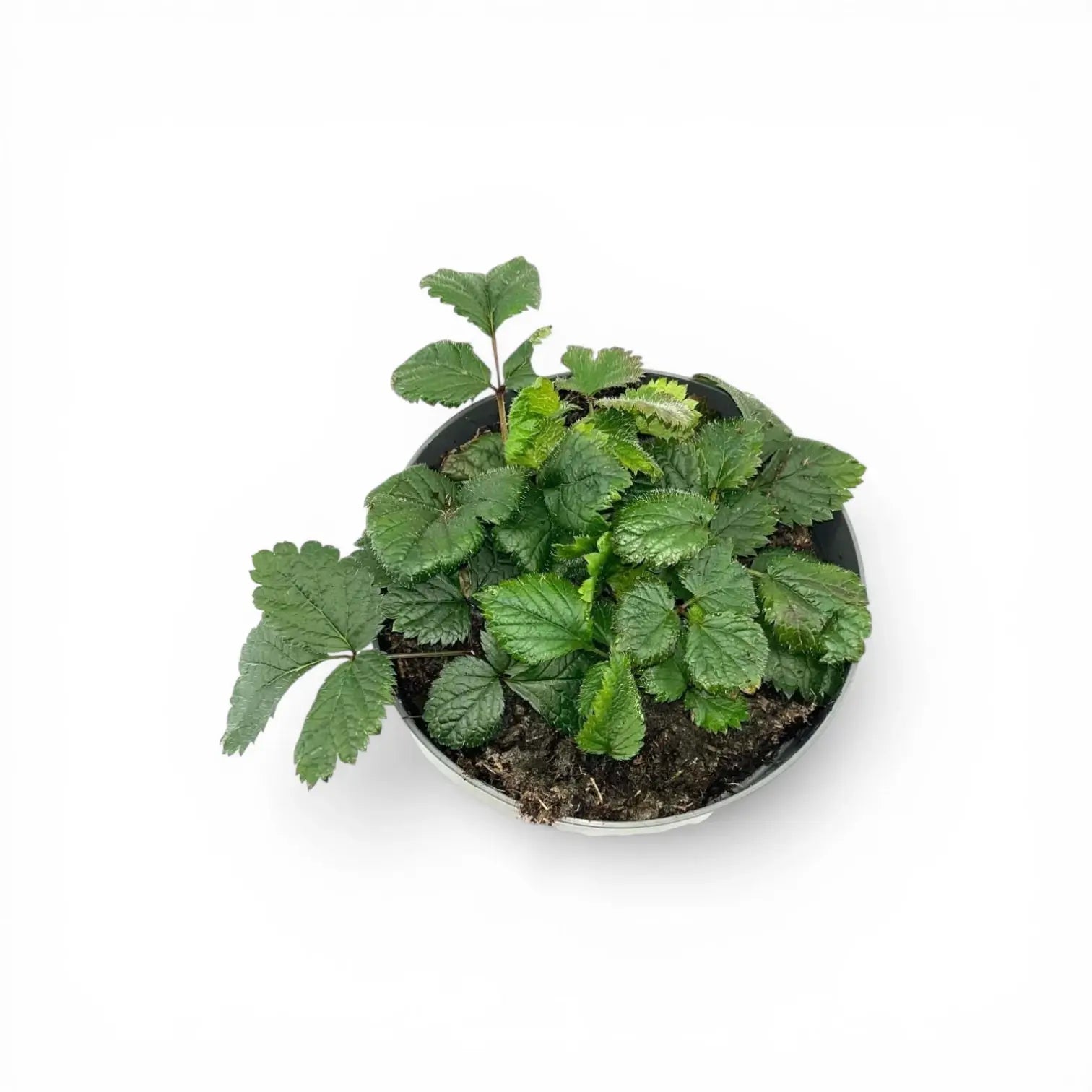
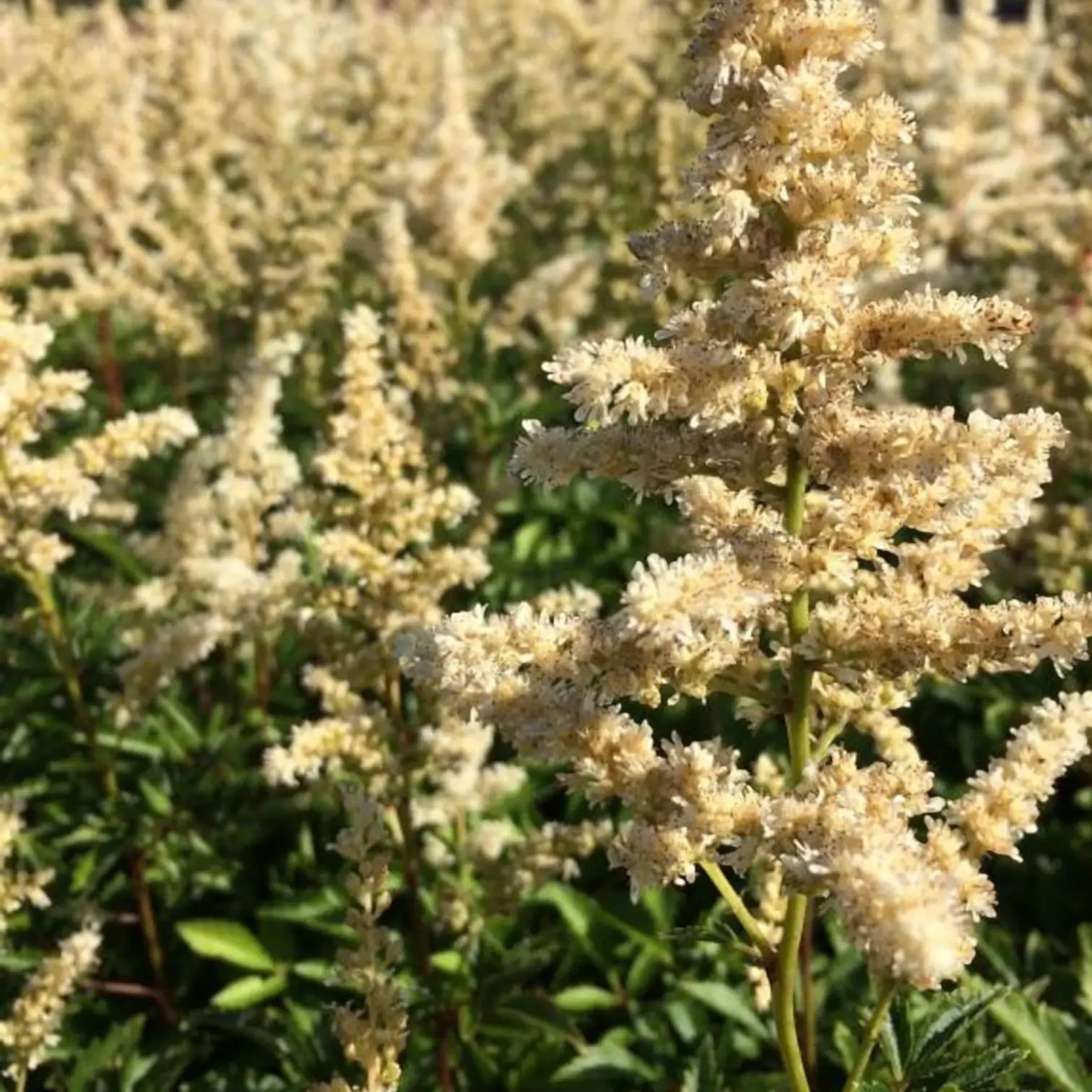
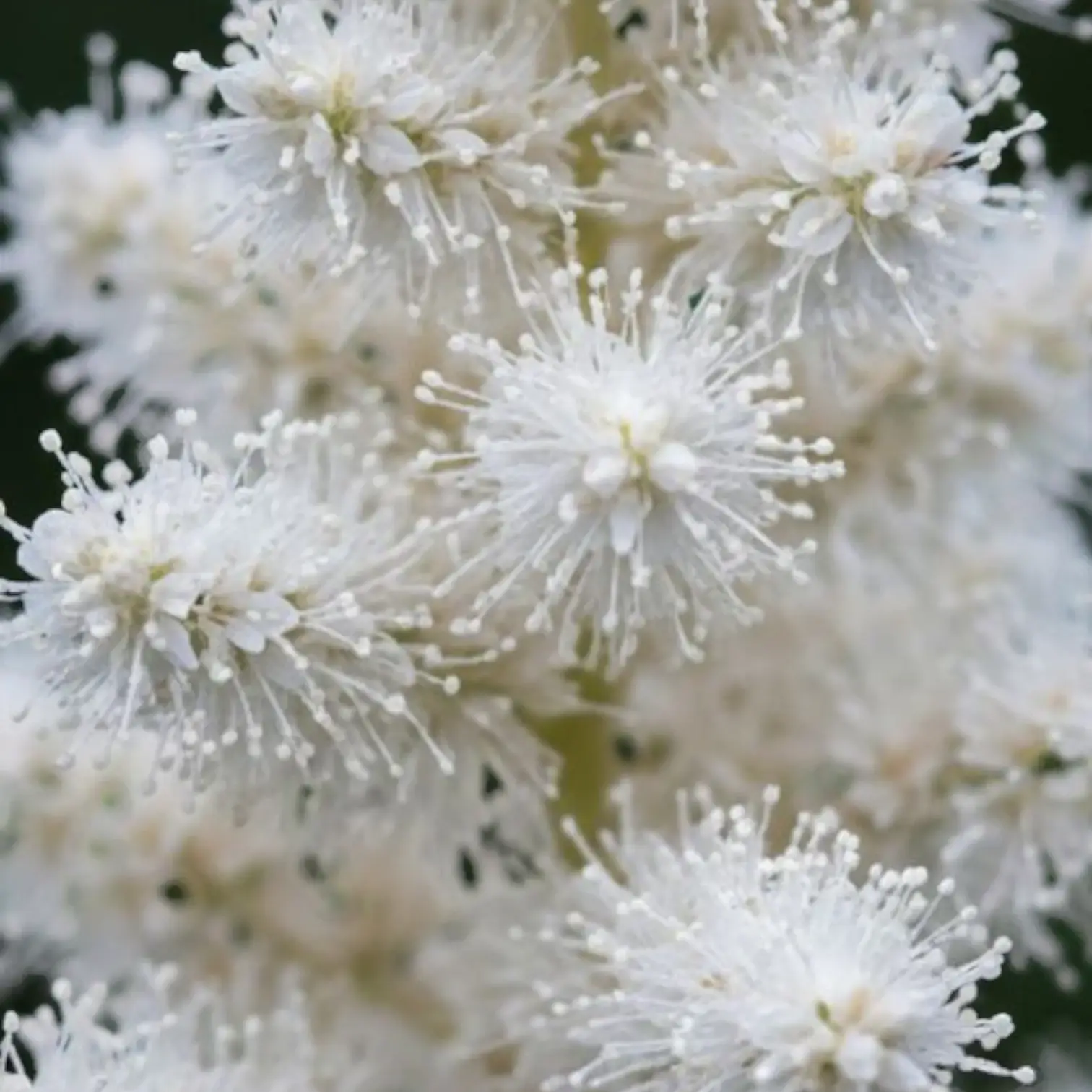
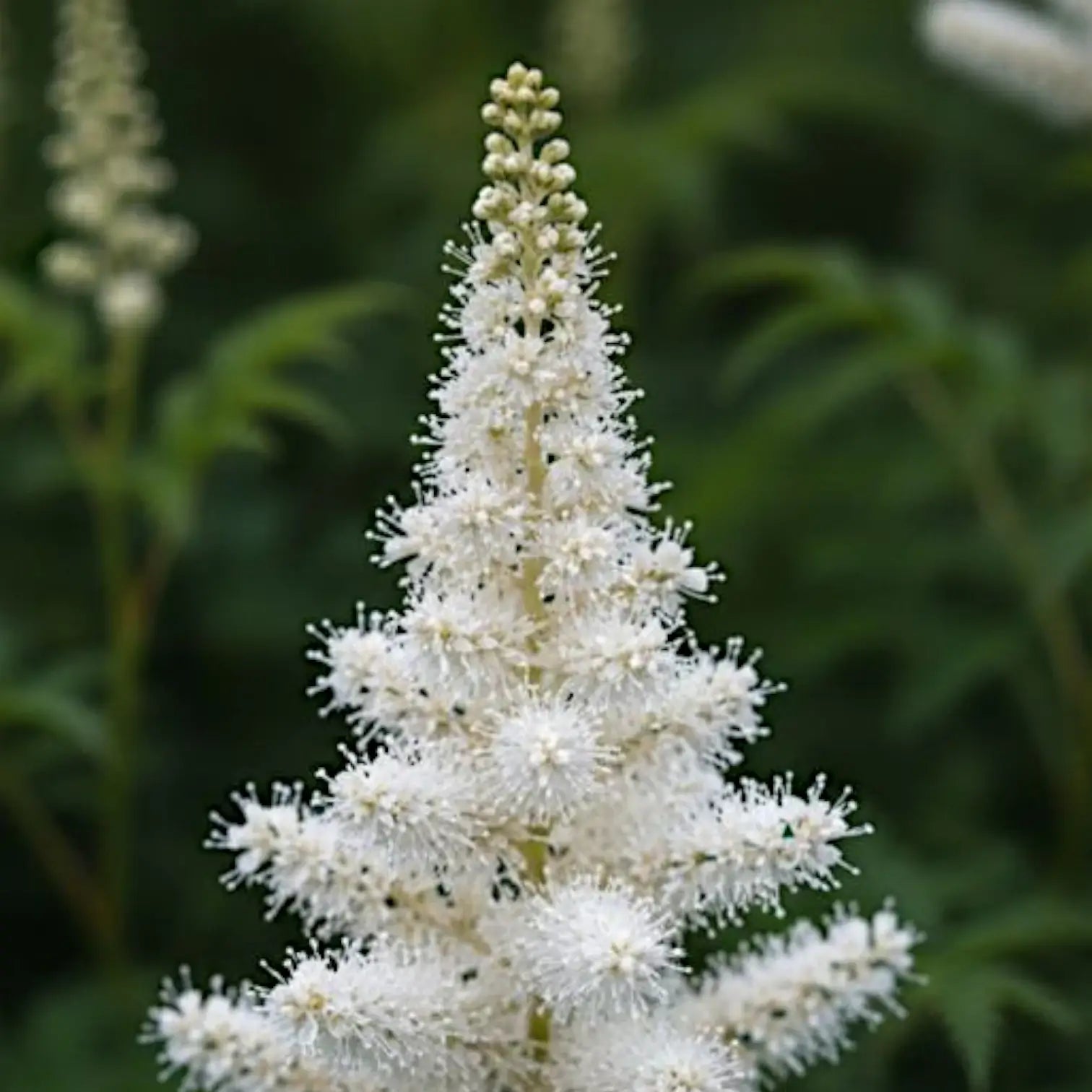
Astilbe × arendsii ‘Astary White’ is a dwarf, mound-forming astilbe with slender stems topped by dense, frothy white flower panicles. The foliage stays glossy and finely divided, so the plant looks crisp even when it is not in flower. It fits gardens where you want the astilbe effect close to paths, at the front of borders, or in patio containers that still need a proper summer display.
In open ground, expect roughly 30-40 cm in height and a similar spread when the clump is settled. As with many perennials, containers keep the plant a little smaller and slower than the same plant grown in the border.
New shoots rise in spring and quickly form a neat tuft of divided leaves. Flower stems follow, with white plumes typically appearing from June into August depending on temperature and soil moisture. After flowering, the plant stays leafy, providing a low, green base until autumn. In winter it dies back and rests below ground, then returns from the crown in spring.
‘Astary White’ suits dappled shade, woodland-style planting, and the edges of moisture-holding borders. The white plumes lift darker planting schemes and also work in lighter, green-on-green areas where you want flower texture with a calm colour palette. It is also a strong candidate for waterside planting, provided the site has good rooting depth and stays evenly moist through summer.
This cultivar performs best in clay or loam that holds moisture, with enough structure for air around the roots. A generous organic mulch helps buffer summer heat and supports steady root moisture. In lighter soils, improving the planting zone with composted organic matter helps the clump build strongly from spring onwards.
Astilbe growth depends heavily on consistent moisture. When the soil swings between very wet and very dry, flowering reduces and leaf edges can crisp. A simple routine of regular watering during dry spells and a mulch layer is usually enough for a stable, full clump.
Partial shade is the sweet spot: bright enough for good flowering, shaded enough that the soil stays cooler and the foliage stays fresh. Morning sun with afternoon shade works well. Sheltered positions also help the plumes stay upright and clean after summer rain.
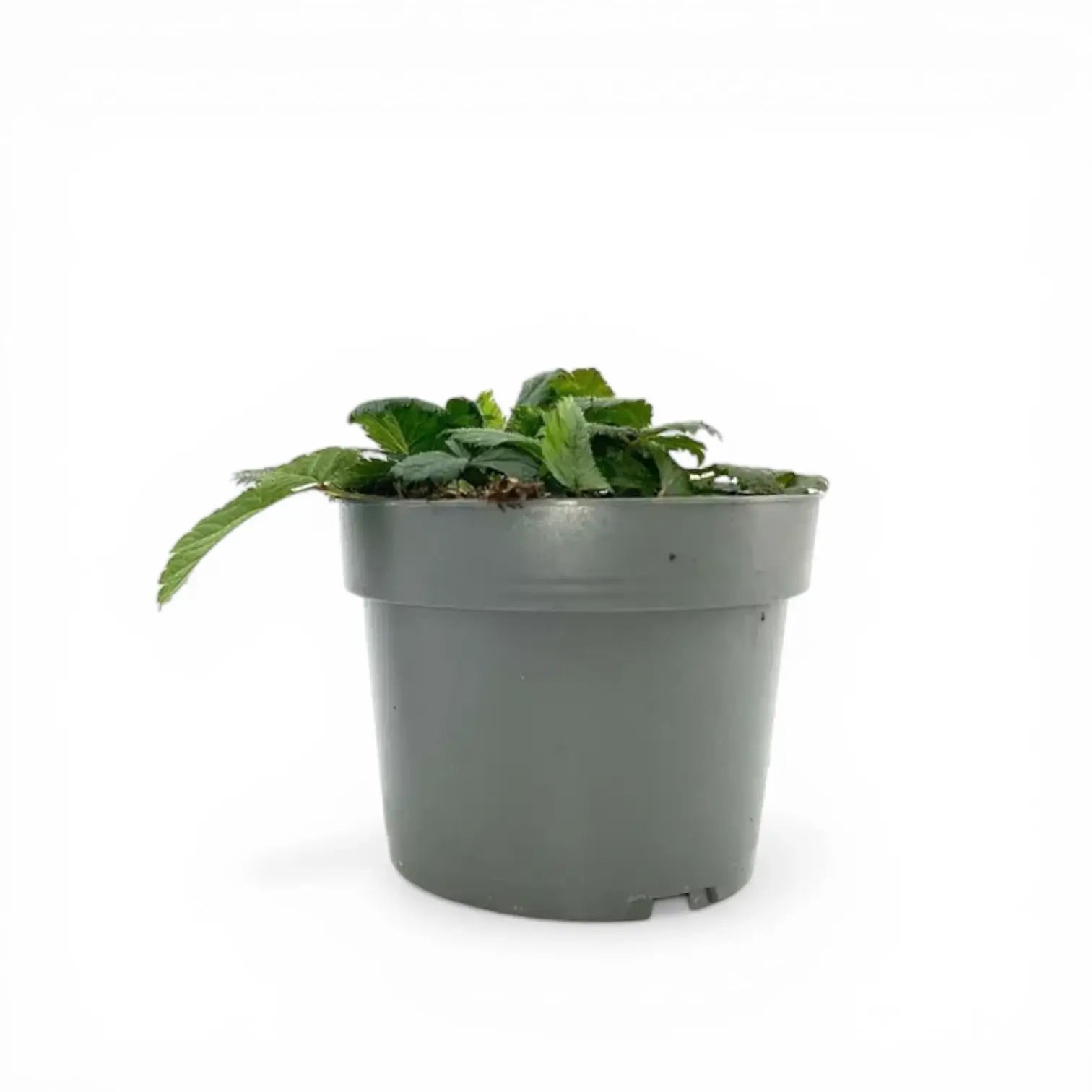
Plant in spring or early autumn so roots can settle before the next heat or frost cycle. Prepare a broad planting area, especially in clay, and set the crown at the same depth as in the pot.
Astilbe grows from rhizomes and appreciates a steady supply of nutrients and lighter feeding. A top-dressing of compost in spring usually covers what it needs in the border. In containers, a slow-release feed at the start of the season supports longer flowering and strong foliage.
After flowering, stems can be removed for a tidier look, or left to dry if you enjoy the texture. Once growth has finished for the year, cut the clump back to low stubs; fresh shoots rise from the base the following spring.
In late winter to early spring, clear any remaining dry stems before new shoots lift. During dry spells, water deeply so moisture reaches the full root zone; a mulch layer helps keep the crown cooler and reduces surface drying.
Every three to four years, division keeps the plant vigorous. Lift the clump, split into sections with healthy buds, and replant the youngest, strongest pieces. Older, woody sections can be discarded.
White astilbe works well as a “light catch” in shade, especially when it sits in front of darker foliage or next to broad-leaved perennials. It also pairs naturally with grasses and sedges around water features where the soil stays evenly moist. If you want a more modern look, repeat several small clumps in a line along a path so the plumes create a low, rhythmic summer edge.
Choose a pot with real volume and reliable drainage. Astilbe roots value moisture, yet they also need oxygen around the root zone. A moisture-holding mix with added structure is ideal, and a surface mulch layer helps slow evaporation.
Astilbe setbacks often track moisture swings and heat. When leaf edges brown, a steadier watering rhythm and a mulch layer usually improves the next flush of growth. Vine weevil can be an issue in containers; checking the potting mix and using appropriate biological controls helps when damage appears. Powdery mildew can show up in warm, still conditions; better air movement and steady moisture support healthier foliage.

Choose options
Sign up for Foliage Factory newsletter for early access to new arrivals and practical care tips that work in real homes.