Position
Full sun

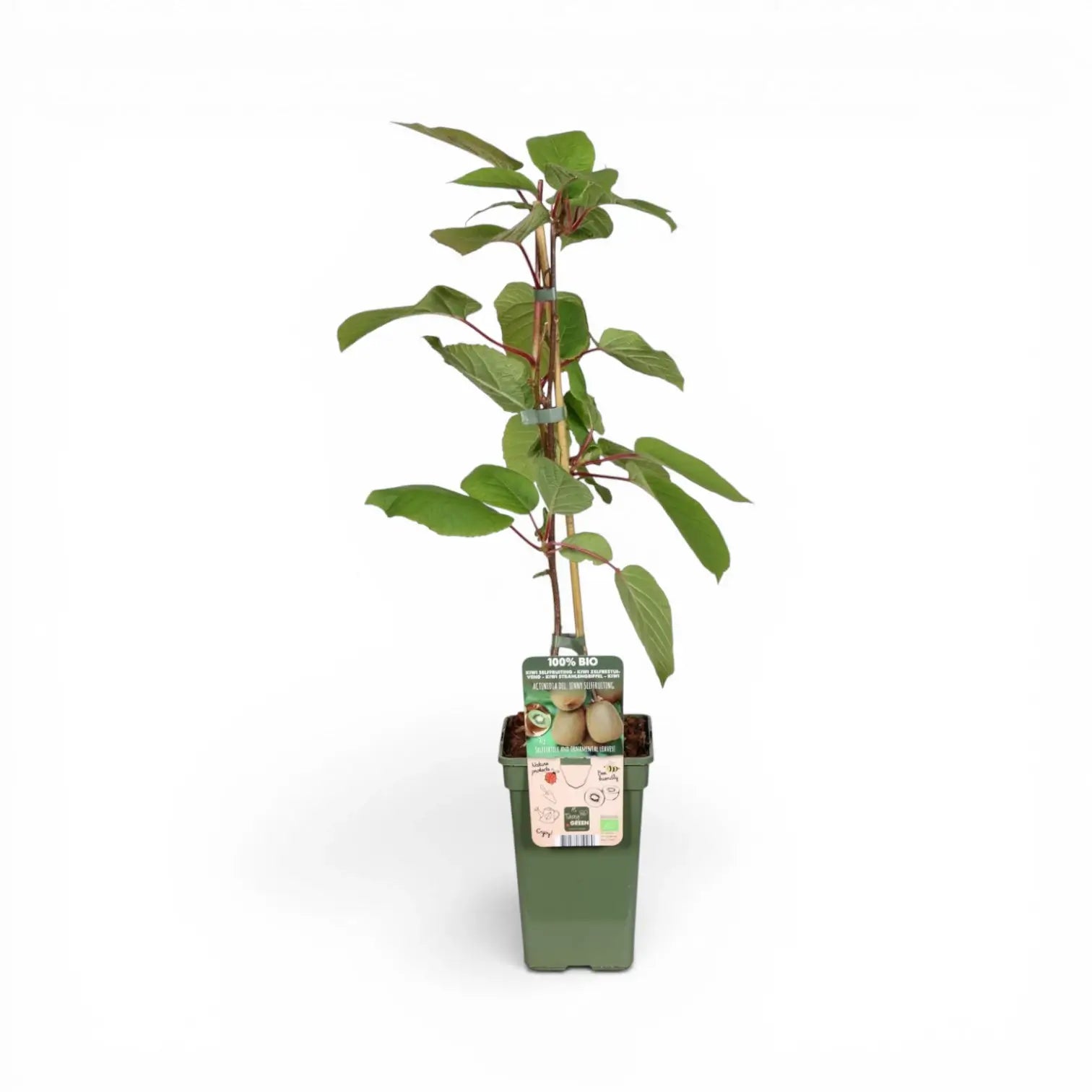
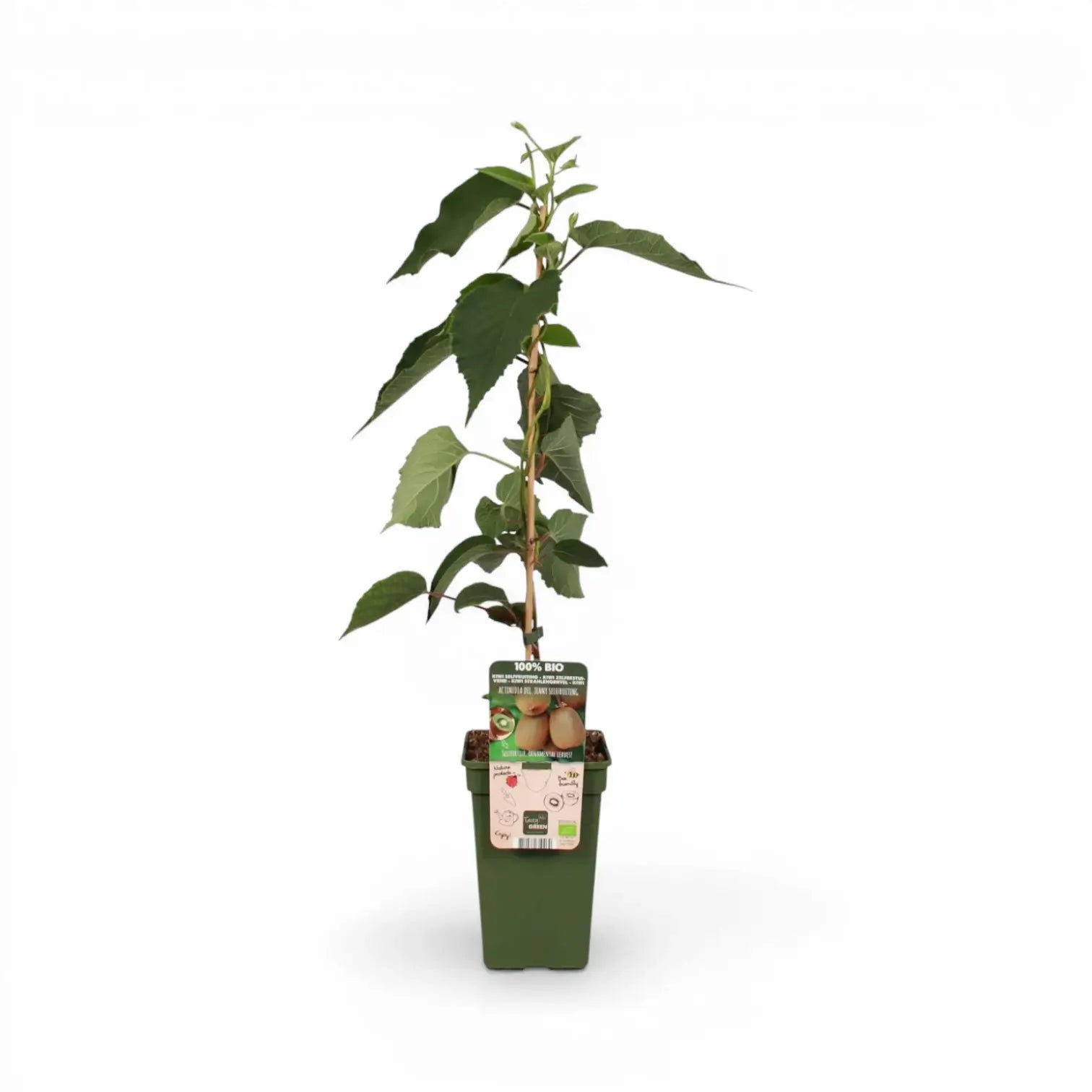
Actinidia
VAT included · plus
Your outdoor plant has just been packed, transported and unpacked, so give it a calm start before planting or placing it permanently. Remove all packaging carefully, check the pot, stems, visible roots and substrate moisture, and settle any loose growing medium back around the root ball. Water if the root ball feels dry, but do not leave the pot standing in water. For the first few days, keep the plant in a sheltered spot suited to its light needs, away from strong midday sun, heavy wind, frost and heat stress.
Do not move the plant straight into full exposure, especially if it is young, newly flushed, evergreen, recently pruned or greenhouse-grown. Gradually introduce more sun, wind and temperature variation over several days. If cold nights, storms, intense sun or hot dry weather are expected, keep the plant protected until conditions are more stable. Do not fertilize immediately after delivery; let the plant settle first and resume feeding only when it is actively growing and conditions are suitable.
Outdoor plants may arrive in different seasonal stages. Depending on the time of year, your plant may be leafy, flowering, newly sprouting, recently pruned, dormant, partly bare or leafless. Adjust care to what the plant is doing: actively growing plants need closer moisture checks, while dormant plants usually need protection from extremes and only light moisture management until growth resumes.
Plant outdoors when the soil is workable and weather conditions suit the plant type. Avoid planting during frost, heatwaves, waterlogged soil or very dry windy periods. It is better to keep the plant protected in its pot for a short time than to plant into stressful conditions. After planting, water thoroughly so the root ball and surrounding soil connect properly, then monitor moisture while the plant establishes.
Secure shipping, carefully packed orders with safe delivery across the EU, UK and Switzerland.
28-day plant guarantee, if a plant arrives damaged or fails soon after delivery, we help you make it right.
Free returns, simple, cost-free returns according to our policy.
For full details, please see:
Please head to our FAQ Page or Contact us.
Deciduous fruit climber
Position
Full sun
Moisture
Moist
Drainage
Moisture-retentive, Well-drained
Hardiness
Hardy with shelter · -10°C
Mature size
400–600 × 250–400 cm
Winter habit
Deciduous
Bloom time
Spring, Summer
Containers
Pots with support
Support
WireTrellisPergola
Pruning
Winter, Summer
Forest margins, thickets and secondary woodland in temperate China.
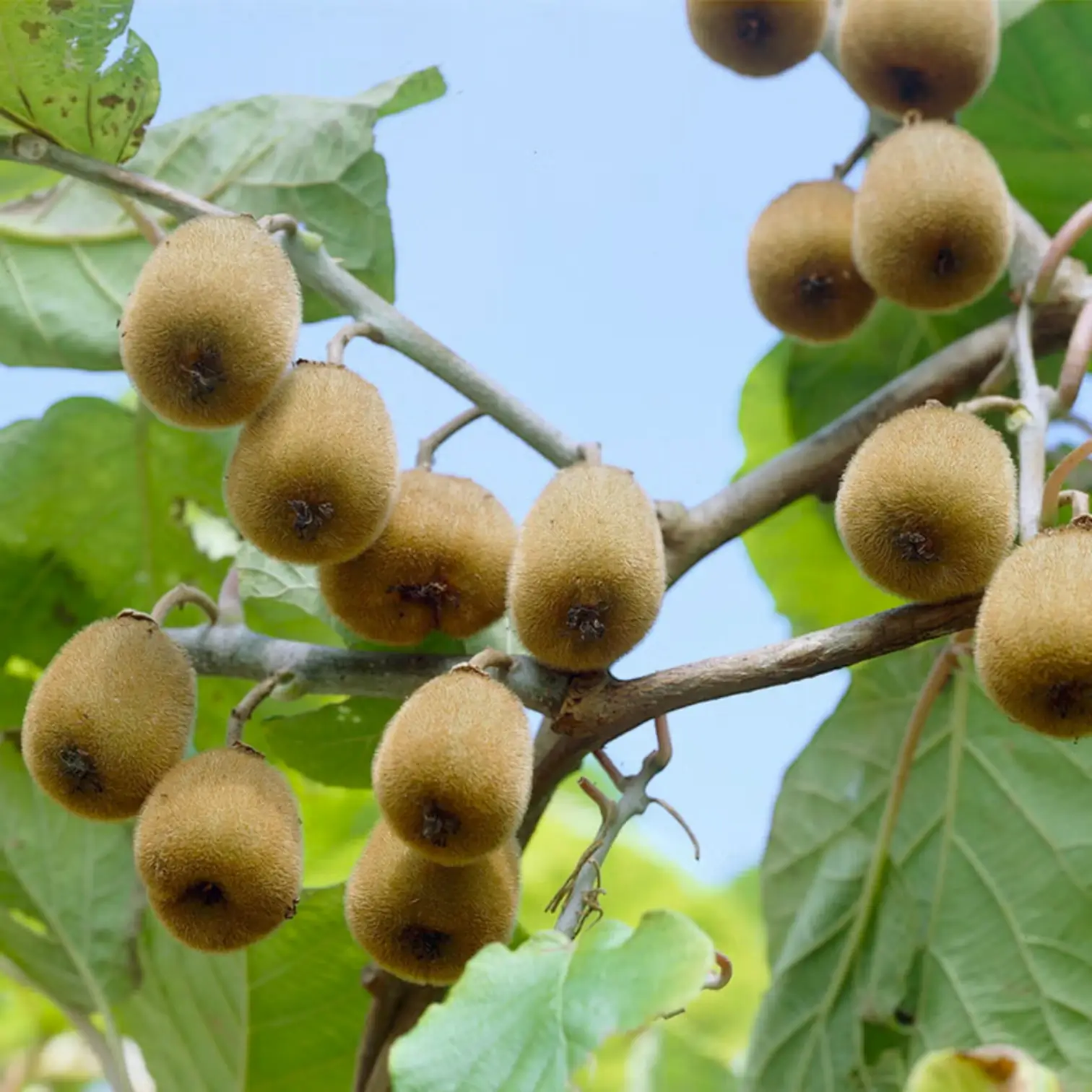
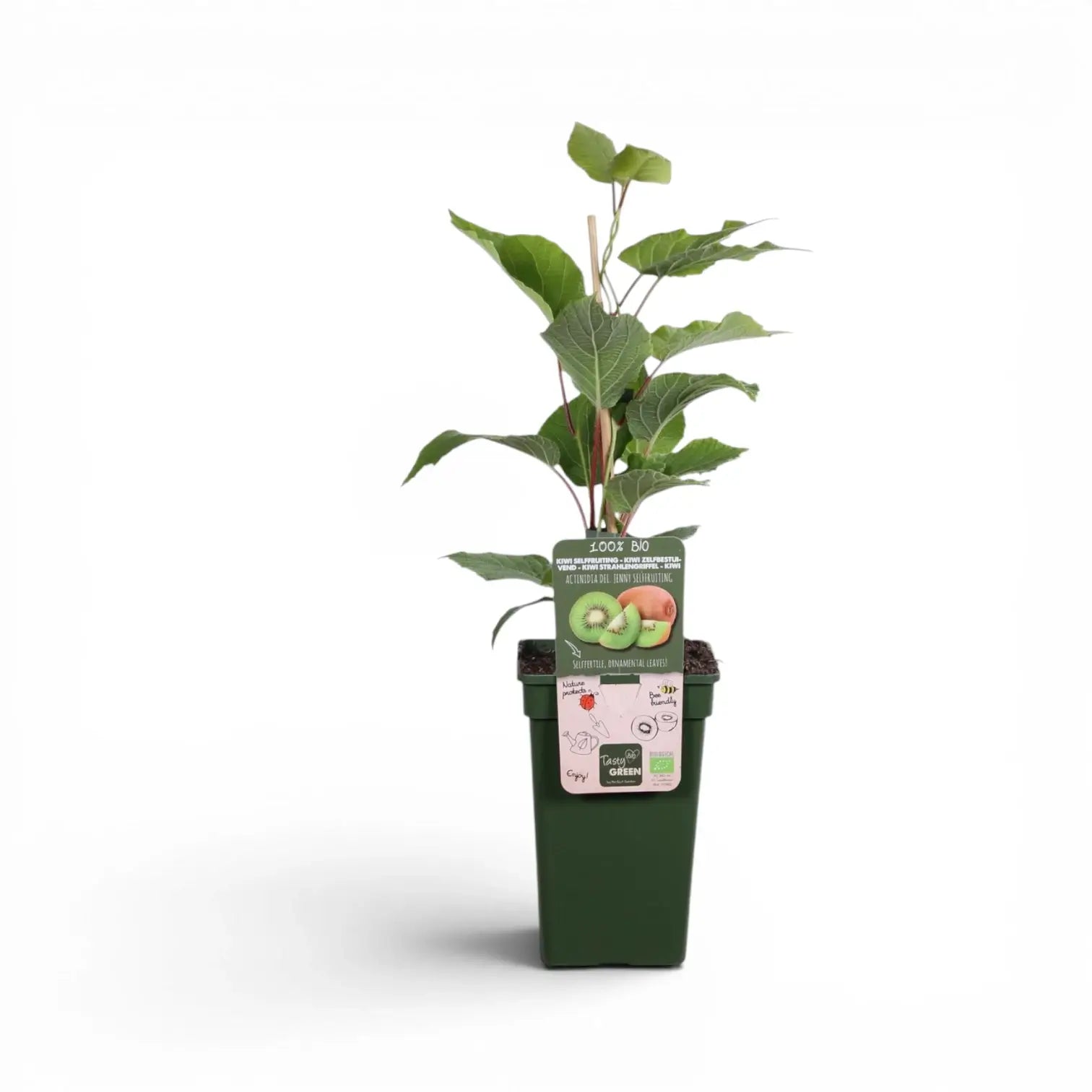
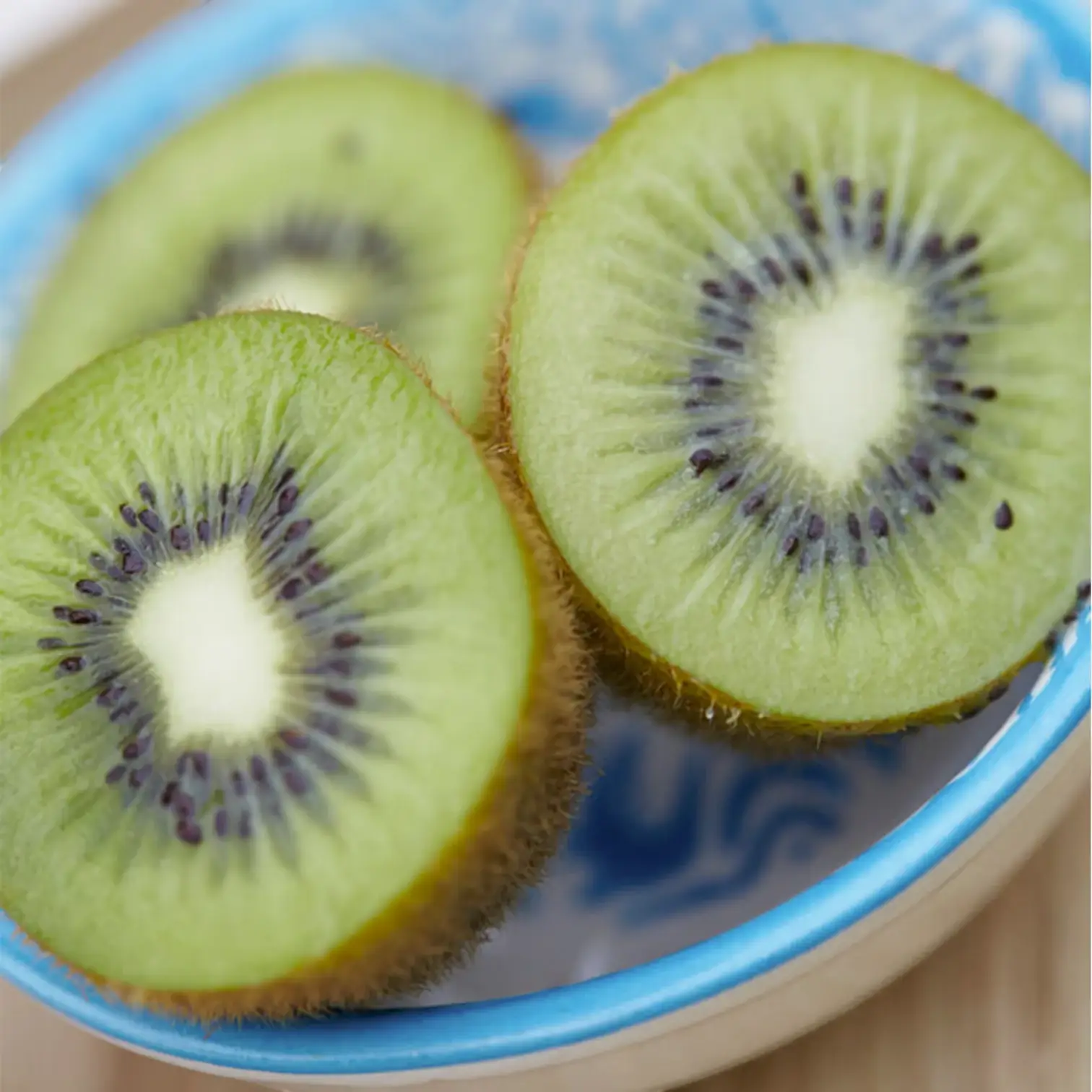
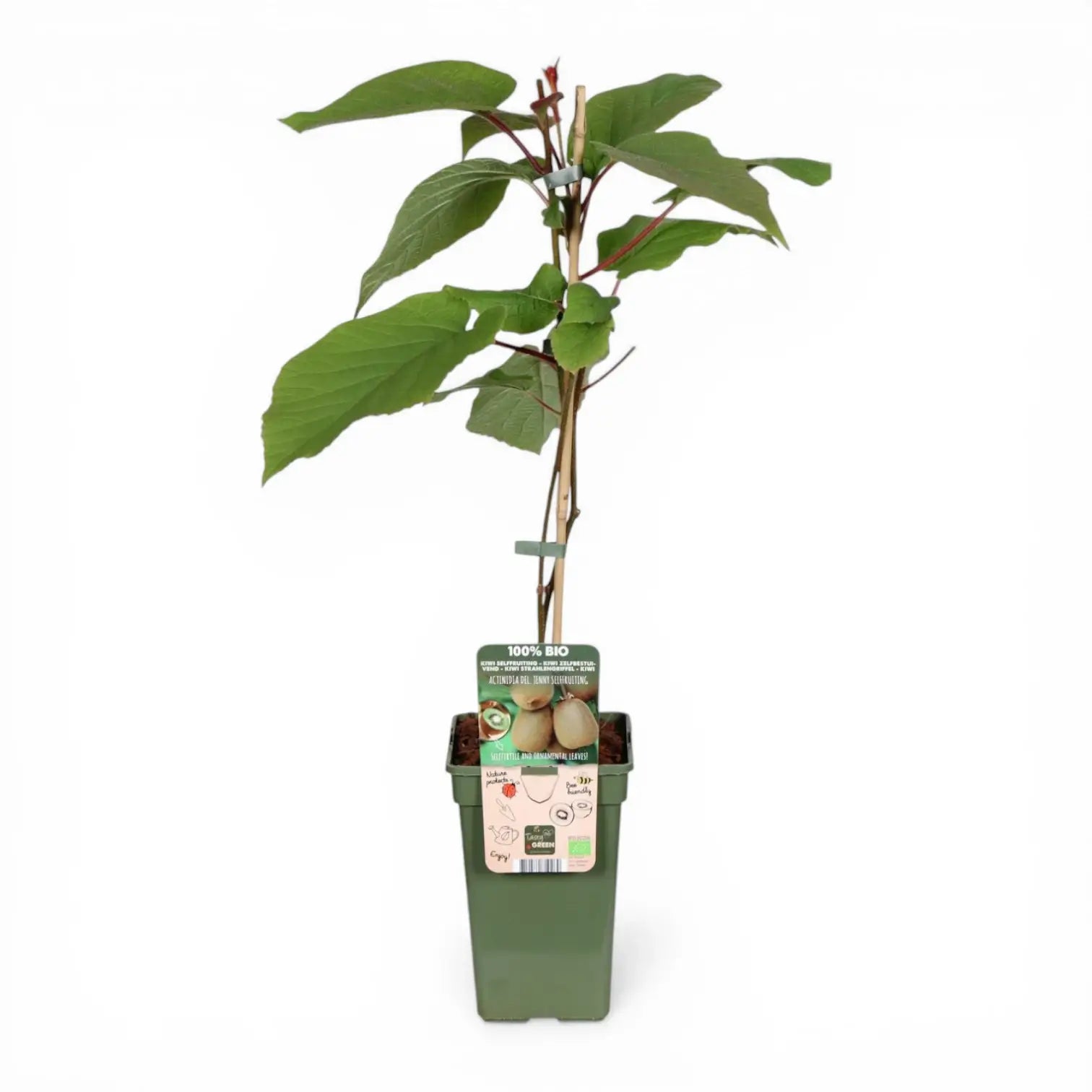
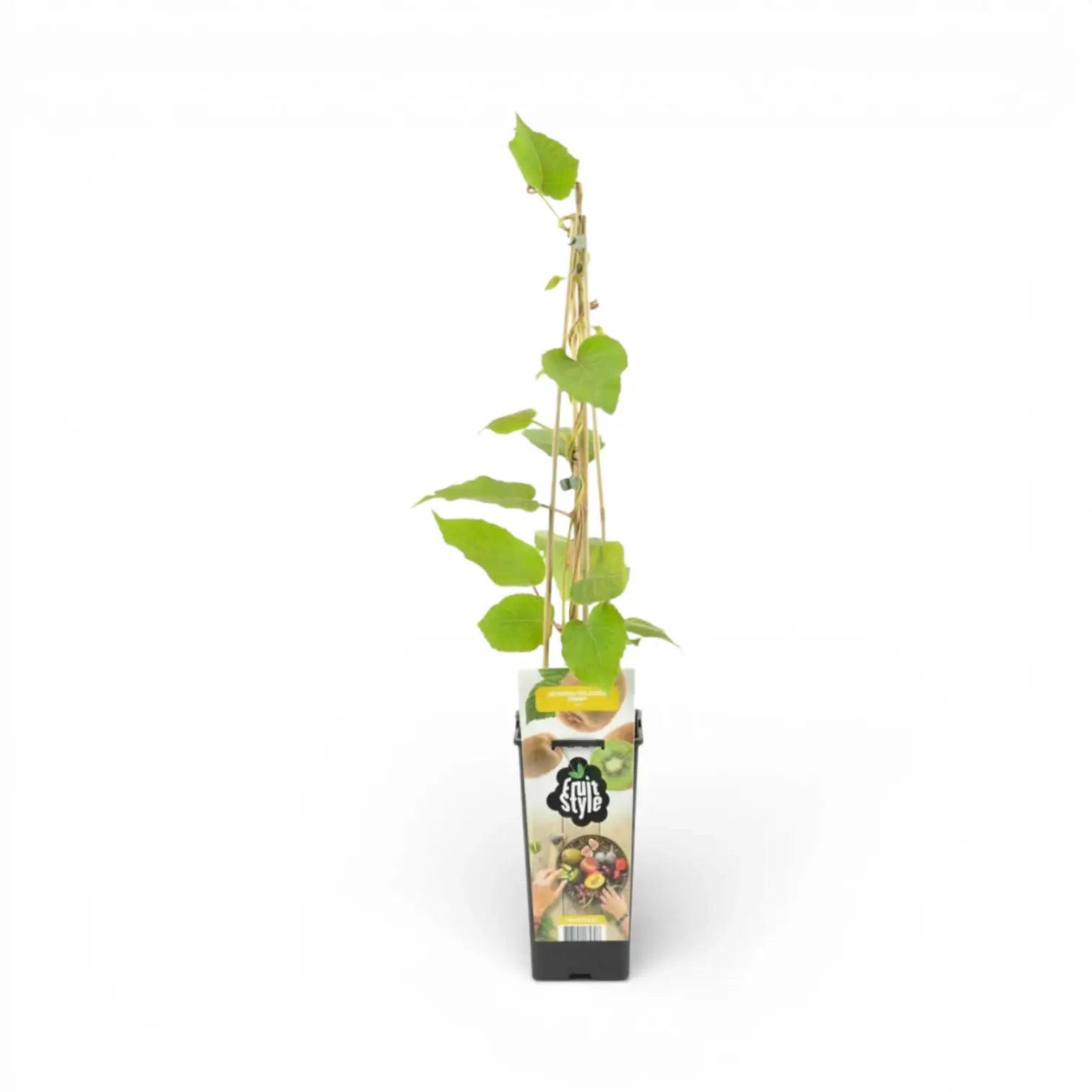
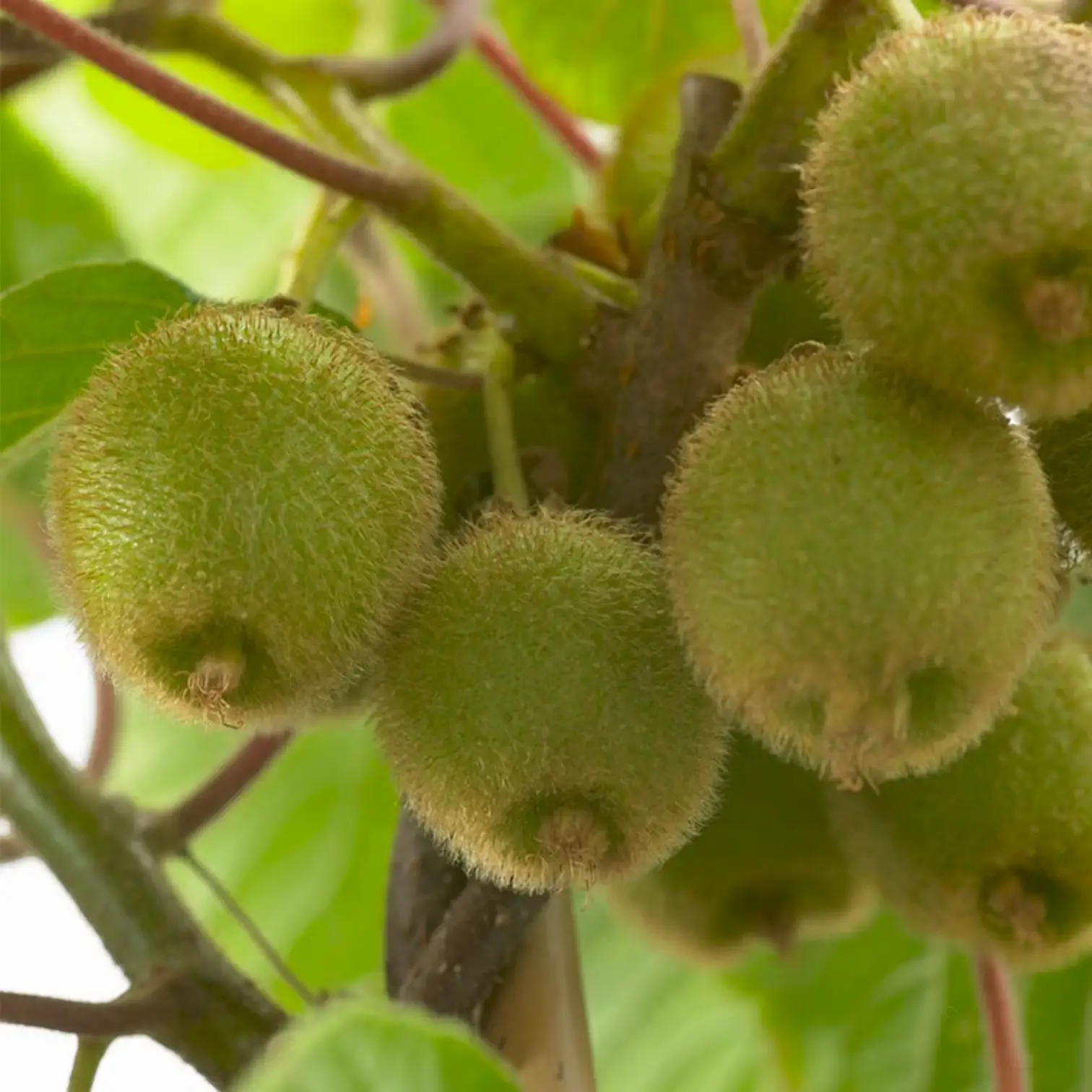
Actinidia deliciosa 'Jenny' is a self-fertile kiwifruit vine for gardeners who want a productive climber with strong foliage, seasonal flowers and the possibility of home-grown kiwi fruit from one plant. It is still a large, woody climber, so its success depends on support and shelter from the beginning. A mature vine can cover a pergola, a sunny wall frame or a strong horizontal wire system, with broad green leaves giving generous summer cover and creamy flowers appearing in late spring to early summer.
This plant is most useful where edible planting and ornamental structure meet. The foliage gives a lush look through the growing season, while the fruiting potential adds a practical reason to give the vine the warmest, most settled position available. Actinidia deliciosa 'Jenny' suits gardens with a sturdy frame, a sheltered courtyard wall, a pergola over a seating area, or a productive corner where a single vine can be trained carefully each year.
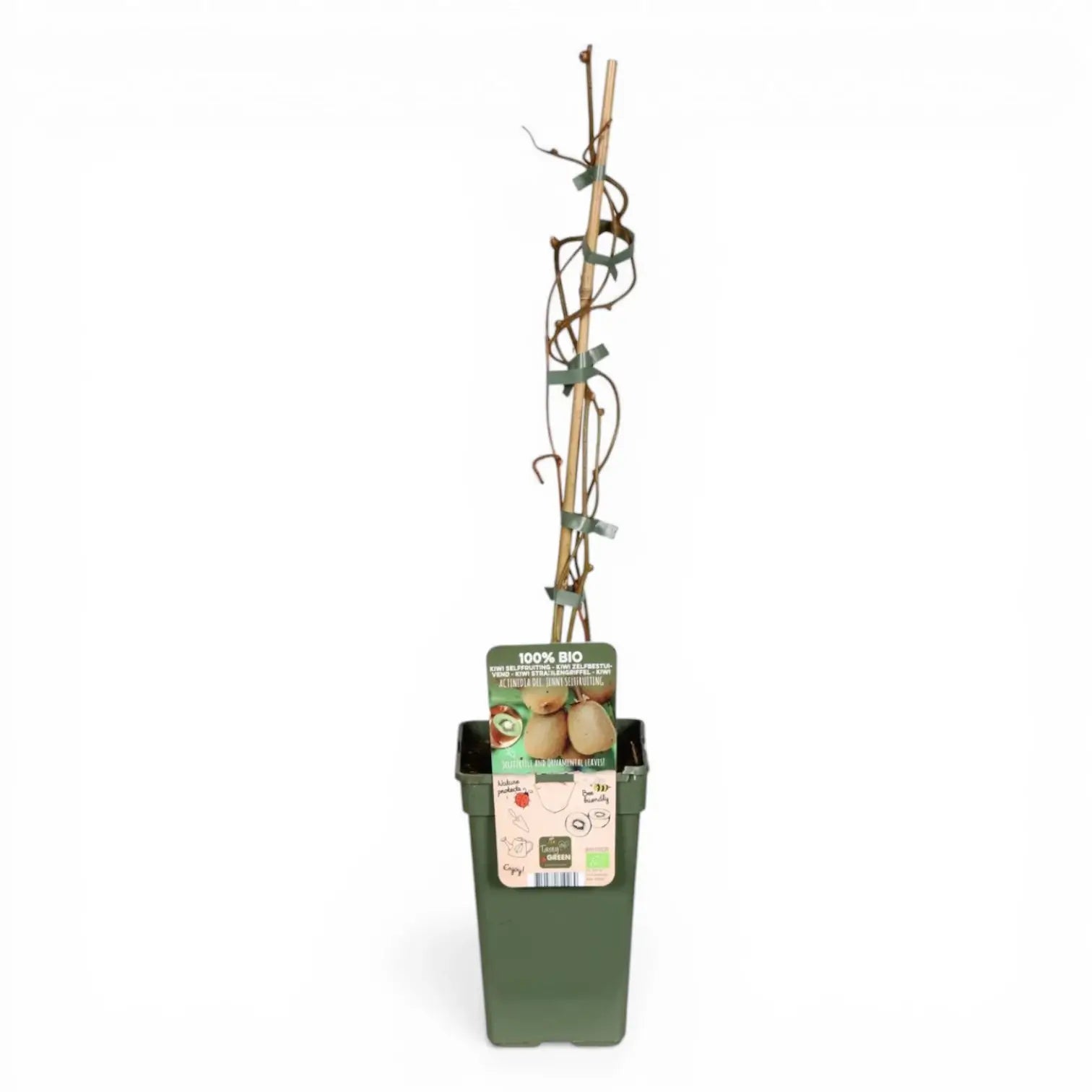
Actinidia deliciosa 'Jenny' is a twining, deciduous climber. Young shoots lengthen quickly once the root system has settled, and older stems become woody. It needs a framework that can carry long arms, leafy summer growth and fruiting laterals. Thin decorative trellis is usually too light for a mature kiwi vine. Strong wires fixed to a wall, a pergola, an arch built for fruit, or a freestanding fruit frame gives the plant a safer long-term structure.
Ultimate size depends on training, climate and available root space. A well-grown Actinidia deliciosa 'Jenny' can reach around 6 m tall with a spread of about 4 m when trained in open ground. In containers, Actinidia deliciosa 'Jenny' stays smaller and grows more slowly than plants in open ground, but it still needs a large pot, a stable support and regular root-zone care.
Choose full sun, warmth and shelter. A south-facing or west-facing wall is especially useful in cooler European gardens because it stores heat and shields young shoots from cold wind. Flowers and new growth can be damaged by late frost, so a position away from frost pockets gives the plant a stronger chance of flowering and setting fruit. Air movement is helpful, but exposed wind can tear large leaves and dry new growth quickly.
The root run should be fertile, evenly moist and open enough for rain to move through. Kiwi vines enjoy steady moisture during growth, flowering and fruit swelling, yet the roots need oxygen around them. Improve light soils with mature compost before planting and loosen heavy soil deeply so water can move away after rain. Slightly acidic to neutral soil is a safe fit; many garden soils are workable when drainage and organic matter are in balance.
Water deeply during the first growing season so the vine builds a resilient root system. Established plants in open ground cope with short dry periods once rooted, but flowering and fruit swelling benefit from even moisture. Mulch over the root area with compost or leaf mould in spring, leaving a small gap around the stem. Feed modestly in spring if growth is weak or the soil is poor; very rich feeding can push long, leafy growth at the expense of manageable training.
In containers, water once the upper 20-30% of the pot depth feels dry. A container kiwi needs a large, heavy pot with drainage holes and a moisture-retentive, loam-based mix. Keep the rootball evenly moist during hot spells, because a pot dries faster than open soil and large kiwi leaves lose water quickly. Moveable containers also need a sheltered position so the vine and support stay stable in wind.
Training is the main care task. Build a simple framework of permanent arms, then use shorter side shoots for flowering and fruiting. Winter pruning is useful for removing crowded growth and tying in the main structure while the plant is dormant. Summer pruning keeps long new shoots within the frame and allows light to reach developing fruit. Use clean cuts and keep the centre open enough for air and access.
Actinidia deliciosa 'Jenny' is self-fertile, meaning one plant can carry both male and female flowers. Fruiting still depends on warmth, flower survival, pollination activity and a long enough season for ripening. In cooler gardens, treat fruit as a welcome seasonal bonus and value the vine for foliage, shade and edible-garden atmosphere as well.
Weak flowering is often linked to a cool position, winter or spring bud damage, immature plants, excessive leafy growth, or heavy pruning during the flower-forming cycle. Leaf scorch can appear where wind and drought hit soft summer leaves. Poor fruit ripening usually means the site lacks heat or the season is short. Compacted or saturated soil weakens young roots and slows establishment.
Give Actinidia deliciosa 'Jenny' a permanent, warm position from the start. With space, support, moisture and sensible pruning, it becomes a bold edible climber that can turn a plain wall or pergola into a productive green canopy.
For the clearest framework, start with one main stem and tie it to the support while it is young and flexible. From that stem, train side arms horizontally along wires or across the pergola. These laterals carry the short flowering shoots, so keep the structure open enough for light to reach the ripening wood. Summer pruning is mainly about shortening vigorous leafy shoots and keeping the vine within its frame. Winter pruning is quieter and more structural, removing congested or exhausted sections while preserving useful young wood for the next season.
In a large container, use a deep, heavy pot and a permanent support from the start. The compost volume must be generous enough to stay evenly moist through warm weather. Container-grown Actinidia deliciosa 'Jenny' stays smaller and slower than a vine planted into open ground, but it still needs tying, feeding and regular watering to remain productive.
Choose options
Sign up for Foliage Factory newsletter for early access to new arrivals and practical care tips that work in real homes.