

START WITH YOUR OUTDOOR SPACE


Outdoor Plants
Got an outdoor spot, even a small one?
Use it.
A balcony edge, a patio corner, a terrace, a narrow strip along a fence. Our outdoor range stays intentionally small. It covers the reliable, well loved plants that hold up in wind, rain, and hot spells, for anyone who wants a piece of nature close by when space is scarce.
You’ll find outdoor plants for balconies, patio plants, terrace plants, and small garden planting, chosen for everyday conditions. Gusts dry pots faster than you expect. Sun bounces off walls and paving. Sudden downpours leave containers heavy. Cool nights slow growth. The selection spans perennials, shrubs, climbers, herbs, fruit and berries, plus favourites like Japanese maples, Hydrangeas, Lavender, and Clematis.
If you’re growing in pots, plan for what pots do. They heat up fast, cool down fast, and dry out quickly in wind. After heavy rain, they can also stay wet longer than you want. Keep it simple. Match plants to your light and how often you can water, repeat a small set so the space feels joined up, then put fragrance and flowers where you sit, walk past, and look.
Want to move a houseplant outside for summer?
We provide outdoor suitability info is on each individual houseplant page
➜ Scroll just below the Quick Care Guide, then expand “More outdoor growing details” to check temperatures, timing, and outdoor setup for Europe.
➜ On collection pages, filter by Minimum Temperature under care needs.
💡 Not sure whether your indoor plants should join you outside too?
Read our guide to moving houseplants outdoors for summer, including what works, what fails, and how to avoid stress before you try it.
Outdoor Plants: Quick start
• Fastest match: pick your site first (sheltered or exposed, sun or bright shade, pot or ground).
• Most naturalistic look: choose fewer plants, repeat them, and let spacing do the work.
• Most relaxed summer: start with drought tolerant and sun to part shade picks, then add fragrance and winter interest.
Start with Your Outdoor Space:
COVERED BALCONY OR SHELTERED TERRACE
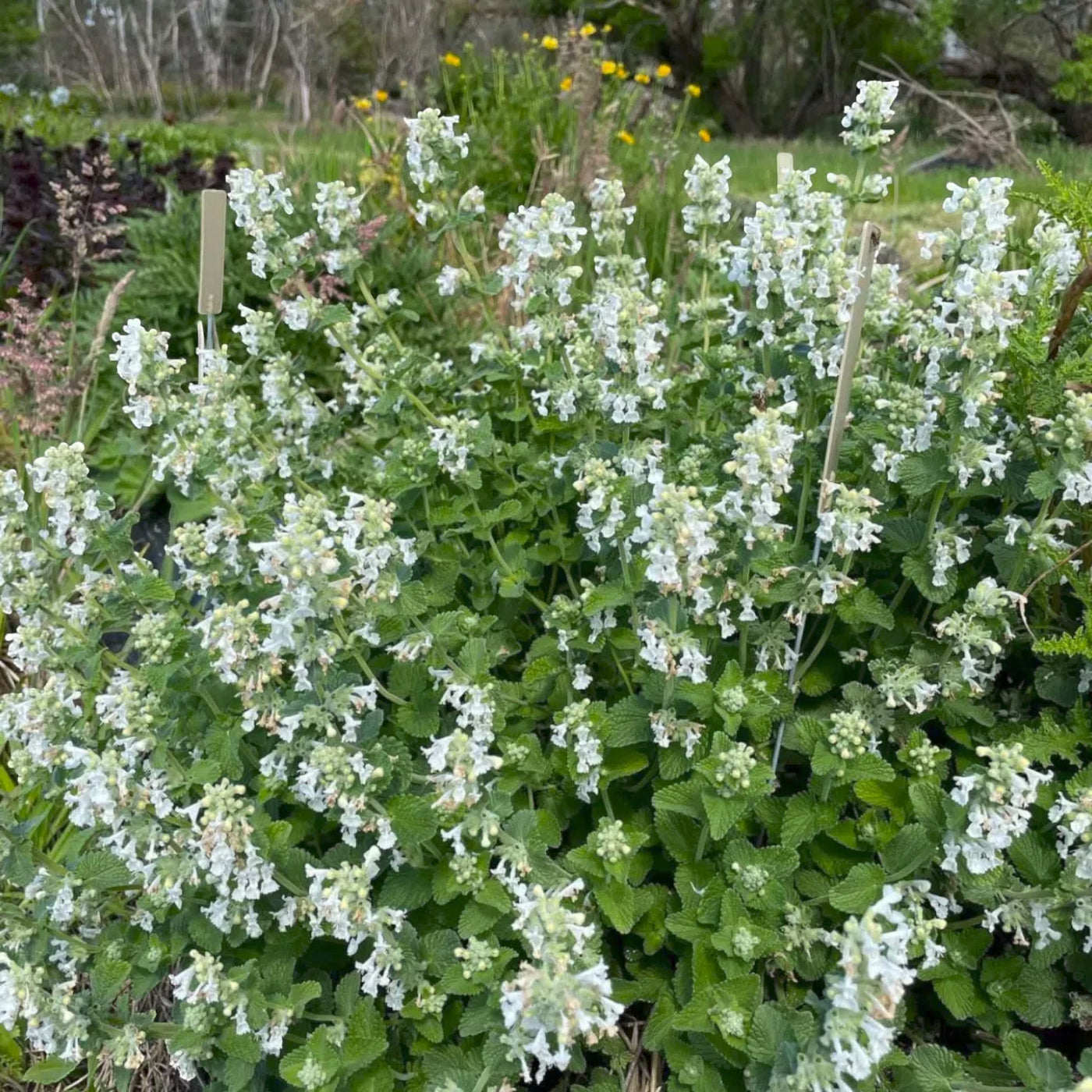
Patio & Balcony Plants
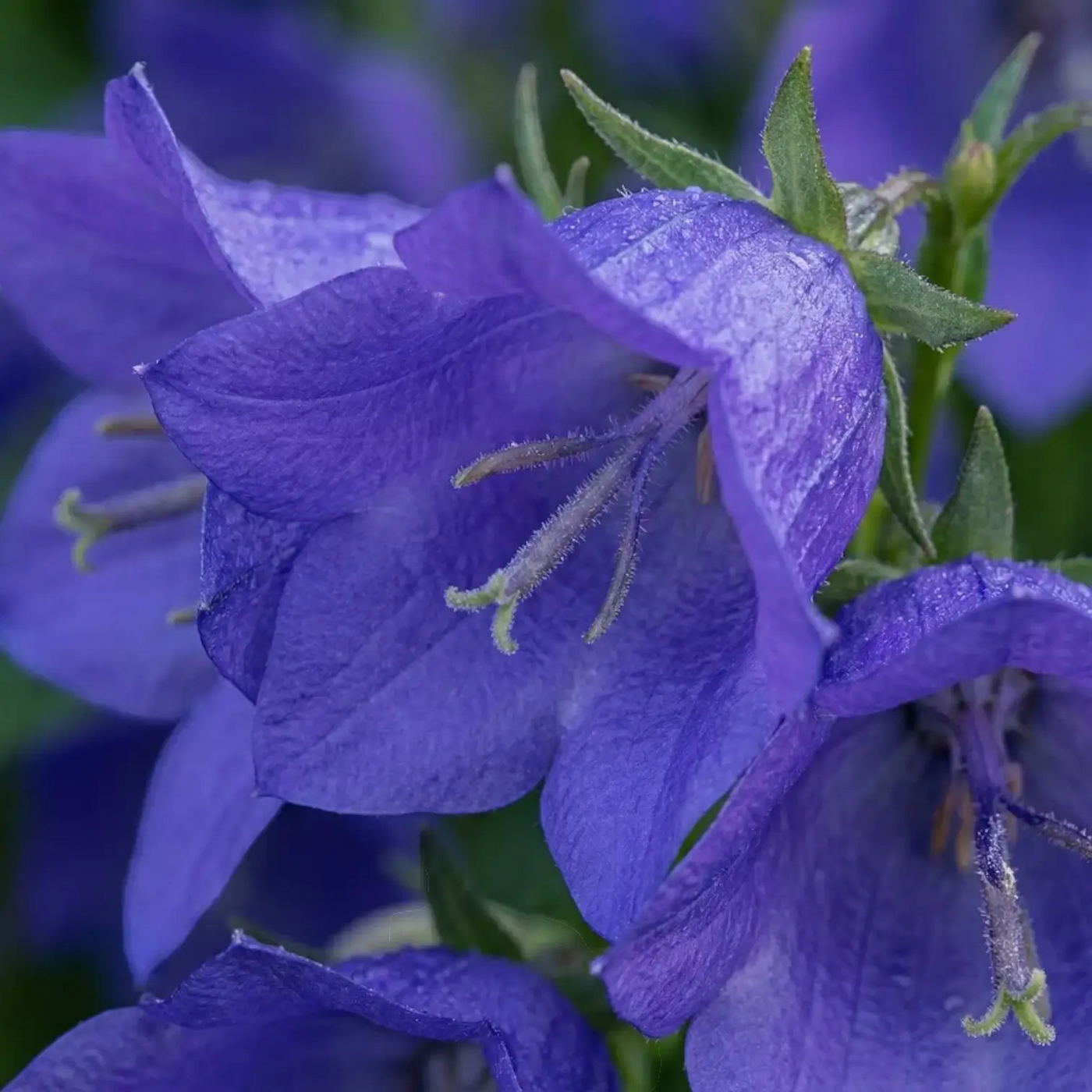
Plants for Part Shade
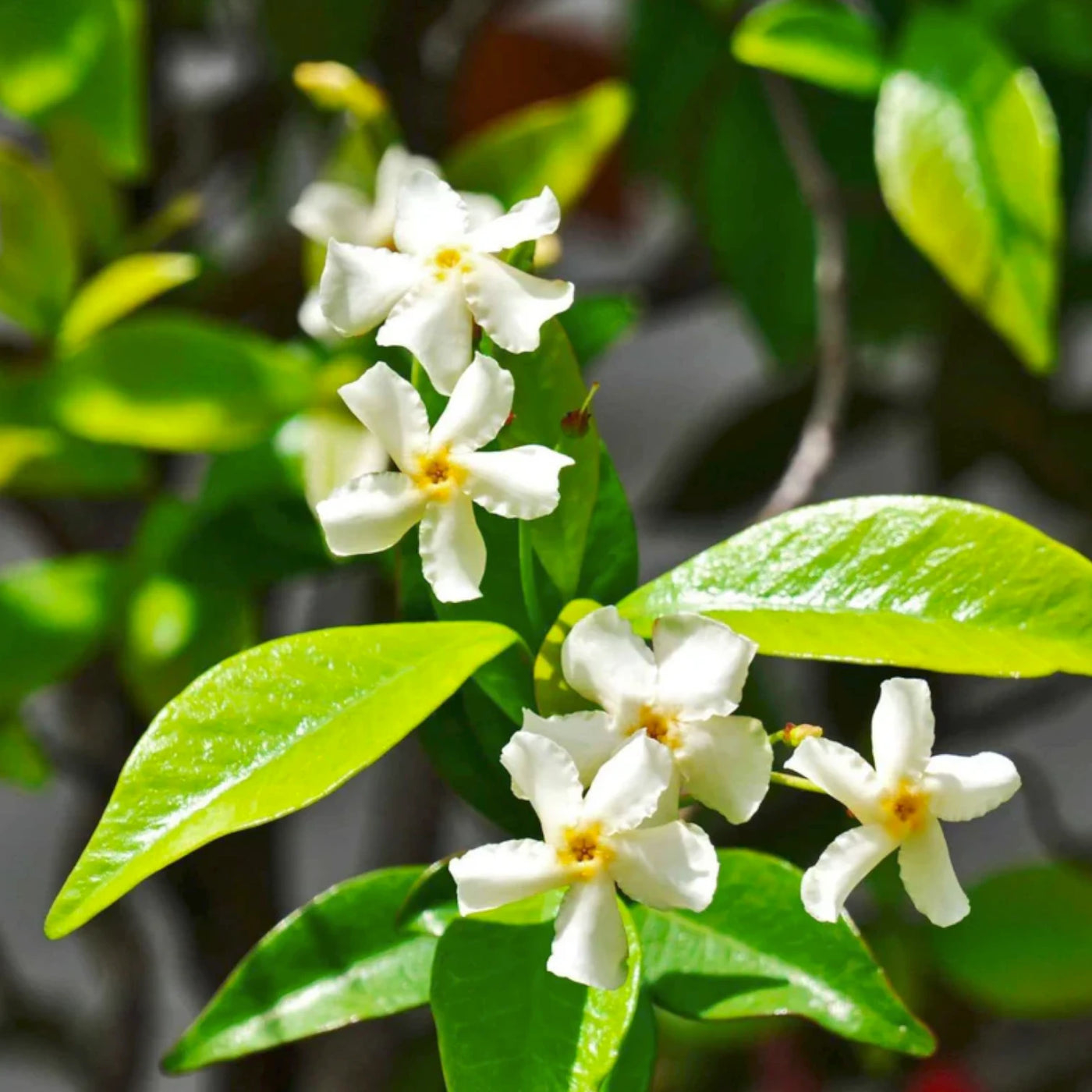
Fragrant Garden Plants
OPEN, SUNNY BALCONY OR TERRACE
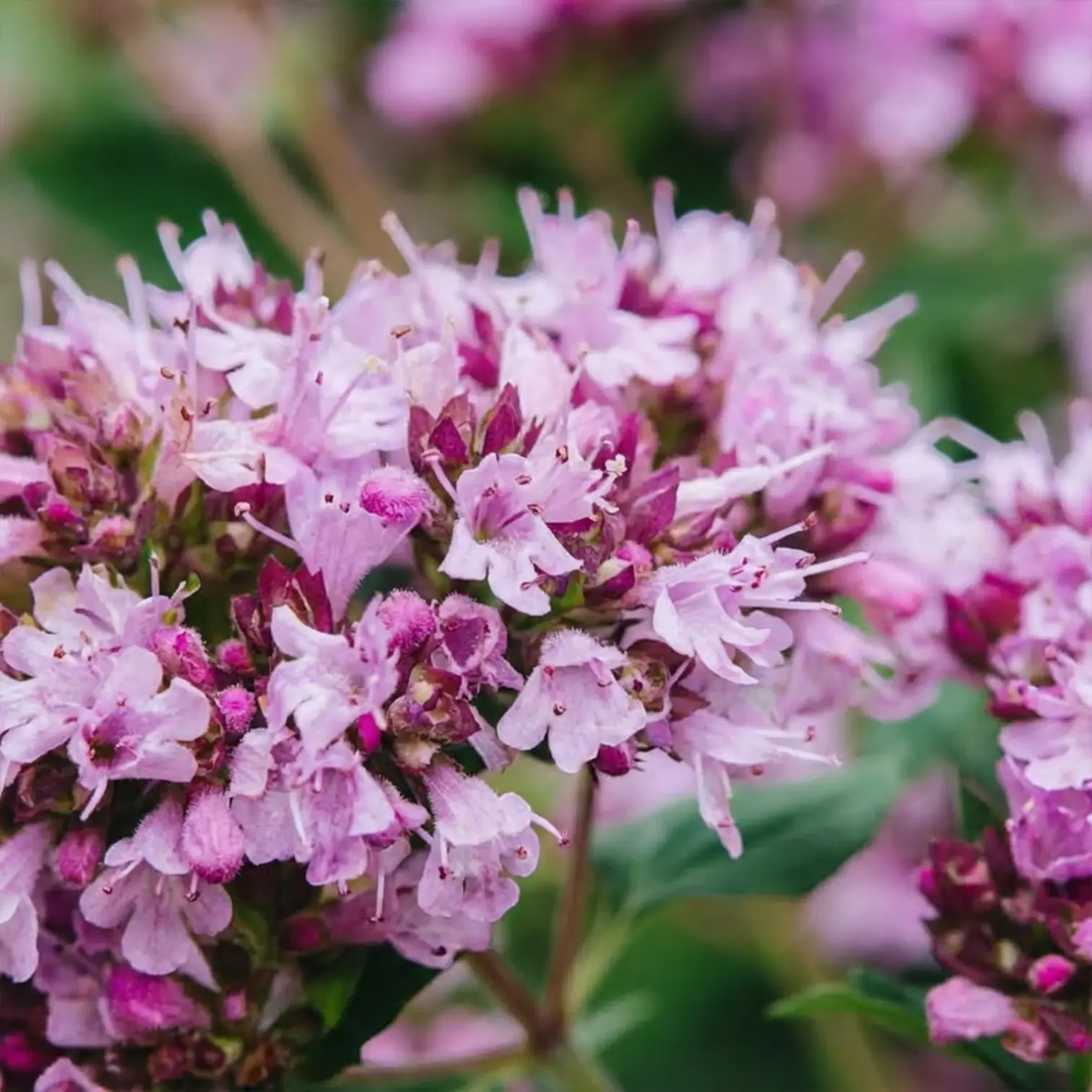
Plants for Full Sun
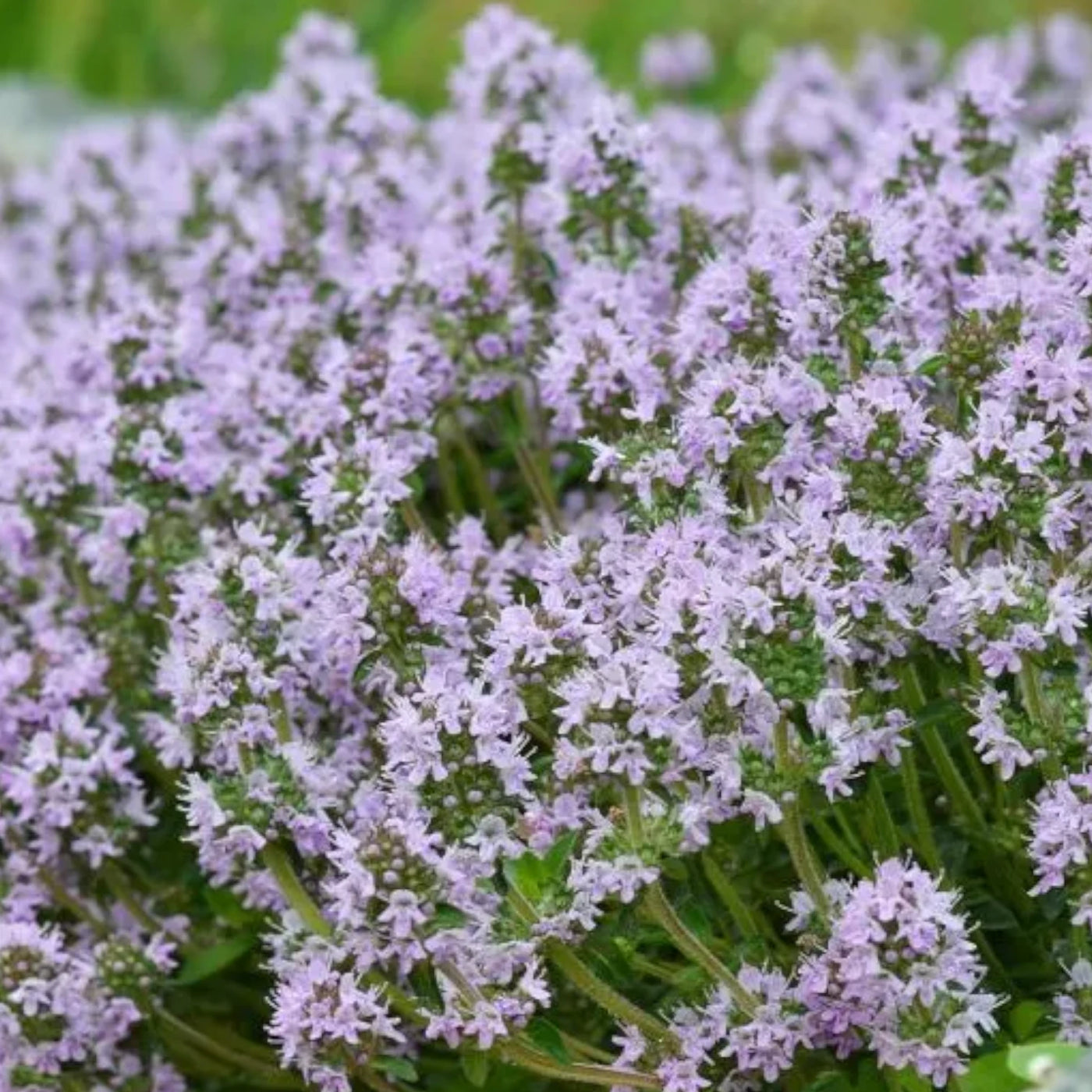
Rock Garden Plants
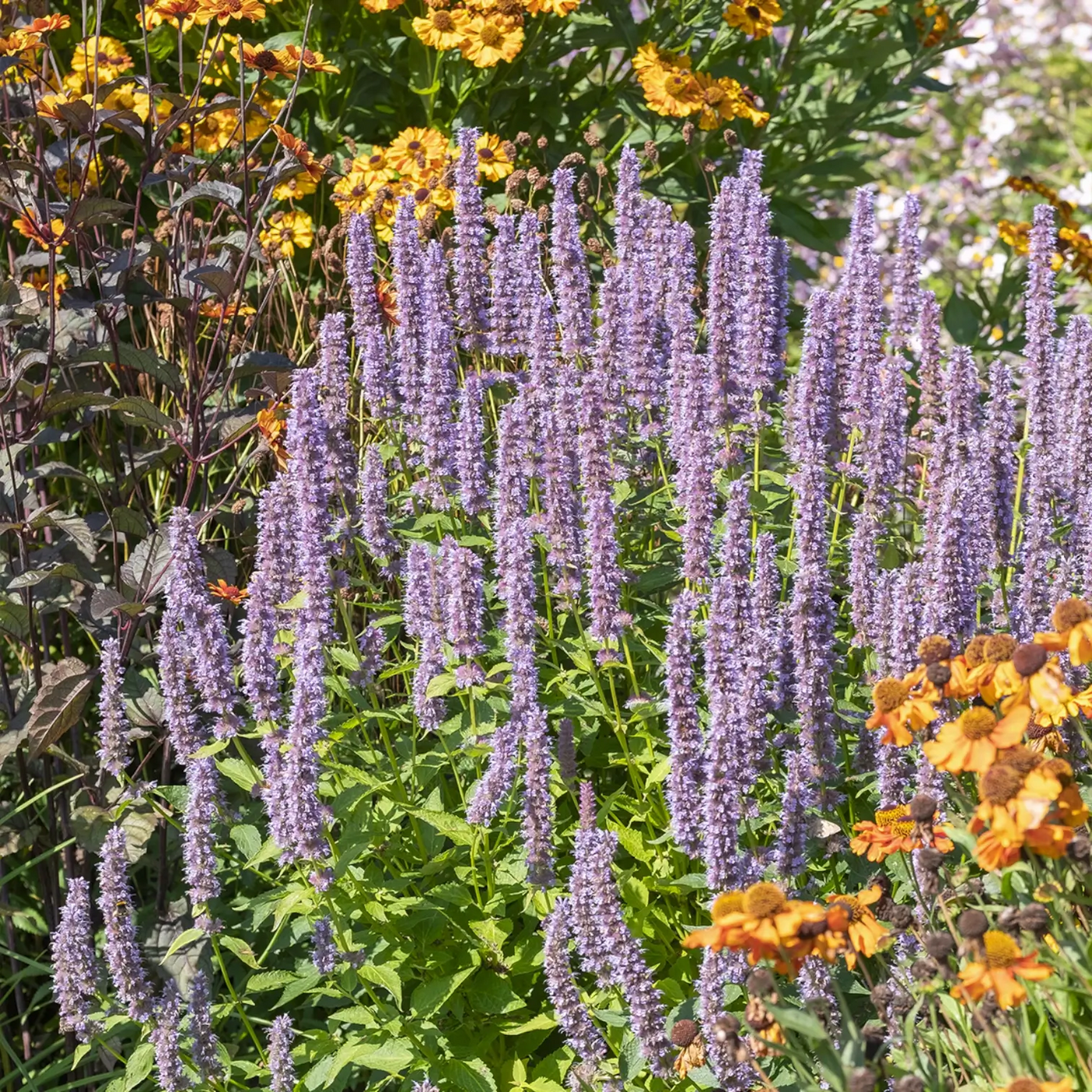
Drought Tolerant Plants
COURTYARD LIGHT OR BRIGHT SHADE

Climbers
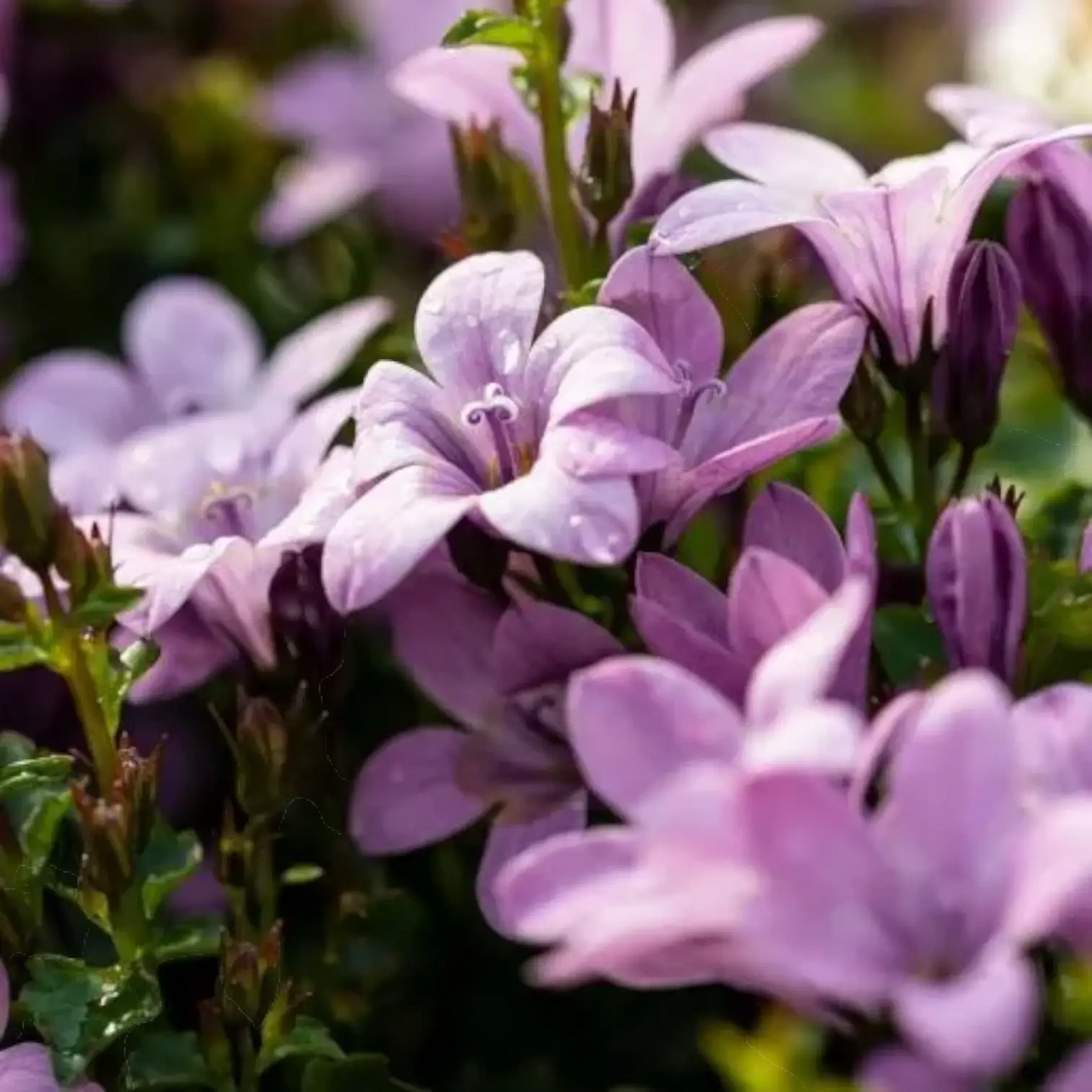
Plants for Part Shade
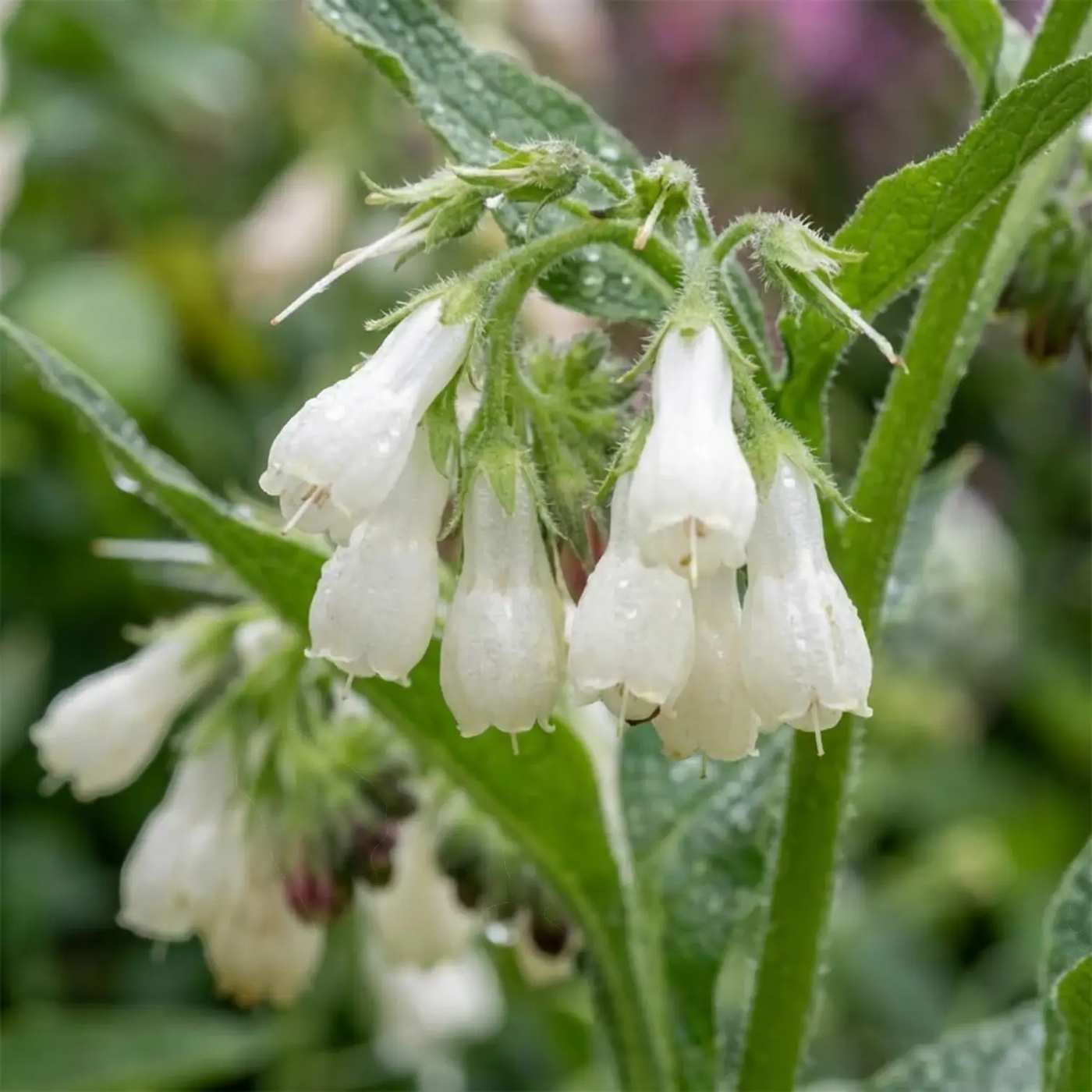
Moist Soil Plants
SMALL GARDEN BEDS
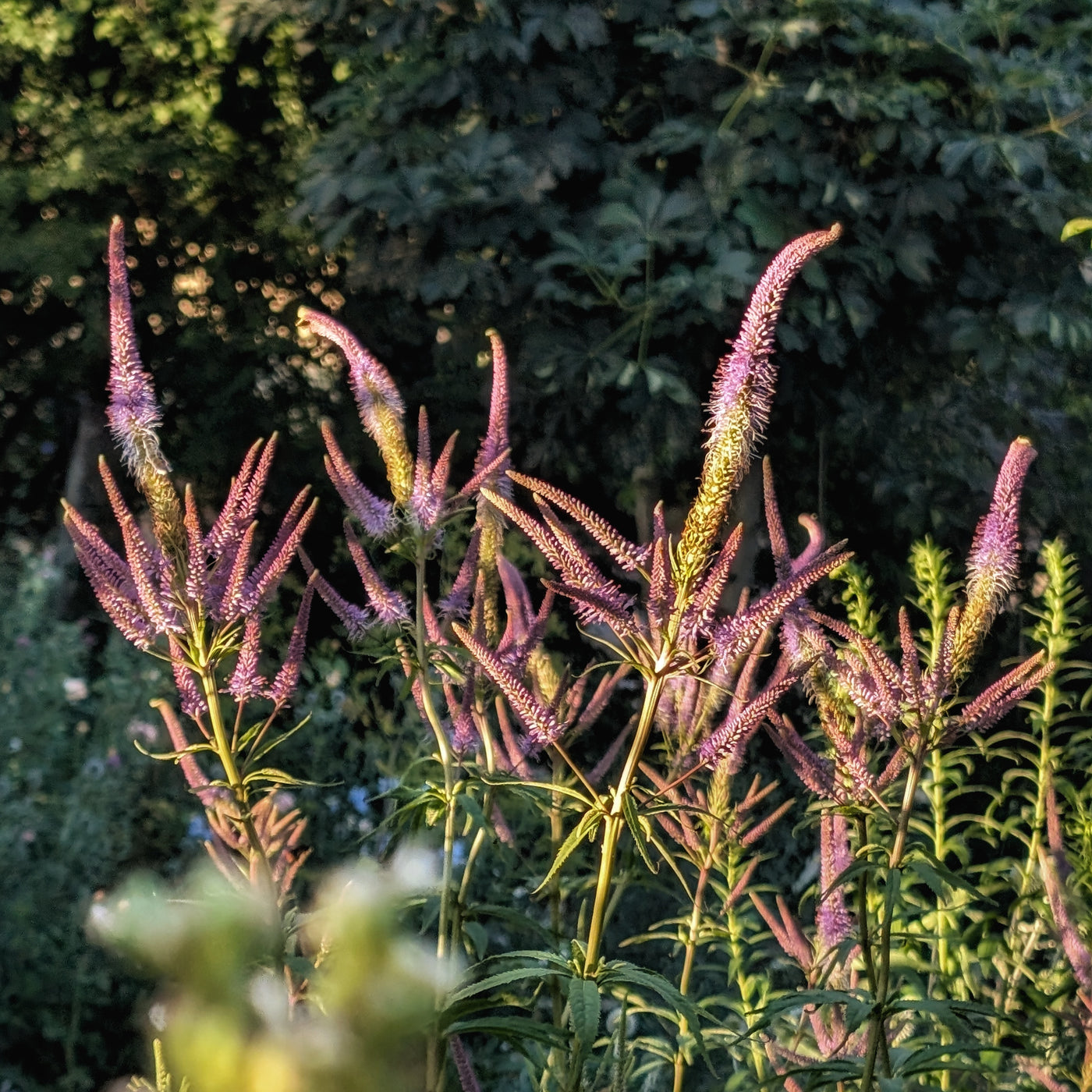
Perennials
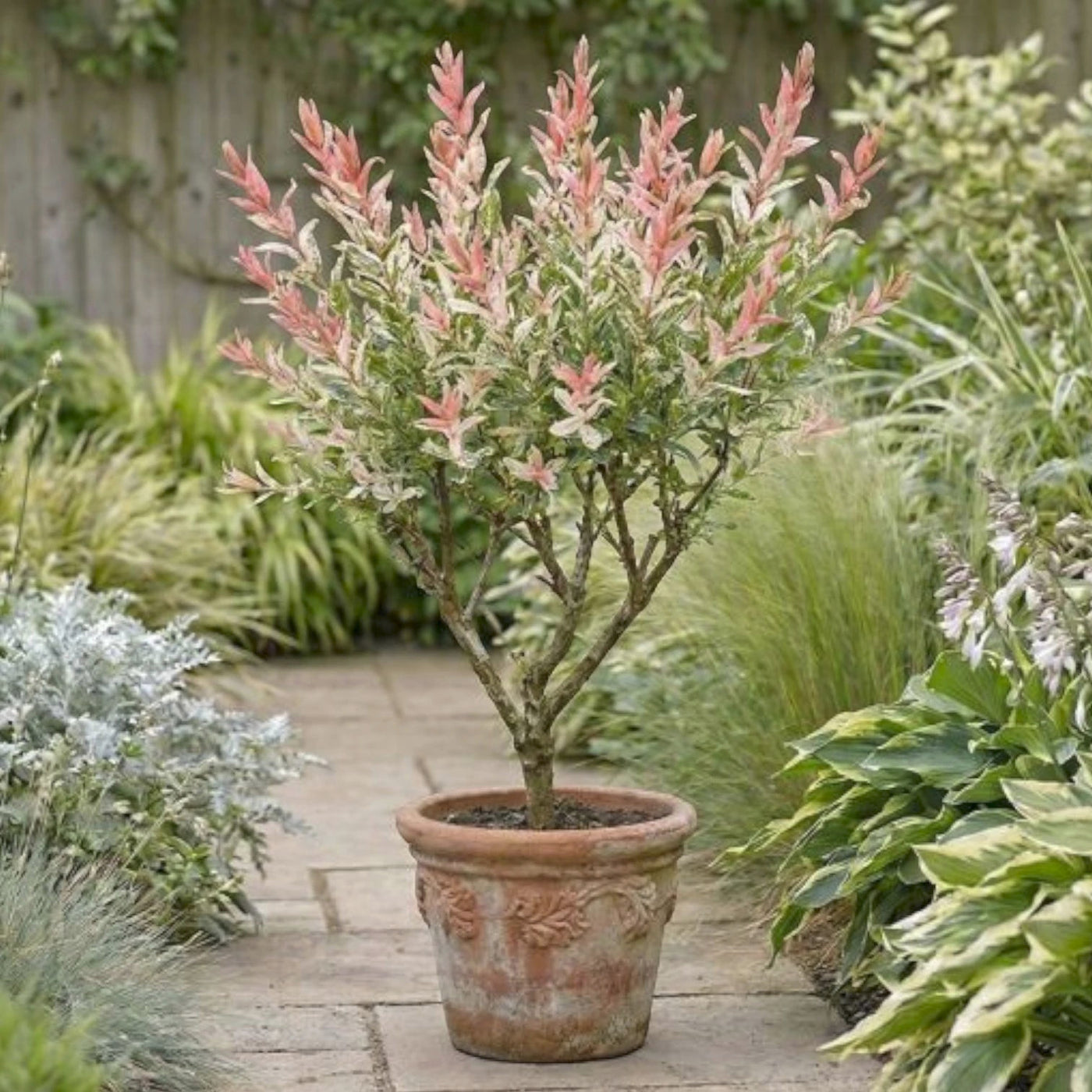
Shrubs
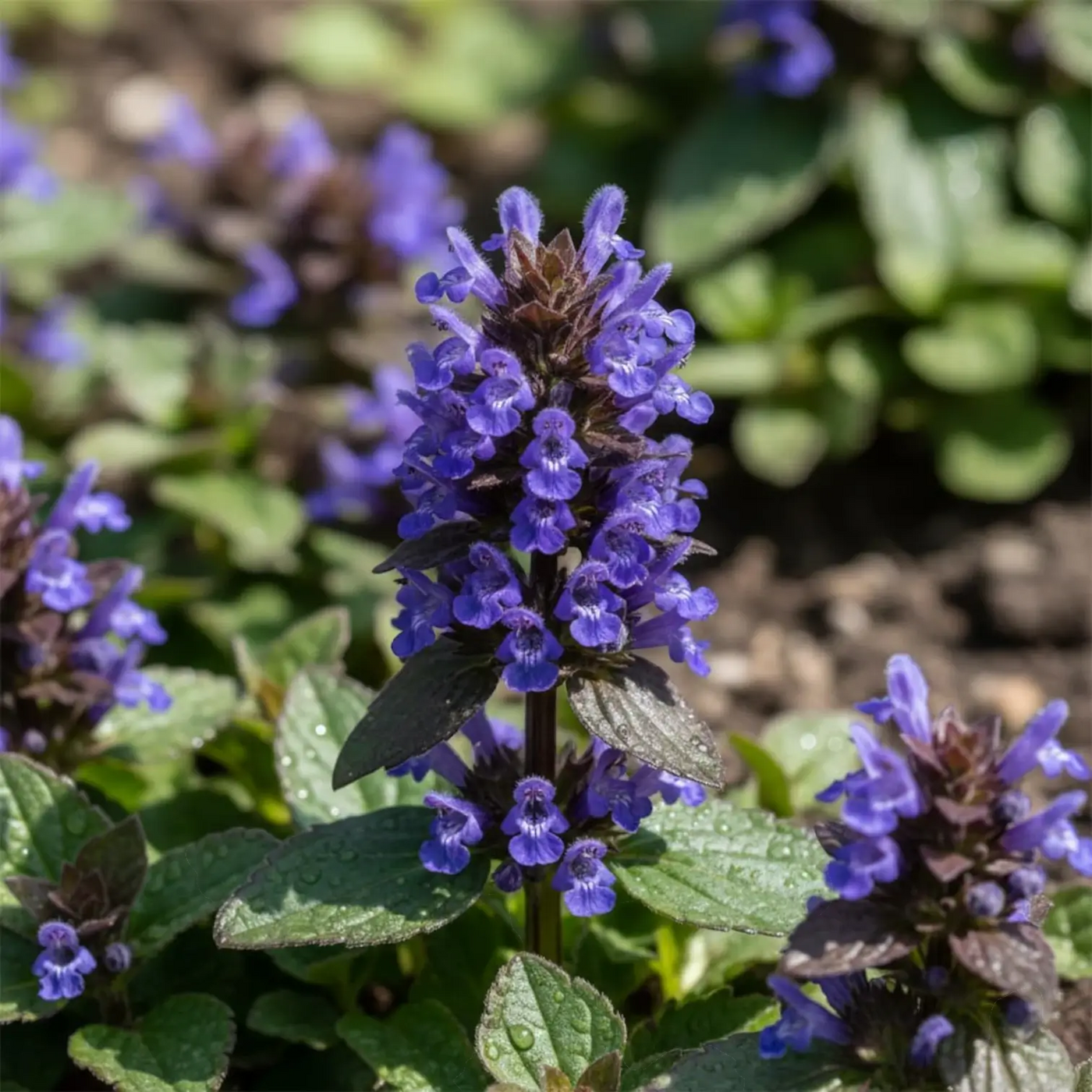
Groundcover Plants
A Calm Outdoor Look in Four Simple Layers
You don’t need a long list of plants. Pick a small set that likes the same light and moisture, then repeat it so the space feels pulled together. Build it in layers, keep most of it calm, and save the showy bits for where you will actually notice them.
1. Base Layer
Ground level continuity
This is what makes planting look finished early. Covered soil, softened edges, and the same few plants repeating through pots and beds.
Start with:


2. Structure
Plants that still look good after flowering
This is the core of the look. Strong stems, lasting shape, and seedheads that carry the space into late season, not just a quick flower moment.
Work with:
3. Frame
Shelter and a clean outline
These are plants that give the planting a boundary and a backdrop. They calm the space, cut wind, and make everything around them read more clearly.
Use:
• Screening & Hedge Plants
• Shrubs


4. Highlights
Fragrance, bloom, and vertical moments
Use these where you spend time. Next to a chair, by the door, along a path, or in a window view. A few well placed highlights go further than lots of different ones.
Can be achieved with:
Spacing and repetition:
• Space by mature width: plant at about 70% to 90% of expected final spread, so plants meet neatly without crowding.
• Leave breathing room at planting time: 10% to 25% open surface looks calm now, then closes as growth comes in.
• Containers: keep a clear watering rim (about 2 to 4 cm). Overfilled pots look full on day one, then dry unevenly and struggle in heat.
• Repeat counts that actually read: in a small space, repeating a plant 3 to 7 times looks cohesive. Twenty different plants used once each looks busy.
A simple repetition rule:
Choose 5 to 9 core plants, then repeat each one in small groups of 3 or 5. The settled look comes from repetition and spacing, not from owning everything once.
OUTDOOR PLANTING PLANNER
Outdoor Planting Planner
Start With Conditions, Then Build the Mix
Sun and water decide what settles in and what keeps struggling. Start with what your spot actually gets, then keep your plant list tight and repeat the winners.
Pick the closest match, then choose a handful of plants you can use more than once.
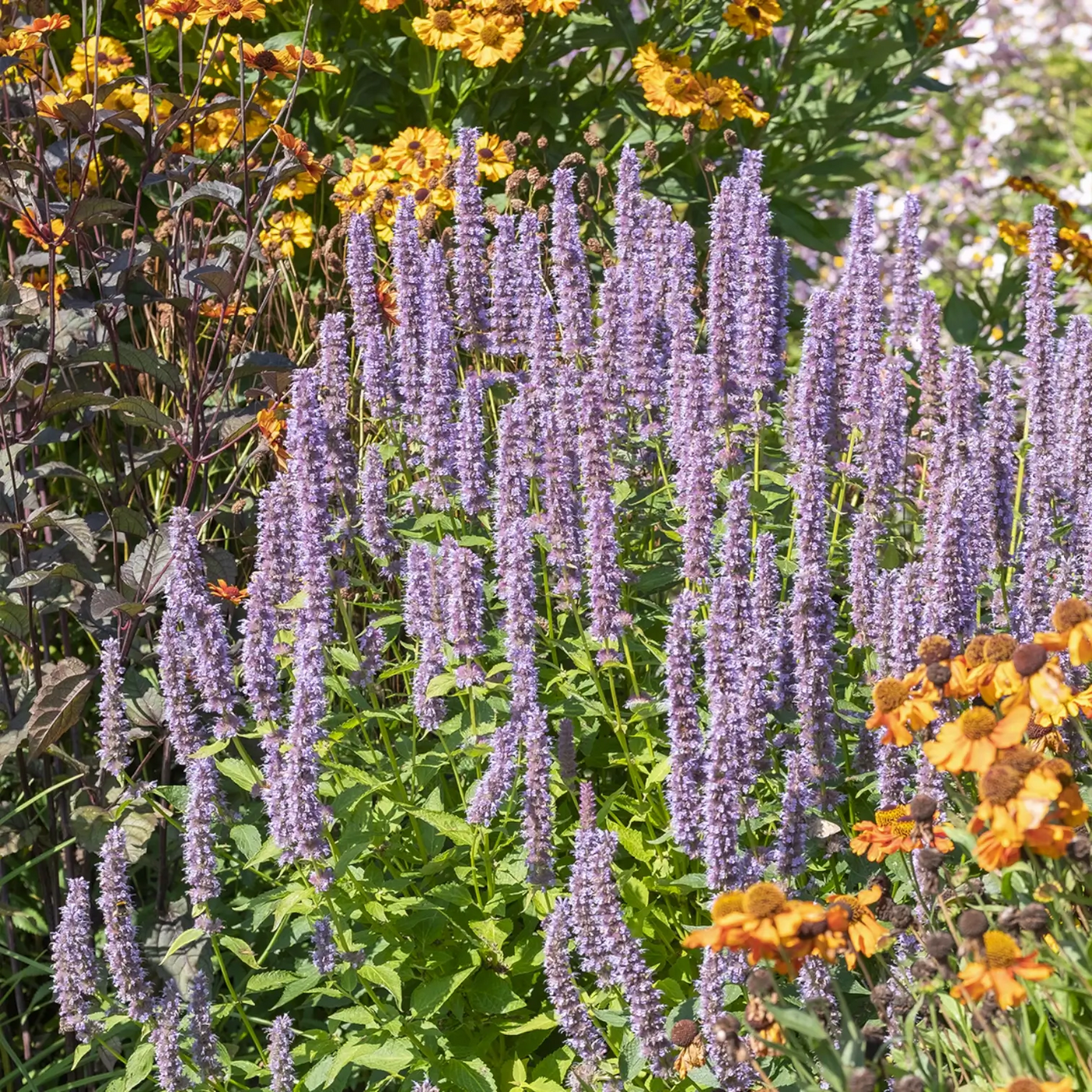
Full Sun
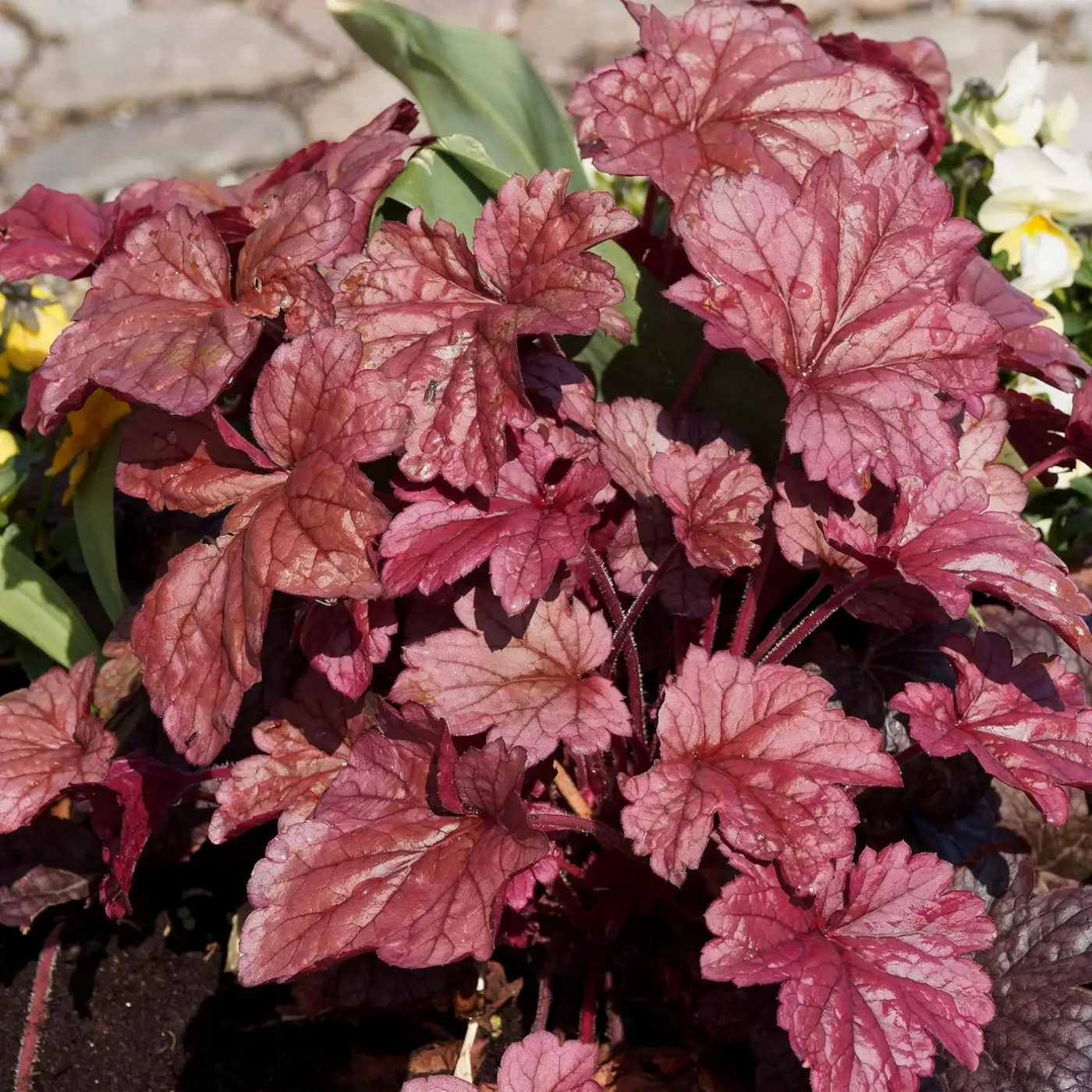
Part Shade
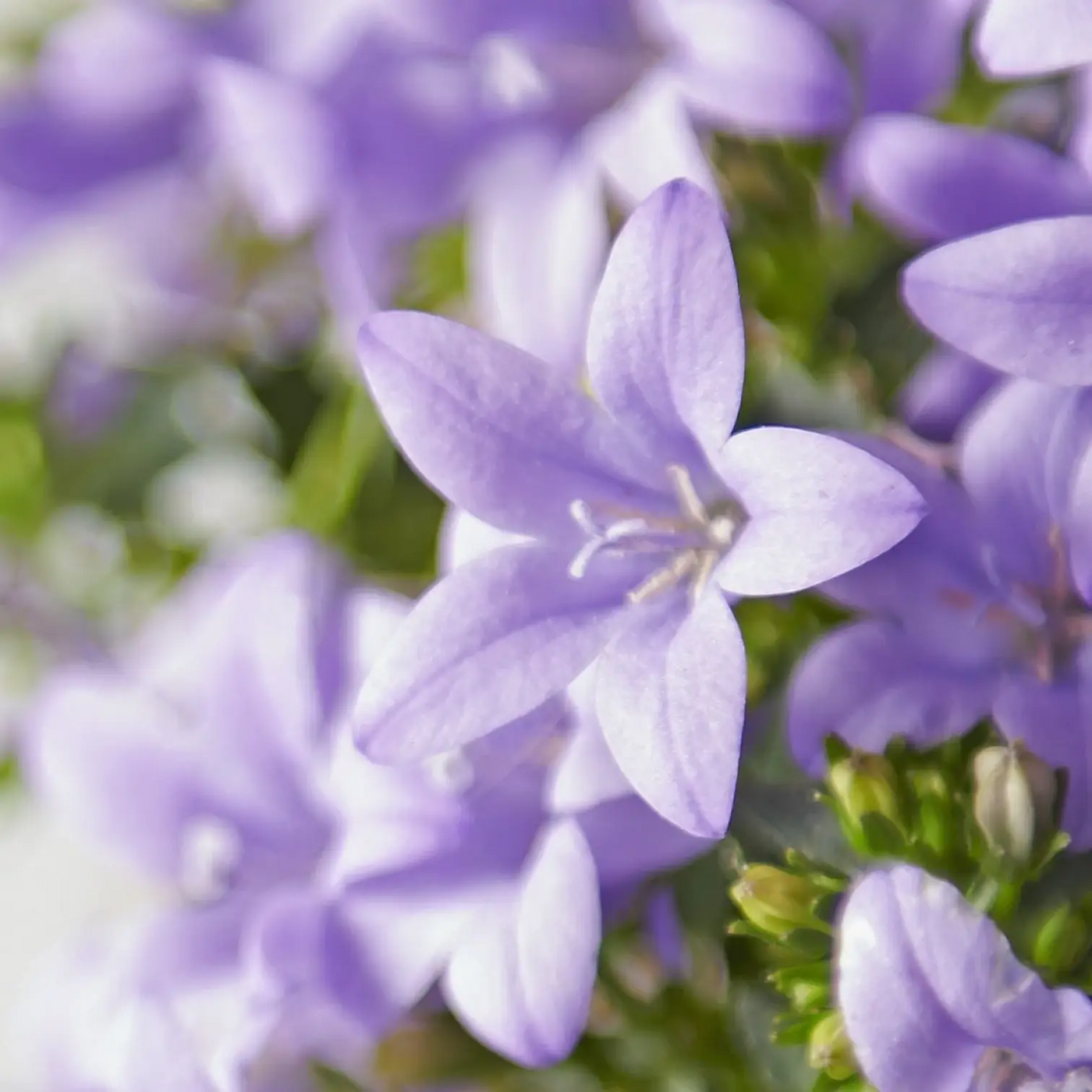
Sun to Part Shade
SOIL & WATER NEEDS:
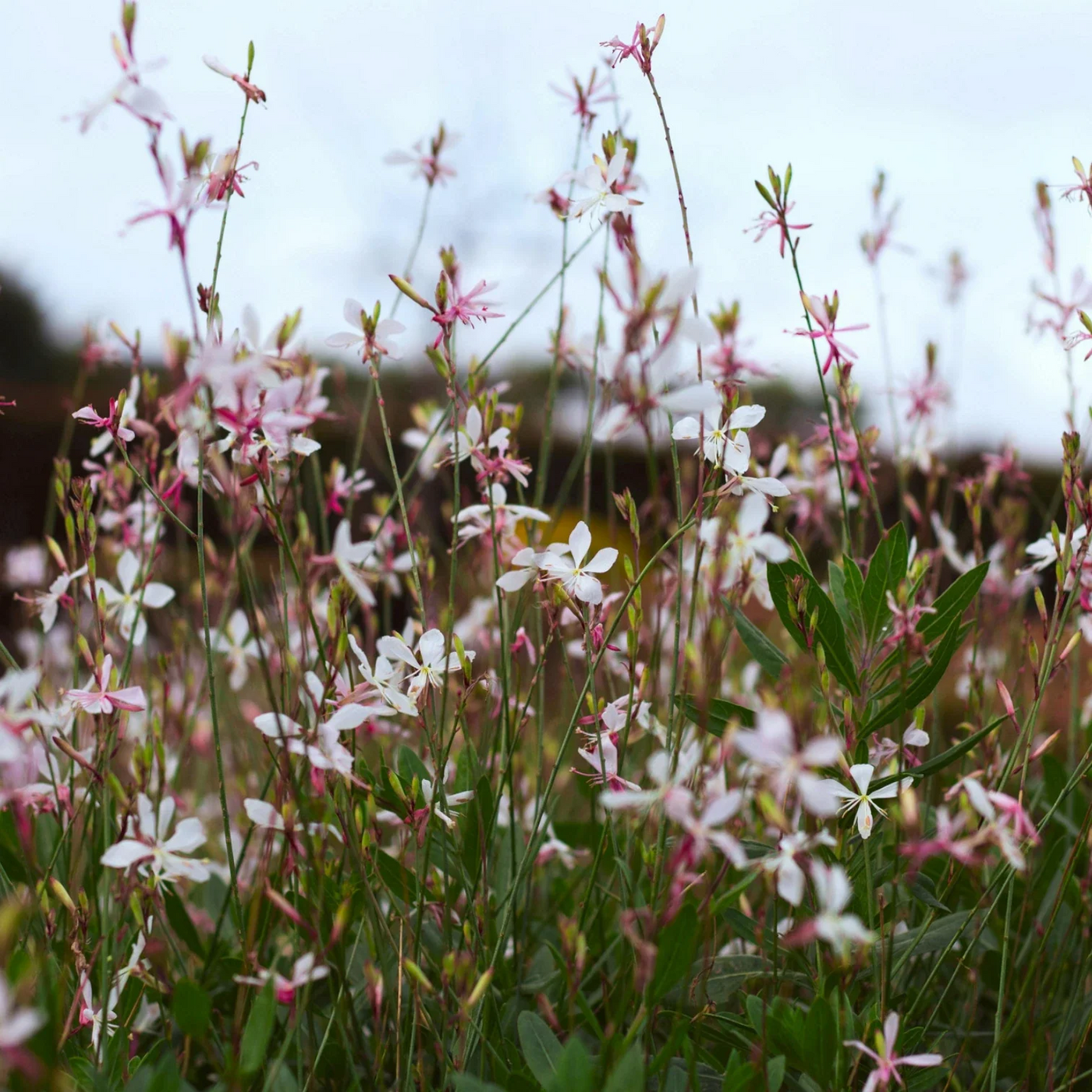
Drought Tolerant:
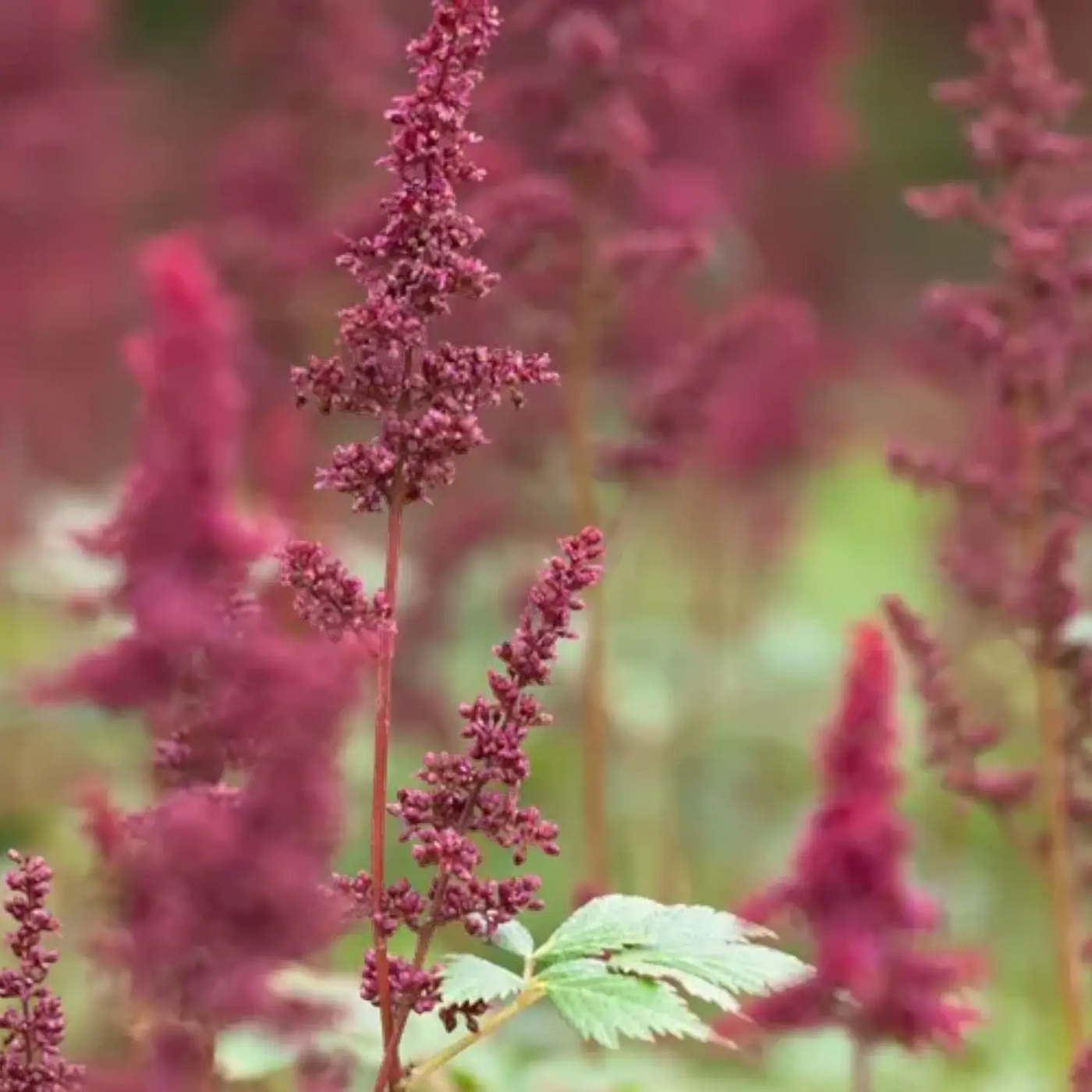
Moist Soil (even moisture, not waterlogged)
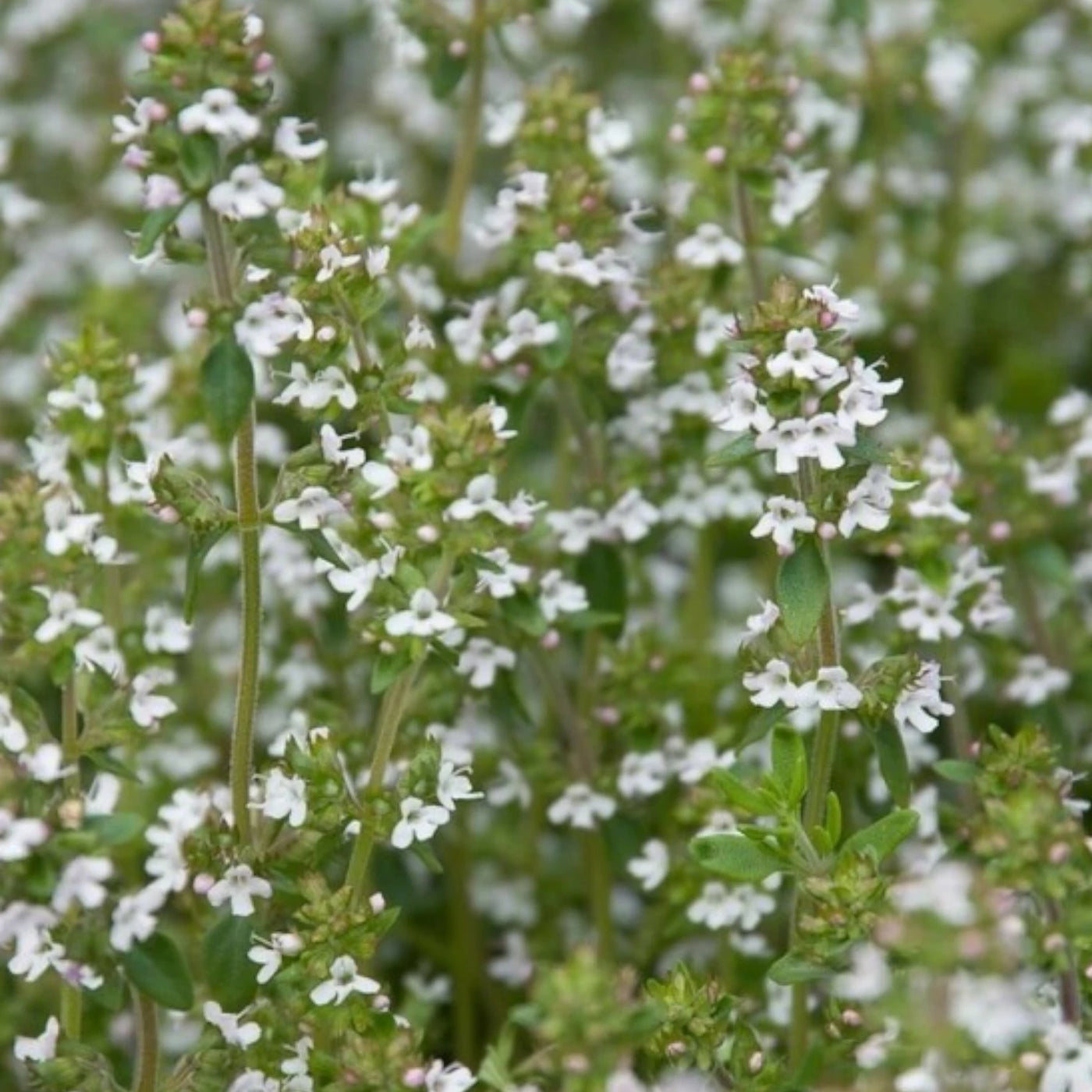
Rock Garden (lean, sharp draining mixes)
SHOP BY FEATURES
Think about what you want to notice day to day. Scent near where you sit, privacy where you need it, something to pick, and plants that still look good when flowering is over.
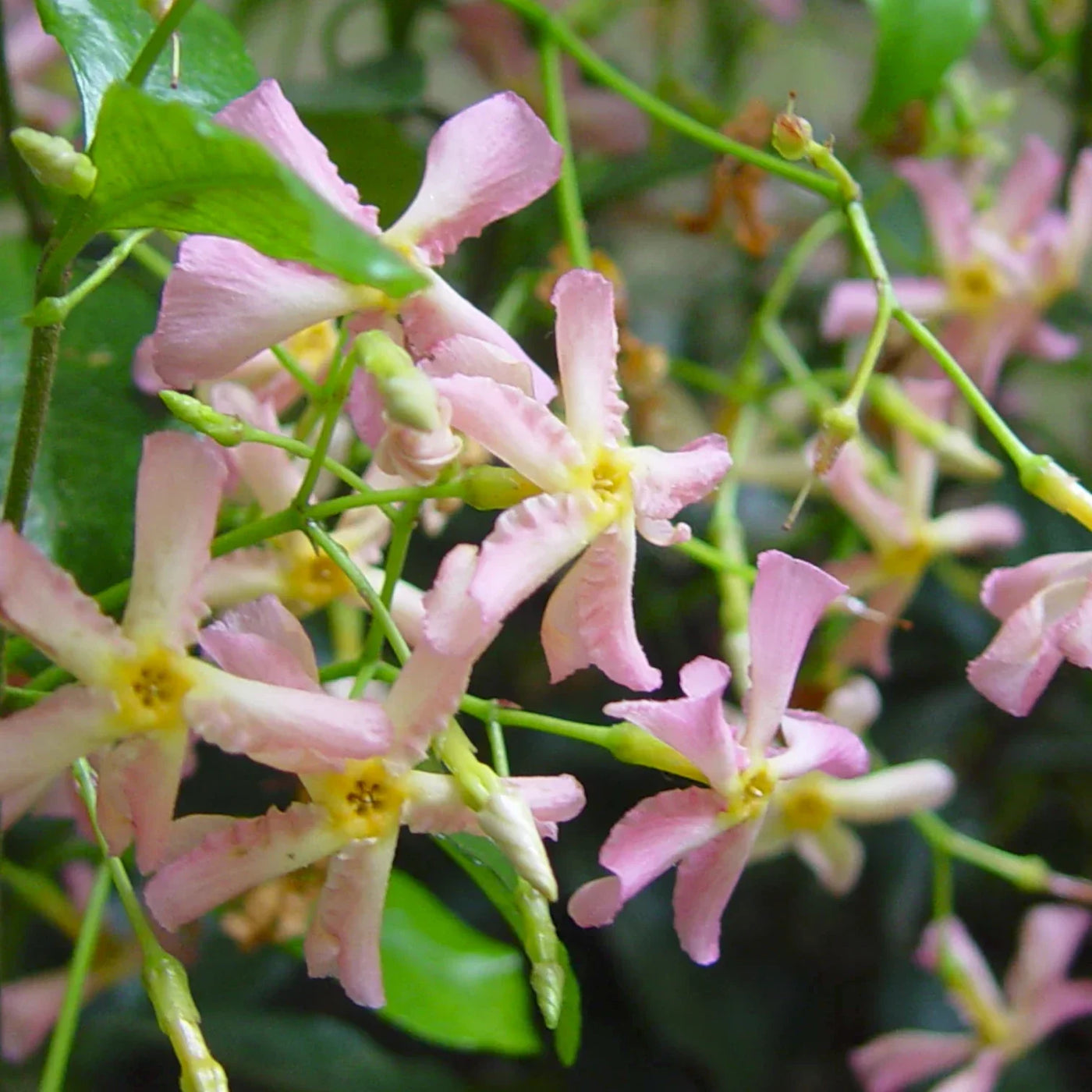
Fragrant Garden Plants
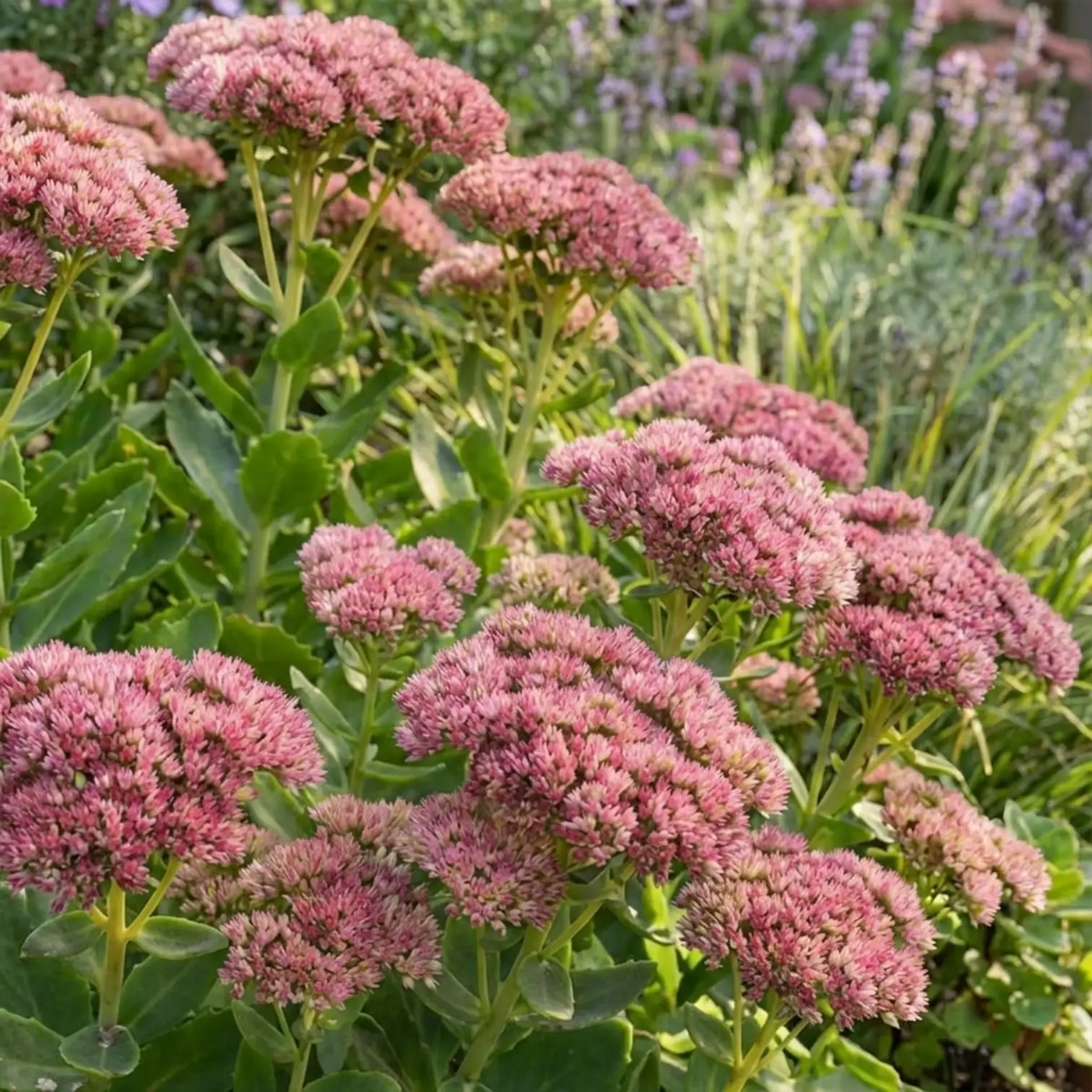
Winter Interest Plants
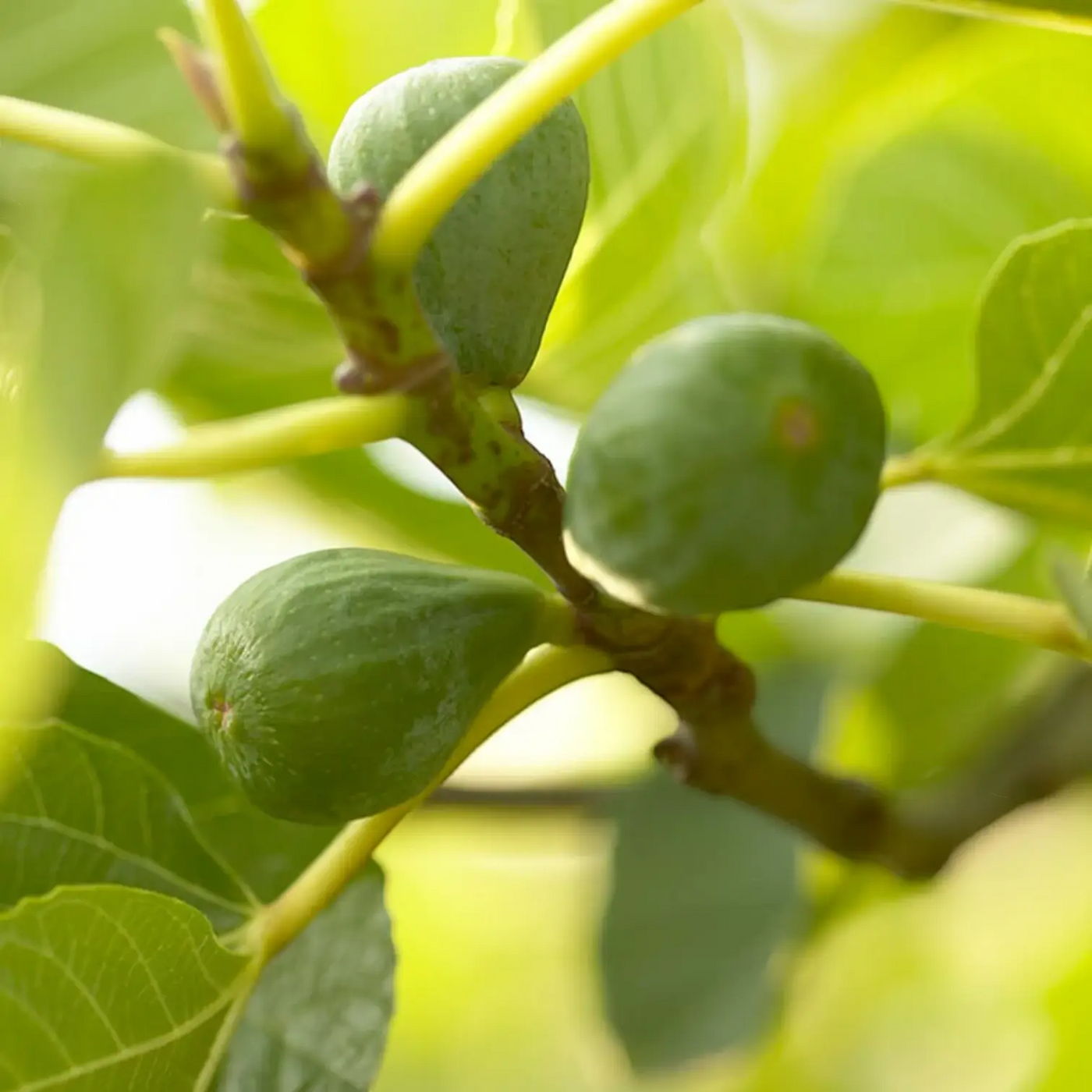
Edible Garden Plants
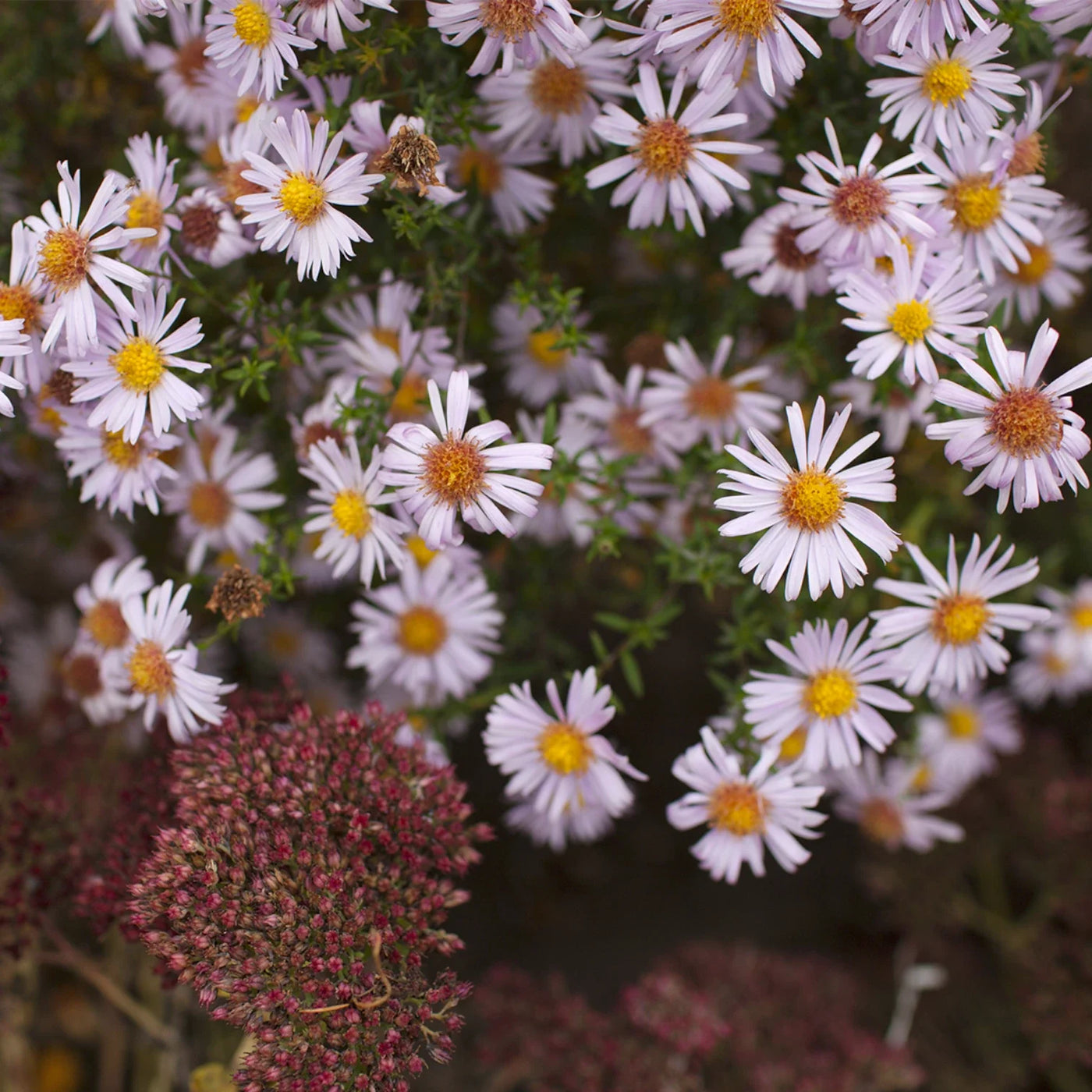
Pollinator-Friendly Plants
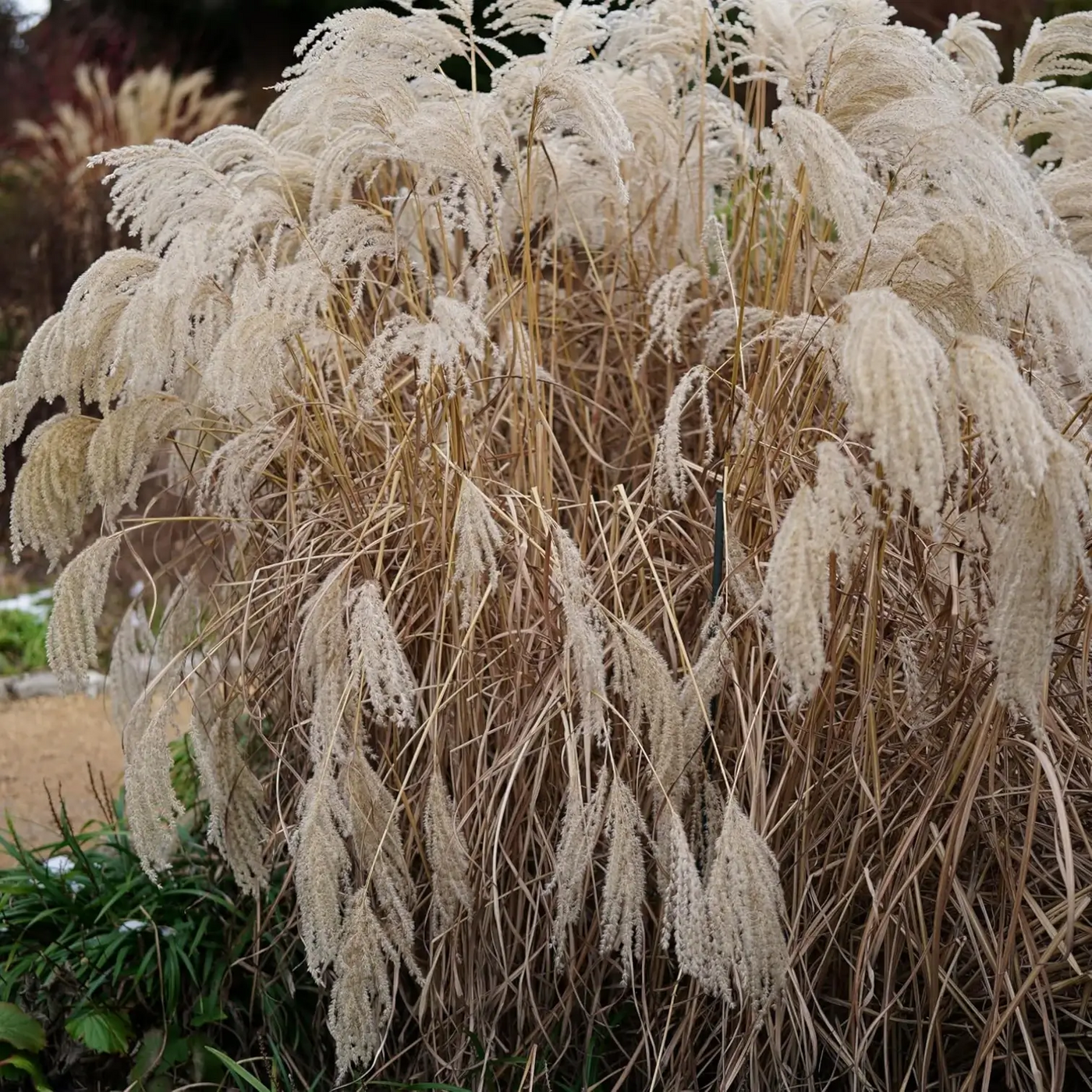
Screening & Hedge Plants
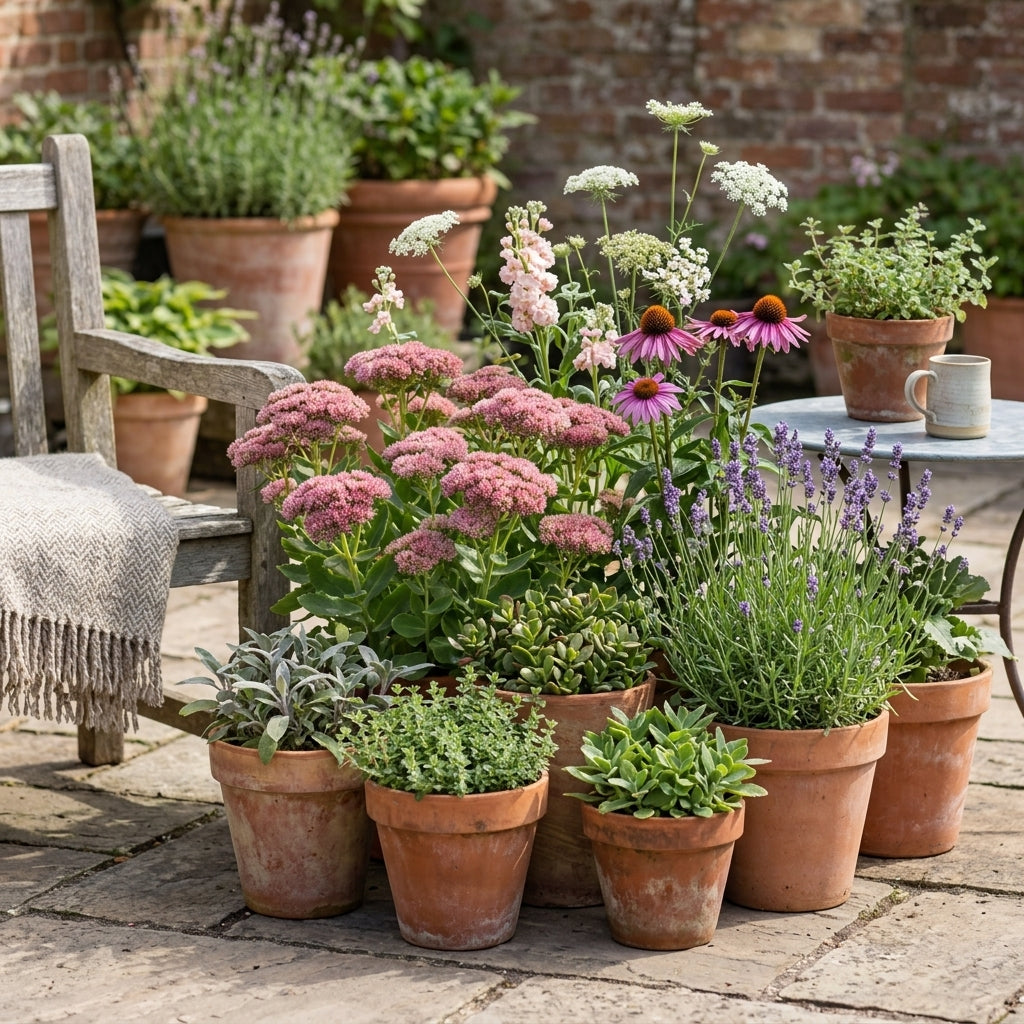
Patio & Balcony Plants
SHOP BY PLANT TYPE
If you like starting with the basics, shop by the plant groups you want to build with first.
An easy starting point is groundcover plus repeat perennials, then add shrubs for shape and climbers or edibles where you have the light.
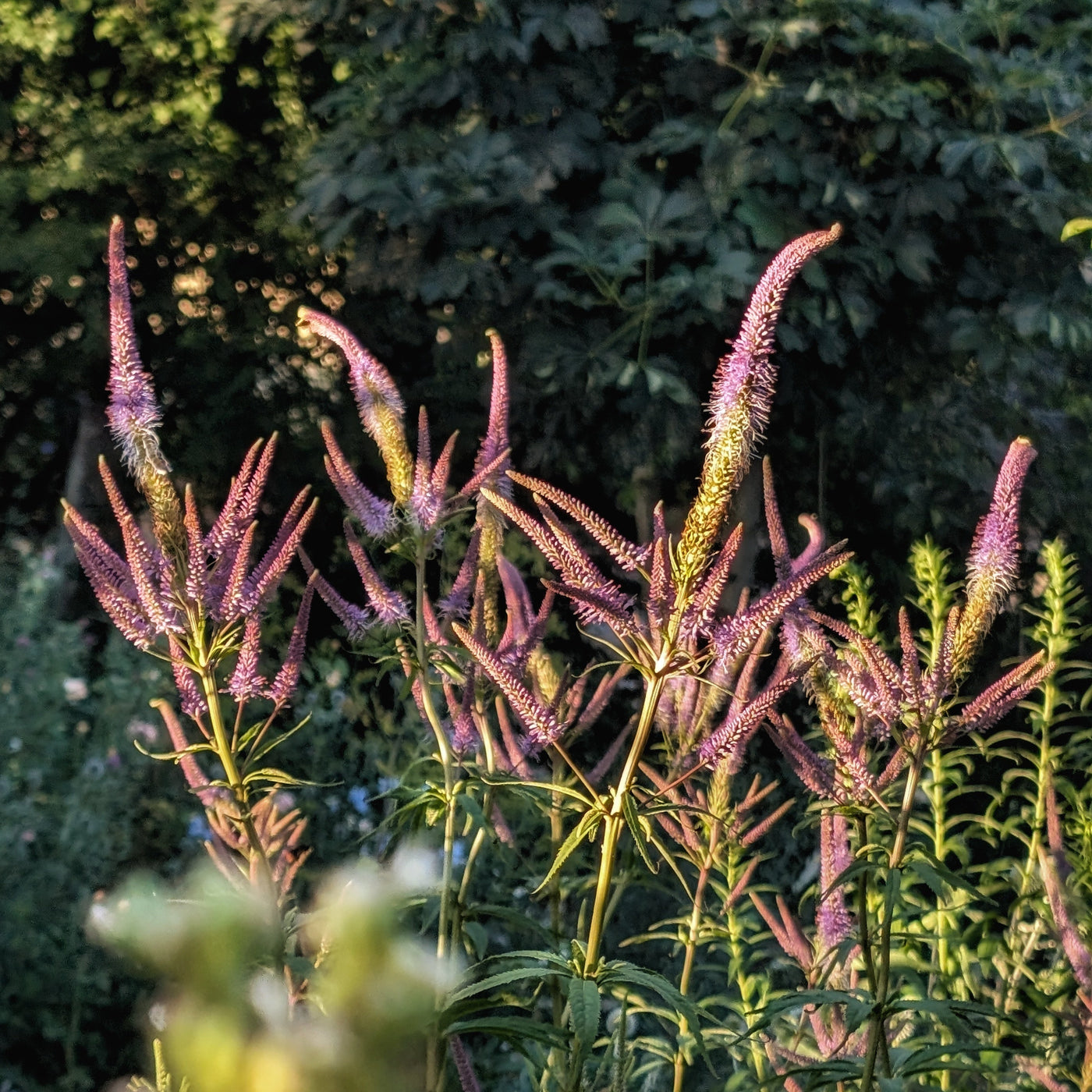
Perennials
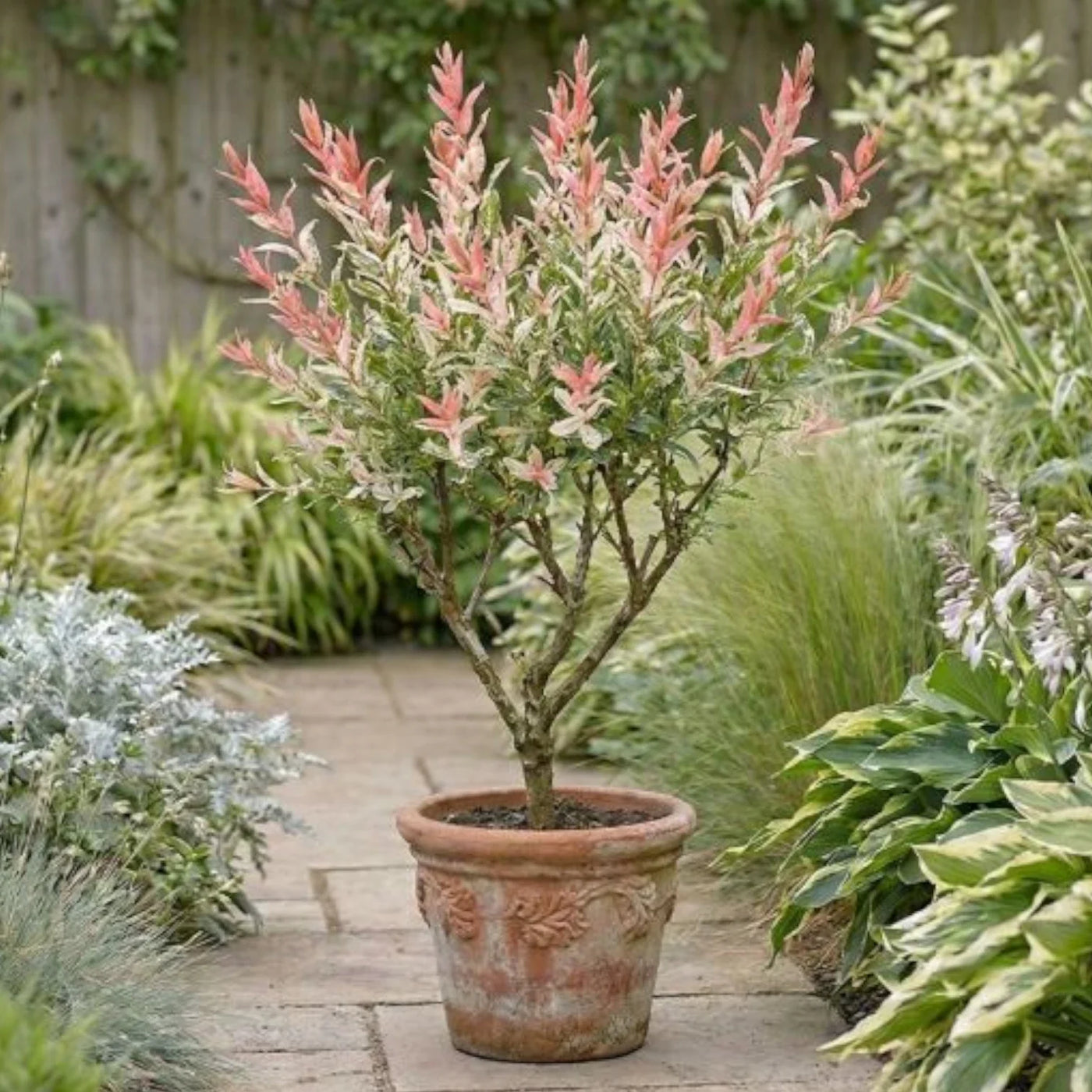
Shrubs
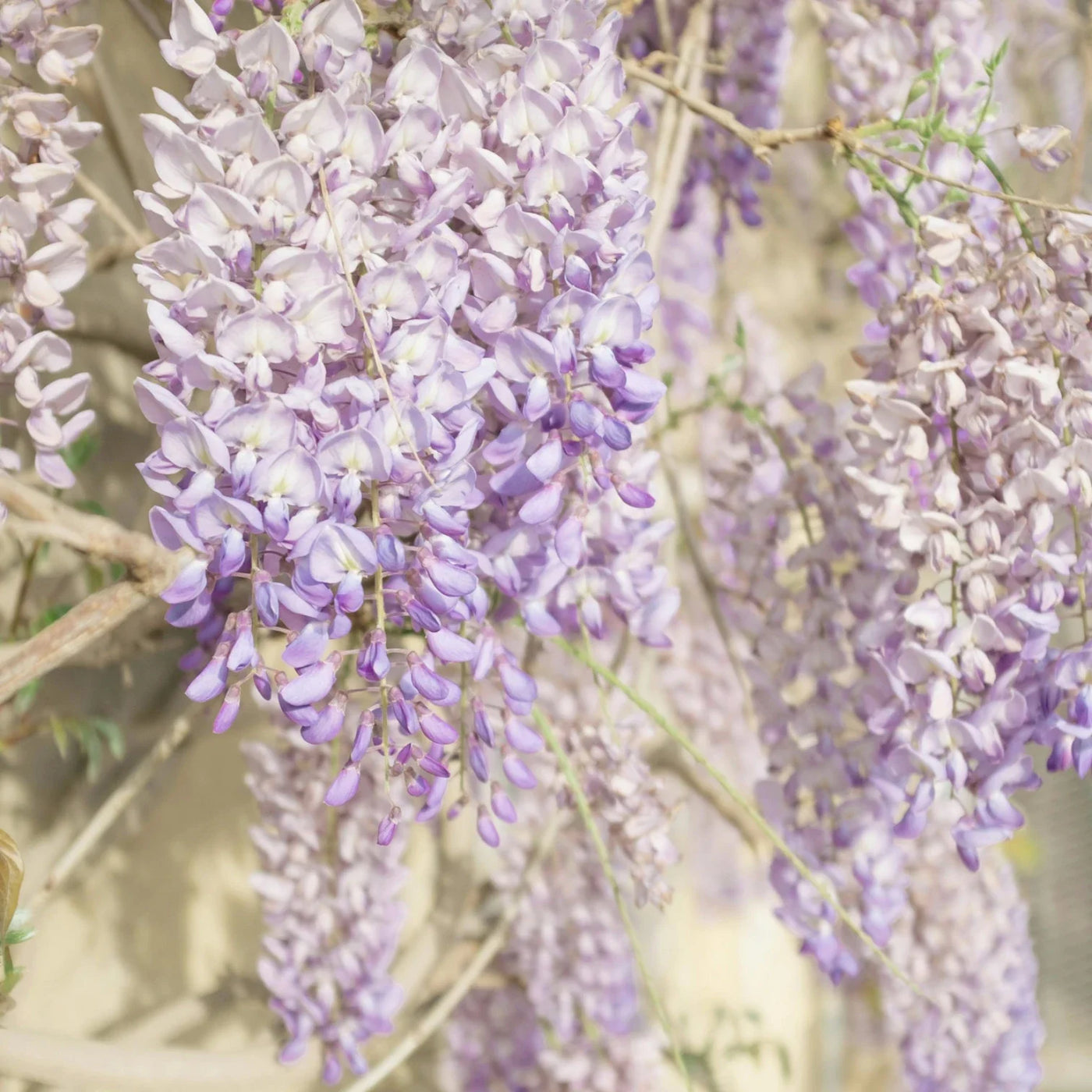
Climbers
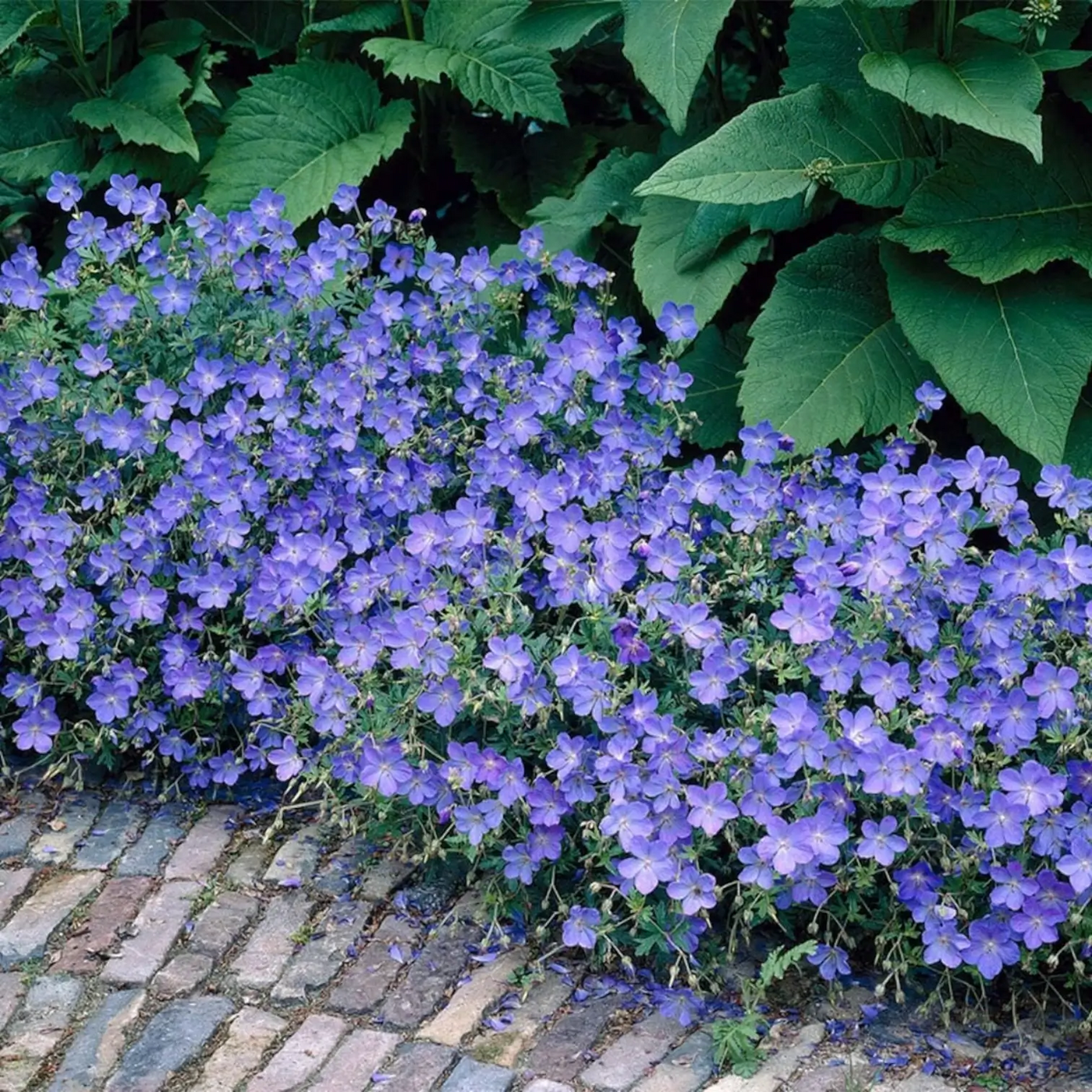
Groundcover Plants

Fruit & Berry Plants


Moving Your Houseplants Outdoors
We provide outdoor suitability info is on each individual houseplant page. Open the plant you’re considering, scroll to just below the Quick Care Guide, then expand “More outdoor growing details” to check if it can spend time outdoors in Europe.
What you’ll see there:
- Outdoor suitability: whether it’s suitable outside (often “summer outdoors only”)
- Move outside: once nights stay above the listed °C threshold
- Bring under cover: below the listed °C threshold
- Best outdoor setup: bright shade vs sun, a sheltered spot, and any container-only notes
💡 On houseplant collection pages, you can also filter plants under Care Needs by Minimum Temperature to quickly compare options that match your typical night lows.
💡 Our guide to taking houseplants outdoors for summer explains which plants can handle it, which ones are better left inside, and how to make the move safely.
CONTAINERS: A RELIABLE SETUP
• Go up a pot size if you can. Bigger pots cope better with heat, wind, and drying.
• Make sure water drains freely. Slow drainage is what turns small problems into big ones.
• Water thoroughly, then wait. Most container failures come from staying damp for too long.
• Group pots to cut wind stress, and pull delicate plants back from the most exposed edge.
• If you use saucers, empty them after watering so roots are not sitting wet for days.
• In winter, containers freeze harder than ground. Group pots near a wall, block cold wind, and avoid wet soil during long cold spells.
If you want the biggest wins, choose a bigger pot and get drainage right.
PLANT FOCUS: PATIO & BALCONY ANCHORS
Four classics that are easy to build around and easy to recognise through the season
SEASONAL RYTHM
• Spring: steady moisture helps roots establish and sets up the season.
• High summer: deep watering on a steady rhythm beats constant small top ups.
• Late season: let strong stems and seedheads stay if they still look good, tidy only what collapses.
• Winter: protect pots from wind and hard freeze, and keep soil on the drier side during long cold spells.
Stay consistent with the basics and let the planting do the rest.
Clematis

Vertical bloom with support above and steady conditions at the base.
Lavender

Sun, scent, and clean form near paths and seating.
Hydrangeas

Big summer volume where moisture stays steadier and midday sun is not relentless.
Japanese Maples

Strong outline and seasonal colour, especially good in pots with some shelter.

Sign up for Foliage Factory newsletter for early access to new arrivals and practical care tips that work in real homes.