Succulents (non-cactus)
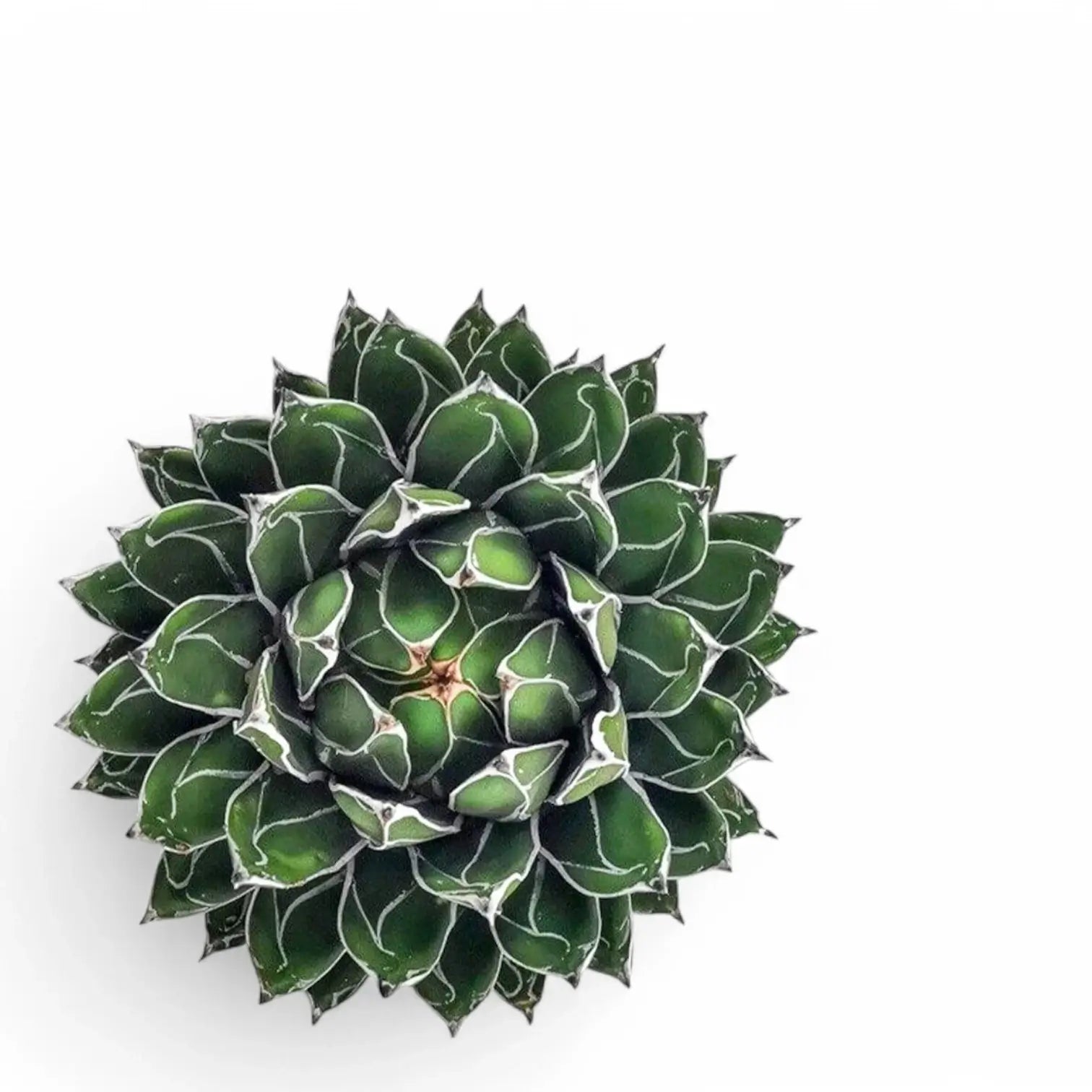
This collection brings together non-cactus succulents, from fleshy rosettes and compact clumps to branching plants and trailing strings. Their water-storing leaves, stems or roots come in a wide range of shapes and textures, including smooth, powdery, spined and hairy forms.

Substrate help
Match the substrate to the plant
About Our Filters
Start with the light and space you can offer, then narrow by the plant’s shape or appearance. Check the individual product page for care and size details.
No filter options are available for this collection right now. Open a product to check its details.
Sort by:
Filters
Succulents (non-cactus)
Succulent is a broad term for plants that store water in leaves, stems or roots. This adaptation appears across many unrelated plant families.
Succulent houseplants
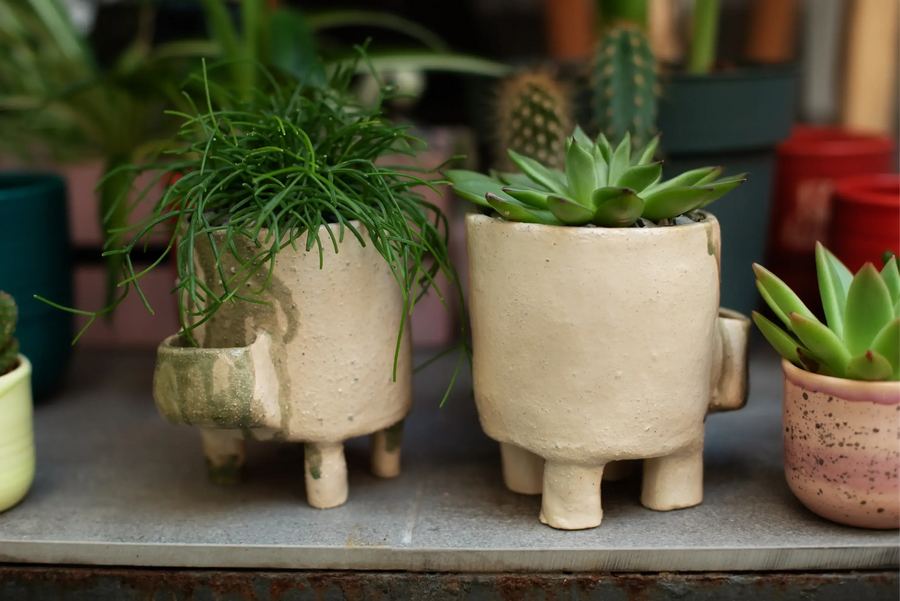
Echeveria and Aloe form layered rosettes, Curio grows in trailing strings, and Ceropegia sends out slender vines. Upright snake plants, branching Euphorbia and compact Haworthiopsis add different shapes and textures. The collection includes succulents from several plant families, with varied light and watering needs.
Many dryland types, especially Echeveria and Aloe, appreciate a sunny position and a freely draining mineral-rich mix. Haworthiopsis, some snake plants and tropical or epiphytic types prefer gentler light or a different watering rhythm. Choose by the plant’s mature shape and its individual care requirements.
Botanical Profile
Succulent is a broad term for plants that store water in leaves, stems or roots. This adaptation appears across many unrelated plant families.
Details & Care
Succulent houseplants
Echeveria and Aloe form layered rosettes, Curio grows in trailing strings, and Ceropegia sends out slender vines. Upright snake plants, branching Euphorbia and compact Haworthiopsis add different shapes and textures. The collection includes succulents from several plant families, with varied light and watering needs.
Many dryland types, especially Echeveria and Aloe, appreciate a sunny position and a freely draining mineral-rich mix. Haworthiopsis, some snake plants and tropical or epiphytic types prefer gentler light or a different watering rhythm. Choose by the plant’s mature shape and its individual care requirements.
Frequently Asked Questions About Succulents
Are snake plants succulents?
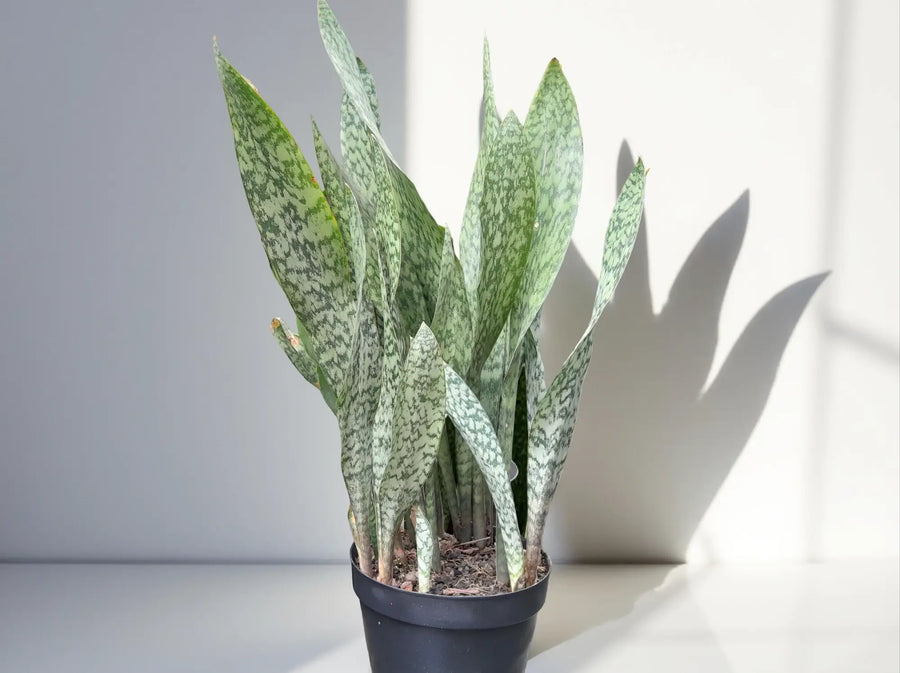
Yes. Snake plants, now placed in Dracaena, store water in their thick leaves. Their upright shape is one of the many growth forms found among succulents.
Where should I put a succulent indoors?
Many Echeveria and Aloe varieties grow best close to a sunny window. Haworthiopsis and several forest or epiphytic succulents prefer bright filtered light. Check the exact species before choosing a position.
How often should I water my succulent?
Watering depends on the species and season. Allow dryland Echeveria, Aloe and many Euphorbia to dry well between waterings. Softer-leaved Peperomia and some tropical epiphytes may need water sooner. Let excess water drain from the pot.
Why is my succulent growing long, thin stems?
Stretching and widely spaced leaves often indicate insufficient light. Move the plant gradually to a brighter position appropriate for its species. New growth can become more compact, while older stretched stems keep their shape.
Which succulents are harmful to pets?
Pet safety varies by species. Aloe can be harmful when eaten, and many Euphorbia have irritating milky sap. Check the specific plant’s safety information if cats or dogs may reach it.