Skip to content

Cart

Your cart is empty.

Heptapleurum

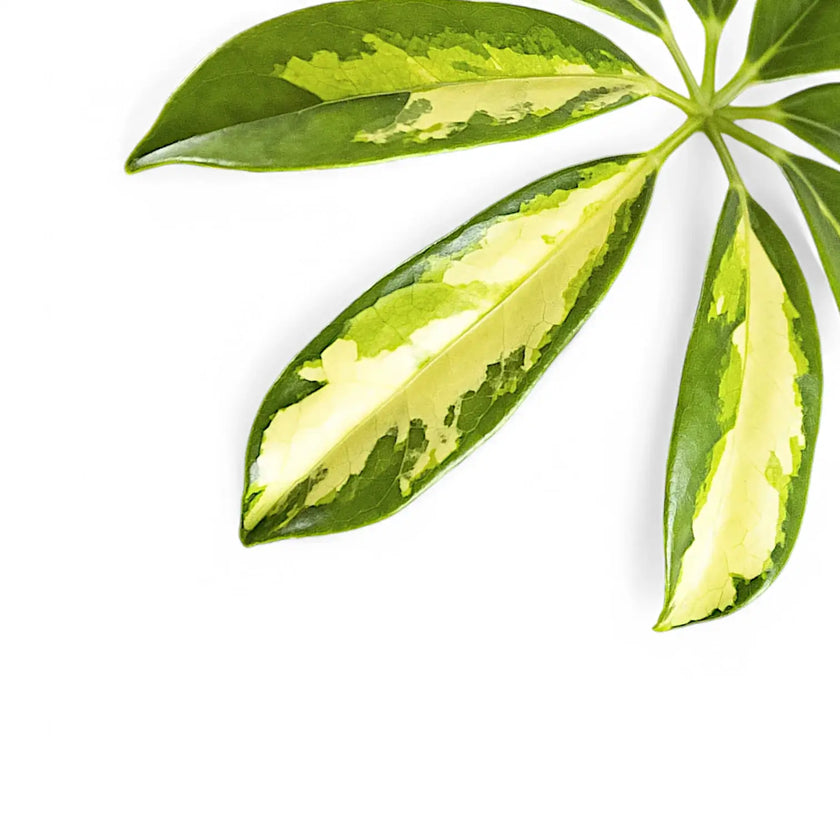
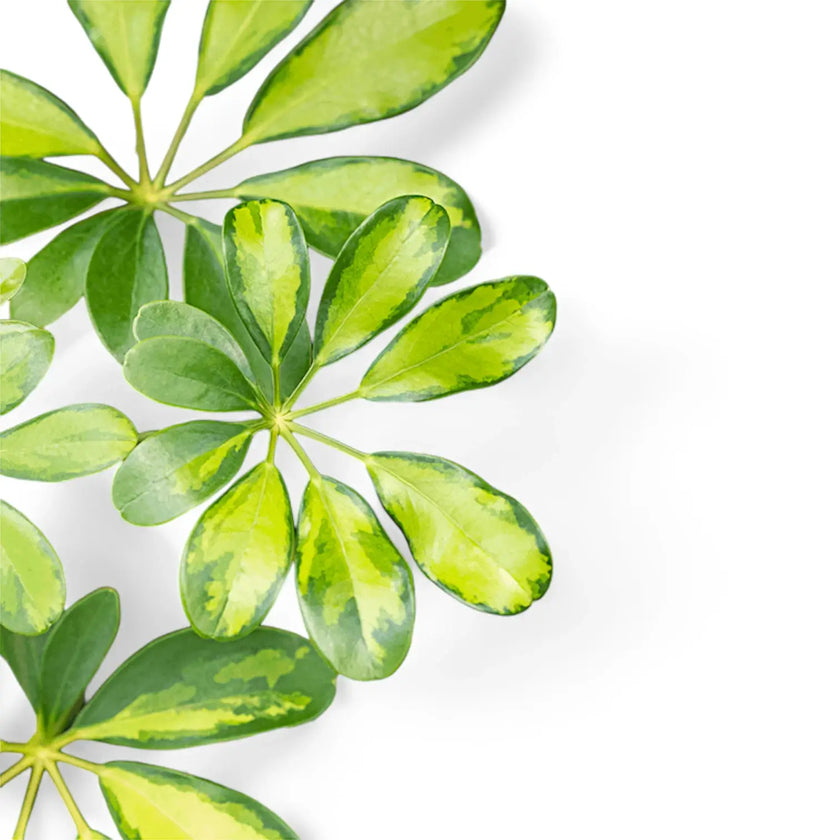
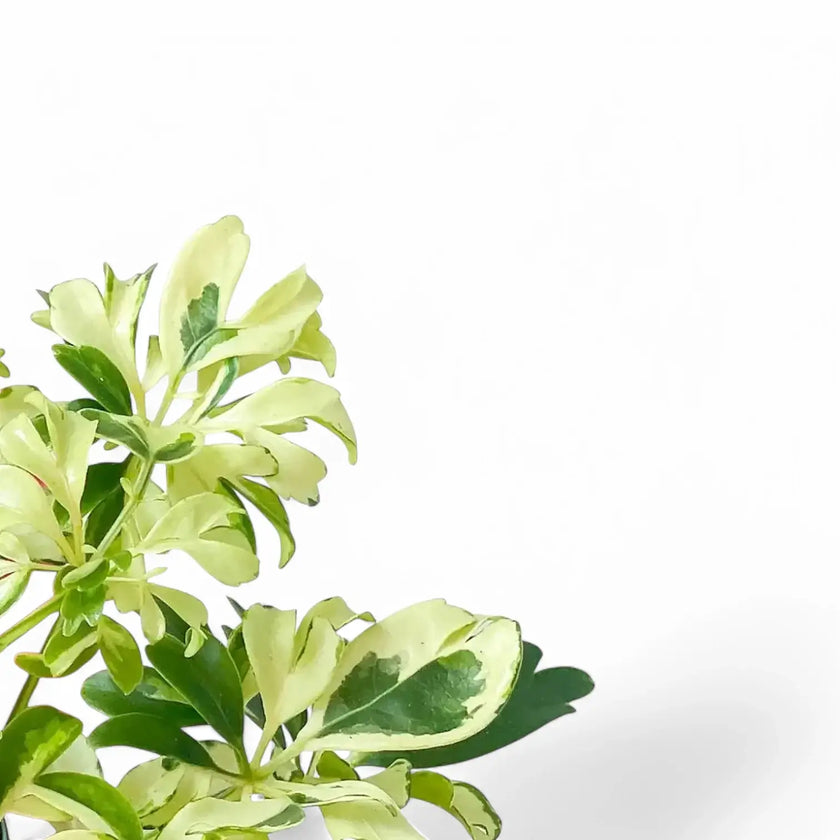
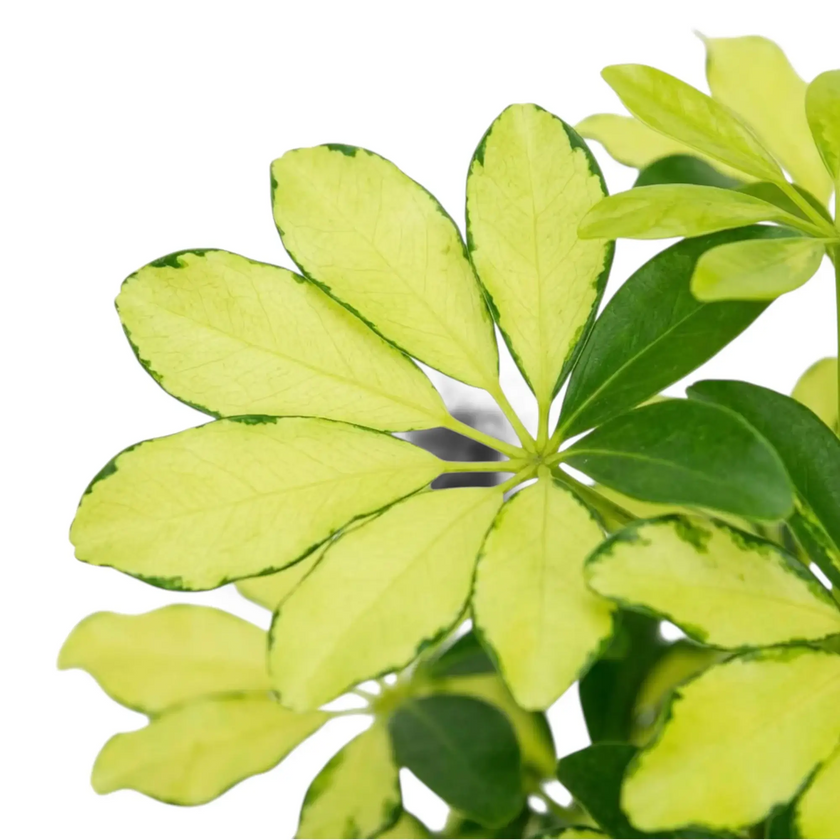
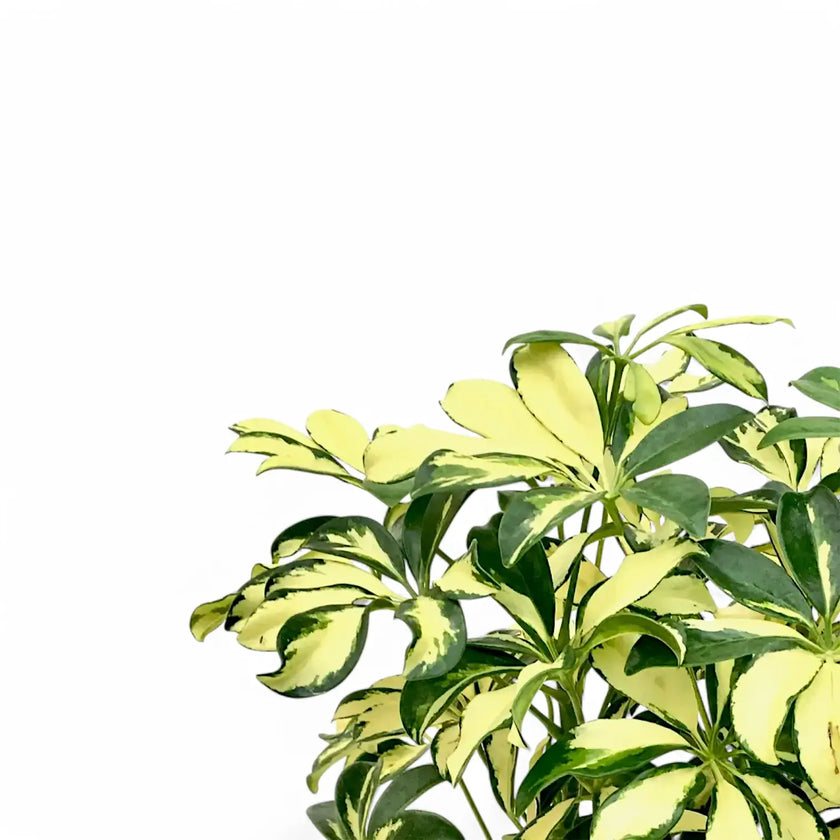
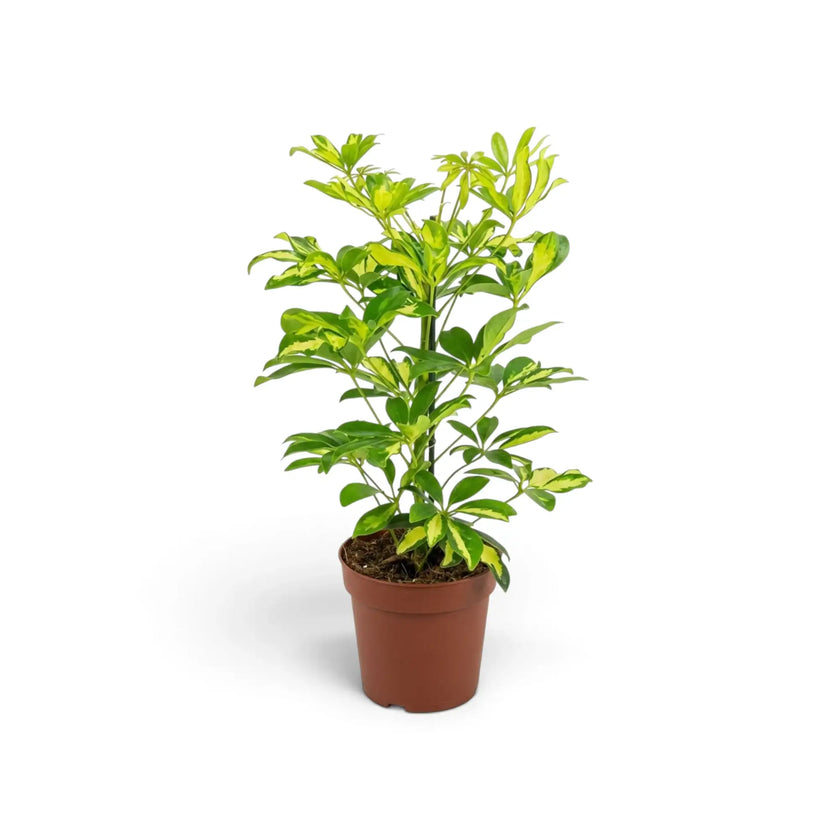
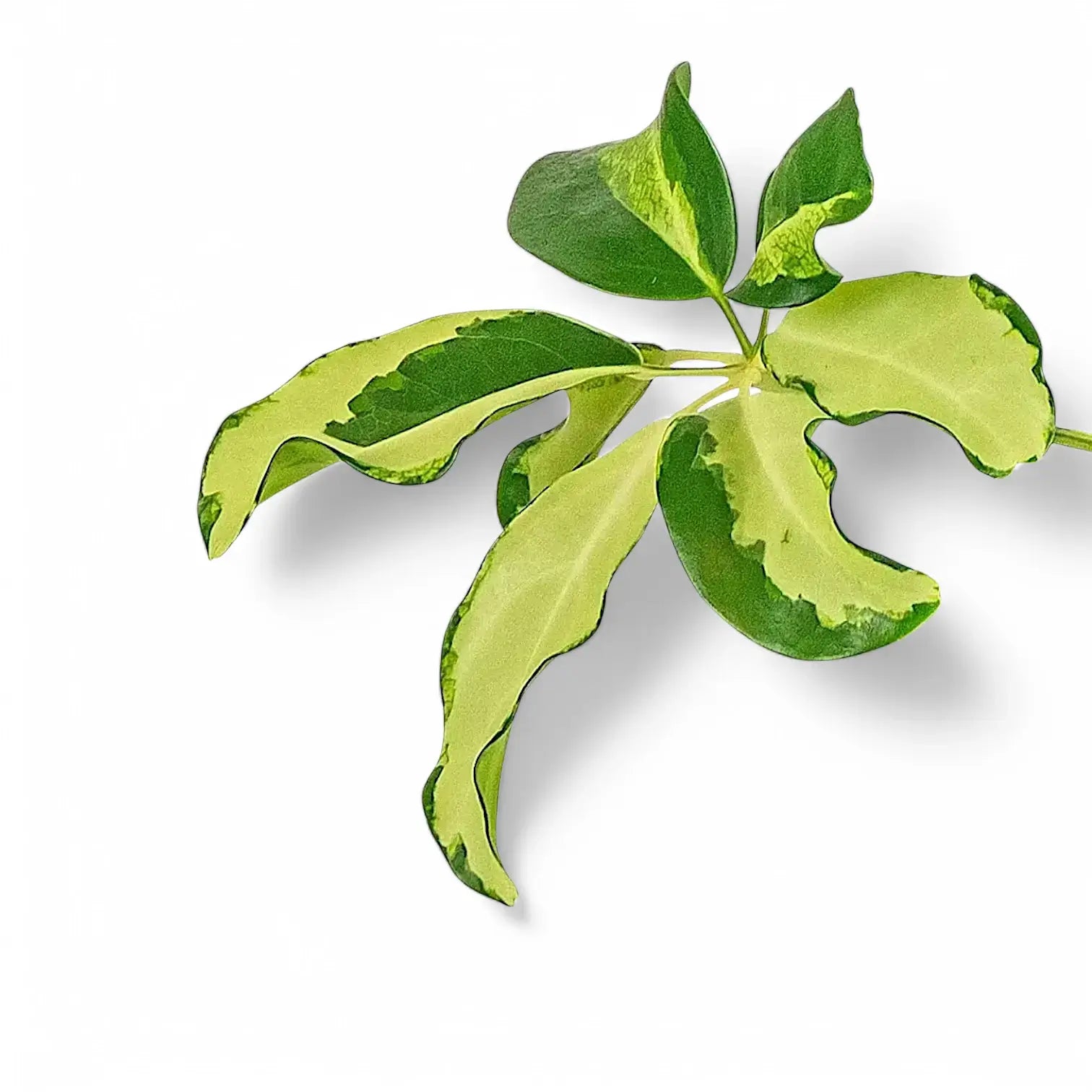
A variegated leaf of Heptapleurum Schefflera arboricola Charlotte on a white background

Sort by:

Filters

Araliaceae

Heptapleurum

Quick Overview

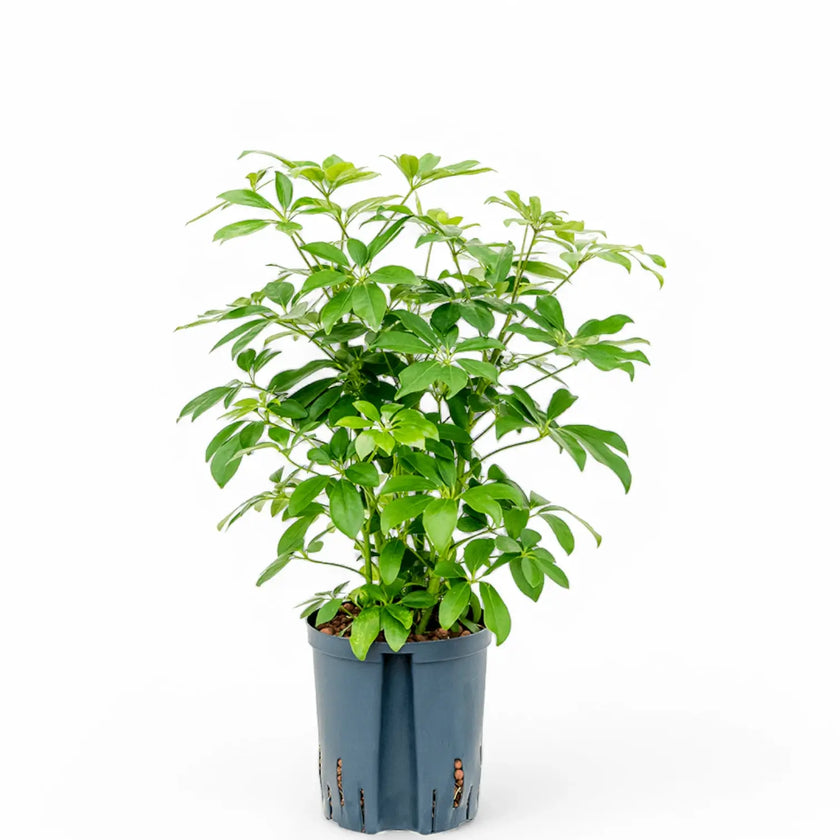
Heptapleurum (Schefflera) - umbrella foliage outline

  • Habit: woody shrub or small tree with umbrella-like leaf whorls; used as a structural plant in bright interiors.
  • Light: medium to bright, indirect light; very low light causes lanky stems and heavy leaf drop.
  • Watering: water thoroughly, then let the top of the mix dry; cold, wet soil is more harmful than cautious dryness.
  • Substrate: prefers standard indoor mix with decent drainage; compact, always-wet compost suffocates roots.
  • Climate: likes stable warmth and modest humidity; avoid placing near draughty doors or radiators.
  • Toxicity: sap can irritate; treat foliage as unsafe to chew and keep away from pets and children.
Botanical Profile

Heptapleurum is an accepted genus in Araliaceae native from tropical and subtropical Asia to the northwestern Pacific. Many familiar houseplants are still sold under the older name Schefflera, especially Heptapleurum arboricola cultivars.

Details & Care

Heptapleurum: umbrella trees for bright rooms and easy pruning

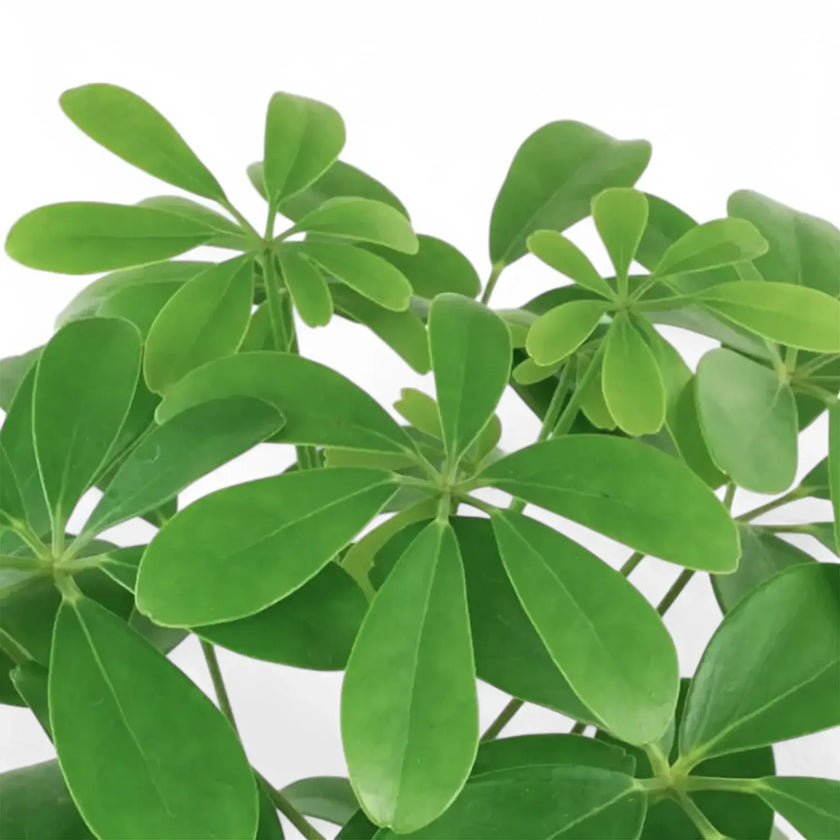
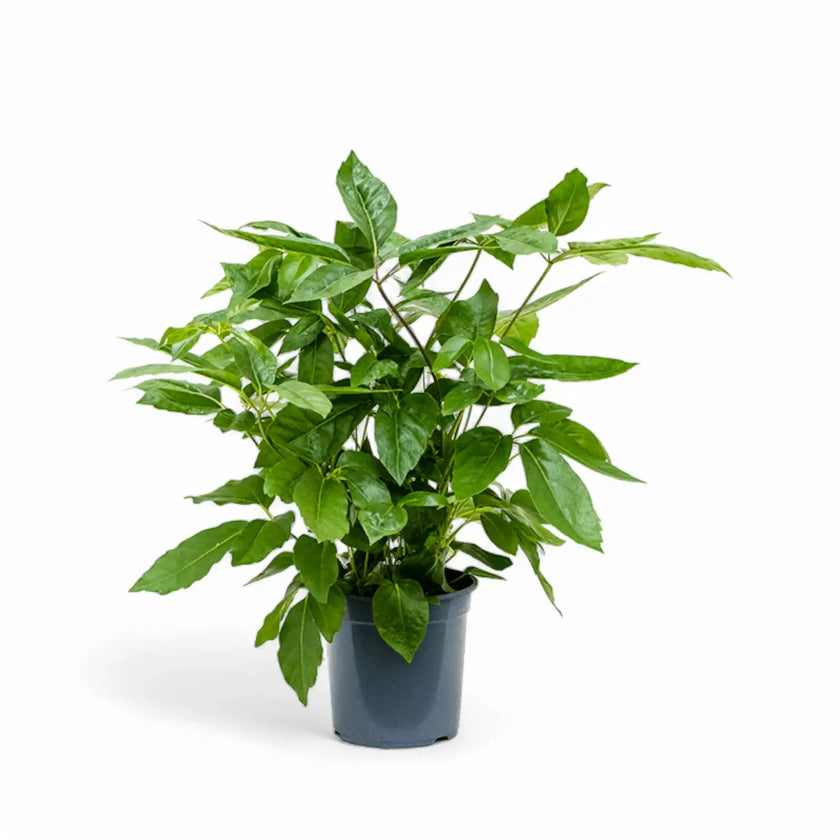
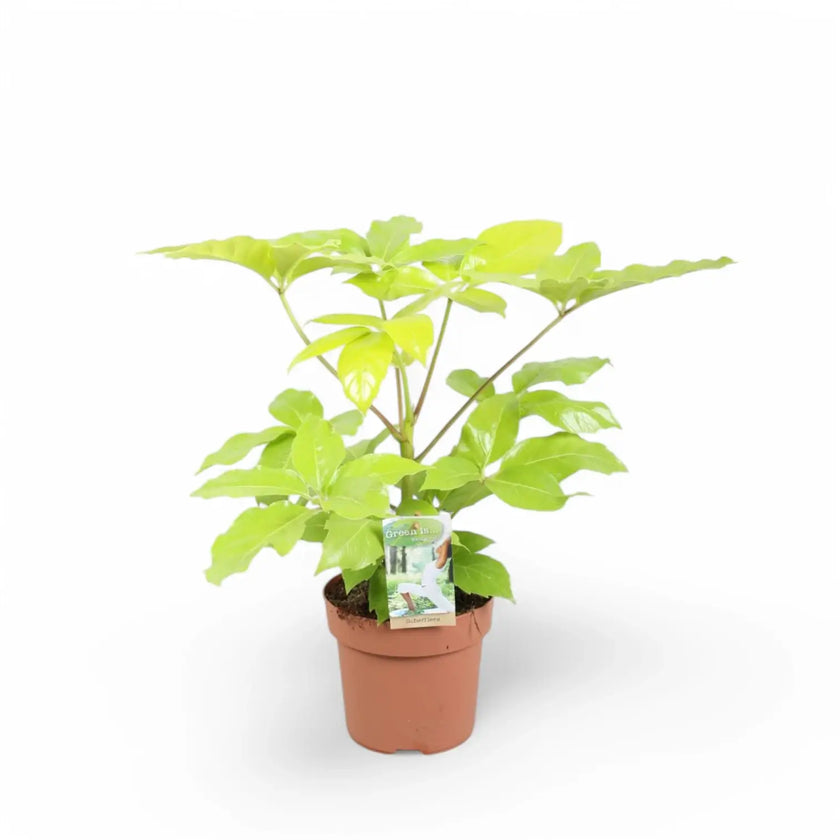
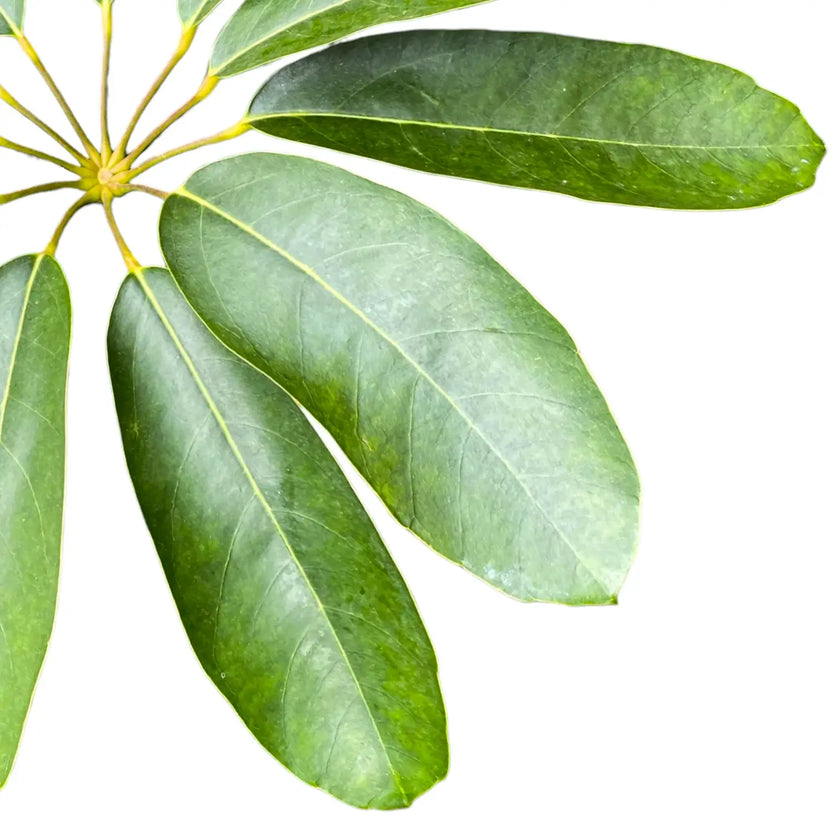
Heptapleurum covers many familiar “umbrella tree” houseplants with palmate leaves and sturdy stems. Indoors, it reads as clean, architectural greenery and responds well to pruning, which makes it easy to shape for space.

Leaves collect dust quickly in busy rooms. A quick wipe keeps the plant looking sharp and also makes it easier to spot early pest activity on stems and leaf joins.

Some forms stay compact with smaller leaflets; others build a taller cane-like profile. The collection is useful when you want a reliable indoor tree that can be trained and refreshed over time.

How to choose a Heptapleurum

  • Plant shape: single-stem plants suit corners; branched plants feel fuller and softer.
  • Leaf size: larger leaves make a bolder look; smaller leaflets look finer and more textured.
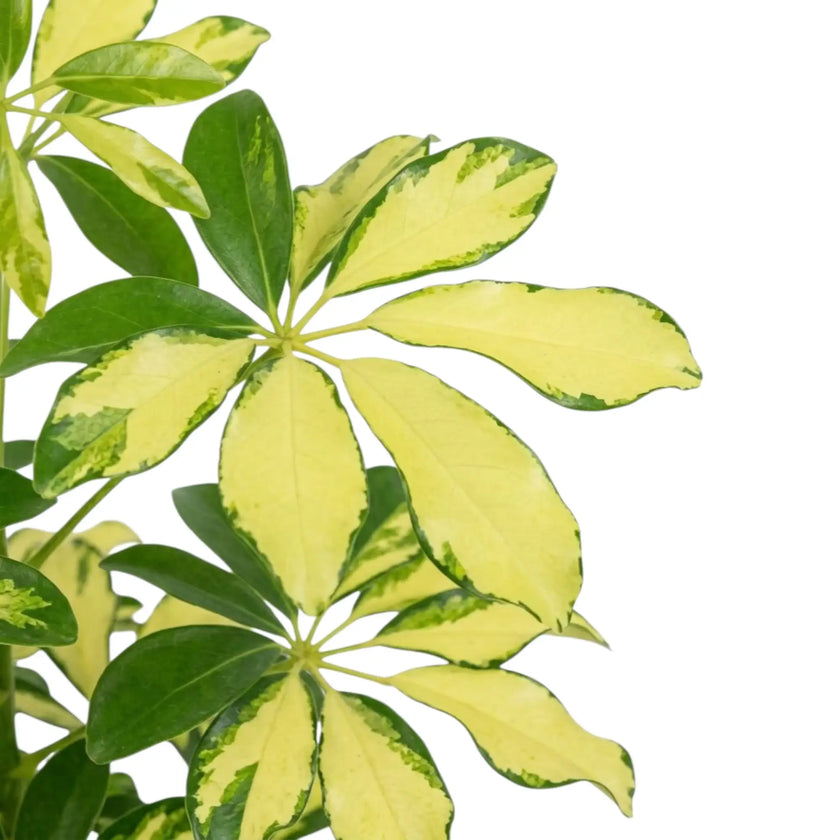
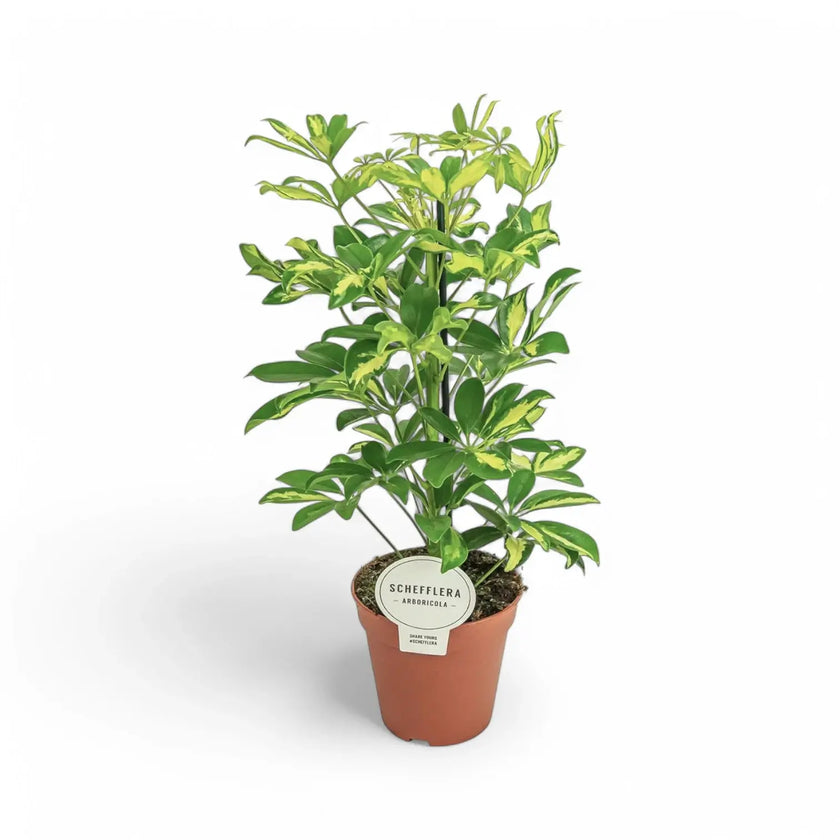
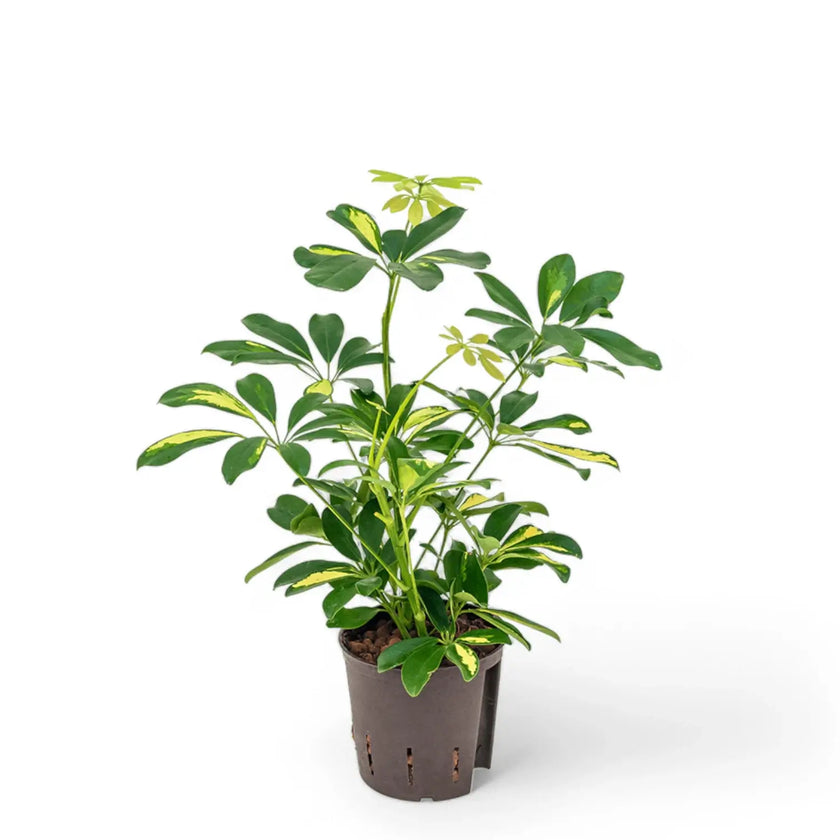
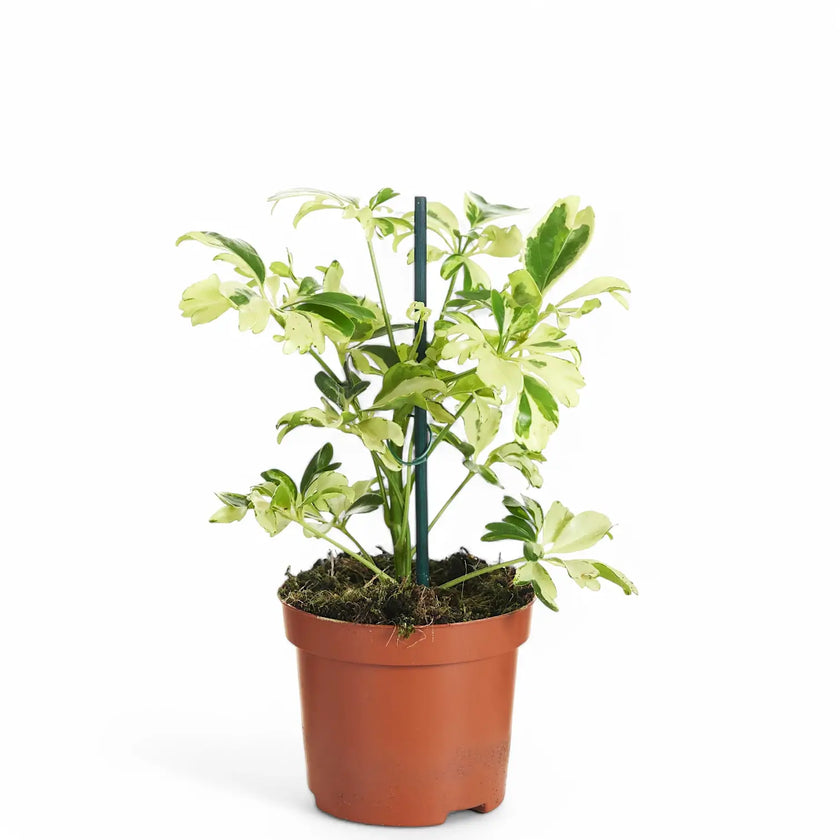
  • Variegated types: often need brighter light to hold colour and tend to grow a bit slower.

Care basics

Bright, indirect light is a strong default. Water when the upper portion of the pot has dried, then water thoroughly and drain. A well-aerated mix keeps roots healthy and reduces the risk of leaf drop triggered by soggy pots.

  • Feeding: steady, moderate feeding during active growth supports compact, leafy shoots.
  • Airflow: normal room airflow is fine; avoid cold drafts directly on the canopy.
  • Cleaning: wiping leaves helps light reach the plant and makes pest checks easier.

Pruning and training

Cutting back encourages branching and keeps plants from becoming top-heavy. Prune above a node, use clean tools, and keep the plant in stable light while it rebuilds.

Issues to watch

  • Leaf drop: often follows overwatering, cold, or a big position change; keep conditions steady.
  • Sticky pests: scale and mealybugs can hide on stems; inspect regularly.
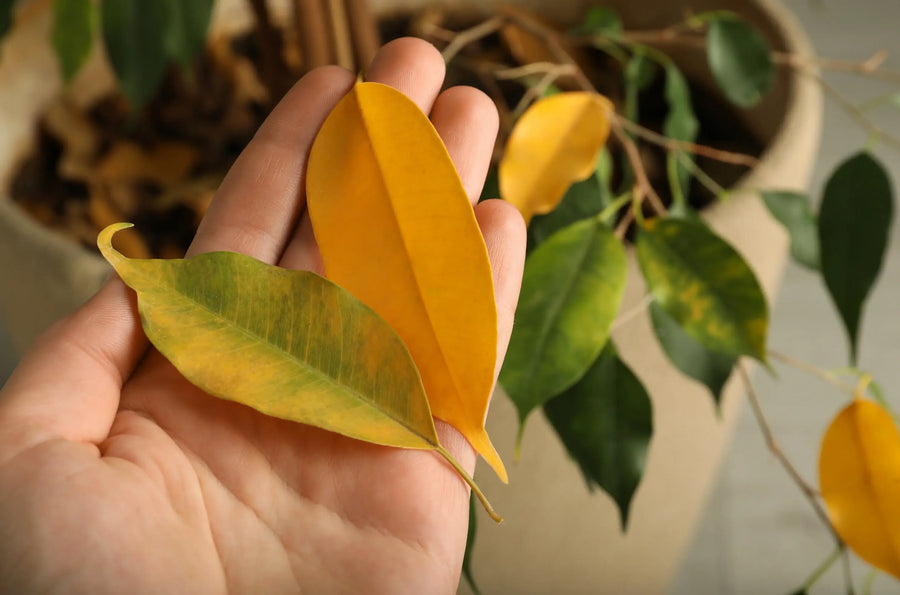
  • Yellowing lower leaves: can be normal ageing, but check watering and root health if it accelerates.
  • Brown tips: dry air or irregular watering can show up first on leaf edges.

Sap can irritate skin and the plant is best kept out of reach of pets that chew foliage.

Frequently Asked Questions About Heptapleurum