Skip to content

Cart

Your cart is empty.

Aeschynanthus (Lipstick Plants)

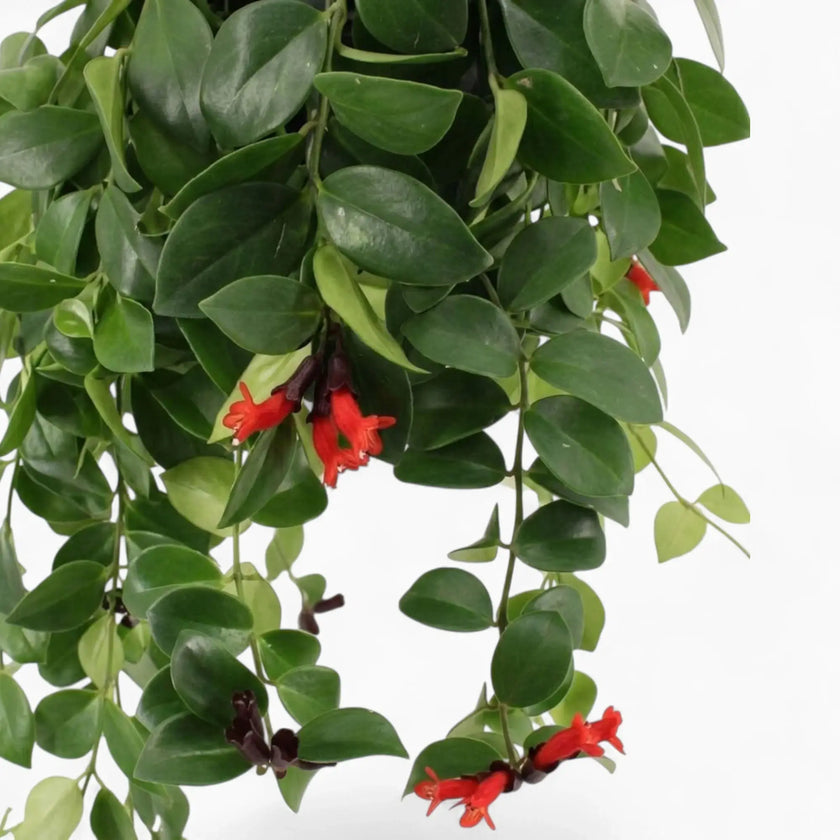
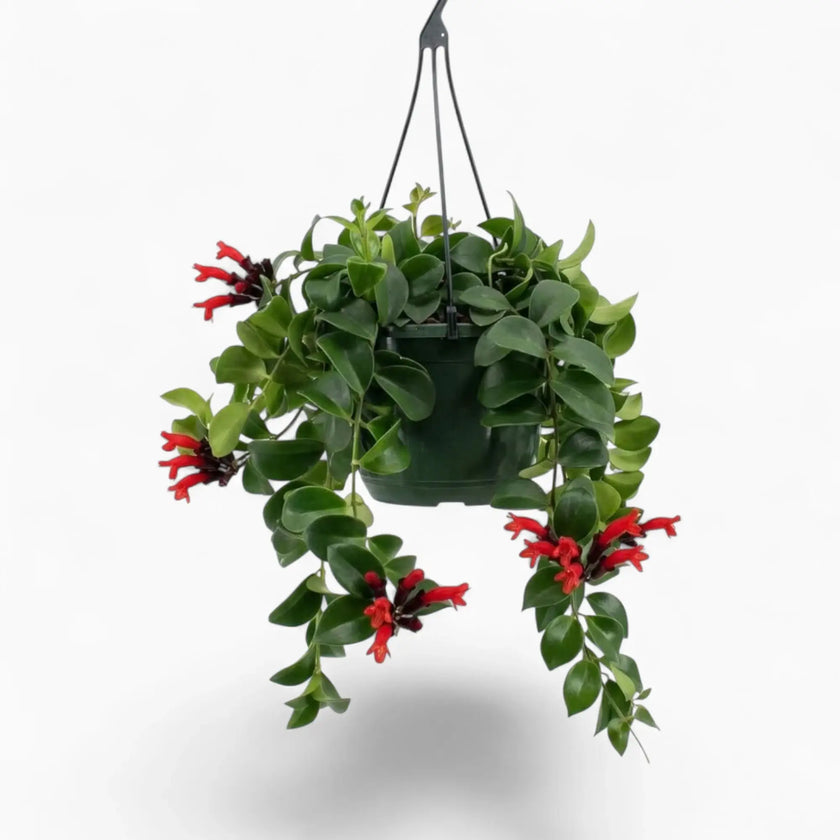
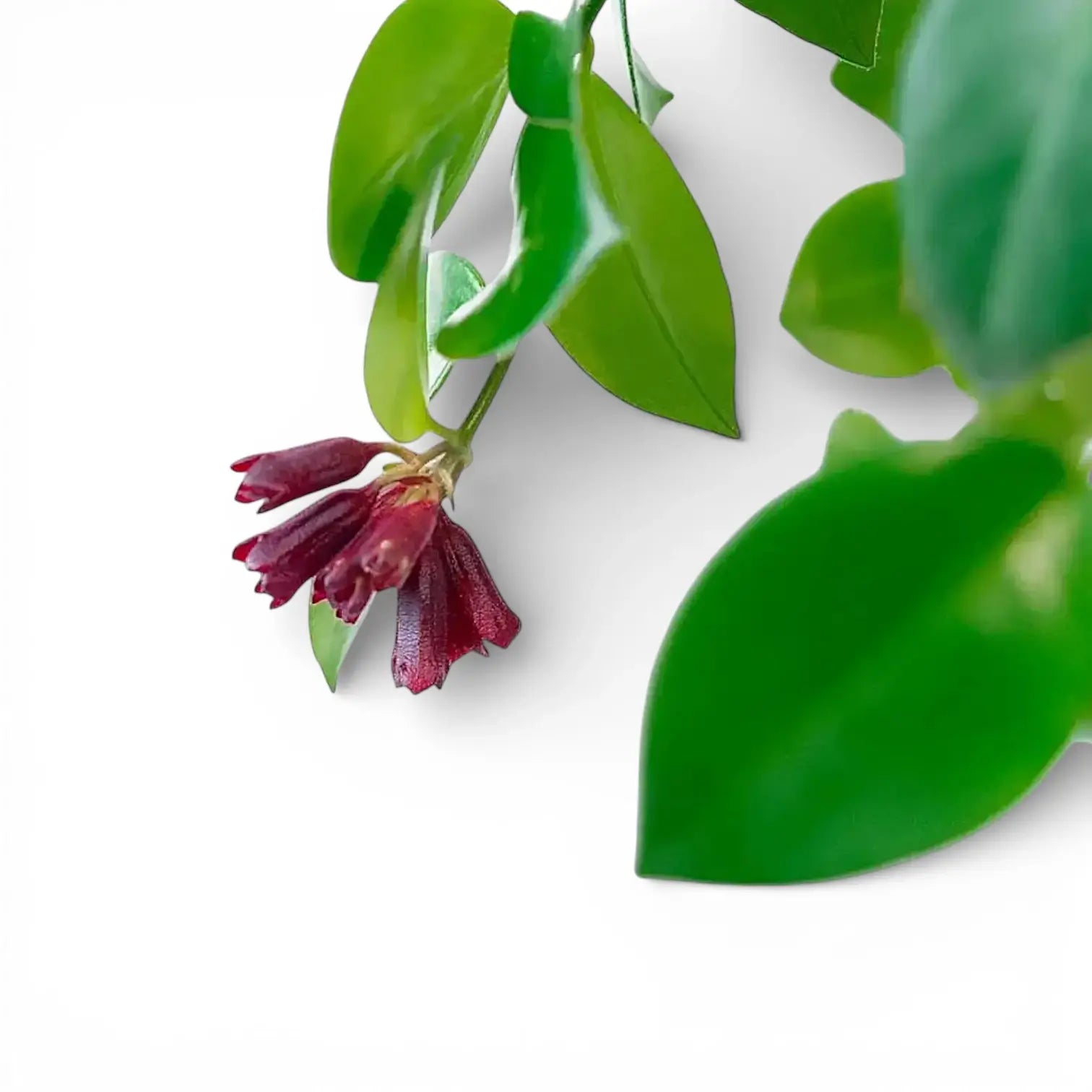
Lipstick plant, Aeschynanthus speciosus 'Mona Lisa', a close up of glossy green foliage and dark red blooms on white background

Sort by:

Filters

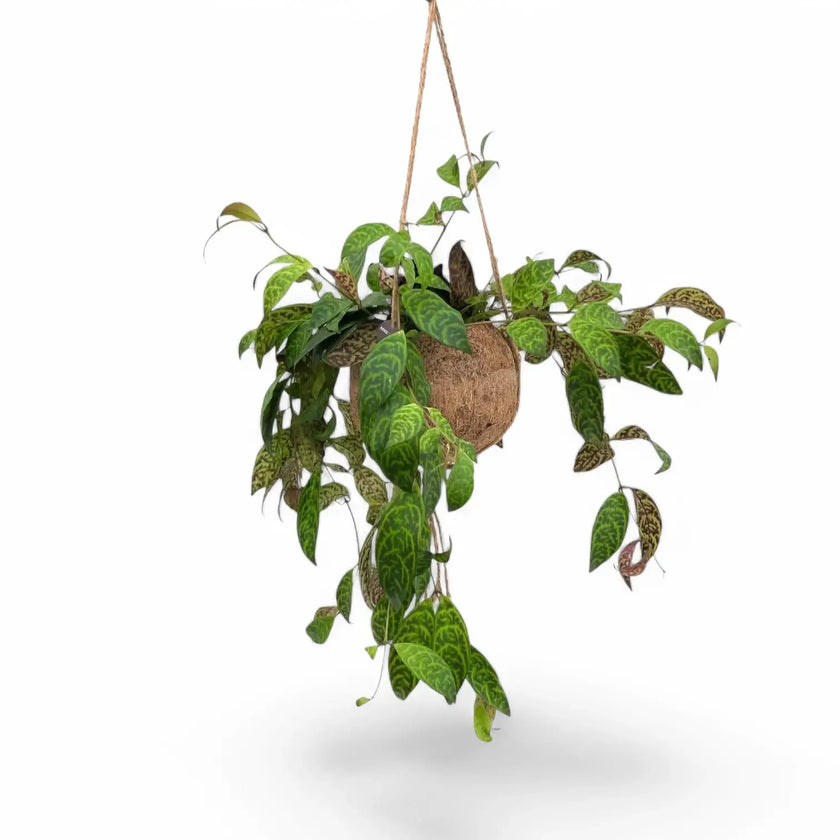
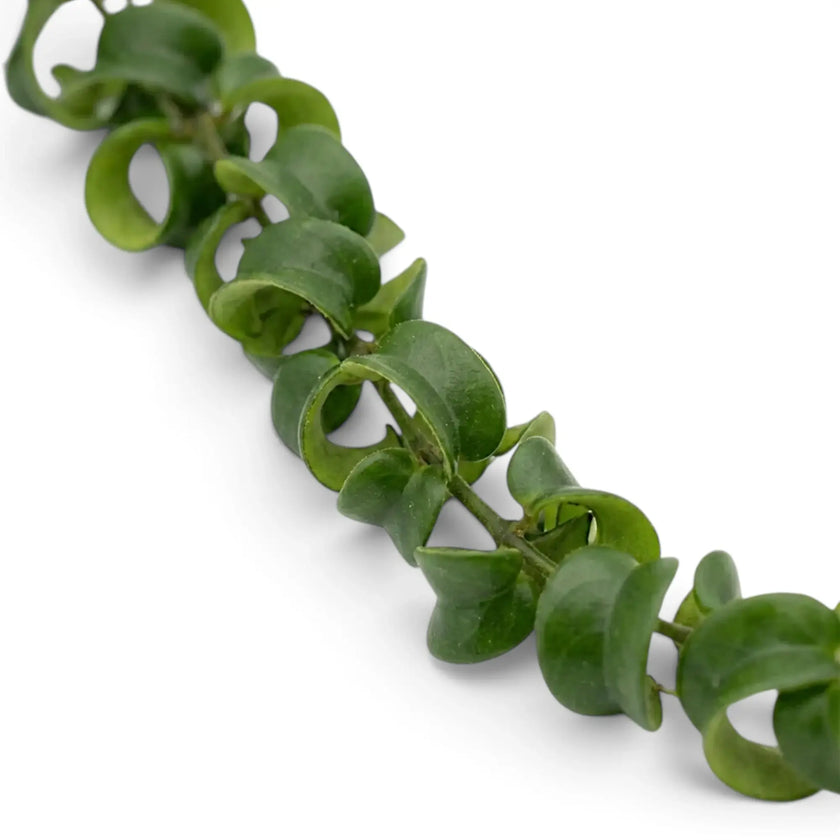
Aeschynanthus 'Japhrolepis' leaf close-up on white background.
Aeschynanthus 'Japhrolepis' Regular price €46,75
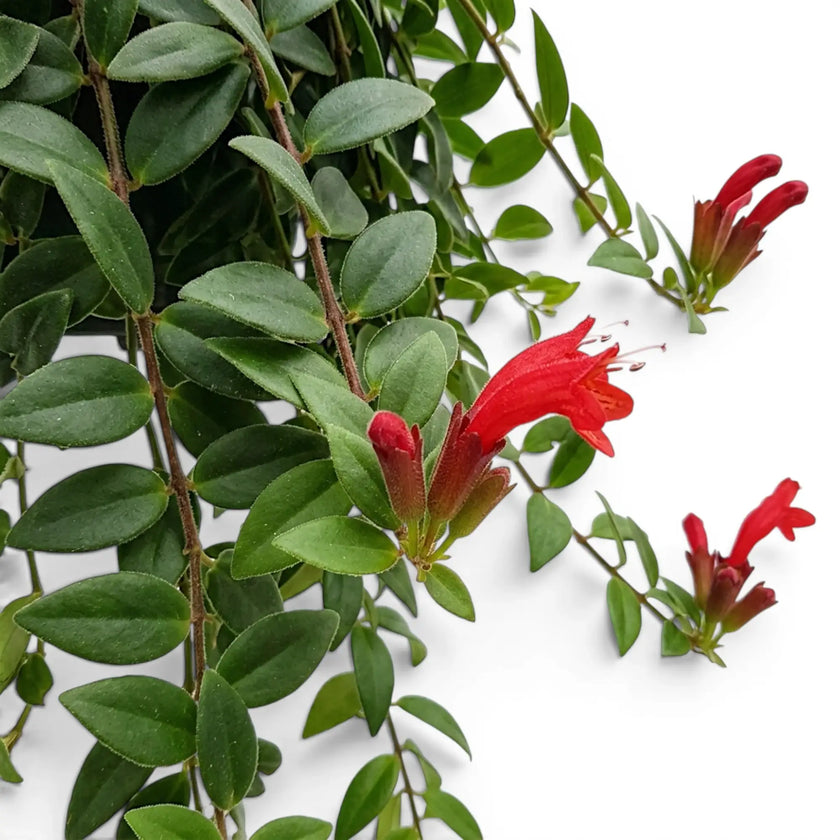
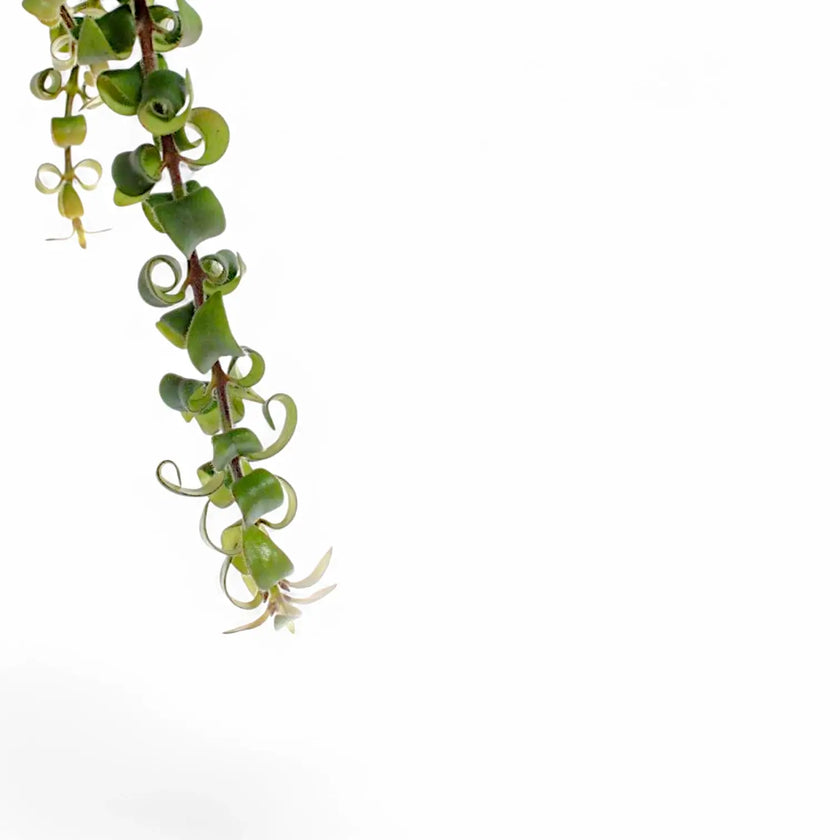
Aeschynanthus 'Rasta' leaf close-up on white background.
Aeschynanthus 'Rasta' Regular price €46,75
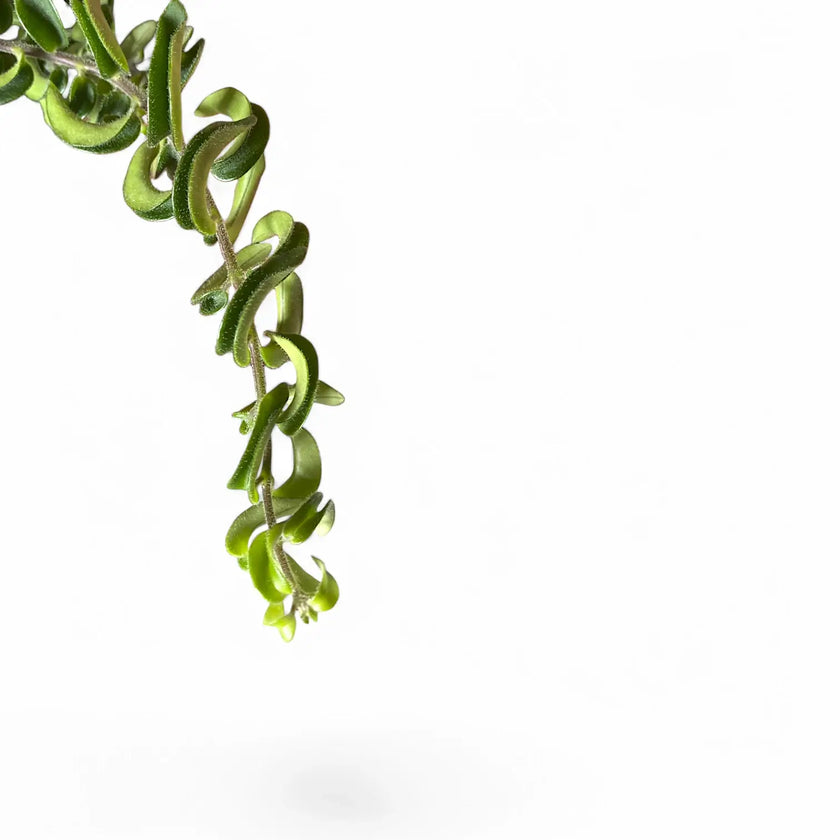
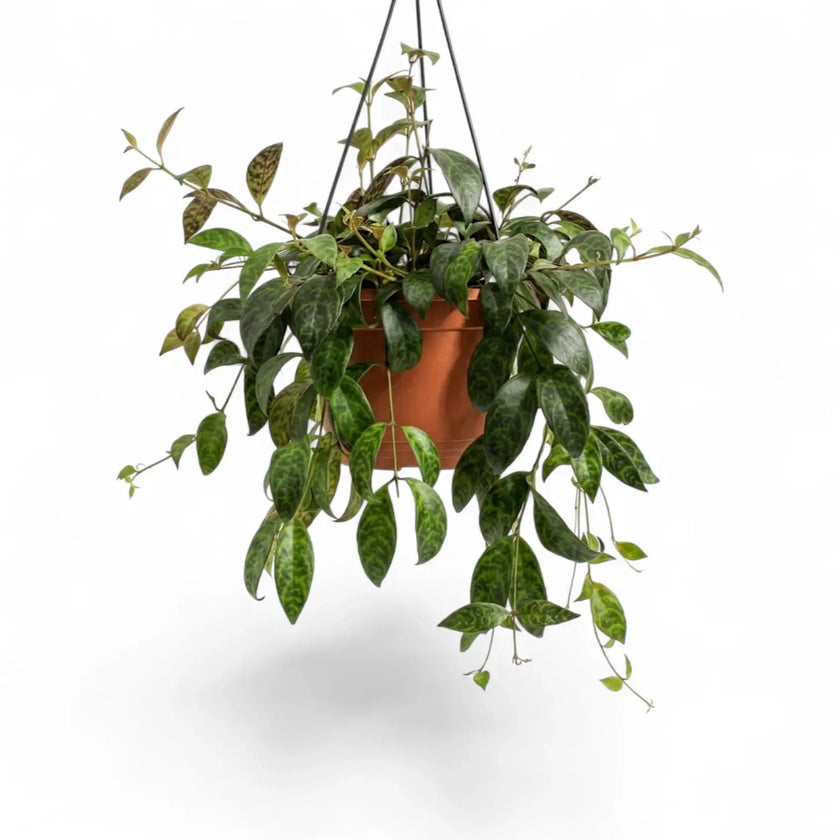
Aeschynanthus 'Swing' leaf close-up on white background.
Aeschynanthus 'Twister' close-up of leaf on white background.
Aeschynanthus longicaulis (marmoratus) close-up of leaf on white background.
Aeschynanthus marmoratus in Kokodama leaf detail on white background.
Aeschynanthus pulcher leaf detail on white background.
Aeschynanthus radicans 'Bolero Bicolour' leaf detail on white background.
Aeschynanthus radicans 'Caroline' leaf close-up on white background.
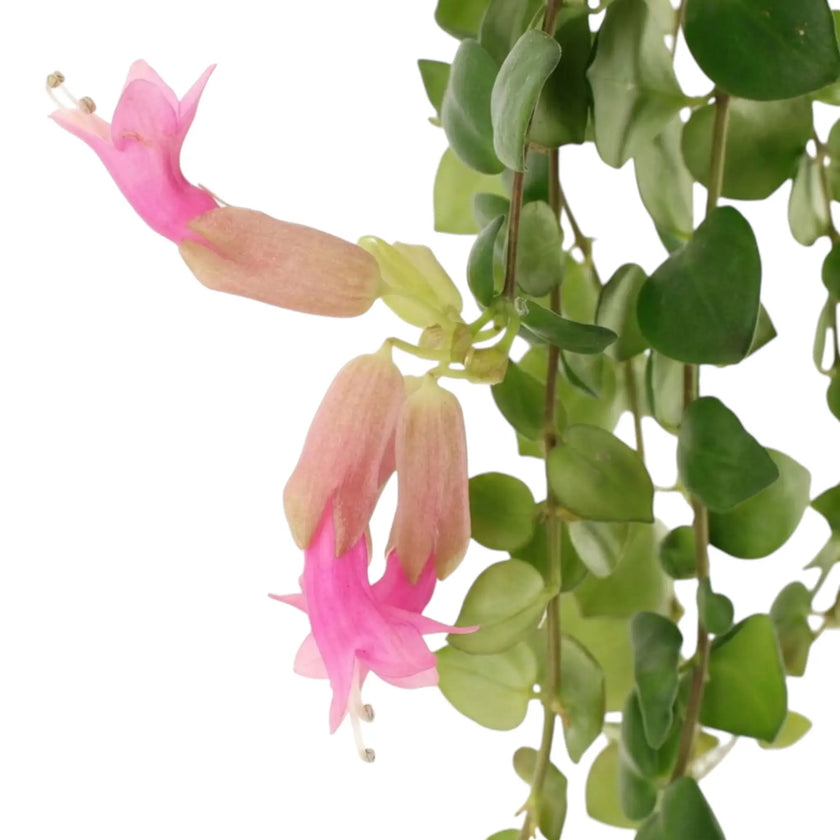
Aeschynanthus radicans ‘Pink Polka’ close-up of leaf on white background.
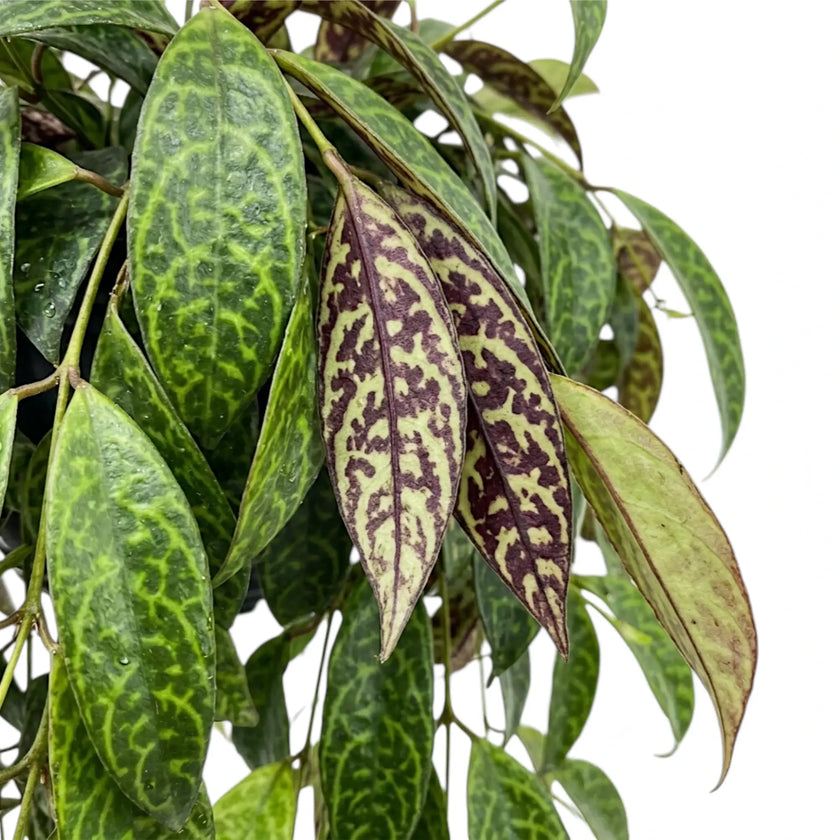
Aeschynanthus speciosus 'Mona Lisa' leaf detail on white background.
Aeschynanthus speciosus 'Mona Lisa' Regular price €37,50

Gesneriaceae

Aeschynanthus (Lipstick Plants)

Quick Overview

Aeschynanthus (lipstick plants) - quick care overview

  • Growth style: trailing or arching epiphyte that looks best in hanging pots or on high shelves with room to cascade.
  • Light needs: bright, indirect light close to a good window; long spells of deep shade or harsh midday sun both reduce flowering.
  • Watering rhythm: water when roughly the upper third of the mix has dried; repeated deep drought or permanently wet soil both cause bud drop.
  • Substrate & roots: prefers a porous, semi-epiphytic mix with bark and mineral components so roots stay airy, not in compact soil.
  • Temperature band: comfortable around 18-25 °C; prolonged cold below the mid-teens with wet mix often leads to leaf loss.
  • Pets & people: generally treated as low-risk but still ornamental; discourage chewing.
Botanical Profile

Aeschynanthus: botanical profile for Lipstick Plants

Aeschynanthus is a genus of evergreen epiphytic and lithophytic perennials in Gesneriaceae, described by William Jack in 1823. The name combines Greek roots often interpreted as “ashamed” and “flower”, referencing intensely coloured corollas that resemble lipstick emerging from a tube. Around 150-180 species are recognised, and several are widely cultivated as hanging Lipstick Plants.

  • Order: Lamiales
  • Family: Gesneriaceae
  • Tribe: Trichosporeae (subtribe Didymocarpinae)
  • Genus: Aeschynanthus Jack
  • Type species: Aeschynanthus volubilis Jack
  • Chromosomes: 2n counts mostly around 28-32, with higher polyploids (2n ≈ 48-96) reported in some taxa

Range & habitat: Native from the eastern Himalayas and southern China through mainland Southeast Asia, Malaysia, Indonesia and the Philippines to New Guinea and the Solomon Islands. Aeschynanthus typically grows as an epiphyte on tree branches or occasionally on rocks in humid lowland to montane rainforest, often in mossy, well-ventilated canopy gaps.

  • Life form: Trailing or scrambling evergreen vines and subshrubs, usually epiphytic, sometimes lithophytic.
  • Leaf attachment: Opposite, short-petiolate leaves spaced along slender to woody stems, often forming pendulous curtains.
  • Leaf size: Mostly small to medium, roughly 3-12 cm long in many species, with species-level variation from tiny to broader foliage.
  • Texture & colour: From thin and soft to thick, coriaceous leaves; typically uniform green but sometimes mottled or flushed, with a cuticle that tolerates intermittent drying.
  • Notable adaptation: Tubular, brightly coloured corollas positioned at shoot tips or in clusters, well suited to bird pollination in shaded forest canopies.

Inflorescence & fruit: Flowers are produced in terminal or axillary clusters with narrow, tubular corollas in red, orange or yellow tones, often adapted to sunbird visitation. Fruits are elongate, dehiscent capsules that split to release numerous small seeds with hair-like appendages that aid wind dispersal.

Details & Care

Aeschynanthus: trailing lipstick plants with bold flowers

Aeschynanthus is grown for glossy leaves on trailing stems and tubular flowers that appear along mature growth. It suits hanging pots and shelves where stems can drape and branch, building a fuller plant over time.

Aeschynanthus does best in bright, filtered light with an airy mix and a watering rhythm that keeps roots lightly moist but never saturated. Consistent warmth supports steady growth, while cold drafts can stall the plant quickly.

Light: Bright indirect light supports flowering and compact growth. Harsh midday sun can mark leaves.

Watering: Water when the top portion of the pot starts to dry. Avoid leaving the pot wet for long periods.

Substrate: An open, fast-draining mix suits epiphytic-style roots and reduces the risk of stem issues.

Shaping: Light trimming after a growth flush helps branching and keeps the plant fuller.

Placement: Warm, stable rooms with decent air movement tend to keep foliage in better condition.

Flowering is tied to maturity and light. Aeschynanthus often blooms on longer, older stems, so constant hard pruning can delay flowers. Aim for gentle shaping and let some stems extend to flowering length.

Humidity: Moderate humidity helps, but airflow matters too. Keep the plant where leaves can dry normally after watering.

Before you buy: Look for springy stems, firm leaves, and healthy new tips. Weak, limp stems usually point to root stress or cold damage.

Watering: Water thoroughly, then let the mix dry slightly before watering again. Roots prefer oxygen more than constant moisture.

Substrate: A loose, airy mix keeps stems firm and reduces the risk of sudden decline in cooler periods.

Frequently Asked Questions About Aeschynanthus