Position
Part shade

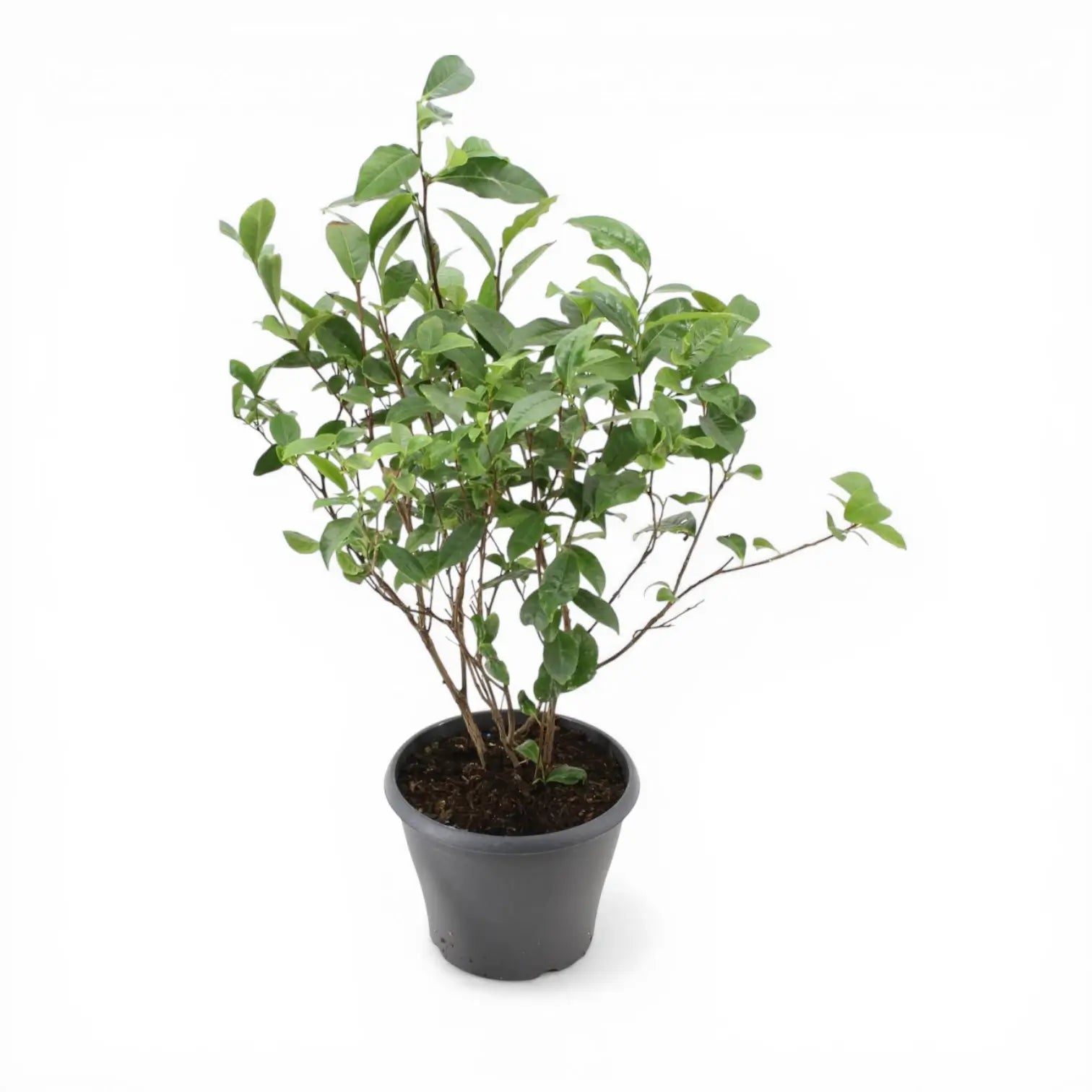
Camellia
VAT included · plus
Your outdoor plant has just been packed, transported and unpacked, so give it a calm start before planting or placing it permanently. Remove all packaging carefully, check the pot, stems, visible roots and substrate moisture, and settle any loose growing medium back around the root ball. Water if the root ball feels dry, but do not leave the pot standing in water. For the first few days, keep the plant in a sheltered spot suited to its light needs, away from strong midday sun, heavy wind, frost and heat stress.
Do not move the plant straight into full exposure, especially if it is young, newly flushed, evergreen, recently pruned or greenhouse-grown. Gradually introduce more sun, wind and temperature variation over several days. If cold nights, storms, intense sun or hot dry weather are expected, keep the plant protected until conditions are more stable. Do not fertilize immediately after delivery; let the plant settle first and resume feeding only when it is actively growing and conditions are suitable.
Outdoor plants may arrive in different seasonal stages. Depending on the time of year, your plant may be leafy, flowering, newly sprouting, recently pruned, dormant, partly bare or leafless. Adjust care to what the plant is doing: actively growing plants need closer moisture checks, while dormant plants usually need protection from extremes and only light moisture management until growth resumes.
Plant outdoors when the soil is workable and weather conditions suit the plant type. Avoid planting during frost, heatwaves, waterlogged soil or very dry windy periods. It is better to keep the plant protected in its pot for a short time than to plant into stressful conditions. After planting, water thoroughly so the root ball and surrounding soil connect properly, then monitor moisture while the plant establishes.
Secure shipping, carefully packed orders with safe delivery across the EU, UK and Switzerland.
28-day plant guarantee, if a plant arrives damaged or fails soon after delivery, we help you make it right.
Free returns, simple, cost-free returns according to our policy.
For full details, please see:
Please head to our FAQ Page or Contact us.
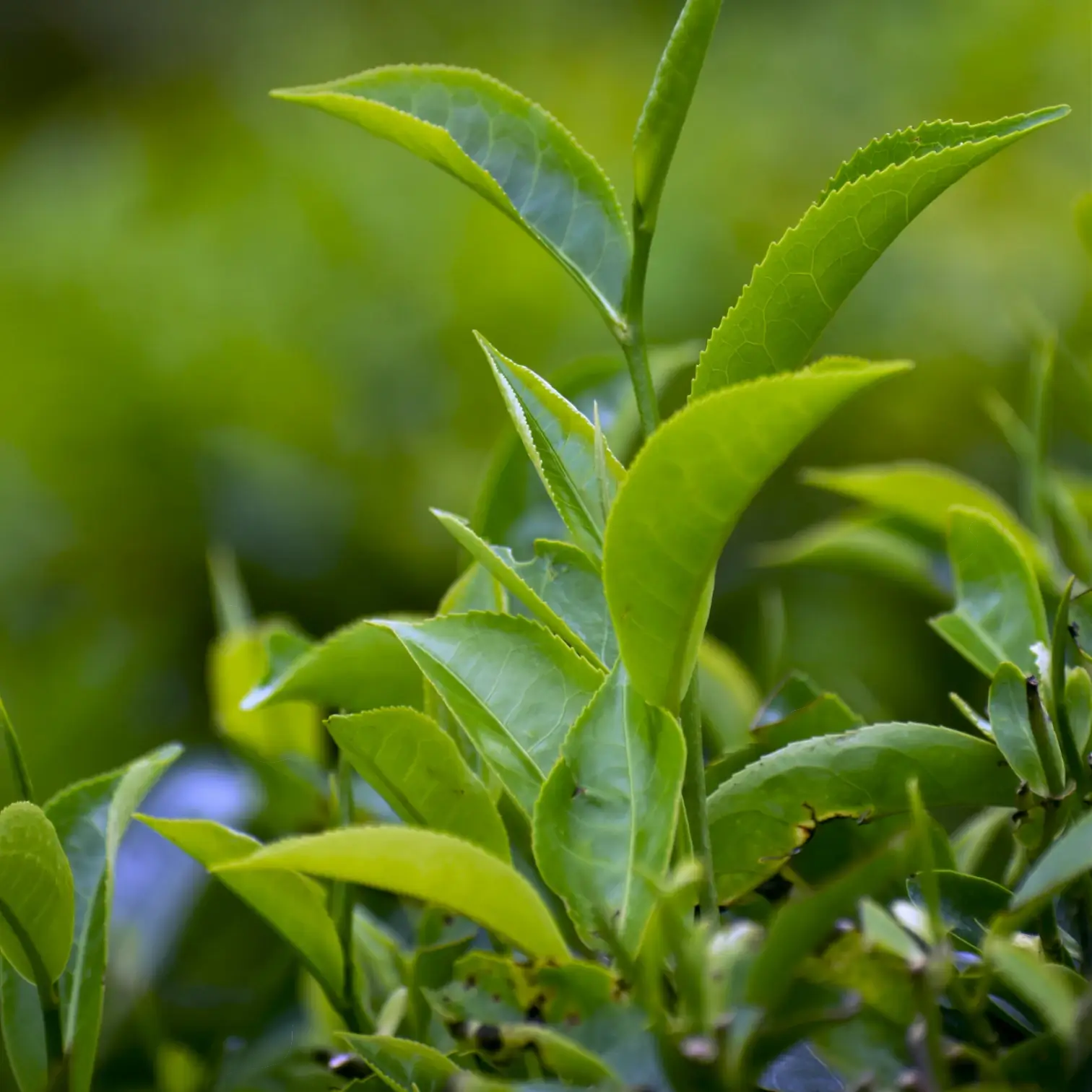
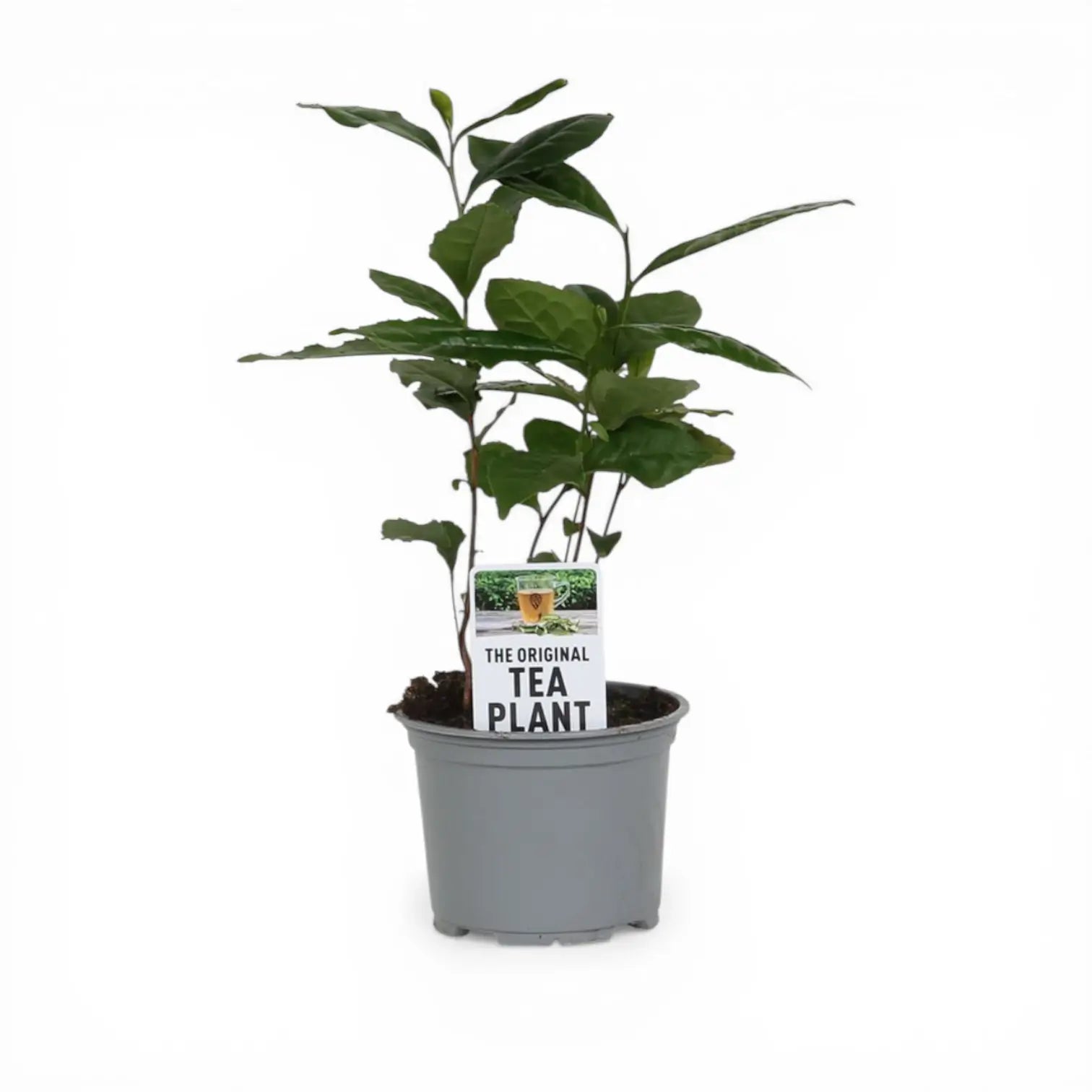
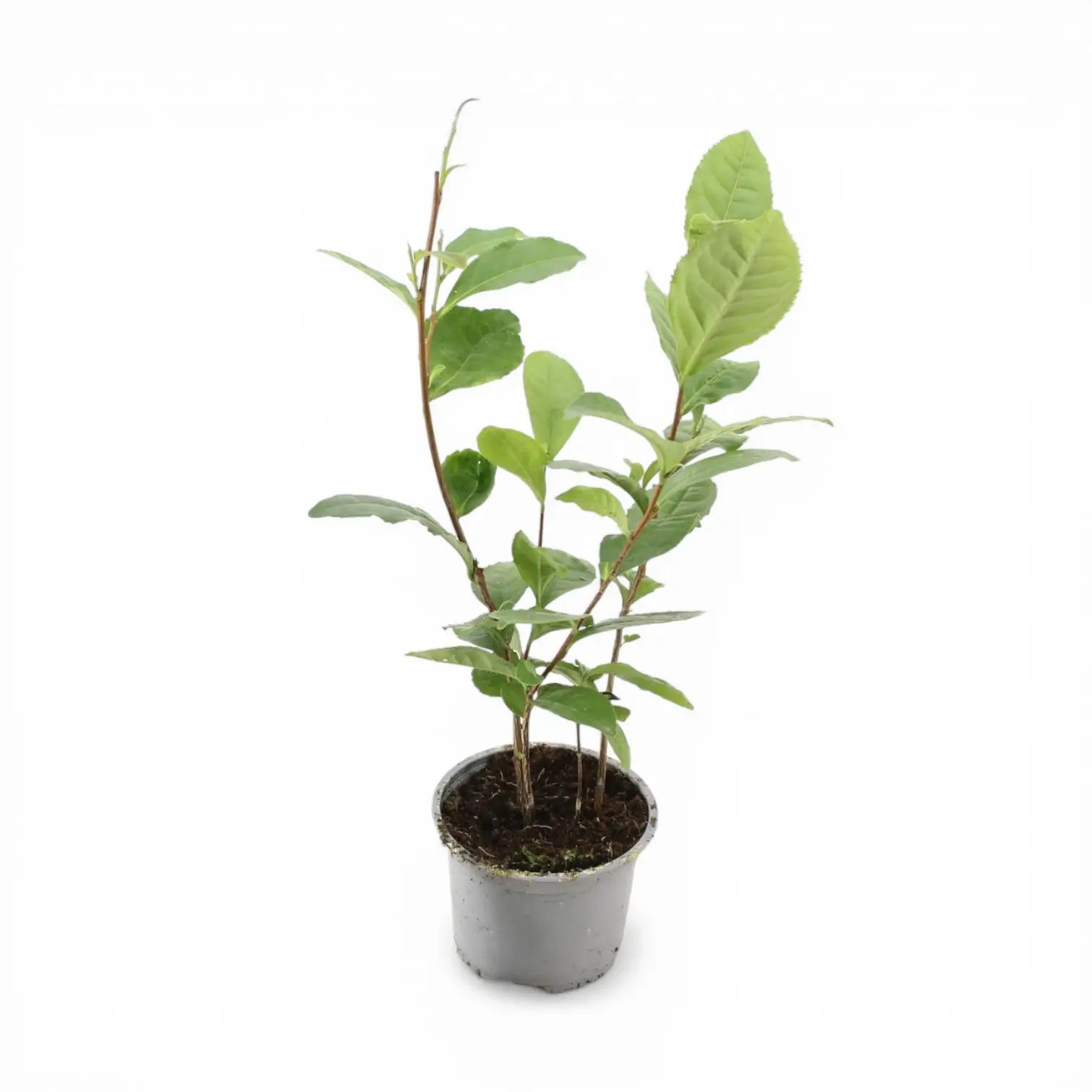
Camellia sinensis is grown worldwide for tea, yet it also works as an attractive garden shrub in its own right. Glossy, deep green leaves stay on the plant year-round, and small white flowers with golden stamens open in the cooler part of the season. New growth arrives in soft flushes, making the plant useful for light shaping and for harvesting small amounts of leaf for home use.
Given time in open ground, Camellia sinensis matures into a substantial shrub, reaching roughly 250-400 cm in height and 150-250 cm in spread. In containers, Camellia sinensis stays smaller and slower than in open ground, with a tighter outline and a stronger dependence on steady watering.
Place Camellia sinensis in part shade with protection from drying winds. A sheltered wall, a courtyard corner, or a spot with morning light and afternoon shade supports steady growth and helps buds open cleanly later in the year. Soil reaction matters: Camellia sinensis performs best in acid to neutral conditions. In higher-pH soils, growth often weakens over time and leaves can lose their rich green tone.
Soil texture can be loamy or sandy, as long as roots have oxygen and moisture arrives evenly. Aim for moist, fertile soil that stays open and airy, with water draining away after each soak. A surface mulch of fine bark or leaf mould supports stable moisture and gradually improves structure near the root zone.
Plant in spring or early autumn while the soil is workable. Prepare a wide planting area, loosen the surrounding soil, and incorporate organic matter where needed to improve moisture-holding without blocking drainage. Set the plant so the root flare sits at soil level and firm gently. After planting, water thoroughly and keep moisture consistent while roots extend into the surrounding ground.
A yearly mulch refresh in spring supports root health and limits summer drying. Camellia sinensis appreciates an even supply of moisture during active growth and during bud formation, so aim for a watering pattern that keeps the root zone reliably damp and limiting swings between dry and saturated.
Container culture suits Camellia sinensis well and makes winter management easier in colder or windier sites. Choose a pot with a stable base and enough volume to buffer moisture, then use an acid to neutral, free-flowing compost that holds water without turning dense. A top layer of bark fines helps slow evaporation and shields the compost surface from rapid temperature shifts.
Watering is the main container skill. Let the top layer begin to dry slightly, then water deeply so the full root zone is moistened. In warm spells, this can mean more frequent watering, especially on balconies and paved courtyards where pots heat quickly. Feeding supports leaf production: a balanced, acid-friendly fertiliser applied in mid-spring and again in early summer keeps growth steady without pushing soft, late shoots.
You can pick small quantities of leaf from Camellia sinensis once the plant is established and producing regular new growth. For a gentle harvest, select the youngest tips: a bud with the next one or two tender leaves. Pinch or snip cleanly, leaving plenty of green growth behind so the plant keeps its shape and continues to photosynthesise strongly.
Fresh leaves can be used for simple home experiments. Lightly bruising and warming the leaves produces a green-tea style drink; longer oxidation produces darker flavours. Keeping harvests modest and occasional maintains the shrub’s ornamental value while still giving you seasonal tea-leaf moments.
Camellia sinensis needs little pruning. After flowering, remove any damaged or crossing stems, and shorten a few shoots if you want a denser outline. Tip-pruning after a small leaf harvest can also encourage branching. Aim for gradual shaping over time and keep cuts light; steady, incremental pruning keeps the plant leafy from base to top.
Camellia sinensis is hardy in much of Europe when placed in a sheltered position, with cold tolerance around -10 °C in the ground. Cold wind and rapid freeze-thaw cycles are often more stressful than a still, cold night. In exposed gardens, a windbreak and a mulch refresh support winter performance.
Container plants experience deeper cold in the root zone. Set pots on an insulating surface, group them together for a shared buffer, and protect the container sides with breathable wrap when hard frost is forecast. In very cold periods, moving the pot into an unheated but sheltered spot such as a cold greenhouse, garage doorway, or covered porch can stabilise temperatures without pushing growth.
Camellia sinensis sits naturally alongside other acid-soil shrubs and woodland-edge perennials. Ferns, small grasses, and spring bulbs create contrast beneath the evergreen canopy, while the shrub itself brings year-round structure and late-season flowering. If you want a productive twist, keep Camellia sinensis close to a seating area so harvesting a few tips becomes part of the garden routine.
Evergreen woodland and mountain forest margins in China and adjacent parts of South and Southeast Asia.
Evergreen shrub
Position
Part shade
Moisture
Moist
Drainage
Moisture-retentive, Well-drained
Hardiness
Hardy with shelter · -10°C
Mature size
250–400 × 150–250 cm
Winter habit
Evergreen
Bloom time
Autumn
Containers
Good in pots
Pruning
After flowering, Spring
Sign up for Foliage Factory newsletter for early access to new arrivals and practical care tips that work in real homes.