Position
Full sun

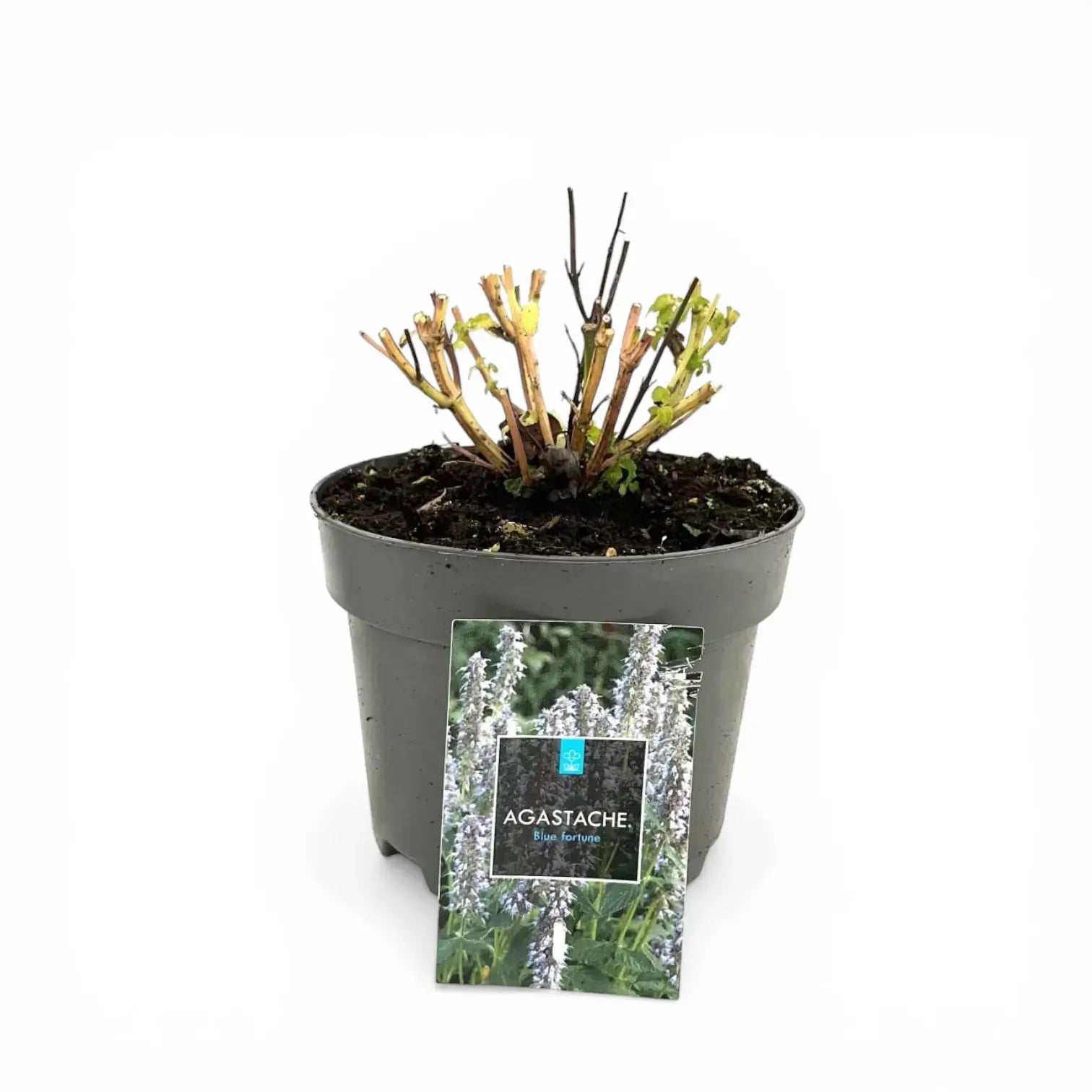
Agastache
VAT included · plus
Your outdoor plant has just been packed, transported and unpacked, so give it a calm start before planting or placing it permanently. Remove all packaging carefully, check the pot, stems, visible roots and substrate moisture, and settle any loose growing medium back around the root ball. Water if the root ball feels dry, but do not leave the pot standing in water. For the first few days, keep the plant in a sheltered spot suited to its light needs, away from strong midday sun, heavy wind, frost and heat stress.
Do not move the plant straight into full exposure, especially if it is young, newly flushed, evergreen, recently pruned or greenhouse-grown. Gradually introduce more sun, wind and temperature variation over several days. If cold nights, storms, intense sun or hot dry weather are expected, keep the plant protected until conditions are more stable. Do not fertilize immediately after delivery; let the plant settle first and resume feeding only when it is actively growing and conditions are suitable.
Outdoor plants may arrive in different seasonal stages. Depending on the time of year, your plant may be leafy, flowering, newly sprouting, recently pruned, dormant, partly bare or leafless. Adjust care to what the plant is doing: actively growing plants need closer moisture checks, while dormant plants usually need protection from extremes and only light moisture management until growth resumes.
Plant outdoors when the soil is workable and weather conditions suit the plant type. Avoid planting during frost, heatwaves, waterlogged soil or very dry windy periods. It is better to keep the plant protected in its pot for a short time than to plant into stressful conditions. After planting, water thoroughly so the root ball and surrounding soil connect properly, then monitor moisture while the plant establishes.
Secure shipping, carefully packed orders with safe delivery across the EU, UK and Switzerland.
28-day plant guarantee, if a plant arrives damaged or fails soon after delivery, we help you make it right.
Free returns, simple, cost-free returns according to our policy.
For full details, please see:
Please head to our FAQ Page or Contact us.
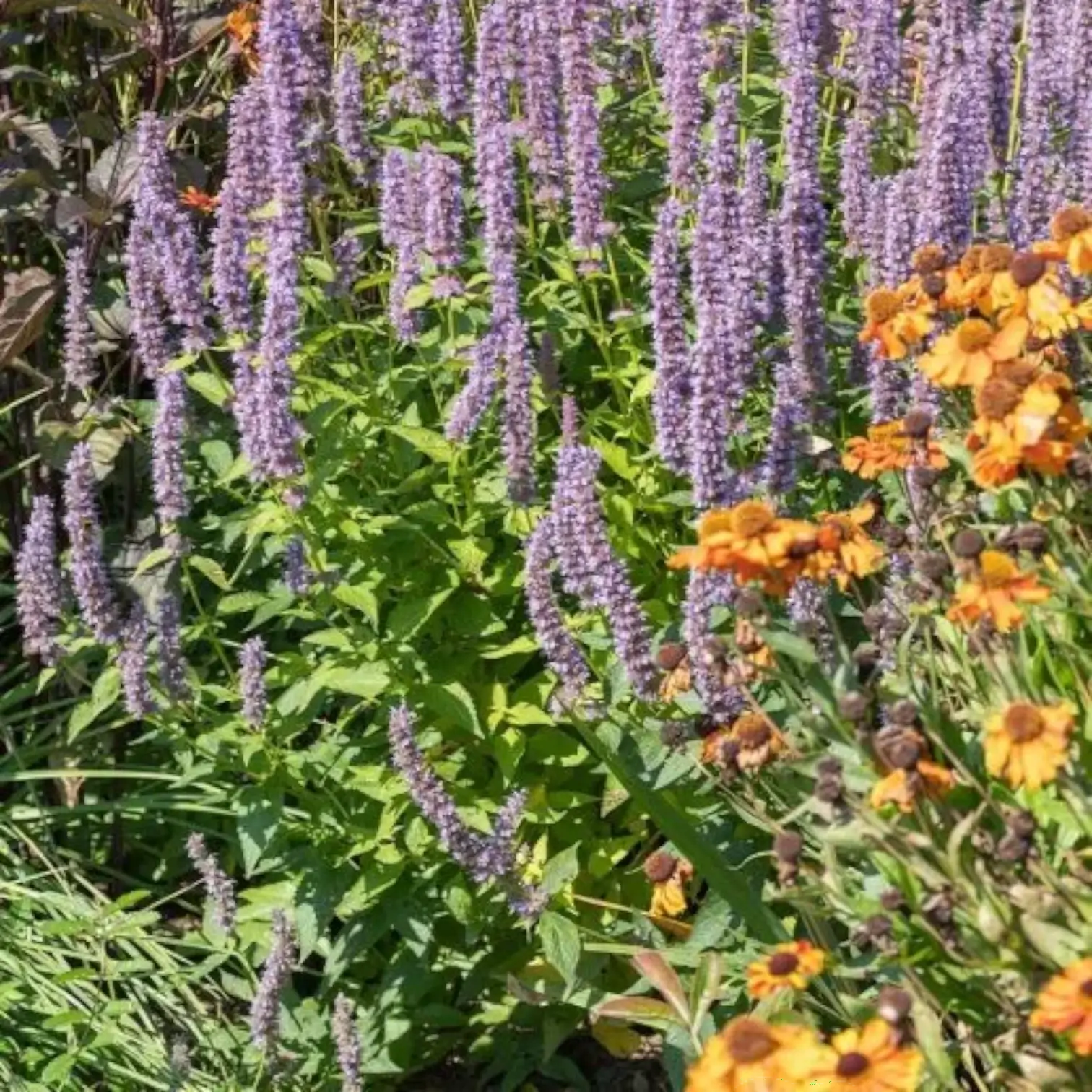
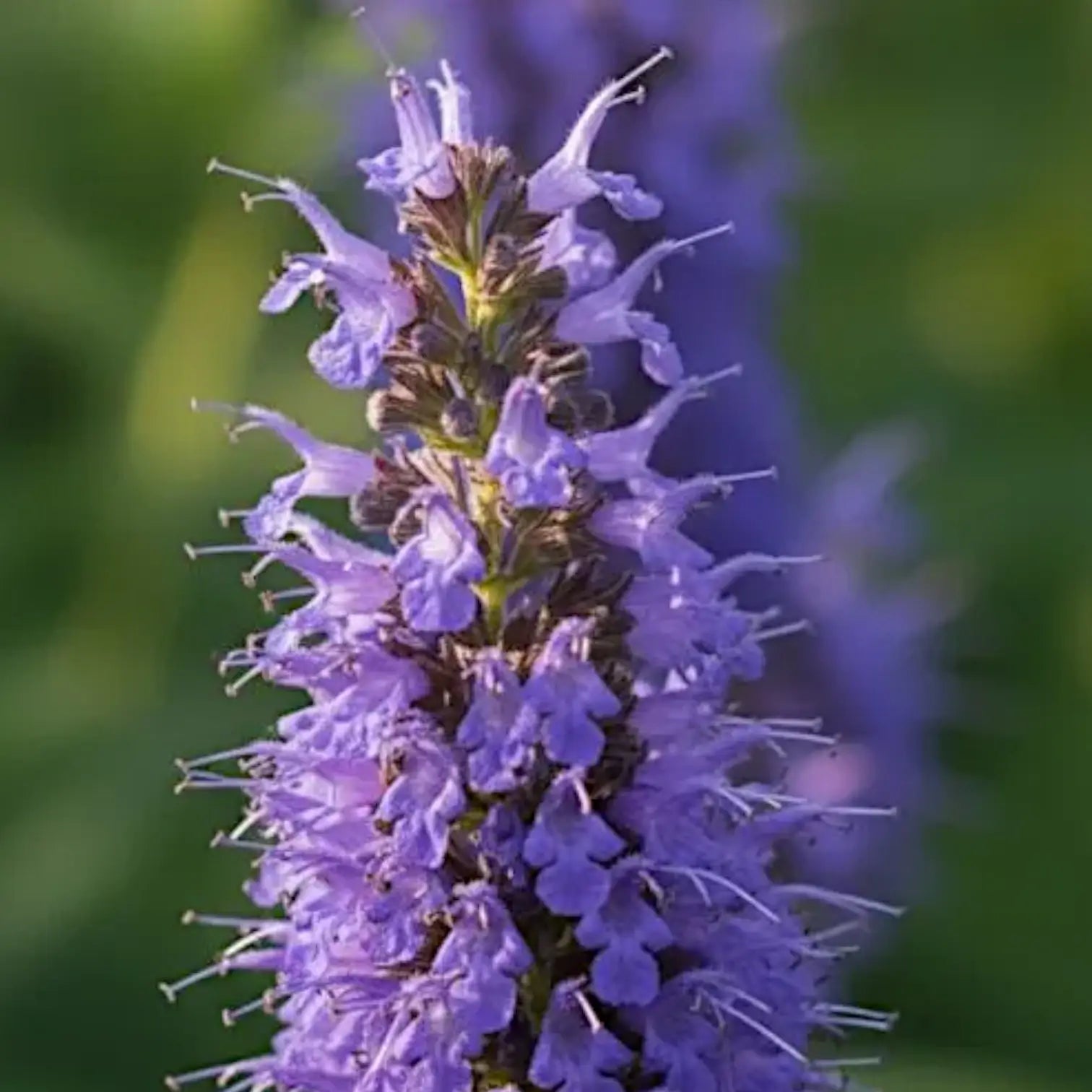
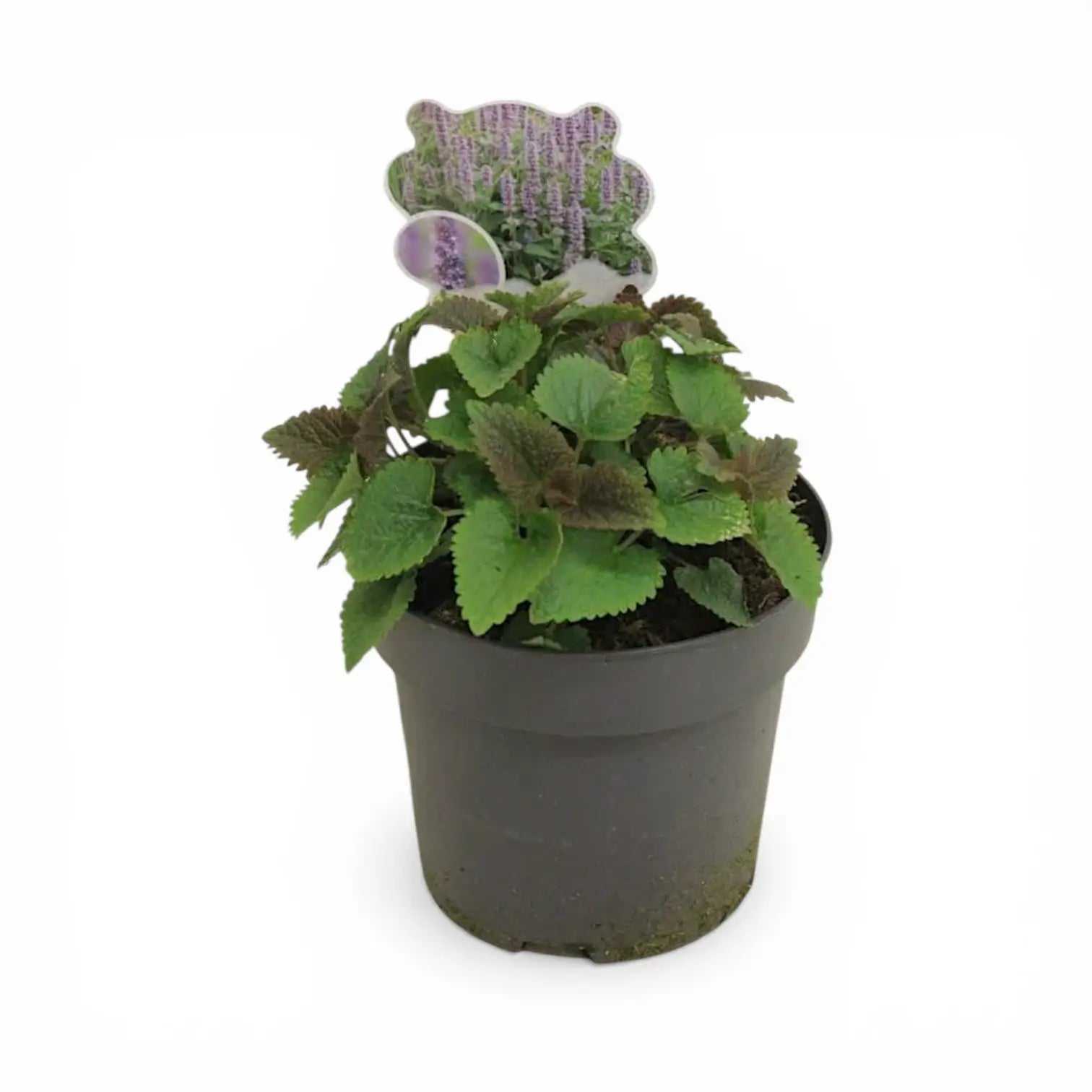
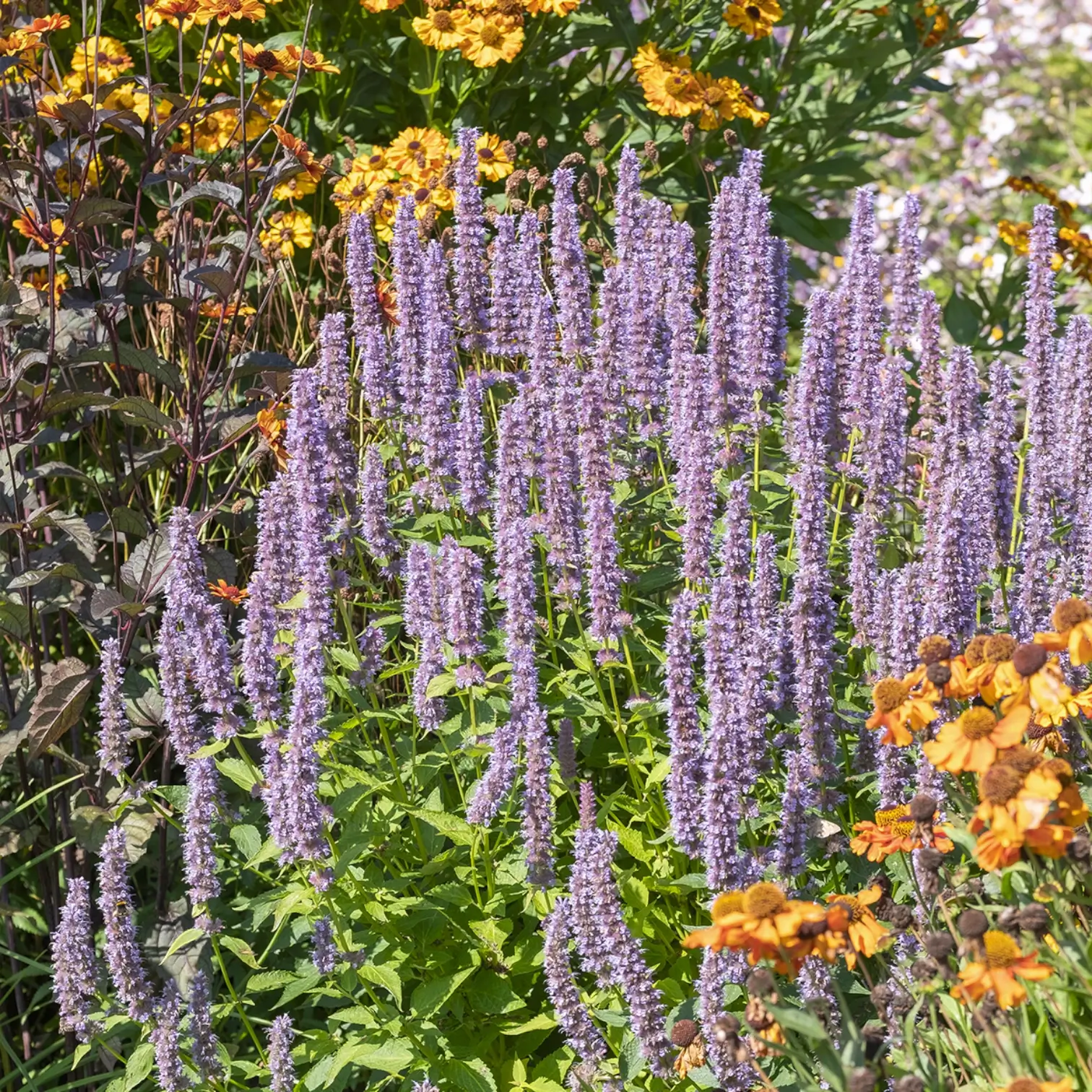
Agastache 'Blue Fortune' is a summer perennial for sunny planting where height, movement and a clear blue-lavender flower tone are useful. It forms a woody-based crown with upright stems and aromatic leaves, then carries many narrow spikes above the clump. The stems have a loose, open outline, so they sit well between grasses, late perennials and low shrubs. Use it where the planting needs vertical colour through the warmest part of the year and where air can move freely around the crown.
This cultivar is often valued because it gives a long flowering window while keeping a tidy base. It belongs in open, sunny borders, gravel gardens, dry-edged perennial schemes and large patio containers with reliable drainage. The flower colour pairs easily with silver foliage, ornamental grasses, Echinacea, Salvia, Verbena and late-season seed heads. In smaller gardens, one plant can provide a strong vertical accent while keeping the border open.
Expect a mature height of about 50-100 cm in open ground, with a spread usually around 40-50 cm. Strong soil and a warm summer push the tallest stems towards the upper end of that range, while leaner soils and containers keep the plant more compact. The clump returns from the crown after winter, so the old flowering stems are seasonal structure, seasonal growth held above a woody-based crown.
In pots, growth usually stays more restrained than in open ground. In a pot, choose a container with enough depth for the root system and enough width to keep the crown stable when flowering stems are in full extension. A cramped pot dries quickly in hot weather and can chill quickly in winter, so container-grown plants need a steadier watering rhythm and a sheltered position during cold wet spells.
Full sun is the main requirement. Agastache 'Blue Fortune' flowers best where the stems receive strong light for much of the day. Soil should be moderately fertile, moisture-retentive during active growth and able to drain well after rain. The crown is the important part in winter: cold weather is easier for the plant when water can move away from the base.
In heavy ground, improve the planting area with mineral structure and organic matter so it holds some moisture in summer while releasing winter water. In containers, use a gritty, open mix and keep the pot raised enough for drainage holes to work freely. For watering checks in pots, water when the upper 30-40% of pot depth has dried, then water thoroughly so the whole root ball is evenly moistened.
During the growing season, water new plants until the root system reaches surrounding soil. Established plants cope with shorter dry spells, but flowering is steadier when the plant has enough moisture during bud formation. A light mulch around the root zone can help keep the soil even; keep the crown itself open so the base stays airy.
Spent spikes can be trimmed during summer to keep the plant neat and encourage fresh side shoots. At the end of the season, faded stems can be left standing for winter outline, then cut back in early spring when new growth begins at the crown. Division is useful only when an older clump becomes congested or loses vigour in the centre.
Set Agastache 'Blue Fortune' about 50 cm from neighbouring perennials. This gives the flower stems enough room to rise cleanly and keeps airflow around the base. It looks natural in repeated groups, but a single plant can also act as a vertical marker in a mixed border. Place shorter edging plants in front and later perennials behind so the spikes remain visible from summer into early autumn.
Good partners share the same need for sun and open soil. Fine grasses, Eryngium, Achillea, Perovskia, compact Salvia and drought-tolerant daisies keep the planting coherent. In pots, pair it with lower plants only when the container is wide enough for each root zone to function. Overcrowded container combinations dry unevenly and make moisture checks less accurate.
Soft growth with few flowers usually points to low light or soil that is too rich and damp. Browning at the base after winter often follows cold wet conditions around the crown. A plant that looks tired during hot weather may simply need a full soak, especially in a pot. Check the root ball before watering by depth, because the surface can look dry while the middle still holds moisture.
Plant Agastache 'Blue Fortune' where the crown receives sun from early in the day and where nearby plants leave space around the base. A spacing of about 50 cm gives the stems room to rise, keeps the clump easy to inspect and leaves enough airflow after summer rain. On heavier soils, improve the planting area with mineral material and organic matter that keeps the texture open. The plant responds well to a soil that holds enough moisture for active growth yet drains freely during cold weather.
During the first season, water deeply during dry spells so roots move into the surrounding soil. Established plants cope with short dry periods, but flowering remains steadier when the root zone is not left dry for long stretches. In large containers, refresh the top layer each spring and keep the pot on feet so winter rain drains freely. Flower spikes can be clipped as they fade to keep the display neat. Old stems can stand through winter as a light seasonal outline, then be cut back once fresh shoots show at the crown.
Young spring shoots can be slow after a cold winter. Give the crown time to restart before clearing the space. Once new growth is visible, remove old stems cleanly and refresh the soil surface with a thin layer of compost or mineral mulch. With sun, drainage and sensible spacing, Agastache 'Blue Fortune' gives a long, open season of colour with very little fuss.
Garden hybrid agastache with North American parentage, selected for upright violet-blue flower spikes.
Herbaceous perennial
Position
Full sun
Moisture
Average to dry
Drainage
Moisture-retentive, Well-drained
Hardiness
Hardy with drainage · -15°C
Mature size
50–100 × 40–50 cm
Winter habit
Herbaceous die-back
Bloom time
Summer, Autumn
Containers
Good in pots
Pruning
Spring

Sign up for Foliage Factory newsletter for early access to new arrivals and practical care tips that work in real homes.