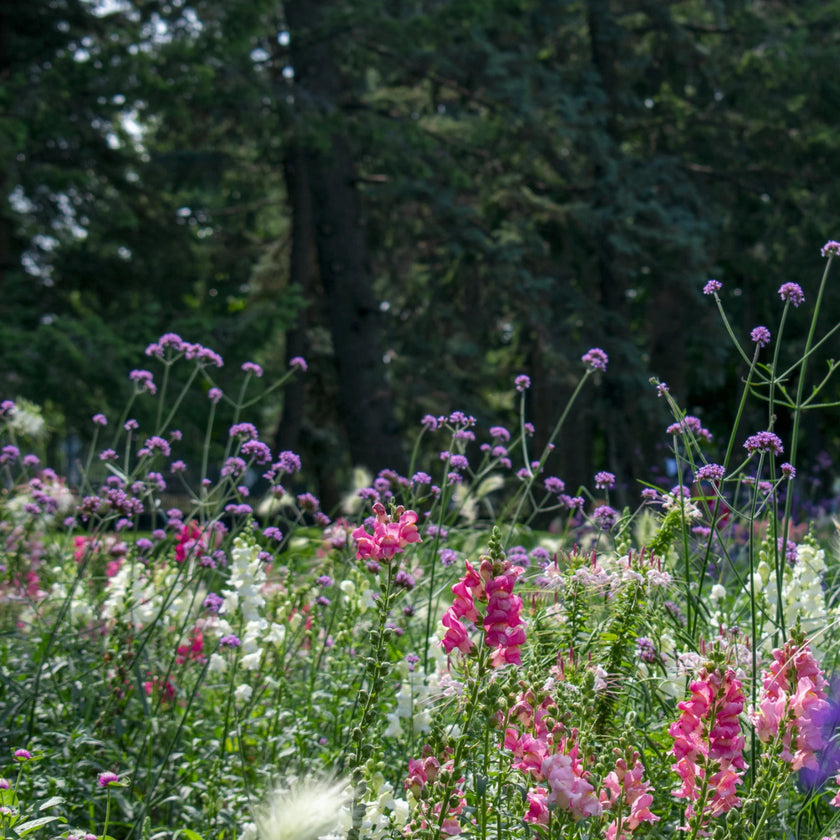
Perennials for lasting garden rhythm
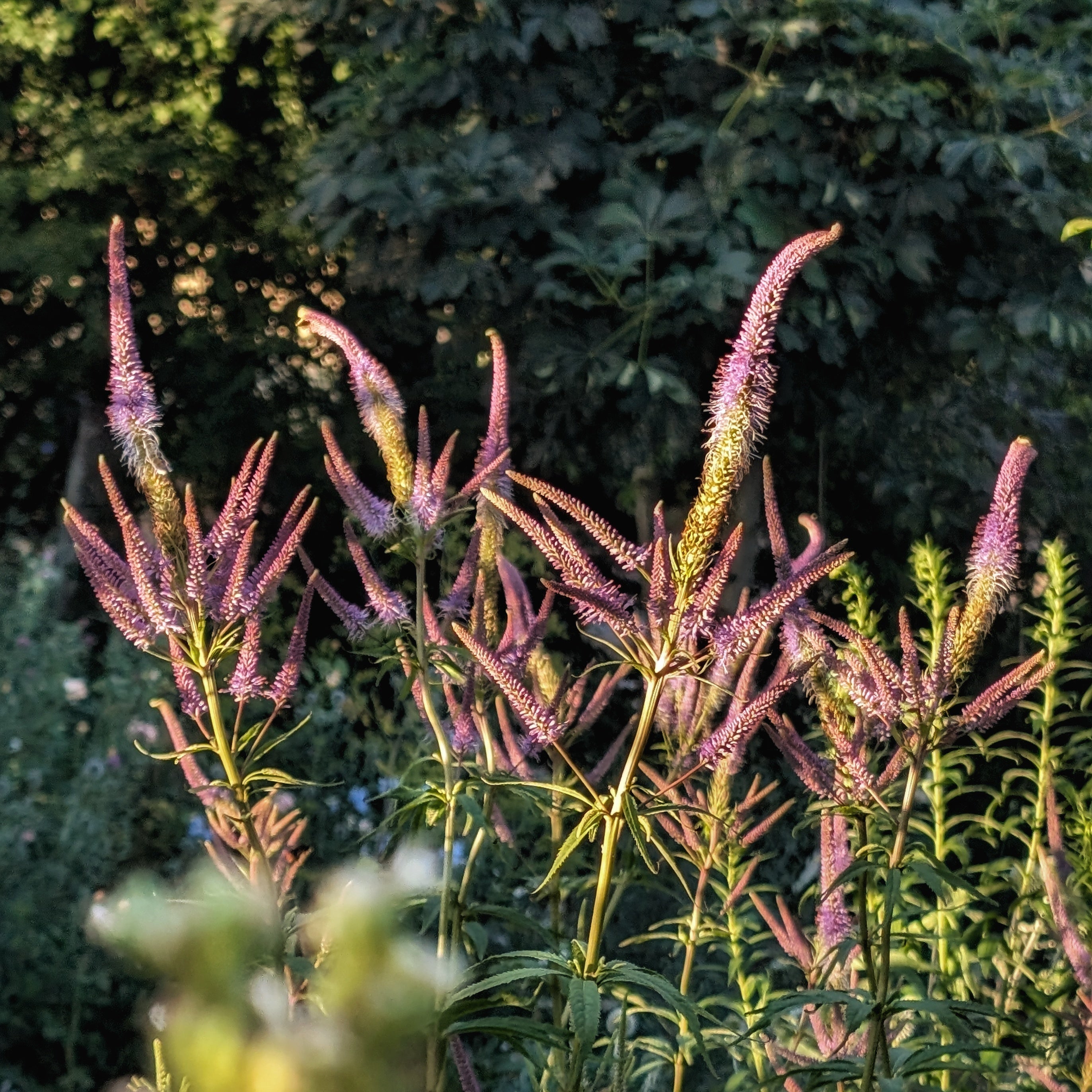
Perennials return from established crowns, roots, rhizomes or tubers when site and hardiness suit them. They are the dependable repeat layer in borders and larger containers: some make fresh spring mounds, some carry summer flowers, some hold seedheads or stems into winter.
- Seasonal cycle: Many perennials die back partly or fully in winter, then restart as soil warms.
- Light match: Open sunny sites suit sun-loving perennials; cooler edges and woodland-style beds need shade-tolerant choices.
- Moisture fit: Dry-site perennials need drainage and air around the crown; moisture lovers need soil that does not bake hard.
- Spacing: Clumps widen over time, so planting distance affects airflow, division and future maintenance.
Planting and first-season care
Perennials establish best when roots can move into prepared soil before heat or drought pressure peaks. Water thoroughly after planting, then keep moisture steady while new roots spread beyond the original pot. In containers, deeper pots protect crowns better than shallow bowls and reduce rapid drying.
Cutting back depends on the plant. Some respond well to a trim after flowering, some keep attractive winter stems, and some are tidied in spring once new shoots are visible.
How to build a balanced perennial mix
- Height layers: Use low edging, mid-height clumps and taller stems so the border has depth.
- Flower timing: Combine early, mid-season and late performers for continuity.
- Texture: Mix fine, grassy, broad and upright forms to avoid a flat planting.
- Division: Older clumps that hollow out, crowd neighbours or flower less may need lifting and splitting.
Perennials are strongest when they are matched to the site first, then repeated in small groups. That gives the garden a settled rhythm without relying on one short flowering peak.
Before you plant
Check the mature clump size and whether the plant forms a tight crown, spreading rhizomes or loose self-seeding growth. That detail decides spacing and long-term control. In mixed borders, repeat fewer perennial types in small groups so the planting reads as intentional from spring through winter.
For low-maintenance planting, combine perennials with similar water needs. A dry gravel perennial and a moisture-loving border plant can share colour, but they will not share the same care rhythm.