Skip to content

Cart

Your cart is empty.

Moist Soil Plants

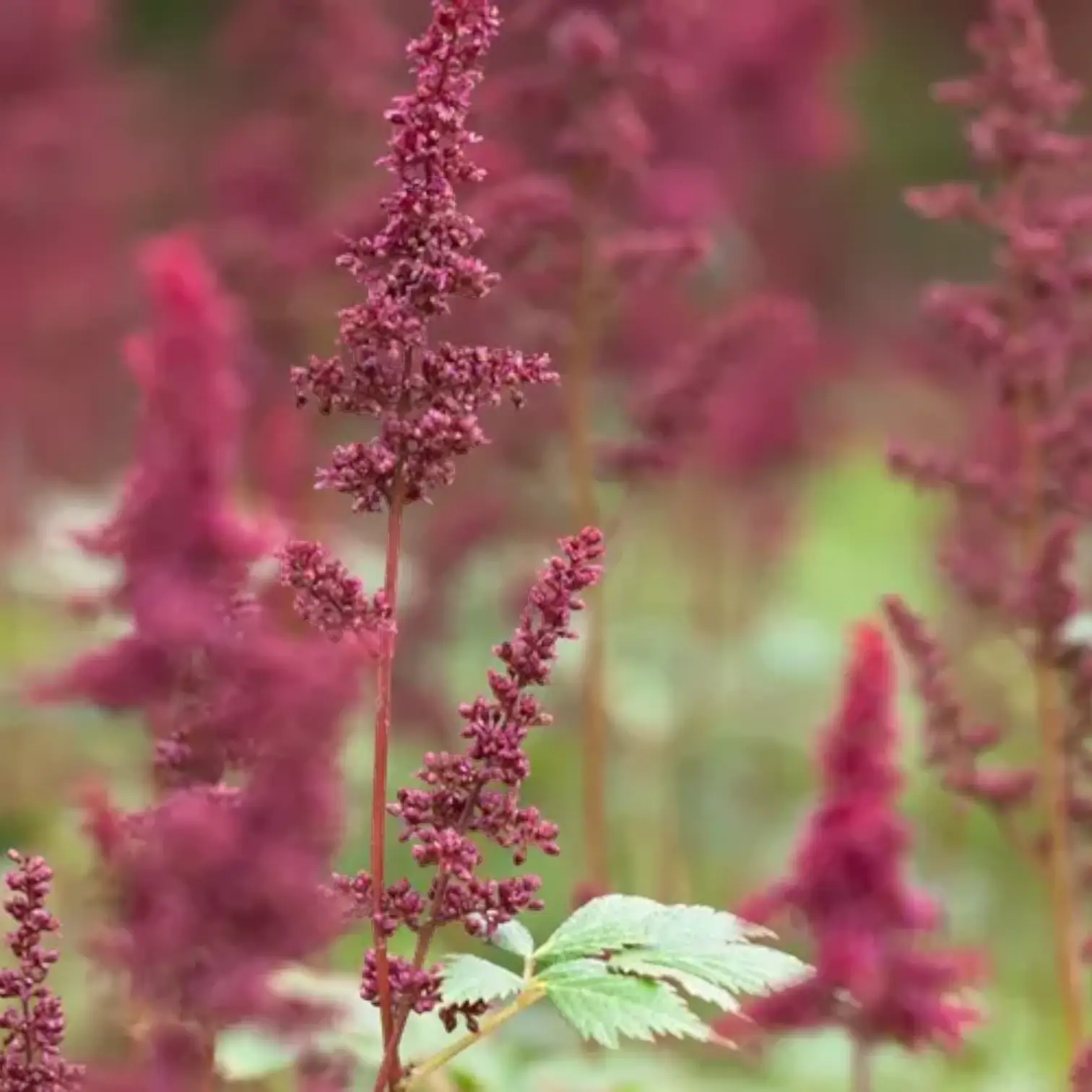
Astilbe x arendsii 'Fanal', dark red flower pikes

Sort by:

60 products

Filters

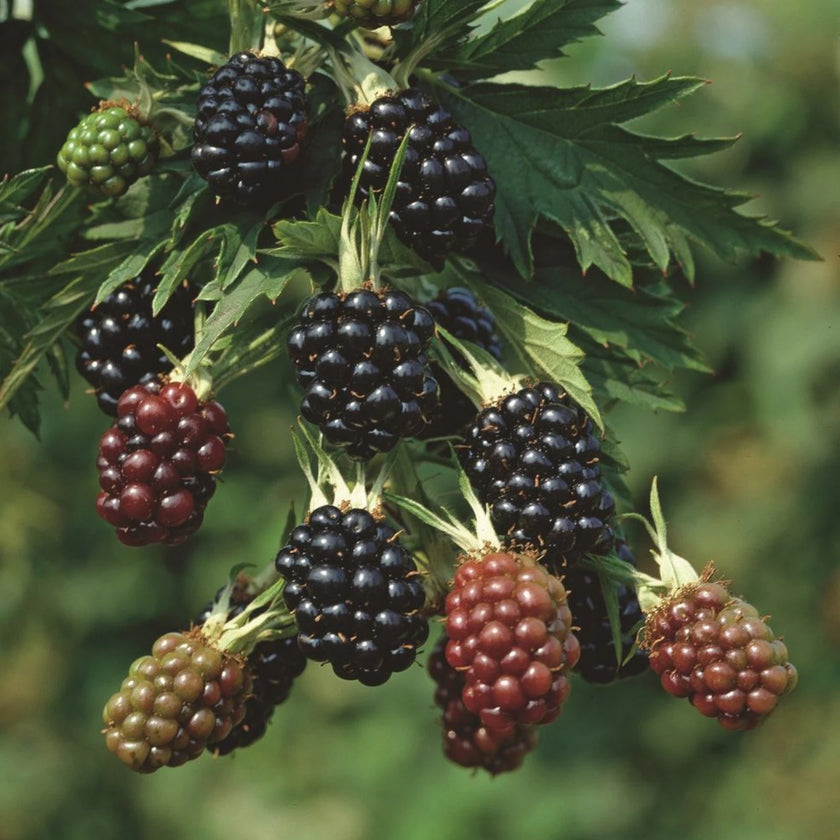
Rubus fruticosus 'Thornfree' detail shot.
Rubus fruticosus 'Thornfree' Regular price €13,50

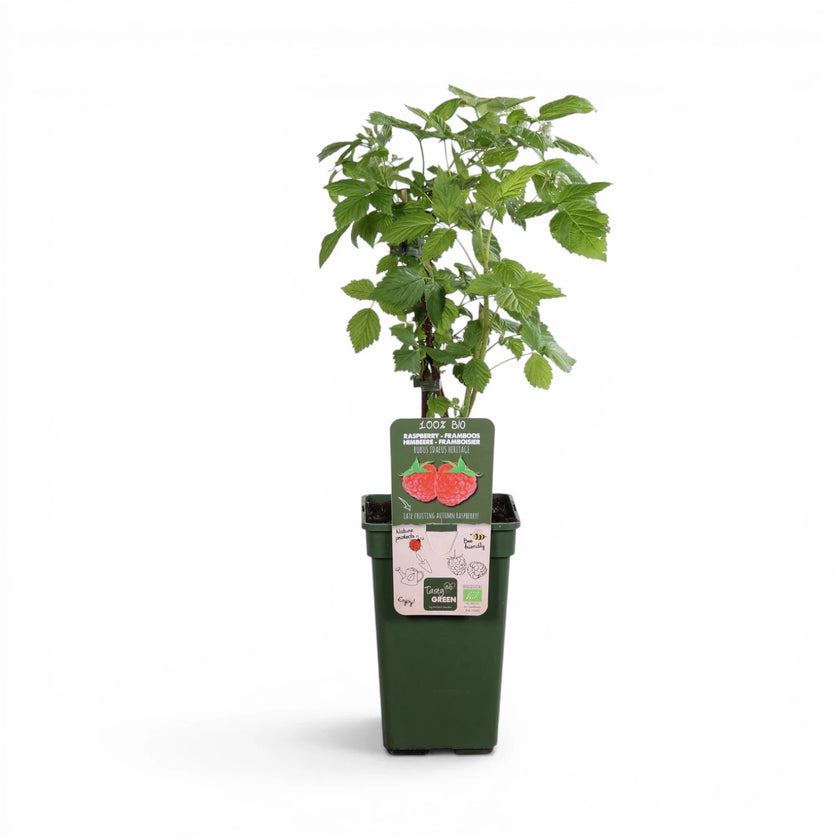
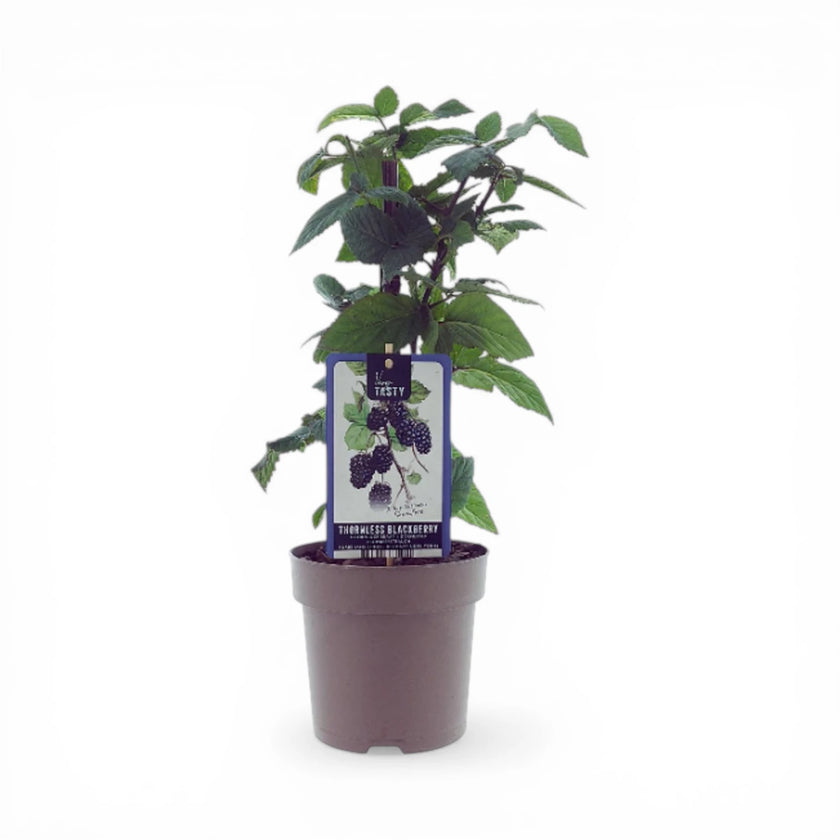
Rubus idaeus 'Heritage' plant detail.
Rubus idaeus 'Heritage' Regular price €13,50
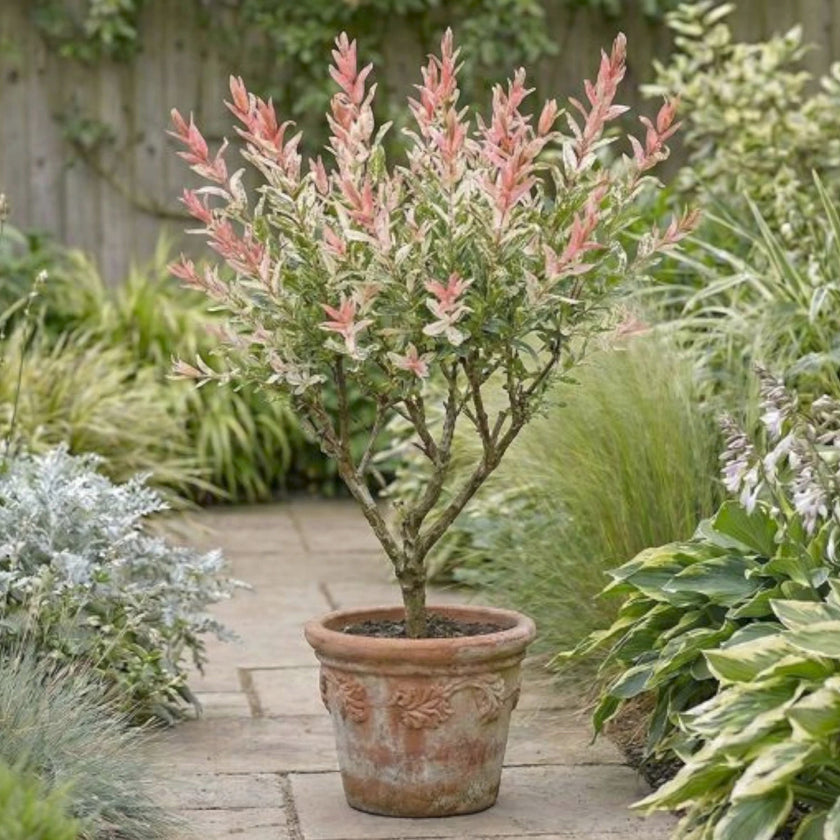
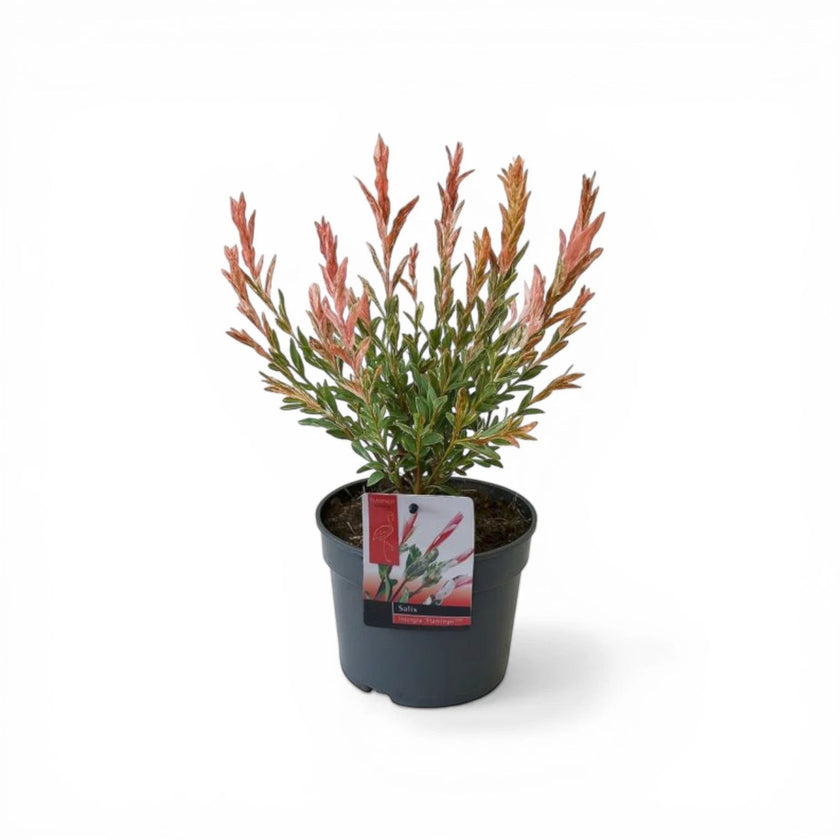
Foliage Factory Salix integra 'Flamingo' variegated willow with pink, cream, and green leaves in a terracotta pot.
Salix integra 'Flamingo' Regular price From €10,75
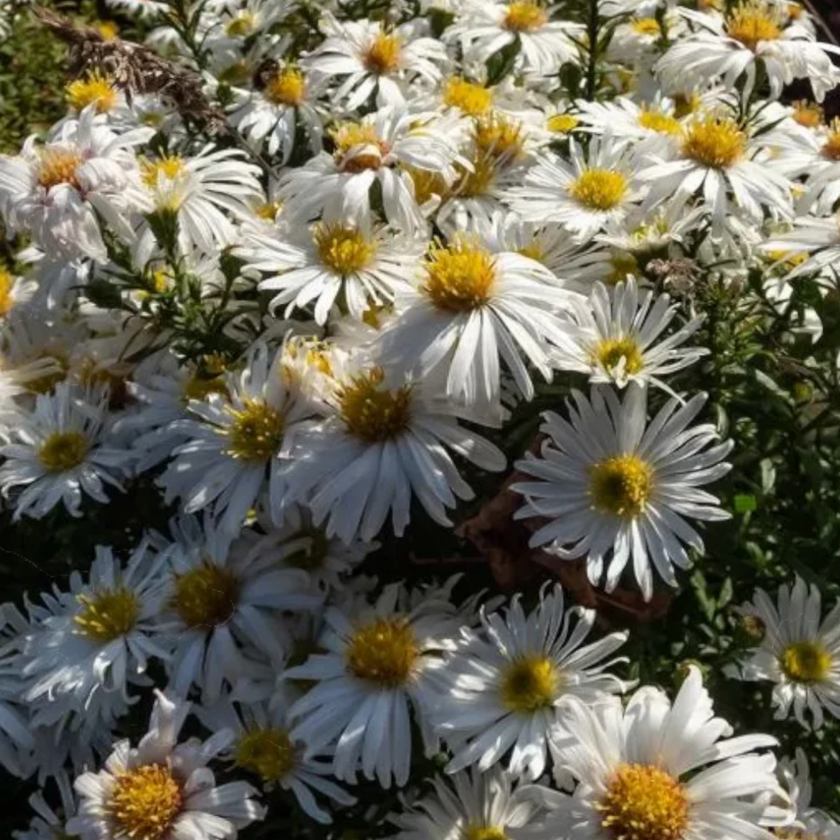
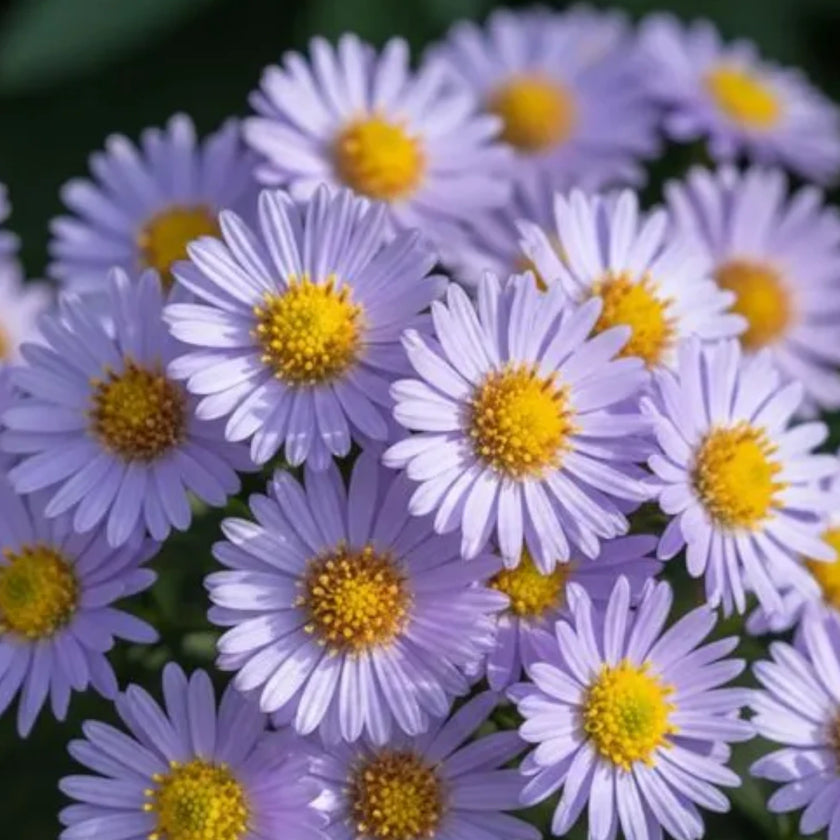
Symphyotrichum dumosum 'Apollo' close-up detail.
Symphyotrichum dumosum 'Apollo' Regular price From €9,50
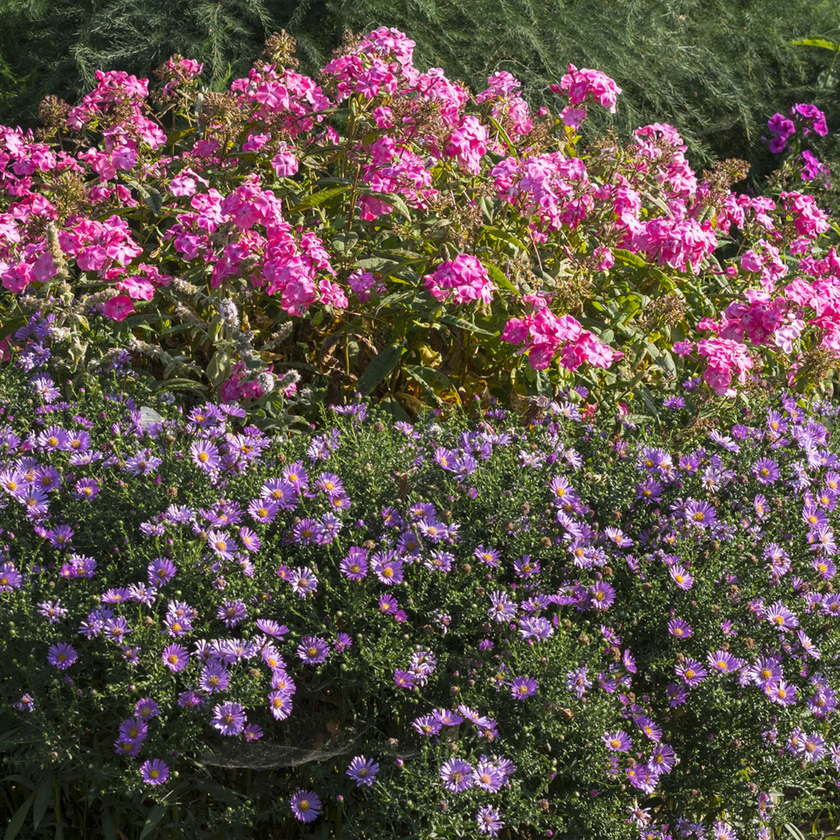
Symphyotrichum dumosum 'Professor Anton Kippenberg' close-up detail.
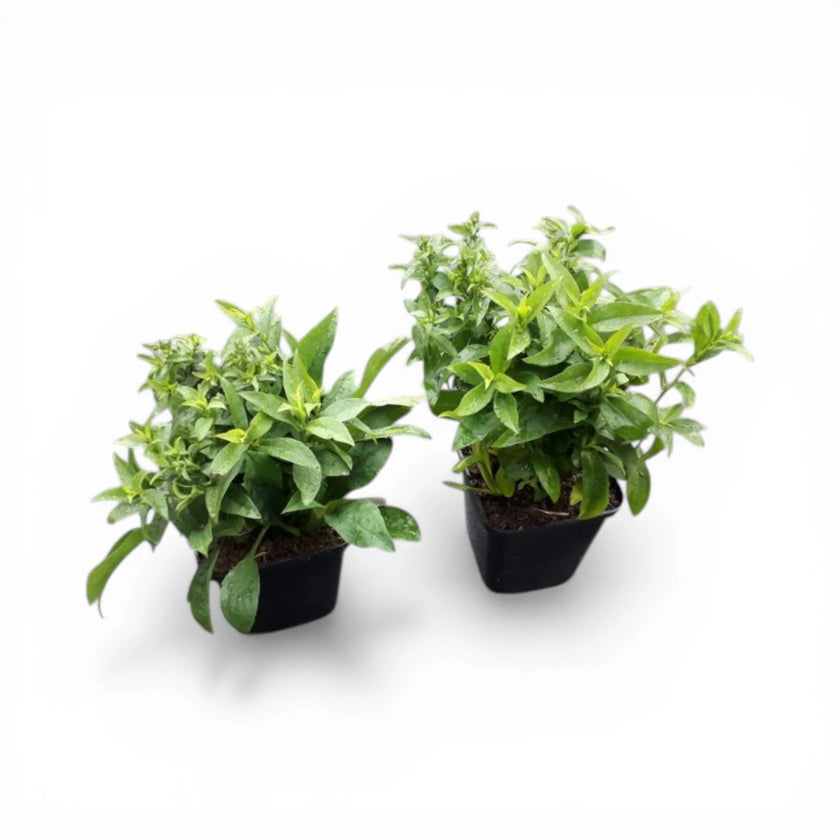
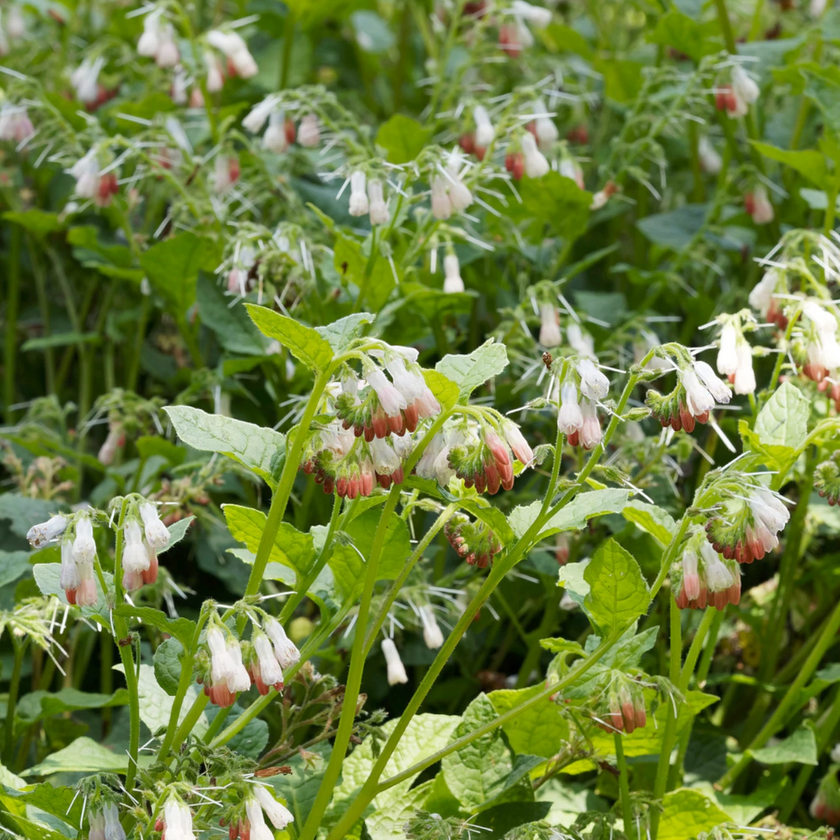
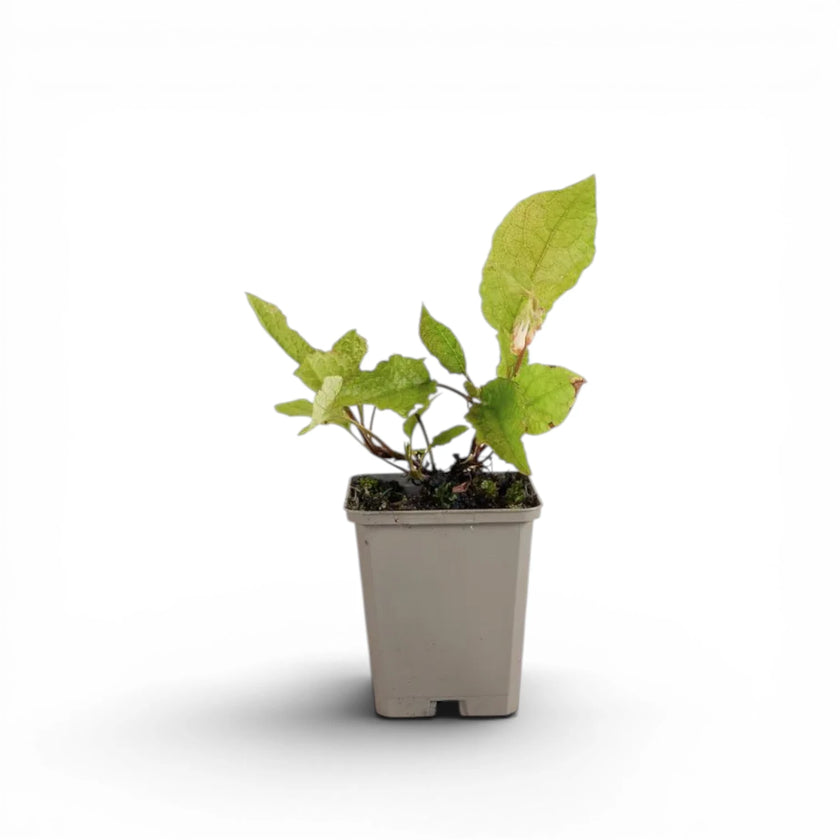
Symphytum grandiflorum close-up detail.
Symphytum grandiflorum Regular price €14,75
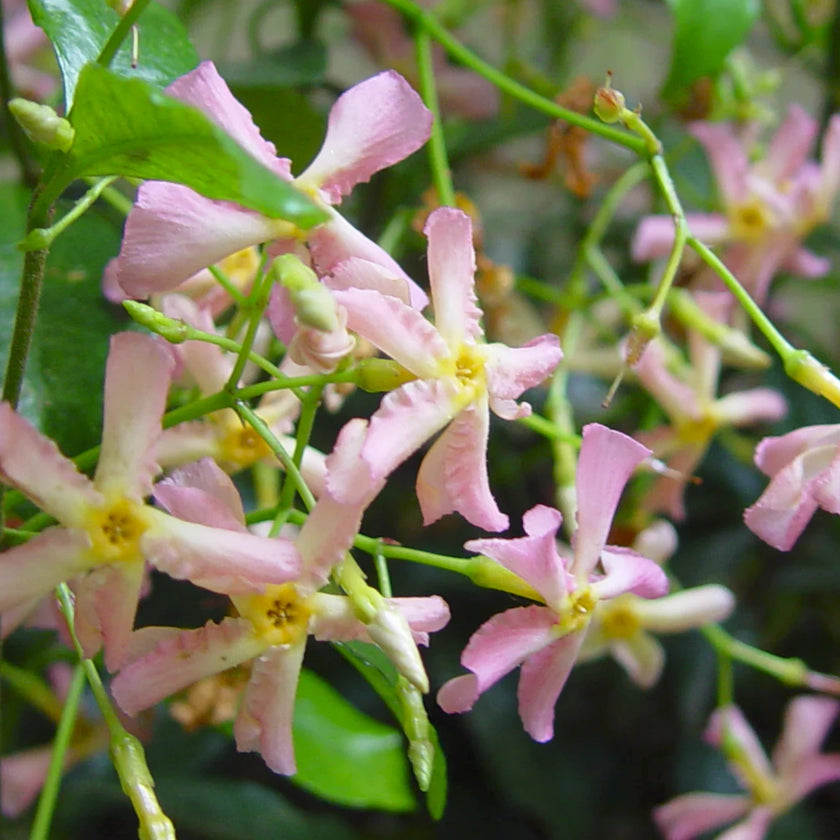
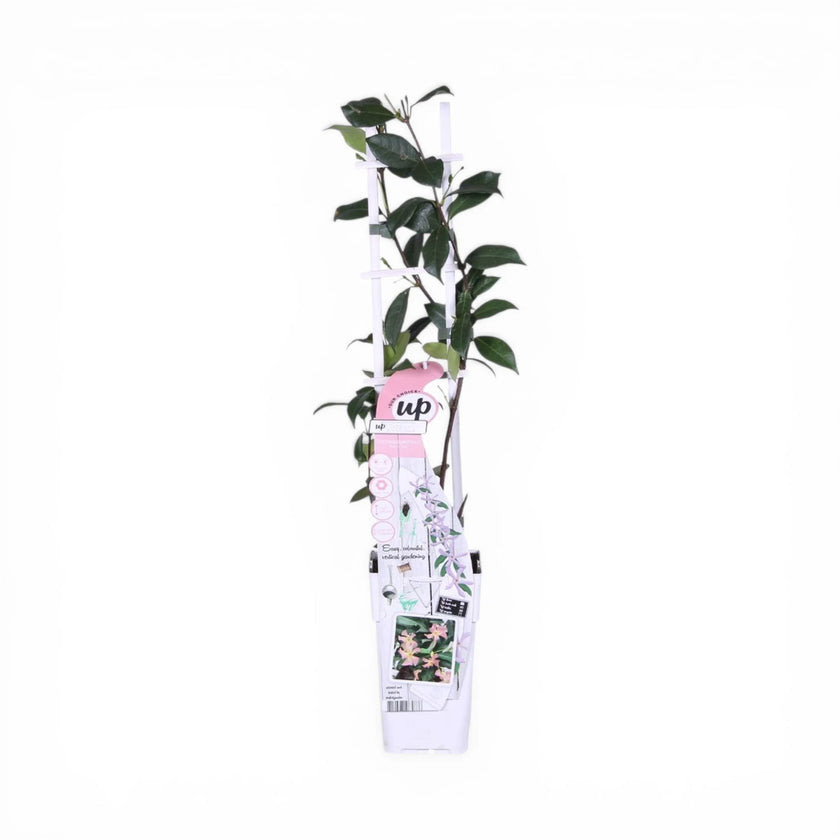
Trachelospermum asiaticum 'Pink Showers' close-up detail.
Trachelospermum asiaticum 'Pink Showers' Regular price From €16,00
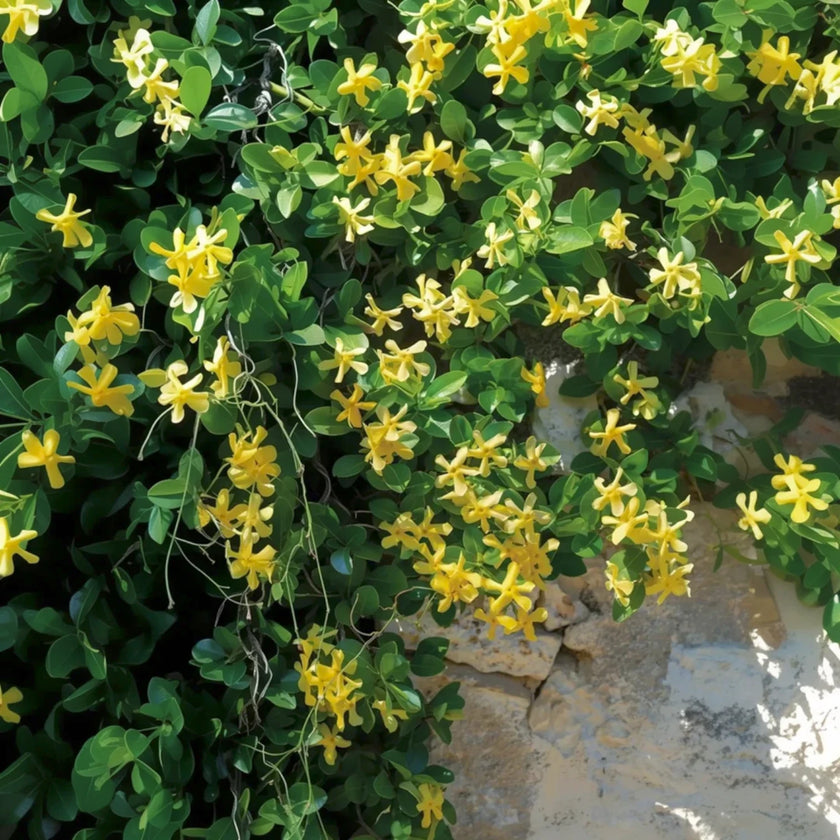
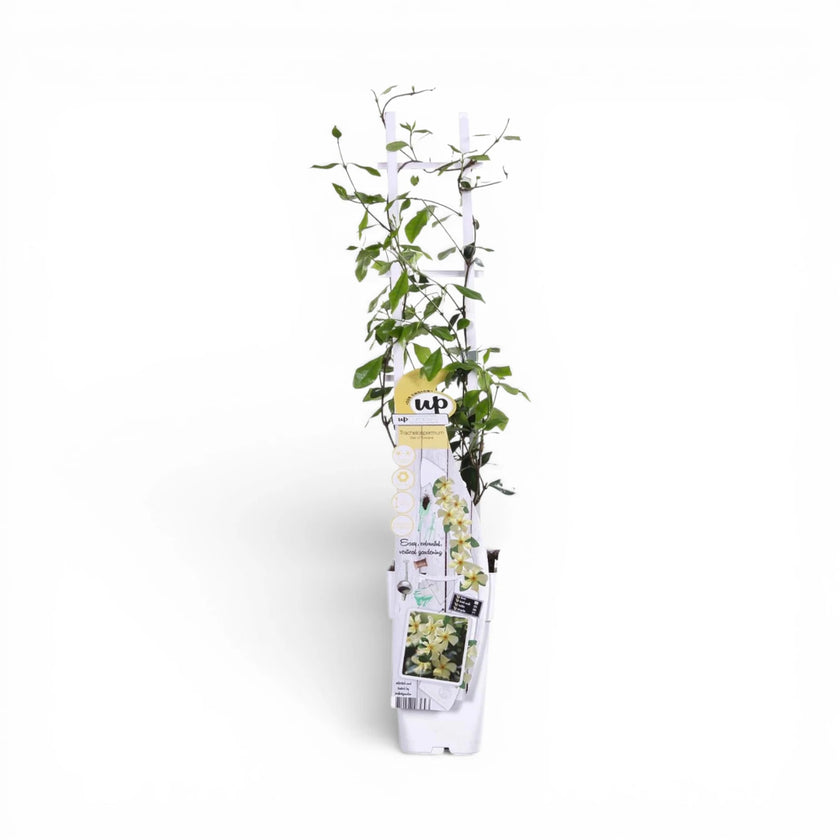
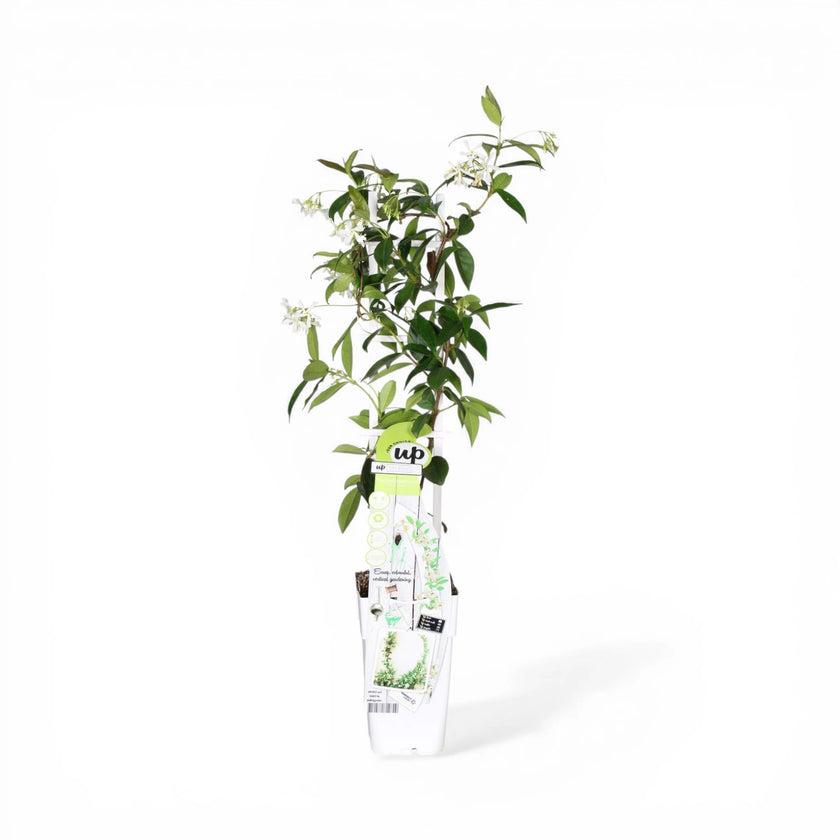
Trachelospermum jasminoides 'Star of Toscana' close-up detail.
Trachelospermum jasminoides 'Star of Toscana' Regular price From €16,00
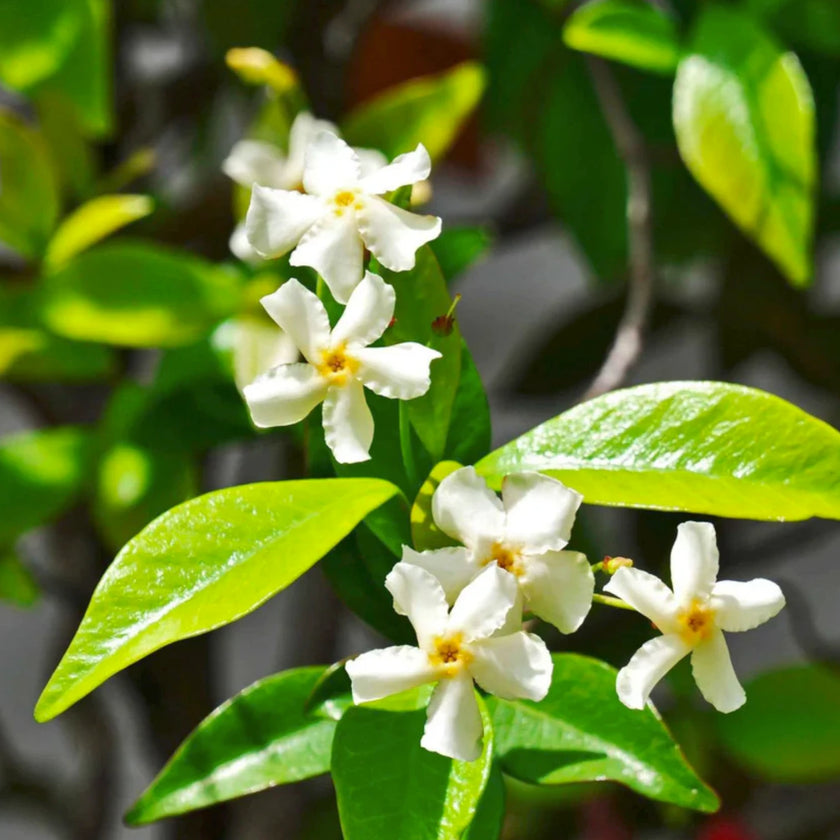
Trachelospermum jasminoides 'Star of Venice' plant detail.
Trachelospermum jasminoides 'Star of Venice' Regular price From €16,00
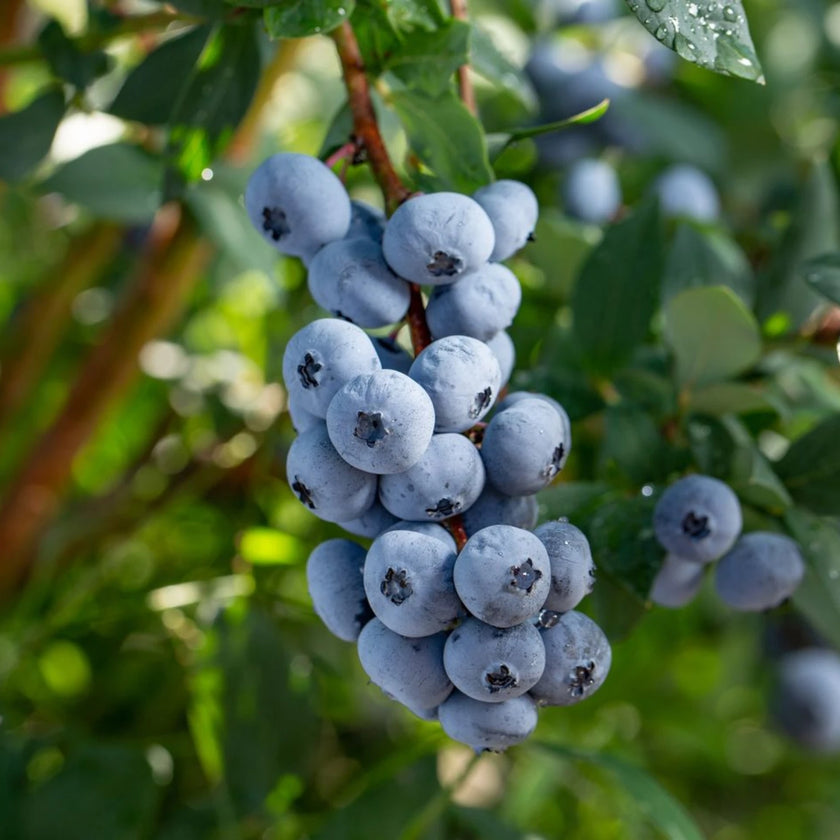
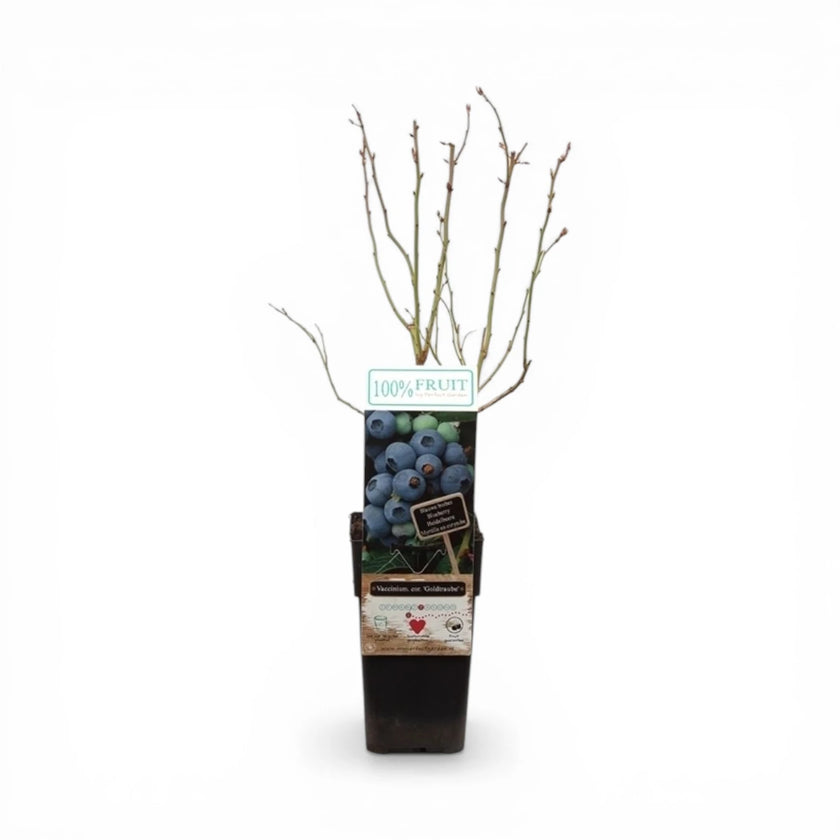
Vaccinium corymbosum 'Goldtraube' detail shot.
Vaccinium corymbosum 'Goldtraube' Regular price €13,50

Moist Soil Plants

Quick Overview
  • For beds and containers that stay evenly damp and do not dry quickly.
  • Moist soil is different from standing water, because roots still need air.
  • Organic matter helps heavy soils hold moisture without turning sticky and sour.
  • A structured mix and clear drainage holes matter even more in shaded containers.
  • These plants dislike extreme dry downs, especially in summer heat.
  • Moist, cool beds can increase slug activity and mildew pressure.
  • Spacing and airflow keep foliage cleaner through damp spells.
Details & Care

Moist soil means steady dampness, not stagnant wet

Moist Soil Plants suit places where the root zone stays evenly damp for longer: cool borders, richer beds, pond-edge style planting, shaded containers and areas with moisture-retentive soil. They are not the same as aquatic plants and still need oxygen around roots.

  • Drainage: Moist soil should release excess water and keep the root zone open.
  • Light: Moisture demand rises sharply in sun and wind.
  • Mulch: A surface layer can slow drying in warm weather.
  • Containers: Use larger pots so moisture does not swing from soaked to dry in one day.

Many moist-soil plants have broad leaves, lush stems or soft growth that collapses quickly when roots dry hard. Regular watering is especially important during establishment and in warm spells.

Where moist-soil planting belongs

  • Cool borders: Good for sites that hold moisture without flooding.
  • Part shade: Often supports lush growth with lower heat stress.
  • Pond edges: Suitable where soil is damp but the crown is not submerged unless the plant is aquatic.
  • Large containers: Needs enough root volume and close watering checks.

Maintenance and spacing

Dense moist planting can look full quickly, but airflow still matters. Space plants so leaves dry after rain, remove collapsed material, and avoid burying crowns under mulch. If a site dries hard every summer, improve water access or choose a tougher plant group.

Moist-soil plants are best for gardeners who can keep water supply consistent. They reward that steadiness with lush growth and strong seasonal presence.

Prevent wet soil from becoming airless

Moisture-loving plants still need oxygen around roots. If water puddles for long periods or soil smells sour, improve structure or drainage before planting. Rich organic soil can hold water well, but it should still have enough openness for healthy root growth.

  • Hot weather: Moist sites can dry faster than expected in sun and wind.
  • Cold months: Remove collapsed growth that sits wet over crowns.
  • Dense planting: Allow enough spacing for leaves to dry after rain.