Skip to content

Cart

Your cart is empty.

Lavender

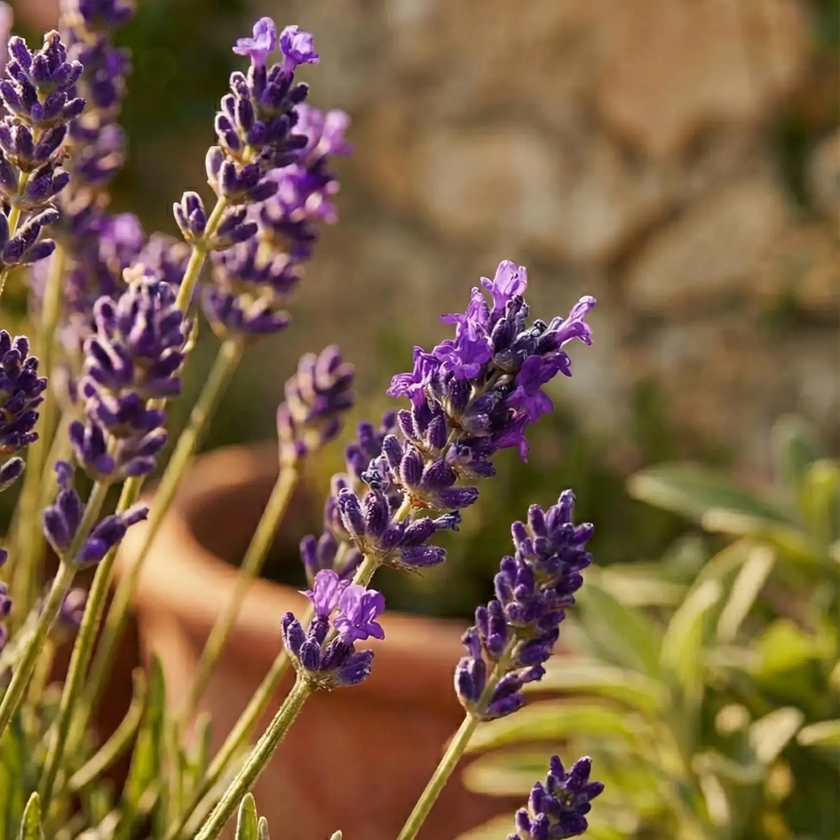
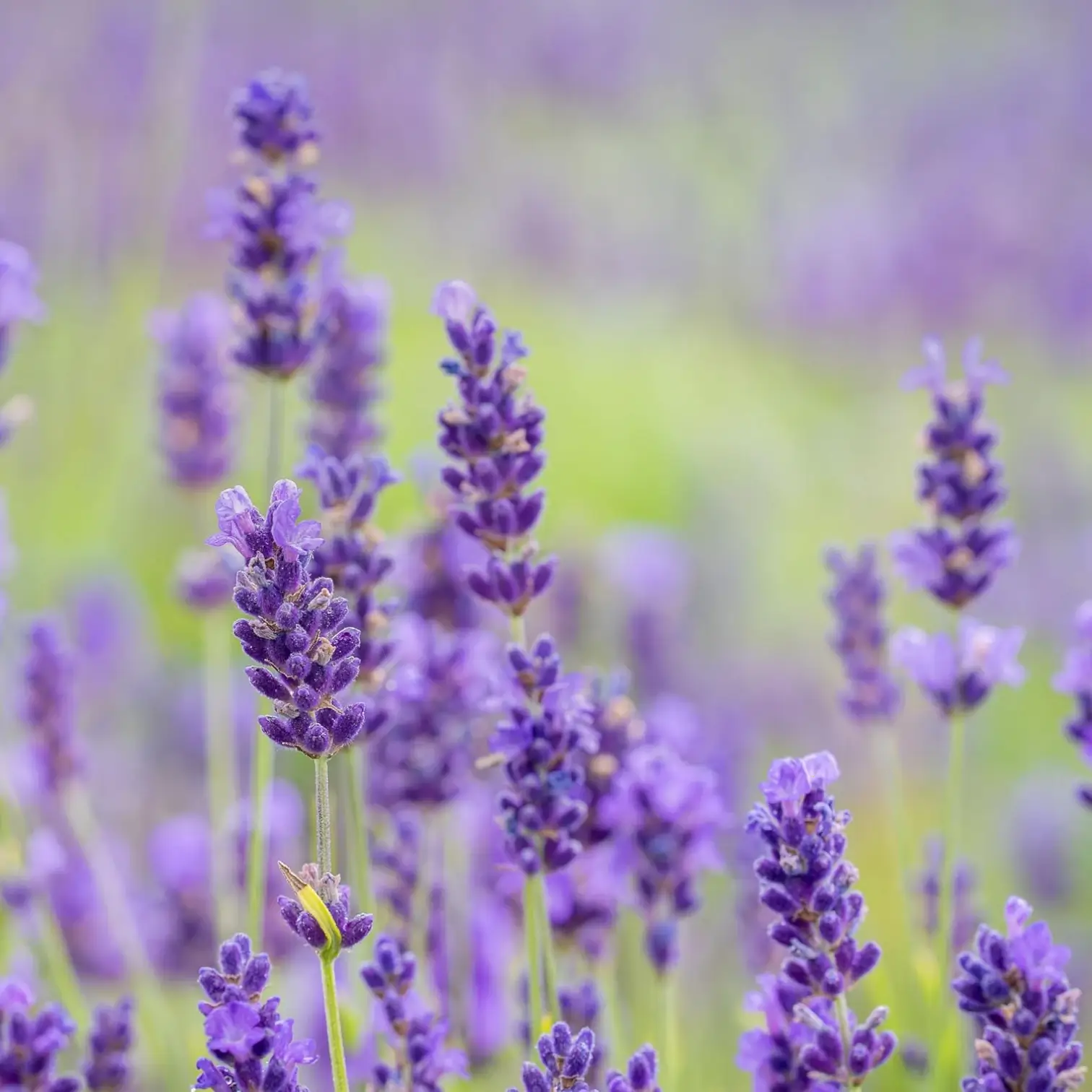
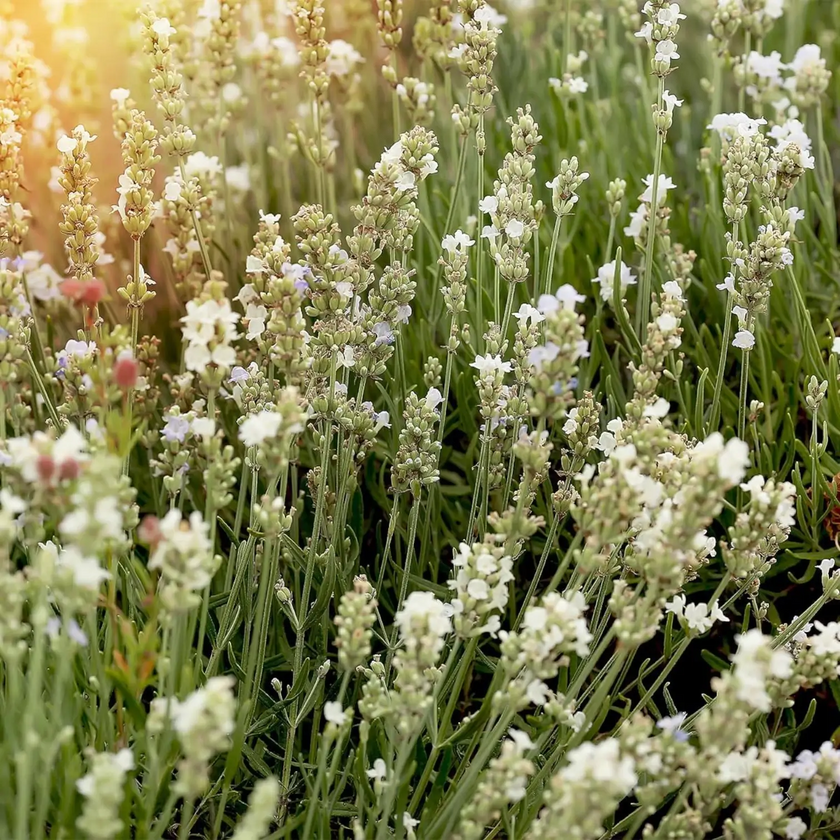
Close up of lavendel blooms

Sort by:

7 products

Filters

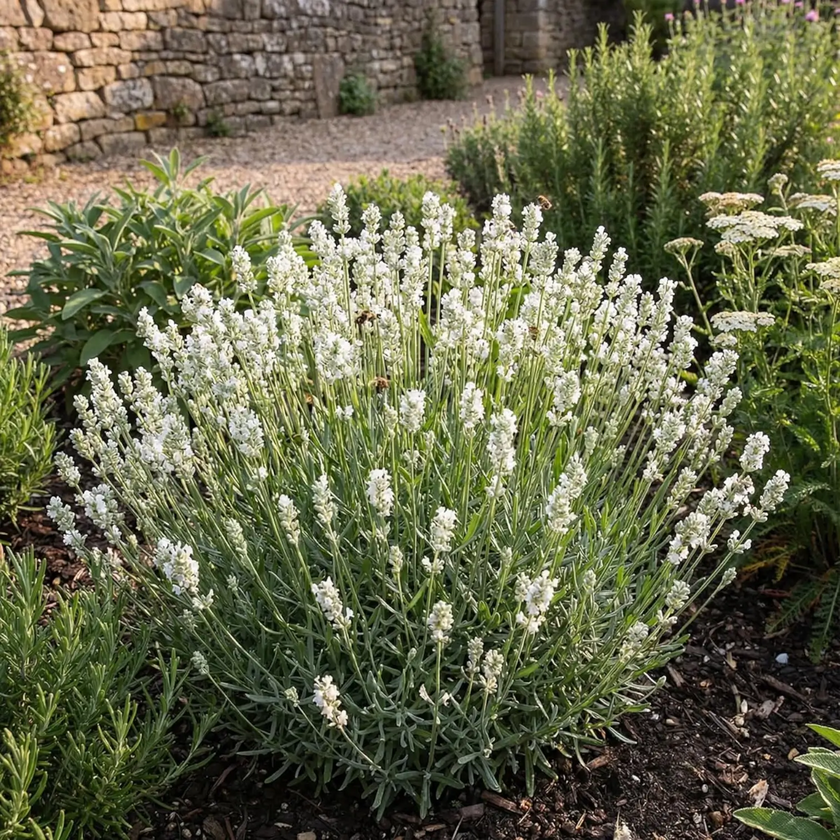
Lavandula angustifolia (white form) Regular price €18,75
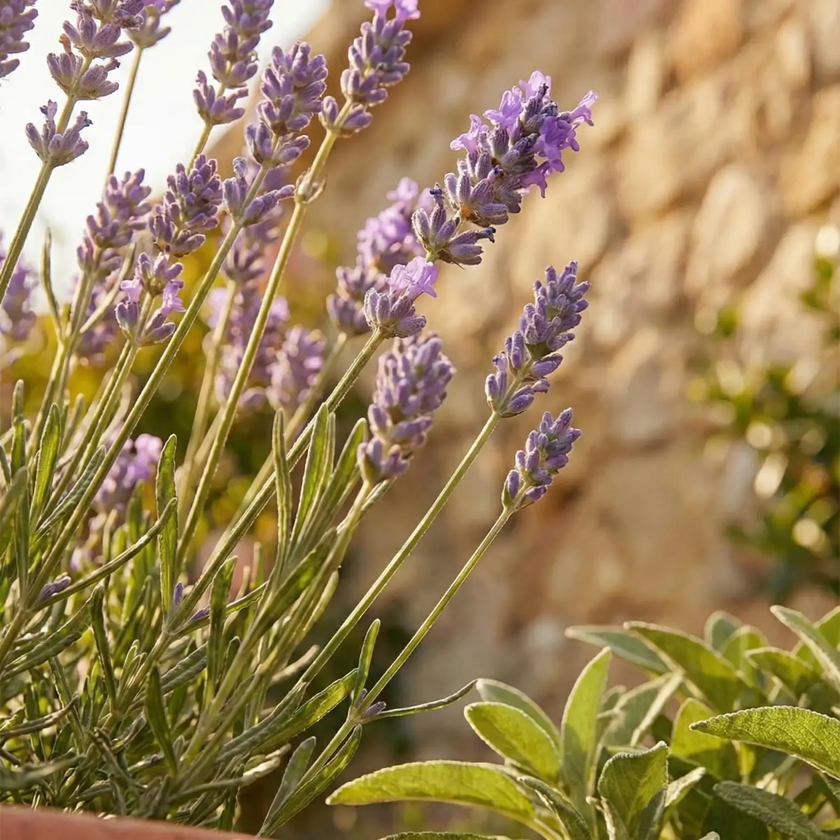
Lavandula angustifolia 'Munstead' Regular price €17,50
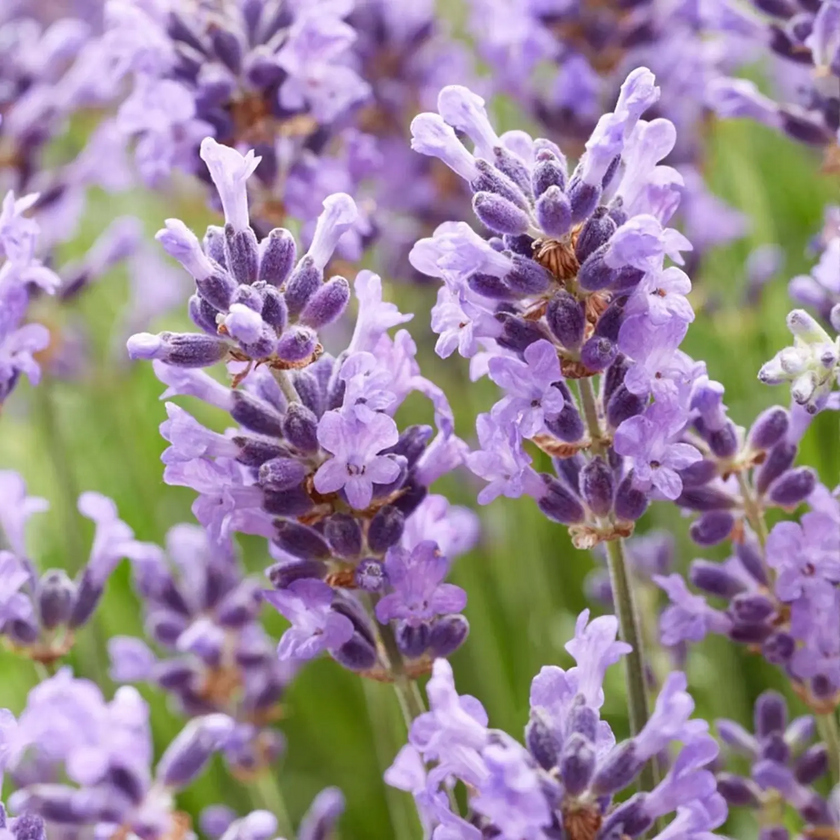
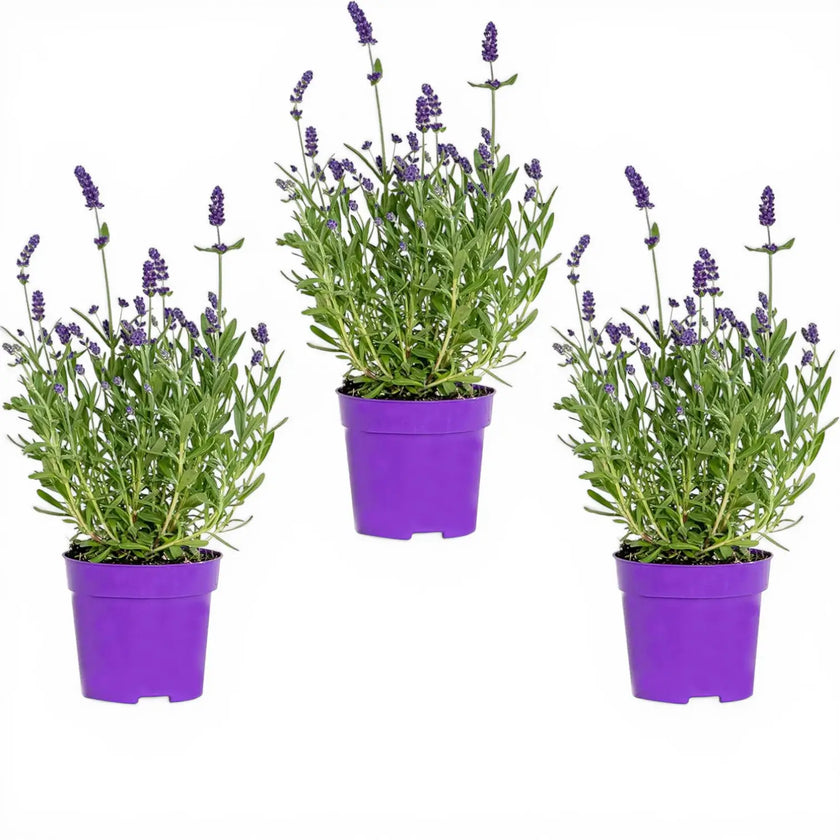
Lavandula angustifolia 'Hidcote' Regular price €17,50
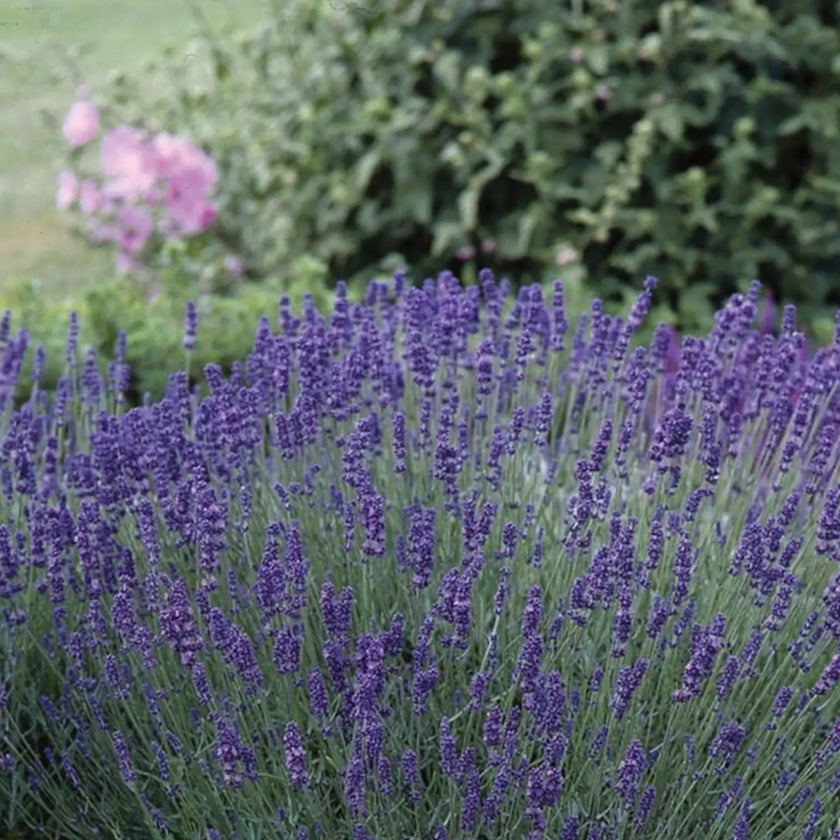
Lavandula angustifolia 'Felice' Regular price From €12,00
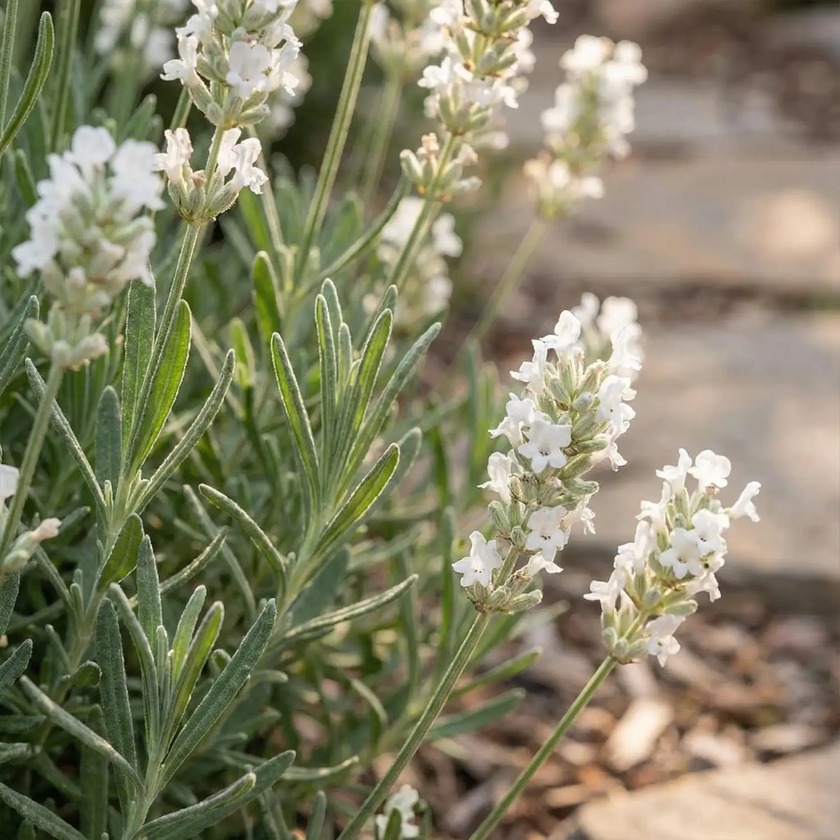
Lavandula angustifolia 'Edelweiss' Regular price €17,50
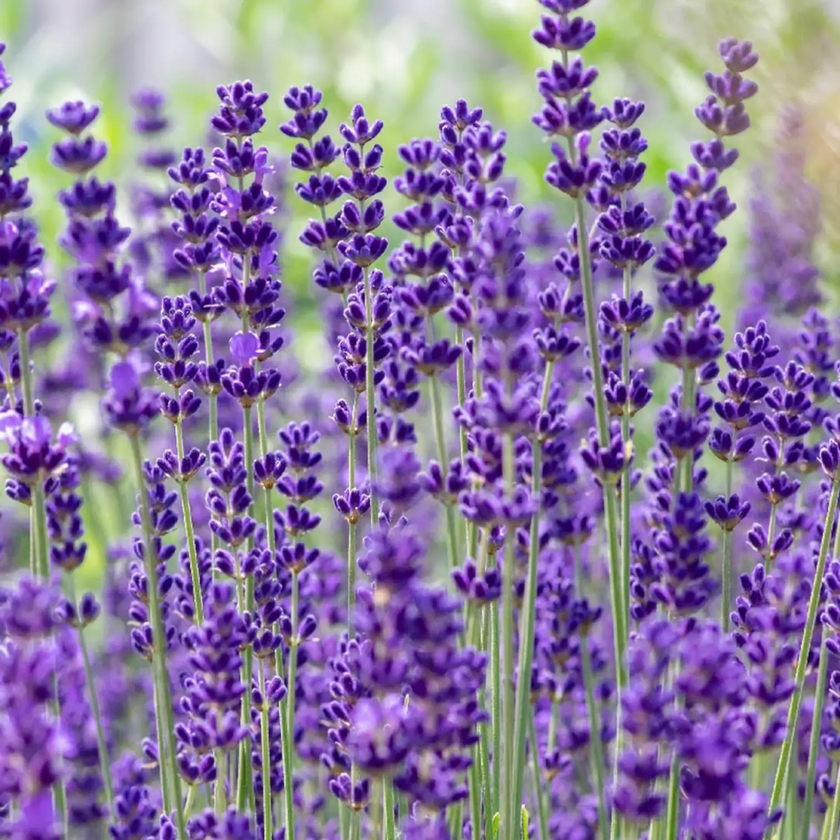
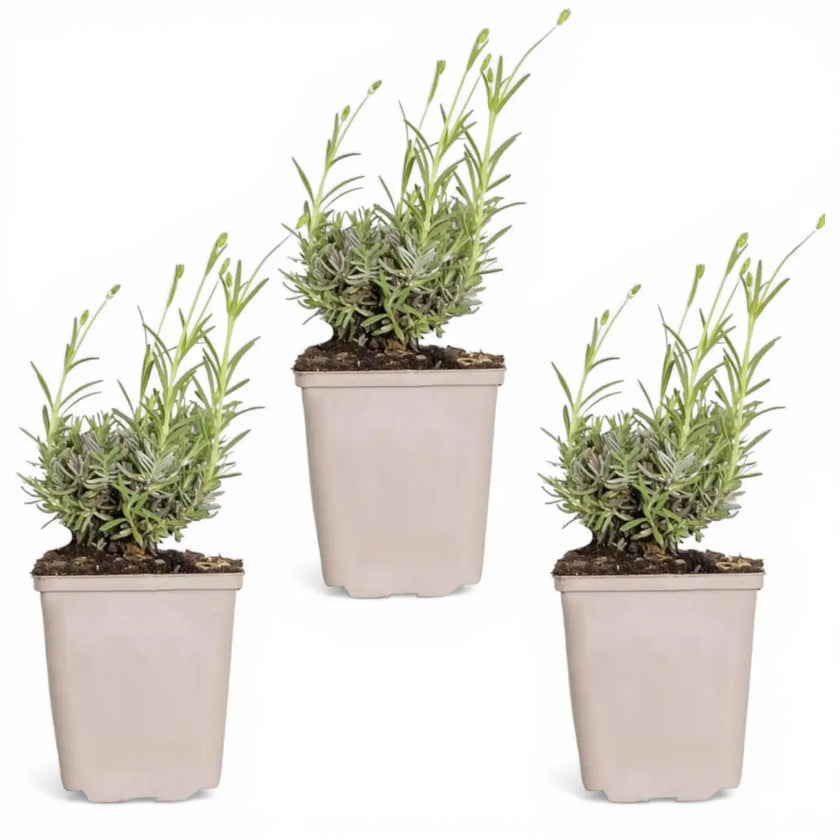
Lavandula angustifolia 'Dwarf Blue' Regular price €17,50
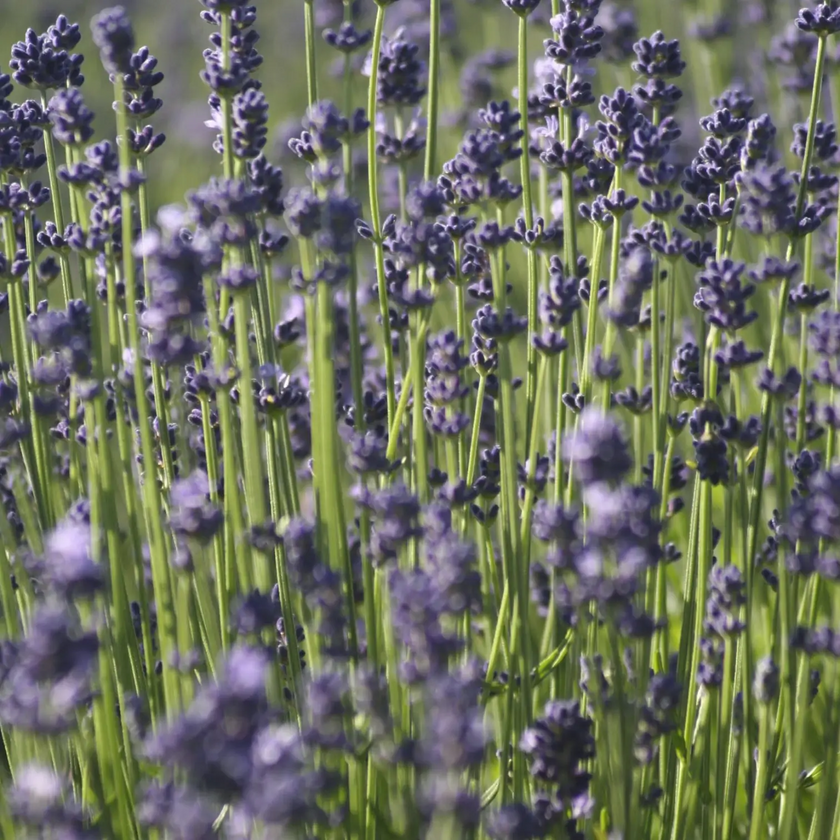
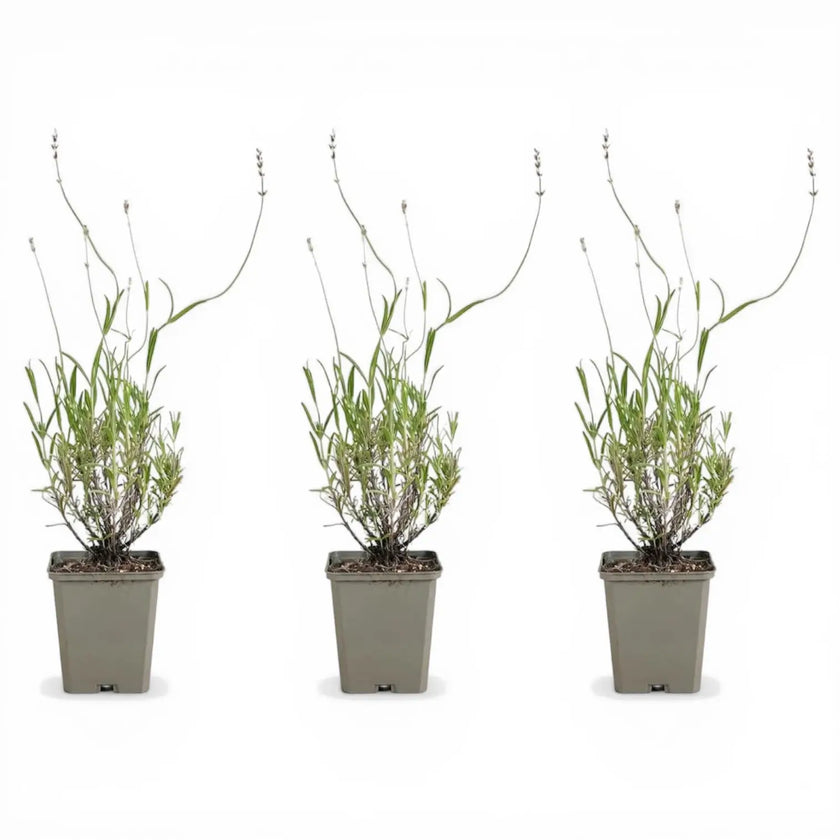
Lavandula angustifolia Regular price €18,75

Lamiaceae

Lavender

Quick Overview

Lavender: sun, lean soil and fast drainage

  • Full sun supports stronger scent, tighter growth and better flowering.
  • Free-draining, lean soil is essential; cold wet soil is the fastest route to decline.
  • A gritty, structured mix keeps roots oxygenated and plants compact in containers.
  • Light trimming after flowering helps lavender stay neat and longer lived.
  • Avoid heavy feeding because it pushes soft growth that flops and ages poorly.
  • Water deeply, then let the pot dry down part way before watering again.
  • Shelter from constant winter rain can help container lavender overwinter more reliably.
Details & Care

Lavender wants sun, drainage and air

Lavender is a woody aromatic perennial subshrub for bright, open places. Narrow grey-green leaves, fragrant stems and summer flowers suit herb borders, gravel gardens, edging, sunny containers and dry Mediterranean-style planting.

  • Light: Full sun keeps growth tighter and supports stronger flowering.
  • Drainage: Roots need free-draining soil; winter wet is a bigger problem than lean soil.
  • Airflow: Open spacing helps stems dry after rain and reduces congested growth.
  • Containers: Use drainage holes and a gritty, open mix, never a sealed decorative pot.

Lavender dislikes rich, wet conditions that push soft growth. Water well after planting and during establishment, then allow drying between watering once roots are settled.

Pruning and long-term shape

Light regular pruning keeps Lavender compact and leafy. Cut after flowering or at the appropriate local timing, staying above old bare wood where possible. Neglected plants can become woody and open in the centre.

Best placements for Lavender

  • Path edges: Aromatic stems release scent when brushed lightly.
  • Sunny pots: Use larger containers so roots do not bake or dry instantly.
  • Gravel beds: Good where drainage is sharp and soil is not overfed.
  • Pollinator planting: Flowers are attractive to bees and other visiting insects.

Lavender is a strong choice where the site is sunny, open and lean. It is a poor match for heavy, damp beds or shaded corners that stay wet after rain.

Lavender is strongest when the root zone stays open and the top growth gets sun and air. Heavy feeding, dense planting and wet winter soil shorten its life. In colder or wetter regions, drainage and shelter from prolonged wet matter more than extra fertiliser.

Use Lavender where its scent can be touched or passed often: path edges, sunny steps, raised beds and pots near seating.

Short-lived performance is common when Lavender is kept wet, shaded or overfed. For stronger long-term growth, treat it as a sun-and-drainage plant before treating it as a flowering ornamental.