Skip to content

Cart

Your cart is empty.

Euphorbia (Spurges)

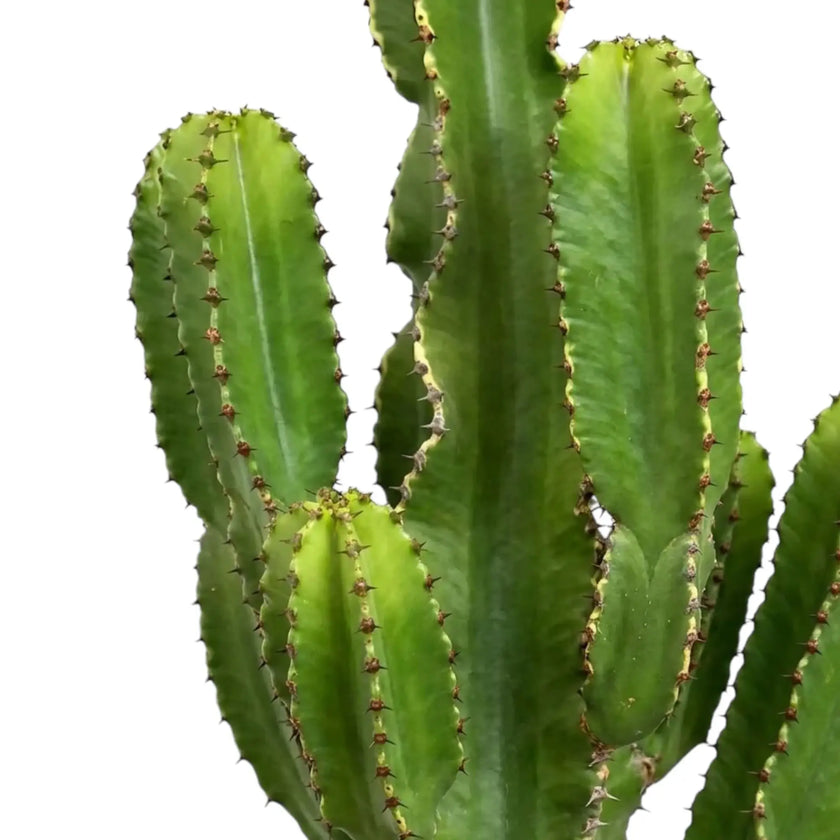
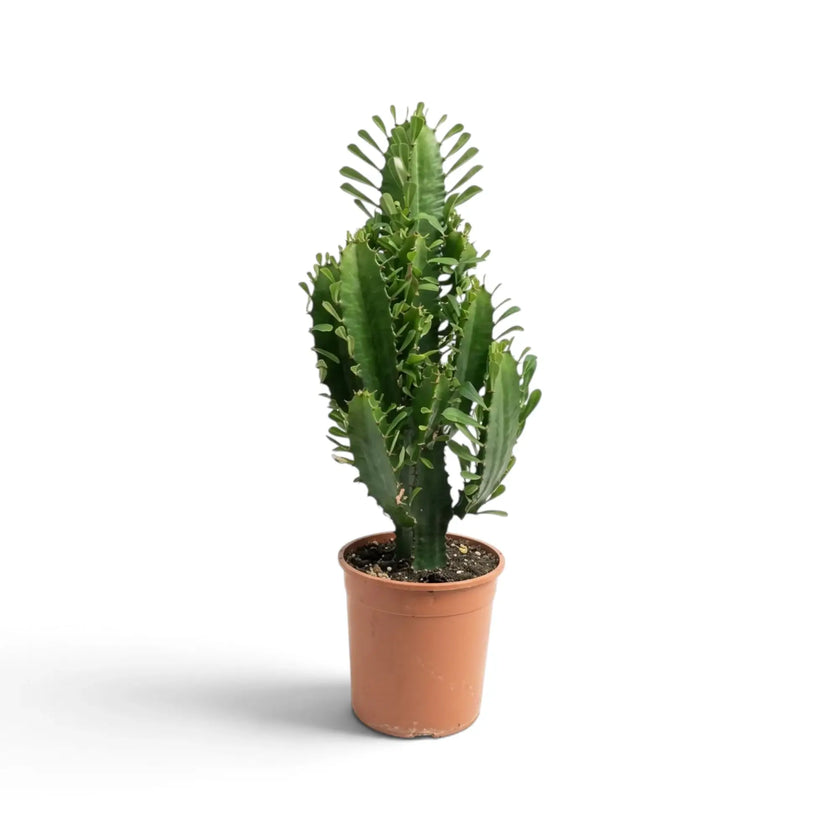
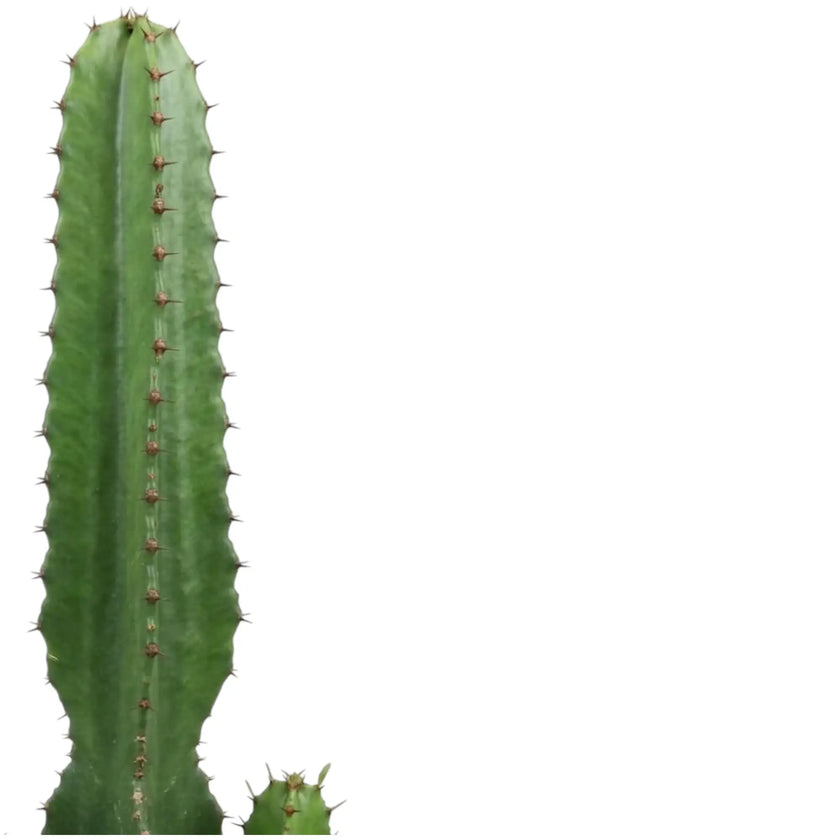
Euphorbia abyssinica var. erythraeae on white background

Substrate help

Choose a faster-drying mineral-leaning setup

Succulents and many cacti need a mix that releases excess water quickly and keeps the root zone open, especially in indoor pots.

Sort by:

Filters

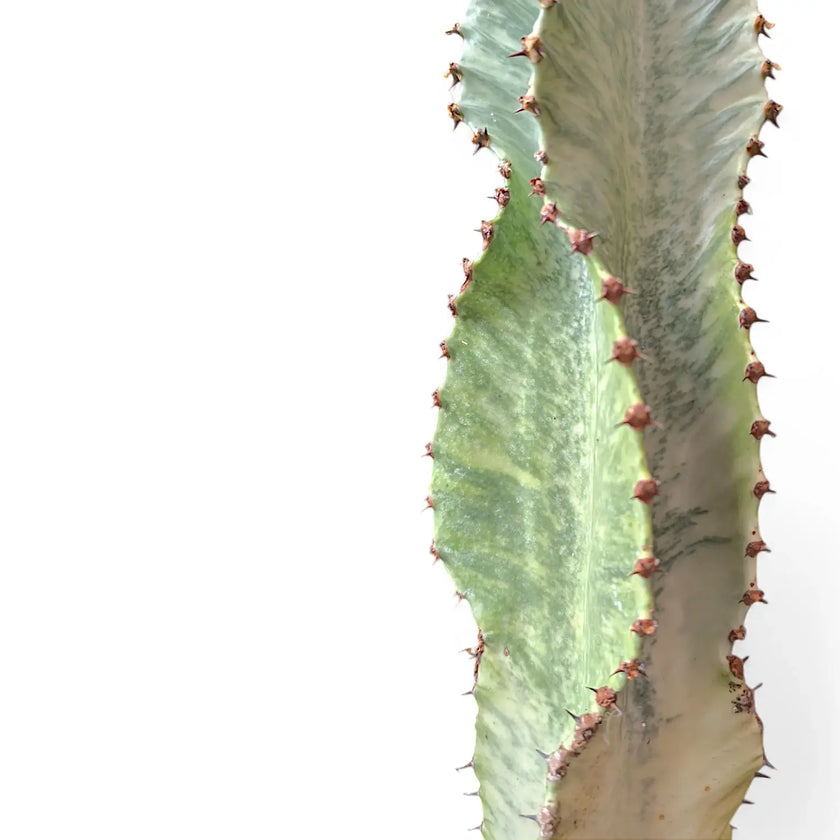
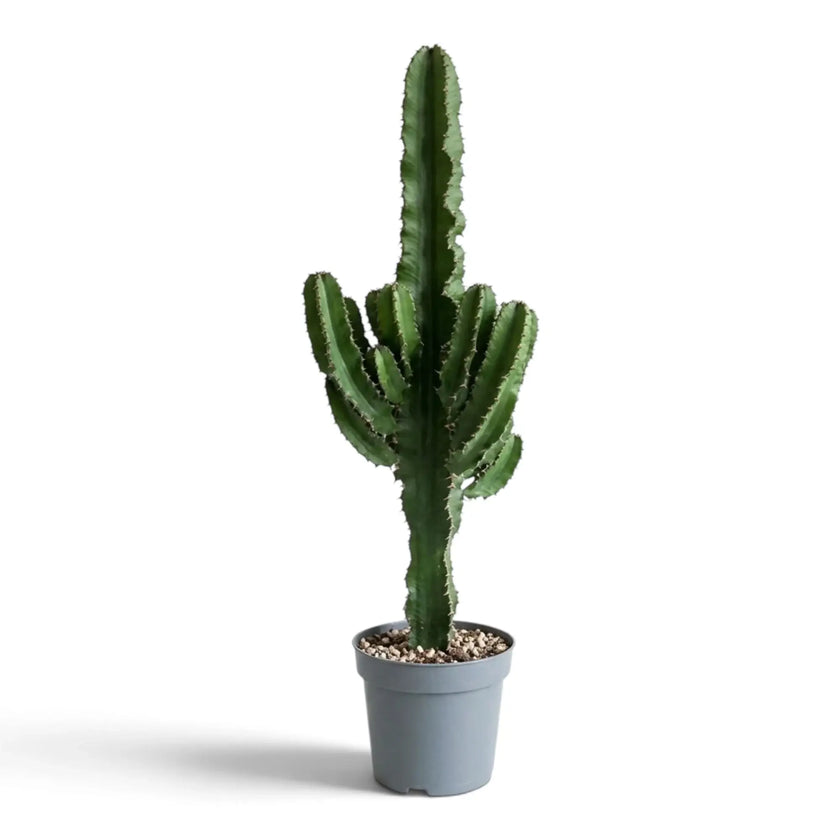
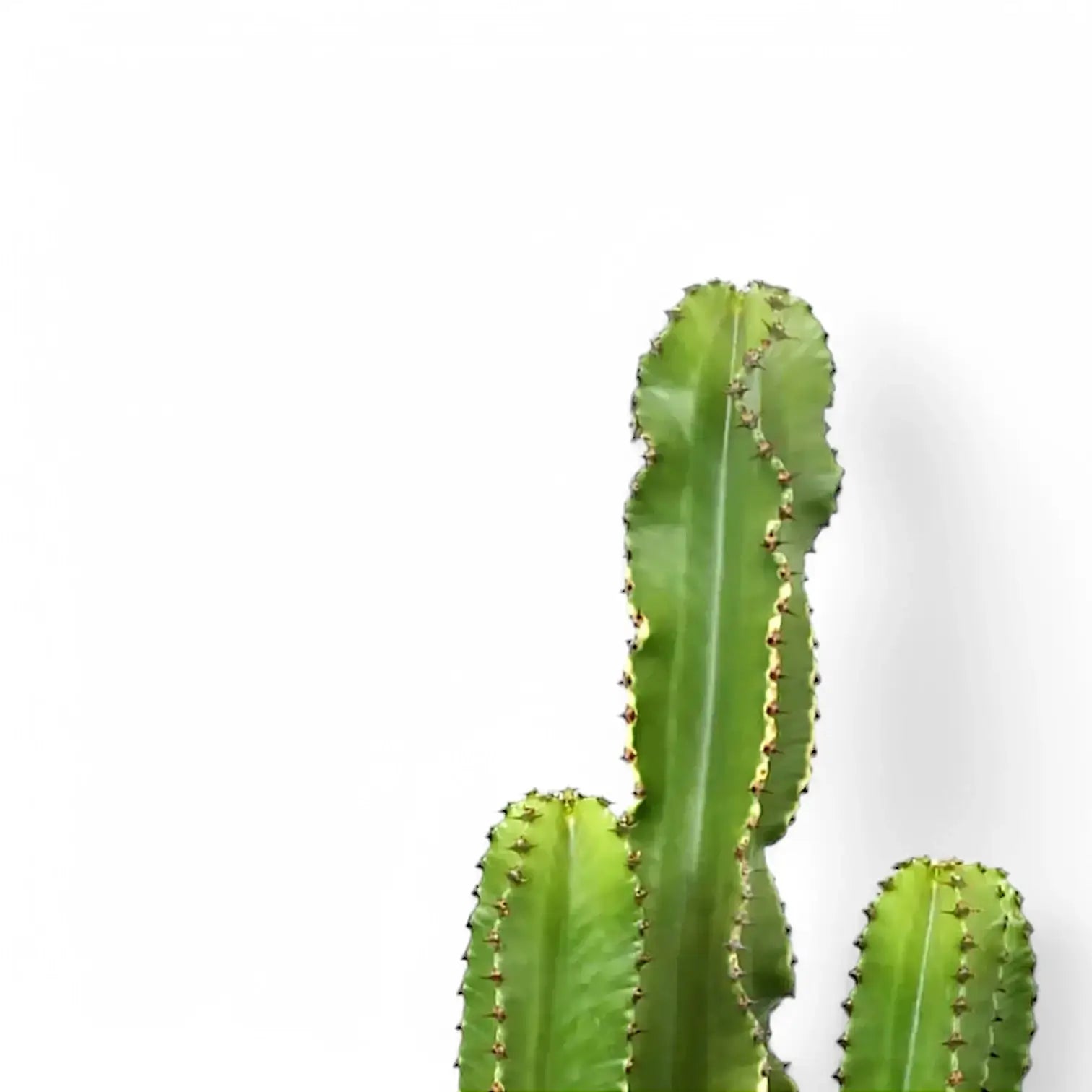
Euphorbia abyssinica leaf detail on white background.
Euphorbia abyssinica Regular price From €22,75
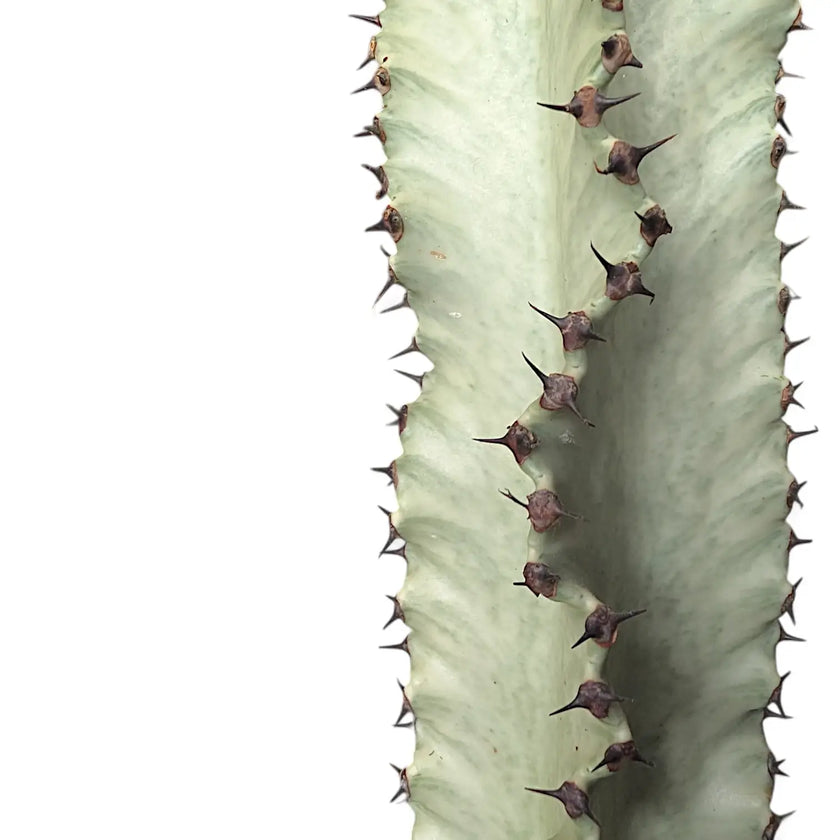
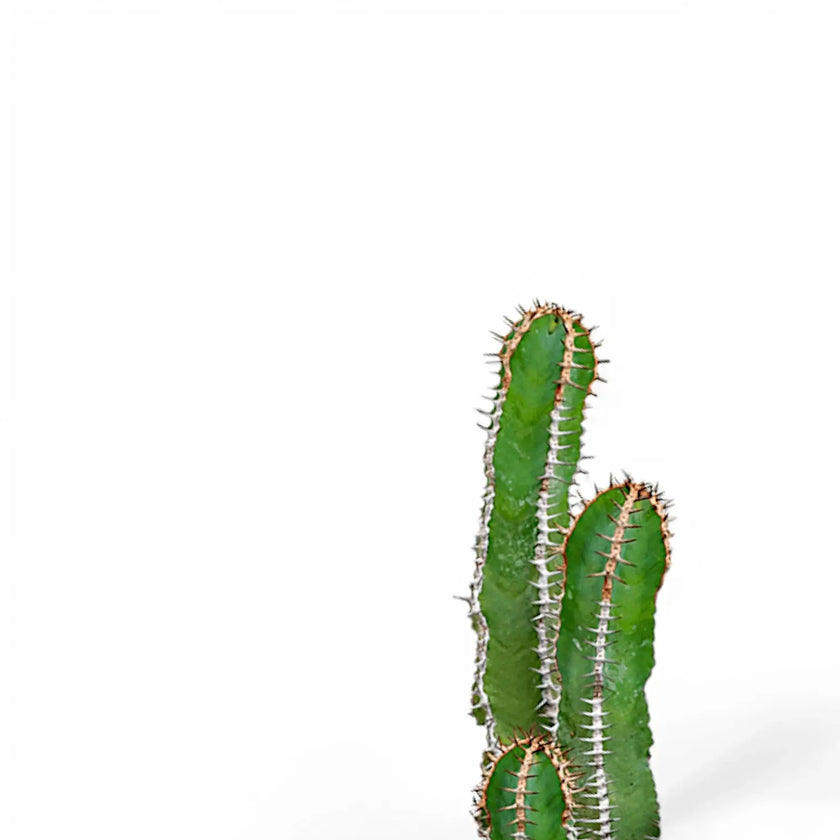
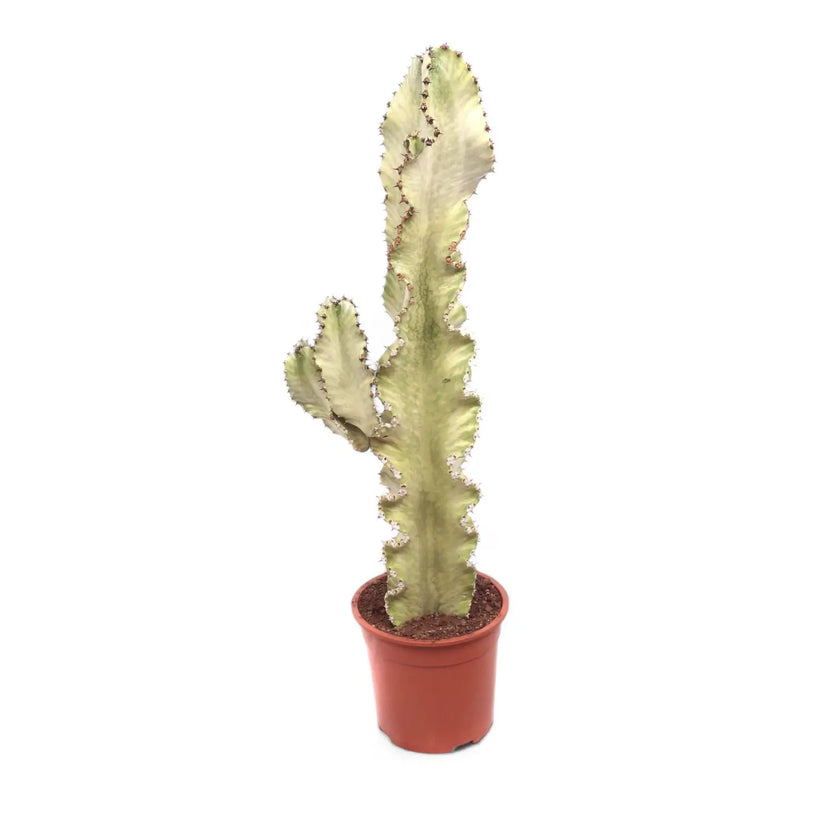
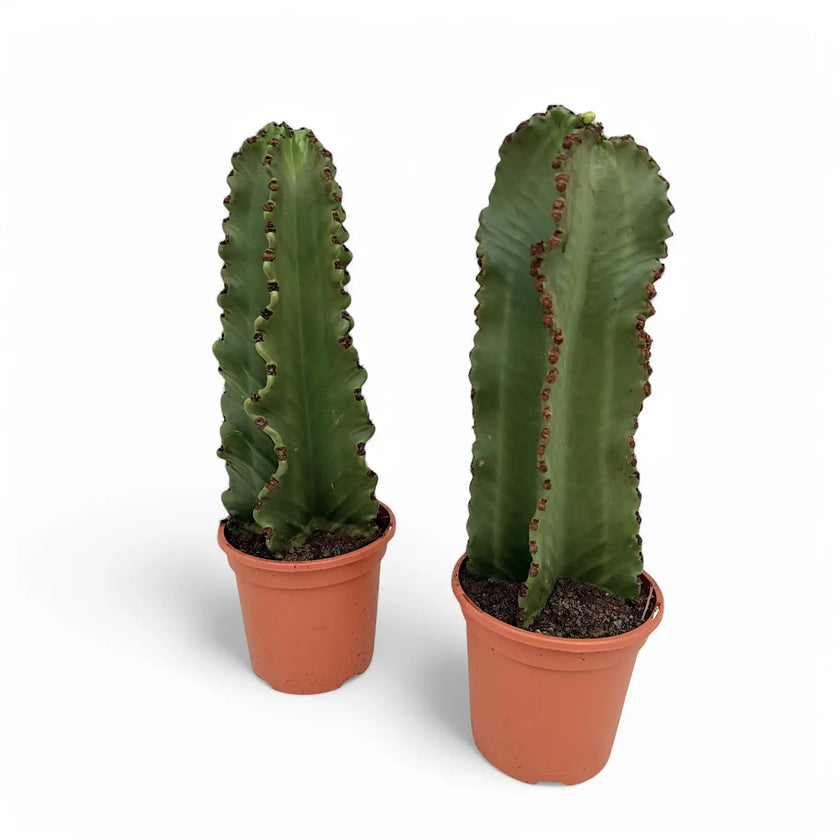
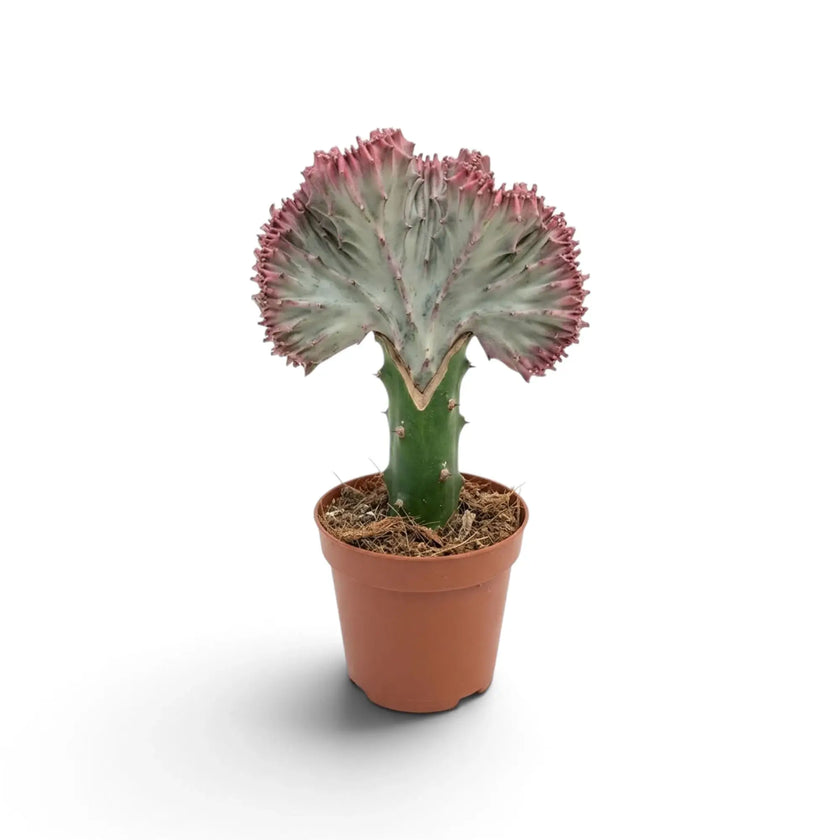
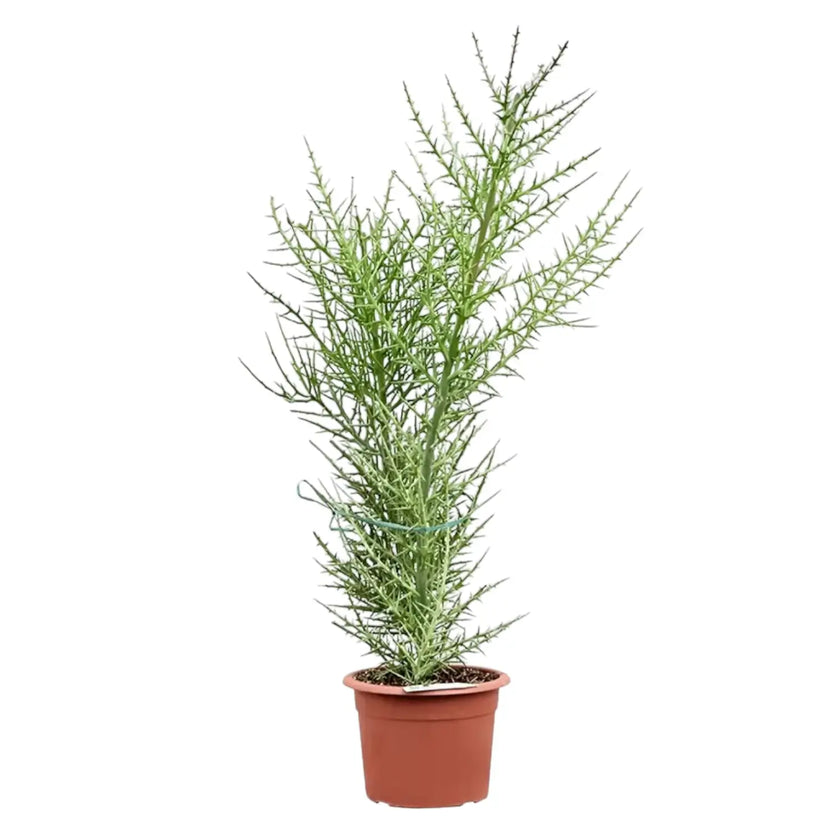
Euphorbia abyssinica var. erythraeae leaf detail on white background.
Euphorbia abyssinica var. erythraeae Regular price €52,00
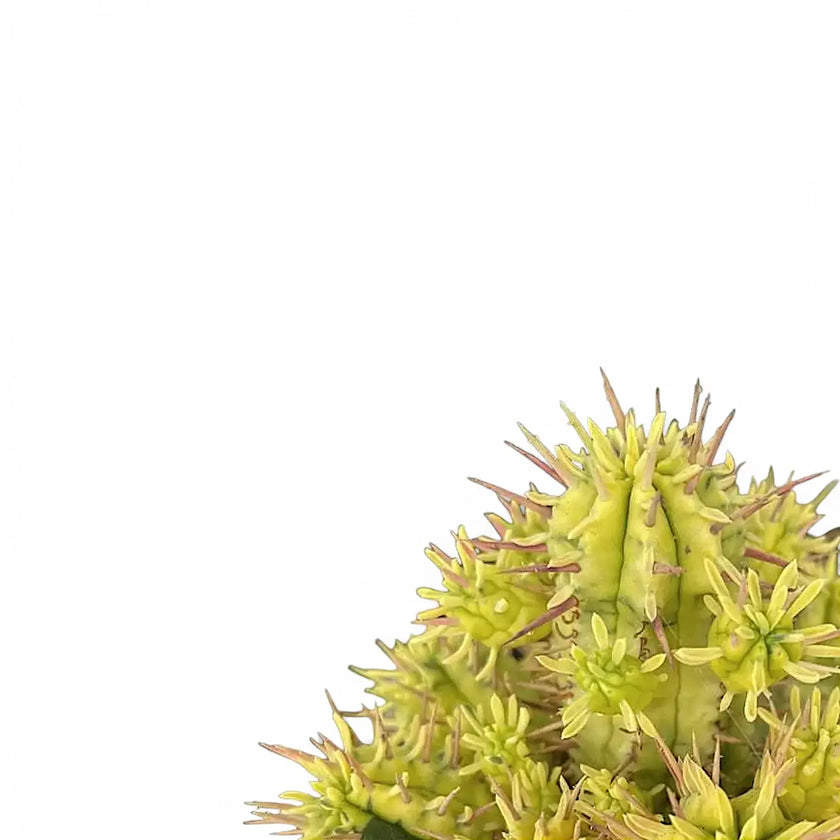
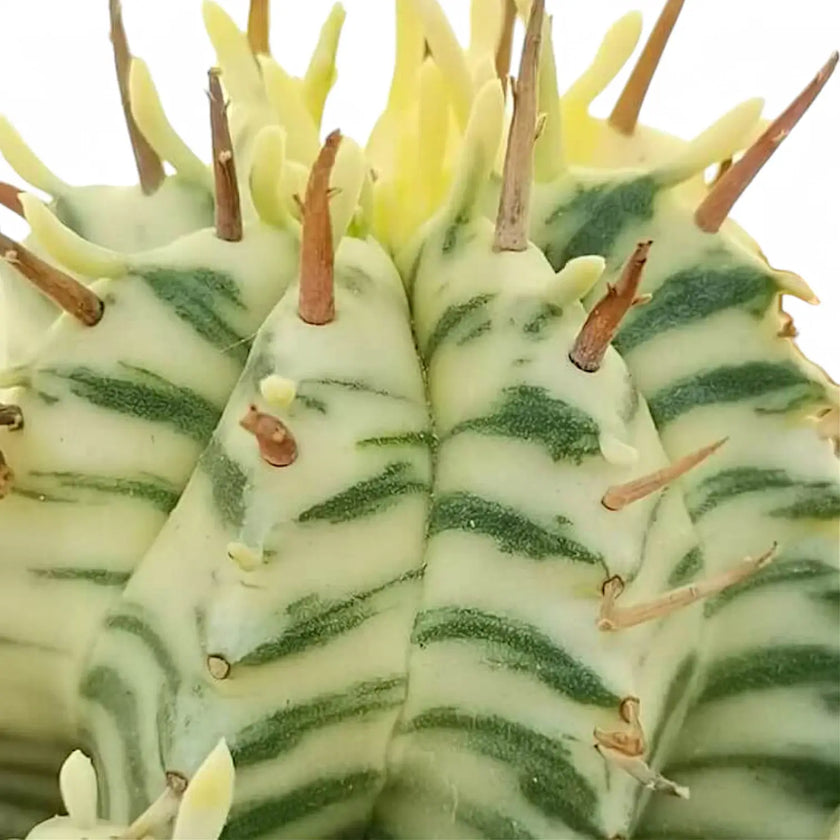
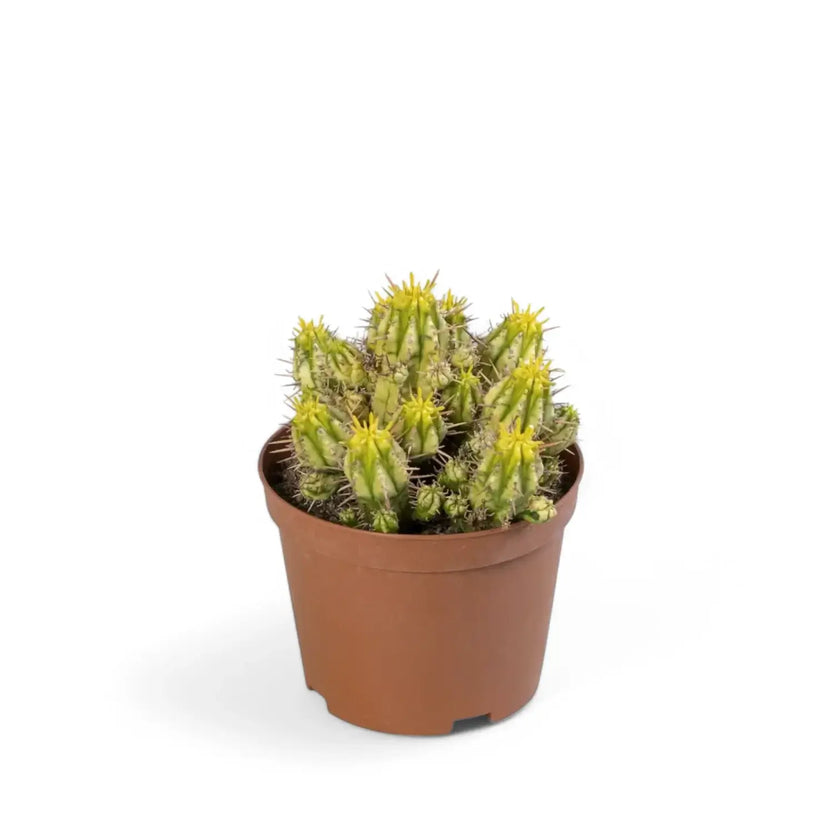
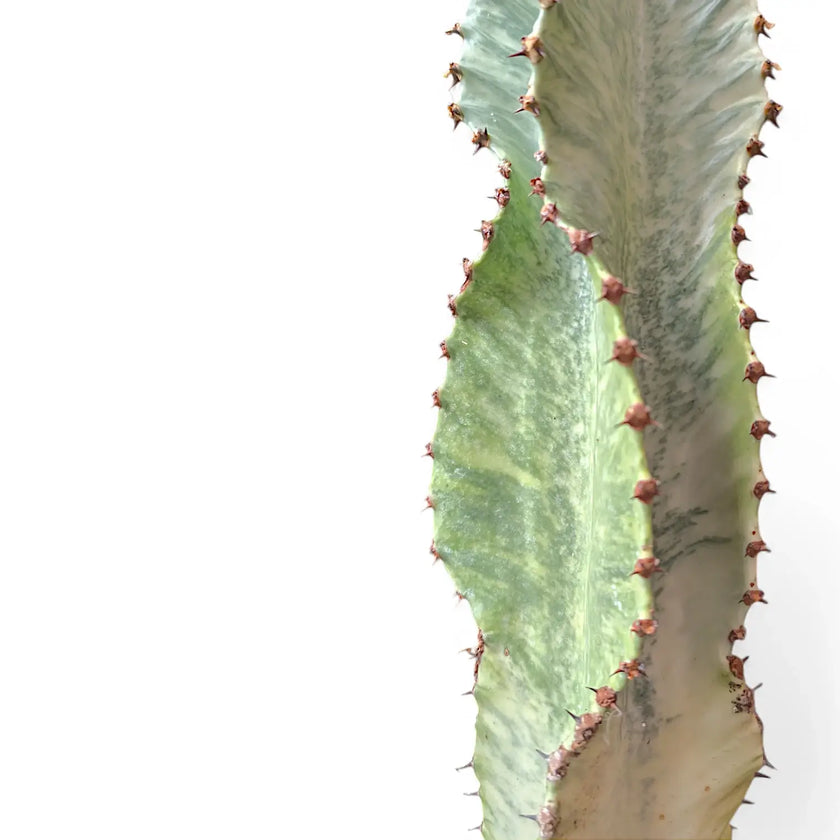
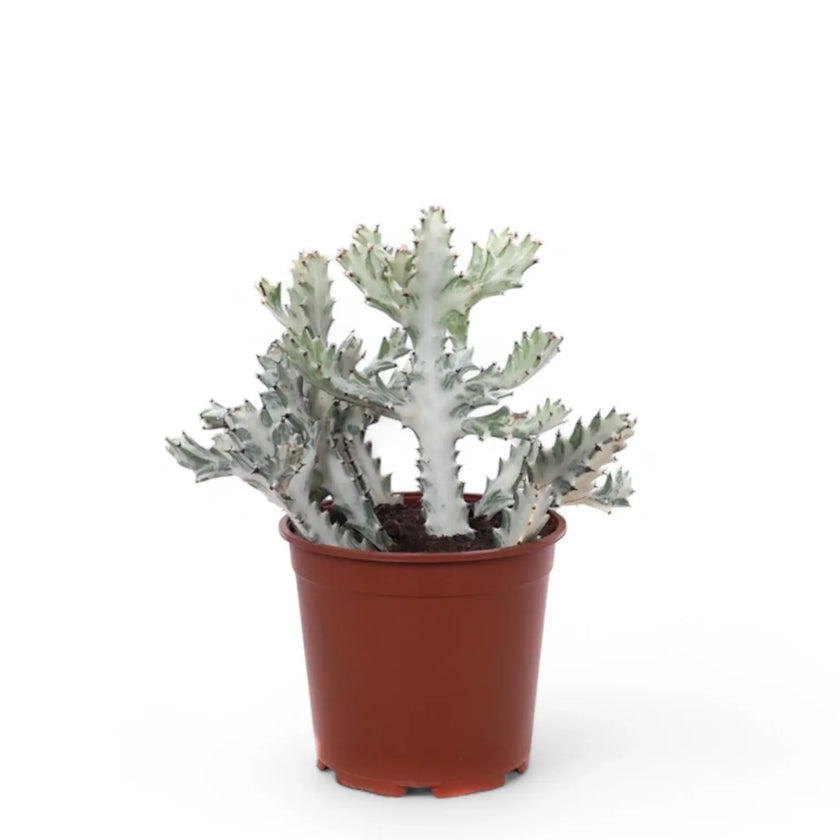
Euphorbia abyssinica var. erythraeae variegata leaf detail on white background.
Euphorbia aggregata variegata leaf close-up on white background.
Euphorbia alluaudii close-up of leaf on white background.
Euphorbia avasmontana close-up of leaf on white background.
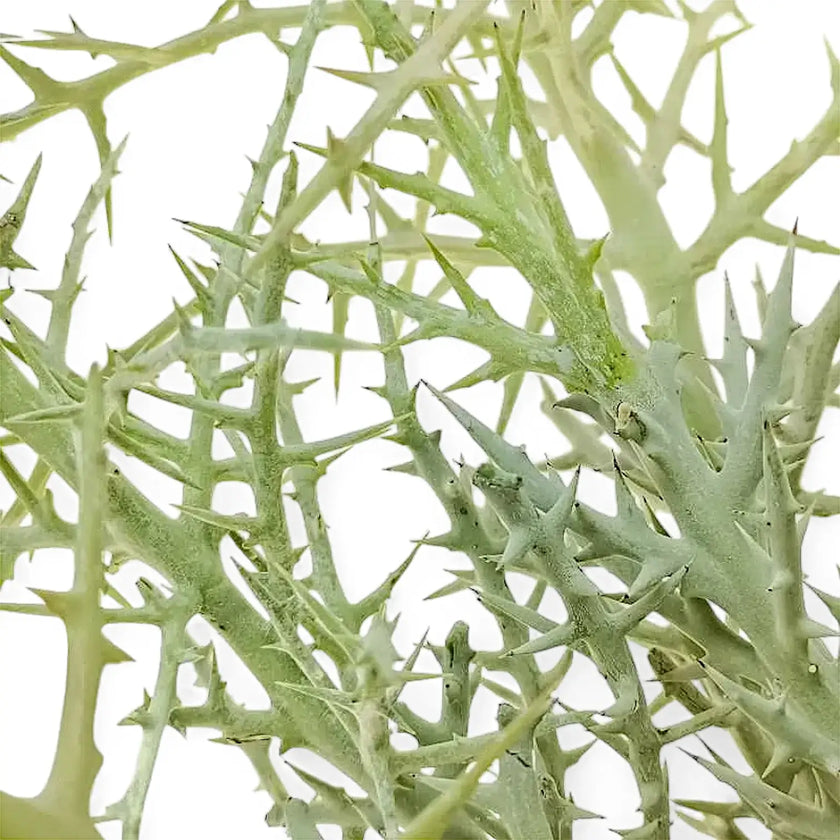
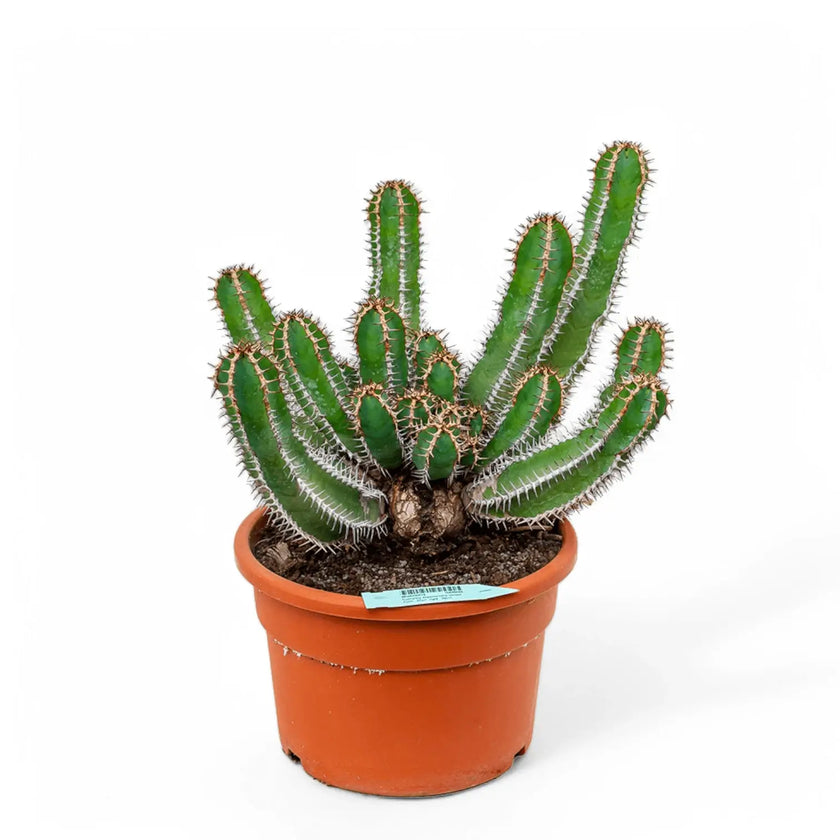
Euphorbia fiherenensis leaf detail on white background.
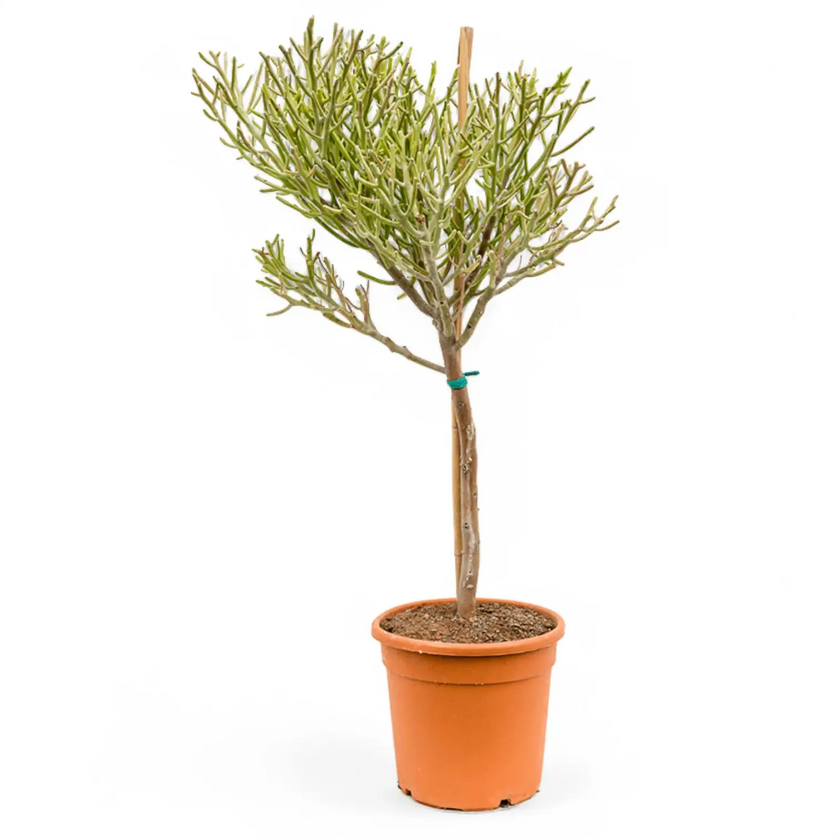
Euphorbia fruticosa 'Inermis' leaf detail on white background.
Euphorbia ingens leaf detail on white background.
Euphorbia ingens Regular price €128,00
Euphorbia ingens 'Marmorata' leaf detail on white background.
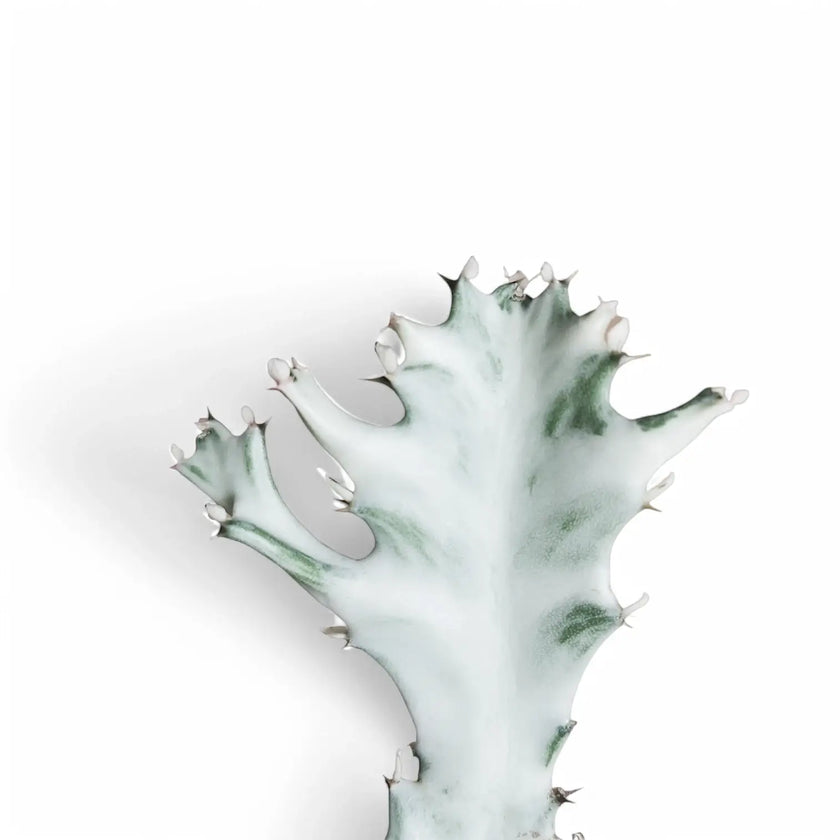
Euphorbia lactea 'White Ghost' ('Grey Ghost') leaf close-up on white background.
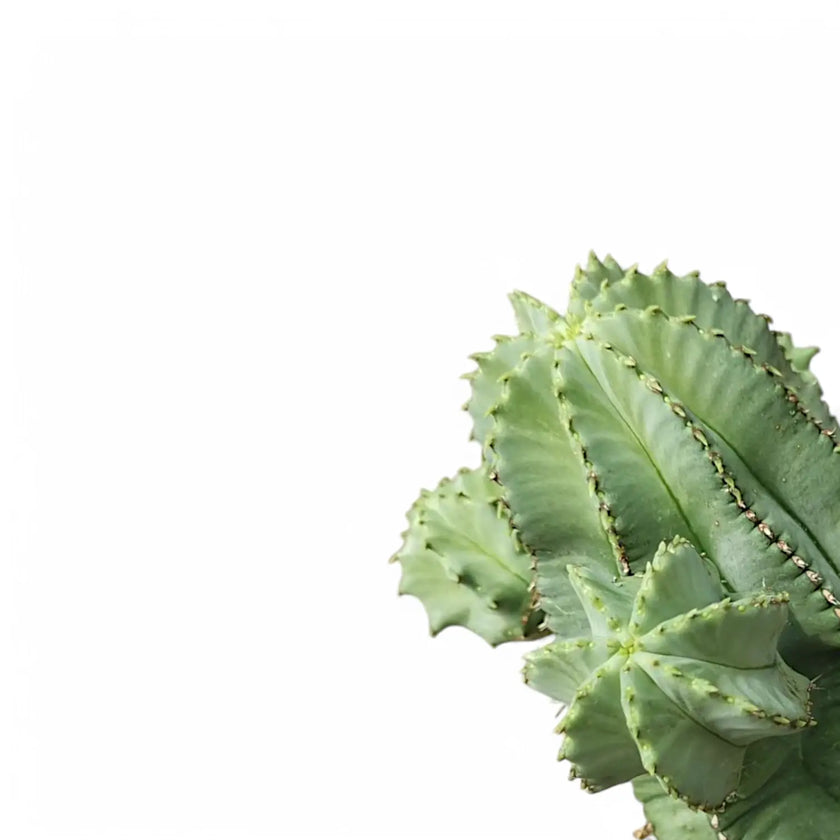
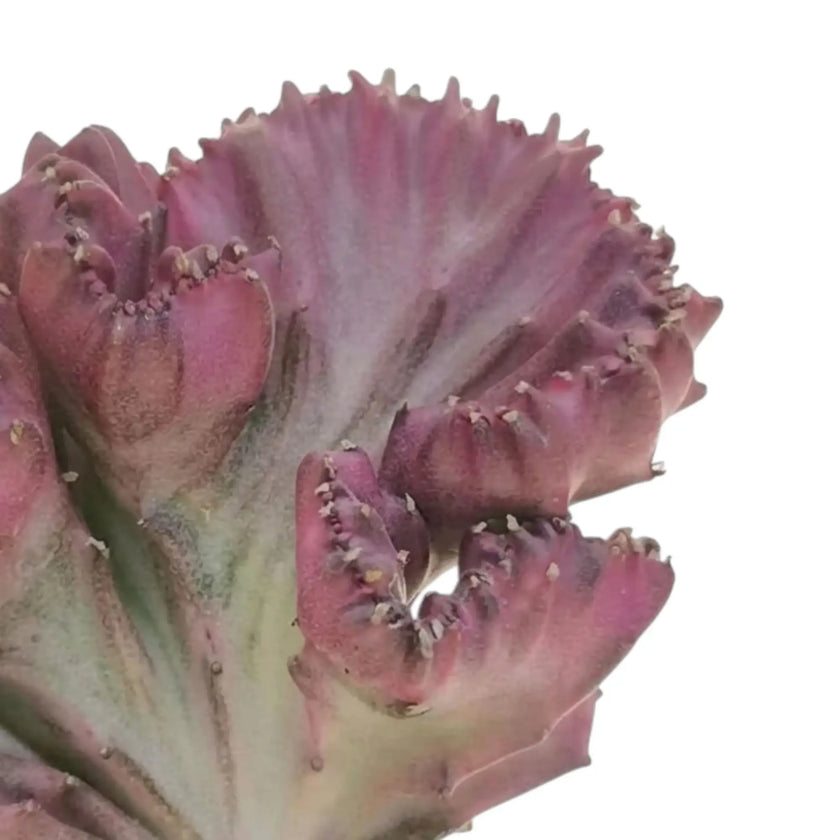
Euphorbia lactea f. crestata close-up of leaf on white background.
Euphorbia lactea f. crestata Regular price €17,50
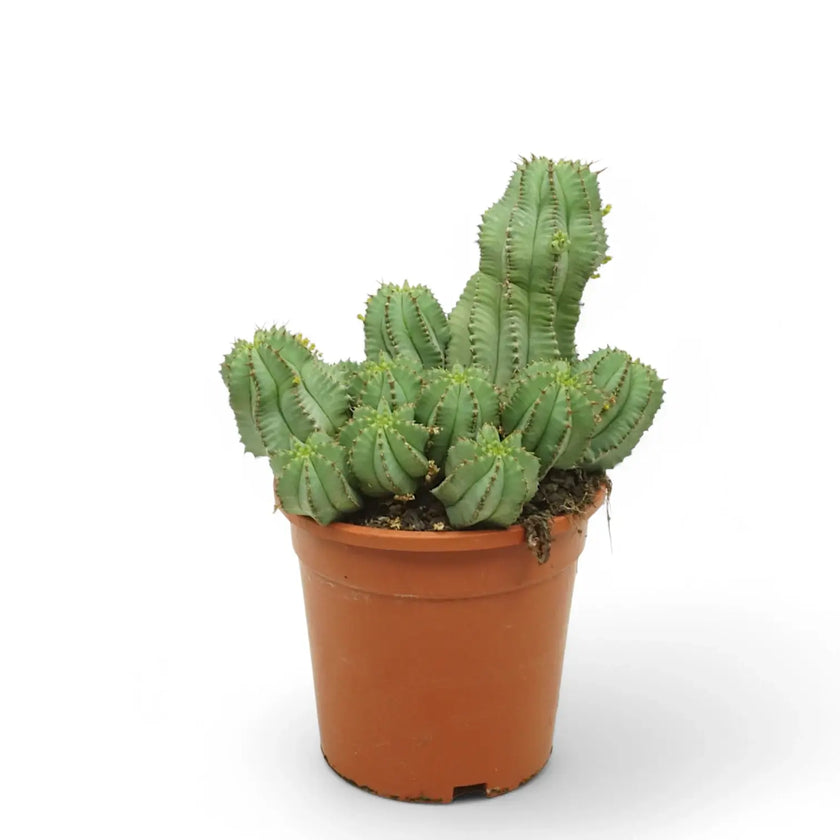
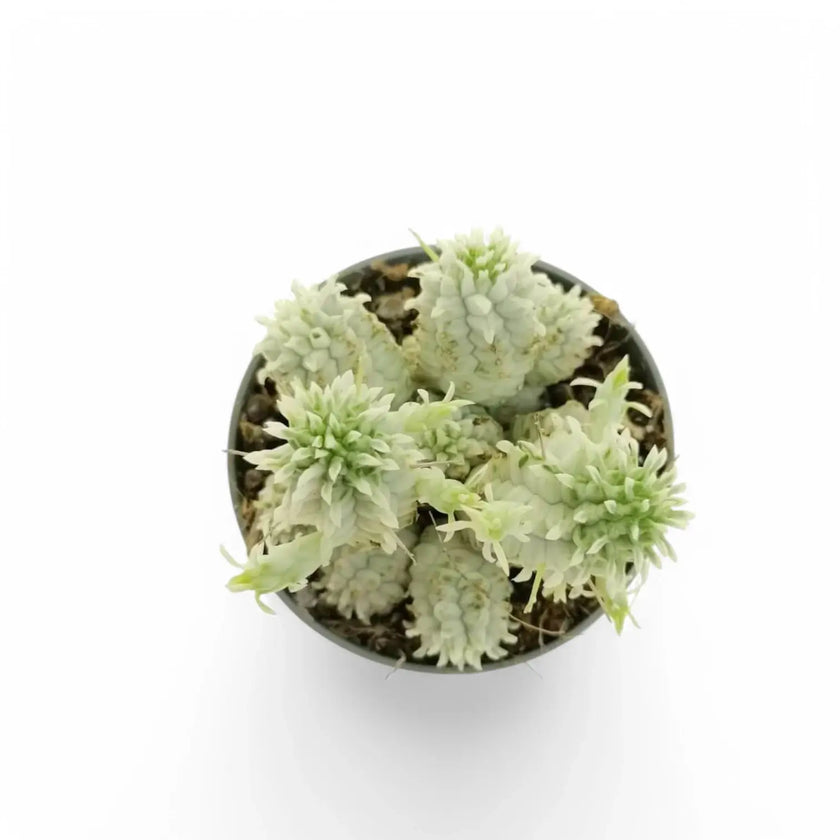
Euphorbia mammillaris f. variegata leaf close-up on white background.
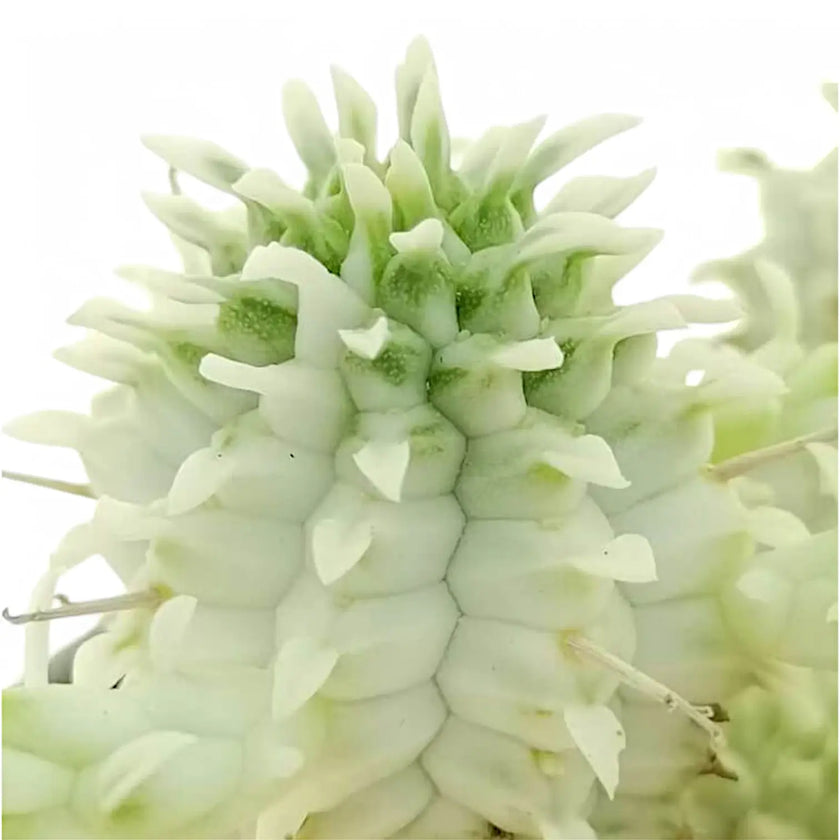
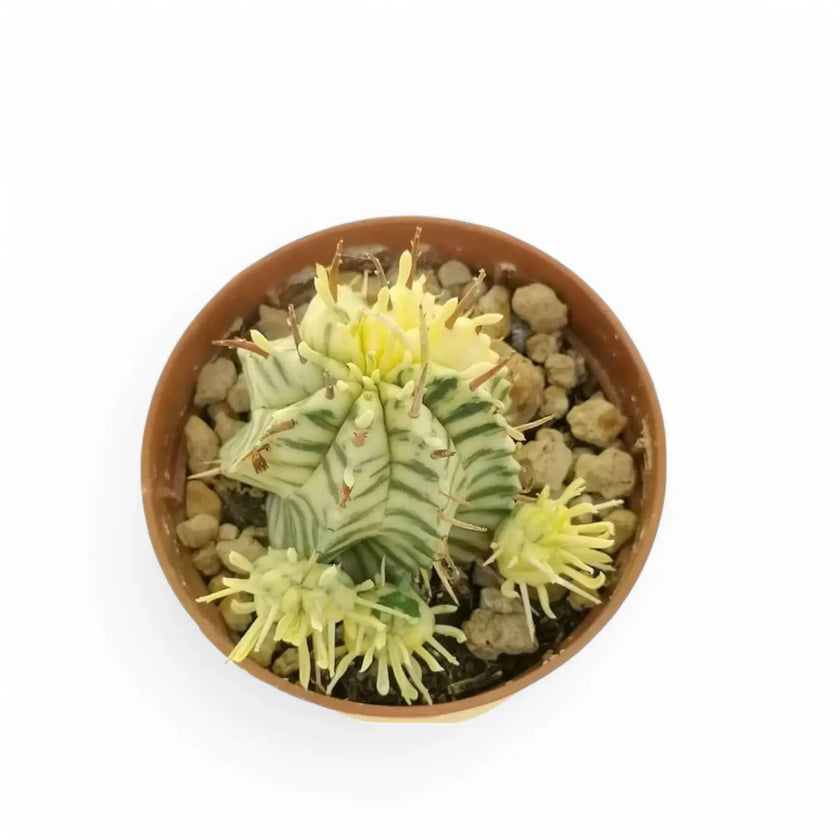
Euphorbia meloformis f. variegata leaf close-up on white background.
Euphorbia ritchiei leaf close-up on white background.
Euphorbia ritchiei Regular price €10,75
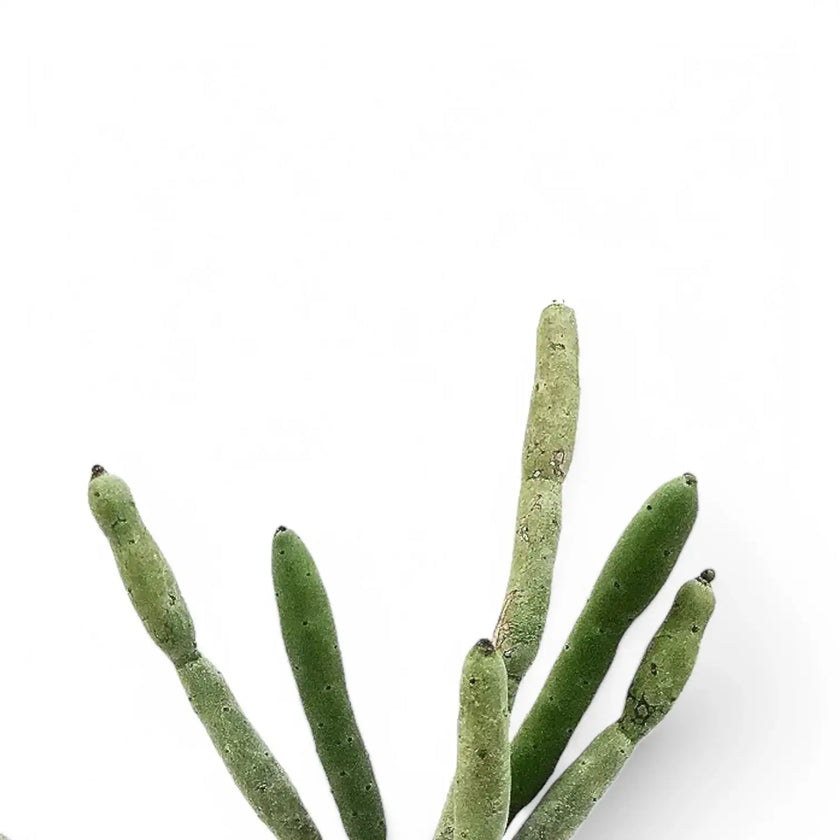
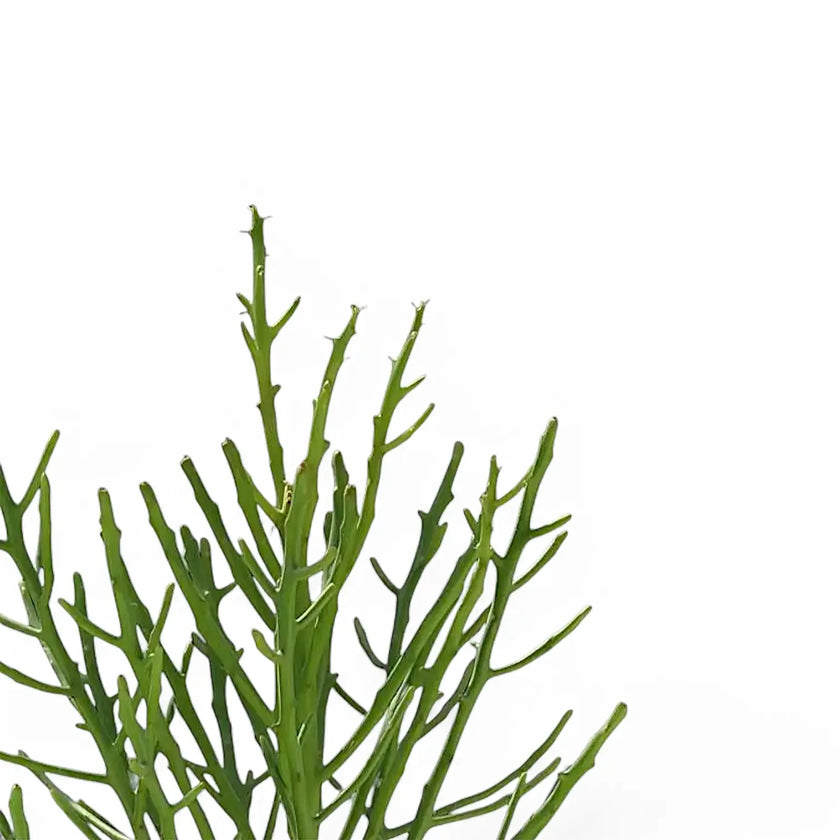
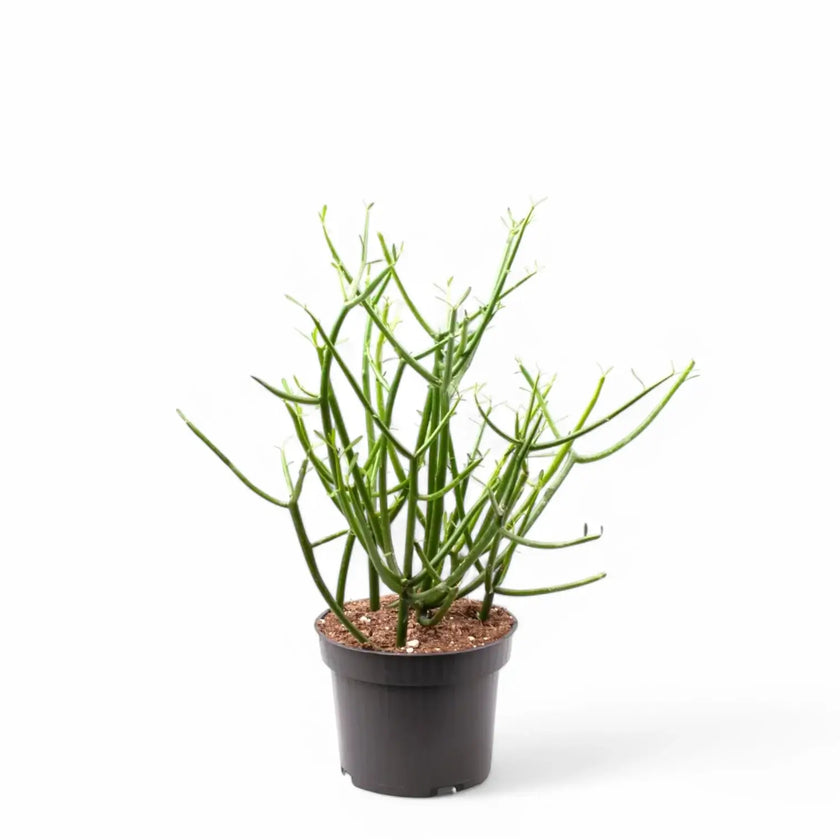
Euphorbia stenoclada leaf detail on white background.
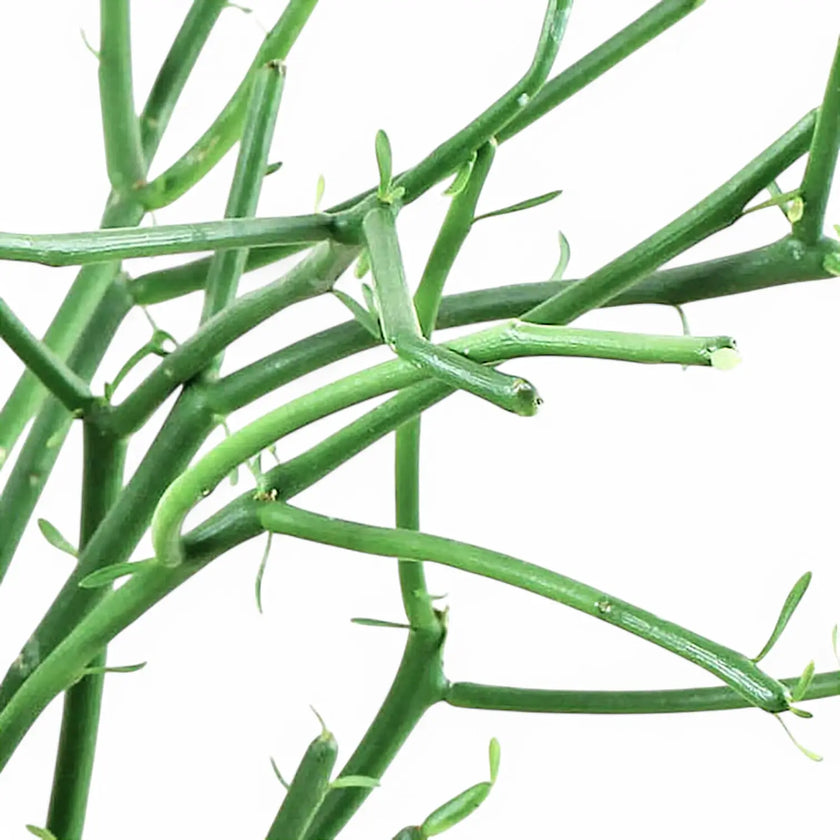
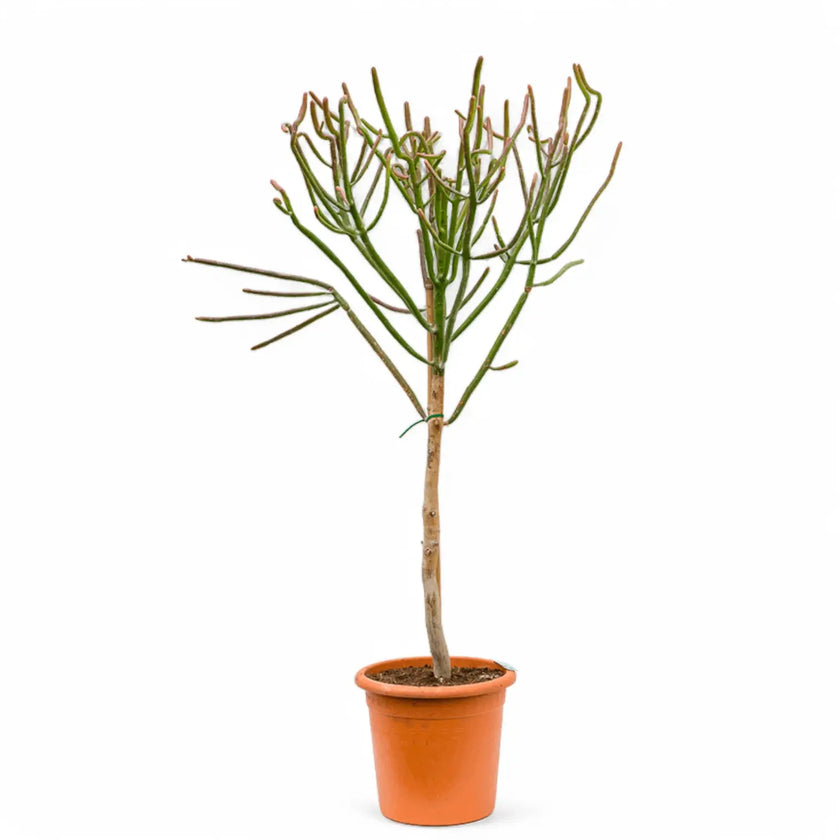
Euphorbia tirucalli leaf close-up on white background.
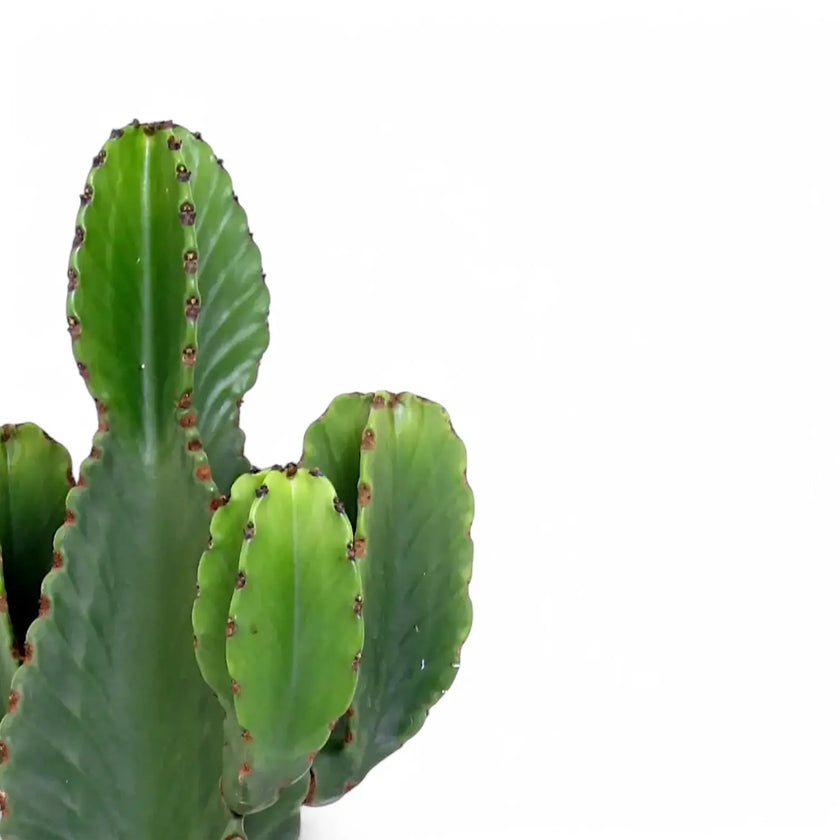
Euphorbia trigona close-up of leaf on white background.
Euphorbia trigona Regular price €22,75

Euphorbiaceae

Euphorbia (Spurges)

Quick Overview

Euphorbia (succulent spurges) - architectural care notes

  • Look: columnar, shrubby or shrublike succulents with angular, often spiny stems; chosen for sculptural outlines indoors.
  • Light: prefers very bright light and several hours of sun; weak light produces soft, leaning stems.
  • Watering: treat like other succulents: deep water, then long dry period; overwatering in cool conditions causes base and root rot.
  • Substrate: best in gritty, mineral-based soil that drains fast and does not stay cold and wet.
  • Temperature: enjoys warm rooms; protect from cold draughts and chilly windowsills in winter.
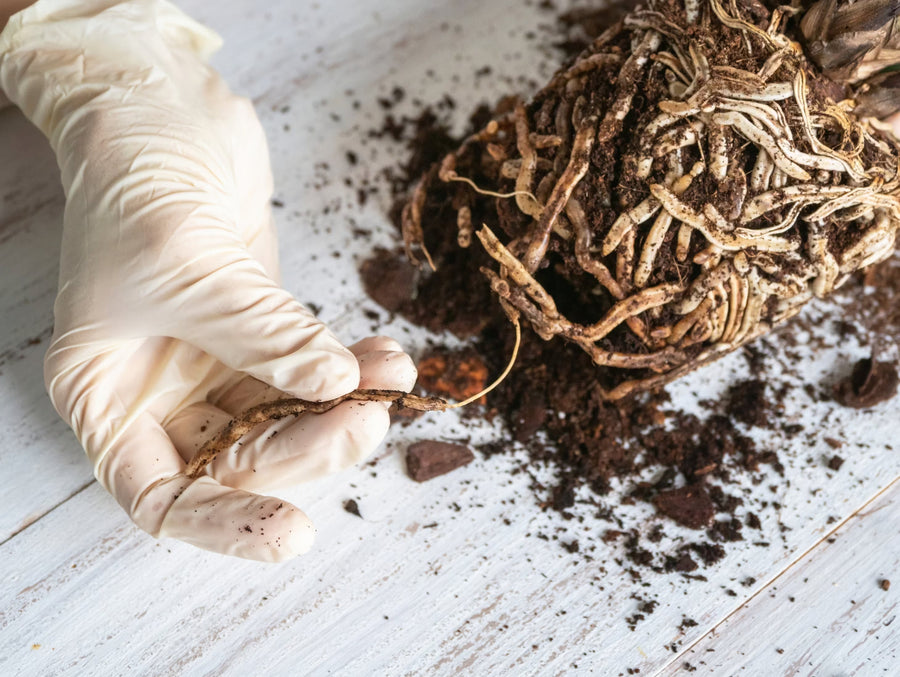
  • Latex warning: milky sap is toxic and strongly irritant-wear gloves for cuts and keep away from pets and children.
Botanical Profile

Euphorbia is an accepted, nearly cosmopolitan genus in Euphorbiaceae. Indoor succulent forms are only one part of a huge latex-bearing group, which is why cactus-like growth and irritating sap often appear together under the same genus.

Details & Care

Euphorbia: sculptural succulents with serious presence

Euphorbia includes everything from columnar, cactus-like forms to branching shrubs and strange, geometric silhouettes. What unites them is a preference for bright conditions, a dry-leaning routine, and a look that stays architectural all year.

Many Euphorbias store water in stems and prefer mineral, airy substrates that dry reliably. Growth is usually steady rather than fast, so the goal is compact, healthy structure—not pushing speed.

Light: Very bright light keeps growth strong and upright. A sunny window is usually ideal for indoor Euphorbia.

Watering: Water deeply, then let the pot dry well before watering again. Soft, dull stems are a sign the routine needs adjusting.

Substrate: Gritty, mineral-leaning mixes reduce risk of stem and root issues. Fast drainage matters more than pot size.

Handling: Sap can irritate skin and eyes. Use care when pruning or repotting and keep away from pets and children.

Seasonal note: Euphorbia often prefers a drier routine when growth slows, especially in lower winter light.

Euphorbia ranges from tight columns to branching, coral-like forms, so silhouette varies, but the care logic stays simple: light, air, and dry cycles. If you want the cleanest outline, give Euphorbia stable light from one direction and rotate occasionally so growth stays even.

Pot choice: A heavy pot can add stability for tall forms. Oversized pots slow drying and make watering harder to judge.

Pruning: If shaping is needed, make clean cuts and let wounds dry fully. Wear protection for sap and keep cut surfaces away from moisture until sealed.

Frequently Asked Questions About Euphorbia