Skip to content

Cart

Your cart is empty.

Cordyline

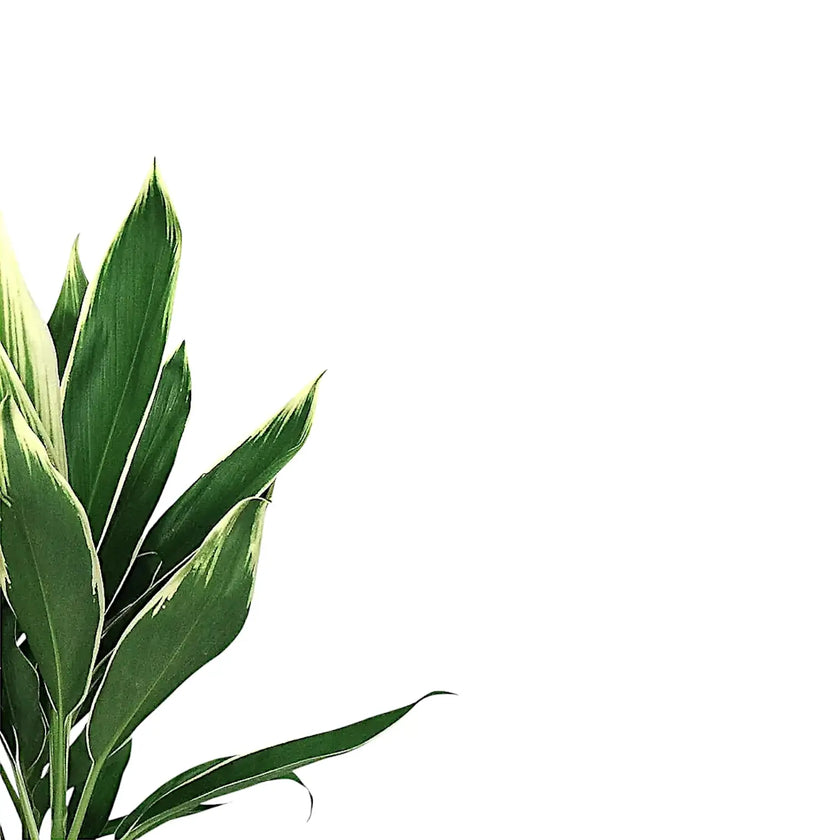
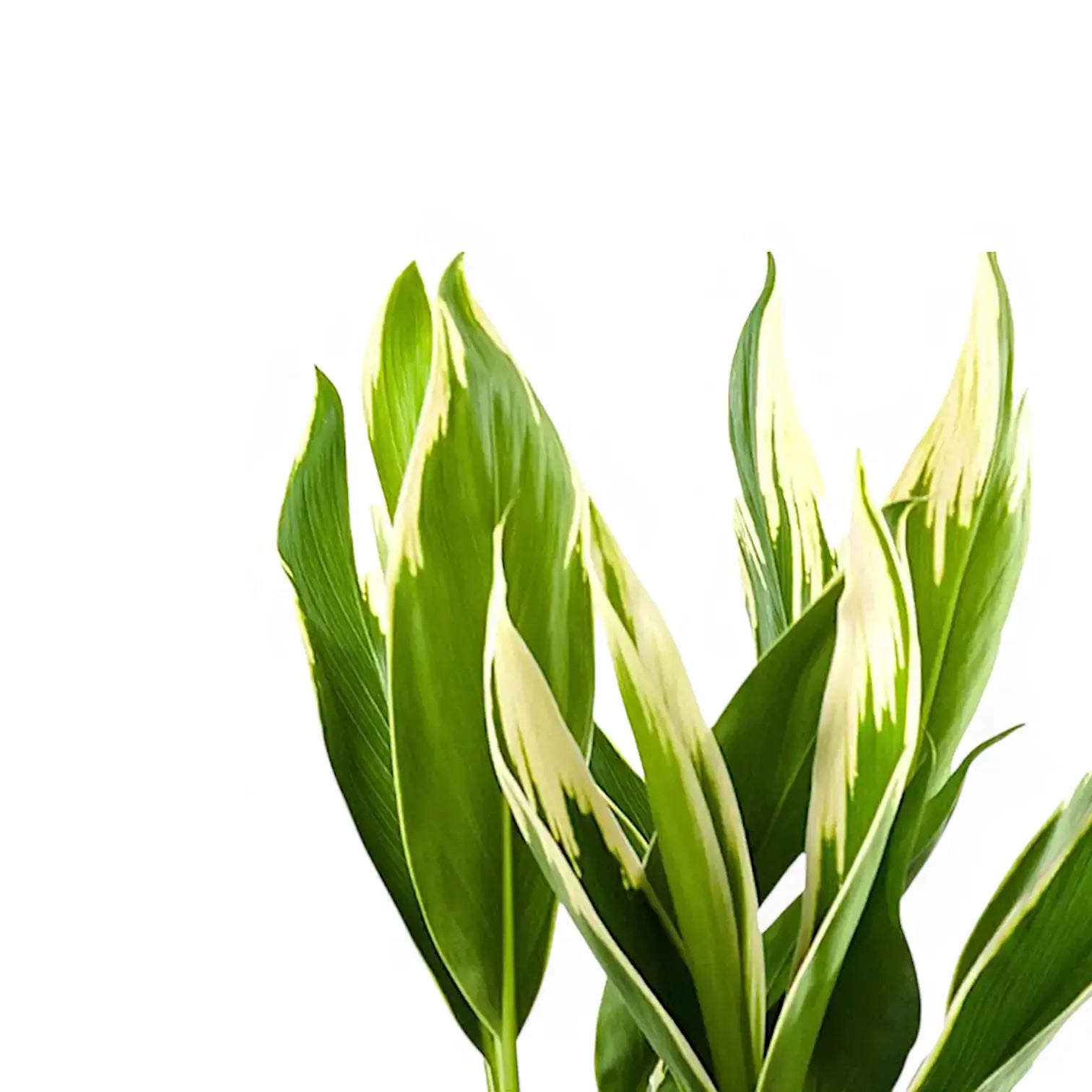
Cordyline fruticosa New Conga white and green variegated leavs on white background

Sort by:

Filters

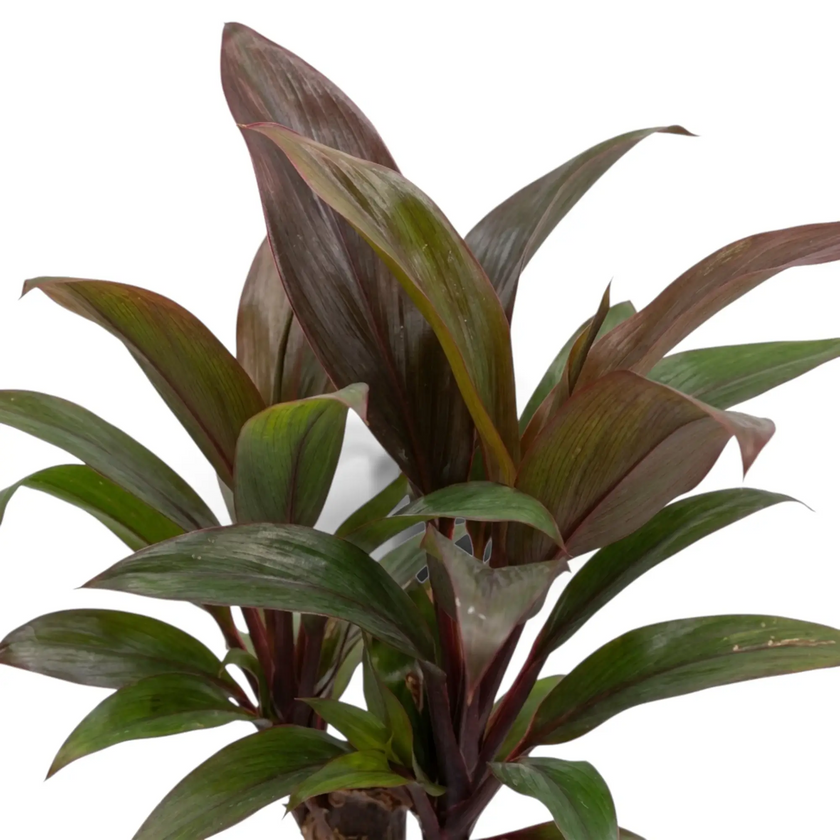
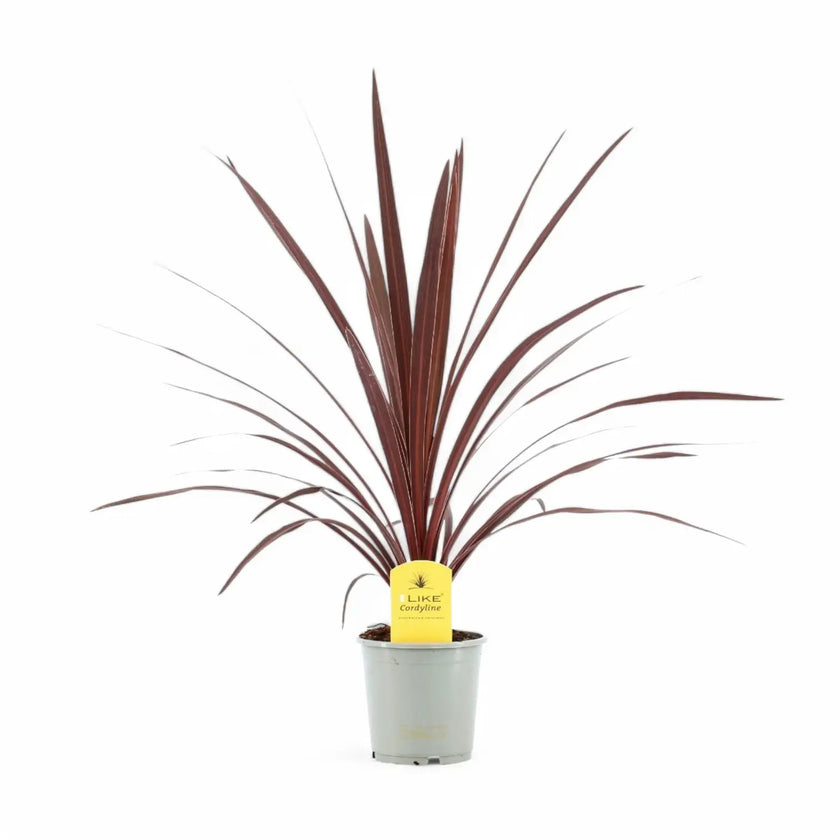
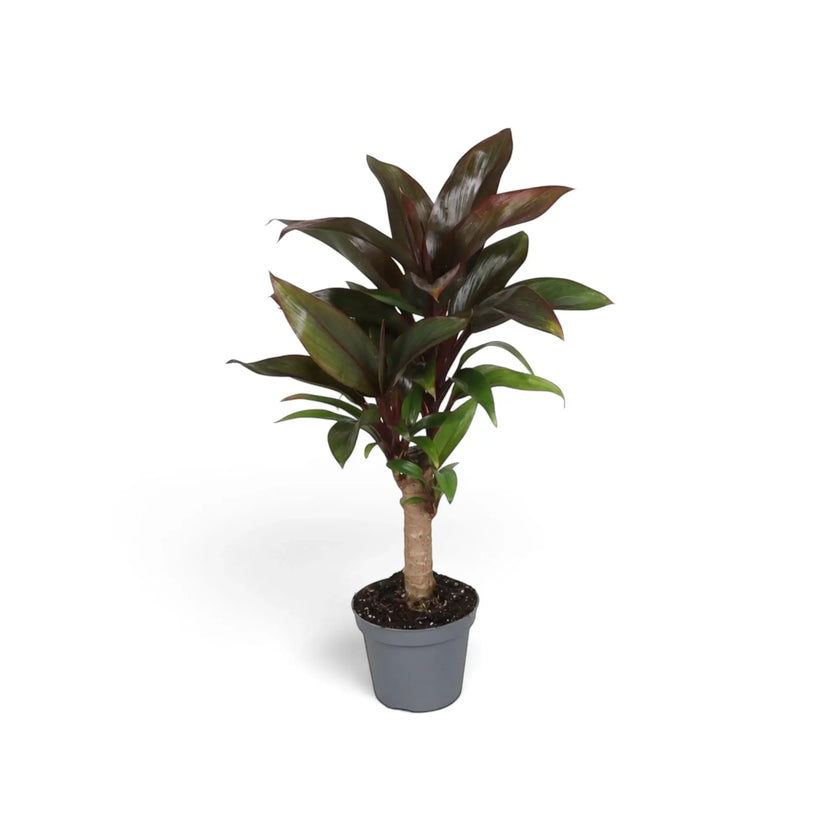
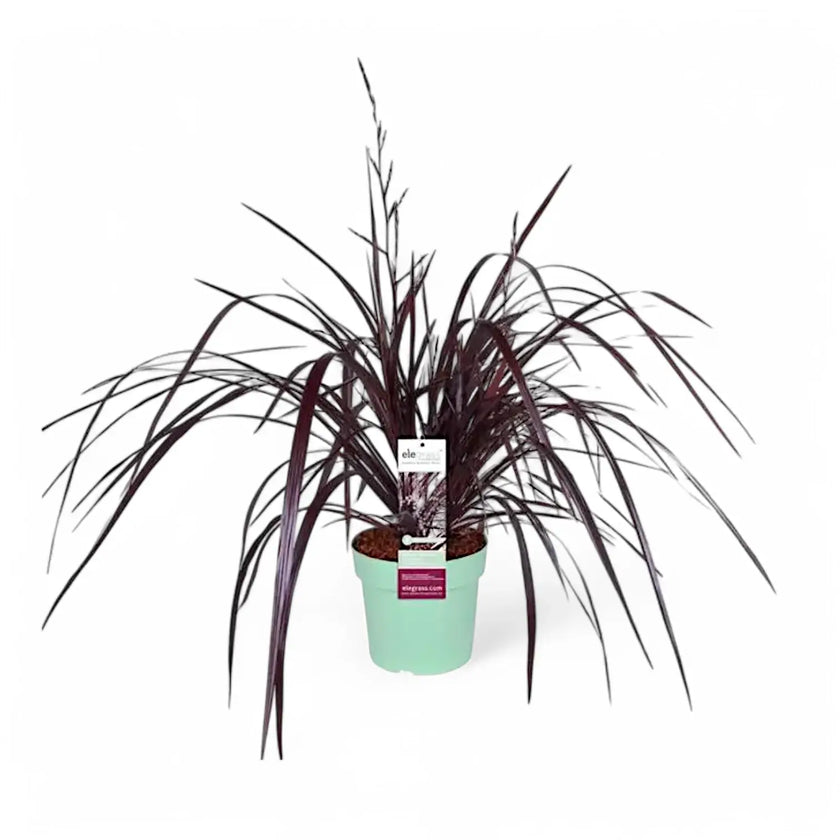
Cordyline australis potted plant in nursery pot on white background.
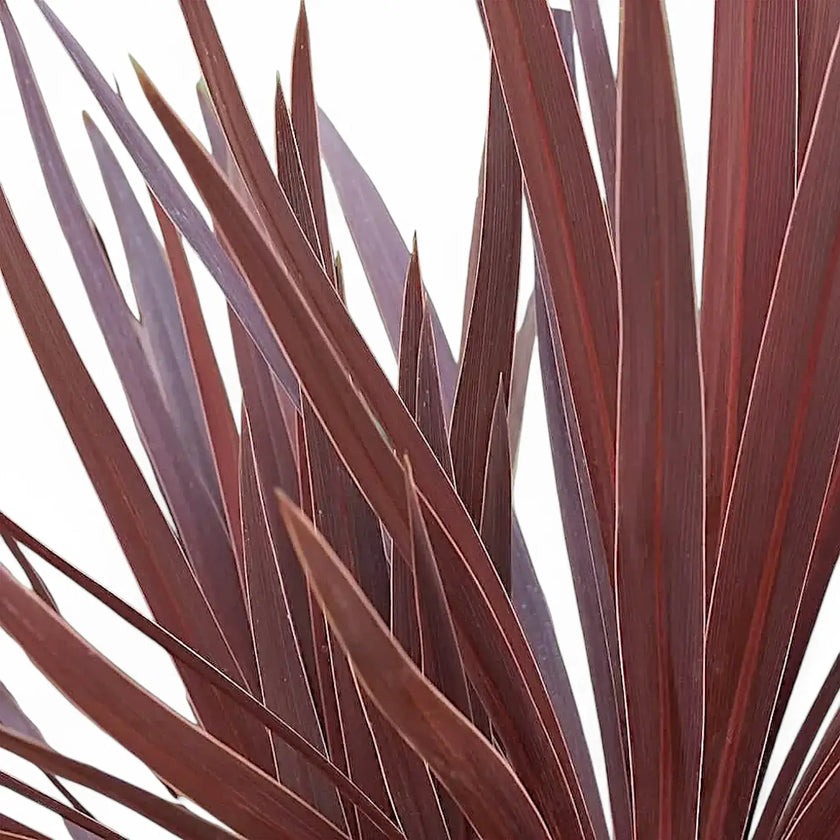
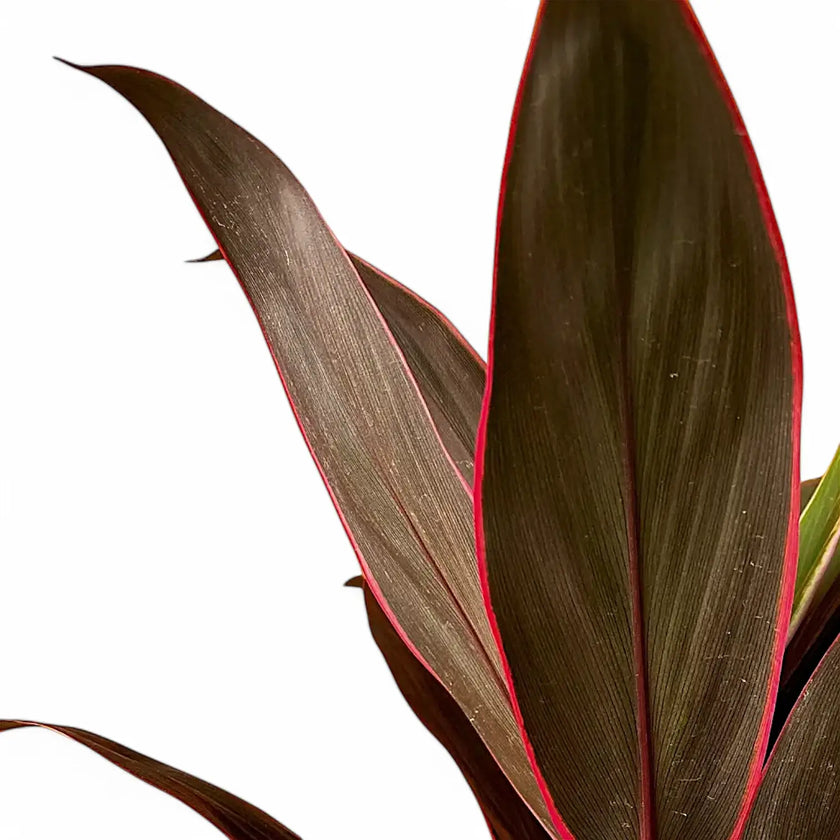
Cordyline australis 'Red Star' close-up of leaf on white background.
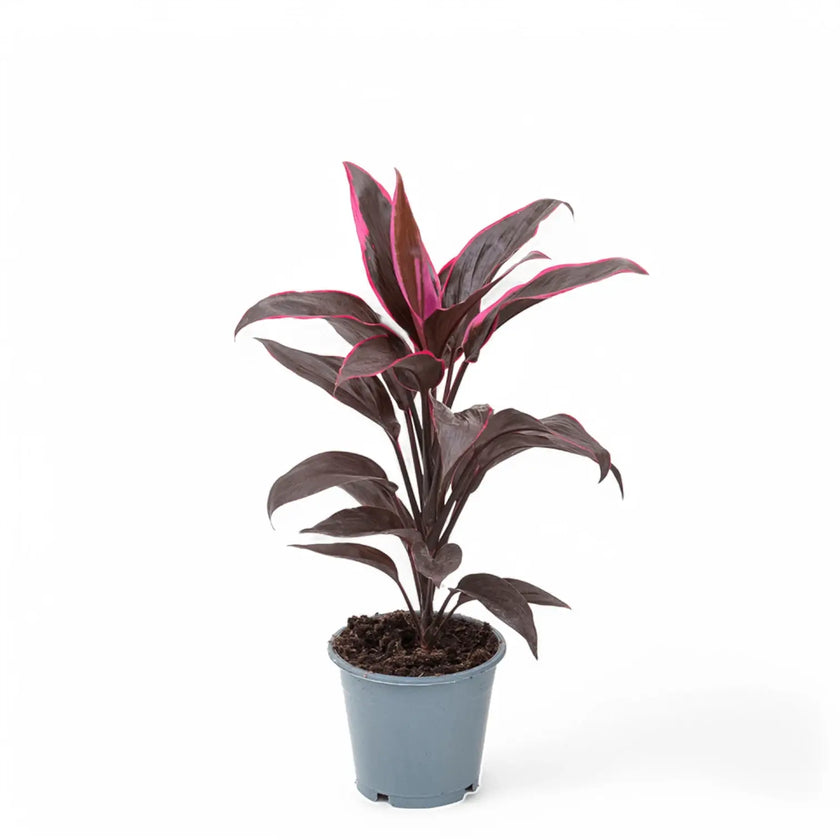
Cordyline australis 'Red Star' Regular price €45,50
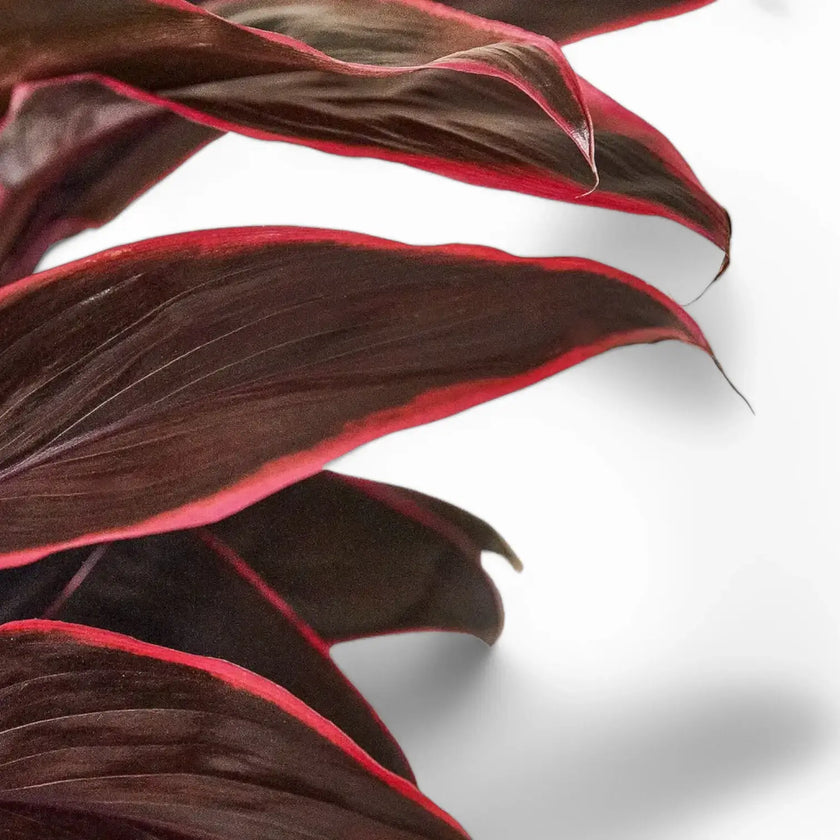
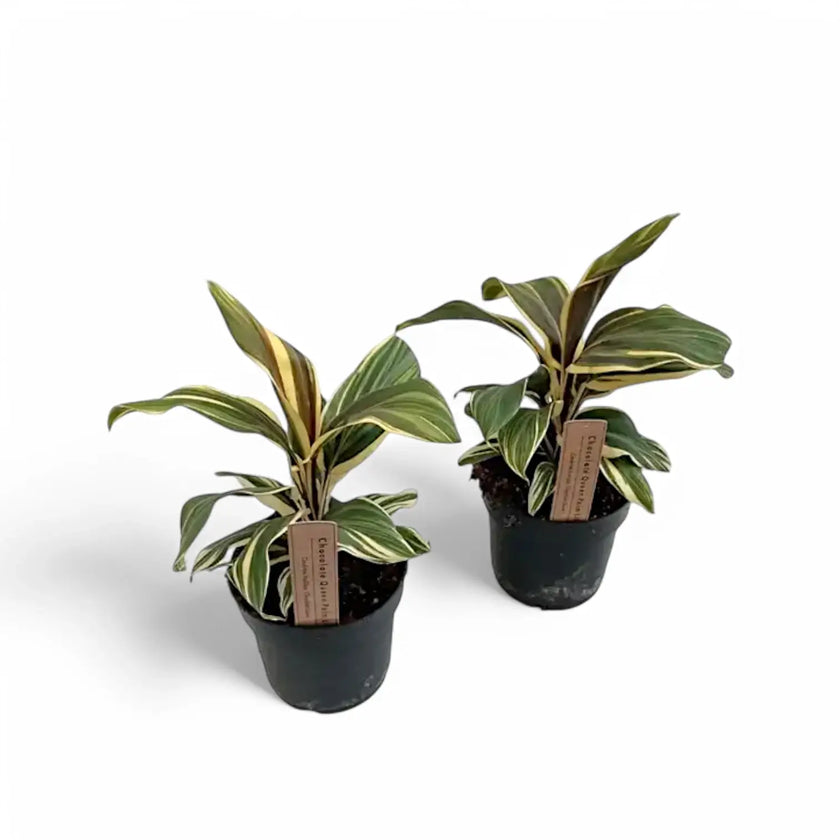
Cordyline fruticosa 'Chocolate Queen' close-up of leaf on white background.
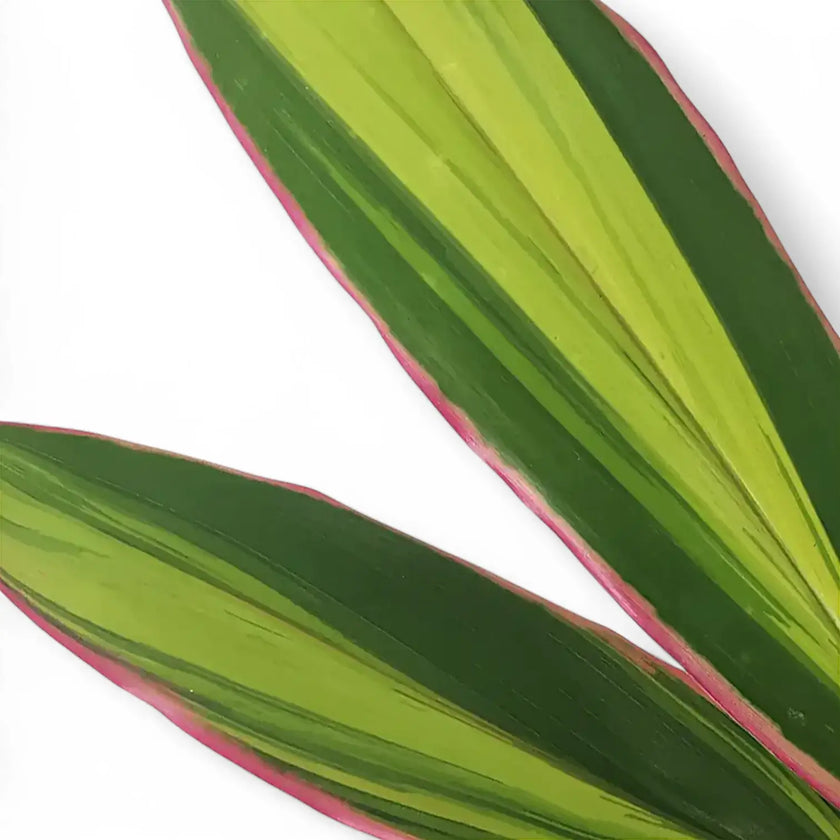
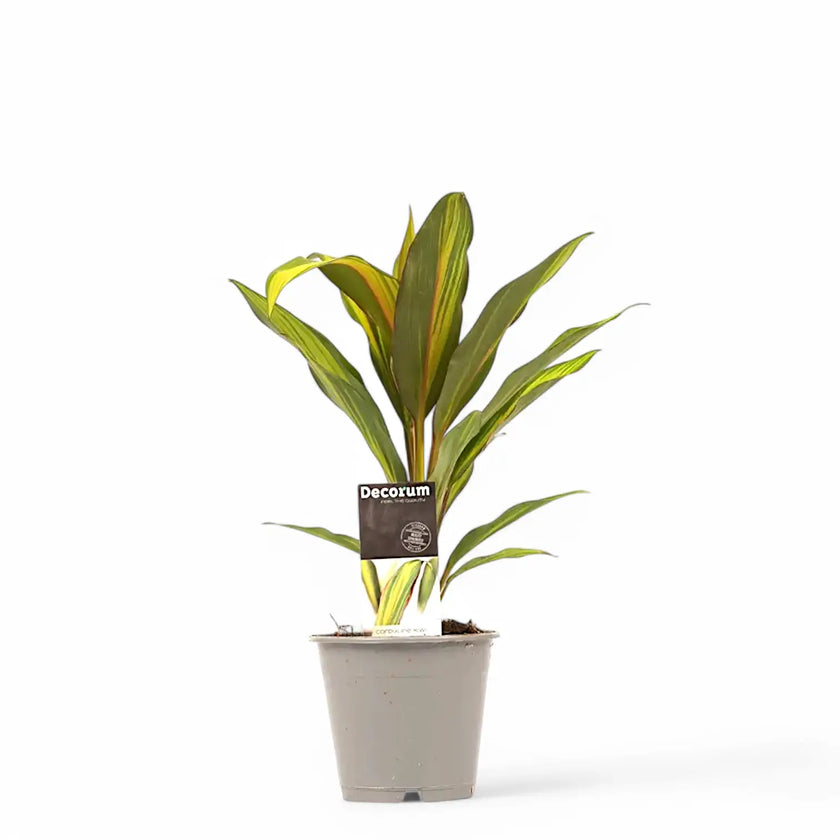
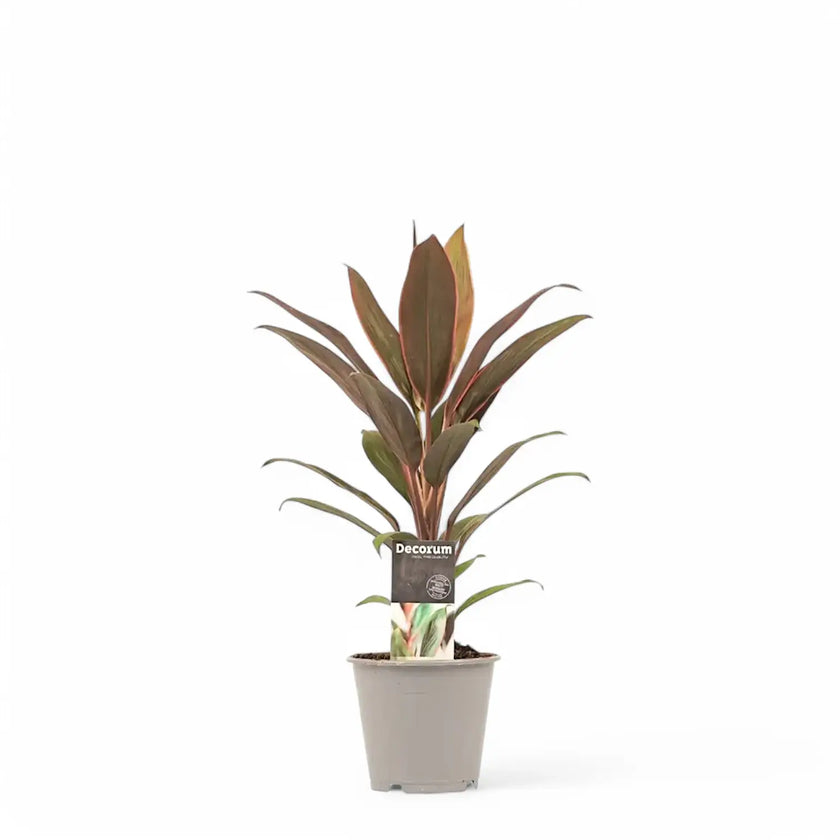
Cordyline fruticosa 'Conga' close-up of leaf on white background.
Cordyline fruticosa 'Glauca' leaf close-up on white background.
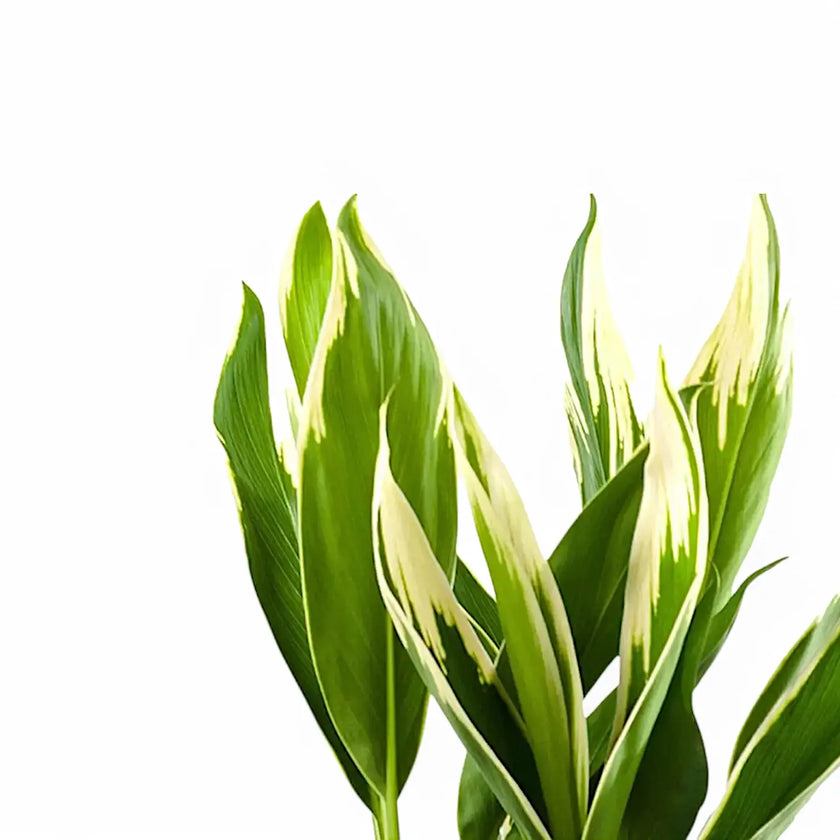
Cordyline fruticosa 'Kiwi' leaf detail on white background.
Cordyline fruticosa 'Mambo' leaf close-up on white background.
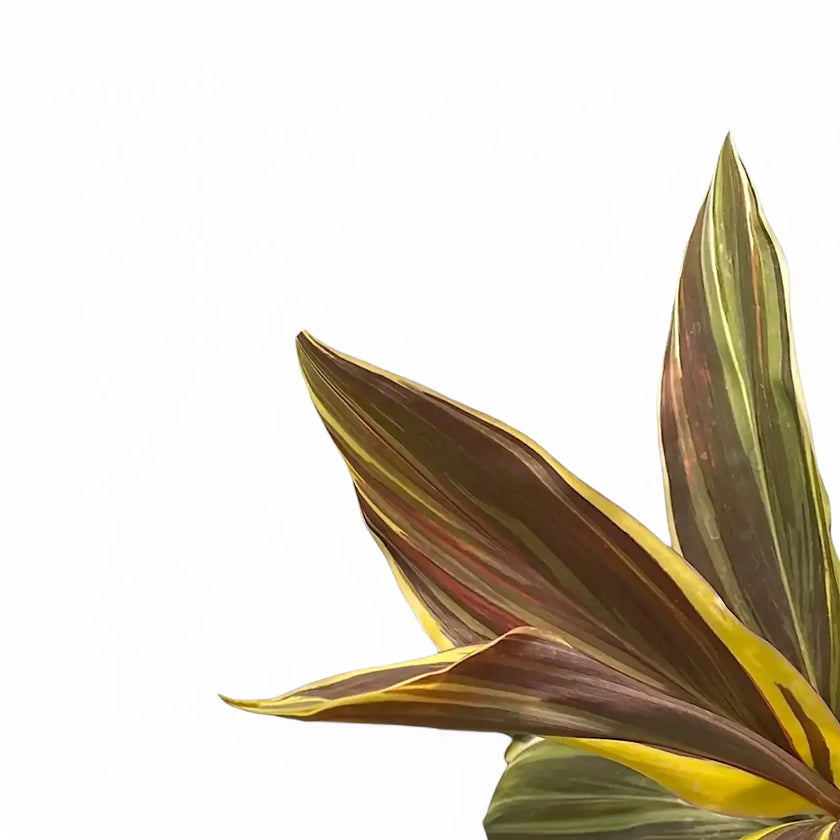
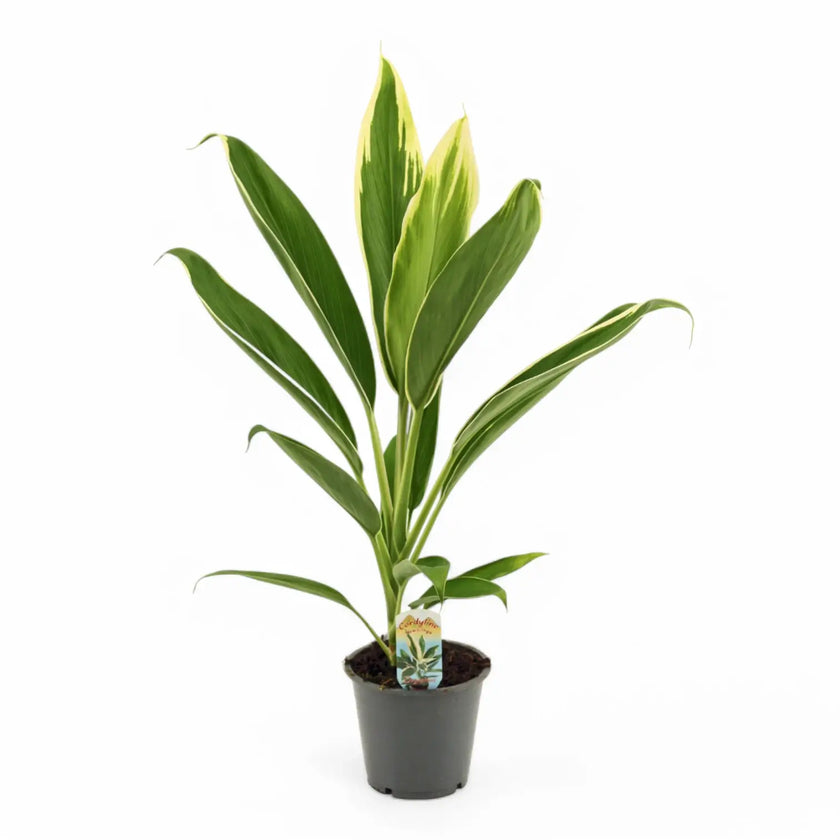
Cordyline fruticosa 'New Conga' leaf detail on white background.
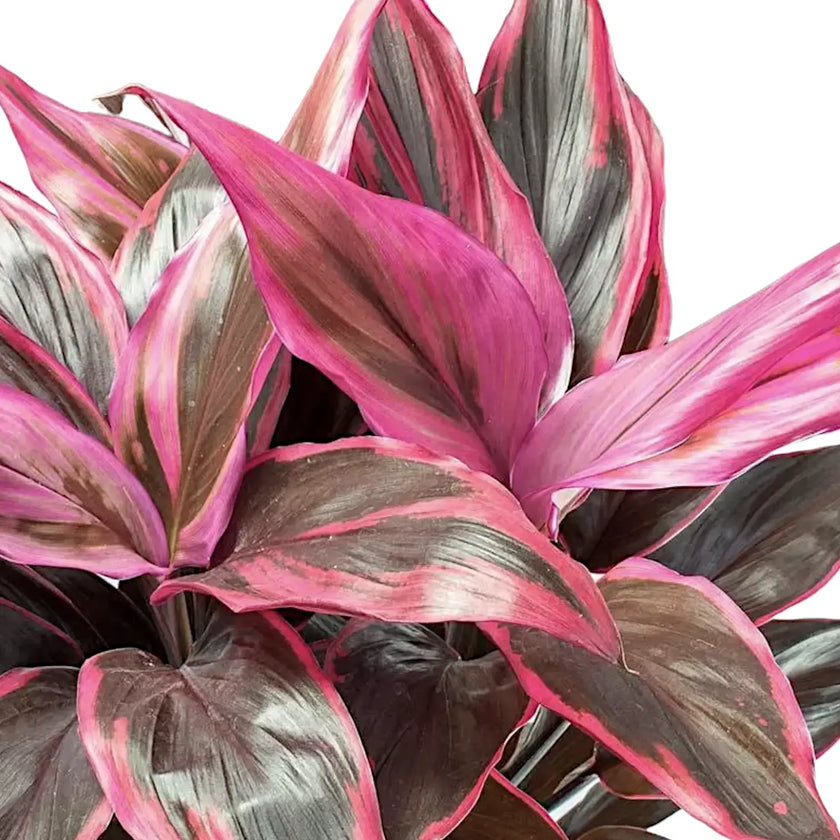
Cordyline fruticosa 'Pink Champion' close-up of leaf on white background.
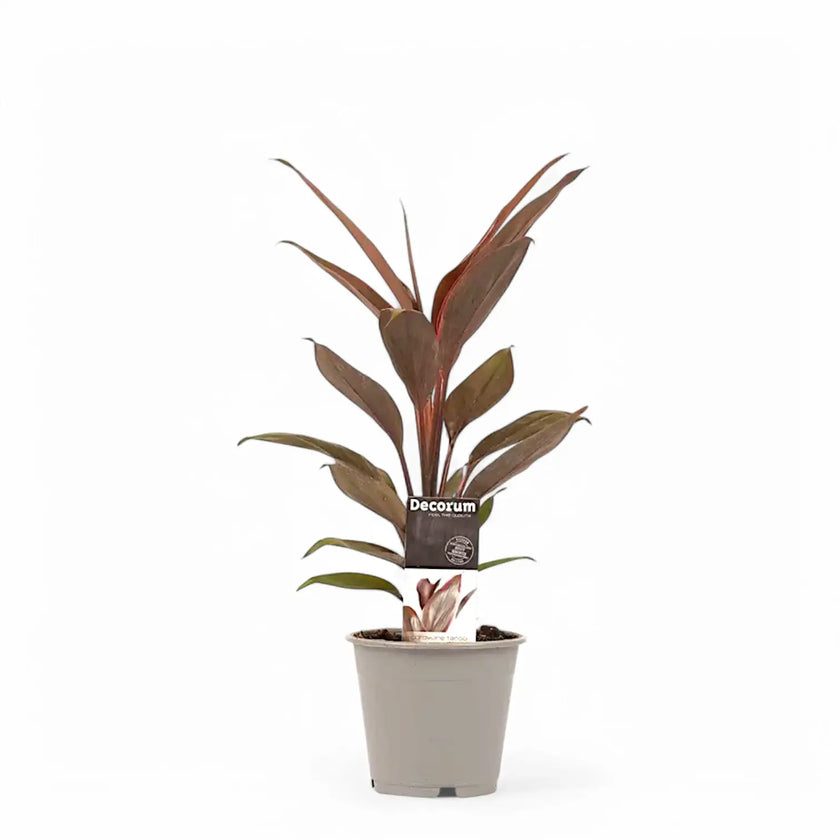
Cordyline fruticosa 'Purple Compacta' leaf close-up on white background.
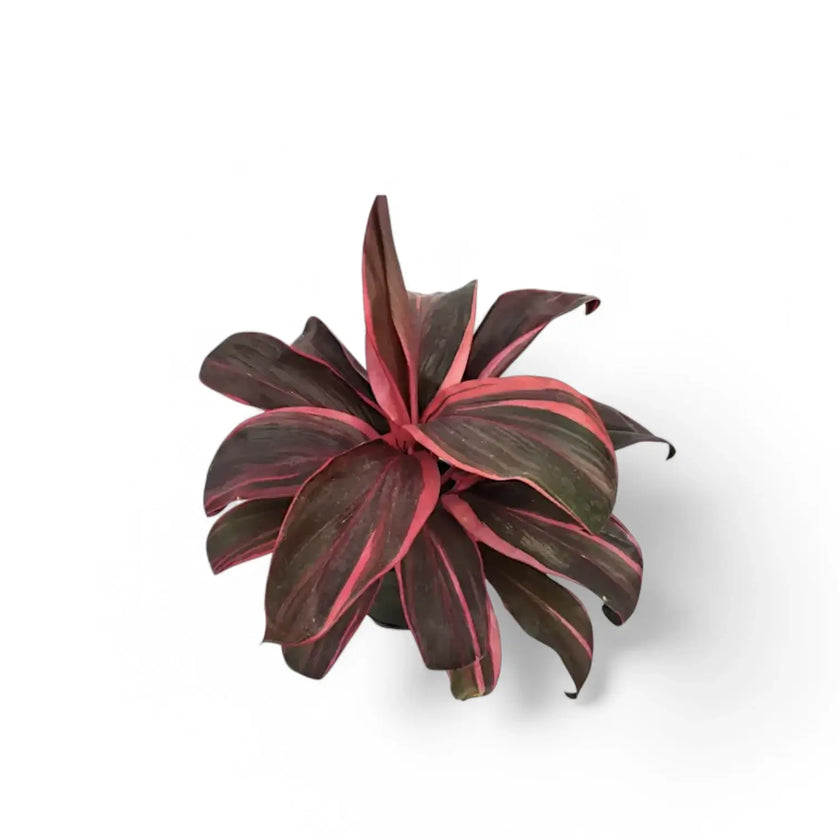
Cordyline fruticosa 'Purple Compacta' Regular price €10,75
Cordyline fruticosa 'Rumba' close-up of leaf on white background.
Cordyline fruticosa 'Tango' close-up of leaf on white background.
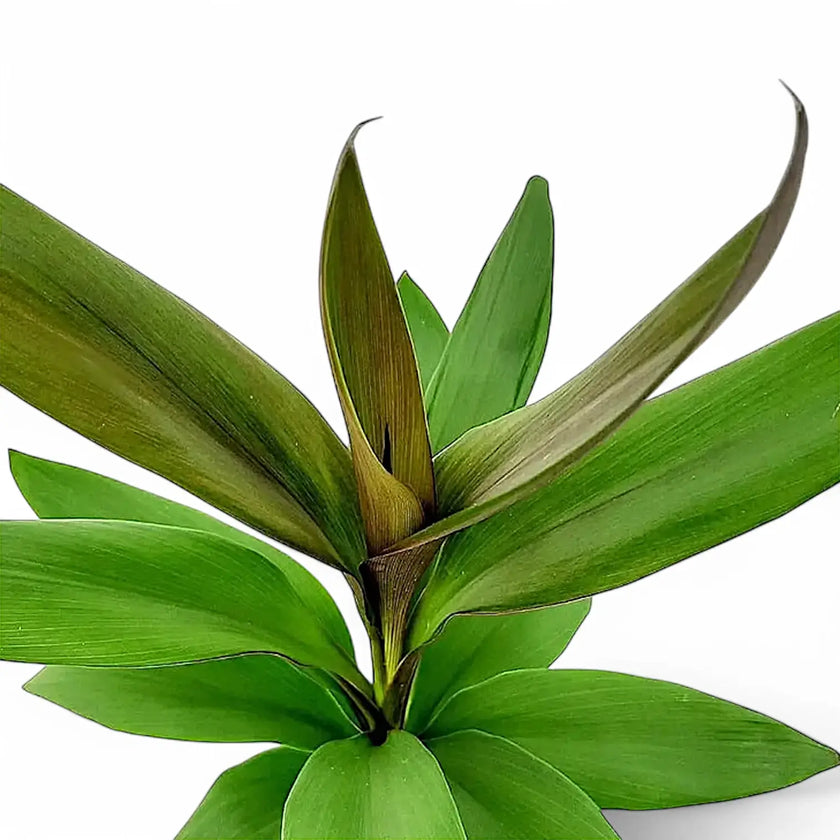
Cordyline obtecta 'Superstar' close-up of leaf on white background.
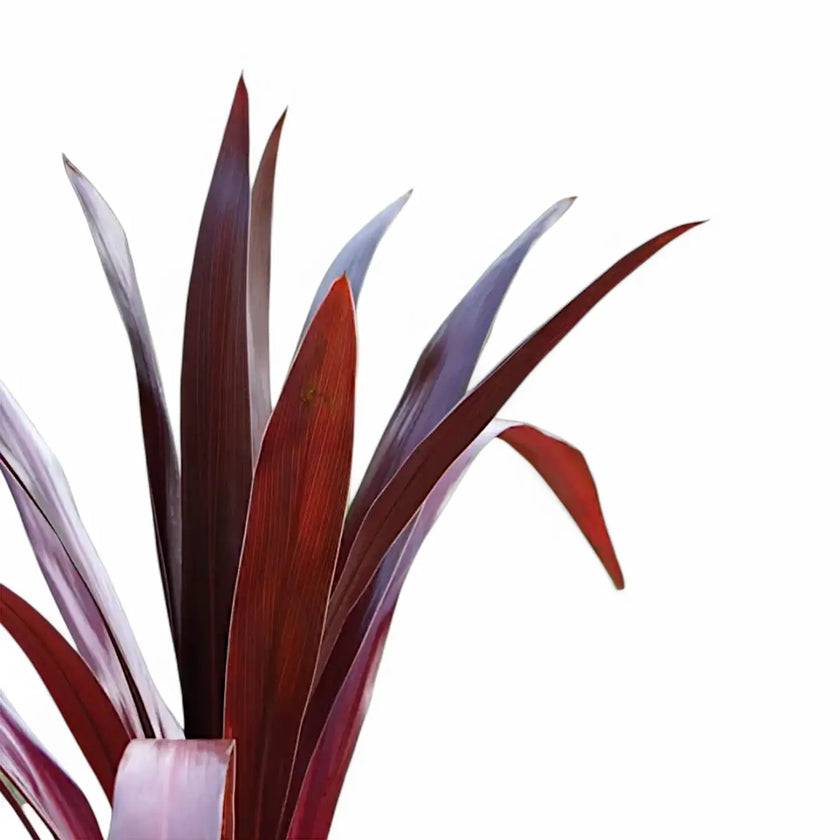
Cordyline x 'Festival Burgundy' close-up of leaf on white background.

Asparagaceae

Cordyline

Quick Overview

Cordyline (ti plant) - upright foliage cues

  • Habit: woody stem with spiralled, sword-like leaves; works as a columnar accent or foliage “tree” in bright positions.
  • Light: moderate to bright light; coloured and variegated forms need better light than plain green Cordyline.
  • Water: keep substrate slightly to moderately moist, letting just the top dry; long-term sogginess is worse than missing one watering.
  • Soil: prefers a rich but loose mix with good drainage so thick roots are not trapped in compacted compost.
  • Temperature: enjoys steady indoor warmth; cold draughts at root level increase leaf drop and tip burn.
  • Toxicity: some Cordyline are listed as toxic to pets; placement out of chewing range is safest.
Botanical Profile

Cordyline is an accepted genus in Asparagaceae. Indoor ti plants are usually cultivars of Cordyline fruticosa and related warm-climate species from Papuasia, the western Pacific and nearby regions, even though the genus as a whole has a broader native range.

Details & Care

Cordyline: upright colour and clean, architectural leaves

Cordyline forms slender trunks or canes topped with strap-like leaves, often with rich colour tones that read almost like living décor. It’s a strong choice for bright rooms where you want vertical structure without a sprawling footprint.

Cordyline prefers steady moisture and good drainage at the same time—so the mix needs to be airy, and watering needs to be thorough but not constant. Many Cordylines also react to mineral-heavy water, so keeping the routine consistent helps avoid leaf edge issues.

Light: Bright indirect light keeps growth strong and colour clearer. Too little light often leads to softer, looser growth.

Watering: Water when the upper part of the pot dries, then drain well. Avoid cycles of extreme drought followed by heavy soaking.

Substrate: Use a well-draining mix with structure. Dense, fine mixes can stay wet and stress roots.

Room conditions: Warmth and stable placement help. Cold drafts can cause sudden leaf drop or brown tips.

Maintenance: Older leaves naturally drop as the plant grows upward. Rotate occasionally for even growth.

Cordyline can be very rewarding once the basics are stable: bright light, even moisture, and fewer sudden changes. Leaf tips can brown if air is very dry or if water quality is harsh, so small tweaks often help more than major routine changes.

Water quality: If you see persistent tip browning, try softer water and avoid over-fertilising. Salt buildup can show up first at the leaf edges.

Care routine: Wipe leaves gently to keep light uptake strong. Remove the oldest leaves as they fade to keep the plant looking clean.

Frequently Asked Questions About Cordyline