Codiaeum (Croton)
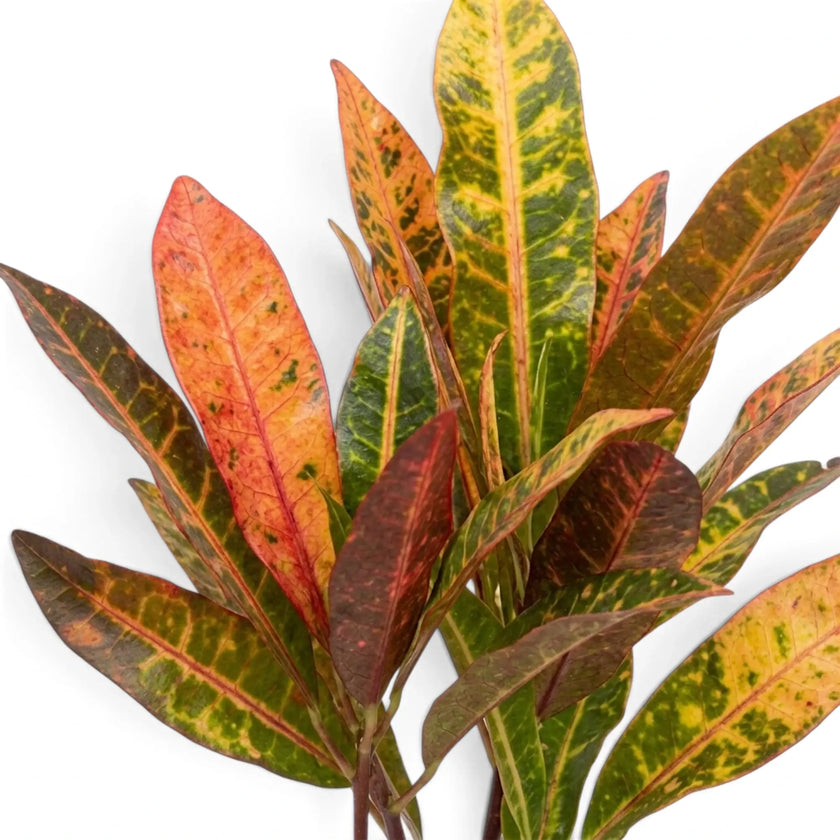
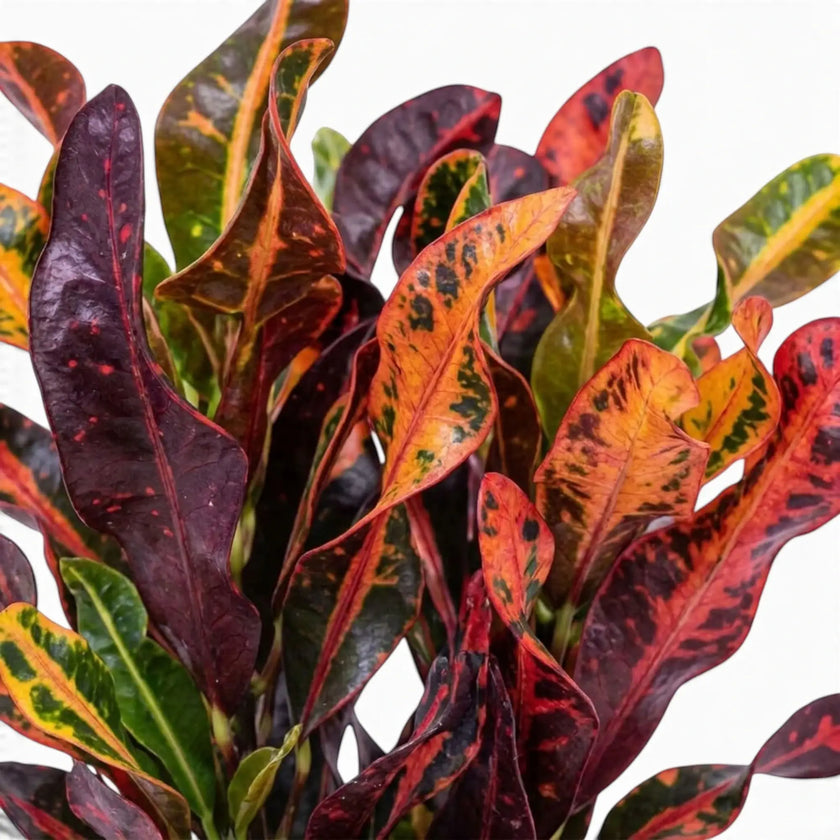
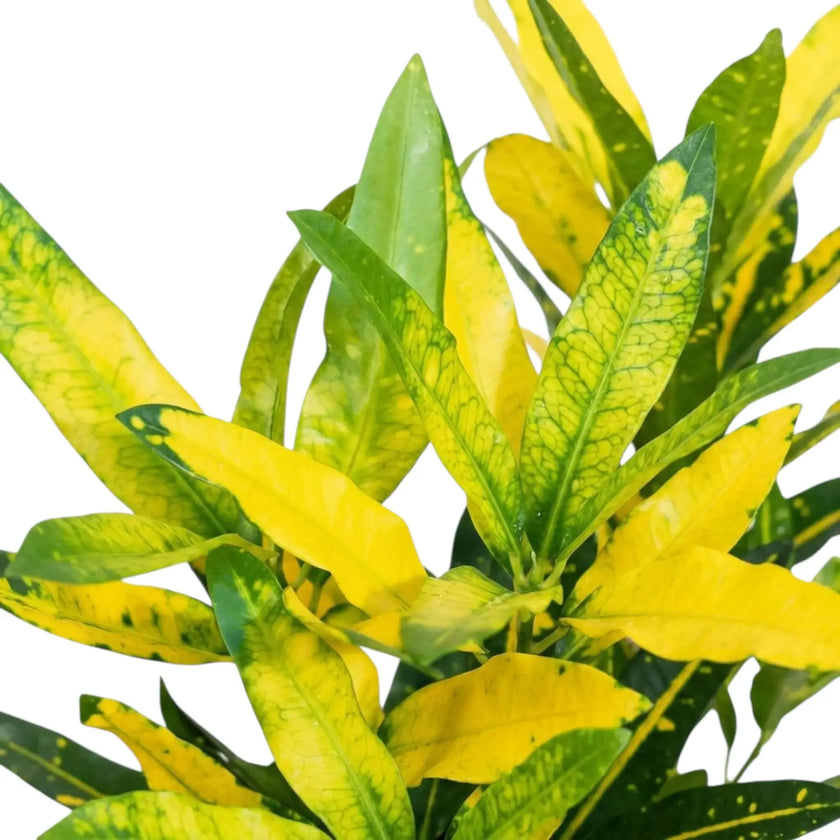
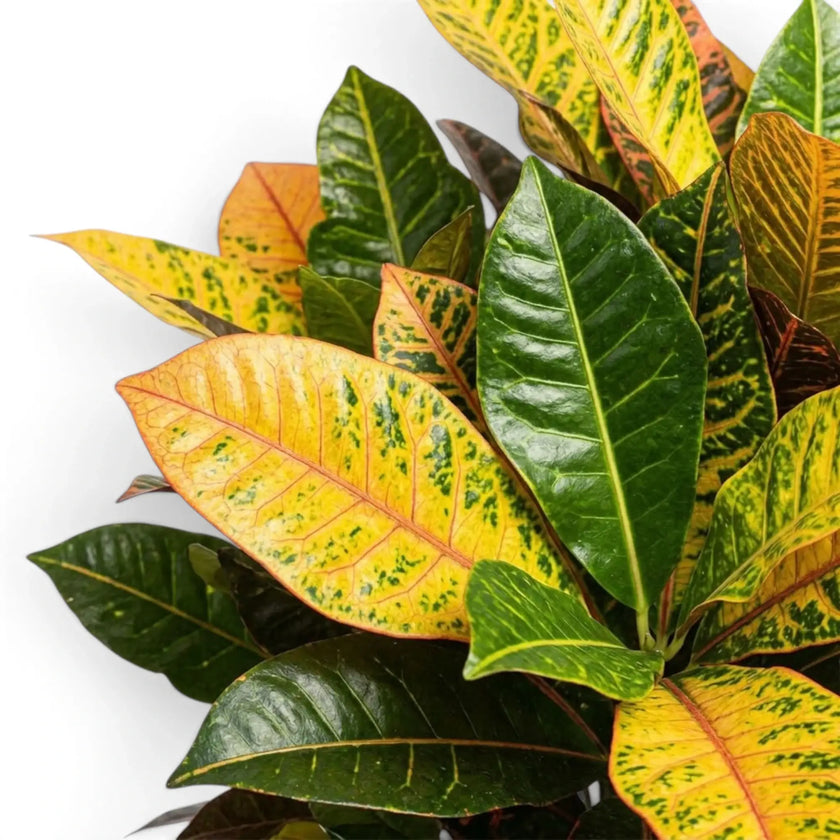
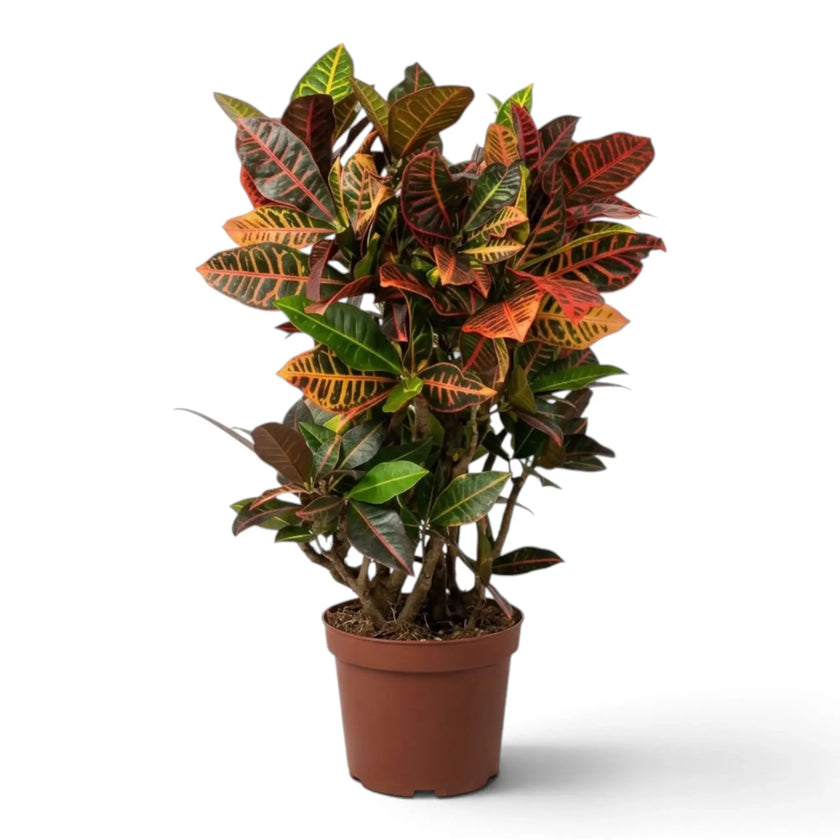
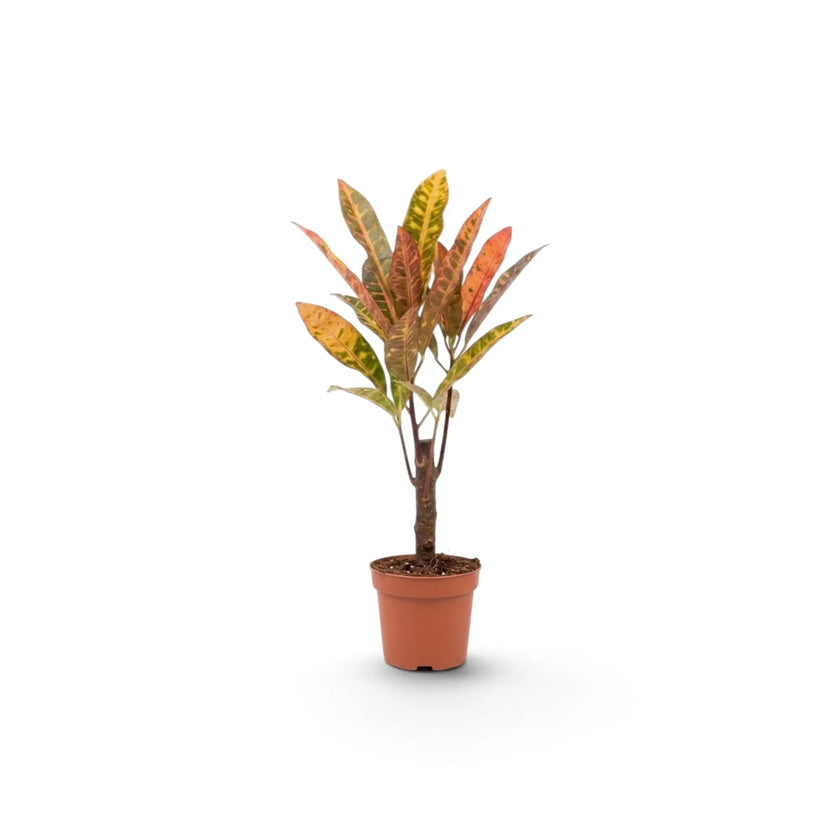
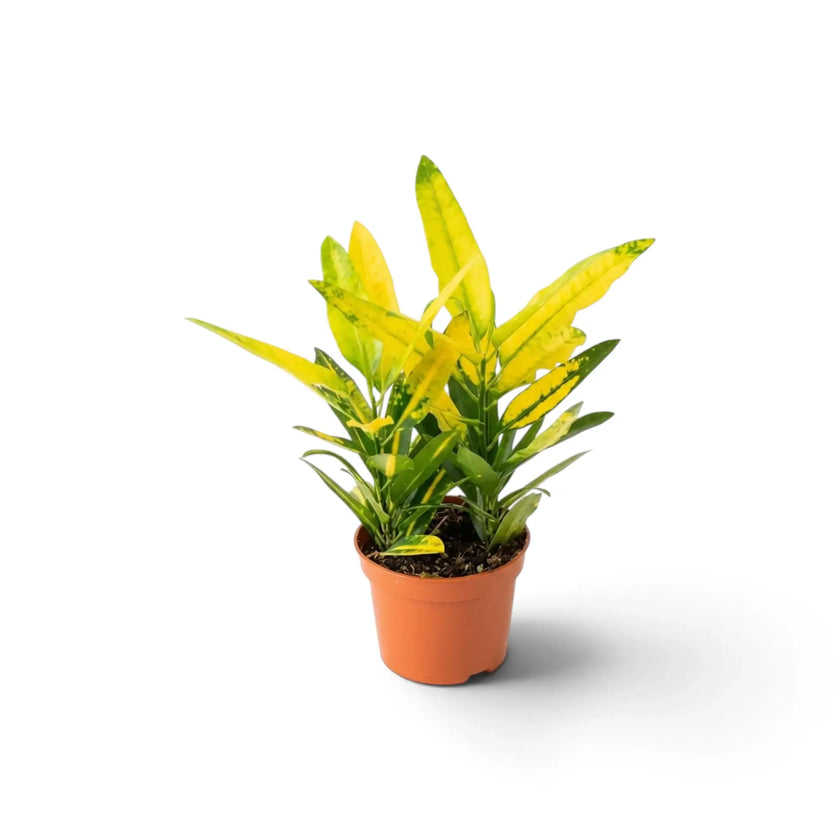
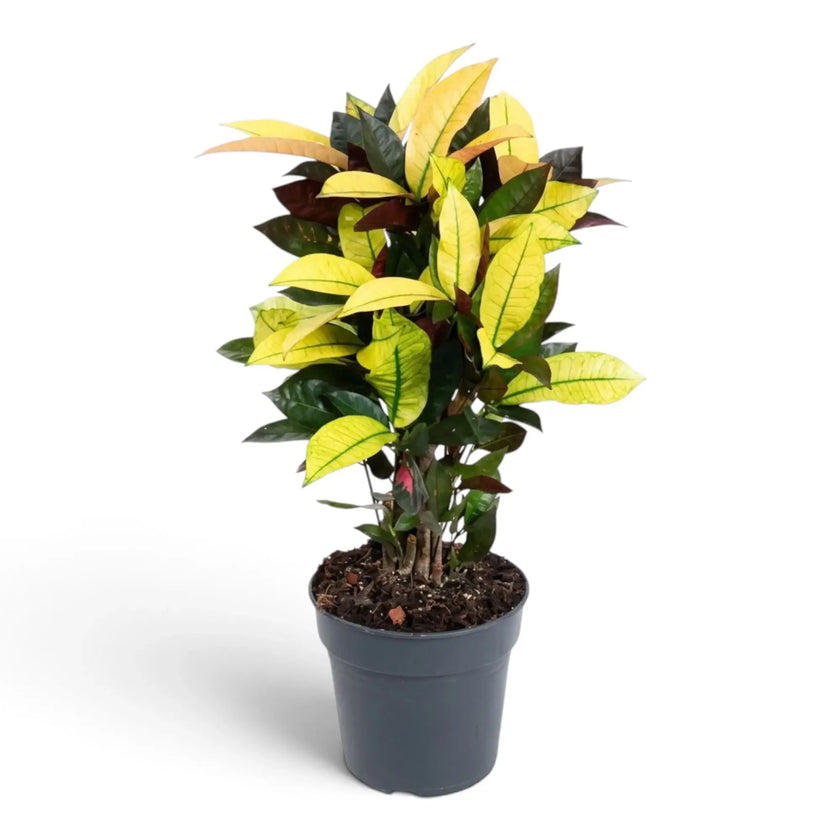
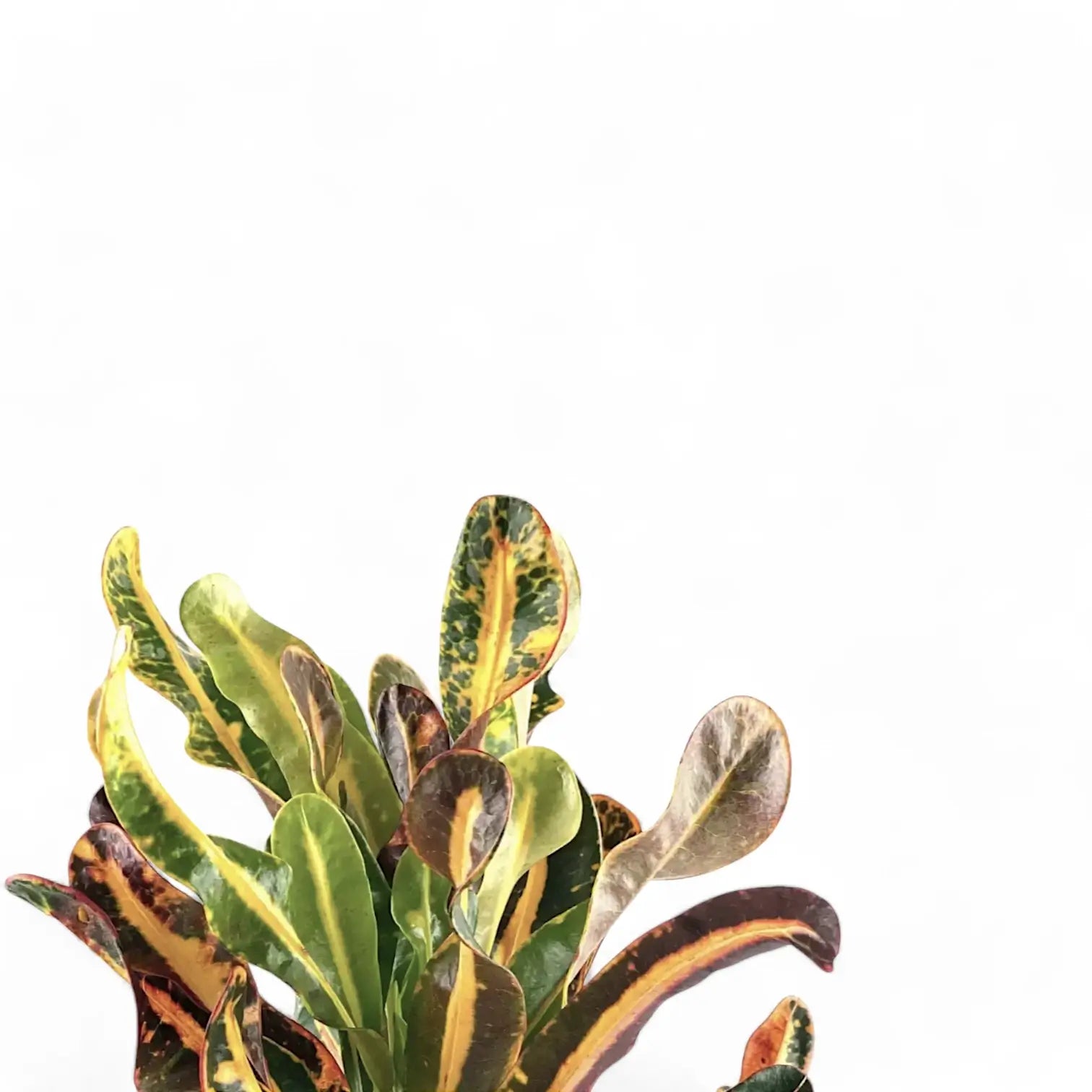
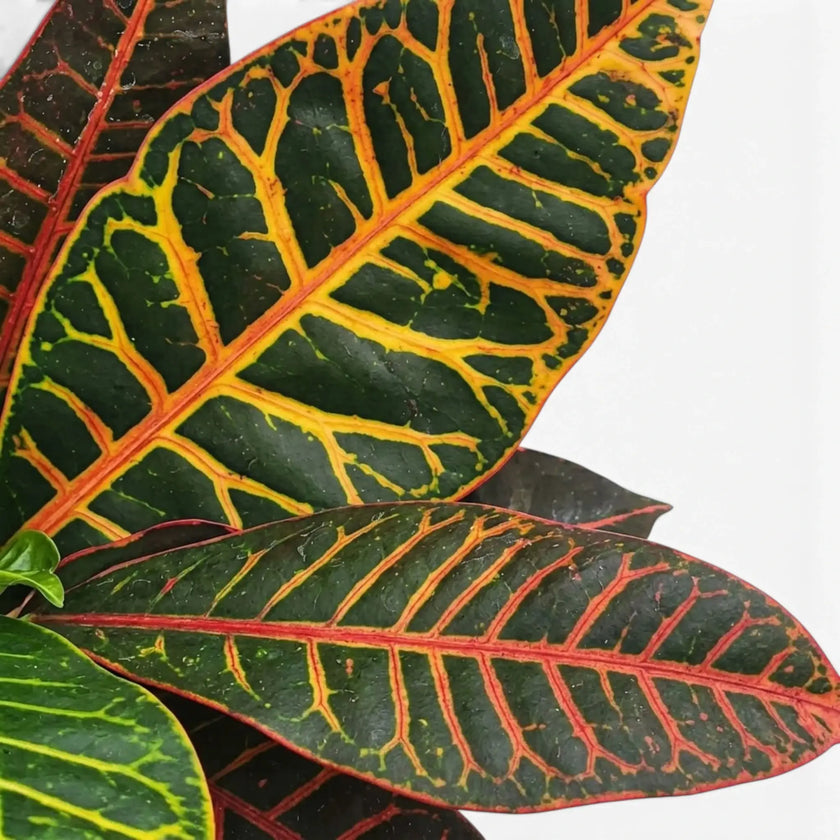
Croton, or Codiaeum variegatum, has brightly marked leaves in green, yellow, orange, red and burgundy. The cultivars include broad, narrow, twisted and lobed shapes on upright branching plants.

About Our Filters
Start with the light and space you can offer, then narrow by the plant’s shape or appearance. Check the individual product page for care and size details.
No filter options are available for this collection right now. Open a product to check its details.
Sort by:
Filters
Euphorbiaceae
Codiaeum (Croton)
Codiaeum variegatum comes from tropical Southeast Asia and the Pacific, where it grows as an evergreen shrub. Its leaves vary naturally in shape and colour, with a much wider range developed through cultivation.
New leaves on some cultivars emerge in lighter colours and deepen to orange, red or burgundy as they age. The plant's woody stems branch to form a taller crown over time.
Croton plants
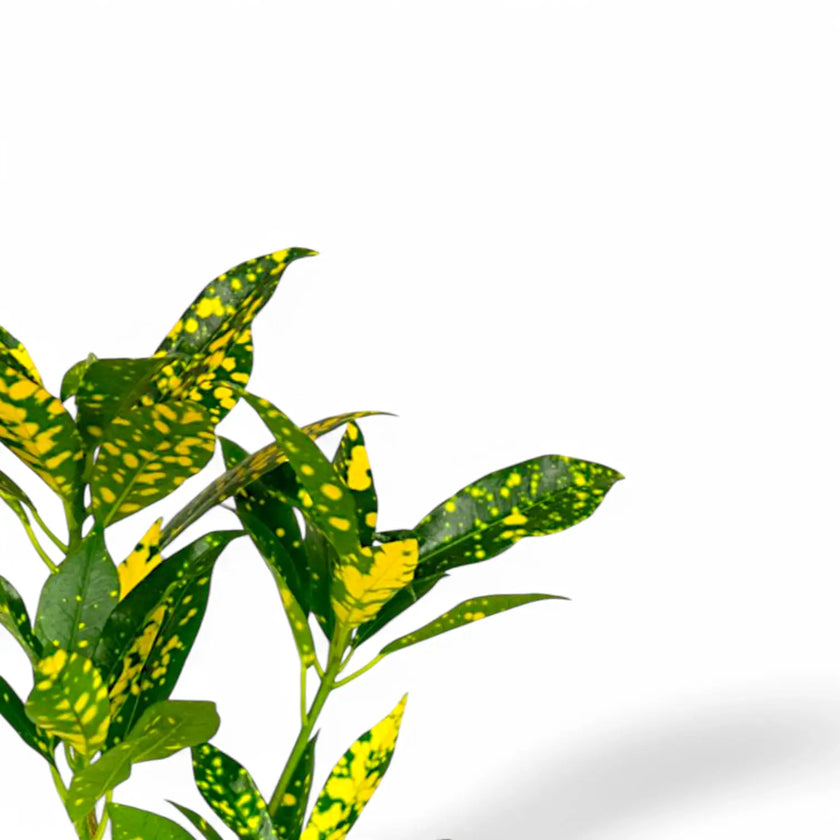
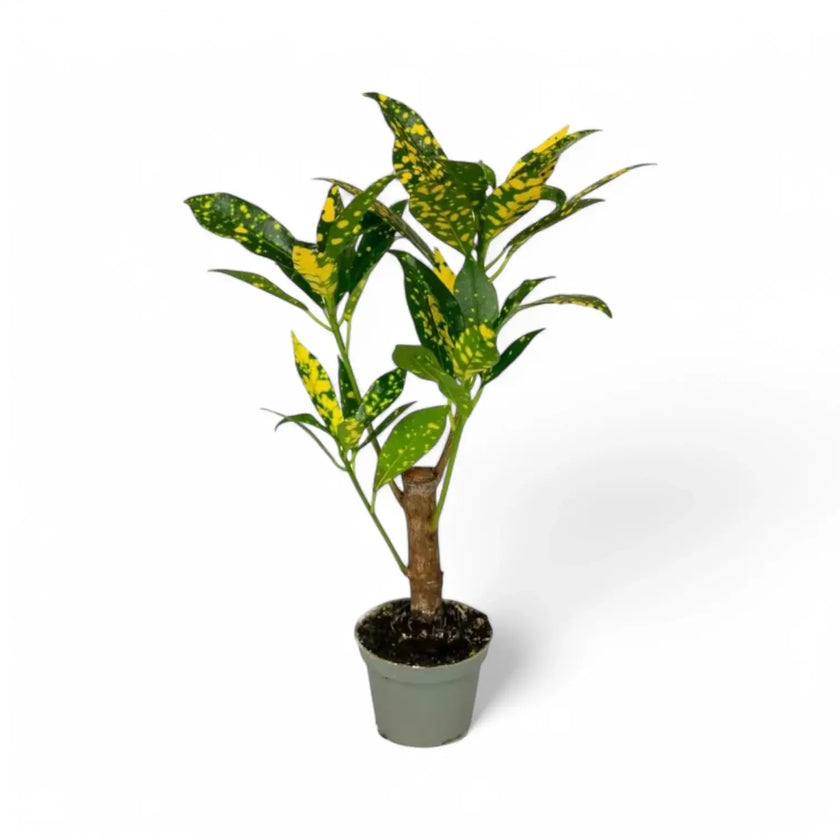
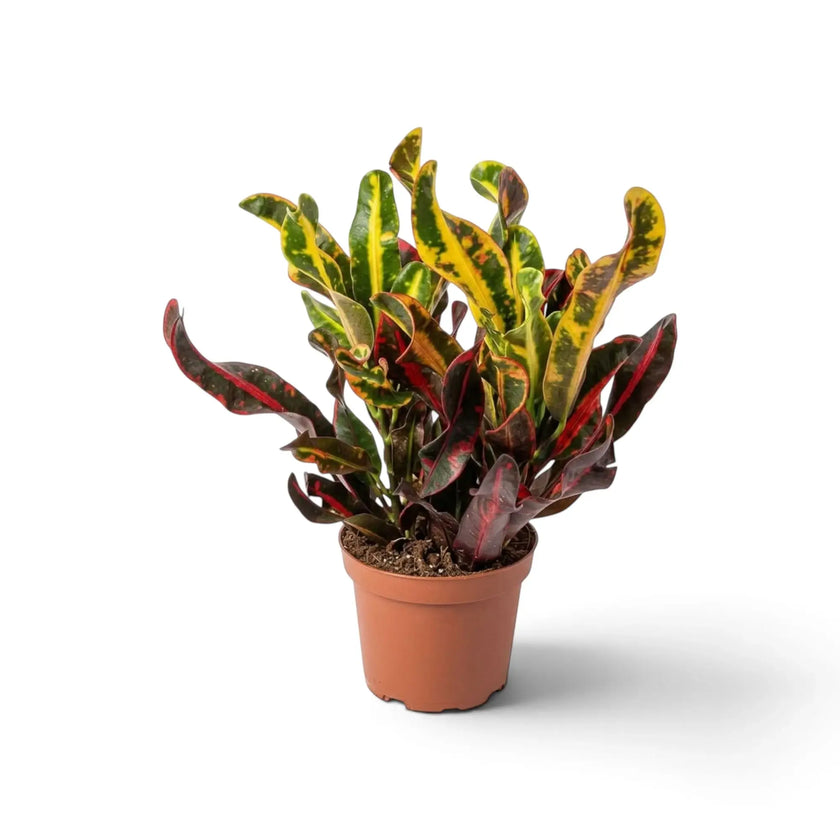
‘Petra’ develops broad leaves marked by bright veins, while ‘Mammi’ has long, twisting blades. ‘Mrs. Iceton’ changes through warm shades as its leaves mature; ‘Aucubaefolia’ has spotted foliage. The different forms remain recognisable even when their colours change with age.
Crotons gradually develop woody, branching stems and a leafy crown. A compact plant can become a substantial upright specimen with enough room and light. Very bright daylight, steady warmth and some gentle direct sun after acclimatisation encourage strong colour.
Water as the top of the growing medium begins to dry, keeping some moisture available around the roots. Sudden changes in light or temperature can cause leaf drop. Croton sap may irritate skin, and the plant is harmful to pets that chew foliage.
Botanical Profile
Codiaeum variegatum comes from tropical Southeast Asia and the Pacific, where it grows as an evergreen shrub. Its leaves vary naturally in shape and colour, with a much wider range developed through cultivation.
New leaves on some cultivars emerge in lighter colours and deepen to orange, red or burgundy as they age. The plant's woody stems branch to form a taller crown over time.
Details & Care
Croton plants
‘Petra’ develops broad leaves marked by bright veins, while ‘Mammi’ has long, twisting blades. ‘Mrs. Iceton’ changes through warm shades as its leaves mature; ‘Aucubaefolia’ has spotted foliage. The different forms remain recognisable even when their colours change with age.
Crotons gradually develop woody, branching stems and a leafy crown. A compact plant can become a substantial upright specimen with enough room and light. Very bright daylight, steady warmth and some gentle direct sun after acclimatisation encourage strong colour.
Water as the top of the growing medium begins to dry, keeping some moisture available around the roots. Sudden changes in light or temperature can cause leaf drop. Croton sap may irritate skin, and the plant is harmful to pets that chew foliage.
Frequently Asked Questions About Codiaeum Croton
What light keeps croton leaves colourful?
Crotons develop their colour well in very bright daylight. Some gentle direct sun can be useful after gradual acclimatisation, especially for richly patterned cultivars.
Can Crotons grow near a sunny window?
A bright window with some direct sun is suitable for many established crotons. Introduce intense midday exposure gradually to protect leaves that developed in filtered light.
How should I water an indoor croton?
Water when the upper potting mix begins to dry, while some moisture remains deeper around the roots. Keep the container freely draining, especially during cooler periods of slower growth.
Why has my croton dropped leaves after being moved?
Changes in light, temperature or root moisture can lead to leaf drop. Provide steady warmth, check the medium and allow the plant to adjust to its new position.
Are croton plants safe for cats and dogs?
Codiaeum variegatum is harmful if eaten and its sap may irritate skin. Keep its leaves and cut stems away from pets and children who might handle or chew them.