Anoectochilus
Anoectochilus jewel orchids have dark, velvety leaves crossed by fine gold, copper or silver veins. Their low, creeping growth makes the delicate leaf patterns easy to appreciate close up.

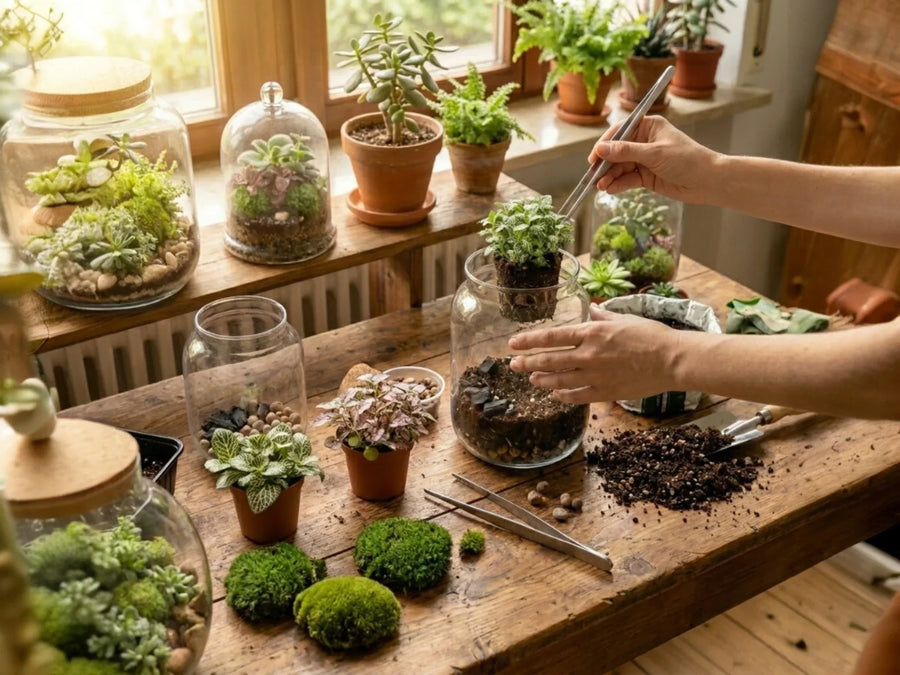
Terrarium setup
Match the enclosure to the plant
About Our Filters
Start with the light and space you can offer, then narrow by the plant’s shape or appearance. Check the individual product page for care and size details.
No filter options are available for this collection right now. Open a product to check its details.
Sort by:
Filters
Orchidaceae
Anoectochilus
Anoectochilus grows among fallen leaves and moss on humid Asian forest floors. Its slender stems creep across the surface, with fine roots taking hold in the damp organic layer beneath.
Anoectochilus jewel orchids
Anoectochilus roxburghii ‘Gold Bar’ has fine golden markings, while ‘Dreamcatcher’ develops its own network of veins on darker foliage. Anoectochilus albolineatus and its ‘White Center’ form offer pale leaf patterns. Most remain low to the growing medium, with fresh leaves appearing along short stems.
These forest-floor orchids appreciate gentle indirect daylight, stable warmth and humid air. A fine, airy mix that stays lightly moist around the roots is important. A ventilated terrarium or plant cabinet can provide the more consistent humidity that delicate species enjoy.
The velvety leaf surface marks easily when rubbed. Handle the leaves gently, and give the small stems room to spread along the potting surface.

Botanical Profile
Anoectochilus grows among fallen leaves and moss on humid Asian forest floors. Its slender stems creep across the surface, with fine roots taking hold in the damp organic layer beneath.
Details & Care
Anoectochilus jewel orchids
Anoectochilus roxburghii ‘Gold Bar’ has fine golden markings, while ‘Dreamcatcher’ develops its own network of veins on darker foliage. Anoectochilus albolineatus and its ‘White Center’ form offer pale leaf patterns. Most remain low to the growing medium, with fresh leaves appearing along short stems.
These forest-floor orchids appreciate gentle indirect daylight, stable warmth and humid air. A fine, airy mix that stays lightly moist around the roots is important. A ventilated terrarium or plant cabinet can provide the more consistent humidity that delicate species enjoy.
The velvety leaf surface marks easily when rubbed. Handle the leaves gently, and give the small stems room to spread along the potting surface.
Frequently Asked Questions About Anoectochilus
What makes Anoectochilus a jewel orchid?
Its dark, velvety leaves carry fine silver, gold or copper veins. The low, creeping plant is grown mainly for these detailed patterns.
Are Anoectochilus grown mainly for leaves or flowers?
The leaves are the main attraction. Anoectochilus can flower, but its foliage provides most of the colour and interest throughout the year.
How should I water Anoectochilus indoors?
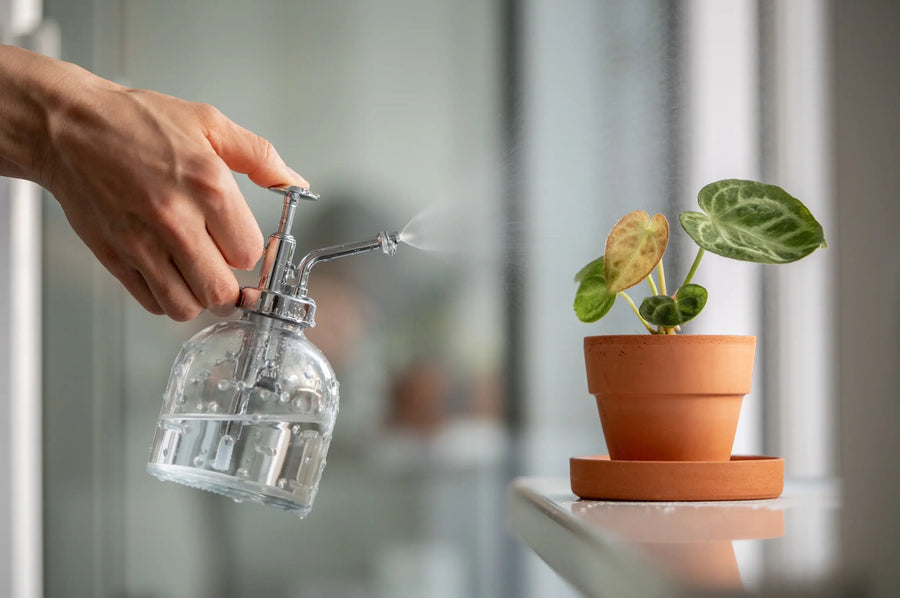
Anoectochilus has fine roots that need a lightly moist, airy mix. Water when the mix starts to dry just beneath the surface, before the root area becomes dry. If the pot is still heavy and wet, check again later. Let excess water drain after watering.
Does Anoectochilus grow well in a terrarium?
A ventilated terrarium or cabinet can provide warm air and steady humidity for these delicate forest-floor orchids. Keep the growing medium lightly moist and allow gentle airflow.
What light does Anoectochilus need?
Gentle indirect daylight is suitable for many Anoectochilus. Strong sun can damage the thin, velvety leaves, while very dim conditions can slow new growth.