Variegation
The Science and Allure of Black-Leaved Plants
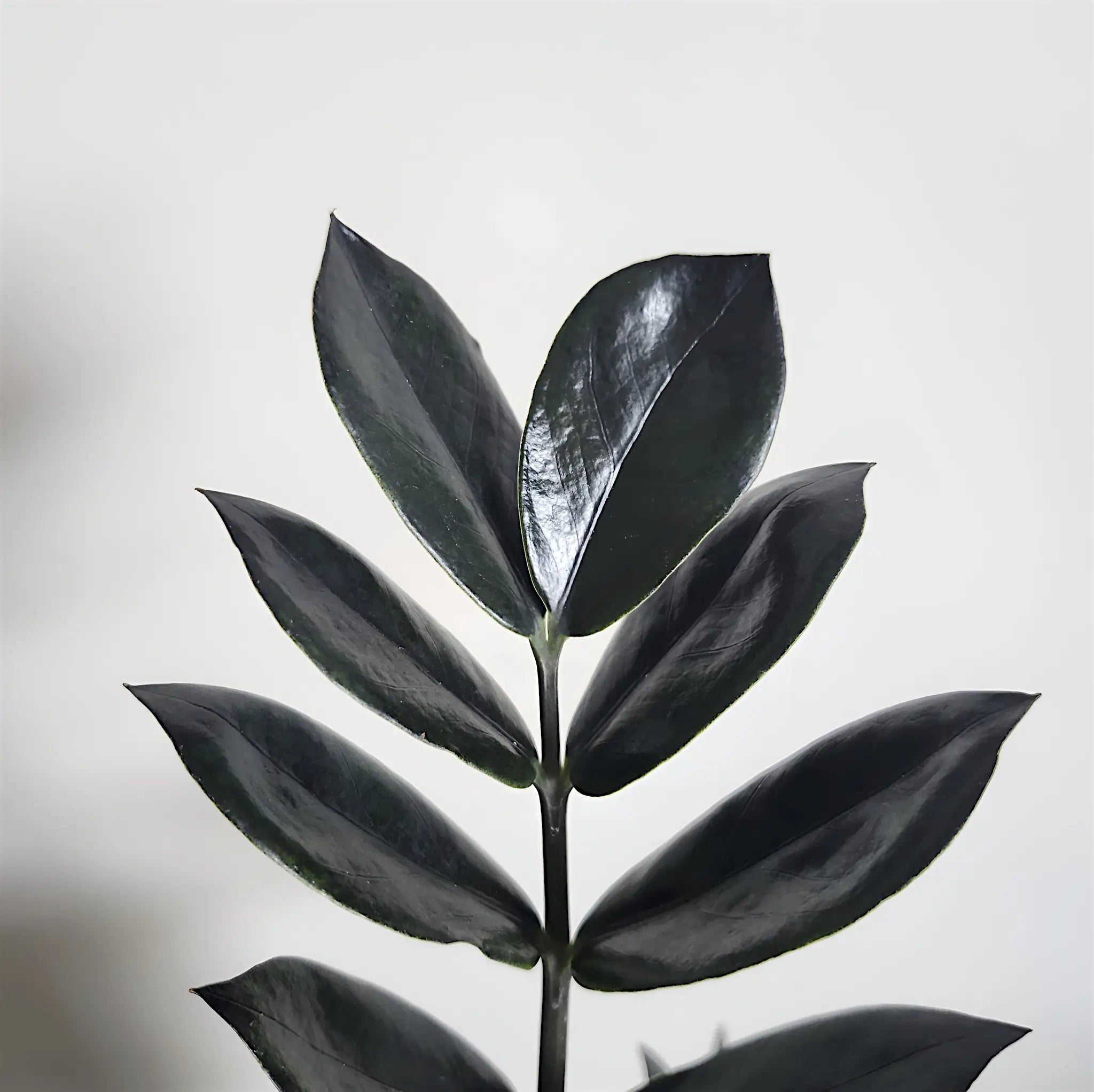
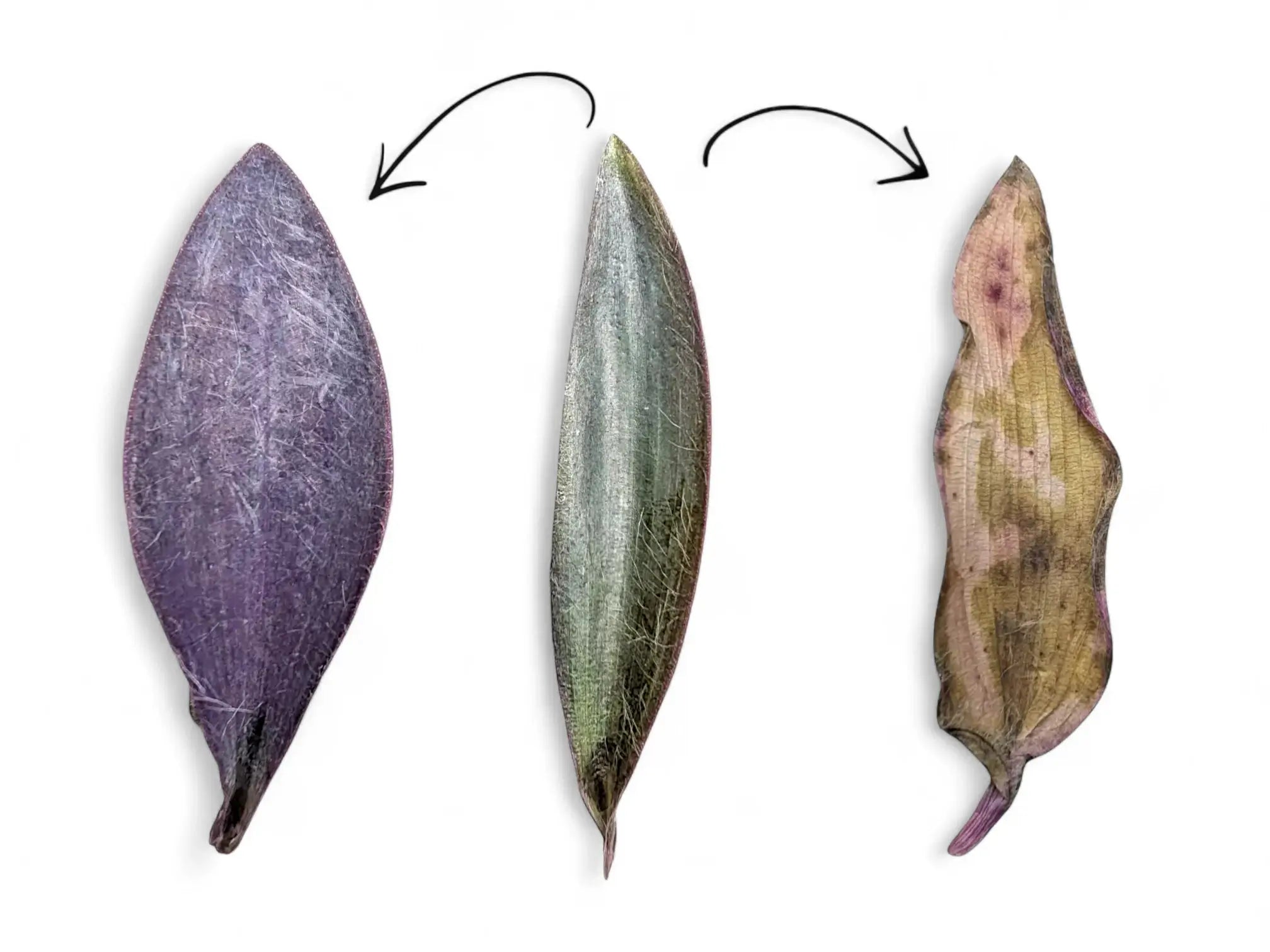
Black-leaved plants are usually deep purple, red or green leaves rich in pigments and light-filtering chemistry. Care affects how dark the colour stays and w...

Practical plant care guides for real homes: unboxing, acclimation, watering, fertilising, repotting, pests, substrate choices, and the plant behaviour behind common problems.
Black-leaved plants are usually deep purple, red or green leaves rich in pigments and light-filtering chemistry. Care affects how dark the colour stays and w...
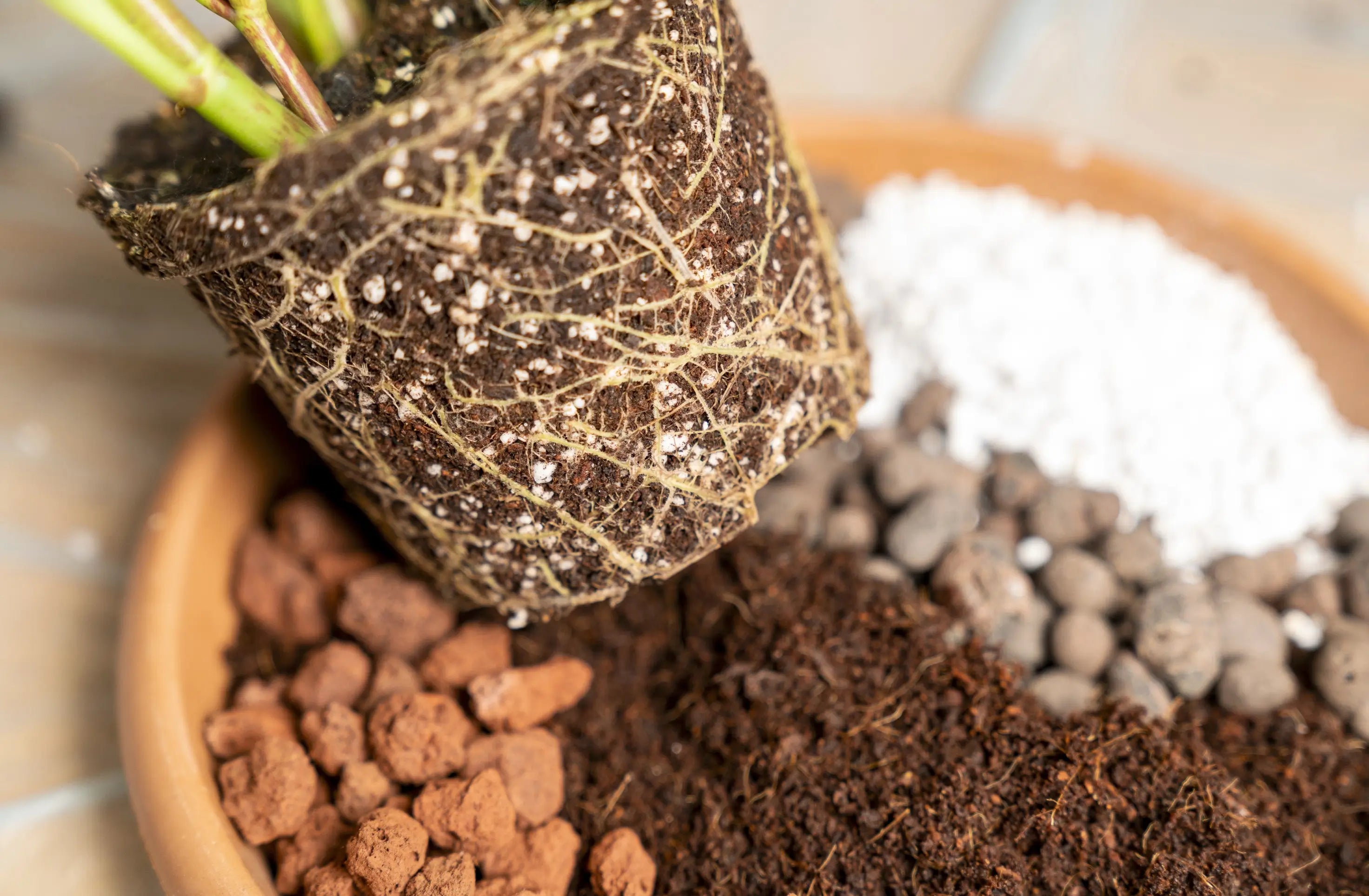
Drainage holes alone do not protect roots if the mix stays airless. Aeration, particle size, perched water and pot depth decide whether roots get oxygen or s...
A growth pause can be dormancy, seasonal slowdown, stress or root trouble. Separate true rest from decline by checking plant type, light, temperature, substr...
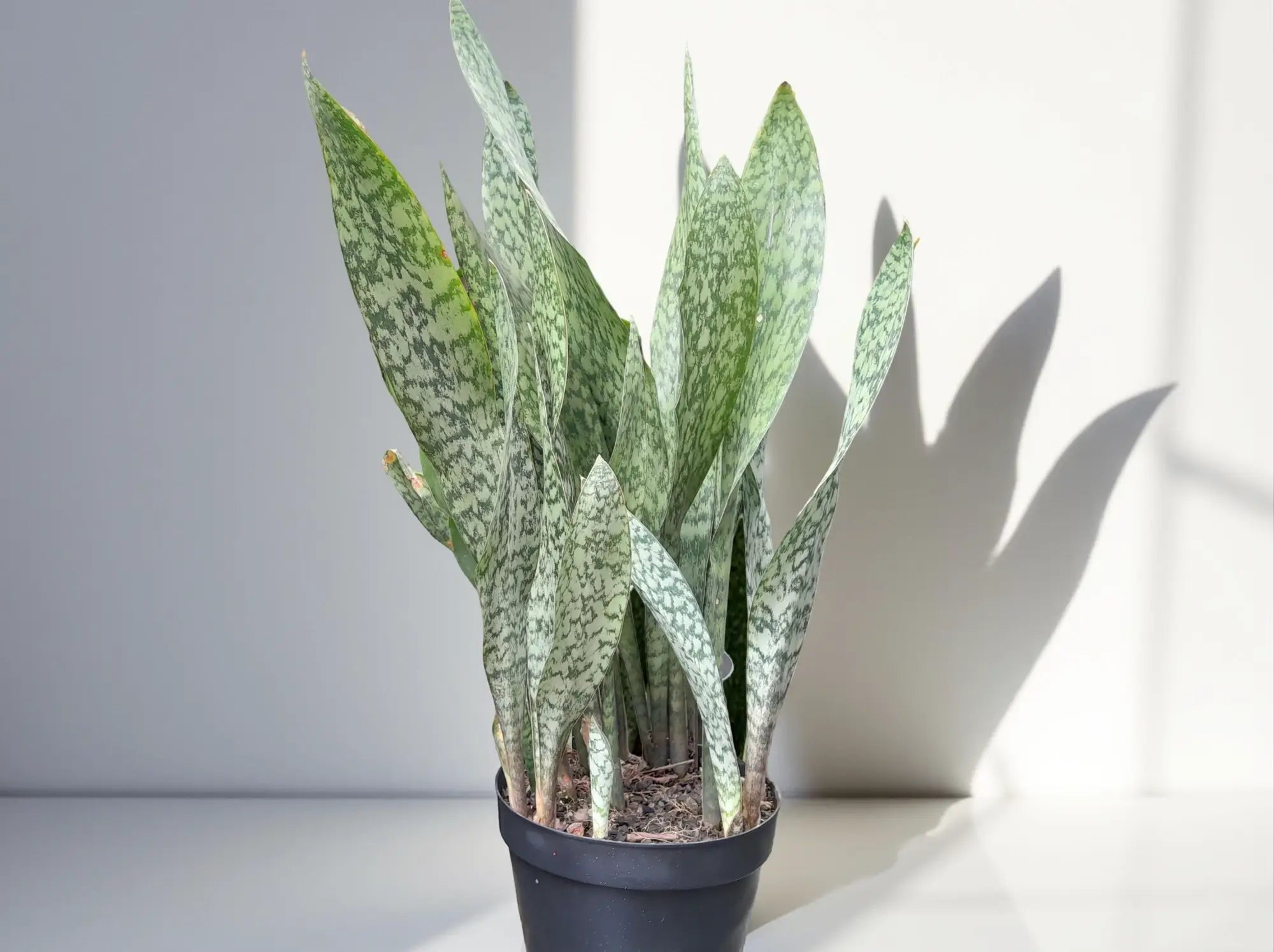
CAM photosynthesis helps many succulents, cacti, orchids, Hoya, snake plant and ZZ plant save water by taking in CO₂ at night. This guide explains what that ...
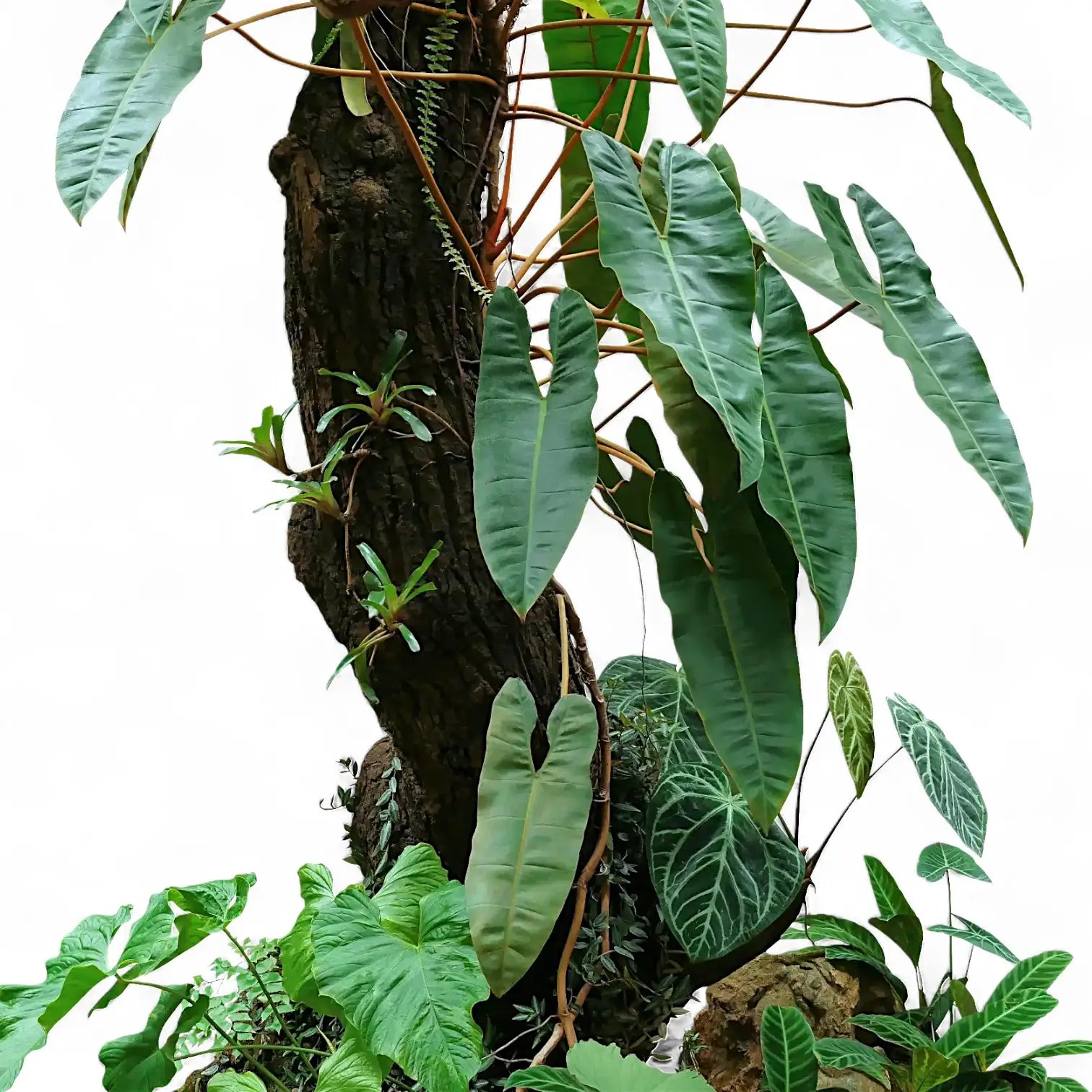
Many popular houseplants grow as epiphytes or hemiepiphytes, not soil-rooted bedding plants. Airy substrates, pulse watering, airflow, light and climbing sup...
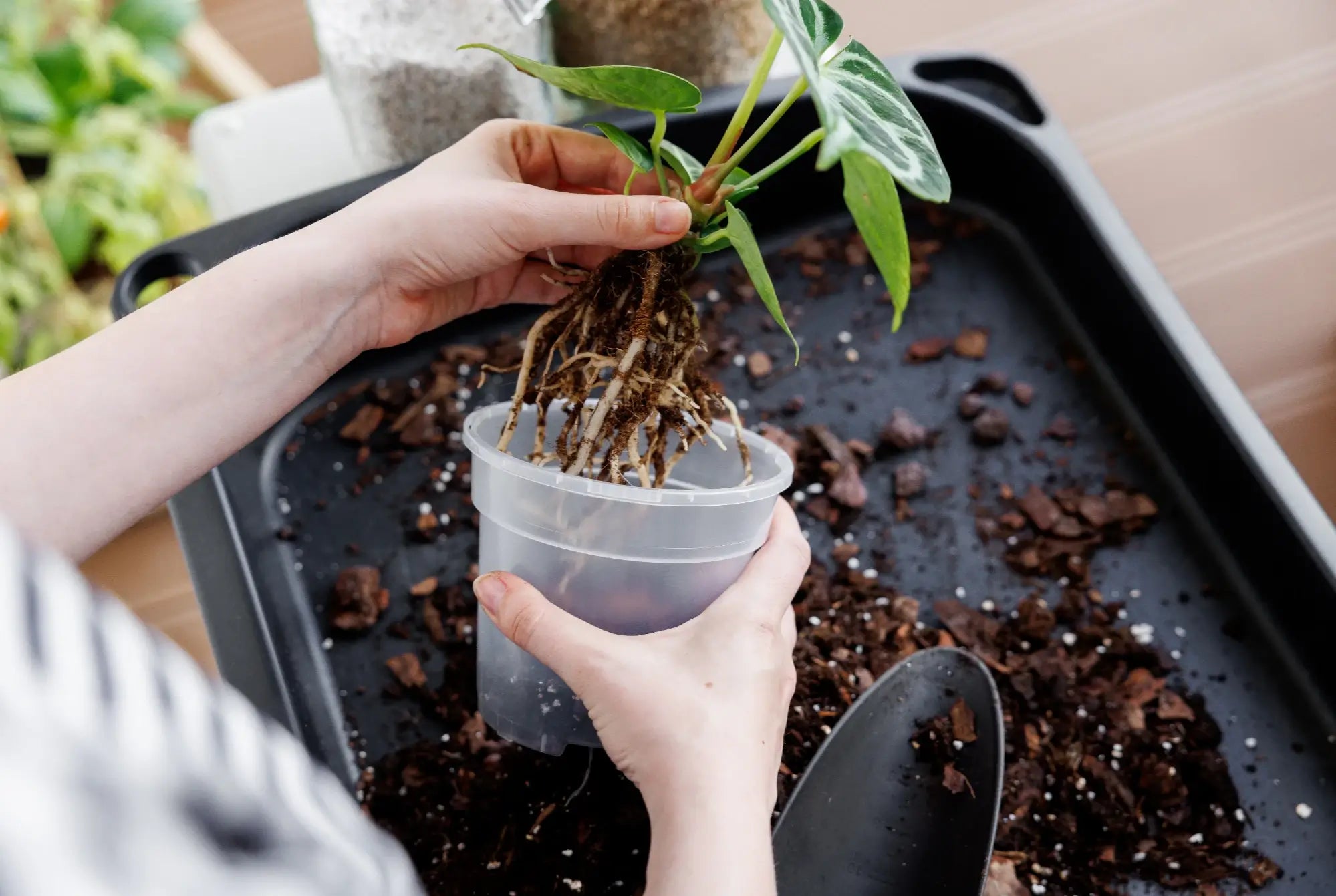
Choose an aroid substrate by looking at how evenly the root ball wets, how quickly the pot dries and how much space the roots have. Learn when to adjust the ...
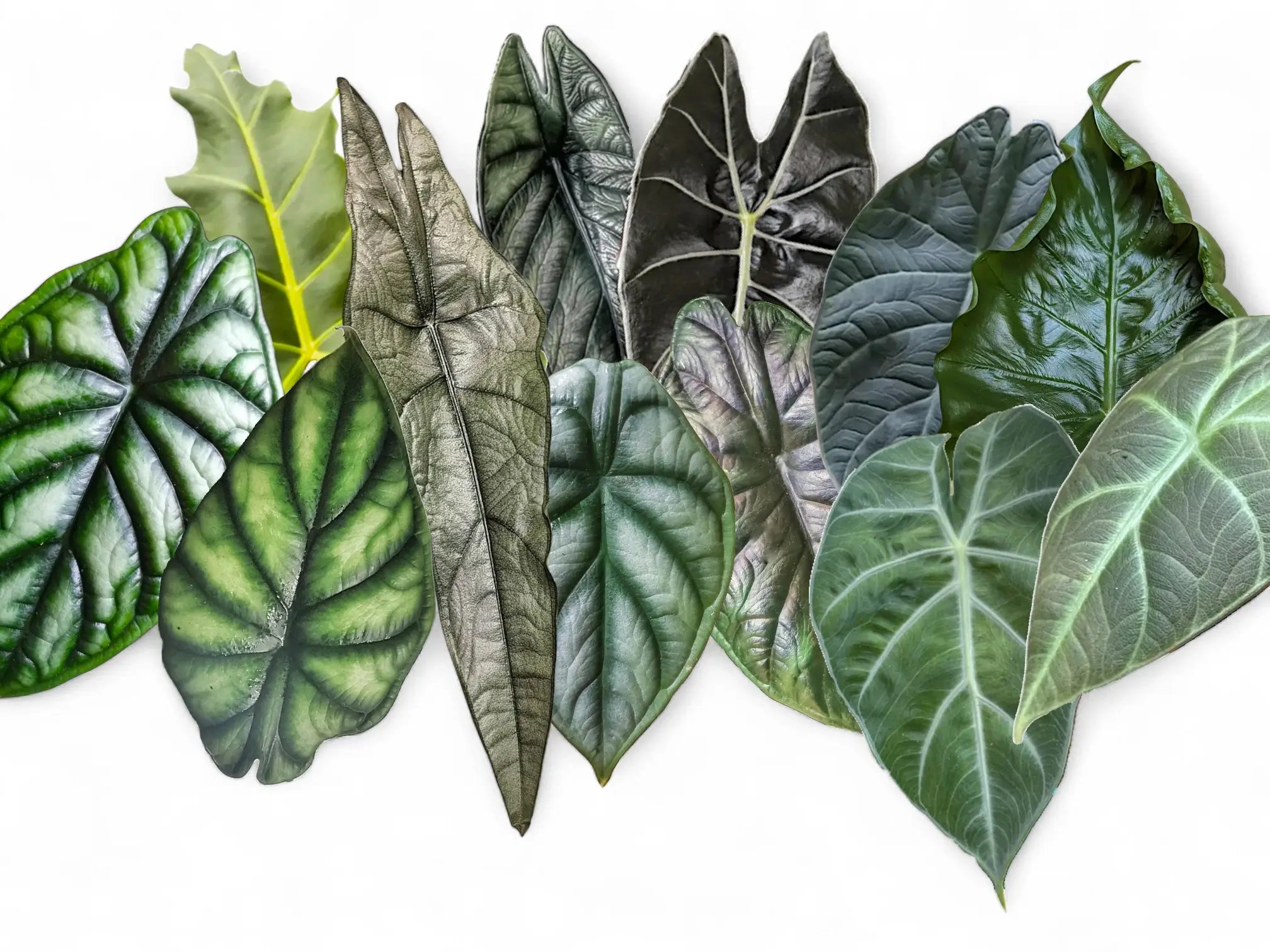
Dragon-named Alocasias are trade-name plants, not one botanical group. Compare baginda types, hybrids, variegates and lookalikes by leaf texture, colour, vei...
Sun stress and sunburn are not the same. Temporary colour shifts, bleaching, crispy patches and heat damage each need different responses, especially after m...
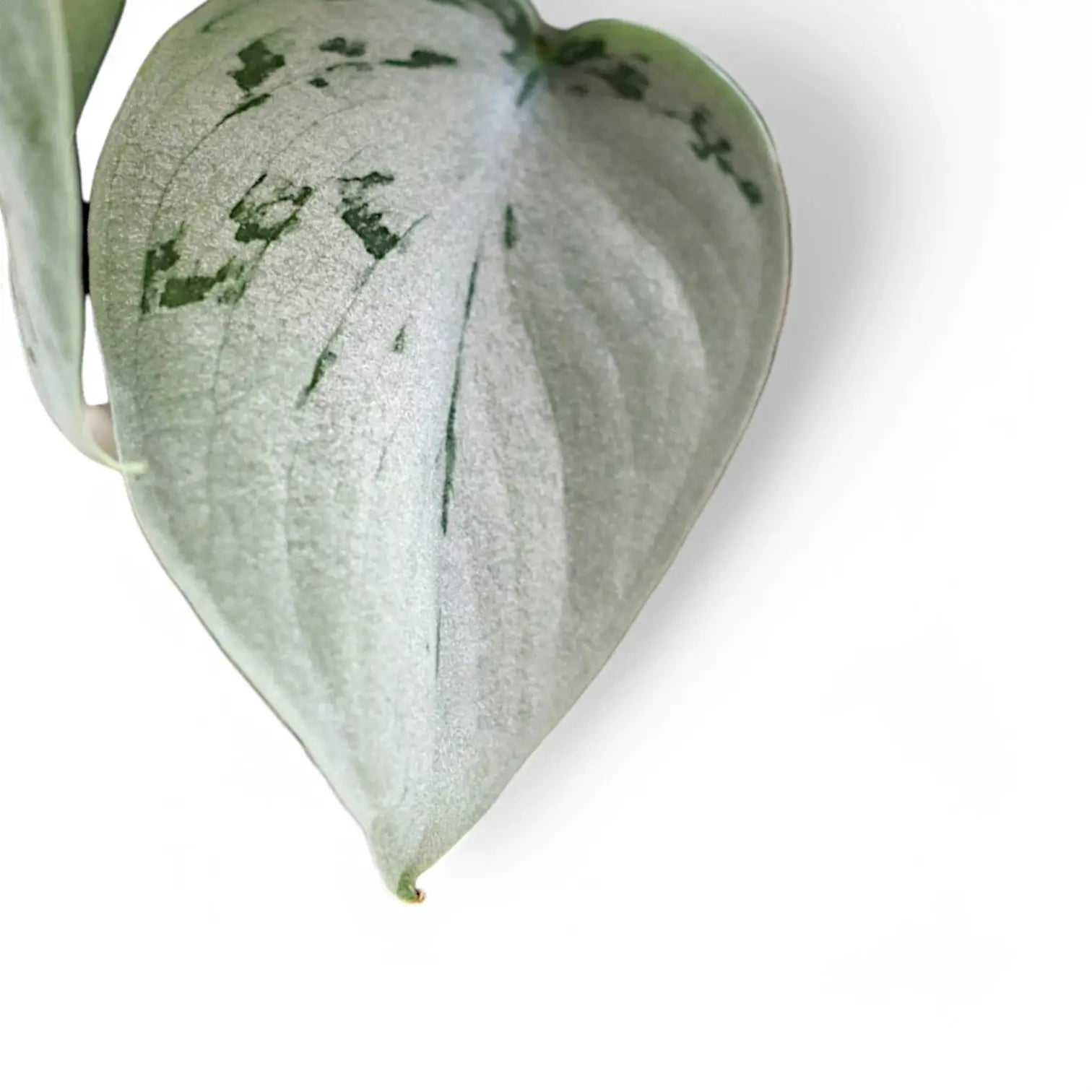
Silver leaves usually come from structure, not silver pigment. Blister variegation, waxes, papillae and trichomes change how light reflects, while care keeps...
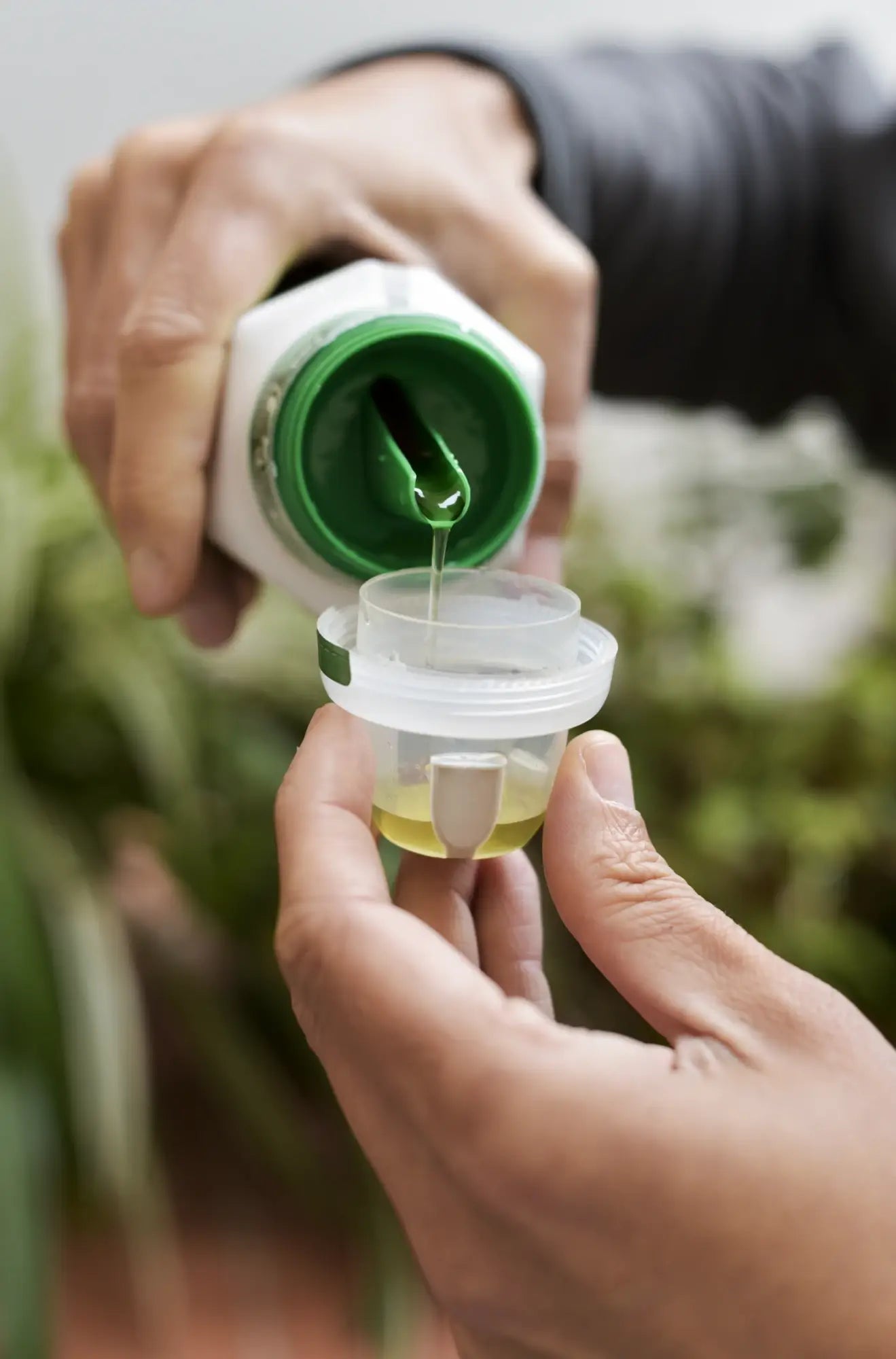
The best fertilizer depends on plant growth, light level, substrate and watering style. Compare liquid, slow-release, organic and synthetic options without i...
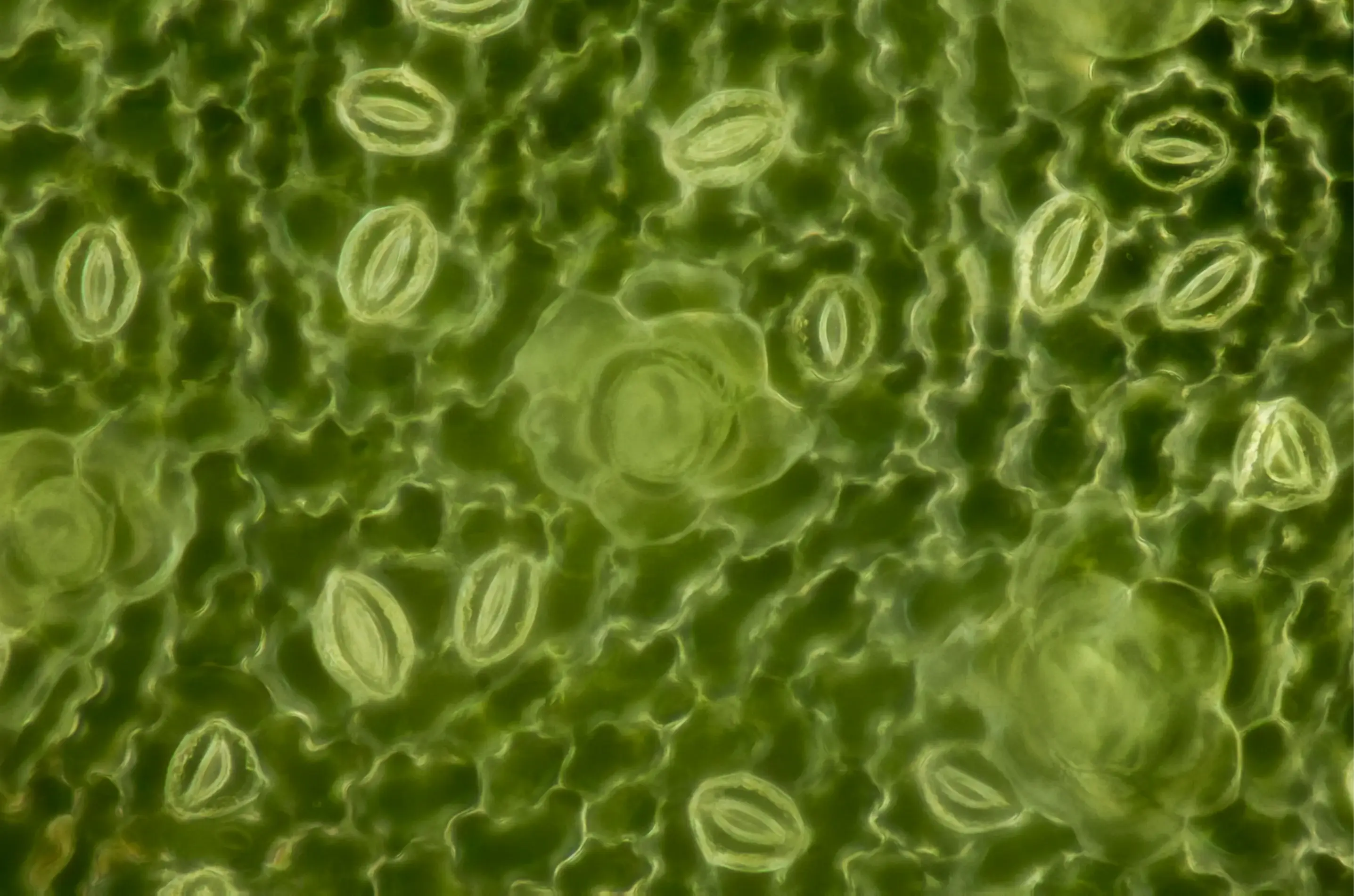
Stomata are tiny leaf pores that control gas exchange, cooling and water loss. Wilting, curling and crisp edges often make more sense when light, humidity, a...
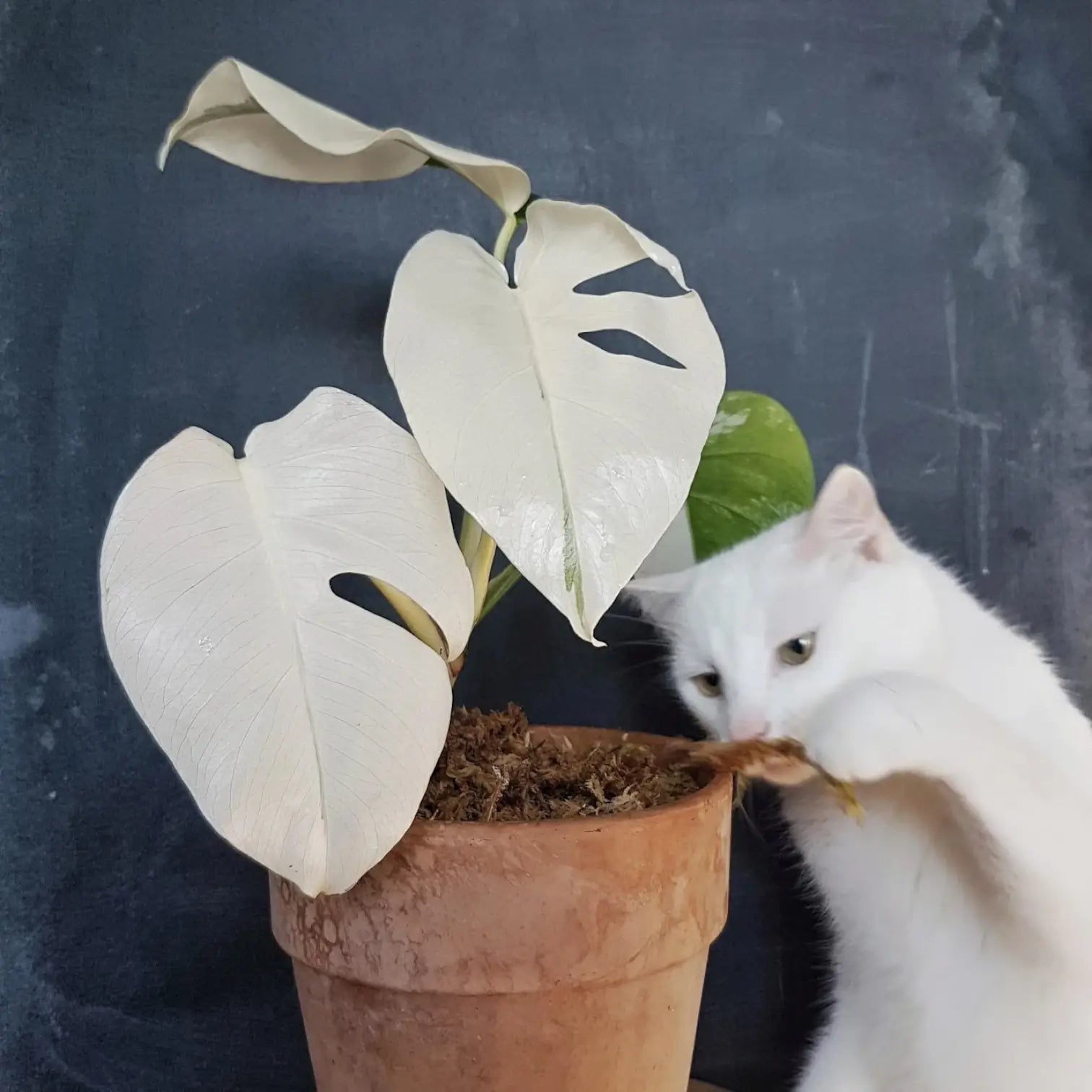
White-variegated houseplants can look different from one leaf to the next. Learn why some leaves are white, what that means for the plant and how to respond ...
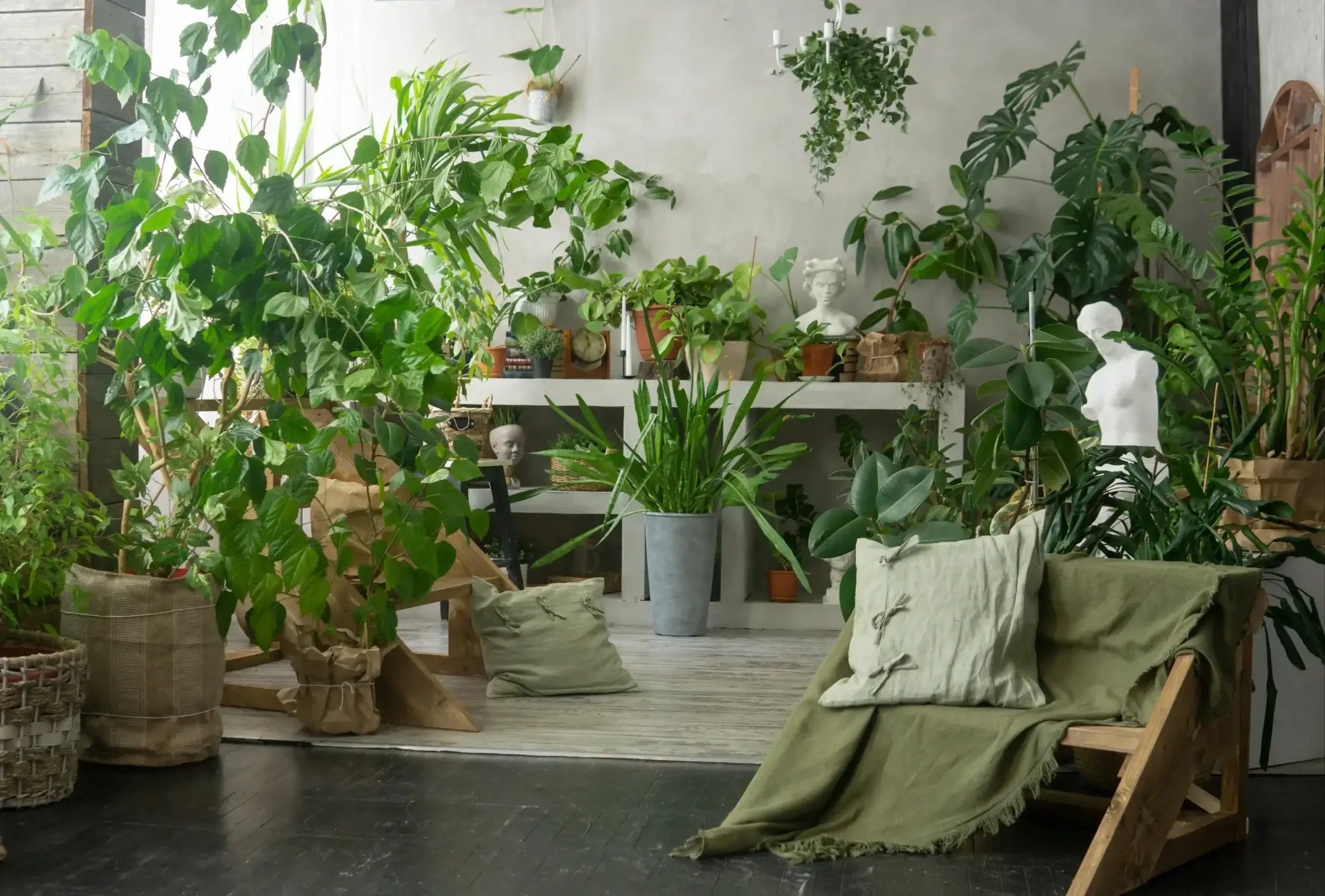
Leaves show the result, but indoor plant health starts with light energy, roots, substrate, water, nutrients, acclimation and pest pressure working together ...
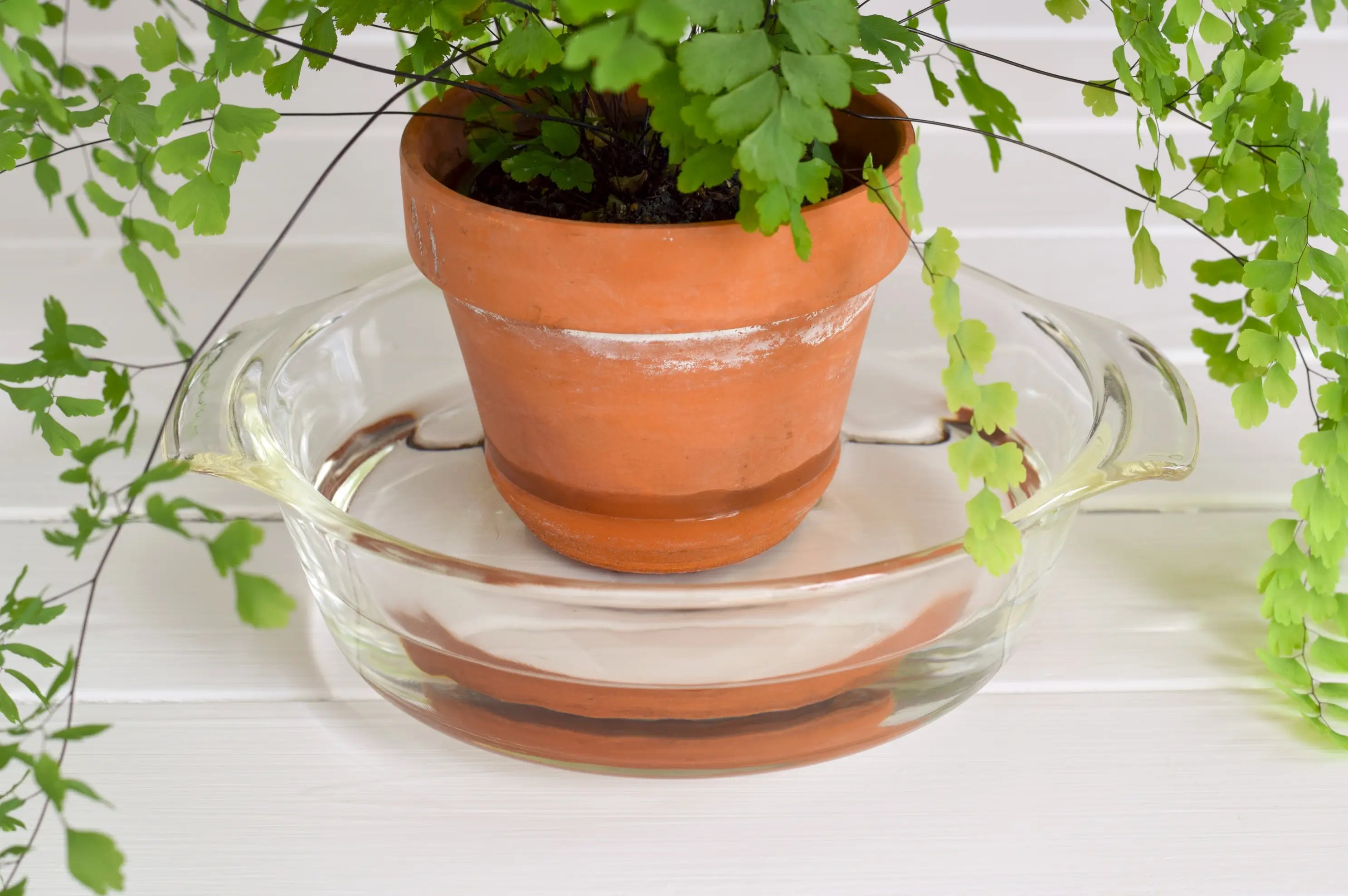
Bottom watering can help rewet a dry root ball and keep water off the leaves, but every pot behaves differently. Learn how to bottom water a houseplant, chec...
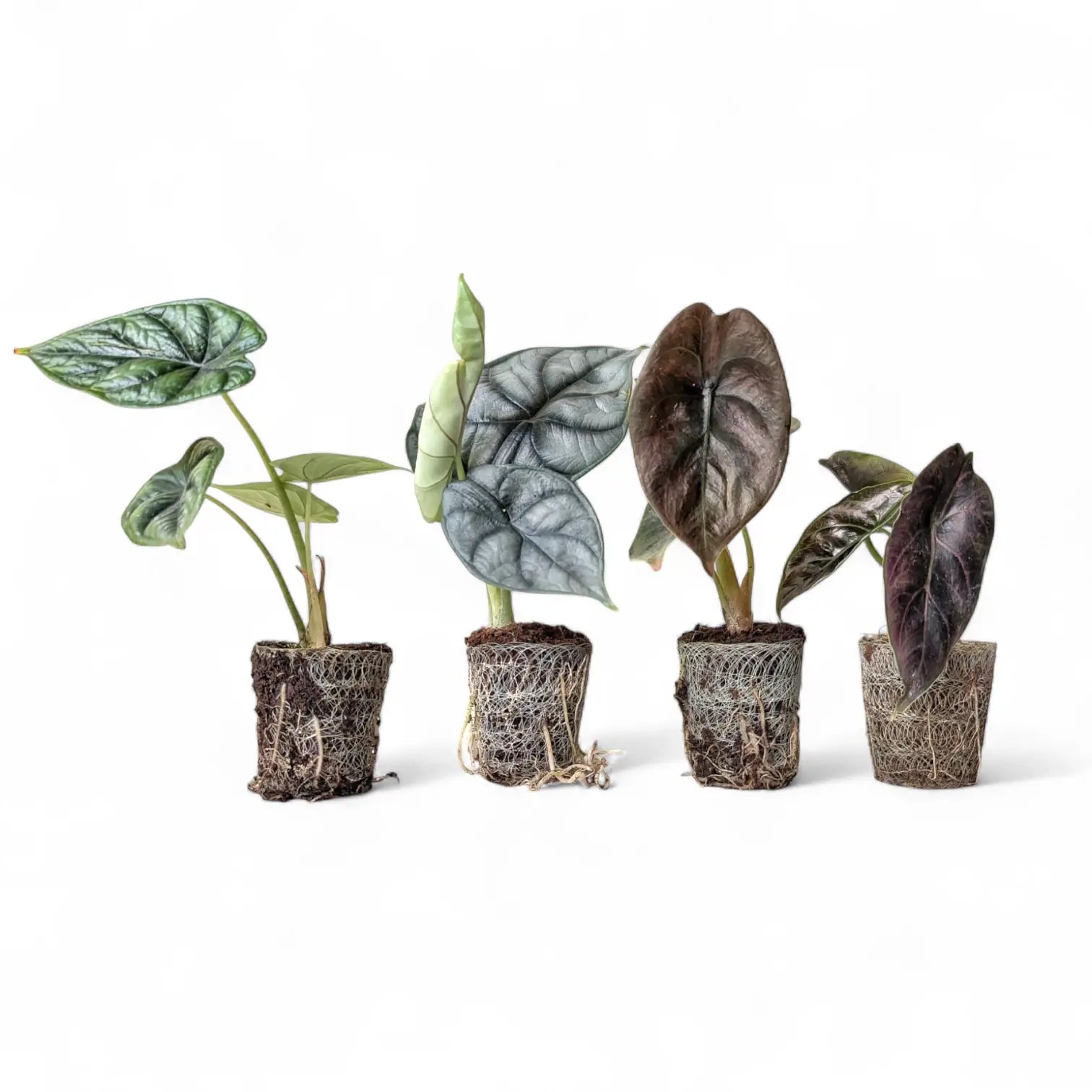
Plug plants are rooted starters, not bare cuttings. Keep the plug stable, pot carefully, avoid overwatering and give young tropical plants time to build root...
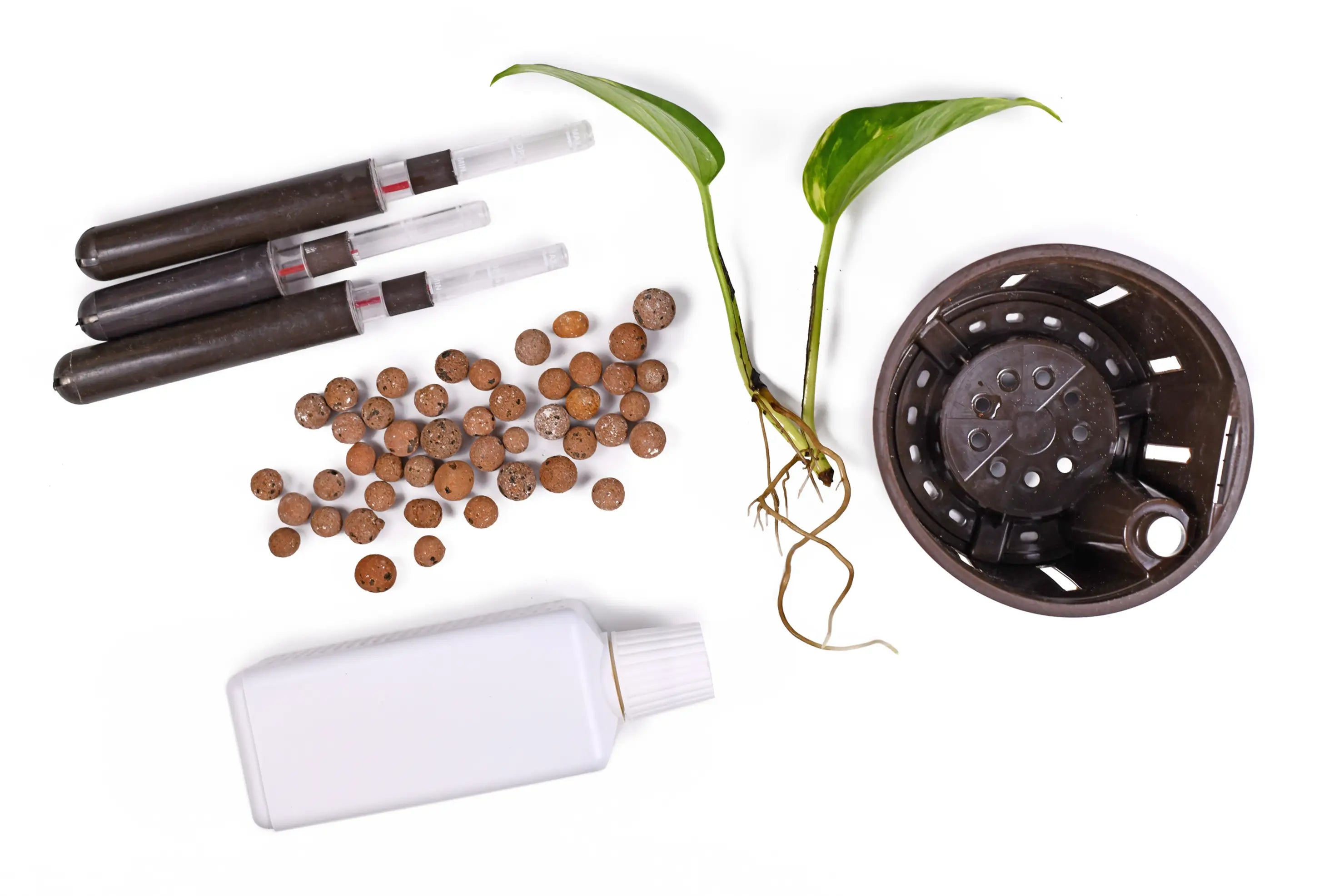
Semi-hydro fertilizing is about nutrient strength, pH, EC, flushing and clean reservoirs. Match liquid nutrients to LECA, pon or pumice so roots get minerals...
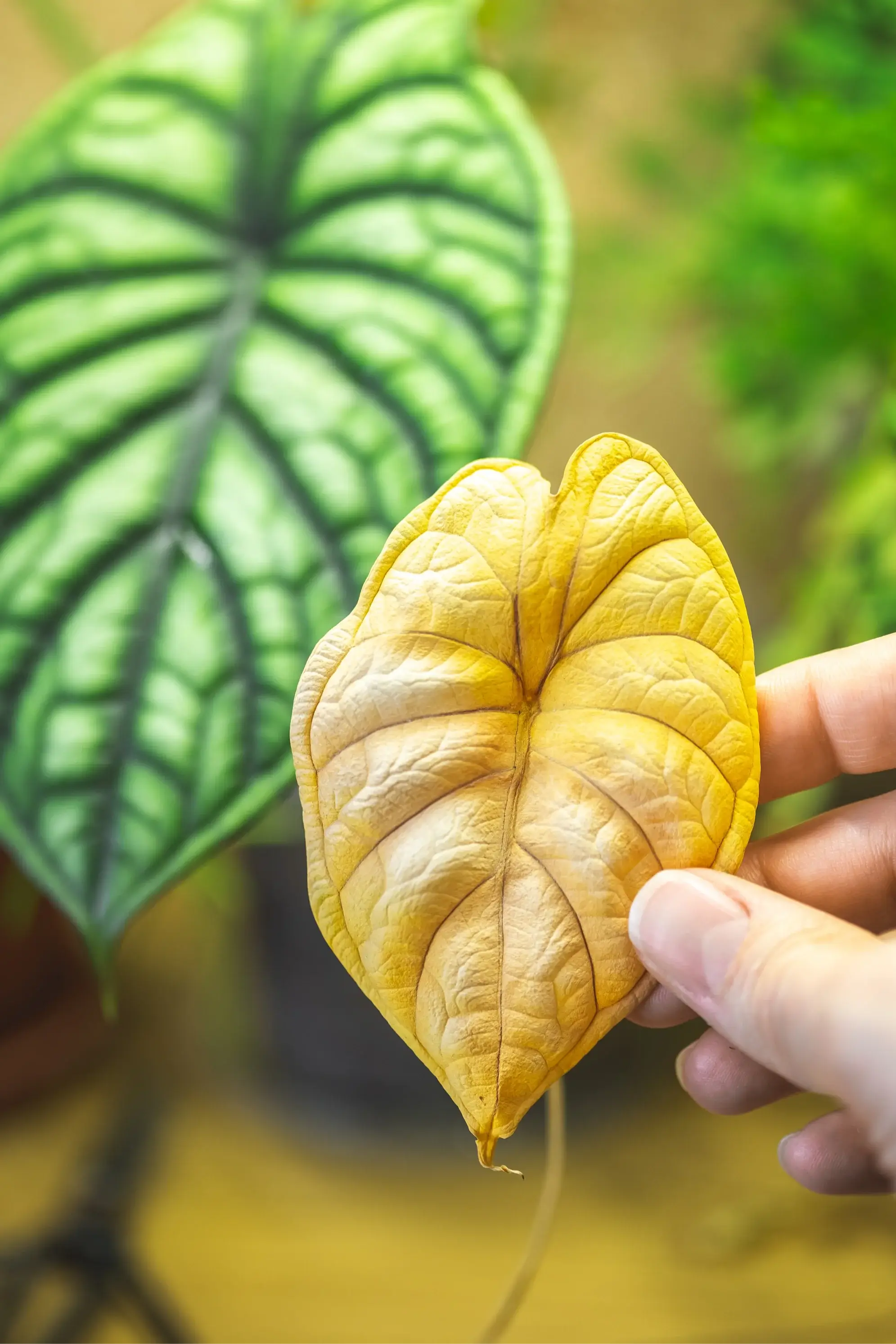
Acclimation is the adjustment period after a plant moves from one environment to another. Expect some pause or leaf change while you manage light, watering, ...
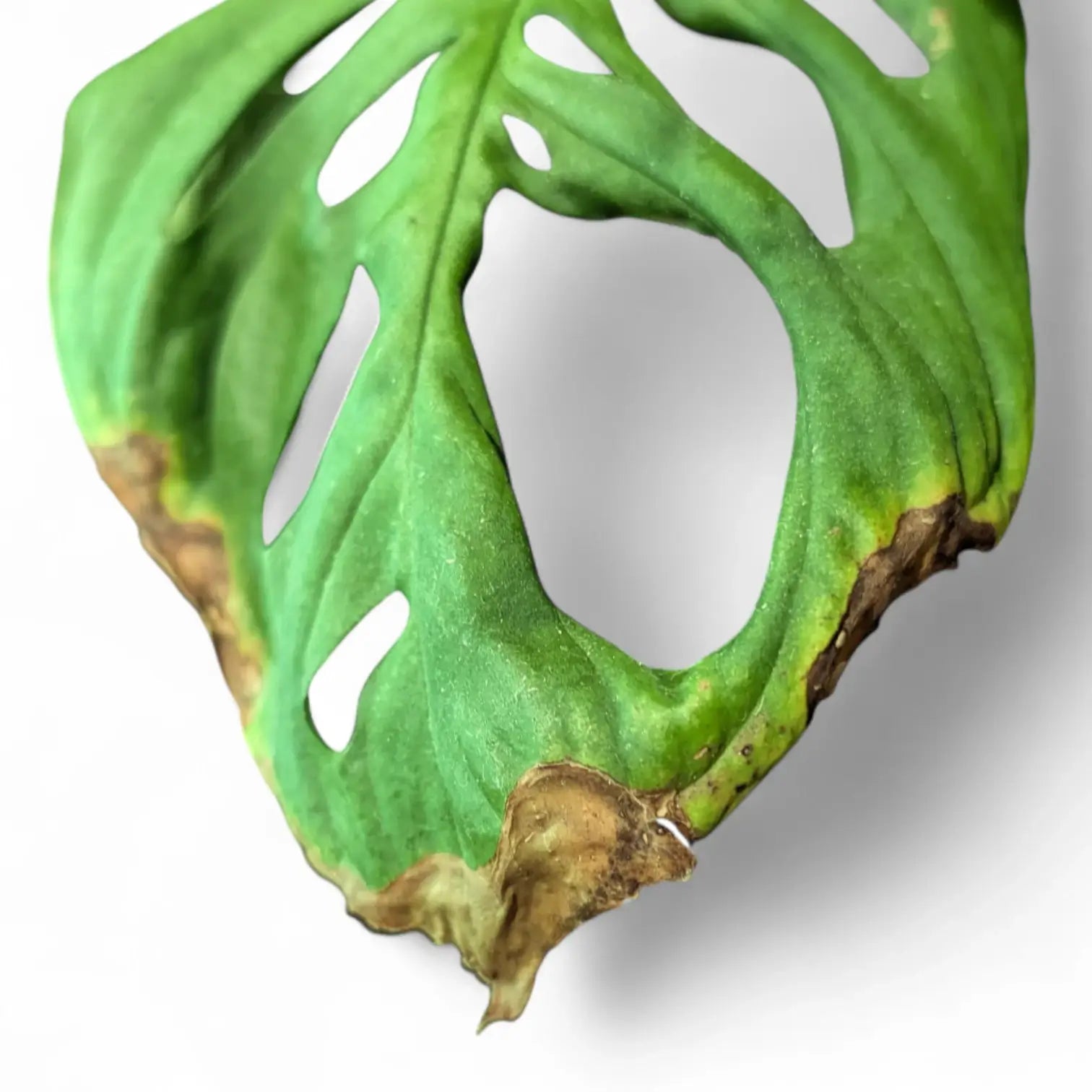
Brown leaf tips can result from dry roots, prolonged wetness, fertiliser salts, cold, humidity or water quality. This guide shows you what to check first, ho...
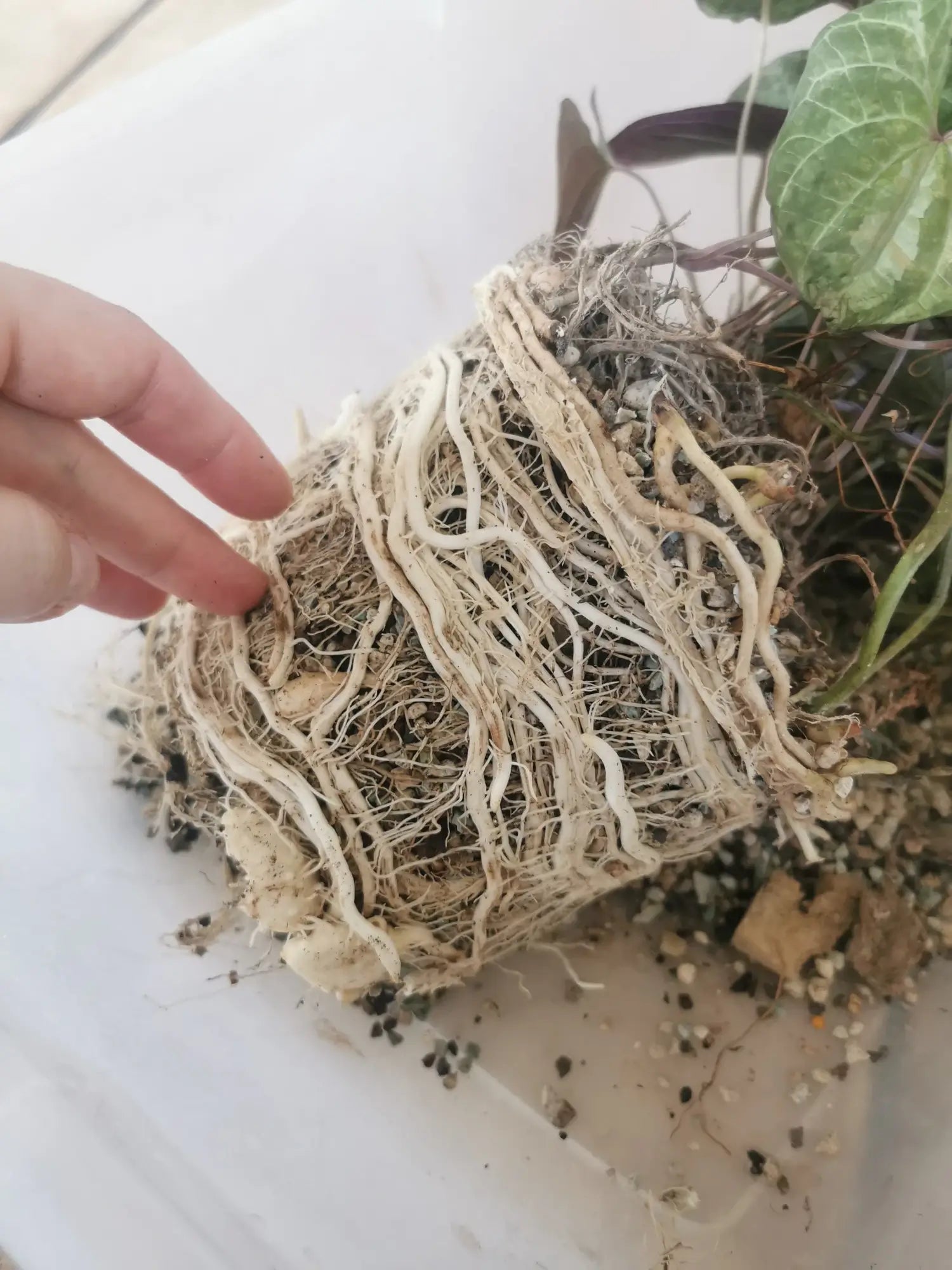
Moving a houseplant from soil to semi-hydro changes root conditions completely. Clean roots carefully, expect adjustment stress and manage moisture, oxygen a...
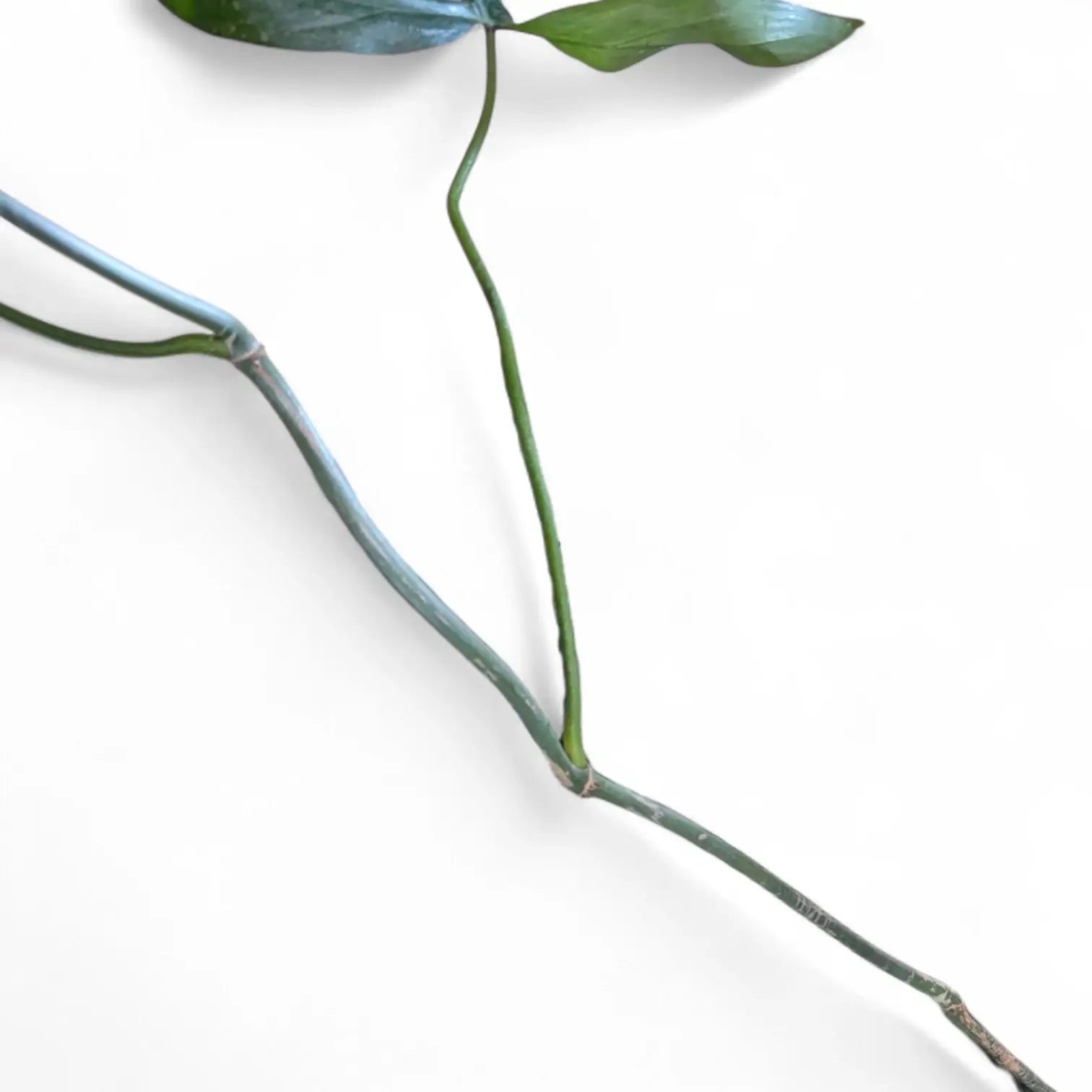
Leggy growth usually means a plant is stretching for more light. Identify etiolation by long internodes, small pale leaves and leaning stems, then improve pl...
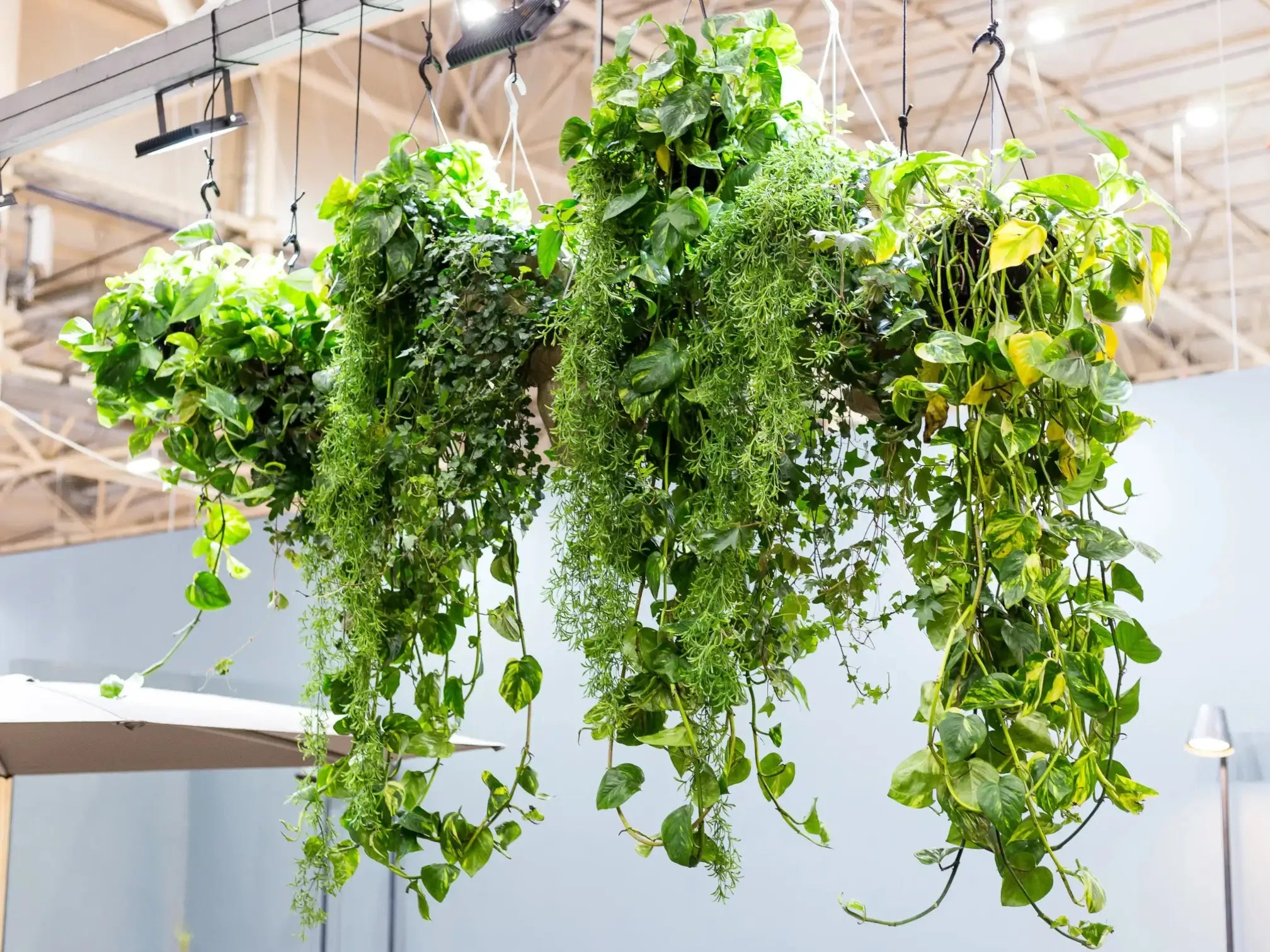
Fast-growing houseplants need enough light, root space, nutrients and watering consistency to keep pace. Choose vigorous species with the growth habit you wa...
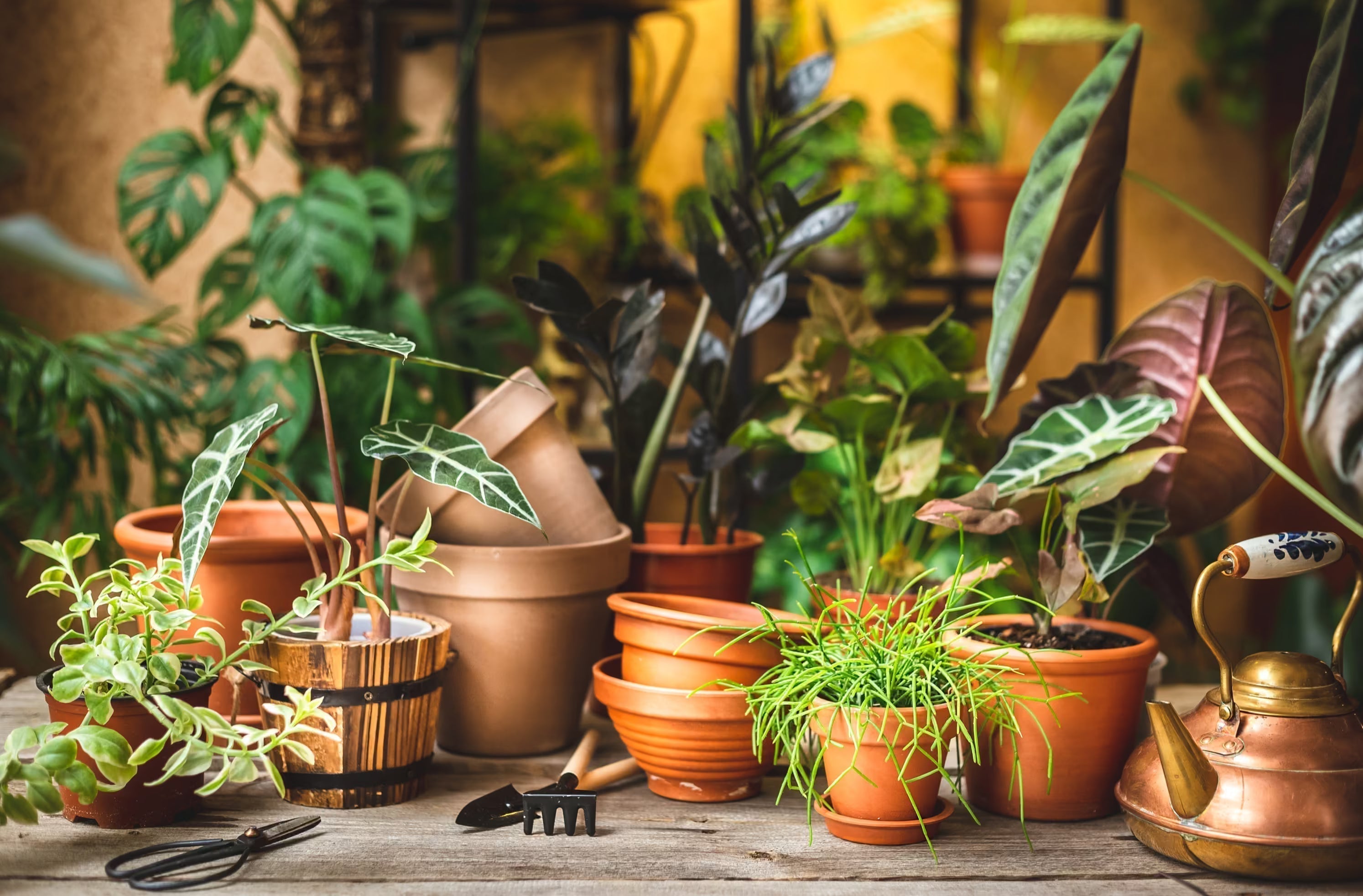
Spring is a good time to reassess indoor plants after low winter light. Check roots, pests, growth, substrate, pruning needs and fertilizer before pushing pl...
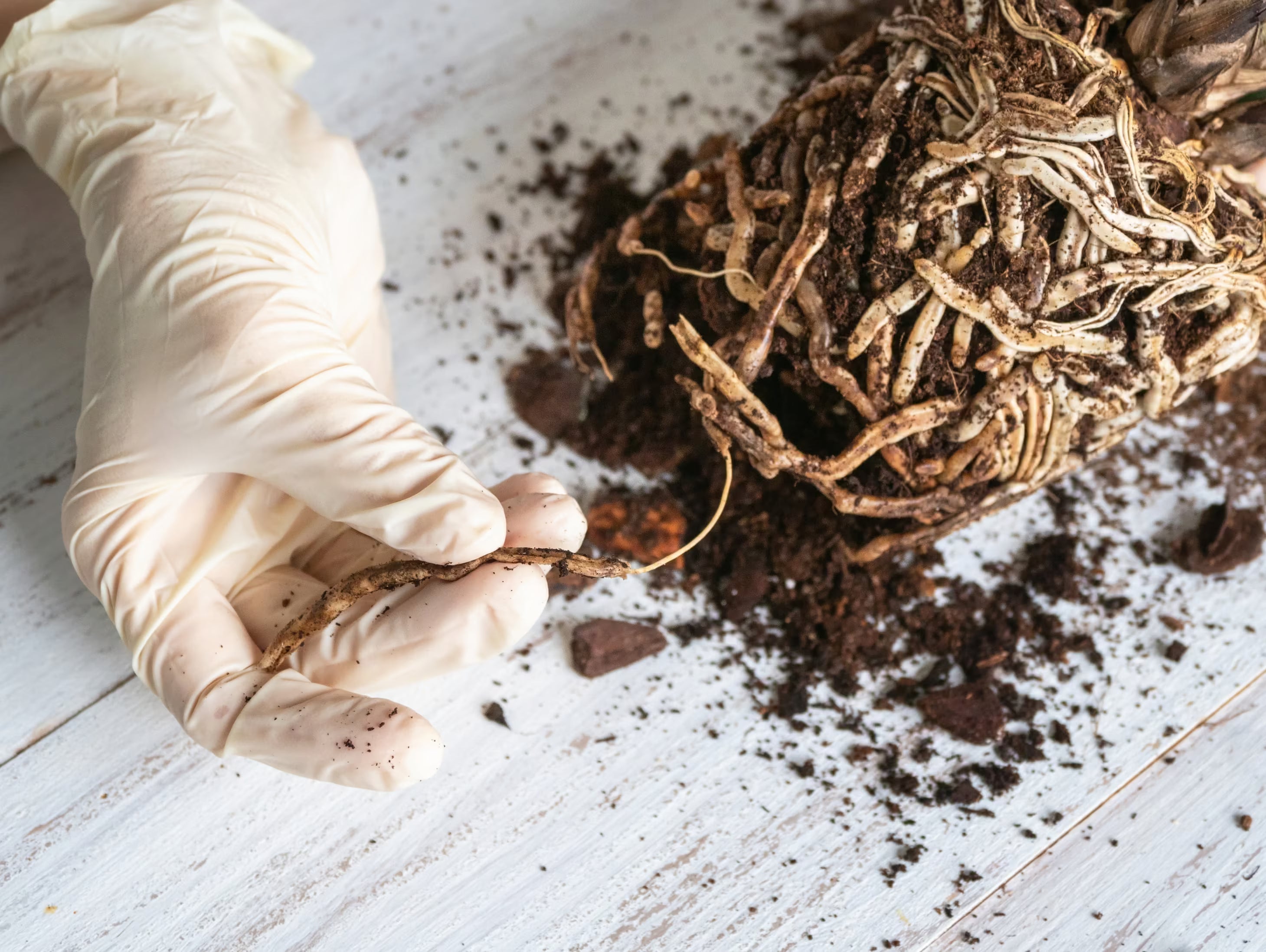
Root rot needs fast, calm action: confirm mushy roots, remove dead tissue, reset the substrate and correct the conditions that caused oxygen loss. Saving the...
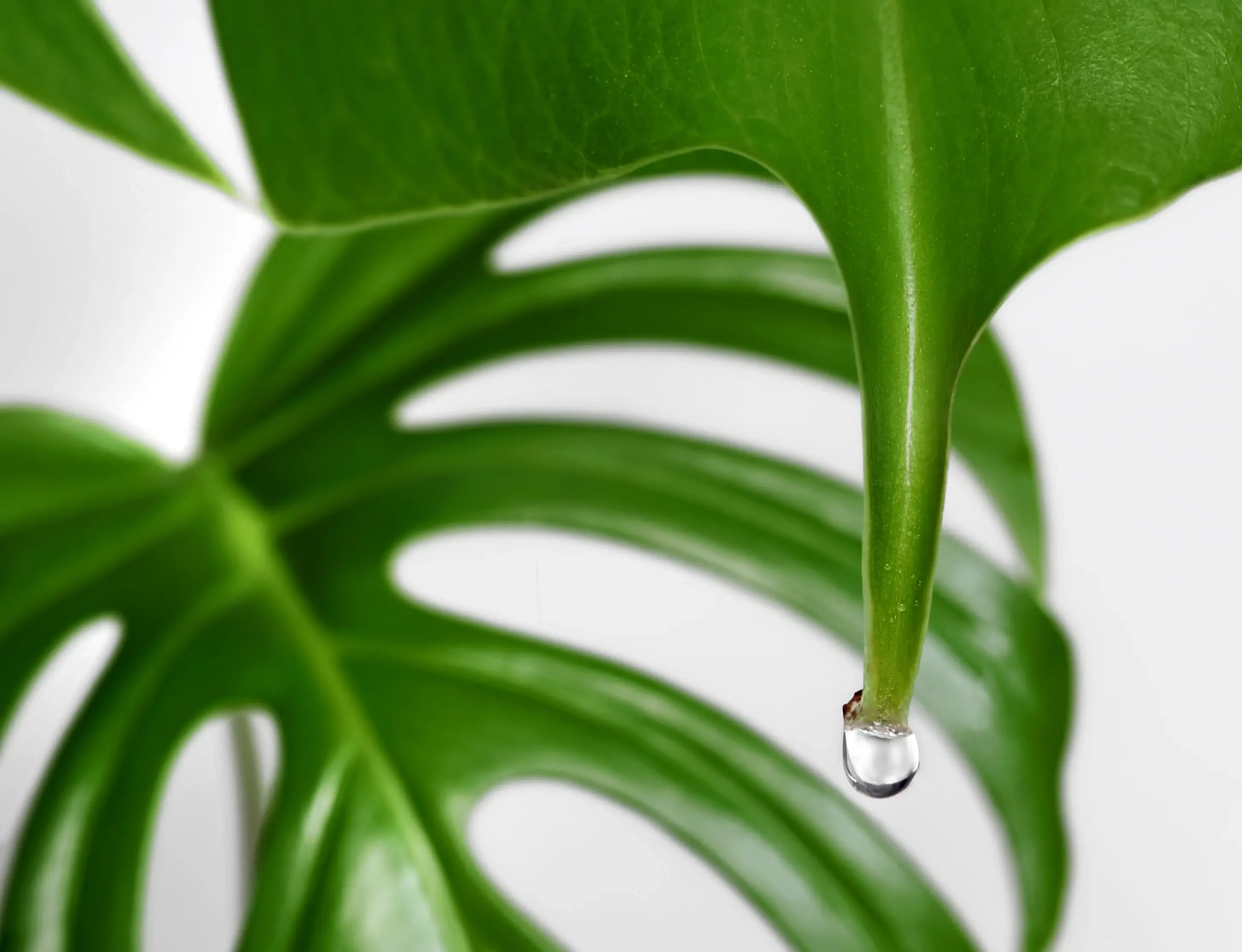
Guttation appears as droplets when root pressure pushes water out through leaf edges. It can be normal, but sticky residue, repeated wet leaves or mineral ma...
Sign up for Foliage Factory newsletter for early access to new arrivals and practical care tips that work in real homes.