Scandens, Hederaceum, Micans & Oh, So Many More - A Comprehensive Heartleaf Philodendron Saga
Heartleaf Philodendron names: what Philodendron hederaceum, scandens, oxycardium, micans, and cordatum actually mean
Heartleaf philodendron is one of the most familiar climbing houseplants in cultivation and one of the most inconsistently labeled. The same plant still appears as Philodendron hederaceum, P. scandens, P. oxycardium, P. micans, or simply “heartleaf philodendron,” depending on who printed the tag, how old stock lists are, and which taxonomic treatment a seller follows.
Labels can look different while pointing to the same heartleaf group. Quotes such as ‘Brasil’ usually mark a named cultivated selection. “Cordatum” is the one label in this cluster that can point to a genuinely different species, so it deserves extra caution.
Different label formats still circulate for familiar heartleaf philodendron selections.
Short answer
Accepted species name:Philodendron hederaceum.
Older names still common on tags and listings:P. scandens and P. oxycardium (and mixed strings like “scandens oxycardium”).
“Micans”: a long-running horticultural handle for velvety heartleaf forms; still part of Philodendron hederaceum in current mainstream treatments.
Names in single quotes: ‘Brasil’, ‘Neon’, ‘Cream Splash’, and similar names identify named cultivated selections or trade names, not separate species.
Philodendron cordatum: a separate accepted species, but “cordatum” also gets used loosely in trade, so a label alone is not proof.
What matters: whether a label is pointing to standard heartleaf stock, a velvety micans-type plant, a named selection, or a genuinely different species.
What usually does not matter: whether a seller uses hederaceum, scandens, or oxycardium for standard glossy heartleaf stock.
Label decoder
Philodendron hederaceum: modern, clean label for heartleaf stock.
Philodendron scandens: older name; in everyday trade it nearly always still points to heartleaf hederaceum material.
Philodendron oxycardium: older name often used for heartleaf forms; in some treatments it maps to a recognized variety under hederaceum.
“scandens oxycardium” / “scandens subsp. oxycardium”: common tag mash-up; usually heartleaf hederaceum complex, not a separate everyday houseplant species.
Philodendron micans: velvety heartleaf form in trade; treat as a texture/finish cue more than a different care category.
Philodendron cordatum: potentially different species; verify against plant identity and provenance rather than trusting the tag.
Single quotes (‘Brasil’, ‘Neon’, ‘Cream Splash’): named cultivated selection/trade name layered on top of the base name.
Names that usually refer to the same plant
Accepted name and older synonyms
For current labeling, Philodendron hederaceum is the clearest species name for common heartleaf philodendron sold as a houseplant. Older names survive because nursery stock files, tag inventory, and marketplace templates often lag behind botanical usage.
That is why one seller may offer Philodendron hederaceum, another may write Philodendron scandens, and a third may use Philodendron oxycardium for what is, in practical terms, the same familiar heartleaf group. Current mainstream treatments place these older names within Philodendron hederaceum rather than treating them as separate everyday houseplant species.
Common tag names and how they usually map in heartleaf philodendron trade
Name on label
What it usually means
Practical take-away
Philodendron hederaceum
Current accepted species name used for heartleaf stock
Best default label for standard heartleaf material
Philodendron scandens
Older synonym still widely used in horticulture
Usually points to standard glossy green heartleaf stock
Philodendron oxycardium
Older synonym still widely used; often tied to a variety concept in some treatments
Usually still heartleaf hederaceum complex, not a different care category
Philodendron scandens oxycardium
Mash-up of older naming layers
Nearly always heartleaf hederaceum complex; usually just an older name kept in circulation
Heartleaf philodendron
Common name for the group
Fine in conversation, but not precise without a base botanical name
For consistent labeling in a collection, Philodendron hederaceum is usually simplest. Older names stay useful as translation keys for tags and listings, but they rarely signal a different plant in everyday heartleaf stock.
What these names literally mean
Many epithets in this group describe a broad look or habit. Useful as vocabulary, but not reliable as a diagnosis on a nursery tag.
hederaceum: “ivy-like” — a nod to a vining habit and ivy-ish presentation.
scandens: “climbing” — a standard Latin epithet for scrambling or climbing plants.
cordatum: “heart-shaped” — describes a cordate leaf base, which many Philodendron can share.
micans: “shimmering / glistening” — often used for plants with a soft sheen or changing surface finish.
oxycardium: “pointed heart” — typically read as a more sharply pointed heart-shaped leaf.
Where “micans” fits
“Micans” stays strong in horticulture because it describes something visible. Velvety leaves with deeper green and bronze-toned undertones look distinct enough from standard glossy heartleaf forms that the handle remained useful in trade.
In current mainstream taxonomic treatment, Philodendron micans is generally placed within Philodendron hederaceum rather than treated as a separate everyday species. In retail, “micans” works best as a quick cue for texture and finish. Label formats vary (Philodendron micans, micans-type, or mixed versions), but they usually point to the same velvety heartleaf branch in cultivation.
Where quoted names and trade names fit
Many label problems start because three naming layers get squeezed into one line:
Base botanical name:Philodendron hederaceum, P. scandens, or P. oxycardium.
Variety name, when used: an infraspecific layer that matters in taxonomy, but rarely shows up cleanly in retail labeling.
Name in single quotes: a named cultivated selection or trade name such as ‘Brasil’, ‘Neon’, or ‘Cream Splash’.
If only the quoted name changes, you’re not looking at a different species. If only the base name changes between hederaceum, scandens, and oxycardium, you’re usually still within the same broader heartleaf complex. Quoted names are useful because they describe the look being sold. They do not turn one common climbing species into several separate species.
Where variety names fit
Some current taxonomic frameworks recognize accepted varieties within Philodendron hederaceum, including var. hederaceum, var. oxycardium, and var. kirkbridei. Variety concepts help explain why older names cluster the way they do in synonym lists, but variety names rarely show up clearly on everyday nursery tags.
In home growing, variety-level labels seldom change expectations as much as growth mode does. Trailing vines stay smaller and finer; climbing growth with support pushes larger leaves, sturdier petioles, and a different overall build. Texture cues (glossy vs velvety) and growth behavior on support usually tell more than subtle naming layers on a tag.
Common retail forms within heartleaf philodendron: plain green, patterned selections, lime-toned forms, and velvety micans-type material.
Older historical names such as pittieri, isertianum, and prieurianum still appear in synonym lists and older literature. If one shows up on a tag, treat it as a verification prompt, not instant proof of a separate everyday houseplant species.
When “cordatum” means something different
Philodendron cordatum is not just another old retail synonym for common heartleaf philodendron. It is a separate accepted species. Confusion starts because “cordatum” also gets used loosely in trade as a shorthand for heart-shaped leaves, especially in inherited stock labels and marketplace listings.
That makes “cordatum” different from scandens or oxycardium. Older names such as scandens usually keep labels within heartleaf hederaceum territory. “Cordatum” can point either to the true species or to a mislabeled pot of ordinary heartleaf stock, so a tag alone is not enough.
How to read “cordatum” on a label
Quick reality check for “cordatum” tags in heartleaf-look Philodendron
Question
Common heartleaf hederaceum complex
Philodendron cordatum
What name usually fits best?
Philodendron hederaceum and older retail synonyms
Philodendron cordatum
How common is it in routine houseplant trade?
Very common
Much less common
Can young plants look misleading?
Yes
Yes
Should a tag alone be trusted?
Enough to place a plant in the heartleaf group, even if the name is old
No. Check morphology, maturity, and provenance.
Most useful practical reading
Base label often reflects name carryover more than plant difference
Treat label as unconfirmed unless plant and source support it
If “Philodendron cordatum” shows up on very ordinary, inexpensive heartleaf stock, treat that label as something to verify rather than something to bank on. Juvenile aroids can flatten visible differences, and trade naming often carries older habits forward long after they stop being precise.
If a plant is sold as P. cordatum with clear provenance and a mature climbing build, then plant identity deserves a closer look. Habit, leaf substance, and documented source matter more than a single word on a pot tag.
A plant labeled as Philodendron cordatum; use the label as a prompt to verify identity against the plant and its provenance.
What to check before assuming two plants are different
Is the quoted name the only difference?Philodendron hederaceum ‘Brasil’ and Philodendron scandens ‘Brasil’ usually describe the same selection under different base names.
Is one plant velvety and the other glossy? That often separates micans-type material from standard glossy heartleaf forms, not one everyday species from a completely unrelated species.
Are both plants juvenile? Young plants can hide differences that become clearer with age, stronger growth, and climbing support.
Are the plants being grown in different modes? Trailing growth keeps leaves smaller; climbing support pushes size, substance, and a different silhouette.
Does one label use “scandens oxycardium” or “oxycardium”? Read this as heartleaf hederaceum complex unless plant traits suggest otherwise.
Does one label use “cordatum”? Treat it more cautiously than scandens or oxycardium.
Does a rare-sounding historical name appear on the tag? Verify it before assuming a separate species has turned up in routine stock.
What the name changes for care, and what it does not
For routine growing, a switch from scandens to hederaceum on a label does not require a new care plan. An older synonym and the current accepted name still point to the same heartleaf complex, so the core growing logic stays the same.
Light: Bright indirect light keeps growth denser and supports better leaf size. Lower light can keep vines alive, but growth becomes thinner, slower, and more stretched. Variegated selections often stall faster in dim conditions.
Watering: Let the top 30–50% of pot depth dry before watering thoroughly, then let excess drain. Avoid calendar watering and avoid dense mixes that stay wet and stale around roots.
Substrate: Airy structure matters more than decorative fixes. Re-oxygenation and root space do more than label-based assumptions.
Support: Climbing support changes leaf size and overall habit. Same plant can look completely different when allowed to climb instead of trail.
Velvety forms: Micans-type plants can show surface stress faster when roots stay wet too long or conditions swing hard, but core care logic stays similar.
If it’s genuinely a different species rather than a differently named heartleaf philodendron, the main risk is building expectations around the wrong identity from the start.
Bottom line
Clearest accepted label for heartleaf stock:Philodendron hederaceum.
Older names that still show up constantly:scandens and oxycardium (plus mash-ups like “scandens oxycardium”).
“Micans”: practical trade handle for velvety heartleaf forms within Philodendron hederaceum.
Quoted names: ‘Brasil’, ‘Neon’, and ‘Cream Splash’ identify named selections/trade names, not separate species.
Philodendron cordatum: separate accepted species, but “cordatum” on a retail label is not proof by itself.
Plant traits matter more than inherited tag strings: texture, growth mode, and mature behavior on support reveal more than label lag.
For the least confusing naming in a collection, use Philodendron hederaceum for heartleaf stock and add the quoted selection name where relevant. Keep older synonyms in mind for decoding tags and listings, but do not let them split one familiar climbing plant into several species on paper.
Quick product links
Want the exact forms and selections mentioned above? Here are direct links:
Sticky leaves, black soot, stubborn brown bumps that won’t wipe off? Learn how to ID scale fast, monitor crawlers, and spray in rhythm — then clean up and prevent repeat outbreaks.
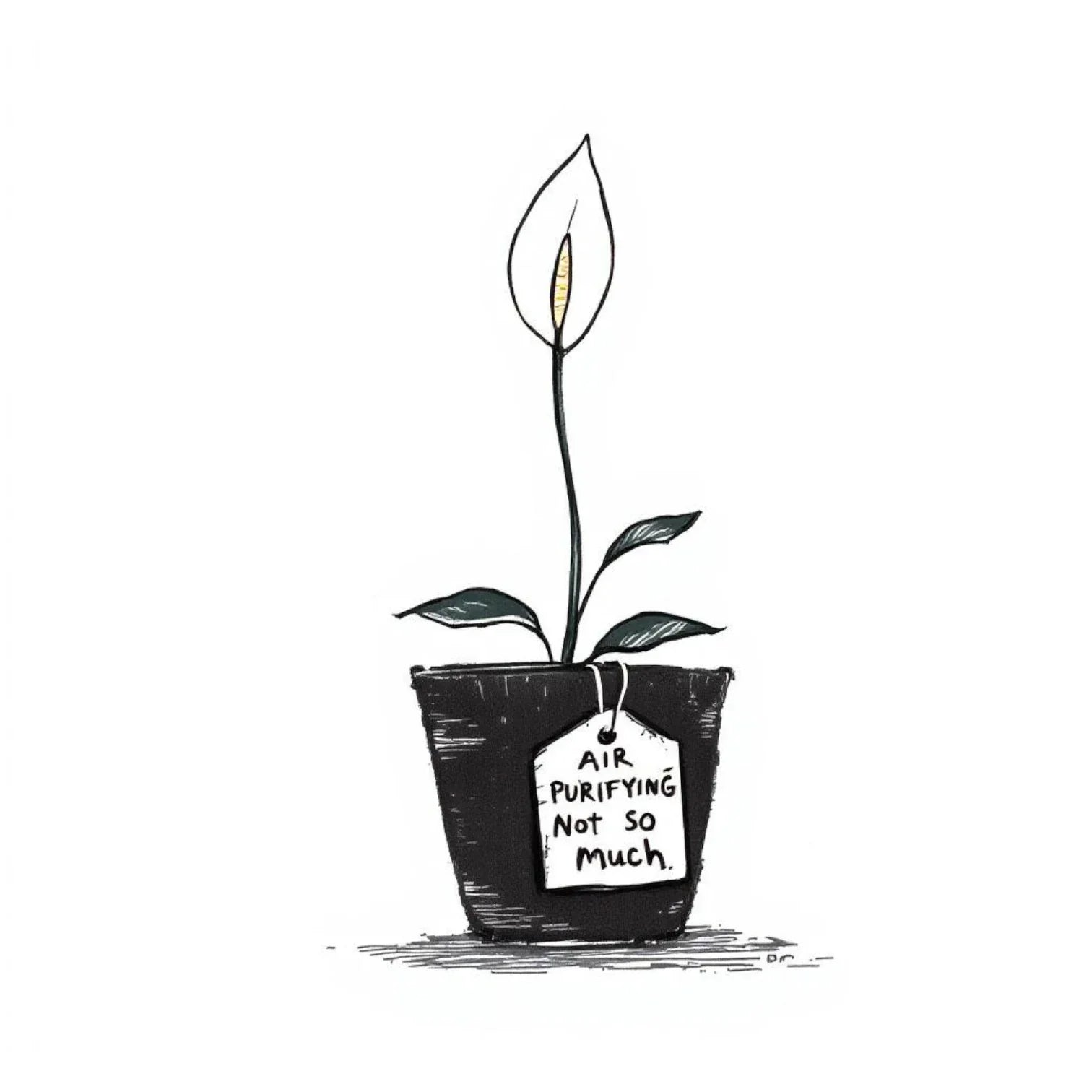
Air-purifying plants make a great headline, but real homes don’t work like sealed test chambers. Learn where the myth started, what’s actually in indoor air, and why plants are still worth it — jus...
Die Pflanzen waren prima verpackt und ein heatpack war im Paket enthalten. Die Lieferzeit hat 2 bis 3 Tagen gedauert, was aus meiner Sicht wirklich gut ist. Alle drei Pflanzen haben die Lieferung gut überstanden. Ich habe mich auf Hoyas spezialisiert und habe schon die nächsten Pflanzen meiner Wunschliste auf der Website gefunden. Daher wird die nächste Bestellung nicht lange auf sich warten lassen.
Marion
★★★★★
I received perfectly heathy and absolutely beautiful plants, even bigger than expected. The delivery within Europe was really fast. I think Foliage Factory has one of the best plant web shops in the internet. It‘s just great to get so much informations about the plants. I will definitely order again :)
Walkerova
★★★★★
Envoie très rapide (2 jours), plantes parfaitement emballées et super offres ! Je suis une habituelle j'ai passé 6 ou 7 commandes et je n'en peut être plus satisfaite du service client et de la qualité et variété des plantes offertes
Iris
★★★★☆
Die Sendung kam leider in keinem guten Zustand bei mir an, kann passieren. Habe mich darauf hin sofort an Foliage Factory gewandt und habe selten einen so guten, schnellen, freundlichen und kulanten Kundendienst erlebt.
Frauke
★★★★★
The plants have arrived in perfect condition, the roots and the foliage so so healthy! I had problem with 1 plant out of 16 and they have responded to my email almost instantly and the issue was resolved straight away. I'm really impressed and satisfied, definitely getting more plants from them again!
Patricija
★★★★☆
Very healthy and well packed plant. Unfortunately there was one plant that ordered couldn’t be delivered as it was out of stock hence 1 star less.
Sam
★★★★★
Everything arrived in good condition and very well packed - it wasn't easy with a fragile plant and a heavy bag of substrate. I recommend it!
Lia
★★★★★
Bester online-Pflanzenhandel den ich kenne (habe davor 4 andere ausprobiert). Eine teure Pflanze wurde beim Transport beschädigt und mir ersetzt. Der Kontakt dabei war auch sehr nett (danke Jan) und hat mir gut geholfen. Die anderen Pflanzen sind in einem sehr guten Zustand, keine Schädlinge, super Bewurzelung. Nur zu empfehlen! :)
C L
★★★★★
Super Service, Gute Auswahl, Preise sind fair. Eine Pflanze kam kaputt an, hab sofort Ersatz bekommen. Danke an den unkomplizierten (und blitzschnellen) Kundenservice!!
Sarah
★★★★★
The plants are carefully packaged and arrive in great conditions (I’m based in Spain) and they’re always there to help in any way they can with your purchase.I have and will always recommend Foliage Factory to every friend I can. I’m not only satisfied with their plants and prices, but their customer service is exceptional.
José
Get 10% off your next plant order
Sign up for Foliage Factory newsletter for early access to new arrivals and practical care tips that work in real homes.





Leave a comment
This site is protected by hCaptcha and the hCaptcha Privacy Policy and Terms of Service apply.