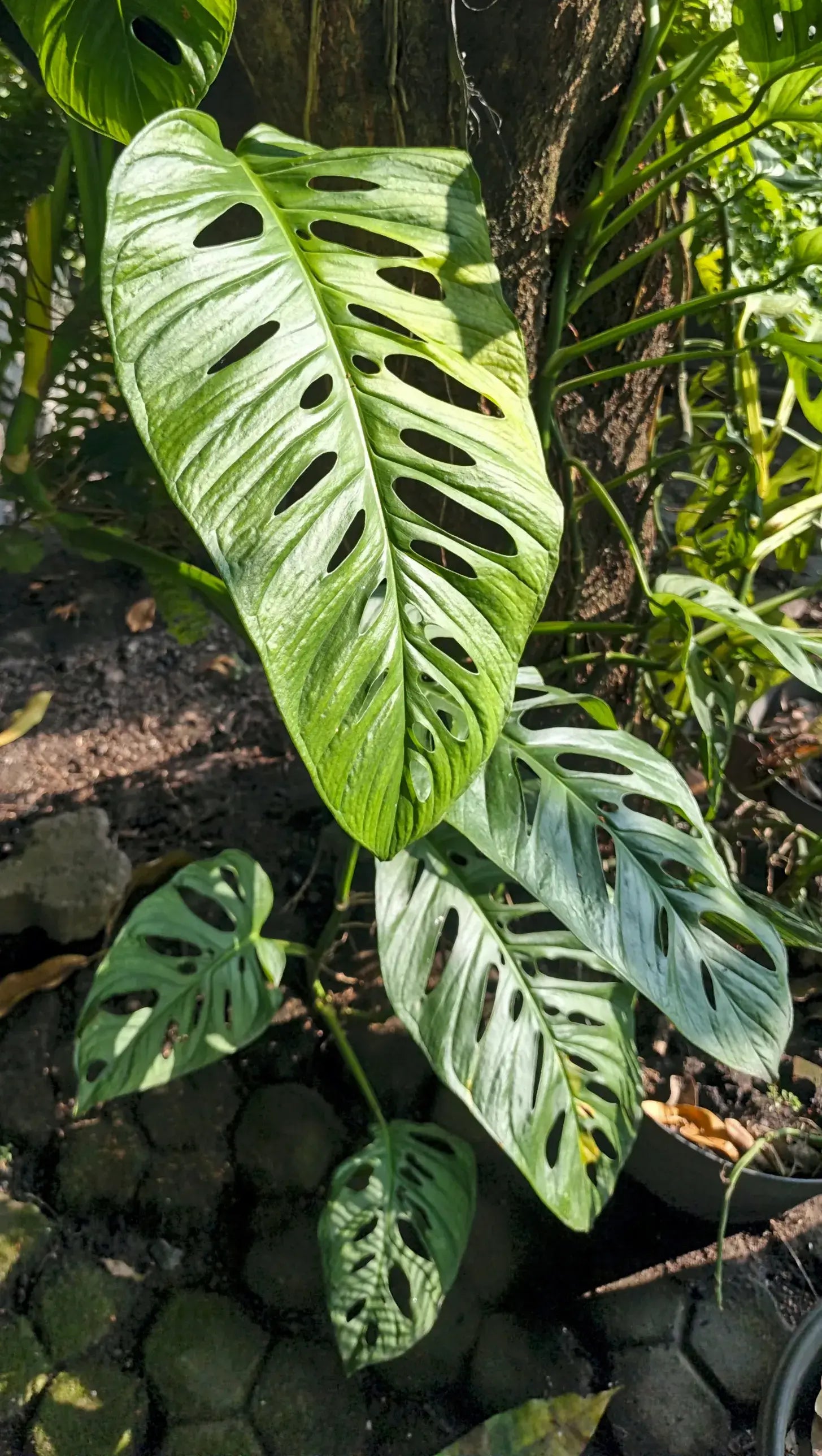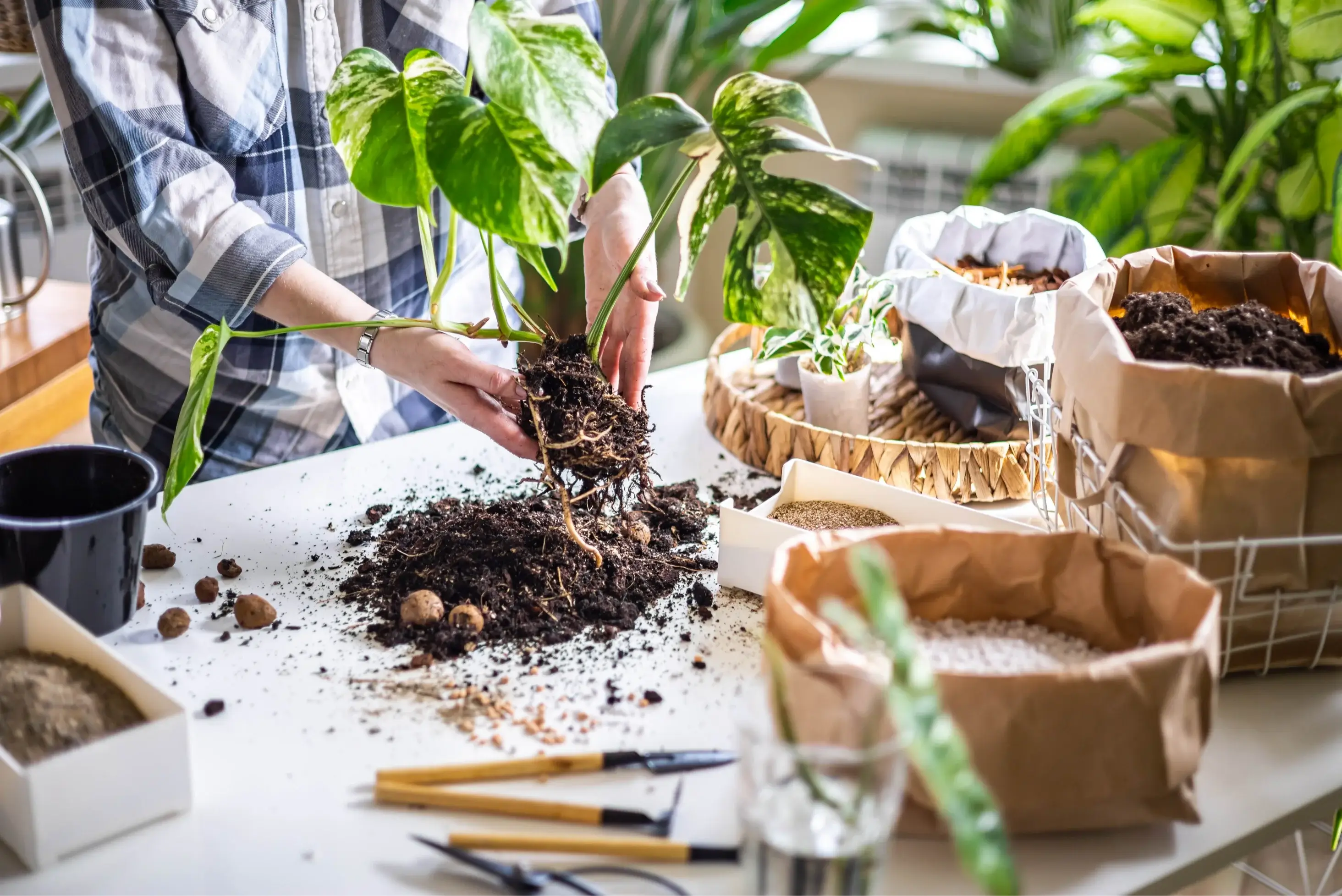
Why Is My Houseplant Not Growing? Light, Roots, Fertiliser and Recovery
Is your houseplant still green but not growing? This guide helps you check light, roots, watering rhythm, substrate, fertiliser, pests and winter stress befo...
Practical plant care guides for real homes: unboxing, acclimation, watering, fertilising, repotting, pests, substrate choices, and the plant behaviour behind common problems.

Is your houseplant still green but not growing? This guide helps you check light, roots, watering rhythm, substrate, fertiliser, pests and winter stress befo...
Yellow leaves, brown spots, pests and soft roots need different responses. Decide when monitoring is enough, when to isolate the plant and when discarding it...

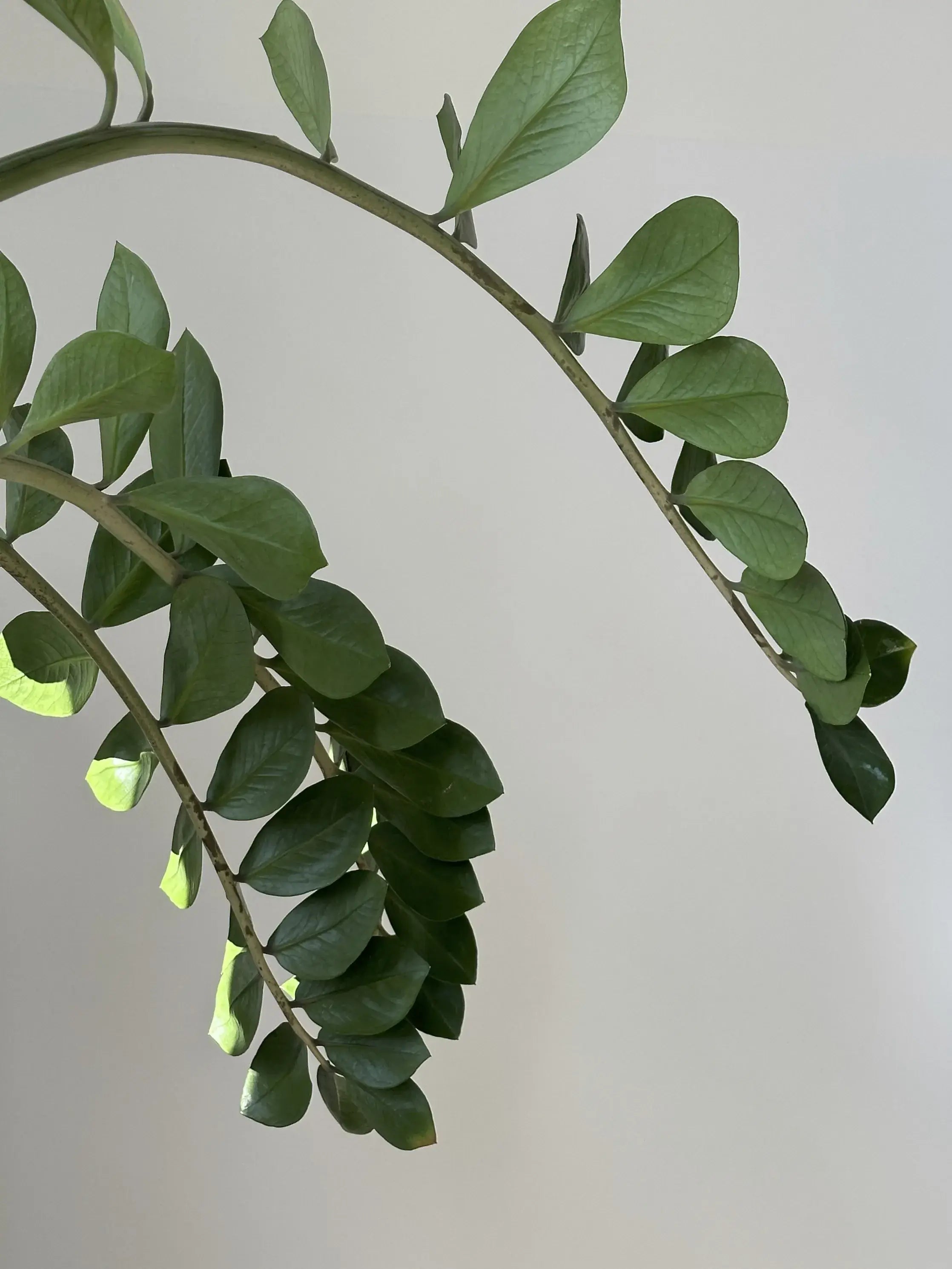
ZZ plant survives lower light and missed waterings, but it grows better when care matches its habitat and underground storage. Learn Zamioculcas zamiifolia l...

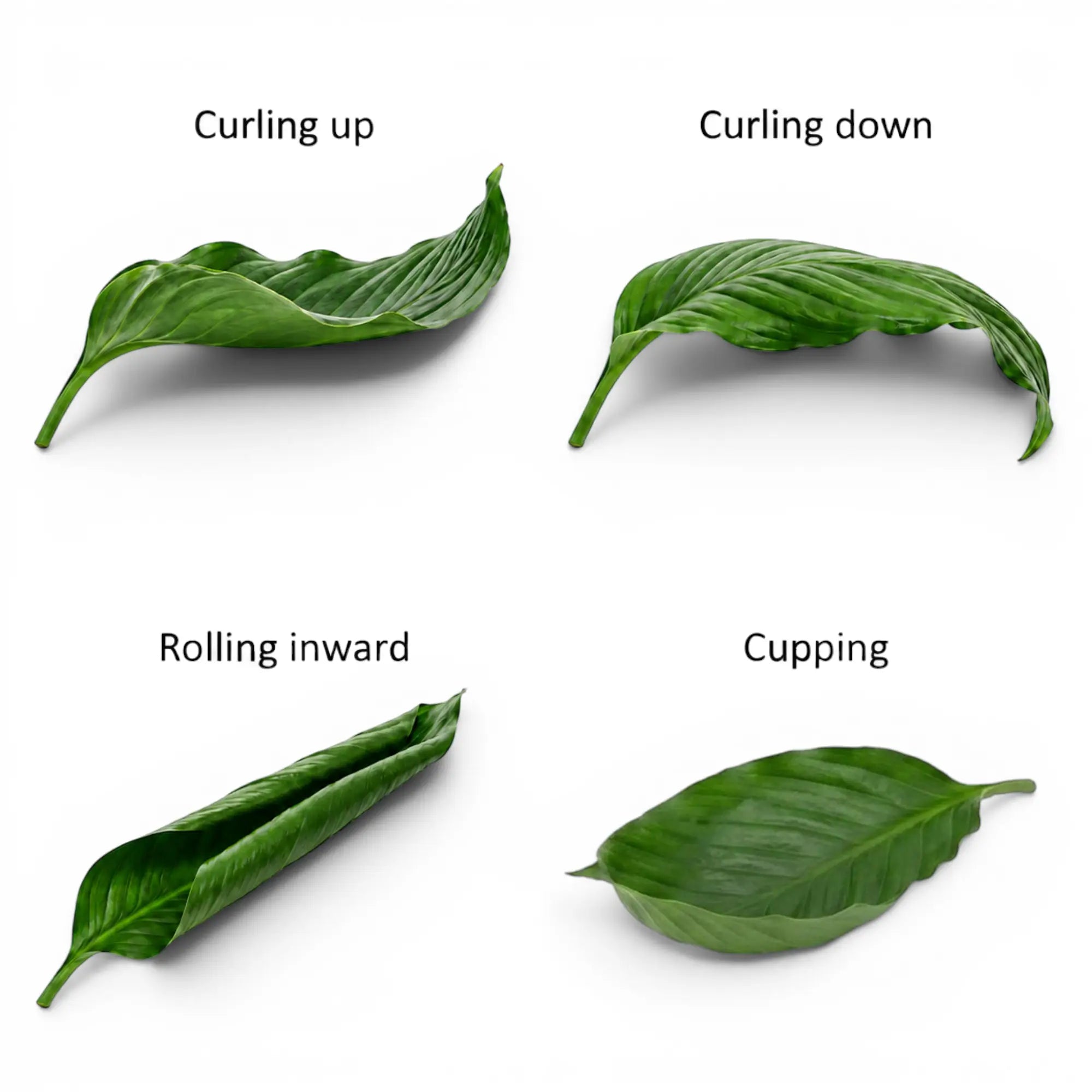
Curled houseplant leaves can point to dry roots, wet substrate, heat, strong light, cold, pests or recent care changes. This guide shows how to read curl dir...

Some climbing houseplants grow toward walls instead of windows. Skototropism helps explain why: a dark vertical shape can act as a support cue for climbing a...

Good houseplant care starts with the conditions around the plant: light, watering rhythm, pot size, substrate, humidity and natural habitat. Roots, new growt...

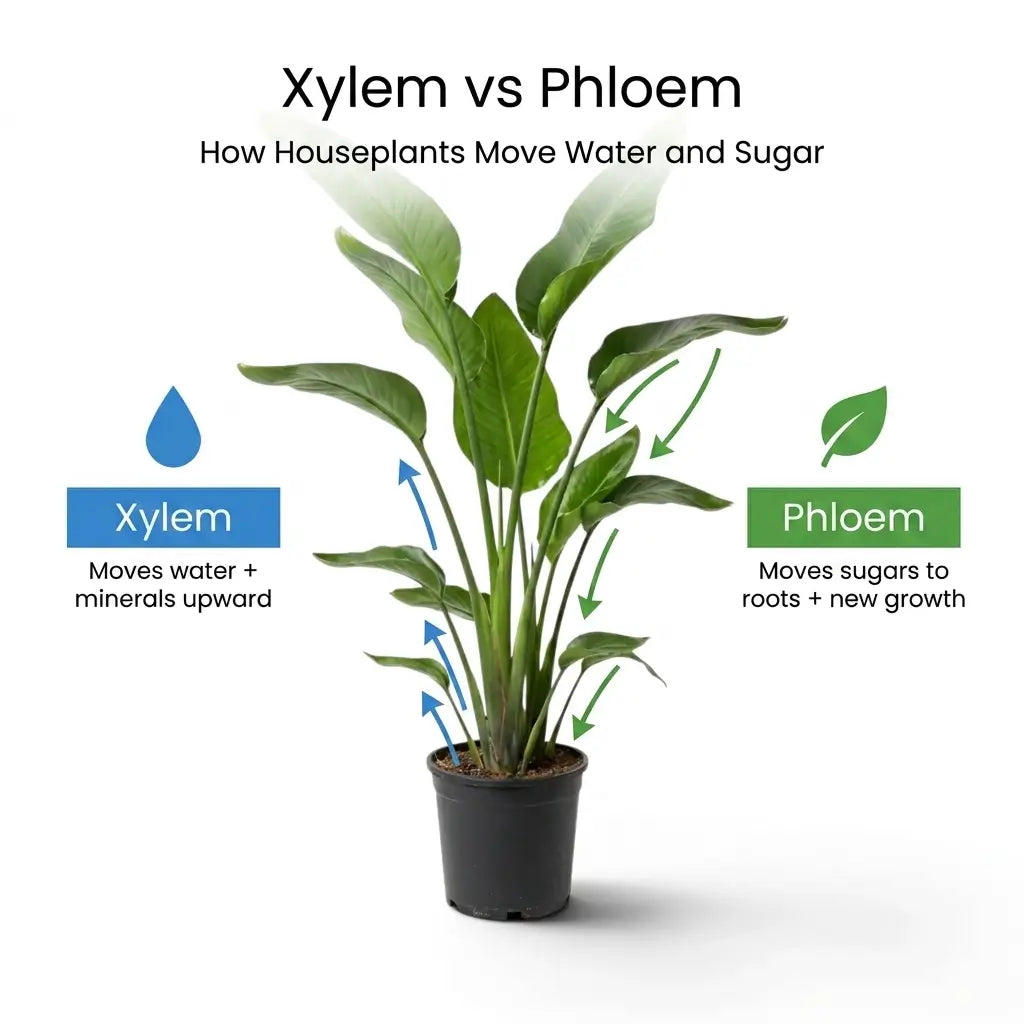
Xylem and phloem sit behind many everyday houseplant symptoms. They help explain drooping leaves, guttation, slow growth, pest-heavy new shoots and why roots...

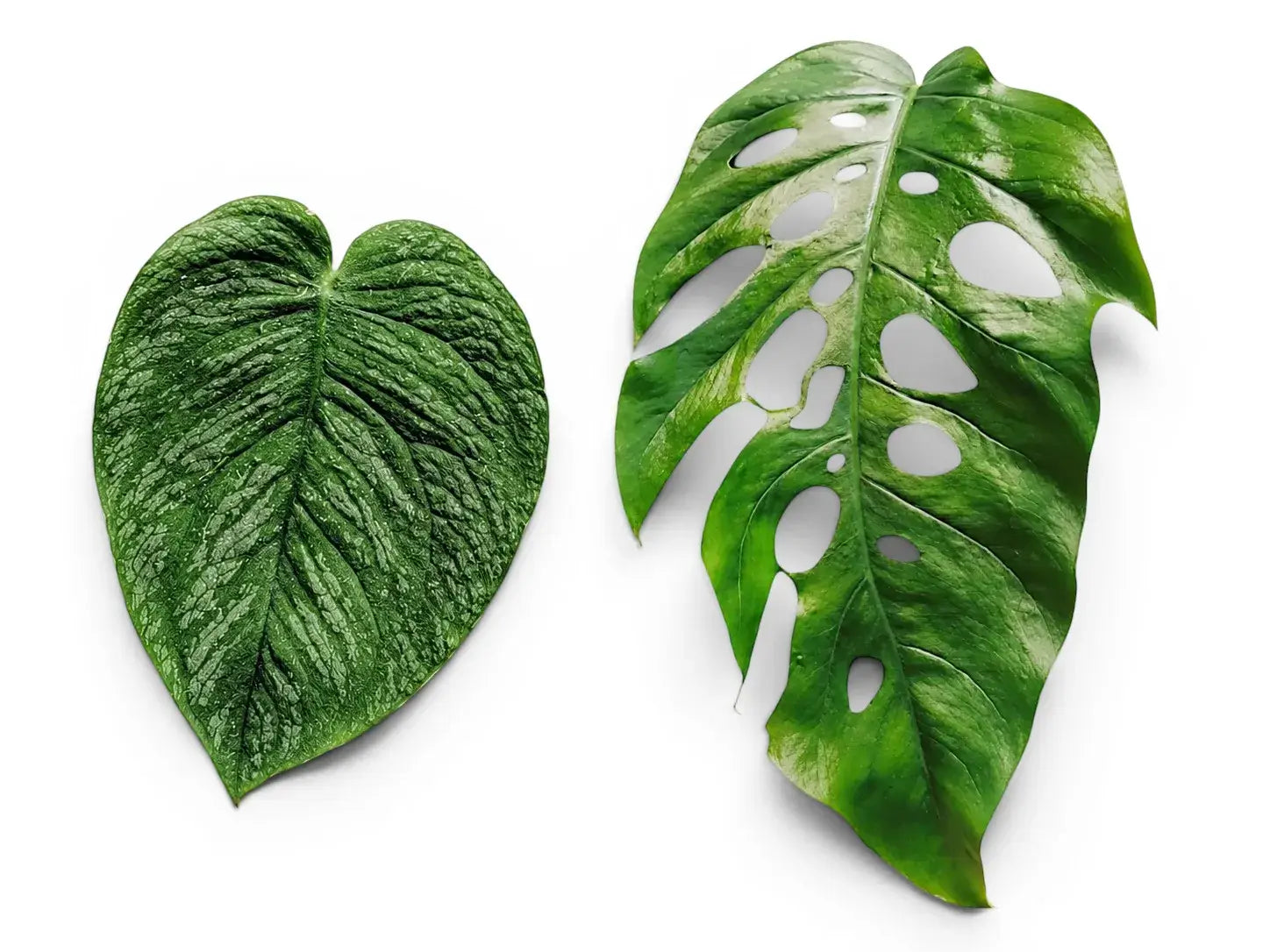
Young houseplants often look nothing like their mature form. Heteroblasty explains why baby Monstera, pothos, Syngonium and climbing Philodendron make simple...

Drooping leaves do not always mean a houseplant is thirsty. Pot weight, substrate feel and root-zone condition separate dry wilt from wet wilt before the nex...

Houseplants can handle short absences if you prepare them properly. Adjust light, water by plant type, choose passive systems carefully and avoid last-minute...

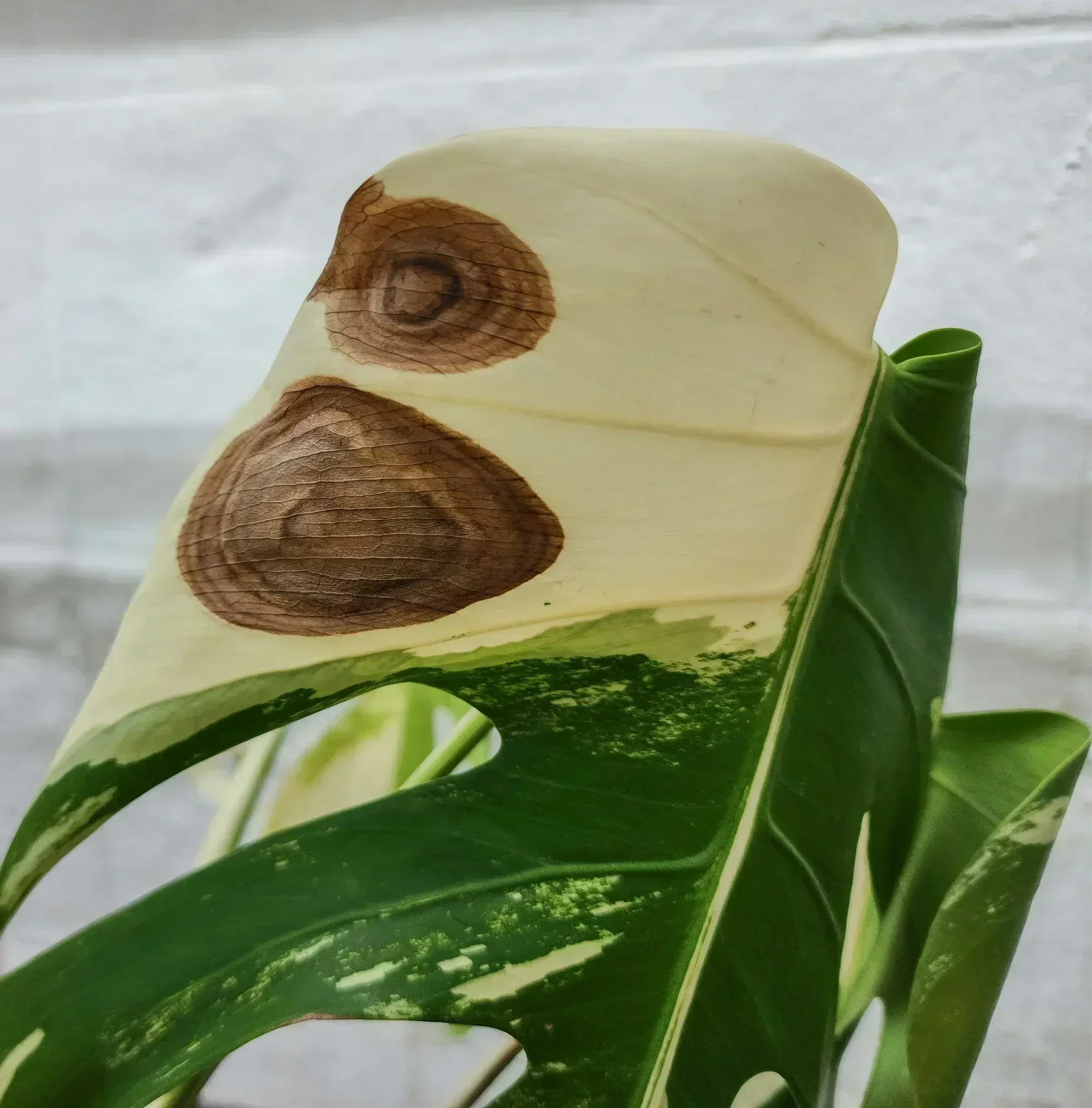
A stuck, torn or deformed new leaf can be a one-off growth accident or a sign of repeated stress. Check pests, roots, humidity, salts and recent care changes...

Root stimulators, enzymes, microbes, CalMag, silicon and pH products only earn their place when light, watering, roots and substrate are already stable. Wate...

Brown spots are easier to diagnose by pattern than by colour alone. Dry patches, yellow halos, black lesions, pest scars, sunburn and water-stress damage eac...

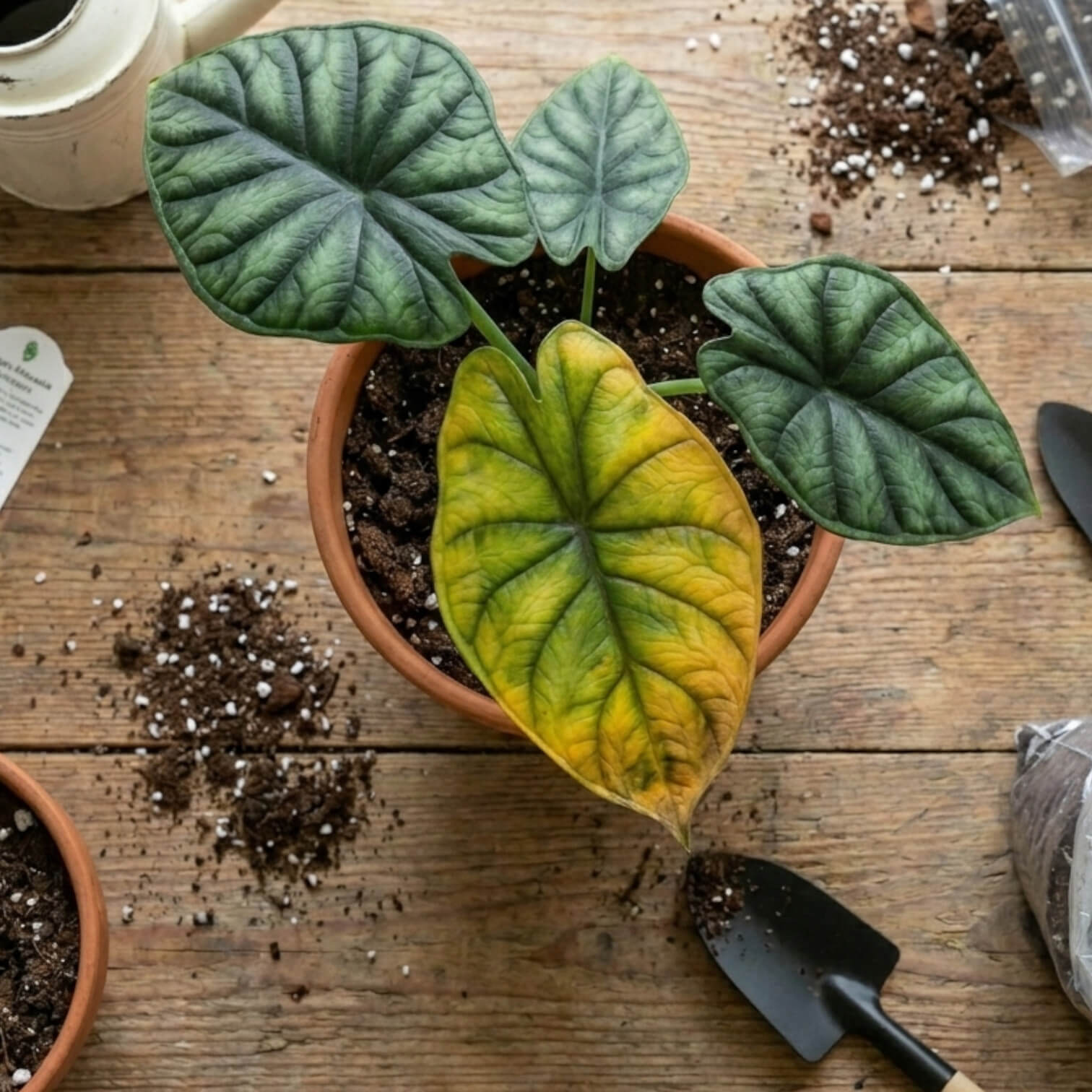
Yellow leaves mean different things depending on position, pattern and timing. Old-leaf ageing, wet roots, drought stress, pests, low light, salt buildup and...

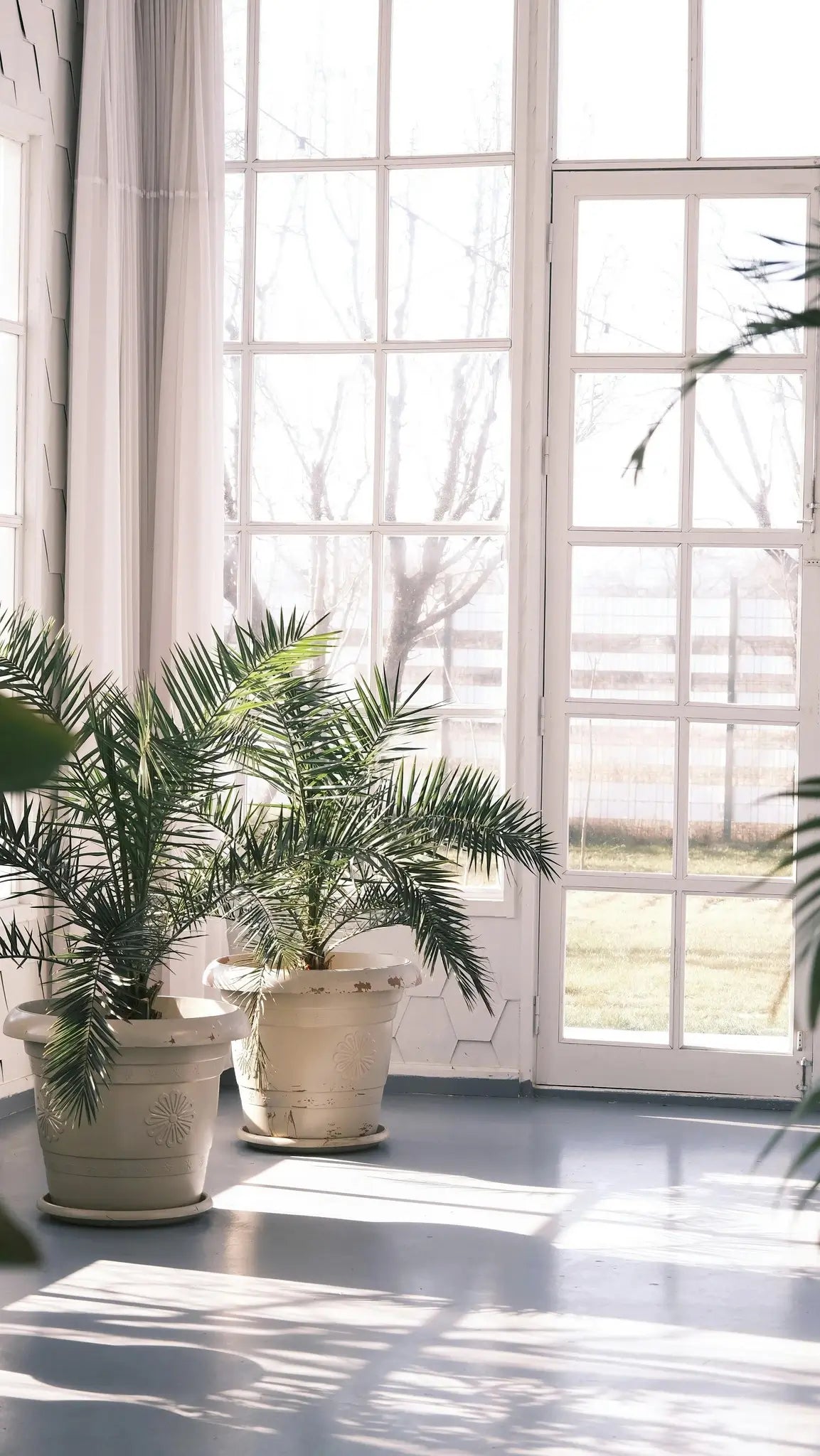
Indoor palms vary more than most shoppers expect. True indoor options, outdoor-leaning container palms and palm lookalikes need different light, watering, ro...

Summer outdoor time can strengthen some houseplants and damage others within days. Match plant type to shade, wind, rain and night temperatures, then acclima...

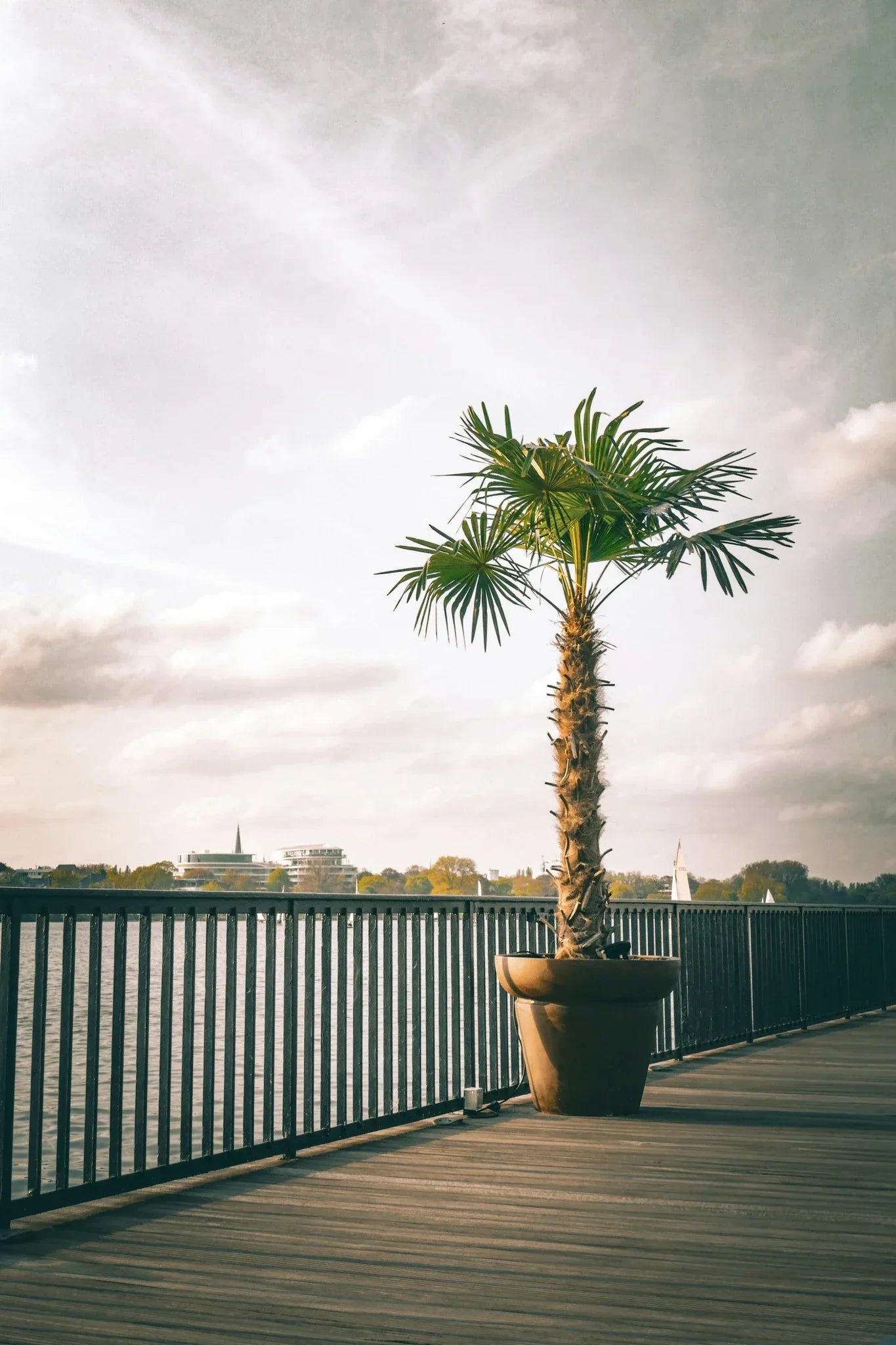
Trachycarpus fortunei is cold-hardy, but healthy growth still depends on a breathable root zone, a protected crown and steady drainage. In pots and gardens, ...

Cat-safe plant choices depend on toxicity, pot stability, placement and your cat’s habits. Species selection should fit your light while keeping tempting lea...

Prayer plants react clearly to moisture, light, salts and air movement. Goeppertia, Maranta, Ctenanthe and Stromanthe show stress through leaf movement, cris...

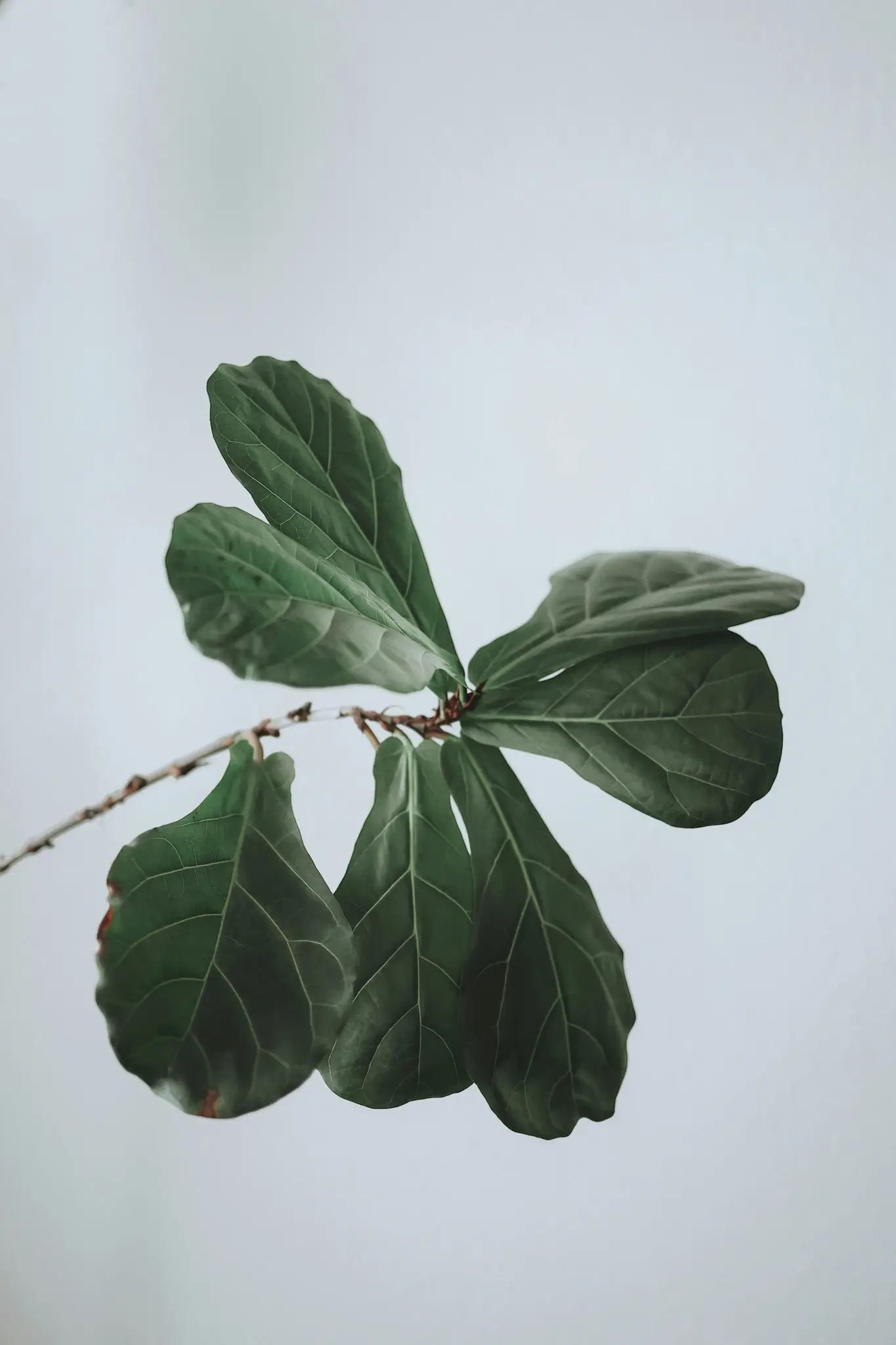
Ficus lyrata problems usually trace back to light, watering or root-zone stability. Give fiddle-leaf fig steady bright light, measured watering, careful prun...

Seasonal light changes even inside the same room. Shorter days, lower sun angle and weaker winter intensity affect watering, growth speed, leaf colour and wh...

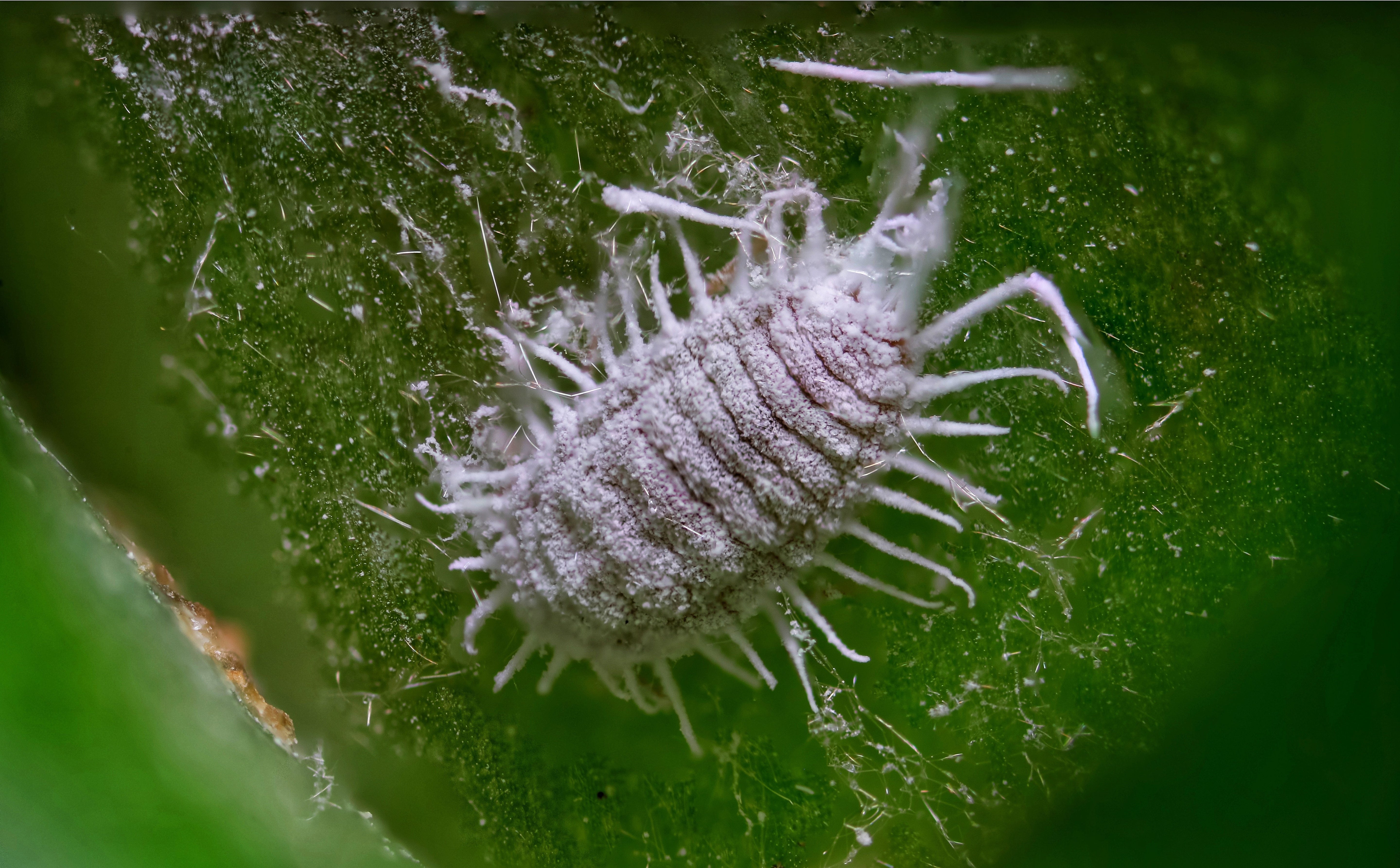
Mealybugs hide in leaf joints, stems, roots and tight new growth, where white fluff appears before the infestation is obvious. Repeated treatment is needed b...

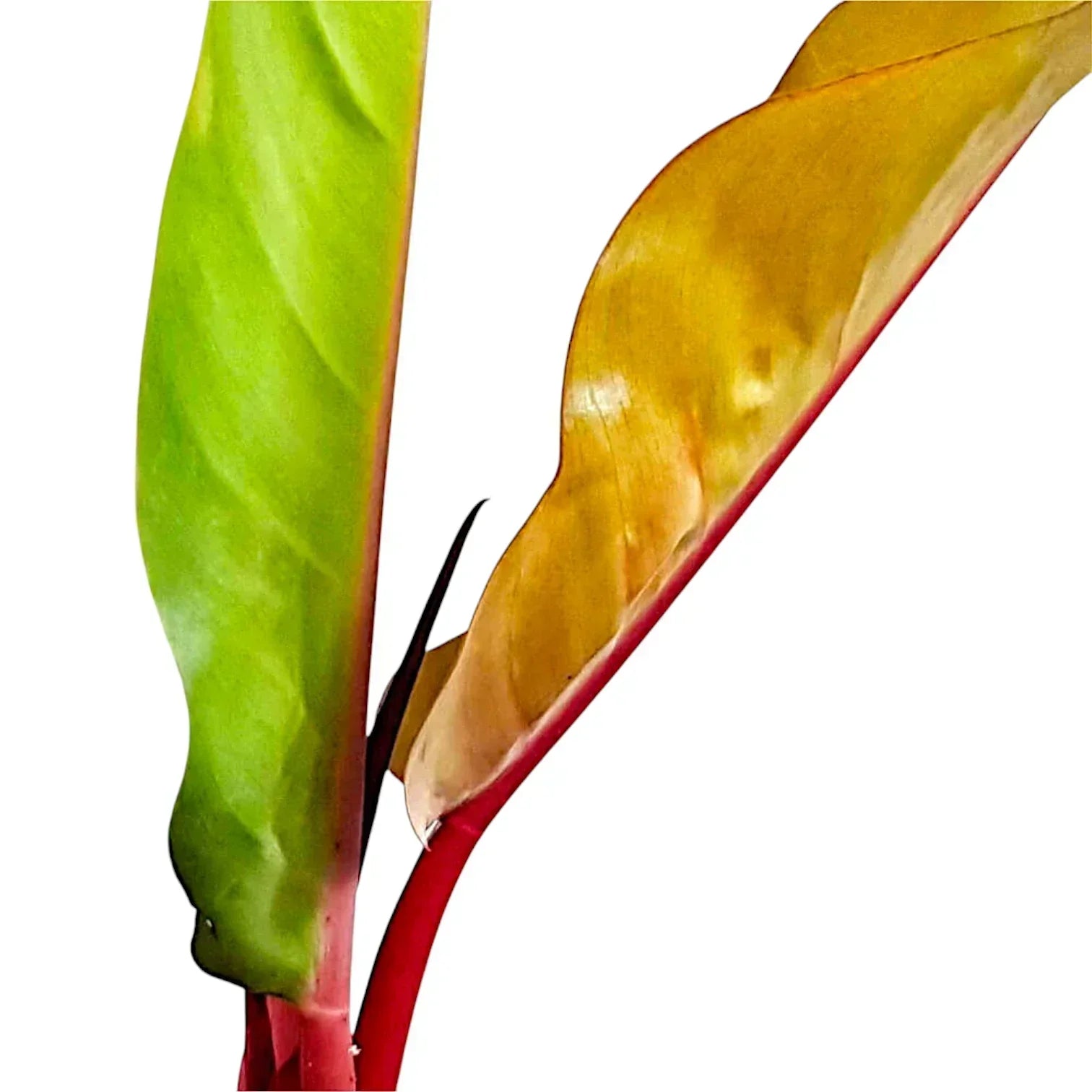
Philodendron ‘Prince of Orange’ turns green as each leaf matures. New orange growth is temporary, while light, nutrition and plant health influence how stron...

Low light indoors is measurable, and most plants grow slowly there. Use lux, distance from windows and plant tolerance to decide whether a dim spot needs a t...