
Outdoor Plants
Outdoor plants cover shrubs, perennials, climbers, herbs, edibles, groundcover and patio plants for gardens, balconies and terraces. Start with site conditions: sun hours, wind, drainage, soil moisture and available root space decide which plants will settle well.

About Our Filters
Filters help you narrow things down fast and without guessing. We put a lot of time and effort into keeping filter values consistent across the shop by cross-checking references and validating them against real-world indoor growing and handling.
Use them as guidance, not guarantees. Homes vary a lot, so for the full context (and any exceptions), open the product page and read the description.
How filtering works
- Filters stack: each selection narrows results.
- Multiple picks in one filter are usually either/or within that filter.
- Undo anytime: click a selected option again (or clear filters).
Safety
- Non-toxic: not known for relevant chemical toxicity for common pets (chewing can still cause irritation).
- Non-toxic & Pet Friendly: stricter shortlist that also avoids many physical hazards like spines, sharp tips, thorns, and bristles.
Common care filters
- Light level: Low indirect → Full sun/direct.
- Water Needs: Low / Medium / High.
- Humidity Level: Normal (40–50%) / Moist (50–60%) / Humid (60–80%+).
Growth & size
- Growth Habit: climbing, trailing, crawling, upright, self-heading, clumping, rosette.
- Needs support? none / optional / needed.
- Delivered size: pot size + plant height at shipping.
- Max size indoors: realistic long-term height + spread indoors.
Looks & botanical browsing
- Leaf Shape & Size + Foliage Colour: quick visual categories.
- Plant Type / Genus / Family: browse by broad group or taxonomy.
If you want to see the references we use, Plant Care Resources is simply a curated list of source links (POWO, Kew, and more).
Sort by:
101 products
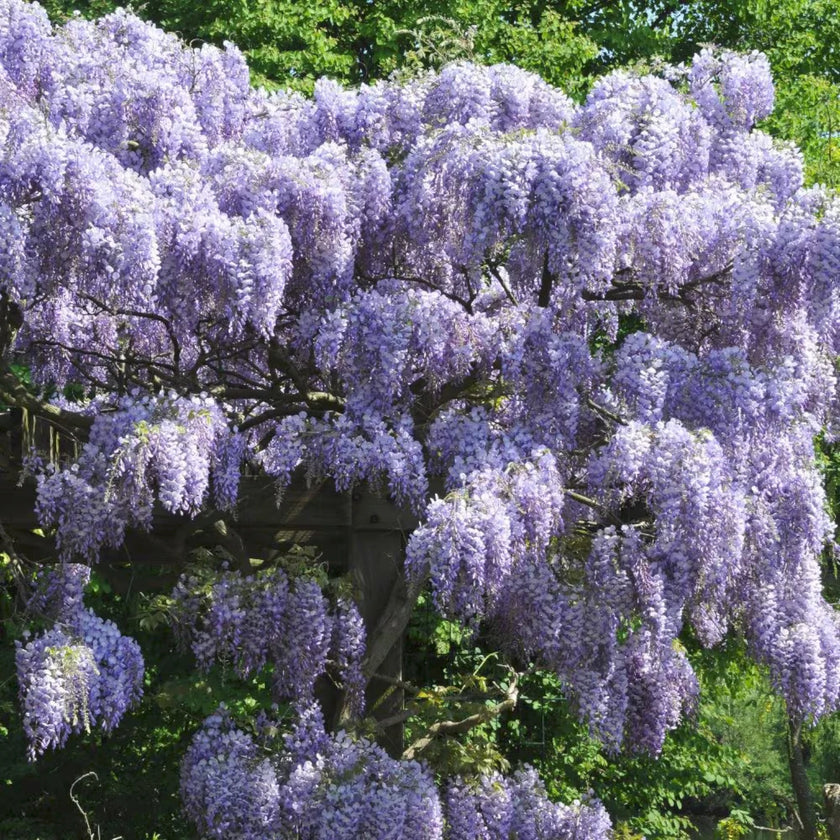
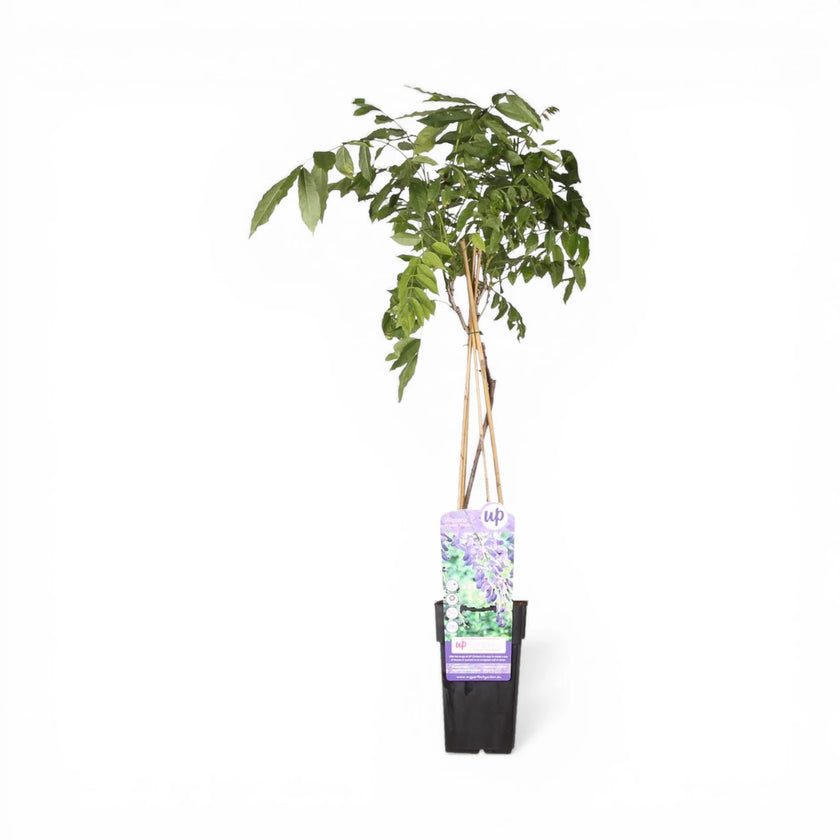
Outdoor Plants
Quick Overview
- Check sun hours, wind exposure and how quickly the soil dries after rain.
- Containers run hotter and drier in summer, and roots feel winter cold sooner than in the ground.
- A small Plant group repeated across the space usually looks stronger than a mixed grab bag.
- Stable moisture beats frequent feeding for most outdoor plants.
- Fast drainage matters most in pots, especially through cool, wet weather.
- Use plant type filters to find structure plants, fillers, climbers, and groundcover that fit together.
- Think about the job: screening, fragrance, edible harvest, seasonal colour, or low input structure.
- Use mature size and maintenance rhythm, more than the first-season look, to make the choice.
Details & Care
Outdoor plant choice starts with the site
Outdoor Plants includes shrubs, perennials, climbers, herbs, edibles, groundcover, patio plants and seasonal accents for gardens, balconies and terraces. The first decision is practical: sun hours, wind, drainage, soil moisture and available space shape what will grow well.
- Sun exposure: Count direct sun hours and notice whether they fall in the morning or hotter afternoon.
- Drainage: Raised, gritty or fast-drying positions need different plants from cool beds that hold moisture.
- Wind: Roof terraces, open corners and exposed balconies dry plants faster and can damage tall growth.
- Containers: Pots warm up, dry out and freeze more quickly than garden soil.
- Purpose: Screening, flowers, fragrance, harvests, groundcover and structure point toward different plant groups.
Build the framework before adding detail
A strong outdoor setup usually starts with structure: woody plants, reliable perennials, repeated groundcover or a few larger containers. Seasonal colour and smaller accents then sit around that framework without making the whole space depend on one brief display.
Container planting needs extra planning. Drainage holes, enough root volume and a stable pot size are more important than decorative styling. A pot that is too small dries quickly in summer and gives roots less protection in winter.
What to check before buying
- Mature size: Check height and spread, not only current pot size.
- Water access: Hot balconies and patio pots need regular checks during dry weather.
- Maintenance: Some plants need pruning, tying in, deadheading or seasonal cutting back.
- Hardiness: Cold tolerance can differ between open ground and containers.
- Planting time: New plants establish more smoothly when heat, drought or frost pressure is moderate.
Use this range by matching plant function to real conditions: the right plant for a windy balcony is different from the right plant for a sheltered border or a sunny raised bed.
Buying for the real growing conditions
A plant can be hardy and still fail when the site doesn’t match its needs. Cold tolerance, drainage, reflected heat and watering access all interact. For containers, judge the plant by mature root needs as well as top growth, because outdoor pots change temperature faster than open soil.
If a page contains many plant types, use filters and collection links to narrow the choice by purpose first, then by flower colour or leaf shape.
Experience you can count on
More than 20,000 customers, rated 4.6 out of 5 stars.
Quality first
Plants are hand-selected and checked before shipping.
Reliable shipping
Safe packaging and tracked shipping from DE and NL.
Small business
Support a small, independent, women-led family business.

Get 10% off your next plant order
Sign up for Foliage Factory newsletter for early access to new arrivals and practical care tips that work in real homes.
Our Customers
★★★★★
Die Pflanzen waren prima verpackt und ein heatpack war im Paket enthalten. Die Lieferzeit hat 2 bis 3 Tagen gedauert, was aus meiner Sicht wirklich gut ist. Alle drei Pflanzen haben die Lieferung gut überstanden. Ich habe mich auf Hoyas spezialisiert und habe schon die nächsten Pflanzen meiner Wunschliste auf der Website gefunden. Daher wird die nächste Bestellung nicht lange auf sich warten lassen.
Marion
★★★★★
The plants are carefully packaged and arrive in great conditions (I’m based in Spain) and they’re always there to help in any way they can with your purchase.I have and will always recommend Foliage Factory to every friend I can. I’m not only satisfied with their plants and prices, but their customer service is exceptional.
José
★★★★☆
Very healthy and well packed plant. Unfortunately there was one plant that ordered couldn’t be delivered as it was out of stock hence 1 star less.
Sam
★★★★☆
Die Sendung kam leider in keinem guten Zustand bei mir an, kann passieren. Habe mich darauf hin sofort an Foliage Factory gewandt und habe selten einen so guten, schnellen, freundlichen und kulanten Kundendienst erlebt.
Frauke
★★★★★
Everything arrived in good condition and very well packed - it wasn't easy with a fragile plant and a heavy bag of substrate. I recommend it!
Lia
★★★★★
Bester online-Pflanzenhandel den ich kenne (habe davor 4 andere ausprobiert). Eine teure Pflanze wurde beim Transport beschädigt und mir ersetzt. Der Kontakt dabei war auch sehr nett (danke Jan) und hat mir gut geholfen. Die anderen Pflanzen sind in einem sehr guten Zustand, keine Schädlinge, super Bewurzelung. Nur zu empfehlen! :)
C L
★★★★★
Super Service, Gute Auswahl, Preise sind fair. Eine Pflanze kam kaputt an, hab sofort Ersatz bekommen. Danke an den unkomplizierten (und blitzschnellen) Kundenservice!!
Sarah
★★★★★
Envoie très rapide (2 jours), plantes parfaitement emballées et super offres ! Je suis une habituelle j'ai passé 6 ou 7 commandes et je n'en peut être plus satisfaite du service client et de la qualité et variété des plantes offertes
Iris
★★★★★
The plants have arrived in perfect condition, the roots and the foliage so so healthy! I had problem with 1 plant out of 16 and they have responded to my email almost instantly and the issue was resolved straight away. I'm really impressed and satisfied, definitely getting more plants from them again!
Patricija
★★★★★
I received perfectly heathy and absolutely beautiful plants, even bigger than expected. The delivery within Europe was really fast. I think Foliage Factory has one of the best plant web shops in the internet. It‘s just great to get so much informations about the plants. I will definitely order again :)
Walkerova
Limited discounts, extras, and bundle deals for subscribers.
Get points with every order to redeem them for discounts.
Give your friends 10 € off and get 200 Foliage Points.
Use your 10% code on plants when you're ready to order.