Skip to content

Cart

Your cart is empty.

Ctenanthe

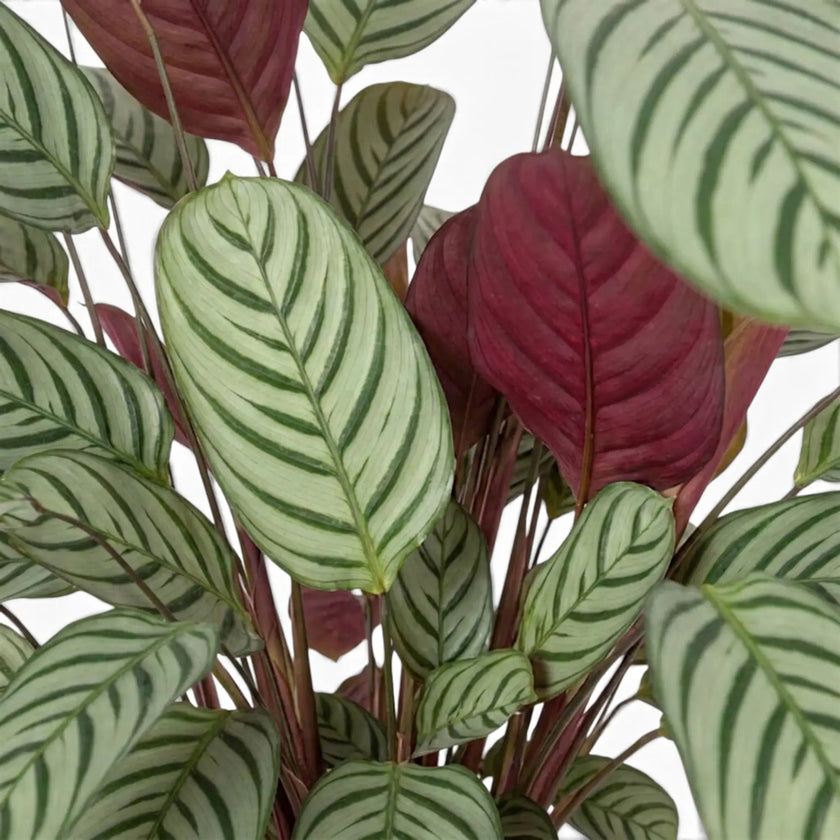
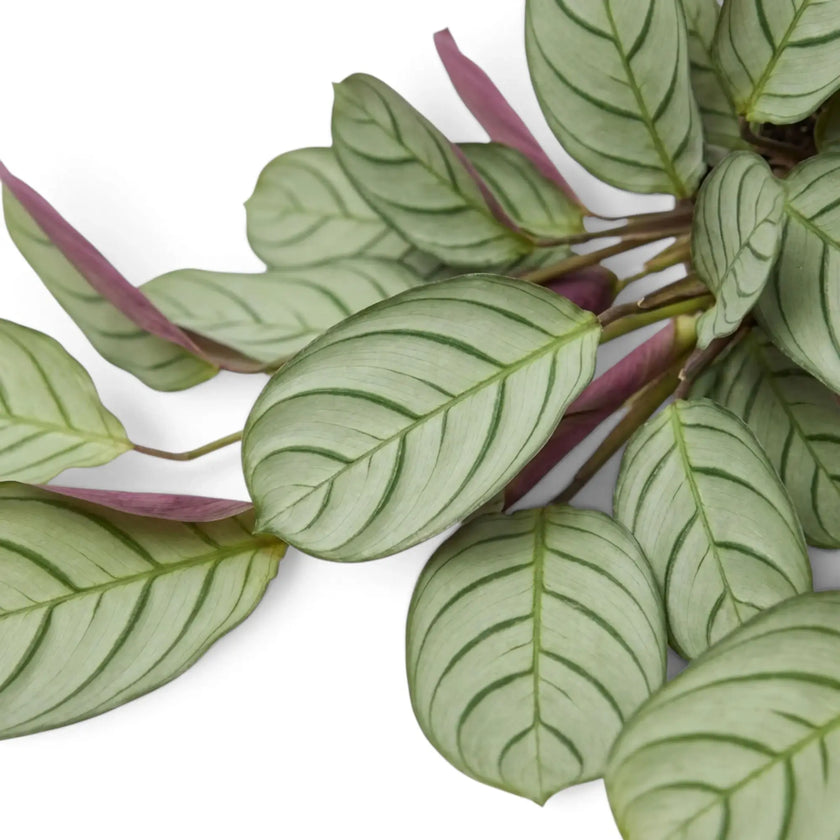
Ctenanthe leaves on white background

Substrate help

Keep prayer plant roots evenly moist, not packed

Fine-rooted Goeppertia, Maranta, Ctenanthe and Stromanthe need a mix that holds even moisture without collapsing into dense soil.

Sort by:

Filters

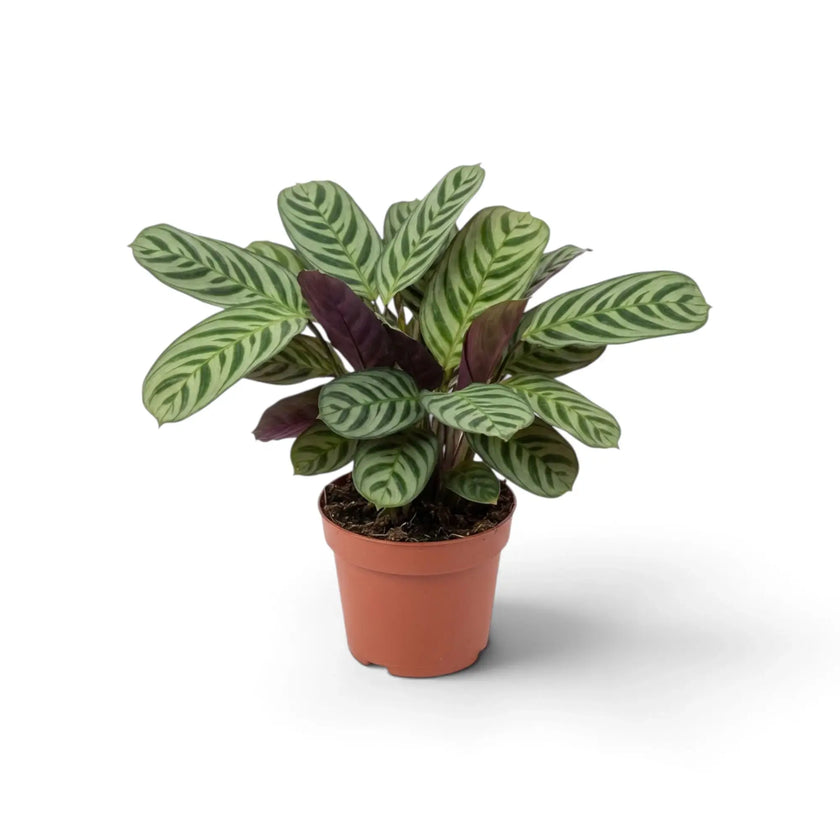
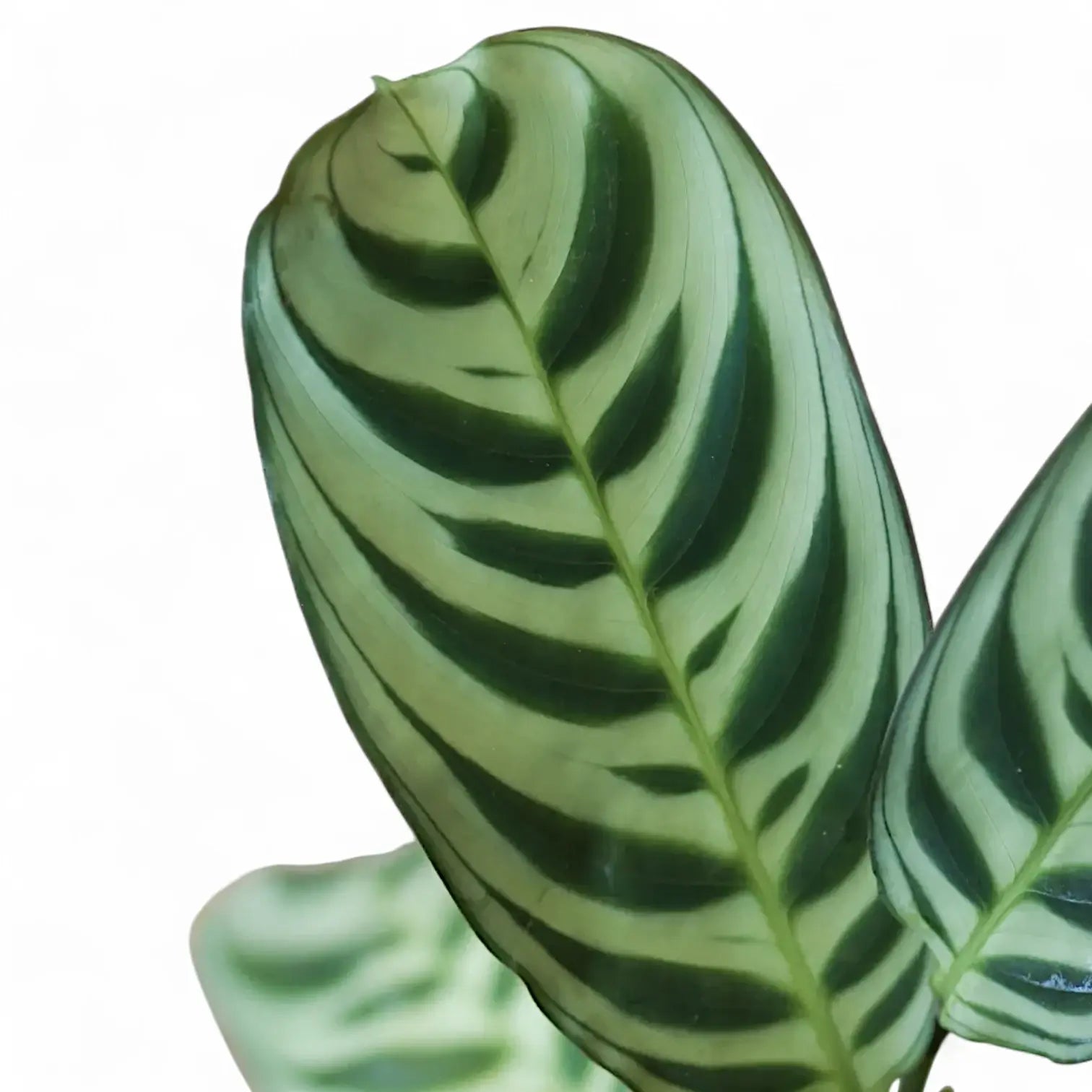
Ctenanthe burle-marxii leaf close-up on white background.
Ctenanthe burle-marxii Regular price €13,50
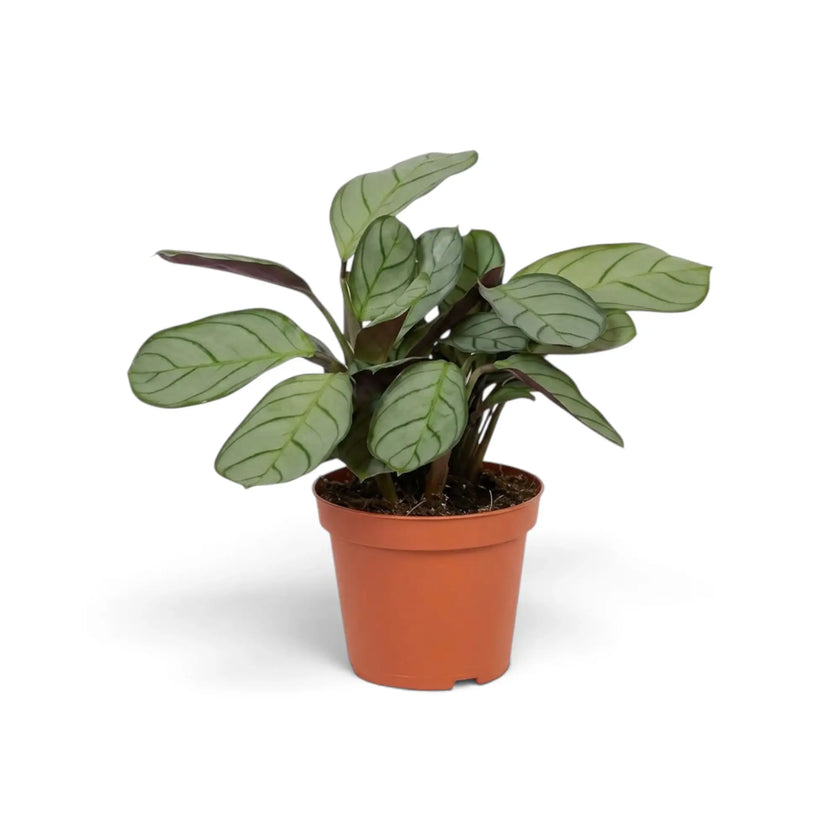
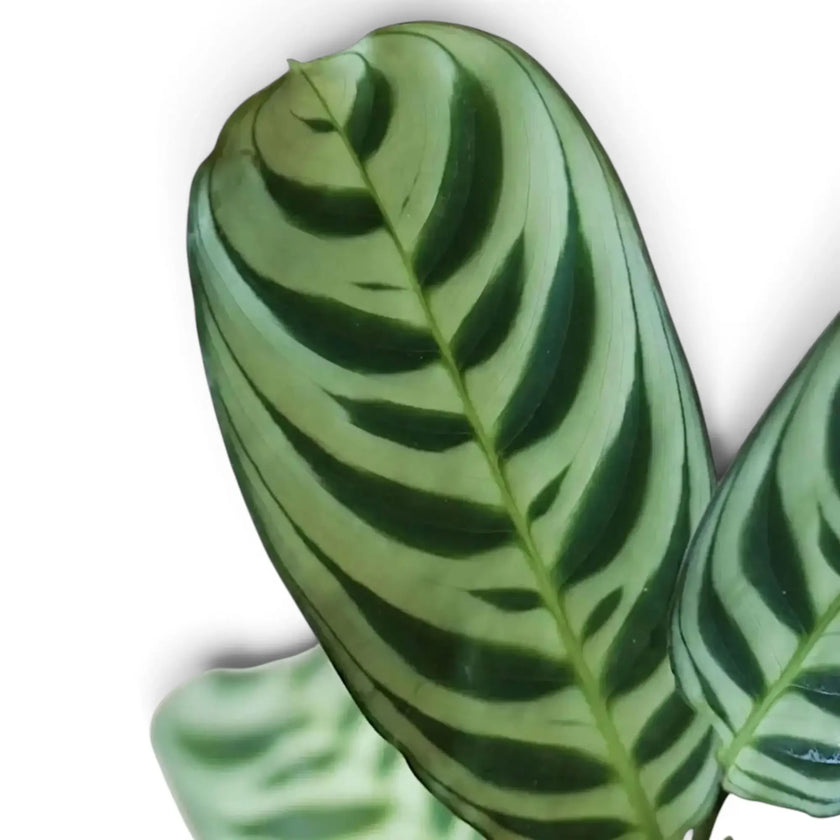
Ctenanthe burle-marxii 'Amagris' leaf detail on white background.
Ctenanthe burle-marxii 'Amagris' Regular price €13,50
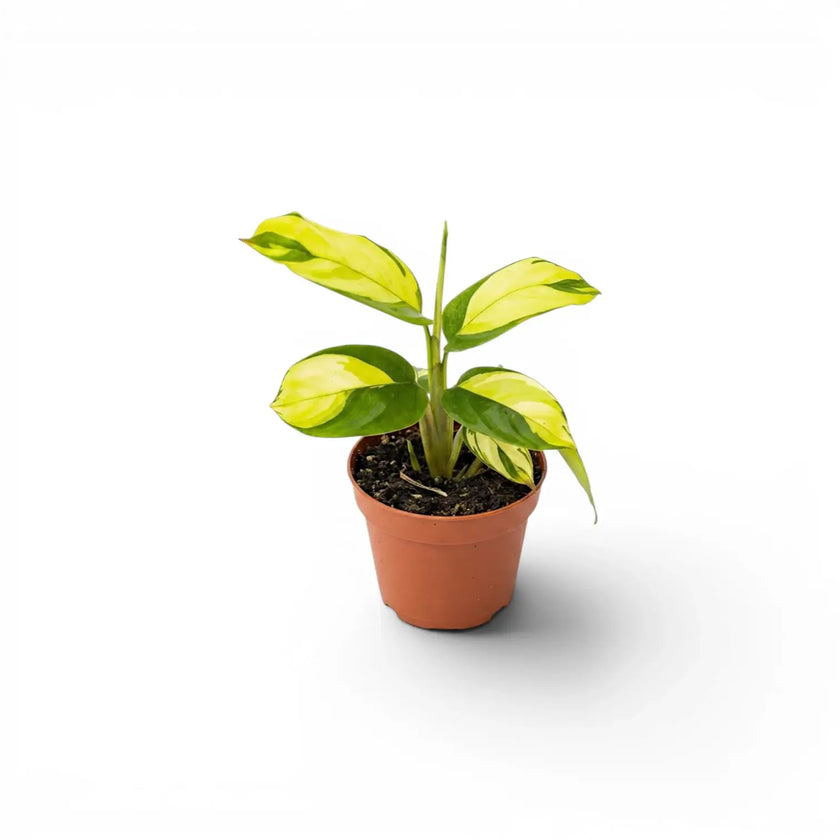
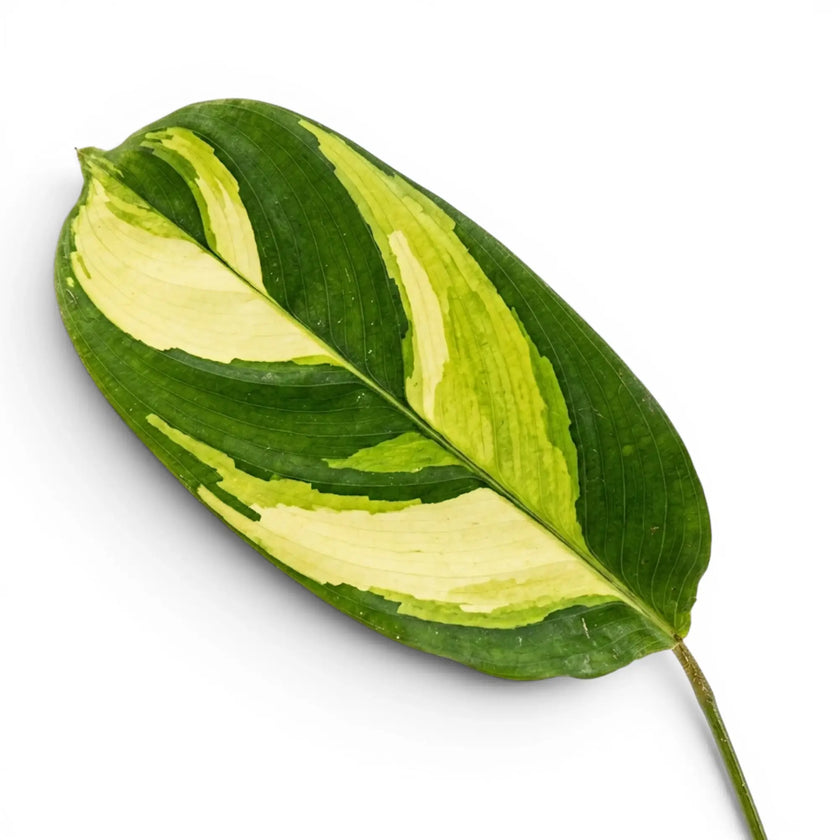
Ctenanthe lubbersiana 'Golden Mosaic' leaf detail on white background.
Ctenanthe lubbersiana 'Golden Mosaic' Regular price From €10,75
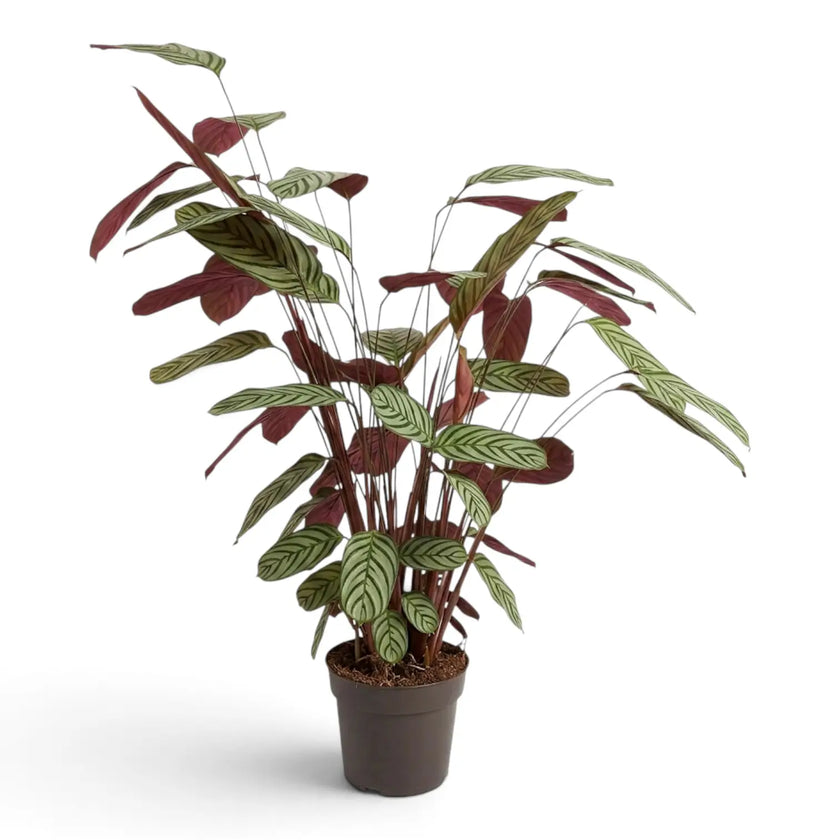
Ctenanthe oppenheimiana close-up of leaf on white background.
Ctenanthe oppenheimiana Regular price €129,50
Ctenanthe setosa 'Compactstar' potted plant in nursery pot on white background.
Ctenanthe setosa 'Compactstar' Regular price €34,75

Marantaceae

Ctenanthe

Quick Overview

Ctenanthe: patterned prayer-plant cousin

  • Role: low, spreading Marantaceae with banded leaves and gentle daily leaf movement; good for soft-textured displays.
  • Light: bright shade or low-medium light; too dim dulls pattern, direct sun behind glass scars delicate blades.
  • Moisture: likes consistently lightly moist mix; avoid both dry pots and heavy, compact soil that stays wet for days.
  • Water quality: fares better with softer water; very hard, mineral-rich water often shows as browned edges over time.
  • Humidity: appreciates moderate humidity and dislikes hot, dry air near heaters-leaves crisp and curl when air is very dry.
  • Pet note: usually treated as low-risk, but foliage is ornamental, not food; discourage regular chewing.
Botanical Profile

Ctenanthe is an accepted genus in Marantaceae native from Costa Rica to tropical South America. Many indoor selections trace back to Brazilian species and cultivars, which is why the genus is often associated with warm, humid forest-floor conditions.

Details & Care

Ctenanthe: patterned leaves with calm, low-sun placement

Ctenanthe sits in Marantaceae and shares the same “soft light, even moisture” preference as other prayer-plant relatives. Leaves can be striped, silvered, or brushed with bold midribs, and many fold slightly at night.

For shopping, look at leaf thickness and petiole length: sturdier leaves and shorter petioles usually cope better with average indoor air, while thinner leaves appreciate higher humidity and fewer swings.

Placement that keeps leaves tidy

  • Light: bright shade to medium light; direct sun marks foliage fast.
  • Temperature: warm and stable; avoid cold drafts and radiator heat.
  • Humidity: moderate to higher humidity helps prevent dry edging, especially in heated rooms.
  • Positioning: set back from hot windows in summer; keep away from cold glass in winter.

Watering and substrate

  • When to water: water once the top 15–25% of the pot has dried; keep the root zone evenly moist, not soaked.
  • Substrate: moisture-buffering mixes with good air space reduce root stress.
  • Water quality: hard water and heavy feeding can leave mineral residue; occasional flushing helps.
  • Pot choice: pots that breathe or mixes with more air space help prevent “wet-but-suffocating” roots.

Many care principles overlap with Calathea care—especially around moisture consistency and leaf-edge crisping.

Leaf signals worth noticing

  • Curling: often points to drying too far, heat, or low humidity; confirm soil moisture before changing light.
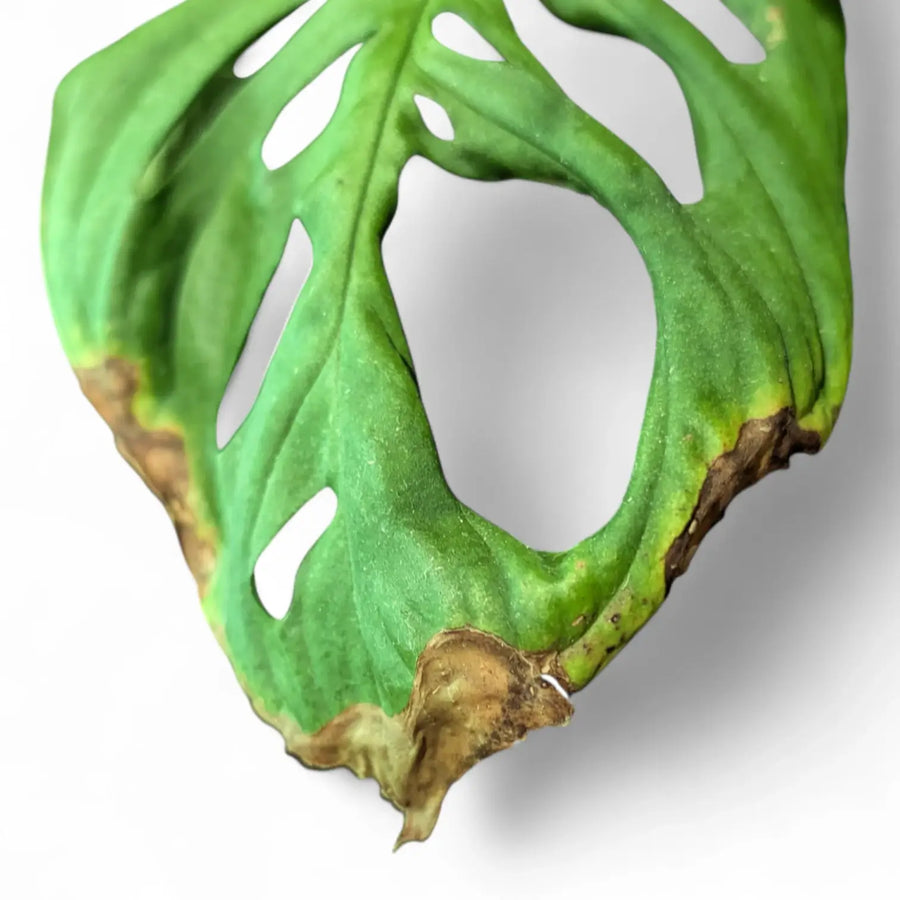
  • Crispy edges: commonly linked to mineral build-up, dry air, or repeated deep-dry cycles.
  • Pale new growth: usually a light issue; move brighter without adding direct sun.
  • Speckling: fine stippling and webbing can indicate spider mites, especially in dry indoor air.

Ctenanthe responds well to routine maintenance: remove damaged leaves at the base, keep foliage clean, and re-pot once roots circle the pot tightly to keep water uptake even.

Frequently Asked Questions About Ctenanthe