





Amydrium
Amydrium are climbing aroids whose leaves can change dramatically with maturity. On a vertical support, the vines may develop larger, more divided foliage, with each species bringing its own texture, vigour and final scale.
Substrate help
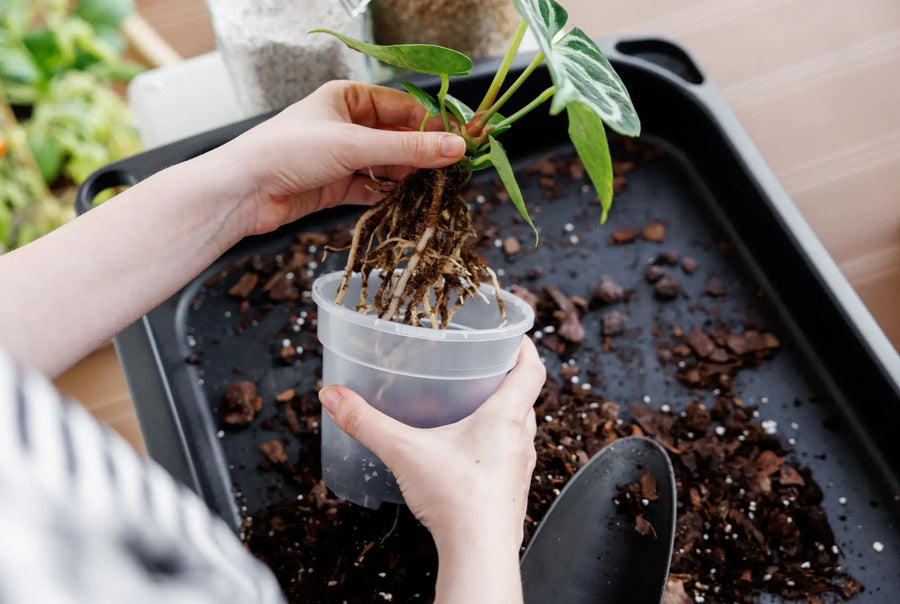
Aroid roots need structure, not dense compost
Choose airy ingredients and ready-to-mix substrate starters for Monstera, Philodendron, Anthurium and related indoor aroids.
About Our Filters
Filters help you narrow things down fast and without guessing. We put a lot of time and effort into keeping filter values consistent across the shop by cross-checking references and validating them against real-world indoor growing and handling.
Use them as guidance, not guarantees. Homes vary a lot, so for the full context (and any exceptions), open the product page and read the description.
How filtering works
- Filters stack: each selection narrows results.
- Multiple picks in one filter are usually either/or within that filter.
- Undo anytime: click a selected option again (or clear filters).
Safety
- Non-toxic: not known for relevant chemical toxicity for common pets (chewing can still cause irritation).
- Non-toxic & Pet Friendly: stricter shortlist that also avoids many physical hazards like spines, sharp tips, thorns, and bristles.
Common care filters
- Light level: Low indirect → Full sun/direct.
- Water Needs: Low / Medium / High.
- Humidity Level: Normal (40–50%) / Moist (50–60%) / Humid (60–80%+).
Growth & size
- Growth Habit: climbing, trailing, crawling, upright, self-heading, clumping, rosette.
- Needs support? none / optional / needed.
- Delivered size: pot size + plant height at shipping.
- Max size indoors: realistic long-term height + spread indoors.
Looks & botanical browsing
- Leaf Shape & Size + Foliage Colour: quick visual categories.
- Plant Type / Genus / Family: browse by broad group or taxonomy.
If you want to see the references we use, Plant Care Resources is simply a curated list of source links (POWO, Kew, and more).
Sort by:
Araceae
Amydrium
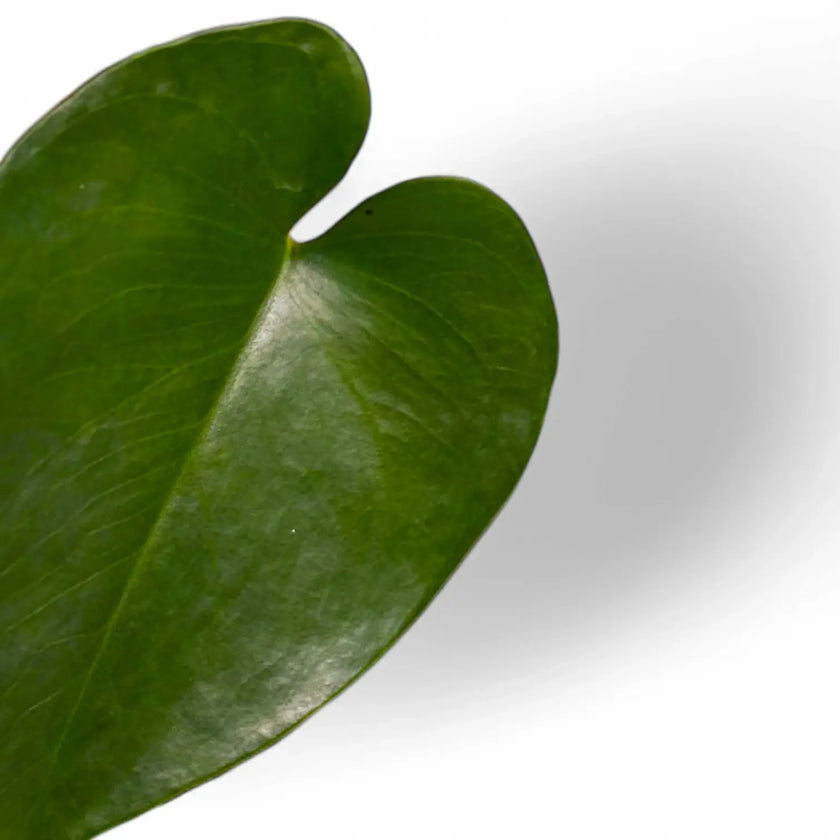
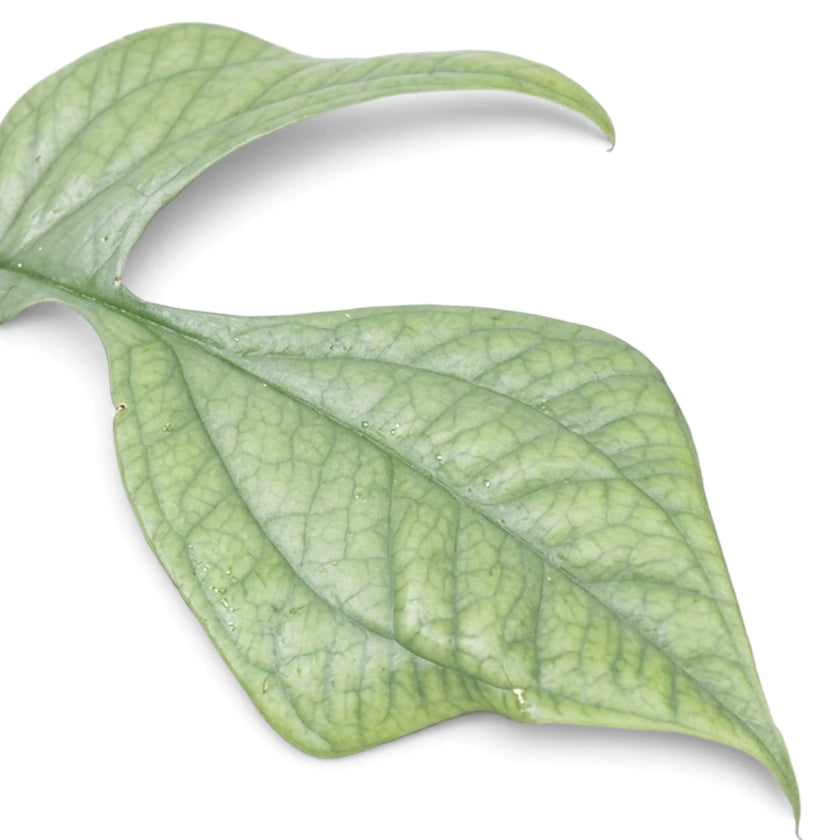
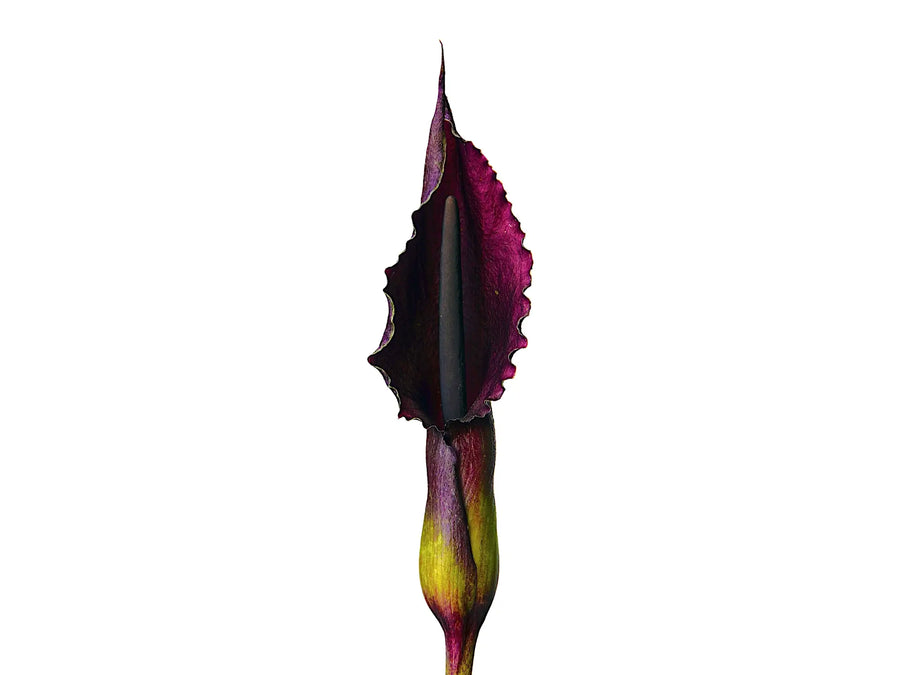
Amydrium is an accepted genus in Araceae native from Indo-China to Papua New Guinea. The genus includes a small number of wet tropical climbers or lianas, and mature foliage may be perforated or more deeply divided depending on species.
Amydrium vines and their changing mature leaves
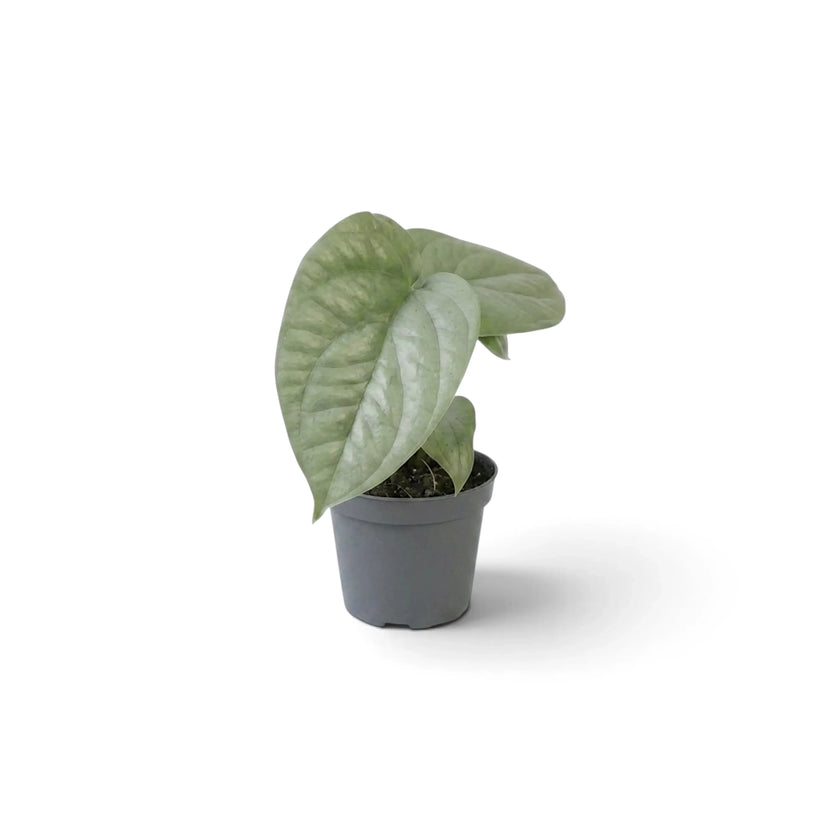
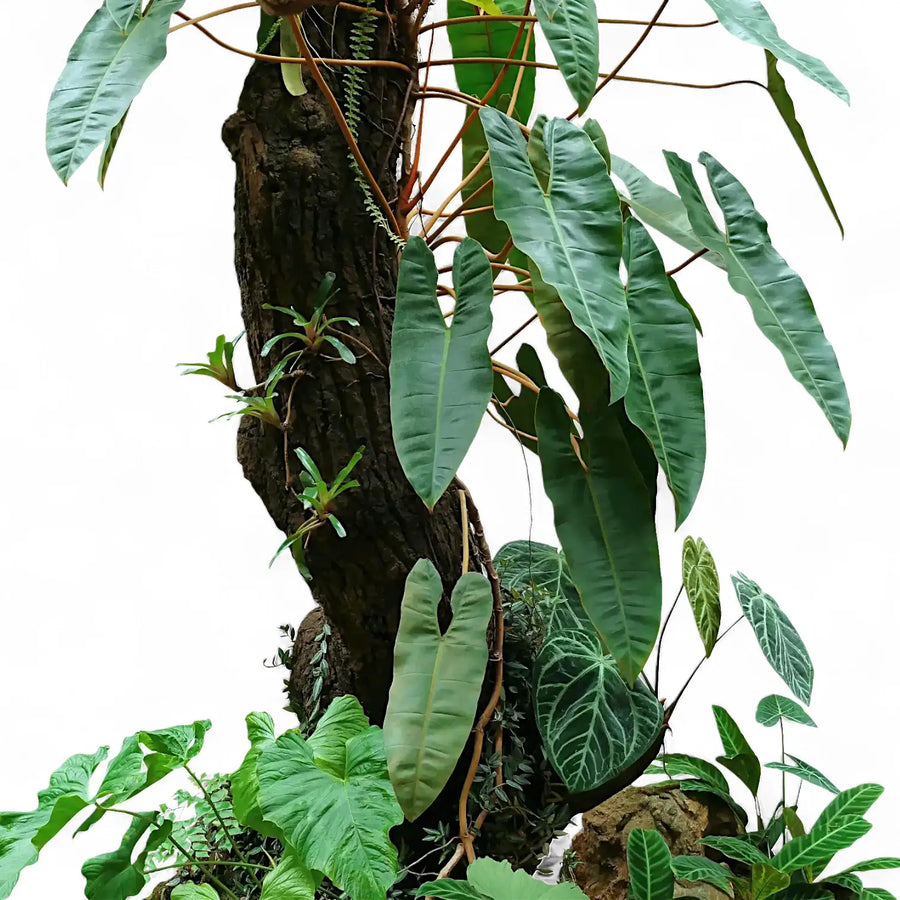
Amydrium grows as a climbing aroid. Juvenile leaves may be simple, while supported mature stems can produce stronger lobing or fenestration. Species differ in leaf width, texture, colour and how early those changes appear.
A stable plank or pole gives aerial roots a surface to attach to and helps the vine maintain an upward direction. The Monstera care guide provides a useful comparison for support-led leaf development in a familiar climbing aroid. An aroid substrate keeps the pot roots aerated.
The guide to epiphytic growth explains why a climbing Amydrium uses both pot roots and aerial attachment roots. Amydrium contains calcium oxalate crystals, so keep leaves and cut stems away from children and pets.
Botanical Profile
Amydrium is an accepted genus in Araceae native from Indo-China to Papua New Guinea. The genus includes a small number of wet tropical climbers or lianas, and mature foliage may be perforated or more deeply divided depending on species.
Details & Care
Amydrium vines and their changing mature leaves
Amydrium grows as a climbing aroid. Juvenile leaves may be simple, while supported mature stems can produce stronger lobing or fenestration. Species differ in leaf width, texture, colour and how early those changes appear.
A stable plank or pole gives aerial roots a surface to attach to and helps the vine maintain an upward direction. The Monstera care guide provides a useful comparison for support-led leaf development in a familiar climbing aroid. An aroid substrate keeps the pot roots aerated.
The guide to epiphytic growth explains why a climbing Amydrium uses both pot roots and aerial attachment roots. Amydrium contains calcium oxalate crystals, so keep leaves and cut stems away from children and pets.
Frequently Asked Questions About Amydrium
Is Amydrium basically Monstera or Rhaphidophora?
No. Amydrium is its own aroid genus, even though juvenile plants can look confusingly similar to other climbing monsteroid aroids in trade.
Does Amydrium need support indoors?
Usually yes. Common indoor Amydrium are climbers, and a pole, board, or trellis helps them root along the stem and produce larger, more mature-looking leaves over time.
What light does Amydrium need indoors?
Bright indirect light is the safest baseline. It can handle gentle filtered sun, but hard direct sun is more likely to stress the foliage than help it.
How often should I water Amydrium?
Water when roughly the top 20–30% of the pot has dried. In cooler or dimmer conditions, let closer to the top 30–40% dry first. Use an airy mix that stays lightly moist for a while but does not stay dense and wet.
Why are Amydrium leaves staying juvenile indoors?
Usually because the plant lacks enough size, light, or support. Many Amydrium keep juvenile foliage much longer when they are left unsupported.
Experience you can count on
More than 20,000 customers, rated 4.6 out of 5 stars.
Quality first
Plants are hand-selected and checked before shipping.
Reliable shipping
Safe packaging and tracked shipping from DE and NL.
Small business
Support a small, independent, women-led family business.

Get 10% off your next plant order
Sign up for Foliage Factory newsletter for early access to new arrivals and practical care tips that work in real homes.
Our Customers
★★★★★
Die Pflanzen waren prima verpackt und ein heatpack war im Paket enthalten. Die Lieferzeit hat 2 bis 3 Tagen gedauert, was aus meiner Sicht wirklich gut ist. Alle drei Pflanzen haben die Lieferung gut überstanden. Ich habe mich auf Hoyas spezialisiert und habe schon die nächsten Pflanzen meiner Wunschliste auf der Website gefunden. Daher wird die nächste Bestellung nicht lange auf sich warten lassen.
Marion
★★★★★
The plants are carefully packaged and arrive in great conditions (I’m based in Spain) and they’re always there to help in any way they can with your purchase.I have and will always recommend Foliage Factory to every friend I can. I’m not only satisfied with their plants and prices, but their customer service is exceptional.
José
★★★★☆
Very healthy and well packed plant. Unfortunately there was one plant that ordered couldn’t be delivered as it was out of stock hence 1 star less.
Sam
★★★★☆
Die Sendung kam leider in keinem guten Zustand bei mir an, kann passieren. Habe mich darauf hin sofort an Foliage Factory gewandt und habe selten einen so guten, schnellen, freundlichen und kulanten Kundendienst erlebt.
Frauke
★★★★★
Everything arrived in good condition and very well packed - it wasn't easy with a fragile plant and a heavy bag of substrate. I recommend it!
Lia
★★★★★
Bester online-Pflanzenhandel den ich kenne (habe davor 4 andere ausprobiert). Eine teure Pflanze wurde beim Transport beschädigt und mir ersetzt. Der Kontakt dabei war auch sehr nett (danke Jan) und hat mir gut geholfen. Die anderen Pflanzen sind in einem sehr guten Zustand, keine Schädlinge, super Bewurzelung. Nur zu empfehlen! :)
C L
★★★★★
Super Service, Gute Auswahl, Preise sind fair. Eine Pflanze kam kaputt an, hab sofort Ersatz bekommen. Danke an den unkomplizierten (und blitzschnellen) Kundenservice!!
Sarah
★★★★★
Envoie très rapide (2 jours), plantes parfaitement emballées et super offres ! Je suis une habituelle j'ai passé 6 ou 7 commandes et je n'en peut être plus satisfaite du service client et de la qualité et variété des plantes offertes
Iris
★★★★★
The plants have arrived in perfect condition, the roots and the foliage so so healthy! I had problem with 1 plant out of 16 and they have responded to my email almost instantly and the issue was resolved straight away. I'm really impressed and satisfied, definitely getting more plants from them again!
Patricija
★★★★★
I received perfectly heathy and absolutely beautiful plants, even bigger than expected. The delivery within Europe was really fast. I think Foliage Factory has one of the best plant web shops in the internet. It‘s just great to get so much informations about the plants. I will definitely order again :)
Walkerova
Limited discounts, extras, and bundle deals for subscribers.
Get points with every order to redeem them for discounts.
Give your friends 10 € off and get 200 Foliage Points.
Use your 10% code on plants when you're ready to order.