Skip to content

Cart

Your cart is empty.

Aloe

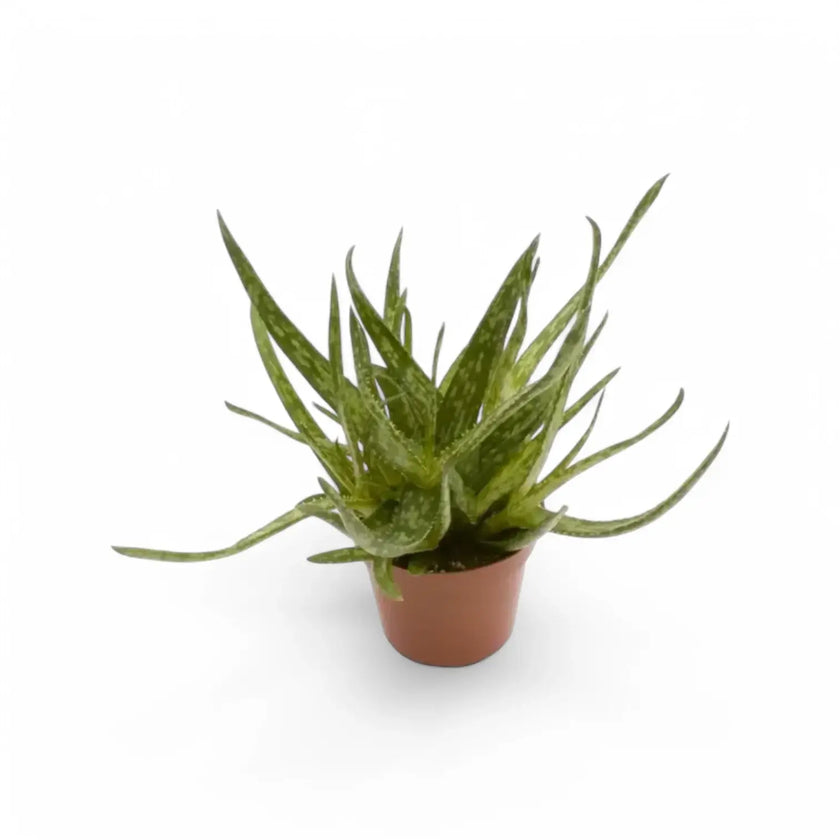
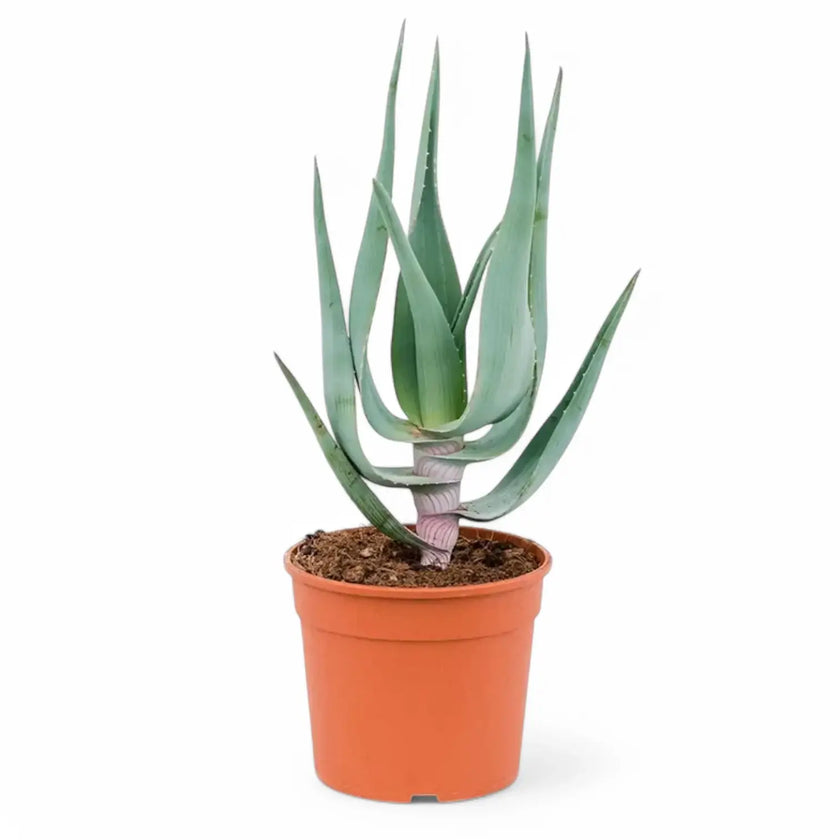
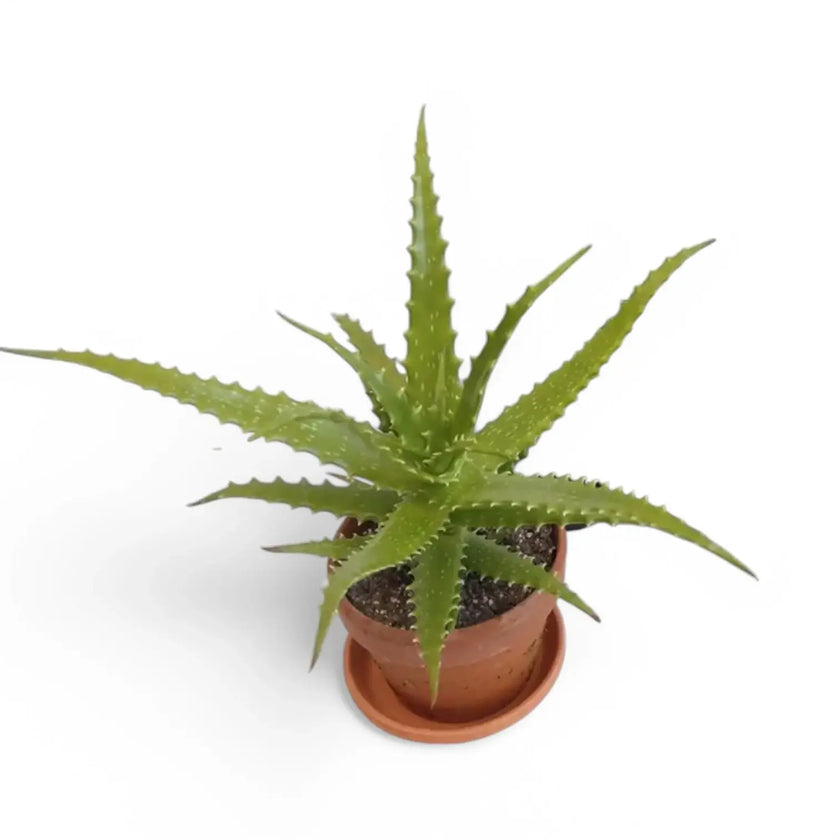
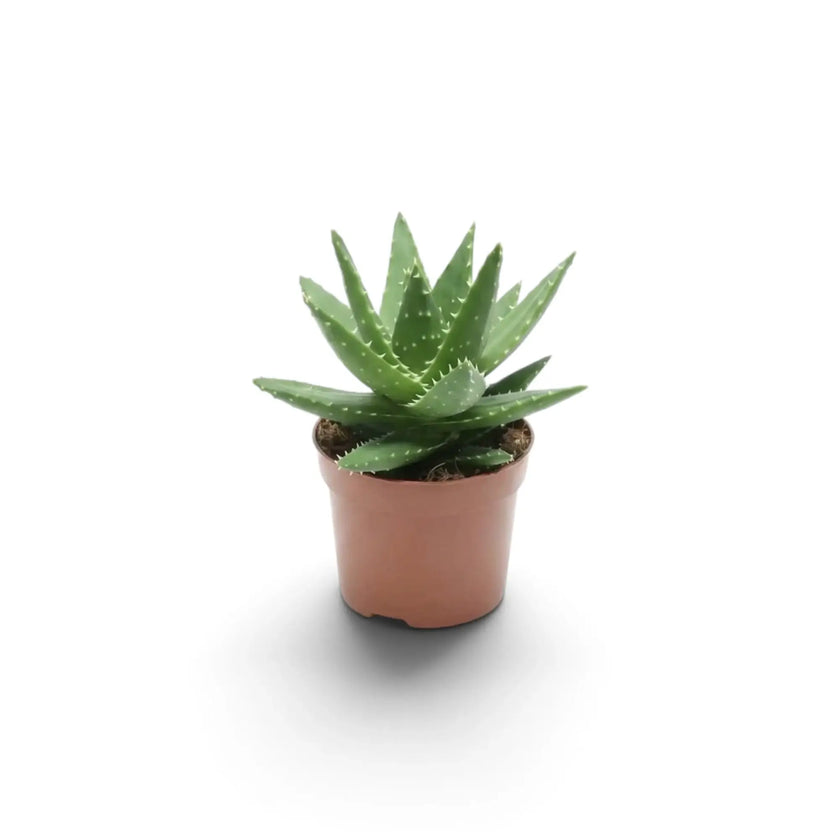
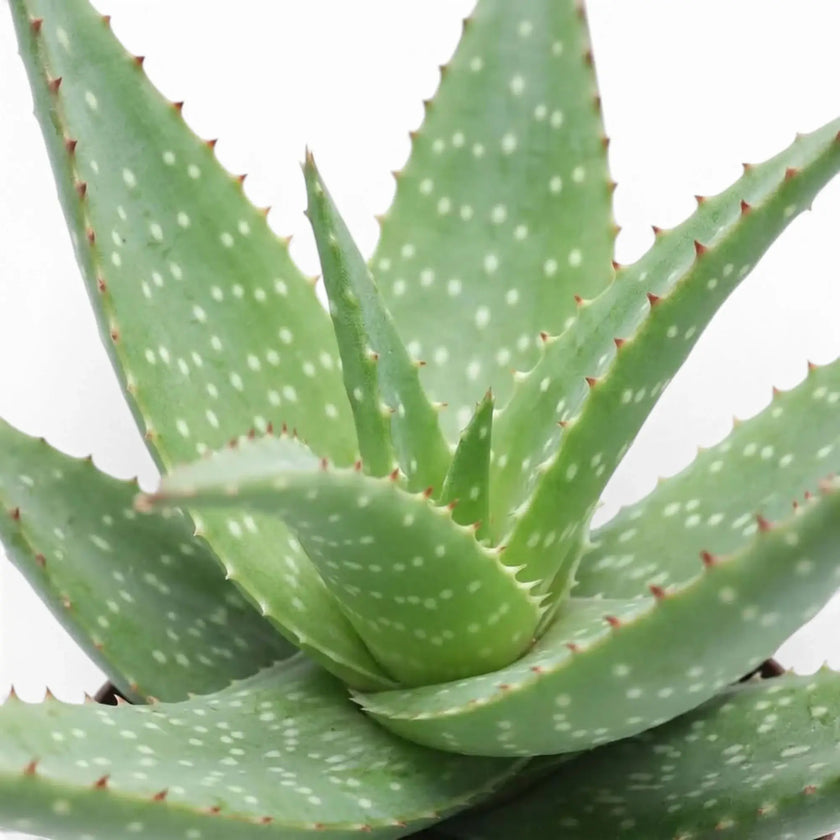
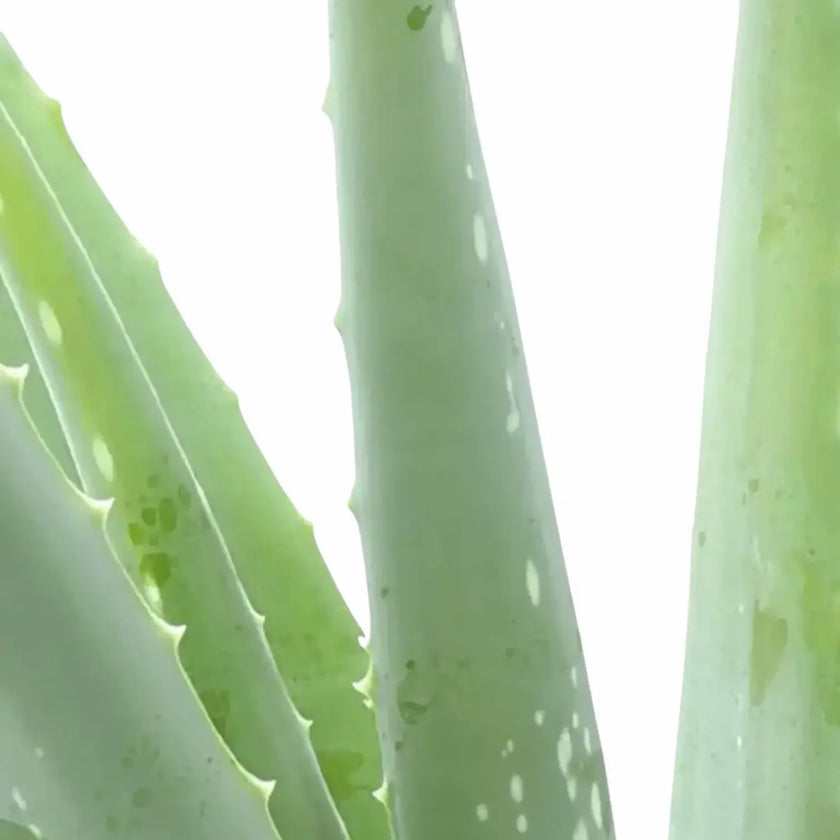
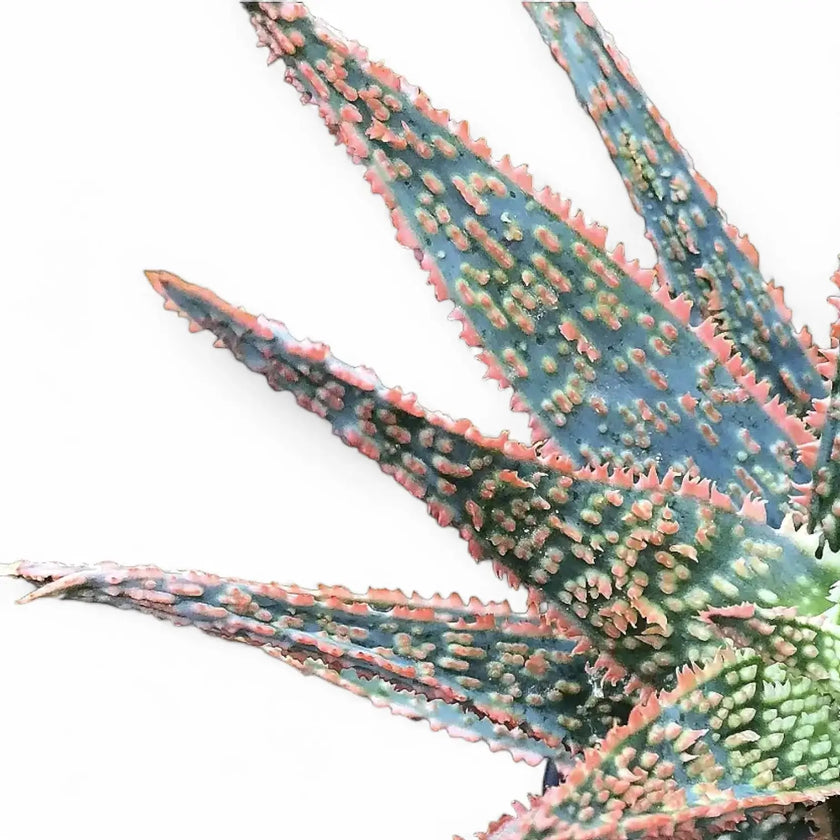
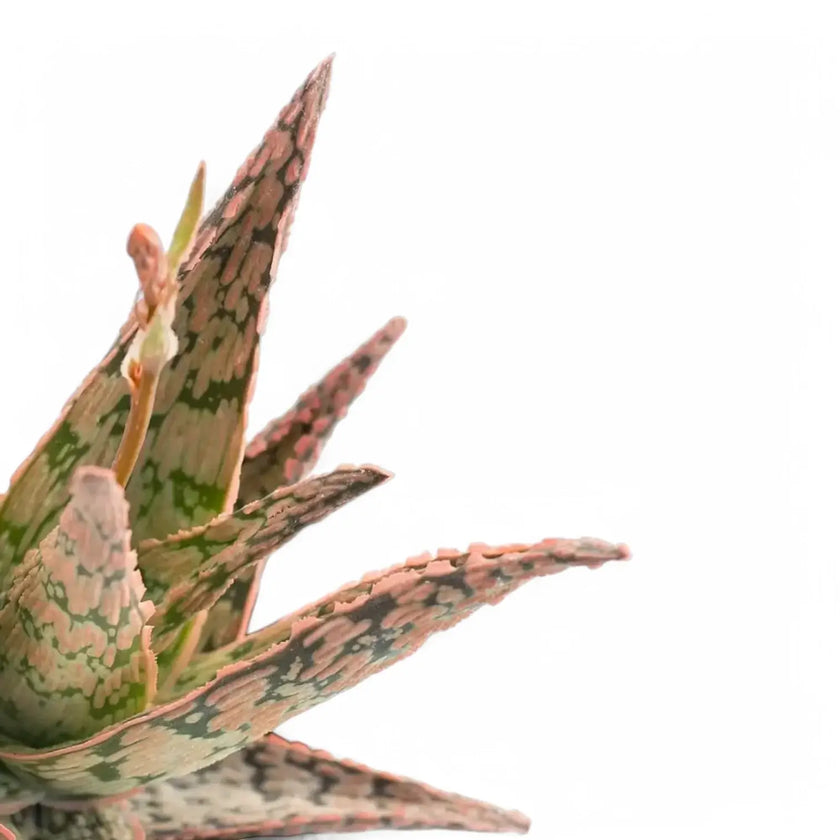
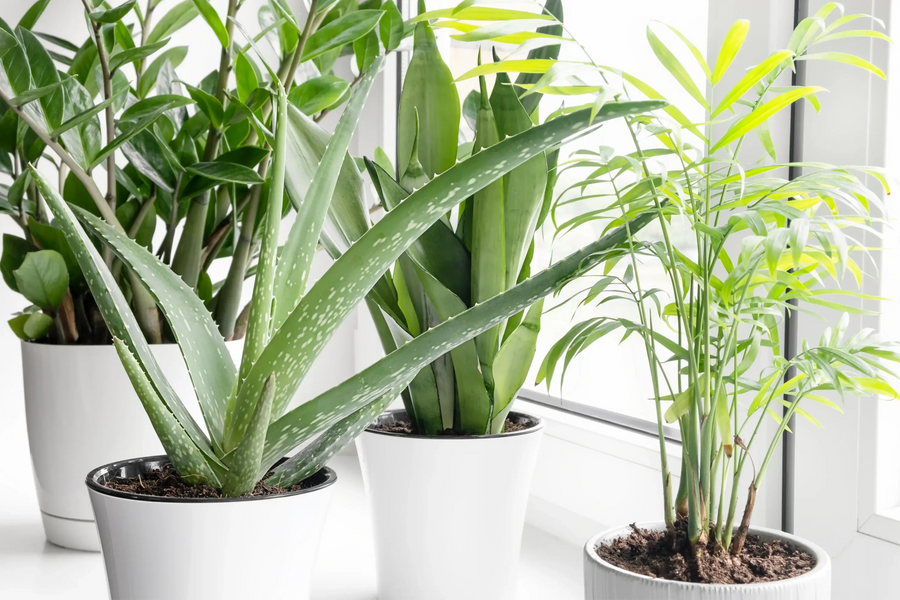
Close up of Aloe plant on white background

Substrate help

Choose a faster-drying mineral-leaning setup

Succulents and many cacti need a mix that releases excess water quickly and keeps the root zone open, especially in indoor pots.

Sort by:

Filters

Aloe 'Hercules' Sold out
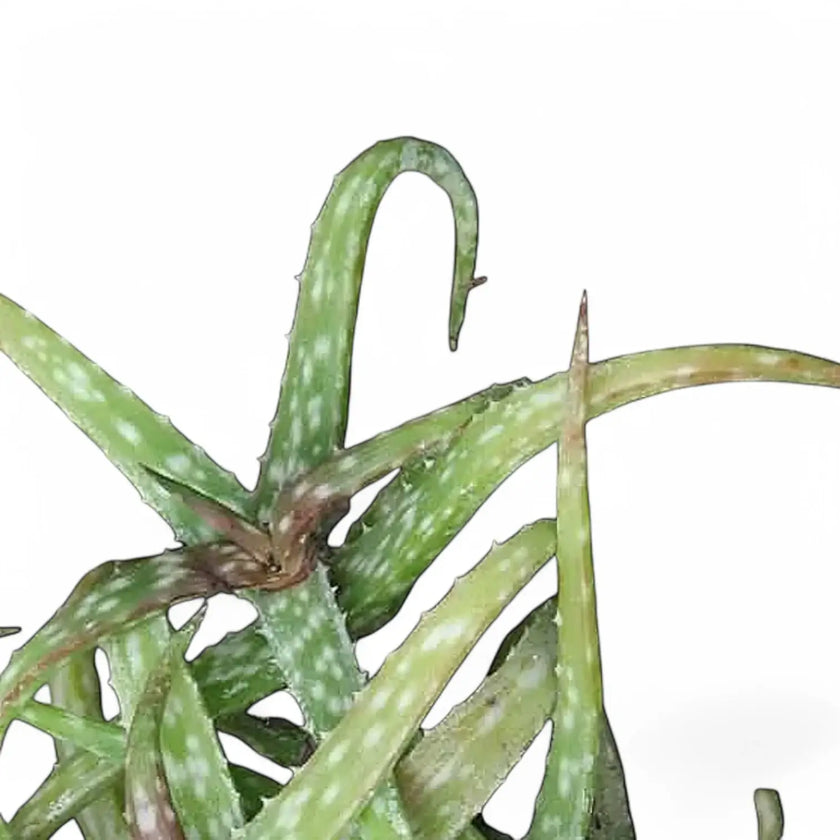
Aloe bakeri Sold out
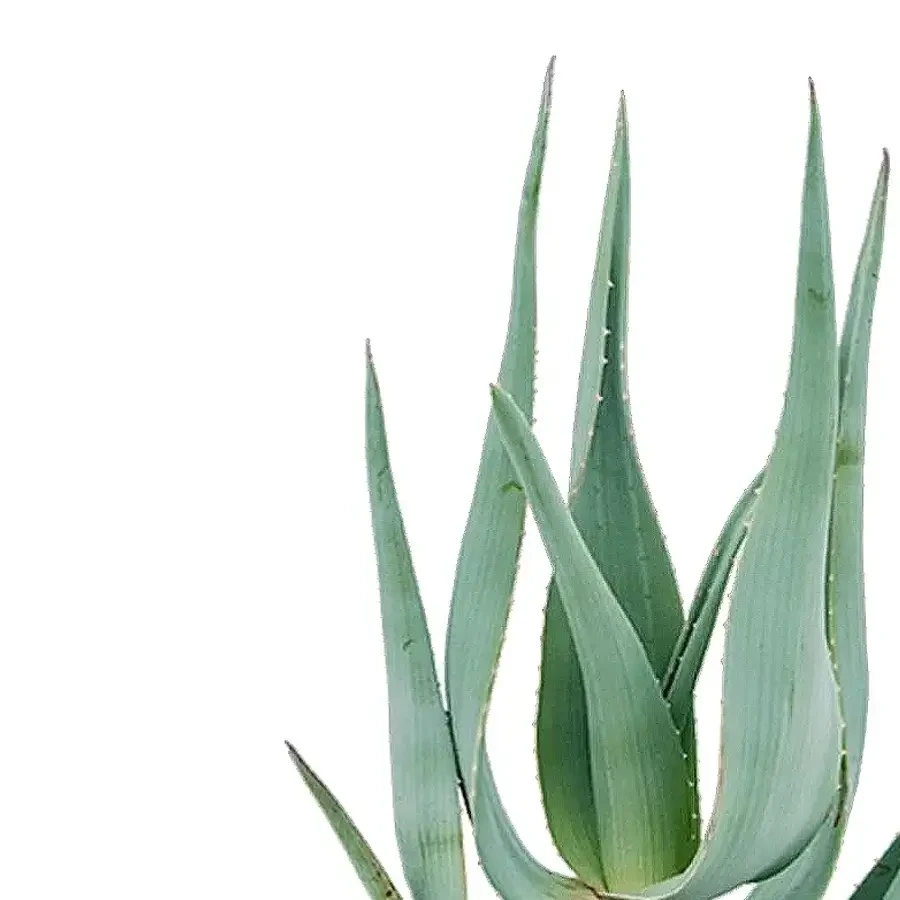
Aloe comosa Sold out
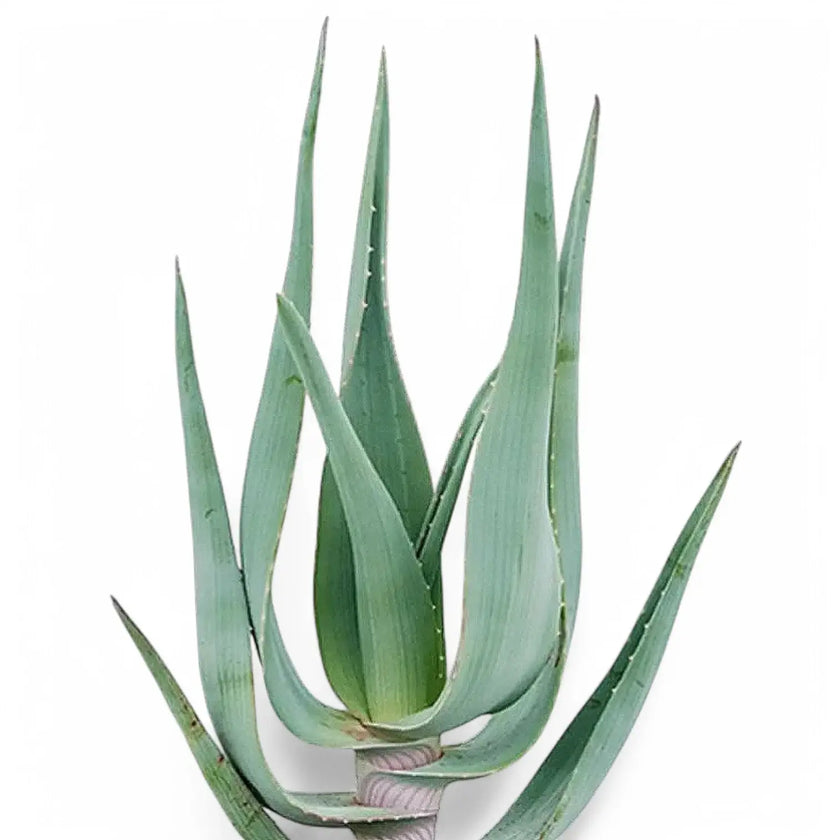
Aloe microstigma Regular price €10,00
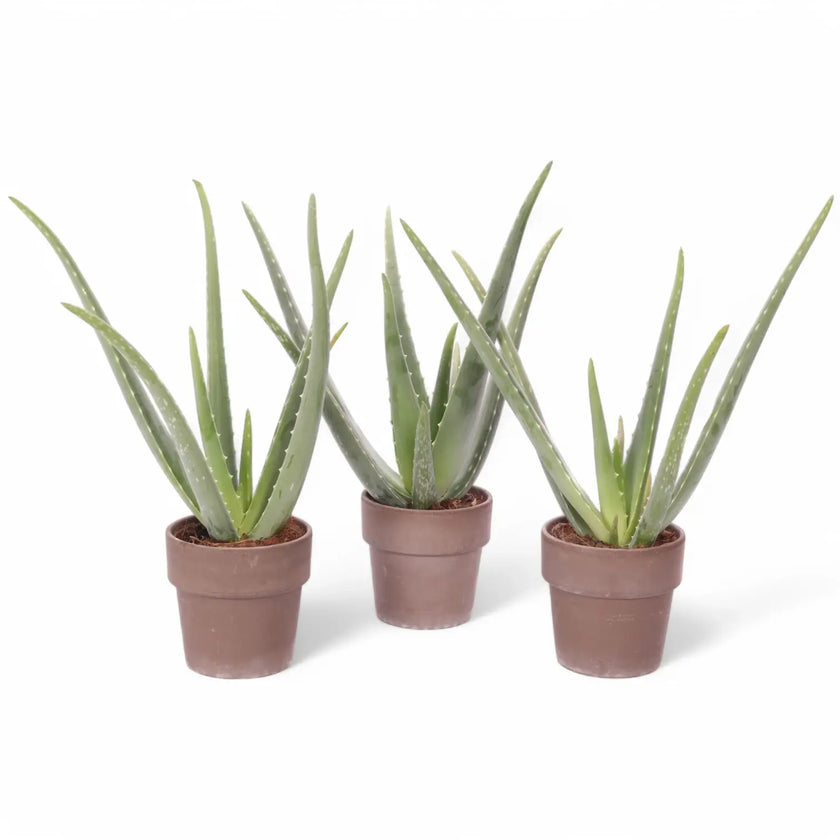
Aloe vera Regular price From €16,00
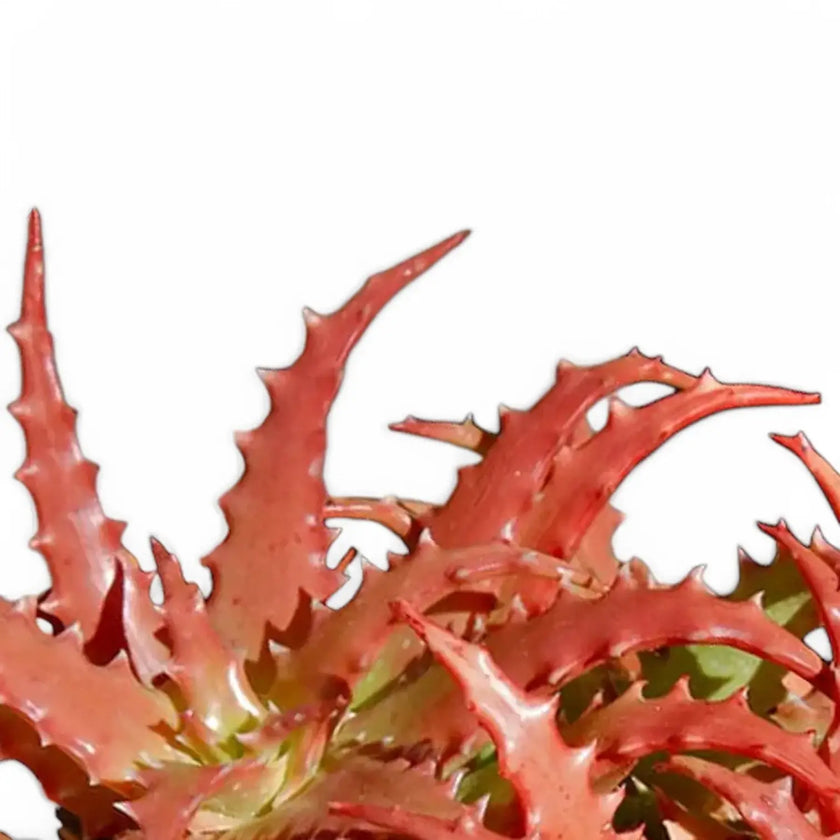
Aloe ‘DZ’ Sold out

Asphodelaceae

Aloe

Quick Overview

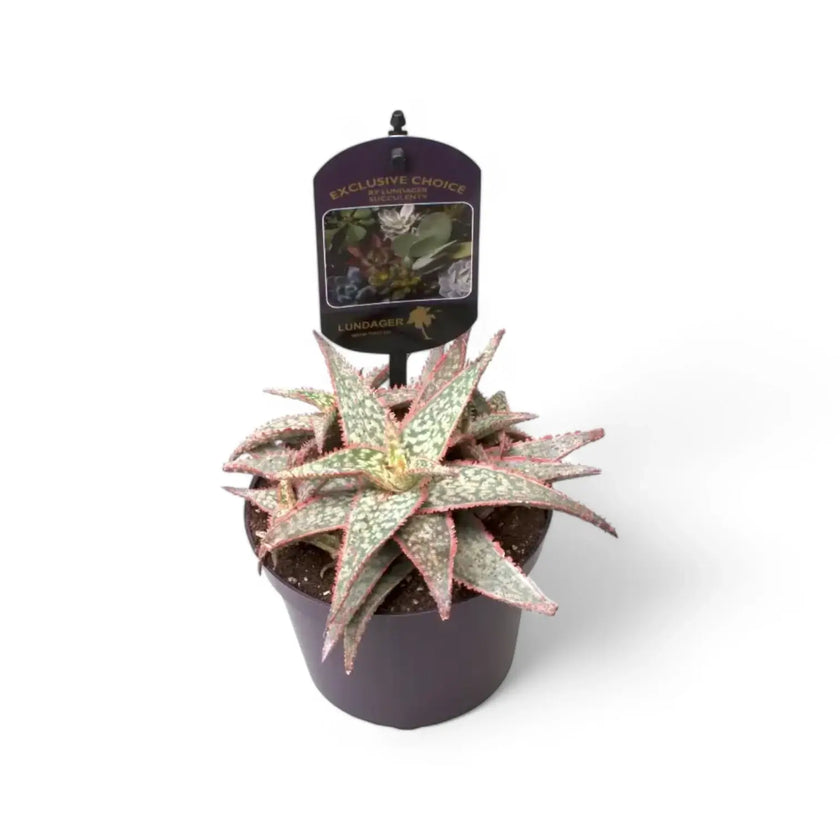
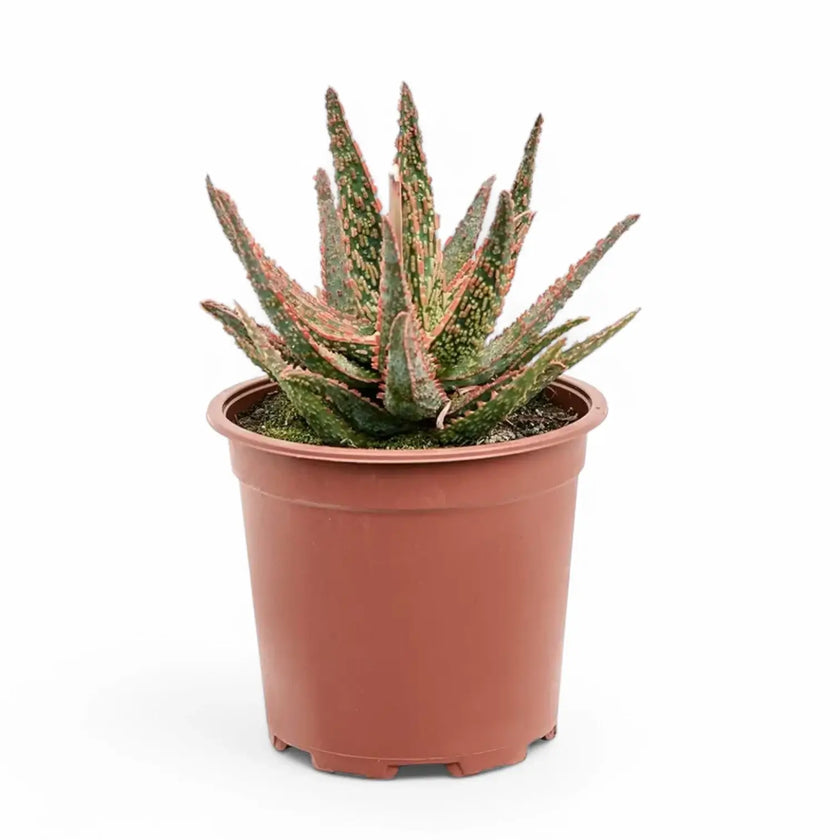
Aloe: rosette succulents for strong light spots

  • Overall look: compact to medium rosettes with fleshy leaves; useful where you want sculptural plants in bright windows.
  • Light: needs very bright light with at least a few hours of direct sun or strong LEDs to stay tight and well coloured.
  • Watering: soak thoroughly, then allow substrate to dry almost completely; permanent damp at the base invites stem and root rot.
  • Substrate: performs best in gritty, mineral-rich mixes based on cactus soil plus extra pumice, lava rock or coarse sand.
  • Temperature: average warm interiors are fine; cold, wet pots below about 10 °C are the risky combination to avoid.
  • Toxicity note: many ornamental Aloe contain compounds that upset pets’ digestion-keep away from pets that chew plants.
Botanical Profile

Aloe is an accepted genus in Asphodelaceae with native range centered in tropical and southern Africa, Madagascar, and parts of Arabia to northwestern India. Most species are succulent perennials from seasonally dry habitats, which helps explain the genus-wide preference for strong light and fast drainage.

Details & Care

Aloe: rosettes with clean lines and low-fuss structure

Aloe is grown for thick, water-storing leaves and a tidy rosette shape that fits bright windowsills and minimalist setups. Many types stay compact and offset readily, creating a fuller clump over time.

Aloe succeeds with strong light, a gritty mix, and a watering routine built around drying. The fastest way to weaken Aloe is frequent small sips; it prefers thorough watering followed by a real dry period.

Light: Very bright light suits Aloe best. If growth starts leaning or stretching, increase light exposure.

Watering: Soak the pot, then let the substrate dry fully before watering again. Reduce frequency when growth slows in low light.

Pot & mix: Choose a pot with drainage and a mineral, fast-drying substrate. Dense mixes stay wet too long for Aloe roots.

Feeding: Use a light, consistent approach during active growth. Overfeeding can cause weak, watery growth.

Signals: Firm leaves and steady colour suggest the routine fits. Soft leaves often point to too much water or too little light.

Aloe often signals its needs clearly. Stretching points to low light; soft leaves often point to excess moisture; wrinkling can mean the pot stayed dry too long. Many Aloes also offset, so a single rosette can become a clump that fills the pot over time.

Offsets: Pups can be separated once they have their own roots. Leaving them attached creates a fuller, clustered look.

Winter routine: In lower winter light, keep Aloe drier and prioritise light exposure. This helps maintain tight, sturdy growth.

Frequently Asked Questions About Aloe