Understanding Window Orientations And Houseplants: A Complete Guide
Houseplant Light by Window Orientation: North, East, South and West Windows Explained
Houseplant light is not just about whether a room feels bright to you. It is about how much usable light reaches the leaves, how long that light lasts, how hot the window area gets, and how far the plant sits from the glass.
That is why labels like bathroom plant or bedroom plant are too vague to be useful. A south-facing kitchen window has far more in common with a south-facing bedroom window than with a north-facing window in the same room. Window orientation shapes light intensity, duration, heat, drying speed, and seasonal behavior.
If light is wrong, everything else becomes harder. Watering gets confusing. Growth stalls. Stems stretch. Leaves shrink. Flower buds drop. Roots stay wet too long in dim corners, while pots dry quickly in hot west or south exposures. Once you understand window orientation, plant care becomes much easier to read and adjust.
By the end, you will be able to judge a window more accurately, match plants to the light they can actually use, and adjust watering, placement, and seasonal care with more confidence.
Zamioculcas zamiifolia tolerates a wide range of indoor light levels, though growth is usually stronger and faster in bright indirect light.
How Plants Use Light Indoors
Light Quantity: Lux, Foot-Candles, and PPFD Explained
Human eyes are good at adjusting to dim spaces. Plants are not. A room that looks bright enough for reading can still be very low light for photosynthesis.
Lux, foot-candles, and PPFD are different ways of describing light. Lux and foot-candles measure brightness as humans perceive it. PPFD measures photosynthetically active photons reaching a surface each second, which is more directly relevant for plant growth. For everyday houseplant care, lux or foot-candles are usually enough to make better placement decisions.
Full outdoor sun: roughly 40,000–100,000 lux
Bright outdoor shade: roughly 10,000–25,000 lux
Bright indoor south-facing windowsill: often around 5,000–10,000 lux, sometimes higher in direct sun
North-facing windowsill on a dark winter day: often around 200–500 lux
A spot 2 m from a window: often below 100 lux, even when the room looks bright
This is the biggest indoor-light reality check: even a bright windowsill gives many plants only a fraction of the light available outdoors. The further a plant moves from the glass, the faster usable light drops.
When you see terms like low light, medium light, and high light, they roughly translate like this:
Low light: about 250–1,000 lux, or 25–100 foot-candles
Medium light: about 1,000–5,000 lux, or 100–500 foot-candles
High light: about 5,000–10,000+ lux, or 500–1,000+ foot-candles
Direct indoor sun: often 10,000+ lux, or 1,000+ foot-candles at the glass
A handheld light meter can be useful, especially if you keep demanding plants or want to compare rooms. Without a meter, use this simple rule: judge light where the leaves actually sit, not by how bright the room feels.
Window direction is the foundation, but it is not the whole story. A plant receiving 2 hours of soft morning sun is not in the same situation as a plant receiving 6 hours of direct sun, even if both sit at bright windows.
Three details change everything indoors:
Duration: How many hours of usable light does the plant receive?
Distance: Is the plant directly on the sill, 50 cm away, or 2 m into the room?
Obstructions: Are there balconies, roof overhangs, trees, neighbouring buildings, deep window frames, tinted glass, or curtains reducing light?
A south-facing window blocked by a balcony can be darker than an unobstructed east-facing window. A plant 30 cm from the glass and a plant 2 m from the same window are not in the same light category. This is why plant placement should always be judged at leaf level.
Practical takeaway: if a plant is stretching, leaning, producing smaller leaves, or drying very slowly, do not only ask which direction the window faces. Ask how close the plant is, how many hours of usable light it receives, and what stands between the leaves and the sky.
Light Quality: Spectrum, Glass, and Grow Lights
Light quality refers to the wavelengths plants receive. Sunlight contains a broad spectrum, including blue, red, and far-red wavelengths. These wavelengths influence plant structure, photosynthesis, flowering, and shade responses.
Blue light supports compact growth and leaf development.
Red light is important for photosynthesis and flowering responses.
Far-red light helps plants detect shade and can trigger stretching.
For houseplant placement, intensity, duration, and heat load usually matter more than subtle color shifts between east, south, and west windows. East windows are usually gentler because morning sun arrives before the room heats up. West windows can feel harsher because afternoon sun arrives after walls, glass, and air have already warmed.
Window glass filters some ultraviolet light and changes the light environment slightly, but most window-grown houseplants still receive a broad enough spectrum for normal growth. Spectrum becomes more important when plants rely mainly on artificial lighting. For most indoor plants, broad-spectrum white LEDs are more useful and pleasant than narrow purple-red “blurple” lights.
Healthy indoor growth needs both:
enough usable light reaching the leaves
a reasonably balanced spectrum from sunlight or a good grow light
Leaf Adaptations and Plant Behavior
Plants adjust to light by changing how they grow. Leaves produced in shade are not built like leaves produced in strong sun.
Sun leaves: often smaller, thicker, firmer, and better protected against intense light
Shade leaves: often larger, thinner, darker green, and built to catch limited light
Phototropism: leaning or turning toward a stronger light source
Etiolation: pale, stretched, weak growth caused by severe light shortage
Pigments also respond to light:
Anthocyanins can help protect leaves from excess light and stress.
Chlorophyll may increase in green tissue under lower light, making leaves look darker.
Carotenoids help protect photosynthetic tissues from excess light energy.
This is why sudden moves can cause damage. A plant grown in a dim corner may have shade-adapted leaves. If it is moved straight into strong direct sun, those older leaves can scorch before the plant has time to produce tougher new growth.
Increase light gradually. Move plants in stages, especially when shifting them from north or east exposure into stronger south or west sun.
Peace Lily can handle lower-light windows better than many flowering houseplants, but growth and flowering are usually stronger in bright indirect light.
Window Orientation Deep Dive
North-Facing Windows: Gentle, Cool, and Low in Intensity
A typical north-facing vertical window in the northern hemisphere receives little to no direct sun. Instead, it offers gentle, indirect daylight that stays relatively even through the day. This makes north exposure useful for shade-tolerant foliage plants, but weak for plants that need active, fast growth or flowering.
Light profile:
Low to moderate indirect daylight
Cooler, softer feel than south or west exposure
Often around 200–2,000 lux near the glass, depending on season, weather, and obstruction
Minimal heat buildup from direct sun
Potting mix usually dries more slowly
Seasonal note: in winter, short days and low outdoor light can make north-facing windows very dim. Many plants will hold rather than actively grow.
Best plants for north-facing windows
North windows suit plants adapted to shade, forest understories, or slower growth. They are good for keeping tolerant foliage healthy, not for pushing rapid growth.
Ferns such as Boston fern, maidenhair fern, and bird’s nest fern
Prefer gentle light and stable moisture
Need consistent humidity and careful watering to avoid crisping or rot
Tolerates lower light better than many tropical climbers
Benefits from pruning if stems become long and sparse
Parlor Palm (Chamaedorea elegans)
Good tolerance for gentle indoor light
Prefers stable conditions and evenly moist, not soggy, substrate
Aspidistra elatior
Very tolerant of low light and irregular care
Slow-growing, steady, and useful where brighter plants struggle
Aglaonema cultivars
Greener cultivars usually cope better than pale, high-contrast types
Prefer warmth, moderate moisture, and stable conditions
ZZ Plant (Zamioculcas zamiifolia)
Stores water in thick rhizomes and petioles
Can tolerate dim light, though growth becomes very slow
What to avoid in north-facing windows
Desert cacti, most succulents, citrus, herbs, and sun-loving flowering plants: they need stronger, longer light than north exposure usually provides.
Very pale or heavily white-variegated cultivars: they may survive, but growth is often slow because less green tissue is available for photosynthesis.
North-window care tips
Keep plants as close to the glass as practical.
Clean window glass so already limited light is not reduced further.
Rotate pots every 1–2 weeks to reduce one-sided growth.
Check substrate before watering; low light means slower water use.
Use light-colored walls, pale surfaces, or carefully placed mirrors to reflect extra light.
Add a grow light in winter if you want active growth rather than simple survival.
North-facing windows are steady but weak. Use them for shade-tolerant foliage, slow growers, and plants you want to keep compact and low-maintenance. For anything that needs flowers, edible growth, dense variegated growth, or fast climbing, north exposure is usually not enough on its own.
Spider Plant grows well in bright indirect light with gentle morning sun, making east-facing windows a strong fit.
East-Facing Windows: Bright Morning Sun Without Harsh Heat
East-facing windows receive direct sun in the morning, then bright indirect light later in the day. This is one of the easiest exposures for mixed houseplant collections because morning sun is bright enough to support growth but usually less likely to scorch leaves than hot afternoon sun.
Light profile:
Soft direct sun from morning into late morning, depending on season and obstruction
Often around 2,000–8,000 lux during sunny morning hours
Lower heat stress than west or south exposure
Moderate drying speed
Good balance for many tropical foliage plants
East windows are forgiving because they offer enough light for active growth without the intense heat load of late-day sun. They are especially useful for plants that like brightness but dislike harsh midday exposure.
Best plants for east-facing windows
Hoyas such as Hoya carnosa, Hoya linearis, and Hoya obovata
Bright light supports stronger growth and potential blooming
Morning sun is usually safer than intense afternoon sun
Works especially well for plants trained on supports or moss poles
African Violets (Saintpaulia)
Benefit from bright, gentle light for flowering
Need protection from overheating and wet, cold leaves
What to avoid in east-facing windows
Desert cacti and high-light succulents: they may stay alive but often stretch or flower poorly if morning sun is short.
Heavy fruiting plants: citrus, peppers, and tomatoes usually need longer, stronger daily light than east windows provide indoors.
East-window care tips
Place sun-tolerant plants closer to the glass and delicate tropicals slightly further back.
Watch summer mornings; even east sun can intensify when days are long.
Rotate pots every 1–2 weeks for even growth.
Keep moisture consistent, but always check substrate before watering.
Clean leaves and glass so plants can use available morning light efficiently.
East-facing windows are among the most versatile positions for houseplants. They work well for many tropical foliage plants, moderate bloomers, and plants that need brightness without the stress of hot afternoon glass.
Money Tree grows best with bright, steady light and benefits from a position close to a clear window, without leaves pressing against hot glass.
South-Facing Windows: Long, Strong Light With More Heat
South-facing windows usually receive the longest and strongest direct sun exposure in the northern hemisphere, especially around the middle of the day and during winter when the sun sits lower. This makes south exposure valuable for plants that need high daily light, but it also brings more heat, faster drying, and higher scorch risk.
Light profile:
Often 10,000–20,000+ lux at the glass in direct sun
Strongest around late morning to afternoon
Warmest and brightest overall exposure in many homes
Winter sun can reach deep into the room
Potting mix dries faster because of stronger light and higher warmth
South exposure can support high-light plants indoors better than any other window direction, but it needs active management. Some plants can sit directly at the glass after acclimation. Others need a sheer curtain, more distance, or seasonal repositioning.
Best plants for south-facing windows
Arid succulents and desert cacti
Aloe, Haworthia, Mammillaria, Echinopsis, Opuntia, Crassula, and similar high-light plants
Need direct sun for compact growth
Still require gradual acclimation after transport, winter, or lower-light storage
High-light tropical foliage
Ficus lyrata
Ficus elastica
Heptapleurum arboricola
Codiaeum variegatum
These plants often grow more strongly in bright exposure, but thin or recently produced leaves may still need filtered midday light.
Large elephant ear Alocasias
Alocasia macrorrhizos and Alocasia odora
Handle brighter conditions than jewel Alocasias
Need warmth, moisture, and protection from cold glass in winter
Flowering tropical plants
Hibiscus, Bougainvillea, Jasminum, Gardenia, and Nerium oleander
Need high light to support bud formation and regular flowering indoors
Edible and fruiting plants
Indoor citrus, peppers, and tomatoes
Need long, bright exposure and often benefit from supplemental grow lights
What to watch out for in south-facing windows
Thin-leaved shade plants: many ferns, Calatheas, and Marantas can scorch in direct south sun.
Recently moved plants: leaves formed in lower light are more vulnerable to burn.
Pale variegated tissue: white or cream sectors can scorch faster than green tissue.
South-window care tips
Use sheer curtains to soften midday summer sun for foliage plants.
Check soil moisture more often; pots can dry quickly in strong light.
Rotate plants weekly if growth becomes one-sided.
Keep leaves a few centimeters away from hot glass.
Watch for spider mites, especially in hot, dry conditions.
Move some plants closer in winter and slightly back or behind a curtain in summer.
South-facing windows are best for high-light plants. They are ideal for many cacti, succulents, fruiting plants, flowering tropicals, and tougher bright-light foliage. The trade-off is that heat, drying speed, and scorch risk need closer attention.
Chinese Money Plant can grow well in bright filtered light, while strong west-facing afternoon sun may need softening during hot months.
West-facing windows receive direct afternoon sun, usually from mid-afternoon until sunset. The total direct-sun period is often shorter than in a south-facing window, but the heat load can be intense because rooms, glass, and walls have already warmed through the day.
Light profile:
Often around 5,000–15,000 lux during sunny afternoon hours
Strongest and warmest late in the day
Higher risk of leaf overheating than east exposure
Potting mix may dry quickly in summer
Useful for plants that enjoy strong light but do not need all-day sun
Best plants for west-facing windows
Arid succulents and cacti
Aloe, Mammillaria, Echinopsis, Crassula, and similar plants
Afternoon sun can support compact growth
Acclimation still matters, especially after winter or shipping
Mediterranean and arid-tolerant plants
Rosemary, sage, olive, and dwarf citrus
Need bright light, warmth, and excellent drainage
High-light foliage plants
Heptapleurum, Ficus elastica, Codiaeum variegatum, and Yucca
Can handle stronger light when watered appropriately and acclimated gradually
Flowering houseplants
Hibiscus, Bougainvillea, Jasminum, and geraniums
Bright afternoon exposure can support bud formation
Variegated foliage plants with enough green tissue
Bright light supports steady growth, but hot direct sun can scorch pale tissue
Tough tropicals
Dracaena and Sansevieria
Often adapt well if direct afternoon sun is not extreme
What to watch out for in west-facing windows
Thin-leaved shade plants: ferns, Calatheas, and many jewel Alocasias can burn or dry too quickly.
Humidity-sensitive plants: afternoon heat can dry leaf edges and substrate faster than expected.
Plants touching glass: leaves can overheat where they rest against hot panes.
West-window care tips
Check soil moisture more often in warm months.
Use ventilation when west-facing rooms become hot and still.
Add a sheer curtain if leaf edges bleach, crisp, or curl.
Keep foliage away from hot glass.
Group compatible plants to soften fast drying around the canopy.
Consider a grow light in winter if growth slows too much after afternoon sun weakens.
West-facing windows offer a powerful late-day light burst. They suit warm-tolerant, bright-light plants well, but they are less forgiving than east windows. Watch heat, watering speed, and scorch symptoms carefully.
Plant Groups That Need Extra Light Nuance
Some plant categories are often grouped together too loosely. This can lead to poor placement, especially with Alocasias, succulents, cacti, and white-variegated plants. These groups need more specific light advice than “bright indirect” or “full sun.”
Jewel vs. Elephant Ear Alocasias
Alocasia is a popular houseplant genus, but light needs vary strongly between compact jewel types and large elephant ear types.
Jewel Alocasias
Examples include:
Alocasia reginula ‘Black Velvet’
Alocasia cuprea ‘Red Secret’
Alocasia baginda ‘Dragon Scale’
Alocasia melo
Light needs:
Bright filtered light
Gentle morning sun may be tolerated
Strong direct south or west sun usually needs diffusion
Dim north exposure often leads to slow, weak growth
Jewel Alocasias usually have compact growth, textured or velvety leaves, and a stronger preference for filtered rainforest-like light. Their leaves can mark, fade, crisp, or scorch when exposed to hot direct sun too abruptly.
Placement summary:
East window: usually best
Filtered south window: possible
North window: survival possible, growth often slow
West window: risky without a sheer curtain or distance from glass
Elephant Ear Alocasias
Examples include:
Alocasia macrorrhizos
Alocasia odora
Alocasia ‘Portodora’
Light needs:
Much brighter conditions than jewel Alocasias
Several hours of direct sun may be tolerated after acclimation
Large leaves need enough water and humidity to keep up with brighter exposure
Some midday protection may still help in hot summer windows
Large elephant ear Alocasias have faster, more vigorous growth and usually handle higher light better than jewel types. They still need gradual acclimation, warmth, and protection from cold windows in winter.
Placement summary:
South window: strong option, especially in winter
West window: good if heat is managed
East window: acceptable, but growth may be slower
North window: usually too dim
Tip: all Alocasias dislike cold drafts and unstable substrate moisture. Keep roots evenly moist, never soggy, and avoid placing pots directly against cold winter glass.
“Succulent” describes water storage, not one single habitat. Arid succulents and tropical epiphytic cacti need very different indoor light.
Arid succulents and desert cacti
Examples include:
Echinopsis, Mammillaria, Opuntia, Crassula, Aloe, Agave, and Echeveria
Light needs:
Several hours of direct sun
South or west windows strongly preferred indoors
Excellent drainage and careful watering
Gradual acclimation after low-light periods
Placement summary:
South window: best
West window: good
East window: possible but often not enough for compact growth
North window: unsuitable for long-term health
Tropical succulents and epiphytic cacti
Examples include:
Rhipsalis, Epiphyllum, Disocactus, and Schlumbergera
Light needs:
Bright indirect light
Some gentle morning sun
More moisture than desert cacti, with good airflow
Protection from harsh, hot afternoon sun
Placement summary:
East window: ideal for many types
Filtered south window: good
North window: possible, but growth may slow and wet substrate can become risky
West window: use caution with heat and direct afternoon sun
Key difference: arid types are adapted to open, high-light, dry environments. Tropical epiphytic cacti are adapted to brighter forest-canopy conditions with filtered light, airflow, and more regular moisture.
White-variegated plants need bright light because their green tissue has to do the photosynthetic work for the whole leaf. But more light does not magically create white variegation, and too much direct sun can damage pale tissue quickly.
What really happens:
White or cream sectors contain little or no chlorophyll, so they contribute little to photosynthesis.
In low light, growth often slows because there is less functional green tissue to produce energy.
Chimeral variegates such as Monstera deliciosa ‘Albo’ may produce all-green or mostly green shoots from the meristem, but existing white tissue does not turn green inside the same leaf.
Very pale leaves scorch faster in strong direct sun because they have less protective photosynthetic tissue.
Best light for white-variegated plants:
Bright indirect light
Gentle direct morning sun where suitable
Filtered south or west exposure for stronger-growing types
Protection from intense midday or hot afternoon sun
Regular rotation for balanced growth
Placement examples:
Epipremnum ‘Marble Queen’: east or filtered south
Monstera deliciosa ‘Albo’: bright indirect south or west, with midday protection
Ficus elastica ‘Tineke’: filtered south or bright west
Calathea ‘White Fusion’: bright east or filtered bright indirect light, no harsh direct sun
Syngonium ‘White Butterfly’: east or bright filtered exposure
Tip: bright light supports steadier growth in variegated plants because green tissue has more energy to work with. It does not create new variegation in leaves that are already formed.
Once a plant is placed in a window, new growth will show whether the light is working. Old leaves can carry damage or adaptation from previous conditions, so always pay close attention to new leaves, new stems, and growth speed.
Compact Growth vs. Stretching
In sufficient light, many houseplants produce:
Shorter internodes, meaning less space between leaves
Denser growth
Larger or more typical leaf size for that plant
Stronger stems and more balanced shapes
In insufficient light, you may see:
Long, thin stems
Sparse leaves
Floppy or weak growth
Smaller new leaves
Vines reaching strongly toward a window
That stretched, weak growth is called etiolation. It is a survival response that helps plants reach for more light. Once stems have stretched, they will not shrink back into a compact shape. The practical fix is better light, pruning where appropriate, and patience while new growth develops under improved conditions.
Anthocyanins may appear more strongly in new or stressed leaves.
Carotenoids help protect photosynthetic tissues from excess light energy.
Growth may become more compact if the plant is otherwise healthy.
In lower light:
Green tissue may become darker as chlorophyll concentration increases.
New growth may become smaller, slower, or thinner.
Variegated plants may grow more slowly because pale tissue contributes little energy.
If Monstera deliciosa ‘Albo’ produces greener leaves in low light, that usually means new growth from the growing point contains more green tissue. The white parts of an existing leaf are not turning green because the room is darker.
Signs of Light Stress
Too much and too little light can both create stress. The symptoms are different, and they often appear together with watering problems because light controls how quickly plants use water.
Too much light can cause:
Tan, bleached, or papery scorch patches
Crispy leaf edges
Midday wilting even when substrate is moist
Wrinkling or collapse in succulents exposed too abruptly
Faded or rough-looking leaf surfaces near hot glass
Too little light can cause:
Long, weak stems
Slow or stopped growth
Smaller new leaves
Leaf yellowing from low energy and wet substrate
Flower buds dropping before opening
Potting mix staying damp for too long
New growth gives the clearest signal. If new leaves are smaller, stems are stretching, or the plant is leaning hard toward the window, light is probably too weak or too one-sided.
Leaf Orientation and Phototropism
Most houseplants angle leaves and stems toward the strongest light source. This is normal phototropism. A slight lean is not a problem. A severe lean usually means the plant needs stronger, more even light.
Rotate pots about 90° every 1–2 weeks.
Move plants closer to the window if stems stretch between rotations.
Use a grow light from above if plants keep leaning toward one side.
Seasonal Behavior
Even indoors, plants respond to seasonal light changes. Shorter days and weaker light in winter often slow growth, while longer spring days can restart stronger leaf production.
Growth usually slows in winter, even on bright windowsills.
Water use drops when light drops.
Older leaves may yellow if the plant cannot support them through darker months.
Plants may grow faster again in spring as daylength increases.
A winter slowdown is normal. Do not force growth with extra water or fertiliser if light is low. Improve light first, then adjust watering and feeding to match active growth.
White-variegated plants that need enough energy without harsh scorch risk
Practical Care Adjustments by Exposure
Good placement is only the start. Once a plant sits in the right window, watering, rotation, cleaning, airflow, and seasonal movement need to match that exposure.
Light Management
Clean window glass regularly. Dust, pollen, and grime reduce the light reaching your plants.
Wipe leaves gently with a damp cloth. A dust layer blocks light from the leaf surface and can shelter pests.
Use sheer curtains or blinds where needed. South and west windows may need diffusion in summer, especially for thin-leaved tropical plants.
Check actual leaf position. A plant below the window line may receive far less light than one directly in front of the glass.
Seasonal Adjustments
Sun angle and daylength change throughout the year. Indoor placement should change with them.
Winter
Days are shorter, so total daily light drops.
The sun sits lower and may reach further into south-facing rooms.
Move plants closer to windows if they need more light.
Reduce watering because growth and water use usually slow down.
Summer
Light is stronger and days are longer.
South and west windows may need sheer curtains or extra distance.
Pots dry faster, especially in small containers.
Leaves near glass can overheat during hot spells.
Rotate plants every 1–2 weeks if they lean toward one side. For plants with large leaves, rotate gradually rather than flipping them suddenly from shade to full sun.
Microclimate Tweaks
Avoid cold drafts near windows in winter, especially for tropical plants.
Keep foliage a few centimeters away from hot or cold glass.
Protect plants from radiators and vents under windows, which can create sudden dry air.
Use gentle airflow to prevent stagnant, damp conditions around crowded plants.
Group compatible humidity-loving plants where extra moisture around the canopy is helpful.
Watering by Exposure
South and west windows: stronger light and warmth usually mean faster drying. Check substrate more often, but do not water by schedule alone.
North and east windows: lower intensity usually means slower water use. Let substrate dry appropriately before watering again.
Winter windows: even bright plants often use less water when days are short.
Watering is light-driven. The more energy a plant receives and the more actively it grows, the more water it can use. When light drops, water use drops too.
Reflective Boosts
In dim rooms, small changes can help plants use available daylight better.
Place plants near white or pale walls.
Use light-colored shelves or surfaces around plant displays.
Position mirrors carefully so reflected light reaches plants without creating hot focal points.
Keep curtains open during the brightest part of the day where privacy allows.
Grow Light Supplementation
When window light is not enough, grow lights can make plant care far more consistent.
Choose broad-spectrum white LEDs for most houseplants.
Place lights close enough to matter, often around 20–30 cm from foliage depending on lamp strength.
Use a timer for roughly 10–14 hours per day when supplementing in winter.
Raise or dim lights if leaves bleach, curl, or dry too quickly.
Lower or strengthen lights if growth remains stretched and weak.
Grow lights are especially helpful for north-facing windows, deep rooms, winter care, propagation shelves, and high-light plants kept away from direct sun.
Pest and Disease Considerations
Light exposure changes pest pressure because it changes heat, humidity, and drying speed.
South and west exposures
Hot, dry conditions can favor spider mites.
Check leaf undersides, stems, and new growth for fine webbing or stippling.
Avoid letting plants become drought-stressed for long periods.
North and east exposures
Cooler, slower-drying substrate can encourage fungus gnats if kept constantly wet.
Let top layers dry where suitable for the plant.
Improve airflow around dense plant groups.
Good airflow helps in every orientation. It reduces stagnant moisture, helps leaves and substrate dry more evenly, and makes pest problems easier to spot early.
Matching Plants to Your Routine
Window orientation sets the light. Your routine decides how reliably you can observe and adjust care. A demanding plant in a forgotten corner is rarely a good match, even if the light is technically suitable.
If you check plants in the morning
East-facing windows are practical because plants receive their direct sun early. You can check leaf posture, substrate moisture, and humidity-sensitive plants before the room warms up.
Good for Calatheas, Marantas, Hoyas, Spider Plant, jewel Alocasias, African violets, and medium-light herbs.
Useful if you prefer watering earlier in the day.
Easy to catch wilting or dry substrate before sun and warmth increase.
If you check plants after work
West-facing windows are easier to monitor in the evening, when afternoon sun and heat have already shown their effect.
Good for Crotons, succulents, Mediterranean herbs, Yucca, Ficus elastica, and warm-tolerant foliage.
Useful for spotting scorch, curling, or dry substrate after the hottest part of the day.
Best for plants that can handle a stronger late-day light burst.
If you work near your plants during the day
South-facing windows give the most opportunity for active adjustment. You can open or close sheer curtains, check heat near the glass, and spot water stress quickly.
Good for desert cacti, high-light succulents, flowering tropicals, citrus, large Alocasias, and bright-light foliage.
Useful if you can respond quickly to overheating, wilting, or pest signs.
Works best when plants are easy to rotate, shade, or move slightly through the seasons.
If you want lower-maintenance placement
North-facing windows suit tolerant, slow-growing foliage plants. They usually need less frequent watering and face less scorch risk, but they will not support every plant.
Good for ZZ Plant, Aspidistra, green Aglaonema cultivars, Parlor Palm, and shade-tolerant ferns.
Useful for slower displays where active growth is not the main goal.
Best when you accept slower growth and adjust watering carefully.
Best routine rule: choose plants you can observe regularly in the light conditions you actually have. Strong care starts with noticing changes early.
Conclusion: Right Plant, Right Window, Right Light
Light is the main driver of indoor plant health. Fertiliser, pots, substrate, and watering all matter, but they cannot compensate for a plant sitting in the wrong light for months.
Window orientation gives you a practical way to predict indoor conditions. North, east, south, and west windows each create a different mix of brightness, heat, drying speed, and seasonal rhythm.
North-facing windows are gentle and steady, but usually too dim for high-light plants.
East-facing windows offer bright morning light and suit many tropical houseplants.
South-facing windows give the strongest light for sun-loving, flowering, fruiting, and arid plants.
West-facing windows provide strong afternoon sun with more heat stress to manage.
After placement, watch the plant itself. New leaf size, stem length, leaning, scorch marks, drying speed, and seasonal growth changes all tell you whether the light is working.
Right plant. Right window. Right light.
Use window orientation as a starting point, then adjust distance, watering, rotation, curtains, airflow, and grow lights as needed. That is how a random collection of pots becomes a healthier, more resilient indoor plant setup.
References and Further Reading
For readers who want to go deeper into plant light responses, indoor growing conditions, and houseplant lighting, these sources offer useful scientific and horticultural background.
Gould, K. S. (2004). Nature's Swiss army knife: The diverse protective roles of anthocyanins in leaves. Journal of Botany, 2004, Article ID 614, 1–8.
This horticultural guide gives practical indoor light ranges for common houseplant care.
Frontiers in Plant Science. (2024). The role of light in regulating plant growth, development and sugar metabolism: A review. Frontiers in Plant Science, 15, Article 1507628.
This review explains how light quantity and quality influence plant growth, development, and metabolism.
Jung, C., & Arar, M. (2023). Natural vs. artificial light: A study on the influence of light source on chlorophyll content and photosynthetic rates on indoor plants. Buildings, 13(6), 1482.
This study compares natural and artificial light effects on chlorophyll content and photosynthetic rates in indoor plants.
Hartmann, J., & Feltrin, F. (2024). How to illuminate indoor plants sustainably? Tips and tricks to bridge the gap between research and design. IOP Conference Series: Earth and Environmental Science, 1320(1), 012018.
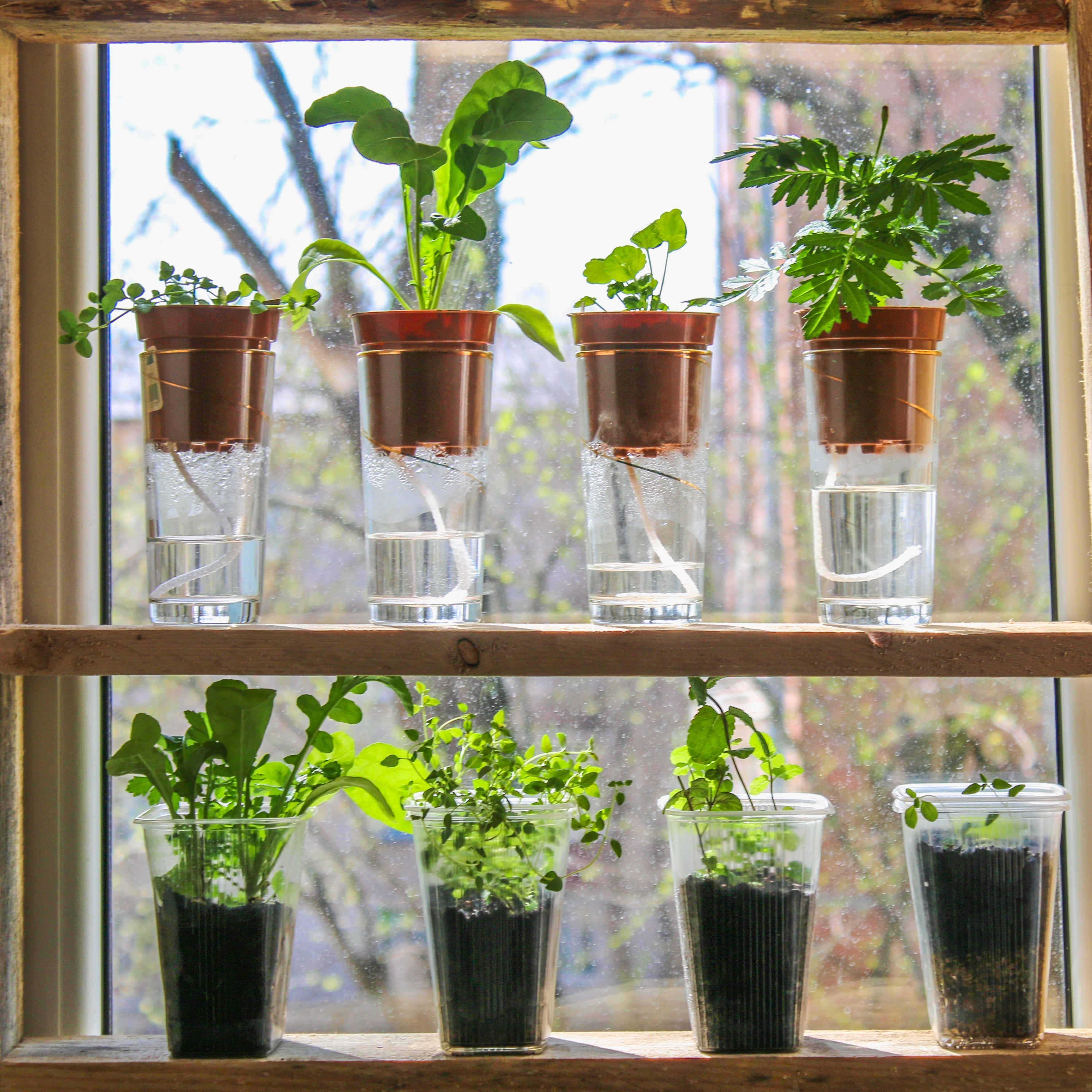
Self-watering pots can make plant care steadier—if the setup is right. Learn how wick and reservoir systems work, which houseplants suit them, what mineral substrates to use, how to fertilize safel...
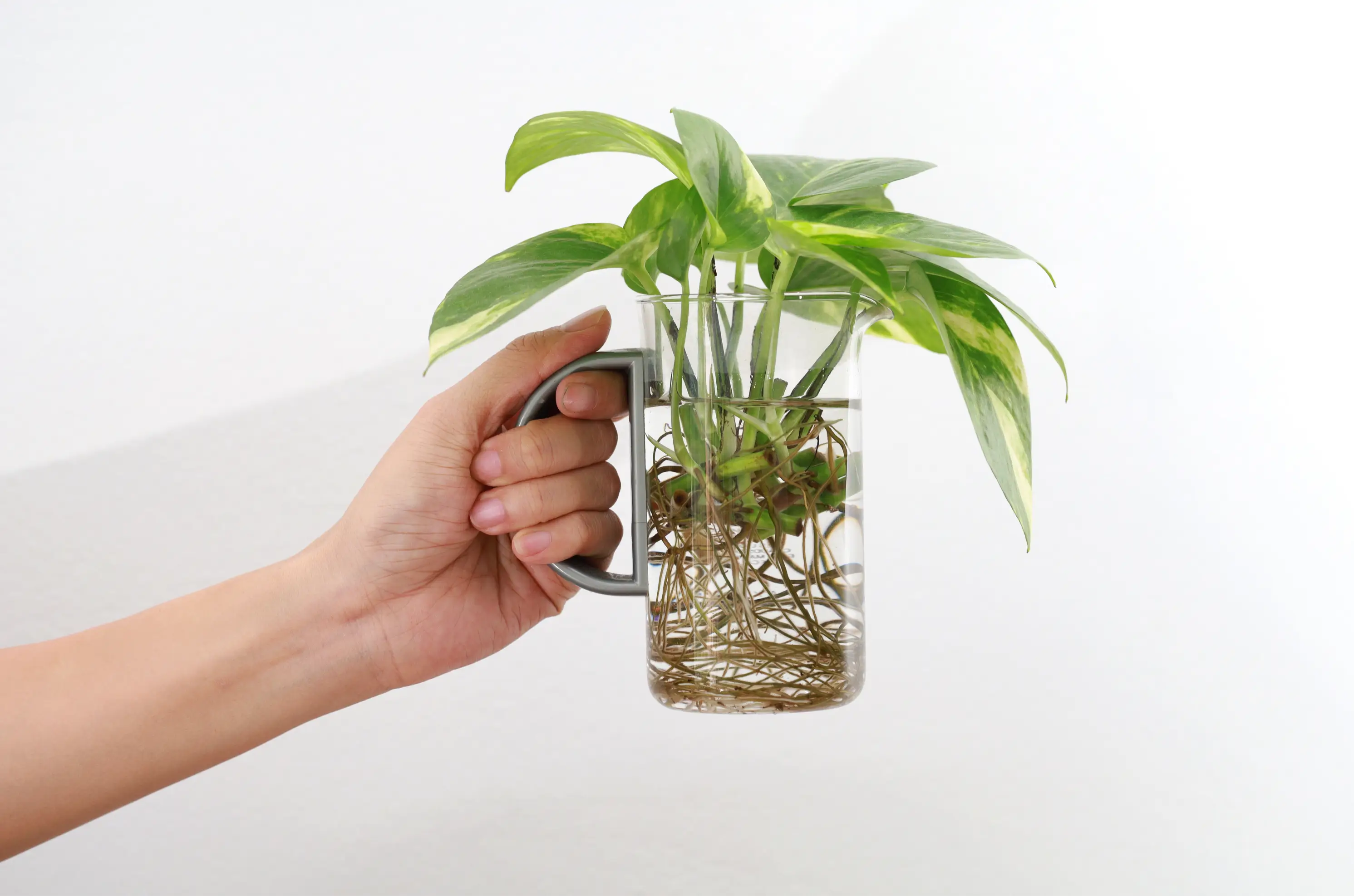
Watching roots appear in a clear jar is addictive — and it works. This guide shows which houseplants root best in water, how to take cuttings, keep water fresh, move roots to soil smoothly, and tro...
I received perfectly heathy and absolutely beautiful plants, even bigger than expected. The delivery within Europe was really fast. I think Foliage Factory has one of the best plant web shops in the internet. It‘s just great to get so much informations about the plants. I will definitely order again :)
Walkerova
★★★★★
Die Pflanzen waren prima verpackt und ein heatpack war im Paket enthalten. Die Lieferzeit hat 2 bis 3 Tagen gedauert, was aus meiner Sicht wirklich gut ist. Alle drei Pflanzen haben die Lieferung gut überstanden. Ich habe mich auf Hoyas spezialisiert und habe schon die nächsten Pflanzen meiner Wunschliste auf der Website gefunden. Daher wird die nächste Bestellung nicht lange auf sich warten lassen.
Marion
★★★★★
Envoie très rapide (2 jours), plantes parfaitement emballées et super offres ! Je suis une habituelle j'ai passé 6 ou 7 commandes et je n'en peut être plus satisfaite du service client et de la qualité et variété des plantes offertes
Iris
★★★★☆
Die Sendung kam leider in keinem guten Zustand bei mir an, kann passieren. Habe mich darauf hin sofort an Foliage Factory gewandt und habe selten einen so guten, schnellen, freundlichen und kulanten Kundendienst erlebt.
Frauke
★★★★★
The plants have arrived in perfect condition, the roots and the foliage so so healthy! I had problem with 1 plant out of 16 and they have responded to my email almost instantly and the issue was resolved straight away. I'm really impressed and satisfied, definitely getting more plants from them again!
Patricija
★★★★☆
Very healthy and well packed plant. Unfortunately there was one plant that ordered couldn’t be delivered as it was out of stock hence 1 star less.
Sam
★★★★★
Everything arrived in good condition and very well packed - it wasn't easy with a fragile plant and a heavy bag of substrate. I recommend it!
Lia
★★★★★
Bester online-Pflanzenhandel den ich kenne (habe davor 4 andere ausprobiert). Eine teure Pflanze wurde beim Transport beschädigt und mir ersetzt. Der Kontakt dabei war auch sehr nett (danke Jan) und hat mir gut geholfen. Die anderen Pflanzen sind in einem sehr guten Zustand, keine Schädlinge, super Bewurzelung. Nur zu empfehlen! :)
C L
★★★★★
Super Service, Gute Auswahl, Preise sind fair. Eine Pflanze kam kaputt an, hab sofort Ersatz bekommen. Danke an den unkomplizierten (und blitzschnellen) Kundenservice!!
Sarah
★★★★★
The plants are carefully packaged and arrive in great conditions (I’m based in Spain) and they’re always there to help in any way they can with your purchase.I have and will always recommend Foliage Factory to every friend I can. I’m not only satisfied with their plants and prices, but their customer service is exceptional.





Leave a comment
This site is protected by hCaptcha and the hCaptcha Privacy Policy and Terms of Service apply.