How to Propagate Houseplants | Cuttings, Corms & Aftercare
Water-rooted cuttings are easier to move into potting mix once roots are several centimetres long and starting to branch.
How to Propagate Houseplants Without Guesswork
Houseplant propagation works best when method matches plant structure. A vine needs a node. A clumping plant needs a crown, rhizome or rooted division. Alocasia usually starts from corms, offsets or careful division. African violet can grow from a leaf and petiole. Snake plant can root from leaf sections, but division is usually better when cultivar markings need to stay consistent.
Propagation becomes much easier once the plant part makes sense. The goal is not to copy one method across every houseplant. It is to choose tissue that can actually regenerate, keep it clean and stable, and give new roots enough warmth, oxygen and time to form.
Start with plant shape before choosing a propagation method. Plant structure tells you where new roots and shoots can form.
Vining plants with visible nodes: Use stem cuttings. This fits pothos, Scindapsus, Epipremnum pinnatum, Syngonium, Tradescantia, many vining Philodendron and many Hoya.
Large climbing plants with thick stems: Use stem cuttings or air layering. This fits mature Monstera deliciosa, rubber plant, Dracaena and larger climbing Philodendron.
Clumping plants with several crowns: Use division. This fits Spathiphyllum, Calathea, Maranta, ferns, ZZ plant and many mature Anthurium.
Plants with pups or side shoots: Use offsets. This fits spider plant, Aloe, Haworthia, bromeliads and some Alocasia.
Corm-forming plants: Use corms or offsets. This fits many Alocasia and Caladium.
Rhizomatous or tuberous plants: Use rhizome or tuber sections with viable growth points. This fits ZZ plant, Dioscorea, some Begonia and some gingers.
Leaf-propagating plants: Use leaf or leaf-section cuttings only where plant type supports it. This fits African violet, Peperomia, Rex begonia, Dracaena trifasciata and selected succulents.
Succulents and cacti: Use offsets, leaf cuttings or stem sections depending on plant, with airflow and a drier start.
Seeds: Use only when seed is fresh, viable and relevant. Many cultivars will not grow true from seed.
Nodes, Crowns, Corms and Offsets
Most propagation problems start with plant anatomy. A cutting can stay green for weeks and still be unable to make a complete plant if it lacks the right growth tissue.
Node
A node is a point on a stem where leaves, aerial roots, buds or side shoots can form. Vining houseplants need node tissue for propagation. Pothos, Scindapsus, Monstera deliciosa, Syngonium and many Philodendron cannot grow into complete new plants from a leaf blade alone.
Internode
Internode is the stem section between nodes. It can support a cutting, but it is not usually where new shoots begin. A long internode without a node is not enough for node-based propagation.
Petiole
Petiole is the leaf stalk connecting leaf blade to stem. Some plants, such as African violet and many Peperomia, can form new plantlets from a leaf with petiole. For node-based aroids, petiole alone is not enough.
Crown
Crown is the central growing base where roots and shoots meet. Clumping plants often divide best when each new section has a crown, leaves and roots. Prayer plants, Spathiphyllum and many ferns need this kind of balanced division.
Rhizome
Rhizome is a modified stem, often growing horizontally at or below substrate level. ZZ plant and many rhizomatous houseplants store energy in these structures. A rhizome section needs a viable growth point and enough root support to recover.
Corm
Corm is a swollen modified stem that stores energy. Alocasia often forms small corms around parent plant. Firm corms with viable growth points can produce new shoots when kept warm, lightly moist and aerated.
Tuber
Tuber is a storage organ. In houseplant care, tubers matter most when they carry buds or eyes capable of making new shoots. Dioscorea grows from tuberous storage organs and should not be treated like a simple stem cutting.
Offset or pup
Offset is a small plantlet produced from parent plant. It may already have roots, or it may still depend on parent plant. Rooted offsets establish faster. Rootless offsets need more careful moisture control.
Rooting Conditions That Matter
Cuttings root through wound response, stored energy and new root formation. Warmth, light, moisture and oxygen all matter, but too much moisture or humidity can still cause failure.
Warmth
Many tropical houseplant cuttings root well around 20–24 °C. Cooler rooms slow rooting. Cold windowsills can be especially difficult in winter because substrate may stay wet while stem tissue remains inactive. Bottom warmth can help, but overheated closed boxes can damage cuttings fast.
Light
Bright indirect light supports cuttings without drying or scorching them. Direct sun on water vessels, covered trays or sealed propagation boxes is risky. Heat builds quickly behind glass and plastic.
Moisture
Unrooted cuttings need moisture around rooting tissue, but they cannot use water like an established root system. Soggy medium, stagnant water and buried leaves often cause rot before roots form.
Oxygen
New roots need air as well as water. Perlite, sphagnum moss, mineral substrate and light bark-based mixes can hold moisture while keeping air spaces open. Dense wet potting mix is a common reason cuttings collapse.
Humidity
Humidity helps leafy tropical cuttings lose less water while they have no roots. It is not automatically useful for every plant. Succulents, cacti, Rhipsalis segments and many thick-leaved cuttings usually need airflow and a drier wound-healing phase.
Cleanliness
Propagation containers, blades and media should be clean. Rot spreads quickly in warm, humid setups. Dead leaves, mushy stems and cloudy water should be removed early.
Clean blades reduce crushed tissue and lower the risk of carrying rot, bacteria or fungal problems from one plant to another.
Tools and Supplies
A good propagation setup does not need to be complicated. Clean tools, small containers and the right medium matter more than expensive equipment.
Useful propagation tools include clean cutting blades, small pots, airy media, labels and containers sized for young roots.
Sharp scissors, snips or pruning shears: Sharp blades make cleaner wounds than blunt tools.
Disinfectant: Clean blades before starting and between plants, especially when pest or rot risk is present.
Small pots or cups: Young roots are easier to manage in smaller containers.
Clear water vessels: Useful for easy node cuttings where visible root development helps timing.
Perlite: Holds moisture while leaving good air spaces around developing roots.
Sphagnum moss: Useful for many tropical cuttings and air layers when kept damp, not saturated.
Mineral substrate: Helpful for semi-hydro-style propagation or plants that dislike dense organic mixes.
Fine bark-based mix: Useful when cuttings should root closer to their final substrate.
Labels: Mark plant name, method and date. Slow propagation is easier to judge with records.
Clear box or dome: Useful for leafy tropical cuttings, but only with ventilation.
Rooting hormone: Optional. It can help some difficult cuttings, but many easy vines root well without it.
Main Propagation Methods
Stem Cuttings for Vining and Node-Based Plants
Stem cuttings are the main method for vining and climbing houseplants. Pothos, Scindapsus, Epipremnum pinnatum, Syngonium, Tradescantia, Hoya, Monstera deliciosa and many Philodendron root from nodes. A cutting can have one node or several, but it needs at least one viable node to become a complete new plant.
Monstera deliciosa cuttings need node tissue. Aerial roots help with establishment, but node tissue is what allows new shoots to form.
Find a node. Look for a bump, aerial root, old leaf scar or point where a leaf joins stem.
Cut below node. Leave enough stem below node to anchor cutting in water or medium.
Remove leaves from rooting zone. Leaves submerged in water or buried in medium usually rot.
Place node into water or substrate. Node must contact moisture. Leaves should stay above water or medium.
Keep warm and bright. Use bright indirect light and stable room warmth.
Pot when roots are ready. Wait for roots that are several centimetres long and preferably branching.
Single-node cuttings
Single-node cuttings are useful when plant material is limited. They take less space and can produce several starts from one vine. They also need more careful moisture control because each cutting has less stored energy than a longer stem section.
Multi-node cuttings
Multi-node cuttings have more reserves and may establish faster. They are useful for pothos, Tradescantia, Scindapsus and many Philodendron. Remove lower leaves so only nodes and bare stem sit in water or medium.
Top cuttings
Top cuttings include growing tip. They can look fuller immediately, but they are also more vulnerable to wilting if leaf area is large and roots are absent. Large top cuttings from Monstera deliciosa, rubber plant or mature Philodendron often establish more safely through air layering first.
Leaf Cuttings for Selected Houseplants
Leaf cuttings work only for plants capable of producing plantlets from leaf tissue, petiole tissue or cut leaf veins. They do not work for every houseplant. A single leaf from Monstera deliciosa, pothos, Scindapsus or Philodendron can stay green and even root in some cases, but it cannot make a new vine without node tissue.
African violet
African violet is a classic leaf-and-petiole plant. Cut a healthy leaf with a short petiole, insert petiole into lightly moist medium, and keep conditions warm and stable. Small plantlets form at petiole base and can be separated once they are large enough to handle.
Peperomia
Many Peperomia species root from leaf-and-petiole cuttings. Some trailing species also root from stem cuttings. Soft petioles rot easily in saturated medium, so a small pot and airy mix are safer than heavy wet substrate.
Rex begonia
Rex begonia can produce plantlets from cut leaf veins. Leaf sections need steady humidity, warmth and contact with moist medium. Ventilation still matters because begonia tissue can rot in stagnant, dripping conditions.
Dracaena trifasciata
Classic snake plant is now botanically treated as Dracaena trifasciata, though it is still widely sold under old Sansevieria naming. Leaf sections can root if planted in the correct direction. The end that was closest to plant base must go into medium.
For variegated snake plant cultivars, division is usually better when new plant needs to match parent appearance. Leaf-section propagation can produce greener plants that do not keep the same marginal variegation.
Succulent leaves
Many rosette succulents can grow from complete, cleanly detached leaves. Let wound dry before placing leaf on a dry or barely moist, mineral-rich substrate. Closed humidity boxes are usually wrong for succulent leaves because trapped moisture encourages rot.
Division and Offsets for Mature Plants
Division is often the fastest propagation method because each new section already has roots, stored energy and growing points. It works for plants that naturally form clumps, crowns, rhizomes or separate rooted shoots.
Spathiphyllum: Separate natural crowns with leaves and roots attached.
Calathea and Maranta: Divide only healthy, full plants; small divisions are slower to recover.
ZZ plant: Divide rhizomes when each section has enough roots and shoots.
Ferns: Divide mature clumps carefully and keep new sections evenly moist while roots re-establish.
Anthurium: Mature multi-crown plants can be divided if each section has roots and a growing point.
Dracaena trifasciata: Division is the best option for keeping cultivar pattern consistent.
Check plant size first. Division works best when parent plant has several clear growth points.
Remove plant from pot. Loosen substrate gently rather than tearing root mass apart.
Find natural separations. Look for crowns, shoots, rhizomes or rooted clusters.
Separate by hand where possible. Use a clean blade only when tissue is too firm to separate safely.
Keep each section balanced. Leaves above need enough roots below.
Use smaller pots. Oversized pots stay wet too long around reduced root systems.
Offsets and pups
Offsets are small plantlets produced from parent plant. Spider plant produces plantlets on runners. Aloe and Haworthia produce pups at base. Bromeliads produce offsets after flowering. Some Alocasia produce small side shoots or corms near parent plant.
Offsets establish faster when they already have roots. Rootless offsets can still work, but they need a smaller pot, careful moisture and more patience.
Corms, Rhizomes and Tubers
Corms, rhizomes and tubers are storage structures. They hold energy, but they still need viable growth tissue and the right moisture balance. Too much water before active root growth starts is one of the fastest ways to lose them.
Dioscorea grows from tuberous storage organs. Viable growth points and careful moisture control matter more than deep planting.
Alocasia corms
Alocasia often forms small corms around parent plant. Firm corms with visible growth points are worth keeping. Soft, hollow or sour-smelling corms should be discarded.
Place corms shallowly in slightly moist sphagnum moss, perlite, mineral substrate or airy mix. Keep them warm and stable. Do not bury them deeply in heavy wet mix. Once roots and a shoot are visible, move young Alocasia into a small pot with a suitable airy substrate.
Caladium and Colocasia
Caladium and Colocasia grow from storage organs that need warmth before active growth begins. Cold, wet conditions can rot dormant material. Use shallow planting, warmth and moderate moisture until shoots and roots are active.
ZZ plant rhizomes
ZZ plant stores water and energy in thick rhizomes. Division is usually more practical than leaf propagation. Each division should have a rhizome, roots and at least one shoot or growth point. Water carefully after division because damaged rhizomes dislike sitting wet.
Dioscorea tubers
Dioscorea species grow from tuberous storage organs with seasonal growth rhythms. A viable growth point is essential. Keep tuber secure but avoid overly wet substrate before new roots and shoots are active.
Air Layering for Large Stems
Air layering roots a stem while it remains attached to parent plant. This is useful for larger, woody or expensive top growth where a normal cutting would be risky. Rubber plant, Dracaena, mature Monstera deliciosa and larger Philodendron stems can be good candidates.
Choose a firm stem section. Pick a point below where new plant should start.
Make a controlled wound. Use a clean blade to make a shallow angled cut into stem, usually no more than halfway through.
Keep wound slightly open. A clean spacer can stop cut from closing.
Wrap with damp sphagnum moss. Moss should be damp, not dripping wet.
Cover moss with plastic film. This holds moisture around wound while roots form.
Check regularly. Re-moisten moss if it dries and remove wrap if rot appears.
Cut below rooted section. Once roots are visible and well developed, cut below air layer and pot new plant.
Air layering takes longer than simple stem cuttings, but it reduces risk when stem is large, woody or valuable. It is also useful for renovating tall plants with bare lower stems.
Seeds and Tissue Culture
Seeds
Seed propagation is useful for cacti, some palms, some Begonia and selected species where fresh, correctly identified seed is available. It is less useful for many houseplant cultivars because seedlings may not match parent plant. Seed sold online can also be old, mislabelled or non-viable.
Use clean trays, fine airy seed medium, steady warmth and bright indirect light. Tiny seeds often need surface sowing or only light covering. Label sowing date and plant name because germination can take days, weeks or months depending on species and seed freshness.
Tissue culture
Tissue culture, or micropropagation, multiplies plants from small tissue samples in sterile laboratory conditions. It is important in commercial production of many ornamental plants, especially when growers need large numbers of uniform plants. It is not a normal home propagation method because it requires sterile technique, controlled media and specialist equipment.
Water, Substrate, Boxes and Mini Greenhouses
A propagation setup should solve a real problem. Some cuttings need only a clean glass of water. Some need airy substrate. Thin tropical cuttings may need humidity support. Succulents, cacti and many thick-leaved plants need airflow and restraint.
Water propagation
Water propagation is useful for easy node cuttings because root growth is visible. It works well for pothos, Tradescantia, many Syngonium and many vining Philodendron. Keep nodes submerged and leaves above water. Refresh water when it becomes cloudy and clean container if residue builds up.
Water propagation makes root growth easy to watch, but fresh water roots need a careful transition into potting mix.
Substrate propagation
Substrate propagation lets roots develop directly in a breathable medium. Perlite, sphagnum moss, mineral substrate and light bark-based mixes can all work. This method is useful for Hoya, many aroids, Peperomia, Rhipsalis and cuttings that dislike standing water.
Propagation boxes
A clear plastic box can create a stable, humid space for tropical cuttings. Line base with lightly moist perlite, moss or another suitable medium. Open box regularly for air exchange. Keep it out of direct sun because heat builds quickly inside sealed containers.
Mini greenhouses
Mini greenhouses help seedlings and delicate leaf cuttings stay evenly humid. They are useful for African violet leaves, Begonia leaf cuttings and some tropical starts. Condensation should not constantly drip onto plant tissue. If mold appears, increase ventilation and reduce moisture.
Covered trays support humidity for seedlings and delicate cuttings, but regular ventilation helps prevent mold and damping-off.
Aeroponic propagators
Aeroponic propagators mist suspended stems or roots. They can work well, but they are optional for most home growers. Pumps, nozzles and reservoirs need regular cleaning, and cuttings can dry quickly if equipment fails.
Aeroponic systems can root some cuttings quickly, but they need clean equipment, stable power and regular reservoir maintenance.
Plant-Specific Propagation Guide
Use plant structure first, then adjust medium and timing based on how fast plant roots and how easily it rots.
Pothos
Best method: Stem cuttings with nodes.
Cut sections with at least one node. Root in water, perlite, moss or light substrate. Leaves are optional; nodes are essential. Several cuttings planted together make a fuller young plant.
Scindapsus
Best method: Stem cuttings with nodes.
Scindapsus roots well from node cuttings but can be slower than pothos. Perlite, moss or water can work. Keep leaves above wet medium and avoid burying petioles.
Epipremnum pinnatum
Best method: Stem cuttings with nodes.
Use node cuttings from healthy vines. Mature climbing forms may have stronger stems and aerial roots, which can help establishment. Pot rooted cuttings into an airy mix once roots are developed.
Syngonium
Best method: Stem cuttings with nodes.
Syngonium usually roots easily from node cuttings. Water propagation works well for visibility, while perlite or moss can reduce transition shock. Young plants benefit from warm, bright indirect light.
Vining Philodendron
Best method: Stem cuttings with nodes.
Heartleaf-type and other vining Philodendron root from node cuttings. Keep at least one node in contact with water or medium. For chunkier climbing types, moss or perlite often gives better support than water alone.
Monstera deliciosa
Best method: Stem cuttings or air layering.
Each cutting needs at least one node. Aerial roots can help, but a leaf and aerial root without node tissue is not enough. Large top cuttings establish more safely when air layered first.
Anthurium
Best method: Division or stem sections on mature plants.
Many Anthurium are not beginner leaf-cutting plants. Mature multi-crown plants can be divided if each section has roots and a growth point. Older climbing stems can sometimes be sectioned if nodes and root initials are present, but clean handling and airy humidity are important.
Alocasia
Best method: Corms, offsets or careful division.
Alocasia is not propagated from ordinary stem cuttings. Look for firm corms or side growths during repotting. Keep corms warm and only lightly moist until roots and shoots begin.
Spider plant
Best method: Offsets.
Spider plant produces small plantlets on runners. Rooted plantlets can be potted directly. Unrooted plantlets can be pinned onto moist substrate while still attached or removed and rooted separately.
African violet
Best method: Leaf with petiole.
Use a healthy leaf with a short petiole. Insert petiole into lightly moist medium and keep warm. Plantlets form near petiole base and can be separated later.
Peperomia
Best method: Leaf-and-petiole or stem cuttings depending on species.
Compact Peperomia often works from leaf-and-petiole cuttings. Trailing types usually root well from stem cuttings. Avoid saturated medium around soft petioles.
Begonia
Best method: Leaf-vein cuttings, leaf sections or stem cuttings depending on type.
Rex begonia can produce plantlets from cut veins. Cane begonias are usually easier from stem cuttings. Stable humidity helps, but stagnant wet air increases rot risk.
Hoya
Best method: Stem cuttings with nodes.
Use cuttings with nodes and at least one or two leaves. Hoya often roots well in perlite, moss, water or airy substrate. Keep thick stems from sitting in soggy medium.
Dischidia
Best method: Stem cuttings.
Dischidia cuttings need nodes and airflow. Use an airy medium and avoid deep wet planting. Humidity can help, but stale wet setups rot soft stems quickly.
Tradescantia
Best method: Stem cuttings.
Tradescantia is one of the fastest houseplants to propagate. Short node cuttings root easily in water or directly in light mix. Several cuttings in one pot give better coverage.
Dracaena trifasciata
Best method: Division for cultivar consistency; leaf sections for simple multiplication.
Leaf sections must be inserted bottom-end down. Division is better for variegated cultivars because leaf-section propagation may not preserve marginal patterning.
Snake plant leaf sections must be planted in the correct direction. Division is safer for keeping variegated cultivars true to type.
ZZ plant
Best method: Division.
ZZ plant can grow from leaves or stem sections, but it is slow. Division is faster and more reliable when parent plant has several rhizomes. Use small pots and avoid heavy watering after division.
Rhipsalis
Best method: Stem segments.
Rhipsalis can root from stem segments, but cut ends should dry slightly before planting. Use a light, airy cactus-friendly mix and avoid sealed humid boxes.
Cacti
Best method: Offsets or stem sections depending on species.
Let cut surfaces dry and callus before planting. Use mineral-rich, fast-draining substrate. Water cautiously only after wound has dried and roots begin forming.
Ferns
Best method: Division for mature clumps; spores for advanced propagation.
Division is practical for many houseplant ferns when plant is large enough. Spore propagation is possible but slow, technical and less useful for most home growers.
Jewel orchids
Best method: Stem sections or division depending on growth habit.
Use healthy stem sections with nodes or divide rooted growth where plant naturally separates. Jewel orchids need steady moisture and humidity, but their stems and roots should not sit in stagnant wet medium.
What Not to Propagate This Way
Some propagation failures are predictable because method does not match plant structure.
Do not propagate pothos, Scindapsus, Monstera deliciosa or Philodendron from a leaf without a node. Leaf may stay fresh for a while, but it cannot grow into a new vine.
Do not treat Alocasia like a stem-cutting plant. Use corms, offsets or division instead.
Do not use leaf-section propagation when variegated snake plant must stay true to type. Divide plant instead.
Do not put succulent leaves into a sealed wet box. Use airflow and a drier start.
Do not bury corms deeply in heavy wet potting mix. Shallow, warm and lightly moist conditions are safer.
Do not pot tiny new roots into an oversized container. Too much wet substrate around young roots increases rot risk.
Do not fertilise unrooted cuttings. Wait for roots and active growth.
Do not assume seeds will match parent plant. Cultivars and hybrids may produce variable seedlings.
When Roots Are Ready for Potting
Root length matters less than root quality. A few tiny white root tips are fragile. A stronger cutting has several centimetres of root growth, some branching and firm stem tissue above.
Water-rooted cuttings need a careful transition into substrate so new roots can adapt without drying too fast.
Ready to pot
Roots are several centimetres long.
At least some roots are branching.
Stem base is firm and clean.
Cutting holds leaves without severe wilting.
New growth may be visible, though it is not always required.
Too early to pot
Only tiny root nubs are visible.
Stem base is soft or dark.
Cutting wilts quickly outside humid setup.
Leaf cutting has roots but no plantlet yet, where plantlet formation is needed.
Left in water too long
Cuttings left in water for a long time can still be potted, but transition needs care. Use a small pot, airy mix and even moisture. Do not let fresh water roots dry hard during first adjustment period.
Propagation Troubleshooting
Cutting turns black or mushy
Likely cause: Rot from stagnant water, buried leaves, damaged tissue, dirty tools or overly wet medium.
Fix: Cut back to clean tissue if enough healthy stem remains. Disinfect blades. Restart in fresh water or fresh airy medium. Remove any leaf tissue sitting below waterline or under substrate.
Cutting stays green but makes no roots
Likely cause: Low temperature, low light, slow species or lack of viable node.
Fix: Check anatomy first. If cutting has a node and remains firm, increase warmth and bright indirect light. If cutting has no node and belongs to a node-based plant, restart with correct material.
Leaf cutting roots but makes no shoot
Likely cause: Wrong plant type or missing shoot-forming tissue.
Fix: Use leaf-cutting methods only for plants known to regenerate from leaves. For aroids and vines, use stem cuttings with nodes.
Mold appears in propagation box
Likely cause: High humidity, poor airflow, dead plant tissue or wet organic medium.
Fix: Remove decaying material, vent more often, reduce moisture and refresh medium if mold spreads. Keep box out of direct sun.
Water-rooted cutting wilts after potting
Likely cause: Roots are adjusting from water to substrate, or mix dried too much too quickly.
Fix: Use a small pot and keep substrate lightly, evenly moist at first. Increase airflow and normal care gradually after cutting firms up.
Succulent leaf rots
Likely cause: Leaf was damaged, wound did not dry, substrate stayed wet or humidity was too high.
Fix: Use complete leaves, let wound dry, place on mineral-rich substrate and keep airflow high.
Corm softens before sprouting
Likely cause: Corm was not viable, too cold or kept too wet.
Fix: Discard soft corms. Keep firm corms warm, shallow and lightly moist in an airy medium.
Fungus gnats appear
Likely cause: Organic medium staying wet too long.
Fix: Reduce moisture, remove decaying material, use sticky traps and refresh medium if larvae build up.
New plant stalls after potting
Likely cause: Root system is still small, pot is too large, light is too low or plant is adjusting.
Fix: Keep conditions stable. Avoid repeated repotting. Make sure pot is small, substrate is airy and plant receives bright indirect light.
Aftercare for New Houseplants
Freshly propagated plants are not fully established yet. Their first pot, watering rhythm and light level should suit a small root system.
Use a small first pot
Young roots should not be placed into a large mass of wet substrate. Choose a pot just large enough to hold roots with a little growing room. Small pots dry more predictably and reduce rot risk.
Match substrate to plant type
Aroids usually need an airy, chunky mix. Succulents and cacti need faster drainage and more mineral structure. Ferns and prayer plants need even moisture without stagnant roots. Tiny seedlings and small plantlets need a finer texture so small roots can make contact.
Water newly potted cuttings carefully
Water-rooted cuttings need a slightly gentler transition. Keep substrate lightly and evenly moist at first, then shift toward normal care once roots grip mix and growth resumes. Do not keep pot constantly wet after plant has settled.
Reduce humidity gradually
Cuttings rooted under a dome or in a box should not move from high humidity to dry room air in one step. Open cover for longer periods over several days. If leaves collapse, roots may not yet support normal transpiration.
Wait before fertilising
Unrooted cuttings do not need fertiliser. Once roots and active growth are visible, use a diluted balanced houseplant fertiliser. Strong feeding too early can stress small roots.
Watch winter conditions
Propagation is slower in cool, low-light months. A windowsill can look bright but become cold at night. Cool wet substrate is especially risky for corms, succulents, Hoya, Rhipsalis and slow cuttings. Grow lights and stable warmth can improve consistency indoors.
Houseplant Propagation FAQs
Can every houseplant be propagated from a cutting?
No. Many houseplants can be propagated from cuttings, but method depends on plant structure. Vining plants usually need stem cuttings with nodes. Some plants work from leaves. Clumping plants are often better divided. Alocasia usually works from corms, offsets or division.
Is water propagation better than substrate propagation?
Water propagation is easier to watch and works well for many easy node cuttings. Substrate propagation often gives roots that are already adapted to a solid medium. Neither method is universally better. Match method to plant type and rot risk.
How long do houseplant cuttings take to root?
Easy soft-stemmed plants can root in a couple of weeks under warm, bright conditions. Many cuttings take three to four weeks or longer. Hoya, ZZ plant, woody stems, corms and air layers can take much more time.
Why is my cutting growing roots but no new leaves?
Roots often form before new shoots. If cutting has a viable node, crown, corm or growth point, shoots may follow later. If cutting is only a leaf from a node-based plant, it may root but never produce a complete new plant.
Can variegated plants be propagated without losing variegation?
It depends on plant and variegation type. Stem cuttings from variegated node-based plants often continue from that stem line, but new leaves can still vary. Variegated Dracaena trifasciata cultivars are better divided if parent pattern needs to stay consistent.
Should cuttings stay in high humidity?
Leafy tropical cuttings often benefit from higher humidity while they have no roots. Succulents, cacti and many thick-leaved cuttings usually need more airflow instead. Humidity should support cutting, not create stagnant wet conditions.
When should I pot up water-rooted cuttings?
Pot up when roots are several centimetres long and starting to branch. Very tiny roots break or dry easily. A small pot, airy mix and light even moisture help water-rooted cuttings adjust.
Why did my propagation box grow mold?
Mold usually means humidity is high, airflow is low or dead plant tissue is decaying. Remove affected material, vent more often, reduce moisture and keep box away from direct sun.
Can I propagate in winter?
Yes, but rooting is usually slower. Stable warmth and supplemental light can help. Avoid cold windowsills, wet heavy medium and sealed boxes in direct sun. Some slow plants are easier to propagate when indoor temperatures and light are more stable.
Do I need rooting hormone?
Not always. Many easy vines root without it. Rooting hormone can help some slower or woody cuttings, but clean technique, correct plant part, warmth, bright indirect light and an airy medium matter more for most houseplant propagation.
Propagation Works Best When Method Matches Plant
Successful propagation starts before the first cut. Check whether plant needs a node, leaf, crown, offset, corm, rhizome or tuber. Match medium to plant type. Keep tools clean, warmth steady and moisture controlled. Give roots time to develop before moving young plants into regular care.
A single vine can become several node cuttings. A mature clump can become separate plants. A hidden Alocasia corm can become a new start. Propagation becomes much more predictable when plant structure leads the method.
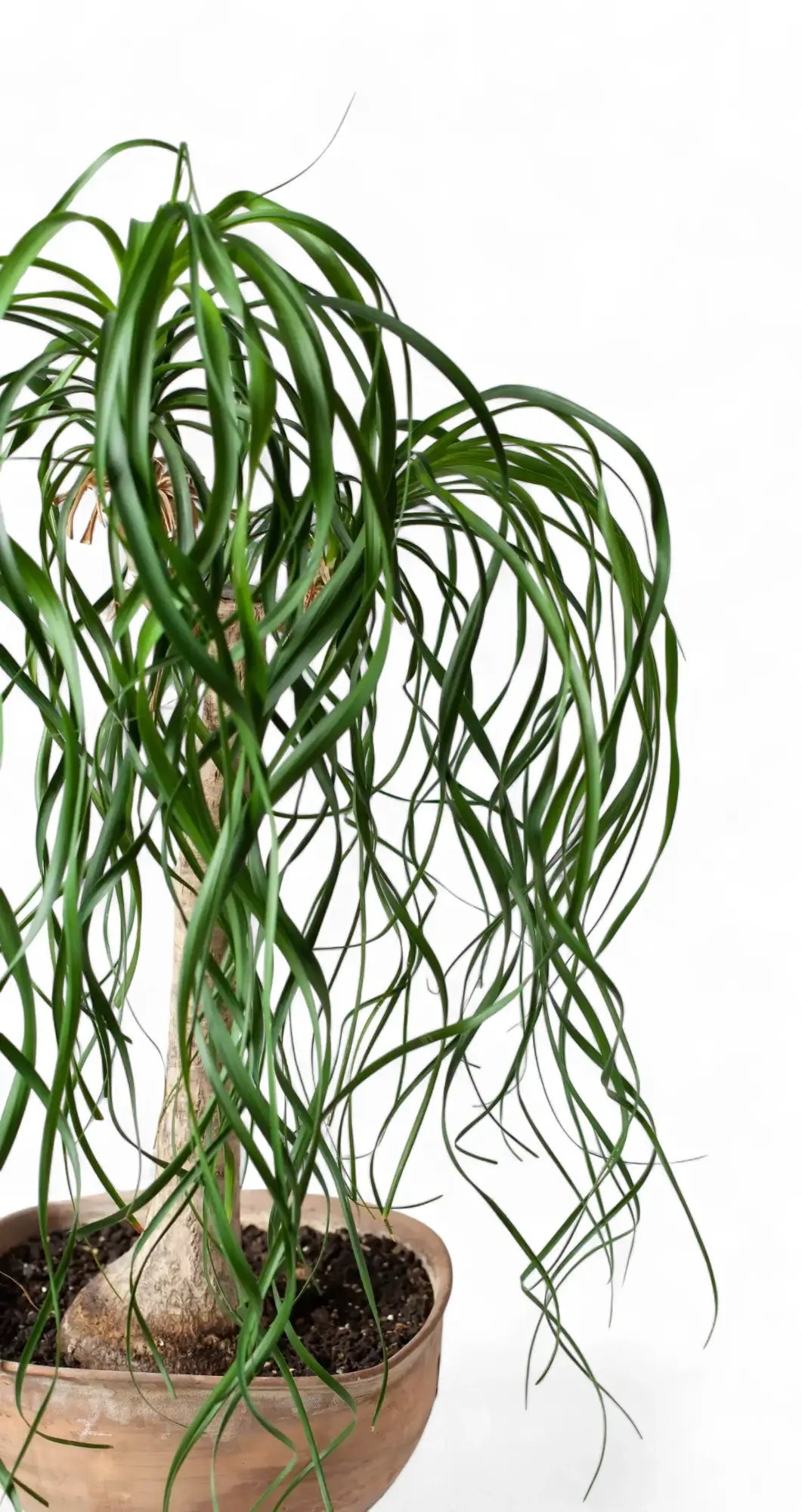
Beaucarnea recurvata (ponytail palm) pairs a swollen caudex and cascading leaves with extreme drought resilience — and a serious conservation story. Get accurate ID, habitat context, myth-busting, ...
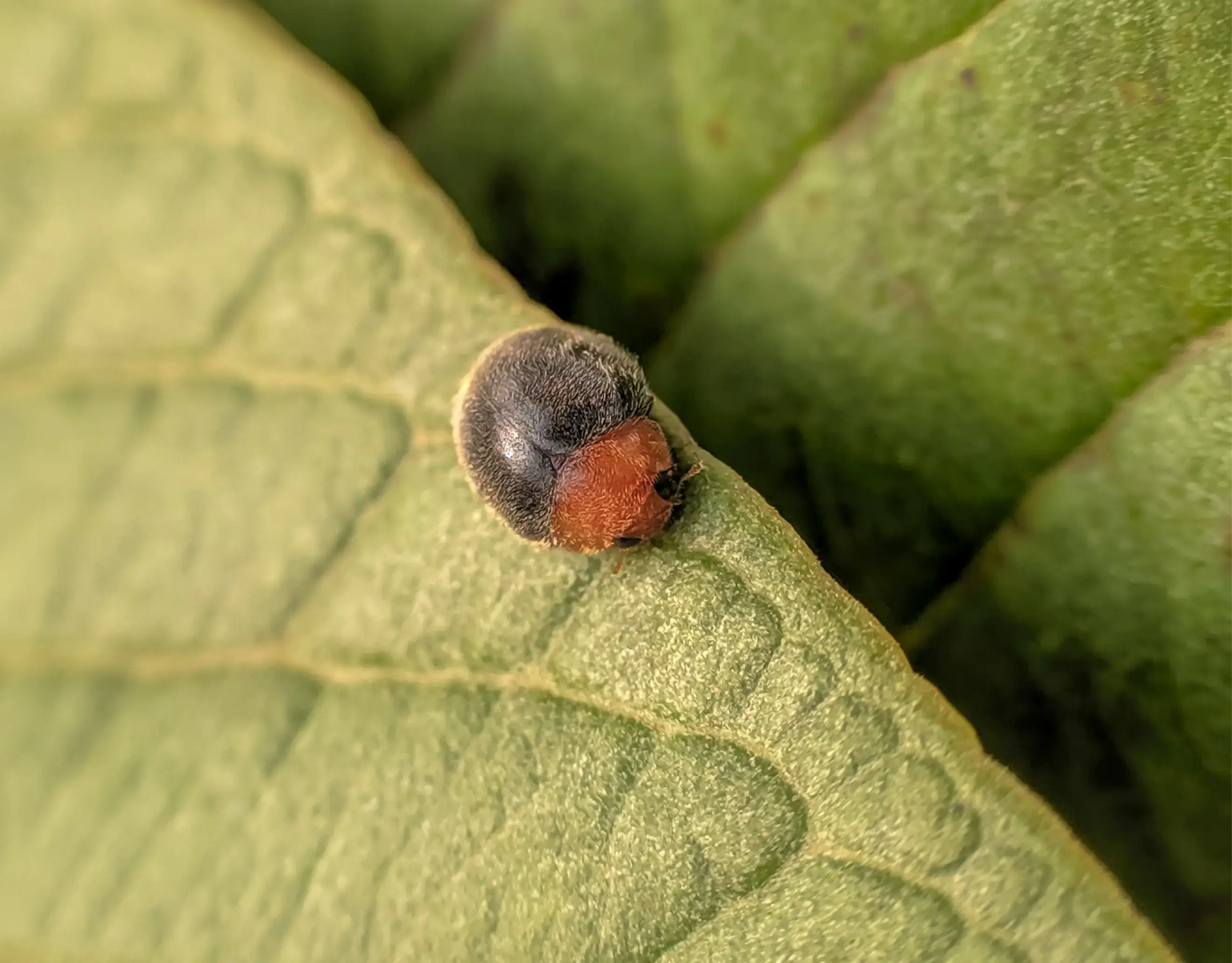
A practical guide to biological pest control indoors. Learn to identify common houseplant pests, choose the right beneficial insects, release them properly, and monitor results over a realistic 4–6...
I received perfectly heathy and absolutely beautiful plants, even bigger than expected. The delivery within Europe was really fast. I think Foliage Factory has one of the best plant web shops in the internet. It‘s just great to get so much informations about the plants. I will definitely order again :)
Walkerova
★★★★★
Die Pflanzen waren prima verpackt und ein heatpack war im Paket enthalten. Die Lieferzeit hat 2 bis 3 Tagen gedauert, was aus meiner Sicht wirklich gut ist. Alle drei Pflanzen haben die Lieferung gut überstanden. Ich habe mich auf Hoyas spezialisiert und habe schon die nächsten Pflanzen meiner Wunschliste auf der Website gefunden. Daher wird die nächste Bestellung nicht lange auf sich warten lassen.
Marion
★★★★★
Envoie très rapide (2 jours), plantes parfaitement emballées et super offres ! Je suis une habituelle j'ai passé 6 ou 7 commandes et je n'en peut être plus satisfaite du service client et de la qualité et variété des plantes offertes
Iris
★★★★☆
Die Sendung kam leider in keinem guten Zustand bei mir an, kann passieren. Habe mich darauf hin sofort an Foliage Factory gewandt und habe selten einen so guten, schnellen, freundlichen und kulanten Kundendienst erlebt.
Frauke
★★★★★
The plants have arrived in perfect condition, the roots and the foliage so so healthy! I had problem with 1 plant out of 16 and they have responded to my email almost instantly and the issue was resolved straight away. I'm really impressed and satisfied, definitely getting more plants from them again!
Patricija
★★★★☆
Very healthy and well packed plant. Unfortunately there was one plant that ordered couldn’t be delivered as it was out of stock hence 1 star less.
Sam
★★★★★
Everything arrived in good condition and very well packed - it wasn't easy with a fragile plant and a heavy bag of substrate. I recommend it!
Lia
★★★★★
Bester online-Pflanzenhandel den ich kenne (habe davor 4 andere ausprobiert). Eine teure Pflanze wurde beim Transport beschädigt und mir ersetzt. Der Kontakt dabei war auch sehr nett (danke Jan) und hat mir gut geholfen. Die anderen Pflanzen sind in einem sehr guten Zustand, keine Schädlinge, super Bewurzelung. Nur zu empfehlen! :)
C L
★★★★★
Super Service, Gute Auswahl, Preise sind fair. Eine Pflanze kam kaputt an, hab sofort Ersatz bekommen. Danke an den unkomplizierten (und blitzschnellen) Kundenservice!!
Sarah
★★★★★
The plants are carefully packaged and arrive in great conditions (I’m based in Spain) and they’re always there to help in any way they can with your purchase.I have and will always recommend Foliage Factory to every friend I can. I’m not only satisfied with their plants and prices, but their customer service is exceptional.





Leave a comment
This site is protected by hCaptcha and the hCaptcha Privacy Policy and Terms of Service apply.