




Disocactus
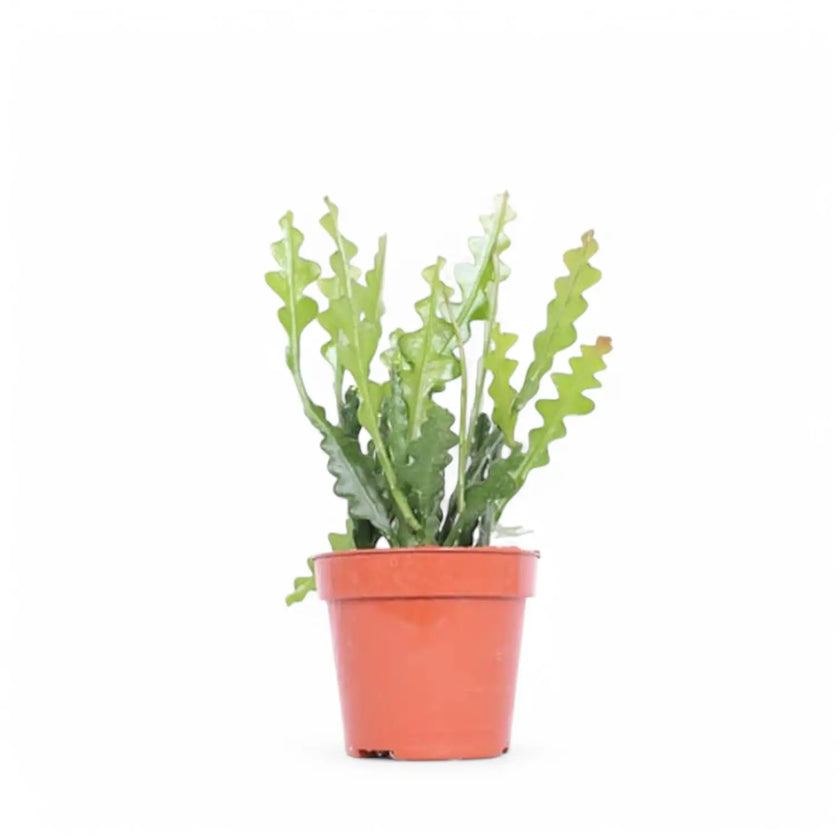
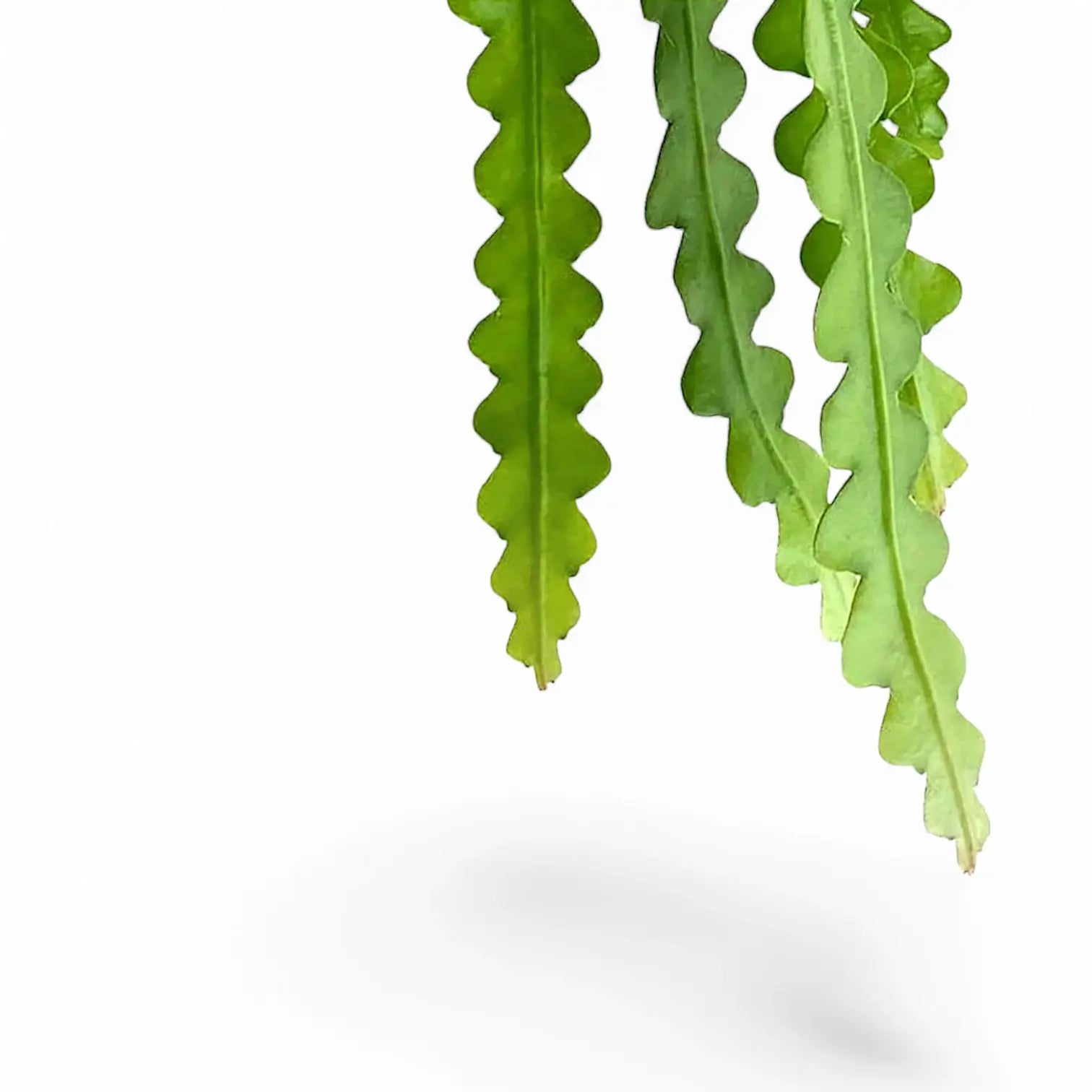
Disocactus are epiphytic cacti with flattened or angled stems that arch into long hanging growth. Stem width, branching and texture vary between species, and established plants may produce large flowers in red, pink, orange or white.
Substrate help
Choose a faster-drying mineral-leaning setup
Succulents and many cacti need a mix that releases excess water quickly and keeps the root zone open, especially in indoor pots.
About Our Filters
Filters help you narrow things down fast and without guessing. We put a lot of time and effort into keeping filter values consistent across the shop by cross-checking references and validating them against real-world indoor growing and handling.
Use them as guidance, not guarantees. Homes vary a lot, so for the full context (and any exceptions), open the product page and read the description.
How filtering works
- Filters stack: each selection narrows results.
- Multiple picks in one filter are usually either/or within that filter.
- Undo anytime: click a selected option again (or clear filters).
Safety
- Non-toxic: not known for relevant chemical toxicity for common pets (chewing can still cause irritation).
- Non-toxic & Pet Friendly: stricter shortlist that also avoids many physical hazards like spines, sharp tips, thorns, and bristles.
Common care filters
- Light level: Low indirect → Full sun/direct.
- Water Needs: Low / Medium / High.
- Humidity Level: Normal (40–50%) / Moist (50–60%) / Humid (60–80%+).
Growth & size
- Growth Habit: climbing, trailing, crawling, upright, self-heading, clumping, rosette.
- Needs support? none / optional / needed.
- Delivered size: pot size + plant height at shipping.
- Max size indoors: realistic long-term height + spread indoors.
Looks & botanical browsing
- Leaf Shape & Size + Foliage Colour: quick visual categories.
- Plant Type / Genus / Family: browse by broad group or taxonomy.
If you want to see the references we use, Plant Care Resources is simply a curated list of source links (POWO, Kew, and more).
Sort by:
Cactaceae
Disocactus
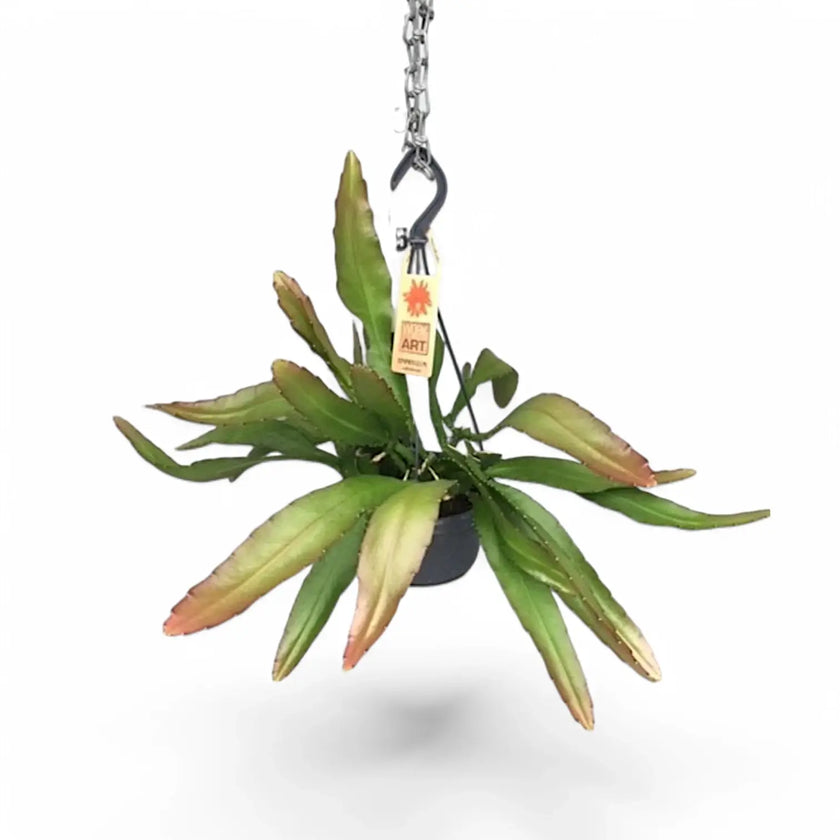
Disocactus in pots and hanging baskets
- Container style: standard nursery pots and hanging baskets.
- Current reach: segmented stems can hang far below the container.
- Handling: selected plants carry fine bristles or spines.
Disocactus: botanical profile for tropical epiphytic cacti
Disocactus is an accepted cactus genus first published by Lindley in 1845. Plants of the World Online gives its native range as Mexico to Central America. Indoors, Disocactus is grown for trailing, arching or flattened stems, showy flowers and a care rhythm closer to epiphytic cactus care than to dry desert-cactus routines.
- Order: Caryophyllales
- Family: Cactaceae
- Genus: Disocactus Lindl.
- Native range: Mexico to Central America
- Typical habit: often epiphytic or lithophytic succulent cacti with trailing, arching, pendent or occasionally climbing stems
Disocactus with cascading stems and vivid flowers
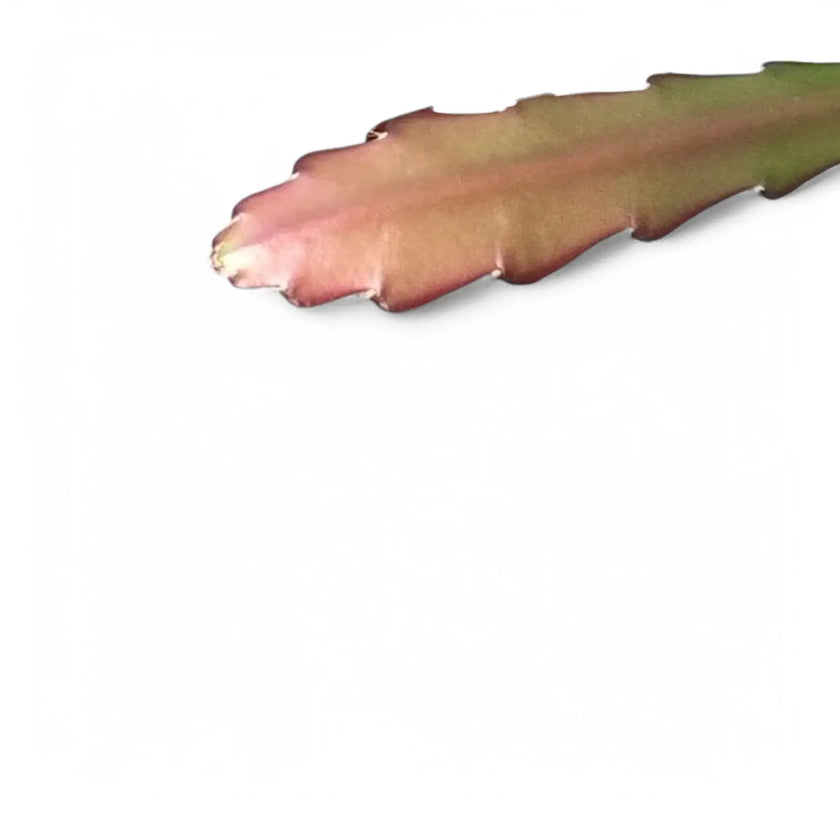
Disocactus forms flattened, ribbed or angled stems that arch over the edge of a hanging pot. Branching determines how broad the cascade becomes, and established plants may produce large seasonal flowers along mature stems.
This is a forest-cactus group rather than a desert one. The contrast between arid and forest succulents explains why Disocactus uses light and moisture differently from desert cacti. Bark and open structure suit the epiphytic root environment described in epiphytes versus soil-growing plants.
Filtered brightness supports sturdy stems and bud formation without exposing them to extreme heat. Use the bright indirect light guide when choosing the position. Some species carry small spines or bristles along the margins, so gloves and a secure hanging point make handling safer.
Quick Overview
Disocactus in pots and hanging baskets
- Container style: standard nursery pots and hanging baskets.
- Current reach: segmented stems can hang far below the container.
- Handling: selected plants carry fine bristles or spines.
Botanical Profile
Disocactus: botanical profile for tropical epiphytic cacti
Disocactus is an accepted cactus genus first published by Lindley in 1845. Plants of the World Online gives its native range as Mexico to Central America. Indoors, Disocactus is grown for trailing, arching or flattened stems, showy flowers and a care rhythm closer to epiphytic cactus care than to dry desert-cactus routines.
- Order: Caryophyllales
- Family: Cactaceae
- Genus: Disocactus Lindl.
- Native range: Mexico to Central America
- Typical habit: often epiphytic or lithophytic succulent cacti with trailing, arching, pendent or occasionally climbing stems
Details & Care
Disocactus with cascading stems and vivid flowers
Disocactus forms flattened, ribbed or angled stems that arch over the edge of a hanging pot. Branching determines how broad the cascade becomes, and established plants may produce large seasonal flowers along mature stems.
This is a forest-cactus group rather than a desert one. The contrast between arid and forest succulents explains why Disocactus uses light and moisture differently from desert cacti. Bark and open structure suit the epiphytic root environment described in epiphytes versus soil-growing plants.
Filtered brightness supports sturdy stems and bud formation without exposing them to extreme heat. Use the bright indirect light guide when choosing the position. Some species carry small spines or bristles along the margins, so gloves and a secure hanging point make handling safer.
Frequently Asked Questions About Disocactus
Is Disocactus a classic desert cactus?
No. Disocactus belongs to the cactus family, but it often grows epiphytically or lithophytically in warm, bright habitats. It needs an airy substrate, steady warmth and a more consistent watering rhythm than many classic desert cacti. Still, the substrate should never stay permanently wet.
How much light does Disocactus need?
Disocactus grows best in bright indirect light, filtered sun or gentle morning sun. Too little light often leads to pale, thin or stretched stems. Strong direct midday sun behind glass should be introduced gradually so the stems do not develop brown sun marks.
How often should I water Disocactus?
Water Disocactus once the upper part of the substrate has dried and the pot feels lighter. In a warm, bright position, this may be needed more regularly than with desert cacti. In cooler or darker phases, wait longer between waterings. Excess water should always drain away fully so the roots do not sit cold and wet.
What kind of substrate is best for Disocactus?
Disocactus grows best in a loose, airy epiphytic cactus mix. A good substrate can include bark, coco chips, pumice, perlite, lava or other mineral particles. Avoid dense, peat-heavy potting soil on its own, because it can stay wet too long around the roots.
Why is my Disocactus wrinkling or getting thin stems?
Wrinkled or thin stems can come from prolonged dryness, poor root uptake or a substrate that has become difficult to re-wet. Check whether the mix is drying too harshly, whether the roots are healthy and whether the plant is getting enough bright light and warmth.

Experience you can count on
More than 20,000 customers, rated 4.6 out of 5 stars.
Quality first
Plants are hand-selected and checked before shipping.
Reliable shipping
Safe packaging and tracked shipping from DE and NL.
Small business
Support a small, independent, women-led family business.

Get 10% off your next plant order
Sign up for Foliage Factory newsletter for early access to new arrivals and practical care tips that work in real homes.
Our Customers
★★★★★
Die Pflanzen waren prima verpackt und ein heatpack war im Paket enthalten. Die Lieferzeit hat 2 bis 3 Tagen gedauert, was aus meiner Sicht wirklich gut ist. Alle drei Pflanzen haben die Lieferung gut überstanden. Ich habe mich auf Hoyas spezialisiert und habe schon die nächsten Pflanzen meiner Wunschliste auf der Website gefunden. Daher wird die nächste Bestellung nicht lange auf sich warten lassen.
Marion
★★★★★
The plants are carefully packaged and arrive in great conditions (I’m based in Spain) and they’re always there to help in any way they can with your purchase.I have and will always recommend Foliage Factory to every friend I can. I’m not only satisfied with their plants and prices, but their customer service is exceptional.
José
★★★★☆
Very healthy and well packed plant. Unfortunately there was one plant that ordered couldn’t be delivered as it was out of stock hence 1 star less.
Sam
★★★★☆
Die Sendung kam leider in keinem guten Zustand bei mir an, kann passieren. Habe mich darauf hin sofort an Foliage Factory gewandt und habe selten einen so guten, schnellen, freundlichen und kulanten Kundendienst erlebt.
Frauke
★★★★★
Everything arrived in good condition and very well packed - it wasn't easy with a fragile plant and a heavy bag of substrate. I recommend it!
Lia
★★★★★
Bester online-Pflanzenhandel den ich kenne (habe davor 4 andere ausprobiert). Eine teure Pflanze wurde beim Transport beschädigt und mir ersetzt. Der Kontakt dabei war auch sehr nett (danke Jan) und hat mir gut geholfen. Die anderen Pflanzen sind in einem sehr guten Zustand, keine Schädlinge, super Bewurzelung. Nur zu empfehlen! :)
C L
★★★★★
Super Service, Gute Auswahl, Preise sind fair. Eine Pflanze kam kaputt an, hab sofort Ersatz bekommen. Danke an den unkomplizierten (und blitzschnellen) Kundenservice!!
Sarah
★★★★★
Envoie très rapide (2 jours), plantes parfaitement emballées et super offres ! Je suis une habituelle j'ai passé 6 ou 7 commandes et je n'en peut être plus satisfaite du service client et de la qualité et variété des plantes offertes
Iris
★★★★★
The plants have arrived in perfect condition, the roots and the foliage so so healthy! I had problem with 1 plant out of 16 and they have responded to my email almost instantly and the issue was resolved straight away. I'm really impressed and satisfied, definitely getting more plants from them again!
Patricija
★★★★★
I received perfectly heathy and absolutely beautiful plants, even bigger than expected. The delivery within Europe was really fast. I think Foliage Factory has one of the best plant web shops in the internet. It‘s just great to get so much informations about the plants. I will definitely order again :)
Walkerova
Limited discounts, extras, and bundle deals for subscribers.
Get points with every order to redeem them for discounts.
Give your friends 10 € off and get 200 Foliage Points.
Use your 10% code on plants when you're ready to order.