Colored Variegated Houseplants Explained: Pigments, Genetics, and Care
Why Colored Variegation Captivates
Houseplants with pink, red, purple, orange, yellow, burgundy, or lime-patterned foliage bring a very different kind of impact from classic white-variegated plants. Stromanthe triostar, Aglaonema cultivars, Tradescantia ‘Nanouk’, Hypoestes, Caladium, Begonia rex, and Philodendron ‘Pink Princess’ all show how pigments can turn a leaf into something more layered than plain green.
But not every colorful plant is variegated in the same way. Some plants have repeated pigment patterns. Some have red undersides. Some produce orange juvenile leaves that mature into another shade. Some turn red only under bright light. These differences matter because they change how stable color is, how plant grows, and what kind of care actually helps.
Colored patterns are usually linked to active pigments such as anthocyanins and carotenoids. These pigments can influence how leaves handle light, temperature, and stress. In many colored areas, chlorophyll is still present, so plant can often keep photosynthesizing more effectively than a plant with large white, chlorophyll-free sectors. That is one reason many colored-patterned houseplants are easier to grow than heavily white-variegated ones.
Aglaonema cultivars show how red and pink pigments can create strong patterned foliage while green tissue still supports growth.
Whether you grow Aglaonema, Stromanthe, Caladium, Tradescantia, Hoya, Begonia, or pink Philodendron cultivars, this guide will help you understand what plant color means and how to keep it strong without falling for common variegation myths.
📌 Curious how white variegation behaves by comparison? Read our complete guide to white-variegated houseplants for a closer look at chlorophyll-free sectors, slower growth, browning, and care.
Hoya ‘Sunrise’ can develop reddish tones in bright light. This is stress-responsive coloration rather than stable chimeral variegation.
What Counts as Colored Variegation?
Before looking at pigments, it helps to separate a few things that often get mixed together in plant care content. “Colored variegation” is useful as a shopping and care term, but botanically it can include several different mechanisms.
True colored variegation
True colored variegation means a plant produces repeated, patterned areas of different color on leaves. These areas may be pink, red, burgundy, purple, yellow, orange, lime, silver, or mixed tones. In pigment-type variegation, colored areas are produced by pigments in specific tissues rather than by a total lack of chlorophyll.
Examples include many Aglaonema cultivars, Hypoestes phyllostachya, Tradescantia ‘Nanouk’, Begonia rex cultivars, Cryptanthus cultivars, Caladium cultivars, and some patterned Philodendron cultivars.
Colored foliage that is not true variegation
Some plants are colorful but not variegated in a strict pattern-based sense. This includes whole-leaf burgundy plants, orange juvenile leaves, dark leaves, red undersides, and temporary high-light blush.
Whole-leaf coloration: Peperomia caperata ‘Red Luna’ and Zamioculcas zamiifolia ‘Raven’ are colored plants, not classic variegates.
Juvenile flush color: Philodendron ‘Prince of Orange’ produces orange new leaves that change as they mature.
Red undersides: Syngonium erythrophyllum shows reddish backing rather than repeated variegated upper-surface patterning.
Stress-responsive coloration: Hoya ‘Sunrise’, Hoya ‘Undulata’, Echeveria, Pachyphytum, and many succulents can develop stronger red, pink, or purple tones under bright light, cooler nights, or drier conditions.
Why this distinction matters for care
If color is environmental, you may be able to deepen it by adjusting light, temperature, and watering. If color is genetic and chimeral, care can support plant health, but it cannot force a reverted growth point to become patterned again. If color is a natural juvenile phase, no care trick will keep leaf color fixed permanently at that stage.
This is where many plant myths start. Bright light can support pigment expression in many plants, but it does not create new genetic variegation. Balanced care keeps colored plants healthy; it does not rewrite their growth pattern.
Exact color intensity can vary between individual plants, seasons, shipping recovery, and home growing conditions.
Pigments Behind Colored Foliage and Variegation
Colored foliage is built from plant pigments. Chlorophyll gives leaves their green base. Anthocyanins create many red, pink, burgundy, and purple tones. Carotenoids create yellow, orange, and lime tones. Betalains occur in a more limited group of plants and are especially relevant in certain cacti, succulents, and Caryophyllales relatives.
These pigments are not just decorative. They can help leaves filter excess light, reduce oxidative stress, and manage environmental pressure. Exact effect depends on plant, tissue, pigment concentration, and growing conditions.
Anthocyanins: pink, red, burgundy, and purple tones
Anthocyanins are water-soluble flavonoid pigments stored mainly in cell vacuoles. In houseplants, they are responsible for many pink, red, burgundy, and purple effects, from patterned Aglaonema to red-backed Syngonium and high-light blush in Hoya.
Anthocyanin expression is influenced by:
Genetics: plant needs the genetic ability to produce and place these pigments.
Light: many plants produce stronger anthocyanin tones under bright, filtered light.
Temperature: slightly cooler nights can deepen red or purple tones in some plants.
Stress level: mild drought or high light may increase pigment expression, while severe stress damages tissue.
Cell conditions: pH and cellular environment can shift anthocyanin color from redder to purpler tones.
In many colored leaves, anthocyanins sit over or beside chlorophyll rather than replacing it completely. That is why pink, red, or burgundy tissue can still contribute to plant’s energy balance. It may not perform exactly like plain green tissue, but it is not the same as white tissue with no chlorophyll.
Houseplants and indoor-grown plants with anthocyanin-rich color:
Aglaonema red and pink cultivars: patterned pink, red, salmon, or coral areas layered with green tissue.
Alocasia ‘Antoro Velvet’: deep, dark foliage with strong purple-black pigmentation.
Alocasia cuprea ‘Red Secret’: metallic red-bronze tones over active leaf tissue.
Calathea roseopicta cultivars: pink or red markings on dark green leaves.
Coleus cultivars: intense red, pink, burgundy, and purple foliage patterns.
Cryptanthus cultivars: pink, red, or purple striped rosettes.
Ficus elastica ‘Abidjan’: dark burgundy leaf color, especially in newer growth.
Hoya ‘Sunrise’: red to purple high-light coloration, especially under strong filtered light.
Hypoestes phyllostachya: pink, red, or white speckled patterns depending on cultivar.
Philodendron ‘Pink Princess’: pink chimeral sectors on green leaves.
Polyscias scutellaria ‘Fabian’: dark purple-green foliage.
Syngonium erythrophyllum: burgundy to red undersides with green upper surfaces.
Syngonium podophyllum ‘Red Spot’: pink to reddish speckling over green tissue.
Tradescantia ‘Nanouk’: pink, cream, purple, and green striping.
Zamioculcas zamiifolia ‘Raven’: near-black mature leaves from dark pigment accumulation.
These plants do not all have same kind of variegation. Some are patterned, some are dark-leaved, some are red-backed, and some respond strongly to light. What they share is use of protective pigments that change how leaves absorb, reflect, or filter light.
Heptapleurum ‘Gold Capella’ shows golden-yellow sections beside green tissue, a common look in carotenoid-rich foliage patterns.
Carotenoids: yellow, orange, gold, and lime tones
Carotenoids are lipid-soluble pigments found in chloroplasts and chromoplasts. They create many yellow, orange, golden, and lime tones in leaves and also help protect photosynthetic tissue from excess light energy.
Key facts about carotenoids:
They contribute to yellow and orange tones in many foliage plants.
They often work alongside chlorophyll rather than replacing it completely.
Strong green chlorophyll can mask yellow tones, especially when growth is very lush.
Excess nitrogen can push greener growth in some plants, making yellow or lime tones appear less distinct.
Extreme direct sun can scorch or bleach leaves, especially if plant is not acclimated.
Houseplants and indoor-grown plants with yellow, orange, or lime coloration:
Epipremnum aureum ‘Neon’: lime-yellow foliage with strong chlorophyll function.
Codiaeum variegatum cultivars: yellow, orange, red, and green patterns from multiple pigment groups.
Ficus elastica ‘Tineke’: cream-yellow and green sectors with active green areas.
Tradescantia fluminensis ‘Yellow Hill’: yellow and green striping.
Philodendron hederaceum ‘Brasil’: lime-yellow striping through green leaves.
Philodendron hederaceum ‘Lemon Lime’: bright lime to yellow-green foliage.
Philodendron ‘Prince of Orange’: orange juvenile leaves that mature into changing green-bronze tones.
Philodendron ‘Painted Lady’: yellow-green patterned foliage, usually strongest in new growth.
Philodendron ‘Ring of Fire’: mixed orange, yellow, cream, green, and sometimes red-toned patterning.
Heptapleurum arboricola ‘Gold Capella’: golden-yellow patterned sections beside green areas.
Yellow and lime foliage can be very stable, but it is not always “variegation” in same way as a chimeral sector. Some plants are genetically lime all over. Others have patterned sectors. Others produce yellow or orange new leaves that naturally mature into different shades.
Anacampseros can show strong pink-red tones. In succulents, pigment response often changes with light, temperature, and watering rhythm.
Betalains: rare in classic houseplant foliage, but useful to understand
Betalains are nitrogen-containing pigments that create red-violet betacyanins and yellow betaxanthins. They occur in Caryophyllales and replace anthocyanins in those plant groups. They are common in beetroot and relevant in some cacti and succulents, but they are not a normal pigment explanation for classic aroids such as Philodendron, Anthurium, Monstera, Alocasia, or Syngonium.
For indoor growers, betalains are mostly a useful reminder that “red plant color” does not always come from anthocyanins. Plant pigment chemistry is diverse, and plant family matters.
Examples connected with betalain-rich plant groups:
Opuntia: prickly pear cacti can show red or purple tones in pads, fruit, or stress-colored tissue.
Many Mammillaria and related cacti: reddish tissue, bracts, fruits, or flower structures may involve betalain pigments.
Portulaca species: bright pink, red, yellow, or orange flowers and sometimes tinted stems.
Beta vulgaris: beetroot is a familiar betalain example, though not a houseplant.
Anacampseros: pink and red succulent tones are relevant for collectors who grow compact, high-light plants indoors.
For most colorful houseplants, anthocyanins and carotenoids are main pigments to understand. Betalains matter most when discussing cacti, certain succulents, and Caryophyllales relatives.
Genetic and Cellular Mechanisms of Colored Variegation
Some colored patterns are stable because entire plant is genetically programmed to make them. Others are unstable because different cell layers in growing tip carry different instructions. This is where chimeras become important.
What is a chimera?
A plant chimera is a plant with genetically different tissues growing together in one body. In variegated houseplants, this often means one part of shoot tip carries a mutation affecting pigment or chlorophyll production, while another part remains green or differently colored.
Shoot apical meristem, the growing tip that produces new leaves and stems, is organized in layers. These layers are often described as:
L1: outer layer, contributing to epidermal and surface tissues.
L2: inner tissue that contributes to much of leaf and sometimes reproductive cells.
L3: deeper tissue involved in internal structures and stem development.
If a mutation affects pigment production in one layer but not another, new leaves can develop visible sectors, streaks, marbling, or layered color effects. That is why some variegated plants look like a mosaic: different cell lines are growing together at same time.
Types of chimera structures
Chimeras behave differently depending on how mutated tissue is arranged in meristem.
Periclinal chimeras
One full meristem layer carries mutation.
This is usually the most stable chimera type.
New growth is more likely to repeat a predictable pattern because altered layer continues through growing point.
Mericlinal chimeras
Only part of one meristem layer carries mutation.
Patterns may appear as streaks, partial sectors, or irregular areas.
Stability is lower because altered tissue may be lost from growth point.
Sectorial chimeras
A sector through multiple layers is genetically different from surrounding tissue.
Patterns may be bold but unstable.
One side of a shoot can behave differently from another.
This is the reason one stem can keep producing good color while another goes plain green. Plant is not “choosing” to lose color. Growing point may simply have lost the cell line responsible for that pattern.
How genes influence colored patterns
Colored variegation depends on pigment pathways. These pathways are controlled by genes that regulate pigment production, transport, storage, and breakdown.
Important pigment-related controls include:
MYB transcription factors: regulatory genes that can switch anthocyanin production on or off.
DFR and other biosynthetic enzymes: enzymes involved in building anthocyanin molecules.
GST-type transporters: proteins that help move anthocyanins into vacuoles, where visible color can accumulate.
Carotenoid pathway genes: genes involved in yellow and orange pigment formation and balance.
When pigment genes are active only in certain tissues, result can be patterned growth. When pigment genes are active across a whole leaf, result may be whole-leaf coloration rather than variegation.
Stability and propagation
Seeds are unreliable for most named variegated cultivars because seed propagation reshuffles genes. A seedling from a colorful parent may be green, differently colored, weakly patterned, or completely unlike parent plant.
Vegetative propagation is usually the best route for keeping a named plant true to type, but even cloning has limits.
Propagation methods and what to expect:
Stem cuttings: often preserve pattern if cutting includes a growth point carrying the right tissue layers.
Node cuttings: can work well, but a node from a reverted or weakly patterned section may continue that weak pattern.
Air layering: useful for larger climbing or vining plants because new plant stays attached while roots develop.
Division: reliable for clumping plants only when divided section already carries desired pattern.
Tissue culture: useful commercially, but not a magic guarantee. Chimeral variegation can change depending on tissue used and how off-types are selected out.
Practical point is simple: propagate from the best, healthiest, most representative growth, not from a plain green or nearly reverted section.
Key takeaway
Some colored patterns are genetically stable. Others depend on fragile cell-layer arrangements inside growing point. Care can support color, but it cannot create a missing genetic pattern. If a shoot has fully reverted, pruning back to a patterned node is usually more effective than waiting for that same green shoot to become colorful again.
📌 White variegation behaves differently because white areas often lack chlorophyll. Read our white-variegated houseplants guide for that side of the story.
Aglaonema ‘Salmon Fantasy’ shows repeated salmon-pink patterning, but color strength still depends on light, plant health, and nutrient balance.
Environmental Factors That Influence Pigment Expression
Genetics sets possible color range. Environment decides how strongly that color shows. Light, temperature, nutrition, watering, humidity, and stress all influence pigment expression, but none of them can create a new stable pattern that plant is not genetically able to produce.
Light intensity and light quality
Light is one of the strongest factors affecting colored foliage. Many anthocyanin-rich plants show stronger red, pink, or purple tones in bright, filtered light. Many yellow and lime plants also hold clearer color when light is steady and sufficient.
Low light often leads to duller color because chlorophyll becomes visually dominant and new growth may stretch. Harsh direct sun can do the opposite kind of damage: bleaching, scorch, crisping, or heat stress, especially when plant has not been acclimated.
Practical light guidance:
Give most colored-patterned tropical plants bright, indirect light.
Near an east-facing window is often useful if light is gentle and not hot.
South- or west-facing windows may need a sheer curtain or some distance from glass.
Rotate plants every 1–2 weeks so growth stays even.
For darker homes, use a full-spectrum LED grow light as a supplement.
A useful starting range is around 800–1500 lux or 100–200 µmol/m²/s PPFD for many tropical colored foliage plants, then adjust by plant response.
Use a timer for roughly 10–12 hours per day if relying on grow lights.
Succulents, cacti, and high-light Hoya can often take stronger light than soft tropical foliage plants, but they still need acclimation. Sudden direct sun can burn leaves faster than pigments can protect them.
Temperature
Temperature influences pigment formation and pigment stability. Many colored tropical foliage plants grow best in steady indoor warmth, while some anthocyanin expression can strengthen when nights are slightly cooler.
Practical temperature range:
Daytime: aim for roughly 20–26 °C for most tropical colored foliage plants.
Nighttime: 17–21 °C is usually comfortable for many species and cultivars.
Avoid hot radiators, heat vents, cold glass, and sudden draft exposure.
Consistency matters more than chasing perfect numbers.
Cold damage, heat stress, and rapid temperature swings can all cause dulling, spotting, edge damage, or leaf drop. Pigments can help plants buffer stress, but they do not make leaves indestructible.
Nutrient management
Fertilizer affects color because nutrition affects growth speed, chlorophyll production, and leaf quality. Too much nitrogen can push fast green growth in some plants, making colored patterns appear weaker or less balanced.
Practical feeding strategy:
Use a balanced, moderate fertilizer rather than a high-nitrogen booster.
Ratios such as 3–1–2 or 5–2–3 are a useful reference point for many foliage plants.
Feed lightly while plant is actively producing healthy new growth.
Reduce or pause feeding when growth slows due to low light, cool conditions, recent repotting stress, or root problems.
Dilute fertilizer if plant is slow-growing, recently shipped, freshly repotted, or sensitive.
Flush mineral buildup from substrate occasionally if you fertilize regularly.
Balanced feeding supports both pigment expression and root health. Heavy feeding does not make a plant more variegated; it can simply make plant grow too fast, too soft, or too green.
Pachyphytum ‘Pink Moonstones’ shows how light, watering rhythm, and temperature can influence pink succulent coloration.
Stress and protective pigment responses
Anthocyanins and carotenoids can help leaves cope with high light and oxidative stress. This is why some plants develop stronger color under bright light, slightly cooler nights, or a drier watering rhythm.
There is a limit. Mild, controlled environmental pressure can deepen color in some plants. Chronic stress damages leaves.
Helpful mild pressure can include:
Bright filtered light after gradual acclimation.
Slightly cooler nights within plant’s safe range.
A watering rhythm that allows substrate to partly dry rather than staying constantly wet.
Damaging stress includes:
Unacclimated direct sun.
Severe drought.
Cold shock.
Heat buildup near glass or radiators.
Repeated root stress from overwatering.
Pest damage on tender new growth.
For tropical colored foliage plants, goal is not to “stress plant for color.” The goal is steady growth with enough light and air movement that pigments can show without tissue damage.
Case example: Hypoestes
Hypoestes phyllostachya, often sold as polka-dot plant, is a clear example of environmental pigment response. In bright, filtered light, pink or red speckling often looks stronger and growth stays more compact. In low light, new growth may become greener and stretchier as plant prioritizes chlorophyll-rich tissue and reaches for more light.
This does not mean light creates a new pattern. It means good light helps an existing genetic pattern express more clearly.
📌 Light supports existing variegation and pigment expression, but it does not invent stable new variegation. For more myth-free detail, read our variegation myths and science guide.
Color Fading vs. True Green Reversion
Many plant owners use “reversion” for any loss of color, but two different things may be happening. This distinction is important because one problem is often reversible and the other usually needs pruning.
Color fading
Color fading means plant still has same pattern potential, but pigments are weaker or less visible. This often happens because of low light, overly lush nitrogen-driven growth, heat stress, or general poor health.
Signs of color fading:
Pattern is still visible but duller.
New leaves are paler, greener, or less contrasted.
Older colored leaves may remain colorful while new growth looks weaker.
Plant may also stretch toward light.
What helps:
Move plant into brighter filtered light gradually.
Reduce high-nitrogen feeding.
Improve root health and watering rhythm.
Keep temperatures steady.
Give plant time to produce new growth under better conditions.
True green reversion
True reversion means a growth point starts producing solid-green growth because colored cell line is absent, weakened, or outcompeted. This is common in some chimeral variegates.
Signs of true reversion:
A whole stem or growth point produces only green leaves.
New leaves from that shoot repeatedly lack previous pattern.
Green shoot grows faster and stronger than patterned sections.
Color does not return on that shoot even after care improves.
What helps:
Prune green shoot back to a node that still carries colored patterning.
Keep healthiest patterned growth as main growth point.
Avoid propagating from fully green reverted stems if you want variegated look.
Improve care after pruning so plant can regrow strongly.
Fading is often a care signal. Reversion is often a growth-point problem. Treating both as the same thing leads to frustration.
Physiological and Horticultural Implications of Colored Variegation
Colored foliage is not just decoration. It affects how leaves handle light, how fast plants grow, and how resilient they are under indoor conditions.
Photosynthesis trade-offs
Many colored leaf areas still contain chlorophyll, especially where anthocyanins or carotenoids are layered over green tissue. This is the major practical difference from pure white sectors, which often lack chlorophyll and cannot photosynthesize.
Anthocyanin-rich tissue: may still contain chlorophyll beneath or alongside red, pink, burgundy, or purple pigments.
Carotenoid-rich tissue: often contributes yellow, lime, or orange tones while chlorophyll remains active.
White tissue: often has little or no chlorophyll, making it less productive and more fragile.
This does not mean colored areas are always as efficient as plain green areas. Pigment density, leaf thickness, internal structure, and cultivar all matter. Still, colored-patterned plants often have a better energy balance than plants with large pure-white sectors.
Growth rates
Colored-patterned plants usually grow more steadily than heavily white-variegated plants because more of leaf surface can still contribute to photosynthesis. Growth may still be slower than a fully green version of same plant, especially if pigment production costs energy or if colored tissue is extensive.
What to expect indoors:
Aglaonema, Hypoestes, Tradescantia, and many Begonia cultivars can grow steadily in good light.
Philodendron ‘Pink Princess’ and other chimeral variegates may produce unpredictable patterning from leaf to leaf.
Stress-colored Hoya and succulents may change color with light levels and watering rhythm.
Slow plants such as Zamioculcas zamiifolia ‘Raven’ should not be pushed with excess fertilizer just to speed up color or growth.
Stress resilience
Anthocyanins and carotenoids can help leaves manage high light and oxidative stress. This is one reason colored foliage may tolerate bright filtered conditions well when acclimated properly.
Pigments can help leaves cope with certain stresses, but they do not protect plant from poor care. Colored leaves can still scorch, crisp, stretch, rot, fade, or attract pests if conditions are wrong.
Practical care implications
Colored-patterned plants are often easier than heavily white-variegated plants.
They still need stable watering, healthy roots, and enough light.
Low light can reduce pigment expression and encourage greener growth.
Excess nitrogen can make some plants look greener and softer.
Reverted green shoots on chimeral plants should be pruned early.
For many indoor growers, that makes colored-patterned plants a more forgiving choice than plants with large white sectors.
Steady watering, healthy roots, and moderate feeding support strong color in Aglaonema and other pigment-rich foliage plants.
Colored-Patterned Houseplant Care Guide
Colored-patterned houseplants are generally forgiving when colored areas still contain chlorophyll, but they are not care-free. Best results come from steady light, healthy roots, balanced feeding, and early correction when growth starts turning plain green.
Substrate and drainage
Most tropical colored foliage plants grow best in a light, airy substrate that holds some moisture without staying dense or waterlogged.
Use a chunky houseplant or aroid-style mix with bark, perlite, pumice, coco chips, or similar airy components.
Choose a pot with drainage holes.
Avoid compact, heavy mixes that stay wet around roots.
For Begonia, Calathea, Stromanthe, and Hypoestes, keep moisture more even but still avoid stagnant wetness.
For Hoya, Peperomia, succulents, and Zamioculcas, use a sharper, faster-draining mix.
Healthy roots support stronger growth, which helps colored foliage develop more consistently. Root stress often shows up as dull color, weak new growth, yellowing, or crispy edges.
Watering
Watering depends on plant type, pot size, substrate, and light. Use substrate as your guide rather than watering by calendar.
For most tropical colored foliage plants, water when top 20–30% of substrate has dried.
For Peperomia, Hoya, succulents, and Zamioculcas, allow a deeper dry-down before watering again.
For Calathea, Stromanthe, and many Begonia cultivars, avoid full drought but never keep substrate soggy.
Empty cover pots and saucers after watering.
Use room-temperature water to reduce root shock.
Repeated overwatering damages roots and weakens color more reliably than almost any other care mistake. Mild, brief dry-down is easier to correct than oxygen-starved roots.
Fertilizing
Colored plants need nutrients, but heavy feeding can work against clean color and compact growth. Balanced, moderate feeding is safer.
Use a balanced foliage fertilizer rather than a high-nitrogen “green growth” booster.
Feed lightly while plant is actively making new leaves.
Dilute fertilizer for slow-growing or sensitive plants.
Reduce feeding if new growth becomes soft, stretched, or unusually green.
Pause feeding after repotting stress, shipping stress, root rot, or pest treatment until growth resumes.
Good nutrition supports pigment expression. Excess nutrition, especially excess nitrogen, can push lush green growth and reduce contrast in some colored plants.
Light management
Light is the care factor that most visibly affects color. Right light keeps patterns clearer, growth stronger, and stems less stretched.
Aim for bright, indirect light for most tropical colored variegates.
Use filtered morning sun when suitable, especially for tougher plants.
Acclimate slowly before giving any direct sun.
Rotate plants every 1–2 weeks for even development.
Use grow lights where natural light is weak.
Keep grow lights roughly 30–40 cm above sensitive foliage as a starting point, then adjust based on leaf response.
If leaves fade and stretch, increase filtered light gradually. If leaves bleach, crisp, or develop dry patches, reduce intensity or increase distance from light source.
Humidity and temperature
Stable conditions keep colored tissue healthier and reduce edge damage.
Many colored tropical foliage plants do well around 50–65% relative humidity.
Calathea, Stromanthe, and some Begonia cultivars may prefer slightly higher humidity.
Keep most tropical colored plants between 18–26 °C.
Avoid cold drafts, hot radiators, and heat buildup near glass.
Use a humidifier, plant grouping, or a vitrine for humidity-sensitive plants if needed.
Humidity helps with leaf edges, but it does not replace good watering or root health. A soggy pot in humid air is still a root-rot risk.
Pest and disease prevention
Colorful cultivars are not automatically pest magnets, but tender new growth, stressed leaves, and crowded plants are common targets.
Check leaf undersides, petioles, new growth, and stem joints weekly.
Look for thrips, spider mites, mealybugs, scale, fungus gnats, and sticky residue.
Clean leaves gently with a damp cloth when dust builds up.
Improve airflow without placing plants in cold drafts.
Use an appropriate pest treatment early rather than waiting until damage spreads.
Colored tissue can make damage harder to spot at first. Regular checks are faster than trying to save a plant after pests are established.
Pruning and pattern management
Pruning is especially important for chimeral colored variegates, where green growth can outpace patterned growth.
Remove fully green shoots on chimeral variegates early.
Cut just above a node that still shows desired pattern.
Do not remove every green leaf; plants still need green tissue for energy.
Trim weak, damaged, or pest-scarred growth once plant is stable.
Propagate from healthy patterned growth when possible.
Aim for balance: enough green tissue to keep plant strong, enough patterned growth to preserve the look you bought plant for.
What to Check Before Buying a Colored-Variegated Plant
Colored plants can change after they leave grower. Light, shipping, home conditions, and natural leaf aging all affect how color looks. A few checks before buying help set realistic expectations.
Check the type of color
Repeated pattern: likely more relevant to true variegation or stable pigment patterning.
One-off colorful leaf: may not repeat reliably.
Orange new growth: may naturally mature into green, bronze, or darker tones.
Red undersides: may stay stable even if upper surfaces look green.
High-light blush: may fade in softer indoor light.
Check the growth point
For chimeral plants, look at newest growth and stem. If only old leaves show color but newest growth is plain green, plant may be reverting or growing under conditions that weaken expression.
Check plant health before color intensity
Choose firm stems and healthy roots over extreme color on a weak plant.
Avoid plants with wet, collapsed, translucent, or mushy colored sectors.
Watch for pest scarring, silver streaks, webbing, sticky residue, or distorted new leaves.
Prefer balanced plants with several healthy leaves, not one dramatic but unstable leaf.
Expect some change after delivery
New leaves may emerge differently after plant adjusts to your home. Stress-colored plants can lose red tones. Freshly shipped plants may pause growth. Chimeral plants may produce one plain leaf and then a patterned one later. Judge plant over several growth points and several new leaves, not one week after arrival.
Favorite Colored and Variegated Houseplants
These plants show different types of colored foliage: true pigment patterning, chimeral sectors, juvenile flush color, red undersides, whole-leaf coloration, and stress-responsive pigmentation. Grouping them this way makes care easier and expectations more realistic.
Philodendron ‘Prince of Orange’
Philodendron ‘Prince of Orange’ is loved for orange new growth that changes as each leaf matures.
Color type: juvenile flush color, not classic variegation.
Pigments: orange and bronze tones from pigment changes in new leaves.
What to expect: new leaves open orange and gradually mature into different green-bronze shades.
Care: bright indirect light, moderate humidity, airy substrate, water when top 20–30% dries.
Aglaonema red and pink cultivars
Aglaonema cultivars often combine pink or red pigment with enough green tissue for steady indoor growth.
Color type: stable pigment patterning in many cultivars.
Pigments: anthocyanins for pink, red, coral, or salmon tones.
What to expect: colors stay clearer in bright filtered light, but many cultivars tolerate moderate indoor light.
Peperomia ‘Red Luna’ is valued for compact growth and deep burgundy foliage.
Color type: whole-leaf burgundy coloration.
Pigments: anthocyanin-rich red to burgundy tones.
What to expect: compact growth and deep color in bright indirect light.
Care: airy substrate, careful watering, moderate humidity, and no soggy potting mix.
Hoya ‘Undulata’ and light-responsive Hoya cultivars
Hoya color can shift with light exposure, so red tones should be treated as responsive rather than guaranteed.
Color type: stress-responsive pigmentation, not fixed variegation.
Pigments: anthocyanins can create red, purple, or bronze tones under strong light.
What to expect: color can fade in softer light and return under brighter filtered light after acclimation.
Care: bright indirect light or gentle morning sun, airy substrate, and dry-down between waterings.
Calathea roseopicta cultivars
Calathea roseopicta cultivars carry strong patterned markings, but leaf edges need stable moisture and humidity.
Color type: stable patterned foliage with pink or red markings.
Pigments: anthocyanins layered with green and dark leaf tissue.
What to expect: strong patterning but sensitivity to dry air, mineral buildup, and irregular watering.
Care: bright filtered light, evenly moist but airy substrate, higher humidity, and gentle airflow.
Tradescantia ‘Nanouk’
Tradescantia ‘Nanouk’ keeps its best shape and color with bright light and regular trimming.
Color type: stable striped pattern.
Pigments: pink and purple anthocyanin-rich striping with green and pale tissue.
What to expect: best color in bright indirect light and regular pruning.
Care: let top third dry, avoid water sitting in crown, and pinch regularly for compact growth.
Begonia rex cultivars
Begonia rex cultivars combine pigments with leaf structure, giving many cultivars a metallic or mosaic-like look.
Color type: patterned pigmentation plus structural effects in many cultivars.
Pigments: anthocyanins, chlorophyll, and reflective cellular structures.
What to expect: dramatic leaf patterns with sensitivity to soggy substrate and poor airflow.
Care: bright indirect light, moderate humidity, careful watering, and dry leaf surfaces where possible.
Cryptanthus cultivars
Cryptanthus cultivars bring strong pink and red tones in compact rosettes, especially with steady light.
Color type: stable rosette patterning in many cultivars.
Pigments: anthocyanins for pink, red, purple, or bronze tones.
What to expect: compact growth and strong color under suitable light.
Care: moderate to bright indirect light, airy moisture-retentive substrate, and terrarium suitability for compact forms.
These examples show why plant color needs context. Some plants are truly variegated. Some are dark-leaved. Some blush under light. Some change color as leaves mature. Once you know which type you have, care becomes much more logical.
Common Problems and Solutions
Most colored foliage problems trace back to light, roots, water, nutrients, temperature, pests, or unrealistic expectations about what a plant’s color type can do. Use symptoms below to narrow down cause.
Fading colors
Problem:
Leaves lose vivid pink, red, purple, yellow, or lime tones and start looking duller or greener.
Likely causes:
Light is too weak.
Plant is producing soft, nitrogen-heavy green growth.
Roots are stressed from overwatering or compact substrate.
Color was stress-responsive and faded after moving to softer light.
Solutions:
Increase bright filtered light gradually.
Use balanced fertilizer instead of a high-nitrogen product.
Check roots and watering rhythm.
Give new growth time to develop under improved conditions.
Green reversion
Problem:
A stem or growth point starts producing fully green leaves and colored pattern does not return on that shoot.
Likely causes:
Chimeral growth point has lost colored cell line.
Green tissue has become dominant because it grows faster.
Plant has been propagated from a weak or reverted section.
Solutions:
Prune green shoot back to a patterned node.
Keep healthy patterned growth as main growth direction.
Avoid propagating from fully green reverted material.
Stabilize light, watering, and feeding after pruning.
Browning or crispy edges
Problem:
Colored areas develop brown edges, dry tips, or crispy patches.
Likely causes:
Low humidity around sensitive foliage plants.
Irregular watering.
Fertilizer salt buildup.
Too much direct sun or heat near glass.
Root stress from overwatering followed by drought.
Solutions:
Keep humidity around 50–65% for many tropical colored plants, higher for sensitive types if needed.
Water based on substrate dry-down, not fixed dates.
Flush substrate occasionally if fertilizer salts build up.
Move plant away from hot direct sun.
Check roots if browning continues despite stable care.
Weak, stretched, or floppy growth
Problem:
Stems stretch, leaves become smaller, or growth collapses under its own weight.
Likely causes:
Light is too weak.
Fertilizer is too rich for available light.
Plant needs pruning or support.
Root system is weak.
Solutions:
Improve bright indirect light gradually.
Reduce feeding until growth firms up.
Prune trailing plants to encourage branching.
Stake or support climbing plants where appropriate.
Check roots if stems remain weak.
Pest damage
Problem:
Leaves show silver streaks, speckling, distorted new growth, sticky residue, webbing, or cottony patches.
Likely causes:
Thrips, spider mites, mealybugs, scale, or other common houseplant pests.
Dry, warm, crowded conditions.
Stressed plants with tender new growth.
Solutions:
Isolate affected plant.
Inspect undersides and new growth closely.
Remove heavily damaged leaves if needed.
Use an appropriate pest treatment and repeat as required.
Colored vs. White Variegation: What Changes in Care?
Colored and white variegation are often sold under same “variegated plants” label, but they behave very differently. Understanding difference helps prevent overwatering, over-lighting, and unrealistic expectations.
Pigment vs. chlorophyll deficiency
Colored variegation: usually involves pigments such as anthocyanins or carotenoids layered with some chlorophyll. Many colored areas can still contribute to photosynthesis.
White variegation: often comes from reduced or absent chlorophyll in white sectors. These areas cannot contribute much energy and are more prone to browning or collapse.
Photosynthesis and energy balance
Colored-patterned plants: often grow more steadily because more leaf tissue remains functional.
White-variegated plants: often grow more slowly because green tissue has to support non-green tissue.
Growth stability
Colored foliage plants: may fade, deepen, or shift depending on environment and leaf age.
Chimeral colored variegates: can revert if colored cell line is lost from a growth point.
White variegates: can also revert and may suffer faster tissue damage in poor conditions.
Stress response
Colored pigments: can help buffer high light and oxidative stress, especially after acclimation.
White sectors: lack protective pigment and chlorophyll, so they can scorch, crisp, or collapse more easily.
Practical care comparison
Factor
Colored foliage and colored variegates
White-variegated plants
Light
Bright filtered light; some types tolerate moderate light
Bright indirect light, usually less tolerance for extremes
Water
Moderate, adjusted by plant type and substrate dry-down
Often slower drying if growth is weak or white sectors are extensive
Fertilizer
Balanced and moderate; avoid pushing soft green growth
Gentle and balanced; avoid forcing weak growth
Humidity
Often 50–65%, higher for sensitive tropical foliage
Often benefits from steady moderate to high humidity
Growth
Usually steadier if chlorophyll remains active
Often slower and more fragile when white areas are large
Main risk
Fading, green reversion, stress-color loss
Browning, slow growth, tissue collapse, green reversion
Bottom line
Colored-patterned plants often give strong visual impact with fewer problems than plants with large white sectors. They still need good light, healthy roots, and stable care, but pigmented tissue often remains more functional than pure white tissue.
Frequently Asked Questions About Colored-Variegated Houseplants
These answers focus on the questions that matter most in everyday care: why color changes, what you can control, and when plant has truly reverted.
Why do pink or red leaves turn green?
Pink or red tones may fade when light is too weak, when plant is stressed, or when new growth is pushed too green by excess nitrogen. In low light, chlorophyll-rich growth becomes more important for survival, so colored patterns may look duller.
What to do:
Move plant gradually into brighter filtered light.
Rotate it regularly so all sides receive light.
Use balanced fertilizer, not a high-nitrogen booster.
Check roots if color fades together with yellowing, limp leaves, or slow growth.
Can I force more pink, red, or yellow variegation?
You cannot force a plant to create new genetic variegation. You can only support color plant is already genetically able to produce. Better light, stable temperature, careful watering, and balanced feeding can improve pigment expression, but they cannot turn a fully green plant into a stable pink-variegated one.
Is color fading the same as reversion?
No. Fading usually means pigment expression has weakened, often because of light, nutrition, or stress. Reversion means a growth point starts producing plain green growth because patterned cell line is missing or no longer dominant.
Fading may improve with better care. True green reversion usually needs pruning back to a patterned node.
Are colored variegated plants easier than white-variegated plants?
Often, yes. Many colored areas still contain chlorophyll, so plant can keep producing energy through those leaves. White sectors often lack chlorophyll, making them more fragile and more dependent on green tissue.
This does not mean colored plants are impossible to damage. Poor light, overwatering, heat, pests, and nutrient imbalance can still weaken them.
What grow lights work best for colored foliage?
Full-spectrum LED grow lights are usually the best choice for indoor colored foliage plants. A starting range around 100–200 µmol/m²/s PPFD works for many tropical foliage plants, while high-light succulents and some Hoya may tolerate more after acclimation.
Start with 10–12 hours of light per day.
Place lights around 30–40 cm above sensitive foliage as a starting point.
Watch for bleaching, curling, crisping, or dull growth and adjust distance or duration.
Can colored variegation revert to green?
Yes, especially in chimeral plants. If a growth point loses tissue layer responsible for colored patterning, it may continue producing green leaves.
What to do:
Prune green-only stems early.
Cut back to a node that still shows desired pattern.
Keep plant in bright filtered light after pruning.
Do not propagate from a reverted green stem if your goal is patterned growth.
Do colored variegated plants need higher humidity?
Many colored tropical foliage plants are comfortable around 50–65% relative humidity. Sensitive groups such as Calathea, Stromanthe, some Begonia cultivars, and thin-leaved tropicals may prefer higher humidity to reduce edge crisping.
Humidity should come with airflow and good root care. High humidity cannot fix compact wet substrate or root rot.
Should I prune colored variegates differently?
Basic pruning is the same, but pattern management matters more. Remove green-only shoots on chimeral plants before they dominate. Keep enough green tissue for energy, especially on plants with large pink or pale sectors.
Why did my Hoya lose its red color after moving indoors?
Many Hoya develop red, purple, or bronze tones as a response to strong light. After moving to softer indoor light, that stress coloration can fade. This is normal. If plant is healthy, you can gradually increase light again, but avoid sudden direct sun.
Are orange new leaves on Philodendron ‘Prince of Orange’ permanent?
No. Orange new leaves are part of plant’s natural growth cycle. They mature into different shades as leaf ages. Good light supports strong color in new growth, but it will not freeze leaf permanently at orange stage.
Once you know whether color is genetic, environmental, juvenile, or stress-responsive, care becomes much easier and much less frustrating.
Begonia rex cultivars show how pigments and leaf structure can create rich, complex color patterns indoors.
Conclusion
Colored variegated and colored foliage plants bring pink, red, burgundy, purple, yellow, orange, lime, and bronze tones into indoor collections without always carrying same fragility as heavily white-variegated plants. Their color comes from pigments, genetics, leaf structure, growth stage, or environmental response. The more clearly you understand which one you are dealing with, the better your care choices become.
Anthocyanins and carotenoids can help leaves manage light and stress while still allowing many colored areas to keep working with chlorophyll. That is why many colored plants grow more steadily than plants with large white sectors. Still, color is not automatic. Low light, poor roots, excess nitrogen, severe stress, pests, and unstable temperatures can all dull or damage patterned foliage.
The most useful care approach is simple: give colored-patterned plants bright filtered light, healthy airy roots, balanced feeding, steady warmth, suitable humidity, and regular checks for reverting shoots or pest damage. Support plant’s existing color potential instead of trying to force it beyond what its genetics can do.
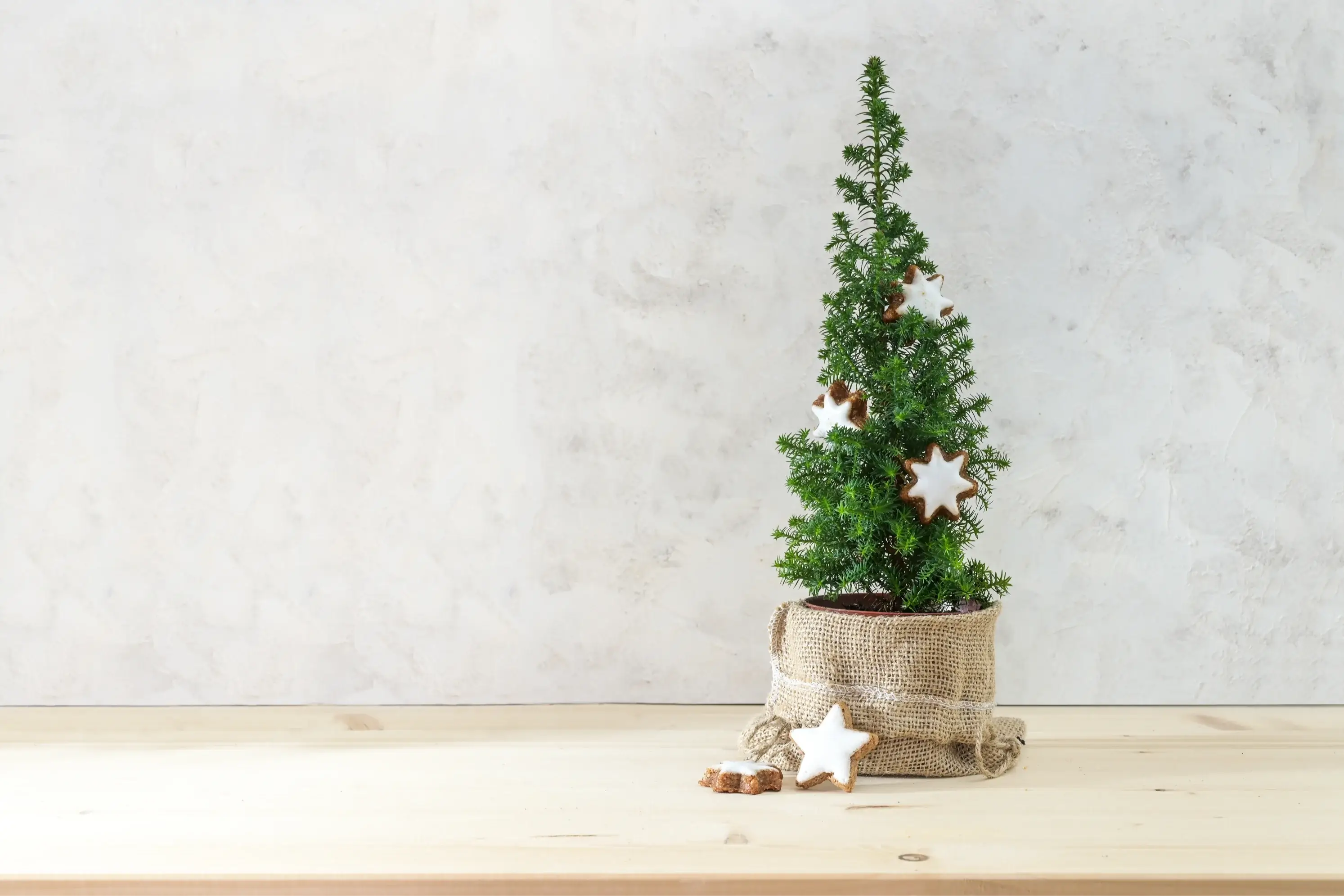
Thinking about a living Christmas tree instead of a cut one? This guide covers choosing the right species, safe transport, indoor care for 7–10 days, and how to transition back outdoors or plant in...
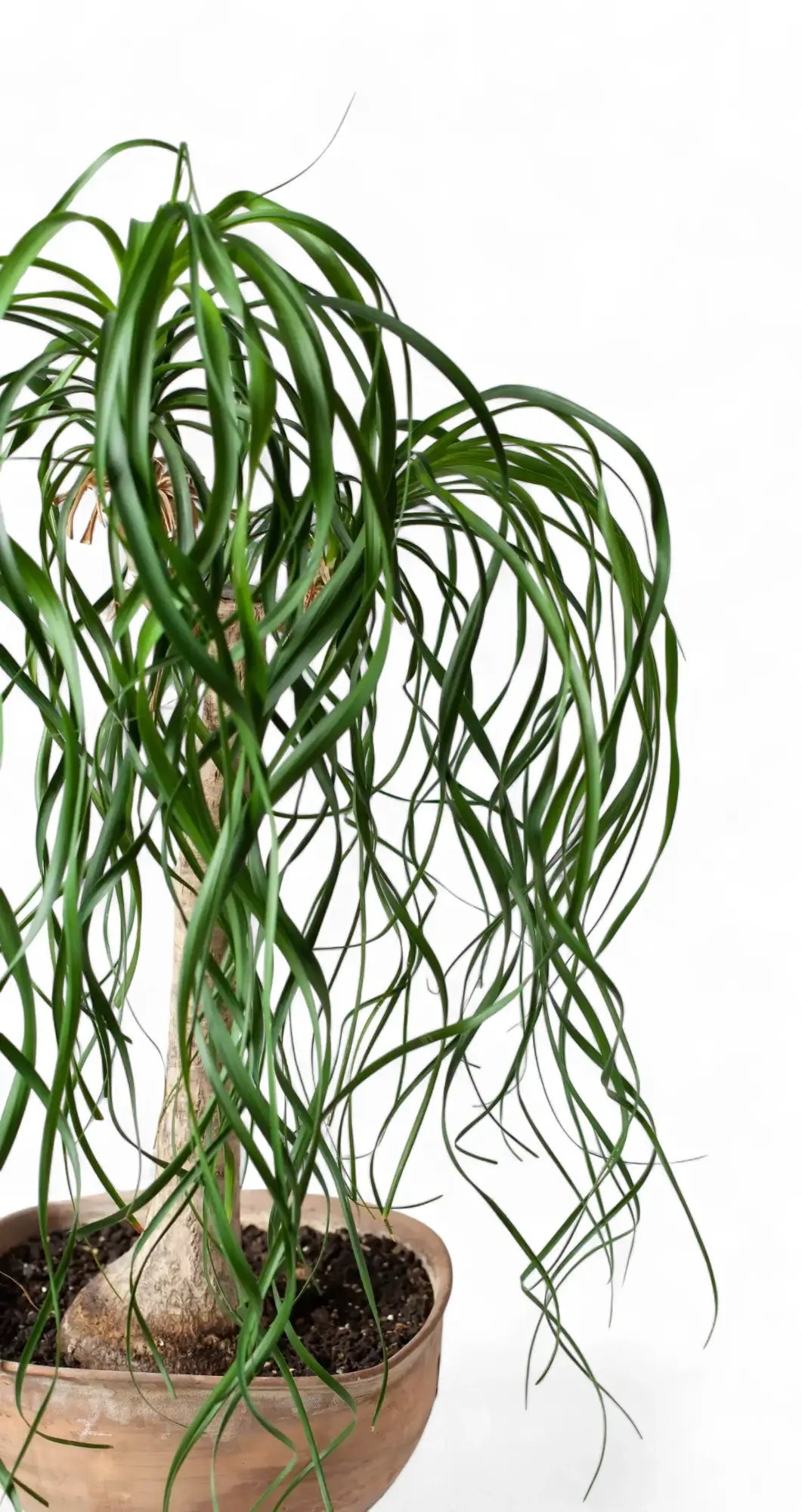
Beaucarnea recurvata (ponytail palm) pairs a swollen caudex and cascading leaves with extreme drought resilience — and a serious conservation story. Get accurate ID, habitat context, myth-busting, ...
Die Pflanzen waren prima verpackt und ein heatpack war im Paket enthalten. Die Lieferzeit hat 2 bis 3 Tagen gedauert, was aus meiner Sicht wirklich gut ist. Alle drei Pflanzen haben die Lieferung gut überstanden. Ich habe mich auf Hoyas spezialisiert und habe schon die nächsten Pflanzen meiner Wunschliste auf der Website gefunden. Daher wird die nächste Bestellung nicht lange auf sich warten lassen.
Marion
★★★★★
I received perfectly heathy and absolutely beautiful plants, even bigger than expected. The delivery within Europe was really fast. I think Foliage Factory has one of the best plant web shops in the internet. It‘s just great to get so much informations about the plants. I will definitely order again :)
Walkerova
★★★★★
Envoie très rapide (2 jours), plantes parfaitement emballées et super offres ! Je suis une habituelle j'ai passé 6 ou 7 commandes et je n'en peut être plus satisfaite du service client et de la qualité et variété des plantes offertes
Iris
★★★★☆
Die Sendung kam leider in keinem guten Zustand bei mir an, kann passieren. Habe mich darauf hin sofort an Foliage Factory gewandt und habe selten einen so guten, schnellen, freundlichen und kulanten Kundendienst erlebt.
Frauke
★★★★★
The plants have arrived in perfect condition, the roots and the foliage so so healthy! I had problem with 1 plant out of 16 and they have responded to my email almost instantly and the issue was resolved straight away. I'm really impressed and satisfied, definitely getting more plants from them again!
Patricija
★★★★☆
Very healthy and well packed plant. Unfortunately there was one plant that ordered couldn’t be delivered as it was out of stock hence 1 star less.
Sam
★★★★★
Everything arrived in good condition and very well packed - it wasn't easy with a fragile plant and a heavy bag of substrate. I recommend it!
Lia
★★★★★
Bester online-Pflanzenhandel den ich kenne (habe davor 4 andere ausprobiert). Eine teure Pflanze wurde beim Transport beschädigt und mir ersetzt. Der Kontakt dabei war auch sehr nett (danke Jan) und hat mir gut geholfen. Die anderen Pflanzen sind in einem sehr guten Zustand, keine Schädlinge, super Bewurzelung. Nur zu empfehlen! :)
C L
★★★★★
Super Service, Gute Auswahl, Preise sind fair. Eine Pflanze kam kaputt an, hab sofort Ersatz bekommen. Danke an den unkomplizierten (und blitzschnellen) Kundenservice!!
Sarah
★★★★★
The plants are carefully packaged and arrive in great conditions (I’m based in Spain) and they’re always there to help in any way they can with your purchase.I have and will always recommend Foliage Factory to every friend I can. I’m not only satisfied with their plants and prices, but their customer service is exceptional.
José
Get 10% off your next plant order
Sign up for Foliage Factory newsletter for early access to new arrivals and practical care tips that work in real homes.
Leave a comment
This site is protected by hCaptcha and the hCaptcha Privacy Policy and Terms of Service apply.