Position
Sun to part shade

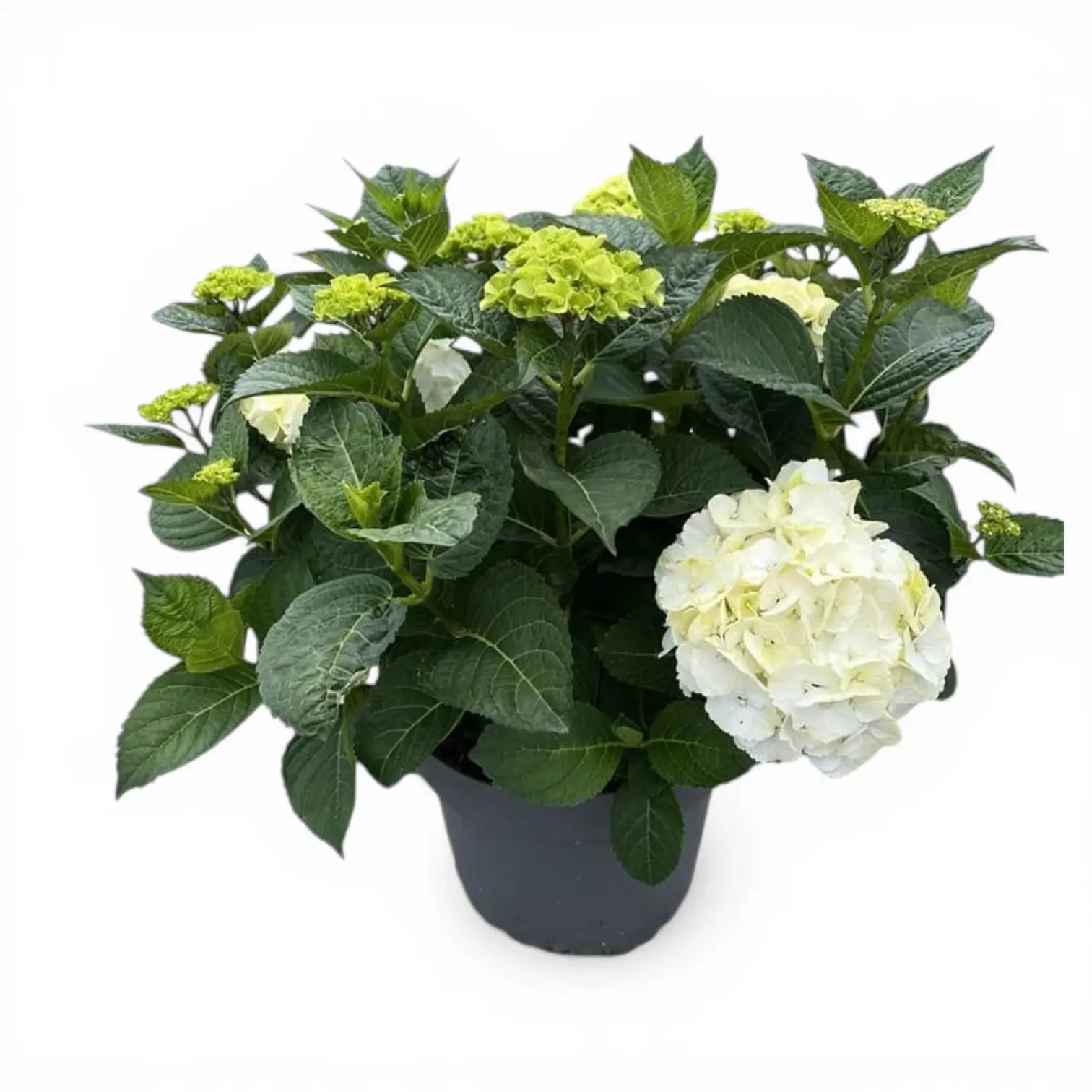
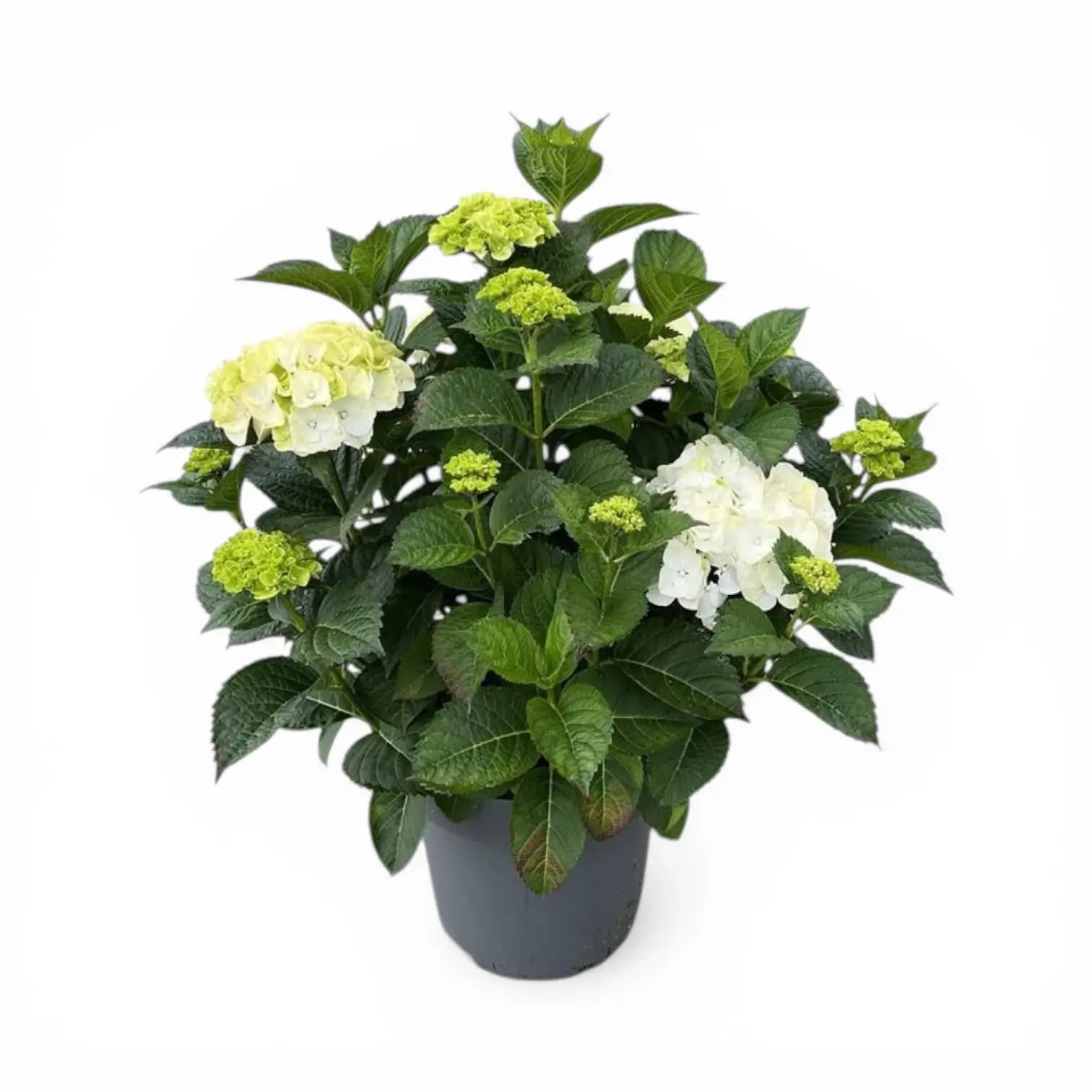
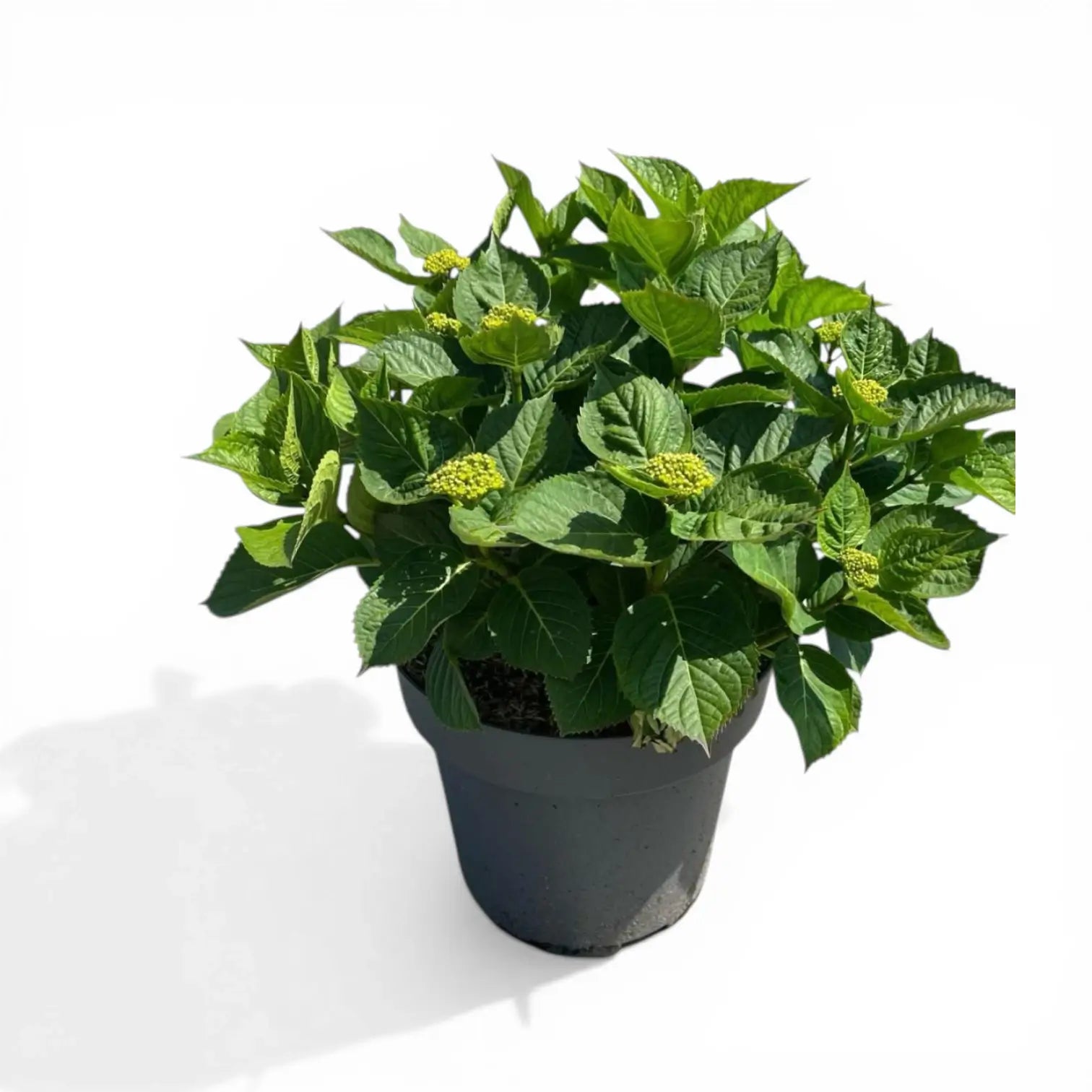
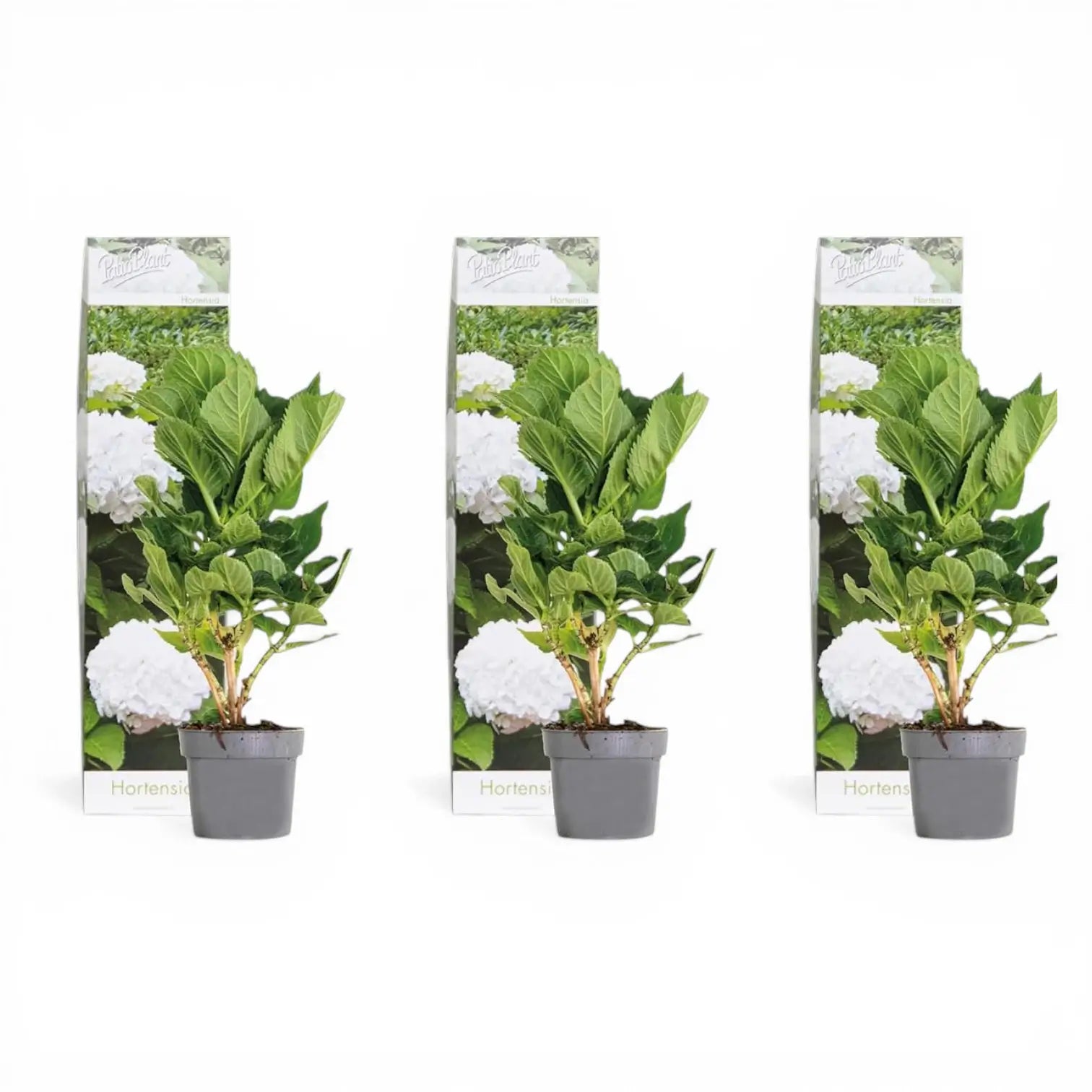
Hydrangea
VAT included · plus
Your outdoor plant has just been packed, transported and unpacked, so give it a calm start before planting or placing it permanently. Remove all packaging carefully, check the pot, stems, visible roots and substrate moisture, and settle any loose growing medium back around the root ball. Water if the root ball feels dry, but do not leave the pot standing in water. For the first few days, keep the plant in a sheltered spot suited to its light needs, away from strong midday sun, heavy wind, frost and heat stress.
Do not move the plant straight into full exposure, especially if it is young, newly flushed, evergreen, recently pruned or greenhouse-grown. Gradually introduce more sun, wind and temperature variation over several days. If cold nights, storms, intense sun or hot dry weather are expected, keep the plant protected until conditions are more stable. Do not fertilize immediately after delivery; let the plant settle first and resume feeding only when it is actively growing and conditions are suitable.
Outdoor plants may arrive in different seasonal stages. Depending on the time of year, your plant may be leafy, flowering, newly sprouting, recently pruned, dormant, partly bare or leafless. Adjust care to what the plant is doing: actively growing plants need closer moisture checks, while dormant plants usually need protection from extremes and only light moisture management until growth resumes.
Plant outdoors when the soil is workable and weather conditions suit the plant type. Avoid planting during frost, heatwaves, waterlogged soil or very dry windy periods. It is better to keep the plant protected in its pot for a short time than to plant into stressful conditions. After planting, water thoroughly so the root ball and surrounding soil connect properly, then monitor moisture while the plant establishes.
Secure shipping, carefully packed orders with safe delivery across the EU, UK and Switzerland.
28-day plant guarantee, if a plant arrives damaged or fails soon after delivery, we help you make it right.
Free returns, simple, cost-free returns according to our policy.
For full details, please see:
Please head to our FAQ Page or Contact us.
Deciduous shrub
Position
Sun to part shade
Moisture
Moist
Drainage
Moisture-retentive, Well-drained
Hardiness
Fully hardy · -15°C
Mature size
80–120 × 80–120 cm
Winter habit
Deciduous
Bloom time
Summer, Autumn
Containers
Good in pots
Pruning
After flowering, Spring
Coastal woodland, valleys and mountain slopes of Japan.
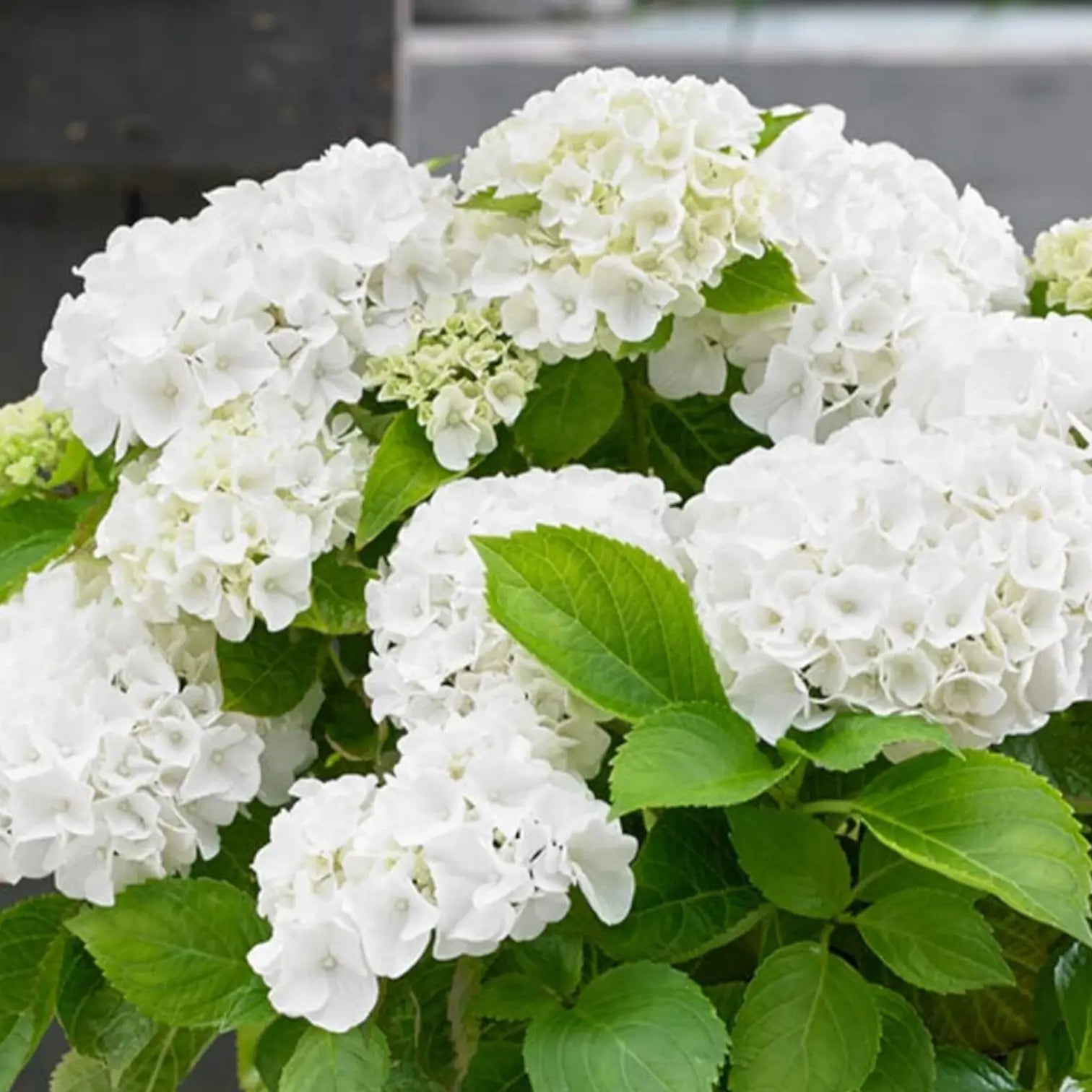
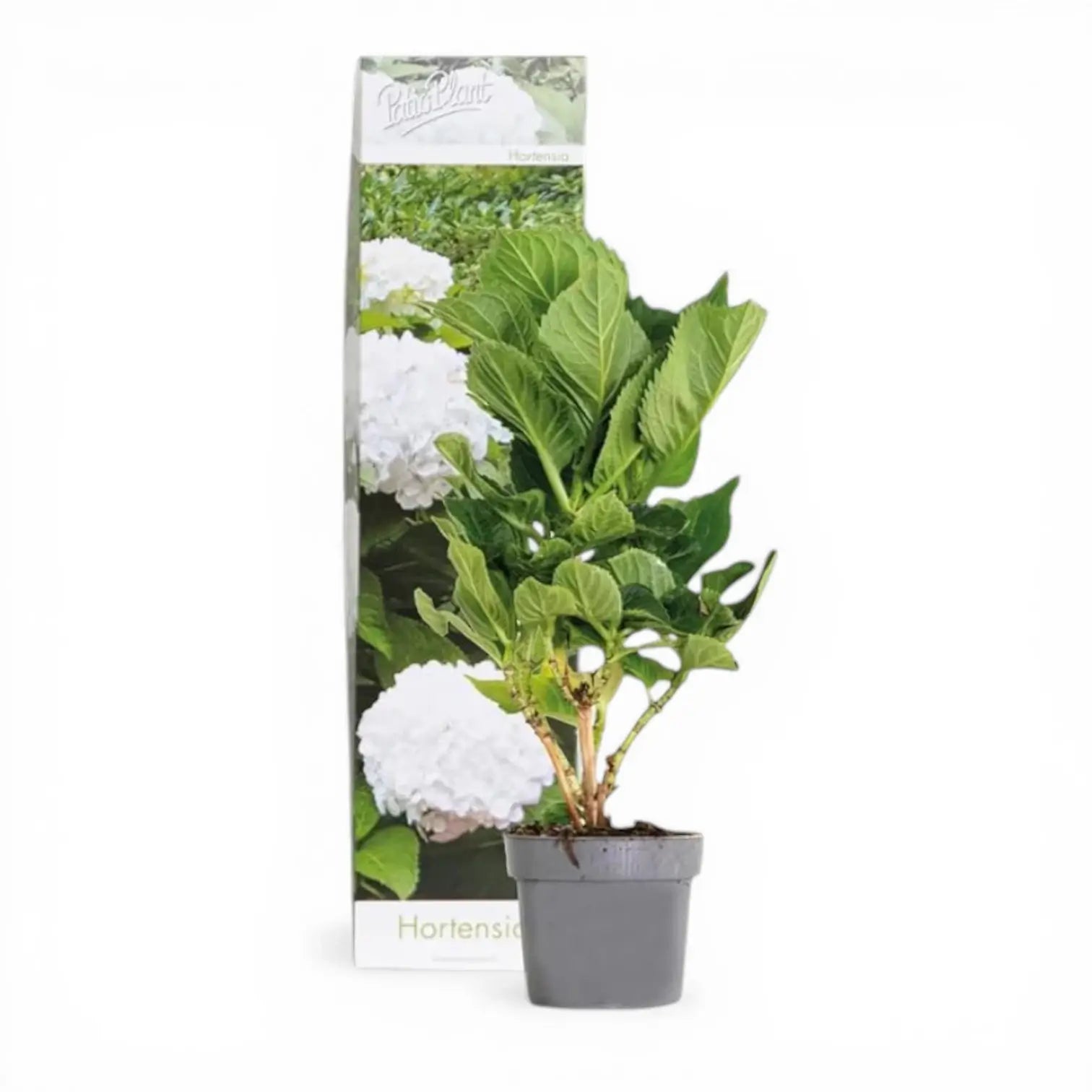
Hydrangea macrophylla 'Wudu White' is about summer flower heads and a full, leafy shrub shape. Big-leaf hydrangeas react quickly to dry soil: leaves flag and buds can abort in hot spells. Shelter from hot afternoon sun keeps the plant steadier through summer weather. Pruning is usually light: remove dead stems and tidy after flowering so next season’s buds are not sacrificed. If flowering is poor, the common causes are frost damage to buds, hard pruning, or drought in the previous summer.
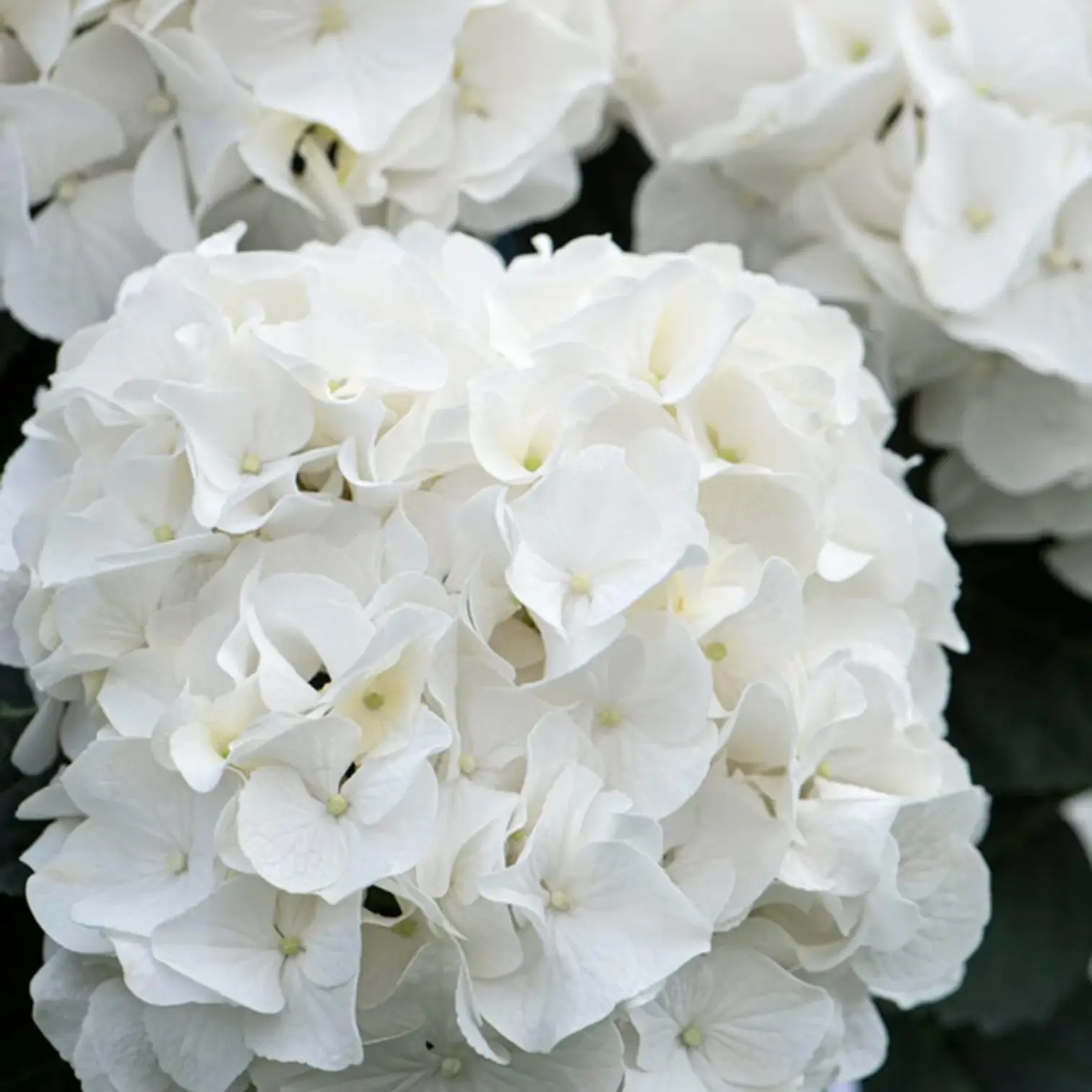
Flowering is typically from early to late summer, with timing and duration shaped by temperature and moisture. The initial greenish cast is part of the cultivar’s seasonal detail; as flowers mature, the display becomes whiter.
Hydrangea macrophylla 'Wudu White' performs best with bright light and some protection from hard afternoon sun. Hot sun, reflected heat, and drying wind are what scorch leaves and shorten the display.
White mopheads need no colour manipulation, but they rely on a steady root zone. Aim for humus-rich soil that stays evenly moist while draining freely - chalky ground and waterlogged winter soil are common sources of poor growth.
Plant into a wide, improved area and water in thoroughly. Establishment is mostly about root spread: consistent moisture in year one builds the root system that carries heavy flowering later.
Most Hydrangea macrophylla set flower buds on older stems. Hard spring pruning removes the buds that carry the main display. Keep pruning selective and light.
With steady moisture and careful pruning, Hydrangea macrophylla 'Wudu White' becomes a dependable white hydrangea: big mopheads, clean structure, and a long summer outline.
The initial green tint is part of the flower’s development. As the flower head matures, the display looks whiter; later in the season it can take on a greenish-white cast again as blooms age.
White hydrangeas show marks quickly: muddy splash, scorch, and battered blooms show clearly. On darker flowers, those marks are less obvious; on white blooms, placement matters more. Small choices in placement help.
Hydrangea macrophylla 'Wudu White' does well in large containers where moisture can be managed and the shrub can be positioned for the best light. Containers also make it easier to keep the plant out of frost pockets in spring.
Deadheading is optional. Removing heads tidies the plant and reduces weight on stems after rain; leaving some heads can add late-season structure.
If a macrophylla hydrangea has leaves but few flowers, buds were usually removed or damaged. Keeping buds intact is the priority. Feeding supports growth once conditions are right, but it cannot replace bud protection and steady moisture. If the plant wilts in heat, water deeply and then let the surface dry before the next soak.
When grown in a pot, size stays more contained than it would in open ground. In pots, water when the top 25-35% of the pot depth feels dry, then water thoroughly and let the container drain. Large pots help the white mophead flowers hold longer through warm spells.

Choose options


Sign up for Foliage Factory newsletter for early access to new arrivals and practical care tips that work in real homes.