Streptocarpus (sect Saintpaulia): African Violets
African violets are compact flowering houseplants with soft, rounded leaves and neat rosettes. Their pink, violet, blue and white flowers bring colour to a bright indoor shelf or windowsill.

About Our Filters
Start with the light and space you can offer, then narrow by the plant’s shape or appearance. Check the individual product page for care and size details.
No filter options are available for this collection right now. Open a product to check its details.
Sort by:
Filters
Gesneriaceae
Streptocarpus (sect Saintpaulia): African Violets
- Foliage: Compact rosettes have soft, often velvety leaves.
- Flowers: Choose from blue, pink, white and other flowering forms; bloom timing varies.
- Light: Bright indirect light encourages flowering without scorching the leaves.
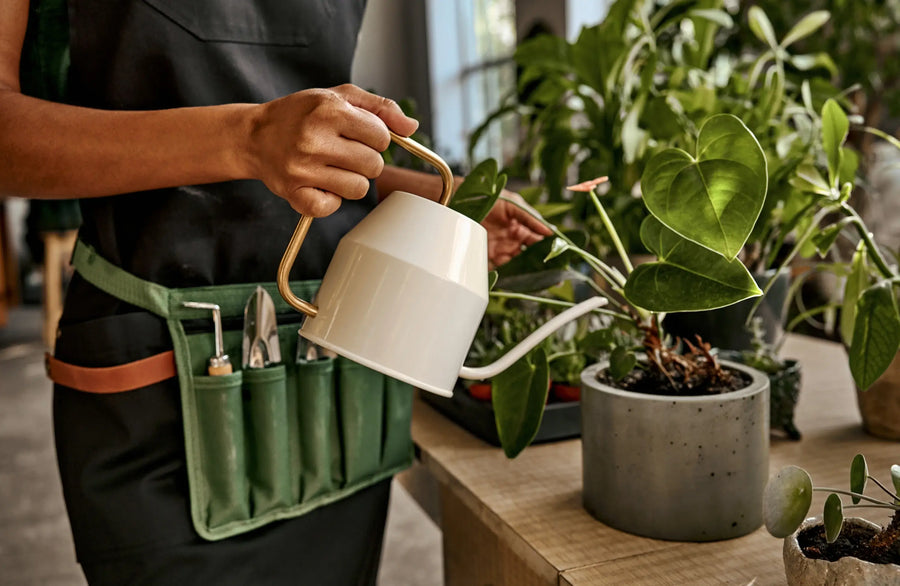
- Watering: Keep the mix lightly moist, avoiding prolonged saturation and cold water on the leaves.
African violets originate from eastern Africa, especially the forested mountains of Tanzania. Their wild relatives grow in sheltered, humid places around rocks and wooded slopes. They were traditionally called Saintpaulia and are now included within the genus Streptocarpus; the older name remains familiar to many growers.
African violets
‘Little Love Blue’ and ‘Little Love Pink’ offer different flower colours, while ‘Snowdrop’ has pale blooms. ‘Hovariagata’ adds variegated leaves that remain attractive between flowering periods. Choose by flower colour, leaf pattern and the size of the rosette.
African violets prefer bright filtered daylight and steady warmth. Keep a light potting mix gently moist, letting the top begin to dry before watering again. Use room-temperature water around the edge of the pot so the central crown stays dry. Established plants can flower repeatedly with sufficient light and regular light feeding.
Quick Overview
- Foliage: Compact rosettes have soft, often velvety leaves.
- Flowers: Choose from blue, pink, white and other flowering forms; bloom timing varies.
- Light: Bright indirect light encourages flowering without scorching the leaves.
- Watering: Keep the mix lightly moist, avoiding prolonged saturation and cold water on the leaves.
Botanical Profile
African violets originate from eastern Africa, especially the forested mountains of Tanzania. Their wild relatives grow in sheltered, humid places around rocks and wooded slopes. They were traditionally called Saintpaulia and are now included within the genus Streptocarpus; the older name remains familiar to many growers.
Details & Care
African violets
‘Little Love Blue’ and ‘Little Love Pink’ offer different flower colours, while ‘Snowdrop’ has pale blooms. ‘Hovariagata’ adds variegated leaves that remain attractive between flowering periods. Choose by flower colour, leaf pattern and the size of the rosette.
African violets prefer bright filtered daylight and steady warmth. Keep a light potting mix gently moist, letting the top begin to dry before watering again. Use room-temperature water around the edge of the pot so the central crown stays dry. Established plants can flower repeatedly with sufficient light and regular light feeding.
Frequently Asked Questions About Streptocarpus Sect Saintpaulia
How can I encourage my African violet to flower again?
Give it plenty of gentle indirect light and keep the temperature steady. Remove spent flower stalks and feed lightly during active growth. A healthy plant may produce several rounds of blooms during the year.
Can I grow a new African violet from a leaf?
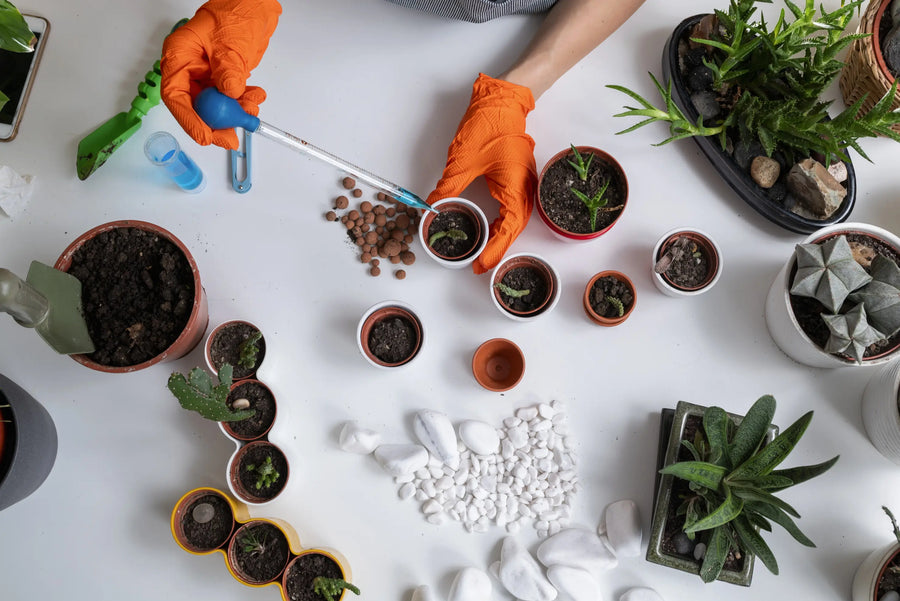
Yes. Place the stalk of a healthy leaf in a light, slightly moist propagation mix. Keep it warm with gentle light. Small new plants usually form near the base over the following weeks.
Can I water an African violet from below?
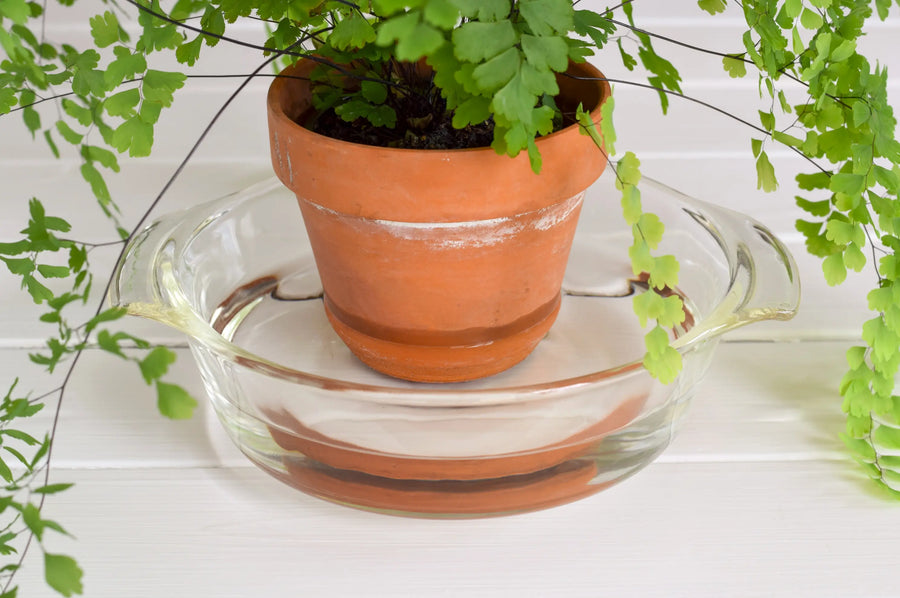
Yes. Stand the pot in a shallow tray of room-temperature water until the mix takes up some moisture, then remove it and let it drain. The pot should not remain standing in water.
Why does my African violet have pale or brown leaf patches?
Cold water on the leaves and strong direct sunlight can leave marks. Check that the plant receives gentle light, and use room-temperature water around the edge of the pot. Older damage stays visible until new leaves grow.
Are African violets safe for cats and dogs?
African violets, also known as Saintpaulia, are listed as non-toxic to cats and dogs by the ASPCA. Keep any houseplant away from pets that regularly chew leaves, as eating plant material can still cause stomach upset.