

Kalanchoe
Kalanchoe ranges from flowering plants and branching succulents to tight geometric rosettes. Fleshy leaves may be smooth, scalloped, felted or strongly patterned, while seasonal blooms add white, yellow, orange, pink and red.
Substrate help
Choose a faster-drying mineral-leaning setup
Succulents and many cacti need a mix that releases excess water quickly and keeps the root zone open, especially in indoor pots.
About Our Filters
Filters help you narrow things down fast and without guessing. We put a lot of time and effort into keeping filter values consistent across the shop by cross-checking references and validating them against real-world indoor growing and handling.
Use them as guidance, not guarantees. Homes vary a lot, so for the full context (and any exceptions), open the product page and read the description.
How filtering works
- Filters stack: each selection narrows results.
- Multiple picks in one filter are usually either/or within that filter.
- Undo anytime: click a selected option again (or clear filters).
Safety
- Non-toxic: not known for relevant chemical toxicity for common pets (chewing can still cause irritation).
- Non-toxic & Pet Friendly: stricter shortlist that also avoids many physical hazards like spines, sharp tips, thorns, and bristles.
Common care filters
- Light level: Low indirect → Full sun/direct.
- Water Needs: Low / Medium / High.
- Humidity Level: Normal (40–50%) / Moist (50–60%) / Humid (60–80%+).
Growth & size
- Growth Habit: climbing, trailing, crawling, upright, self-heading, clumping, rosette.
- Needs support? none / optional / needed.
- Delivered size: pot size + plant height at shipping.
- Max size indoors: realistic long-term height + spread indoors.
Looks & botanical browsing
- Leaf Shape & Size + Foliage Colour: quick visual categories.
- Plant Type / Genus / Family: browse by broad group or taxonomy.
If you want to see the references we use, Plant Care Resources is simply a curated list of source links (POWO, Kew, and more).
Sort by:
Filters
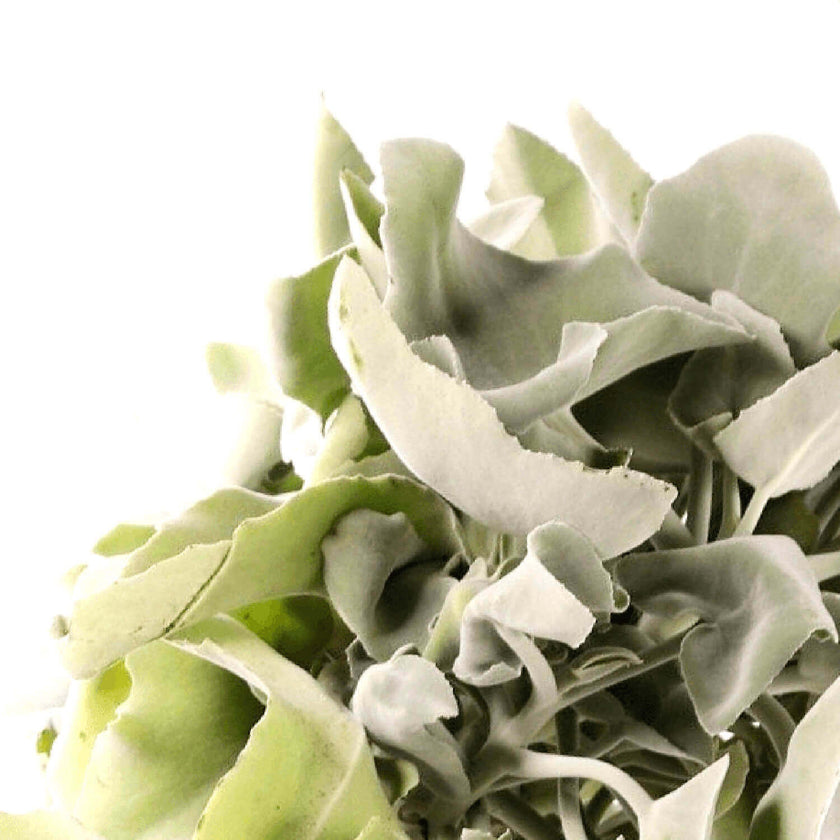
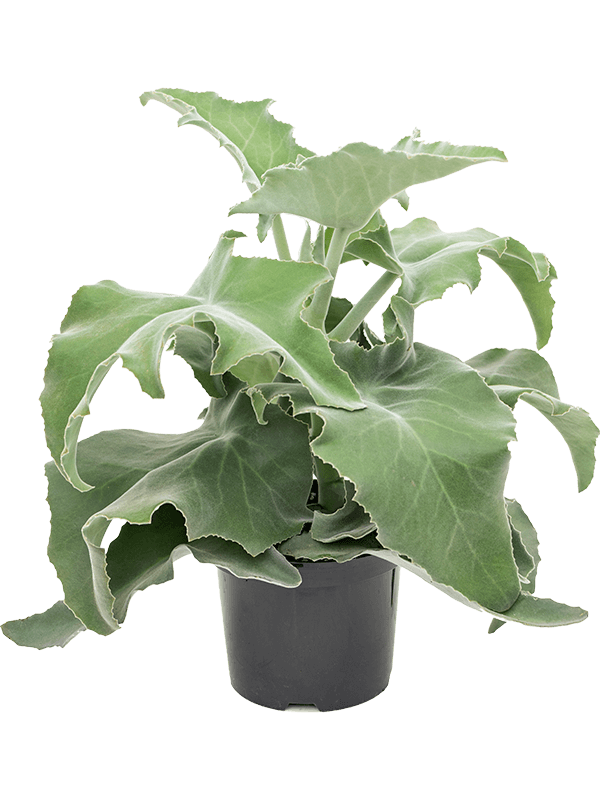
Kalanchoe beharensisSold out
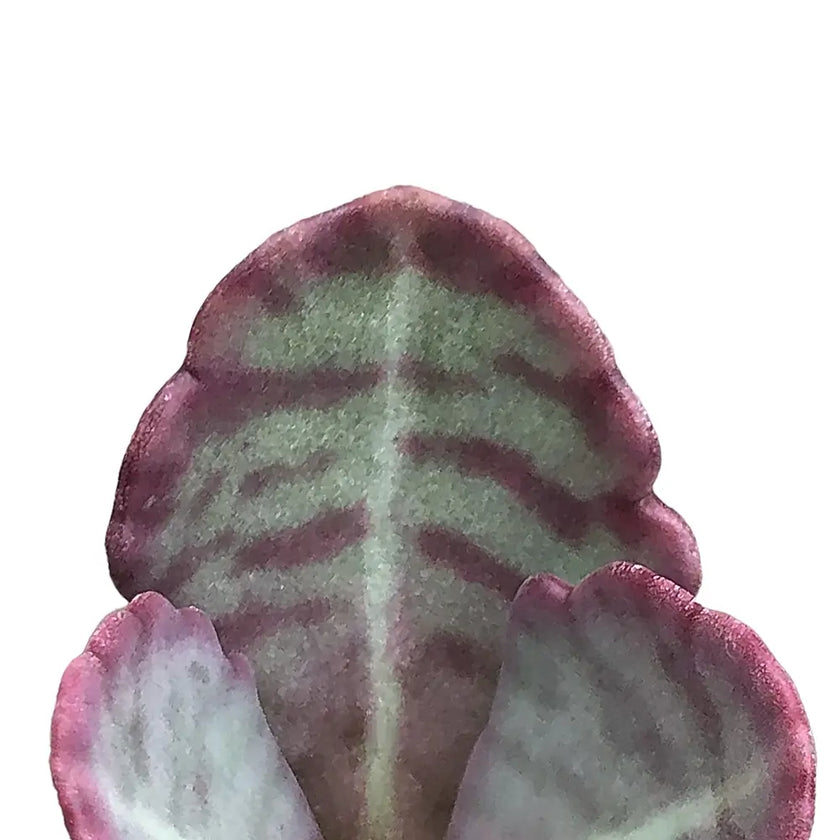
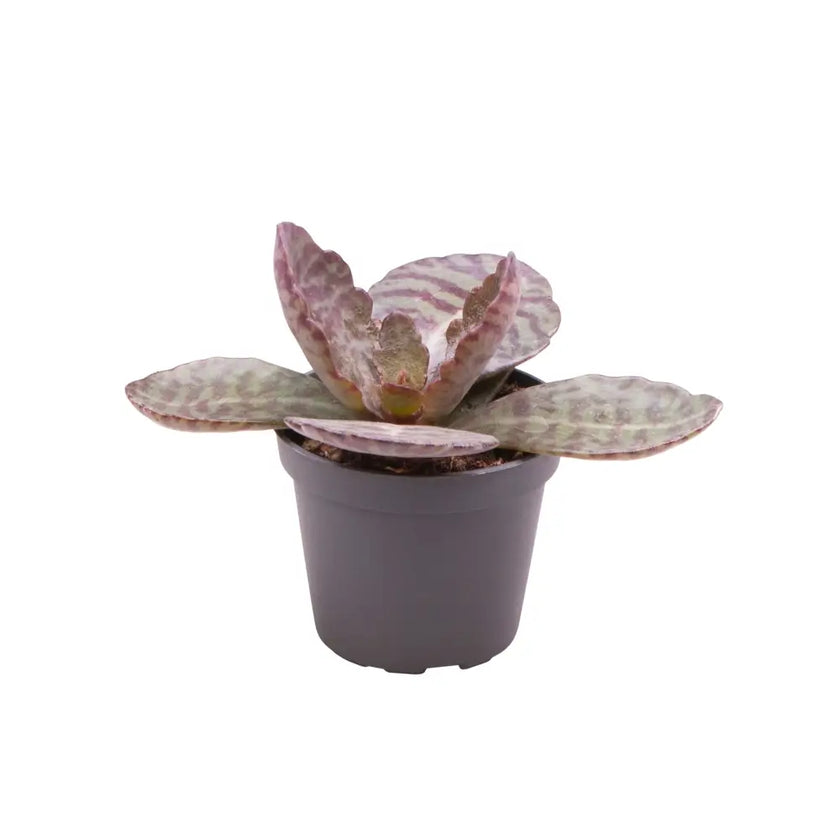
Kalanchoe humilisSold out


Kalanchoe thyrsifloraSold out
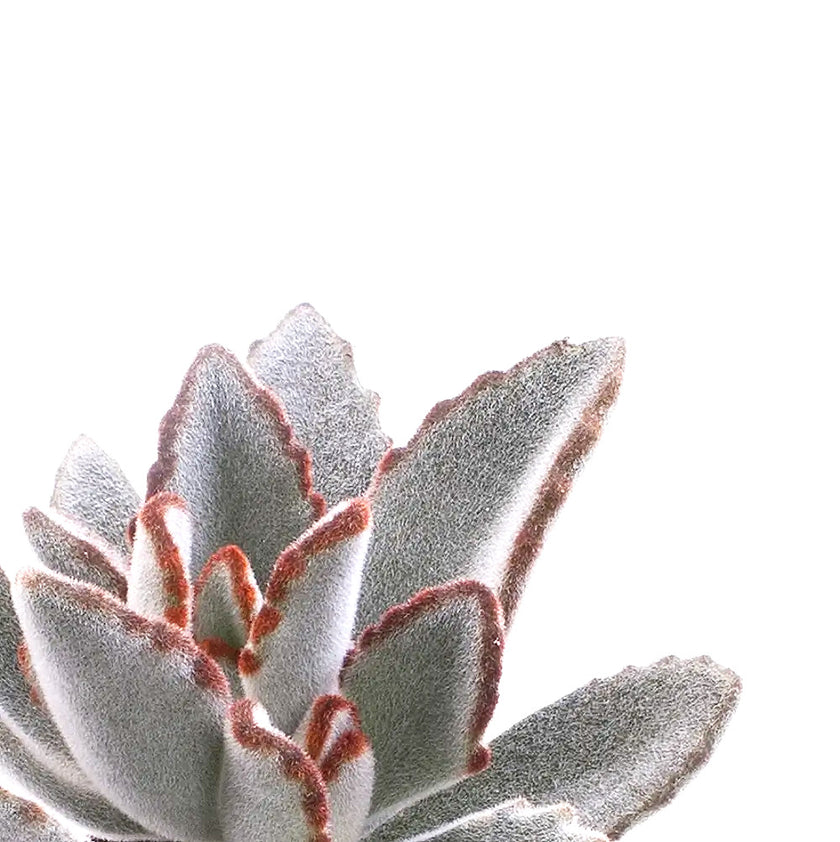
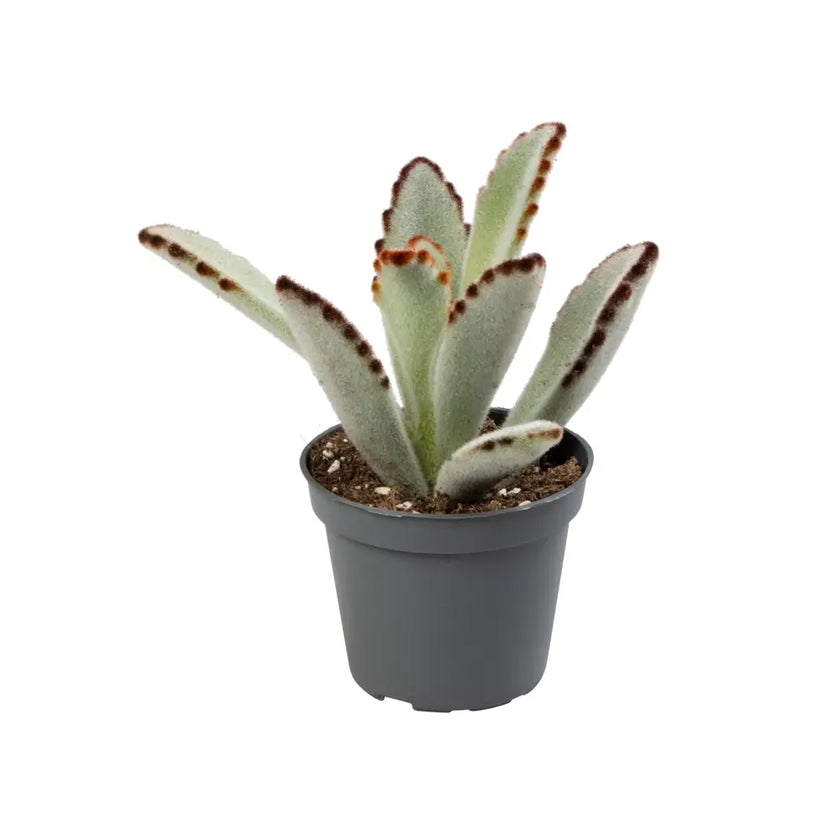
Kalanchoe tomentosaSold out
Crassulaceae
Kalanchoe
Kalanchoe forms and flowering stages
- Plant shape: flowering, trailing and sculptural succulent forms.
- Bloom stage: open flowers and unopened buds vary through transport.
- Pet safety: Kalanchoe ingestion can poison cats and dogs.
Kalanchoe: botanical profile for Old World succulent shrubs
Kalanchoe is a succulent genus in Crassulaceae, erected by Adanson in 1763 and now understood to contain around 120-130 species. Diversity is centred in Madagascar and mainland Africa, with additional species in Arabia and a single native American taxon. Many Kalanchoe lineages are important ornamentals, particularly compact flowering cultivars of Kalanchoe blossfeldiana and vegetatively propagating “mother-of-thousands” types in the Bryophyllum group.
- Order: Saxifragales
- Family: Crassulaceae
- Tribe: Kalanchoeae
- Genus: Kalanchoe Adans.
- Type species: Tied historically to early-described Madagascan species; modern summaries emphasise several archetypal taxa not a single widely cited type.
- Chromosomes: Chromosome numbers largely divisible by 17, 18 or 20; many species and cultivars show 2n = 34 or higher polyploid counts such as 2n ≈ 68 and above.
Range & habitat: Kalanchoe is predominantly Old World, with major centres in Madagascar, southern and eastern Africa and outliers in the Arabian Peninsula and South Asia. Species occupy rocky slopes, inselbergs, dry scrub, thicket margins and occasionally more mesic habitats, usually where soils are shallow, stony and rapidly drained but fog, dew or seasonal rains provide intermittent moisture.
- Life form: Succulent herbs, subshrubs and small shrubs, from compact, basal rosettes to branching woody plants up to several metres tall in robust species.
- Leaf attachment: Opposite or whorled leaves along stems or grouped in rosettes; Bryophyllum-type taxa develop plantlets on crenate leaf margins that detach and root readily.
- Leaf size: Leaf blades range from a few centimetres in small rock-dwellers to 20 cm or more in larger shrub forms; thickness and outline vary widely among sections.
- Texture & colour: Fleshy leaves with smooth, glabrous or velvety pubescent surfaces; colours include bright to grey-green, bluish and bronze, sometimes with contrasting margins or spotting.
- Notable adaptation: CAM photosynthesis and prolific vegetative reproduction (bulbils, offsets, stem fragments) allow Kalanchoe to persist and spread under high light, intermittent water and nutrient-poor substrates.
Inflorescence & fruit: Kalanchoe produces terminal cymes or panicles of tubular, four-merous flowers in strong colours from white and yellow through orange, red and magenta. Fruits are dry follicles containing numerous small seeds; in many ornamental clones, seed production is secondary to vegetative propagation or breeding programmes.
Kalanchoe foliage, branching and seasonal flowers
Kalanchoe includes compact flowering cultivars, felted foliage plants and upright branching succulents. Some remain as low mounds, while others develop woody-looking stems and a taller crown.
Flowering forms carry bud clusters above the leaves. Foliage species may have toothed margins, powdery surfaces or dense hairs. Strong light supports sturdy growth and characteristic colour, but plants raised under cover need a gradual move into direct sun. The fertiliser guide helps time feeding around active growth and flowering rather than applying it continuously.
Thick leaves store water, but drying tolerance still varies between species, pot sizes and seasons. Many Kalanchoe branch after pruning and root from stems or leaves; suitable methods are covered in the houseplant propagation guide. Many species are toxic to pets and can affect the digestive system and heart. Keep foliage and fallen flowers inaccessible to children and animals.
Quick Overview
Kalanchoe forms and flowering stages
- Plant shape: flowering, trailing and sculptural succulent forms.
- Bloom stage: open flowers and unopened buds vary through transport.
- Pet safety: Kalanchoe ingestion can poison cats and dogs.
Botanical Profile
Kalanchoe: botanical profile for Old World succulent shrubs
Kalanchoe is a succulent genus in Crassulaceae, erected by Adanson in 1763 and now understood to contain around 120-130 species. Diversity is centred in Madagascar and mainland Africa, with additional species in Arabia and a single native American taxon. Many Kalanchoe lineages are important ornamentals, particularly compact flowering cultivars of Kalanchoe blossfeldiana and vegetatively propagating “mother-of-thousands” types in the Bryophyllum group.
- Order: Saxifragales
- Family: Crassulaceae
- Tribe: Kalanchoeae
- Genus: Kalanchoe Adans.
- Type species: Tied historically to early-described Madagascan species; modern summaries emphasise several archetypal taxa not a single widely cited type.
- Chromosomes: Chromosome numbers largely divisible by 17, 18 or 20; many species and cultivars show 2n = 34 or higher polyploid counts such as 2n ≈ 68 and above.
Range & habitat: Kalanchoe is predominantly Old World, with major centres in Madagascar, southern and eastern Africa and outliers in the Arabian Peninsula and South Asia. Species occupy rocky slopes, inselbergs, dry scrub, thicket margins and occasionally more mesic habitats, usually where soils are shallow, stony and rapidly drained but fog, dew or seasonal rains provide intermittent moisture.
- Life form: Succulent herbs, subshrubs and small shrubs, from compact, basal rosettes to branching woody plants up to several metres tall in robust species.
- Leaf attachment: Opposite or whorled leaves along stems or grouped in rosettes; Bryophyllum-type taxa develop plantlets on crenate leaf margins that detach and root readily.
- Leaf size: Leaf blades range from a few centimetres in small rock-dwellers to 20 cm or more in larger shrub forms; thickness and outline vary widely among sections.
- Texture & colour: Fleshy leaves with smooth, glabrous or velvety pubescent surfaces; colours include bright to grey-green, bluish and bronze, sometimes with contrasting margins or spotting.
- Notable adaptation: CAM photosynthesis and prolific vegetative reproduction (bulbils, offsets, stem fragments) allow Kalanchoe to persist and spread under high light, intermittent water and nutrient-poor substrates.
Inflorescence & fruit: Kalanchoe produces terminal cymes or panicles of tubular, four-merous flowers in strong colours from white and yellow through orange, red and magenta. Fruits are dry follicles containing numerous small seeds; in many ornamental clones, seed production is secondary to vegetative propagation or breeding programmes.
Details & Care
Kalanchoe foliage, branching and seasonal flowers
Kalanchoe includes compact flowering cultivars, felted foliage plants and upright branching succulents. Some remain as low mounds, while others develop woody-looking stems and a taller crown.
Flowering forms carry bud clusters above the leaves. Foliage species may have toothed margins, powdery surfaces or dense hairs. Strong light supports sturdy growth and characteristic colour, but plants raised under cover need a gradual move into direct sun. The fertiliser guide helps time feeding around active growth and flowering rather than applying it continuously.
Thick leaves store water, but drying tolerance still varies between species, pot sizes and seasons. Many Kalanchoe branch after pruning and root from stems or leaves; suitable methods are covered in the houseplant propagation guide. Many species are toxic to pets and can affect the digestive system and heart. Keep foliage and fallen flowers inaccessible to children and animals.
Frequently Asked Questions About Kalanchoe
Does Kalanchoe need direct sun indoors?
Very bright light is the baseline, and some direct sun is usually helpful indoors. Florist kalanchoe can still do well in very bright indirect light, but weak positions usually mean poorer flowering and weaker growth.
How often should I water Kalanchoe?
Let roughly 60–80% of the pot dry before watering again in active growth. In winter or other slow periods, let it go drier, closer to 80–100%, then water thoroughly and drain fully. Overwatering is the main way people lose kalanchoe.
Why is my Kalanchoe getting soft
Usually because it has stayed too wet. Stem or crown rot from overwatering is a classic kalanchoe problem, especially in a dense mix or during cooler, darker periods when the pot dries slowly.
How do I get Kalanchoe to flower again?
Kalanchoe blossfeldiana is a short-day plant, so reblooming depends on long uninterrupted nights for several weeks. A practical reset is about six weeks of long nights and shorter days, with leaner watering while buds set, then normal care once buds are visible.
Is Kalanchoe toxic to cats and dogs?
Yes. Kalanchoe is toxic to pets. Vomiting and diarrhea are the common signs, and abnormal heart rhythm can happen in more serious cases.
Experience you can count on
More than 20,000 customers, rated 4.6 out of 5 stars.
Quality first
Plants are hand-selected and checked before shipping.
Reliable shipping
Safe packaging and tracked shipping from DE and NL.
Small business
Support a small, independent, women-led family business.

Get 10% off your next plant order
Sign up for Foliage Factory newsletter for early access to new arrivals and practical care tips that work in real homes.
Our Customers
★★★★★
Die Pflanzen waren prima verpackt und ein heatpack war im Paket enthalten. Die Lieferzeit hat 2 bis 3 Tagen gedauert, was aus meiner Sicht wirklich gut ist. Alle drei Pflanzen haben die Lieferung gut überstanden. Ich habe mich auf Hoyas spezialisiert und habe schon die nächsten Pflanzen meiner Wunschliste auf der Website gefunden. Daher wird die nächste Bestellung nicht lange auf sich warten lassen.
Marion
★★★★★
The plants are carefully packaged and arrive in great conditions (I’m based in Spain) and they’re always there to help in any way they can with your purchase.I have and will always recommend Foliage Factory to every friend I can. I’m not only satisfied with their plants and prices, but their customer service is exceptional.
José
★★★★☆
Very healthy and well packed plant. Unfortunately there was one plant that ordered couldn’t be delivered as it was out of stock hence 1 star less.
Sam
★★★★☆
Die Sendung kam leider in keinem guten Zustand bei mir an, kann passieren. Habe mich darauf hin sofort an Foliage Factory gewandt und habe selten einen so guten, schnellen, freundlichen und kulanten Kundendienst erlebt.
Frauke
★★★★★
Everything arrived in good condition and very well packed - it wasn't easy with a fragile plant and a heavy bag of substrate. I recommend it!
Lia
★★★★★
Bester online-Pflanzenhandel den ich kenne (habe davor 4 andere ausprobiert). Eine teure Pflanze wurde beim Transport beschädigt und mir ersetzt. Der Kontakt dabei war auch sehr nett (danke Jan) und hat mir gut geholfen. Die anderen Pflanzen sind in einem sehr guten Zustand, keine Schädlinge, super Bewurzelung. Nur zu empfehlen! :)
C L
★★★★★
Super Service, Gute Auswahl, Preise sind fair. Eine Pflanze kam kaputt an, hab sofort Ersatz bekommen. Danke an den unkomplizierten (und blitzschnellen) Kundenservice!!
Sarah
★★★★★
Envoie très rapide (2 jours), plantes parfaitement emballées et super offres ! Je suis une habituelle j'ai passé 6 ou 7 commandes et je n'en peut être plus satisfaite du service client et de la qualité et variété des plantes offertes
Iris
★★★★★
The plants have arrived in perfect condition, the roots and the foliage so so healthy! I had problem with 1 plant out of 16 and they have responded to my email almost instantly and the issue was resolved straight away. I'm really impressed and satisfied, definitely getting more plants from them again!
Patricija
★★★★★
I received perfectly heathy and absolutely beautiful plants, even bigger than expected. The delivery within Europe was really fast. I think Foliage Factory has one of the best plant web shops in the internet. It‘s just great to get so much informations about the plants. I will definitely order again :)
Walkerova
Limited discounts, extras, and bundle deals for subscribers.
Get points with every order to redeem them for discounts.
Give your friends 10 € off and get 200 Foliage Points.
Use your 10% code on plants when you're ready to order.