

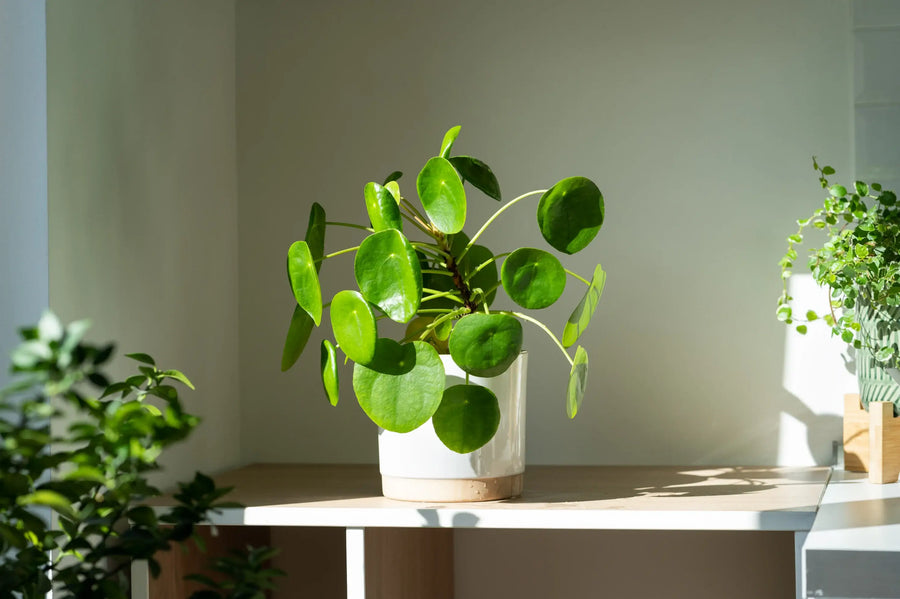
Cissus (Grape Ivy)
Cissus includes indoor climbers, trailers and thicker-stemmed plants within the Vitaceae. Fine foliage forms light cascades, denser vines cover hoops and trellises, and succulent stems add a stronger sculptural shape.

About Our Filters
Filters help you narrow things down fast and without guessing. We put a lot of time and effort into keeping filter values consistent across the shop by cross-checking references and validating them against real-world indoor growing and handling.
Use them as guidance, not guarantees. Homes vary a lot, so for the full context (and any exceptions), open the product page and read the description.
How filtering works
- Filters stack: each selection narrows results.
- Multiple picks in one filter are usually either/or within that filter.
- Undo anytime: click a selected option again (or clear filters).
Safety
- Non-toxic: not known for relevant chemical toxicity for common pets (chewing can still cause irritation).
- Non-toxic & Pet Friendly: stricter shortlist that also avoids many physical hazards like spines, sharp tips, thorns, and bristles.
Common care filters
- Light level: Low indirect → Full sun/direct.
- Water Needs: Low / Medium / High.
- Humidity Level: Normal (40–50%) / Moist (50–60%) / Humid (60–80%+).
Growth & size
- Growth Habit: climbing, trailing, crawling, upright, self-heading, clumping, rosette.
- Needs support? none / optional / needed.
- Delivered size: pot size + plant height at shipping.
- Max size indoors: realistic long-term height + spread indoors.
Looks & botanical browsing
- Leaf Shape & Size + Foliage Colour: quick visual categories.
- Plant Type / Genus / Family: browse by broad group or taxonomy.
If you want to see the references we use, Plant Care Resources is simply a curated list of source links (POWO, Kew, and more).
Sort by:
Filters


Cissus alata ‘Ellen Danica’Sold out


Cissus discolorSold out


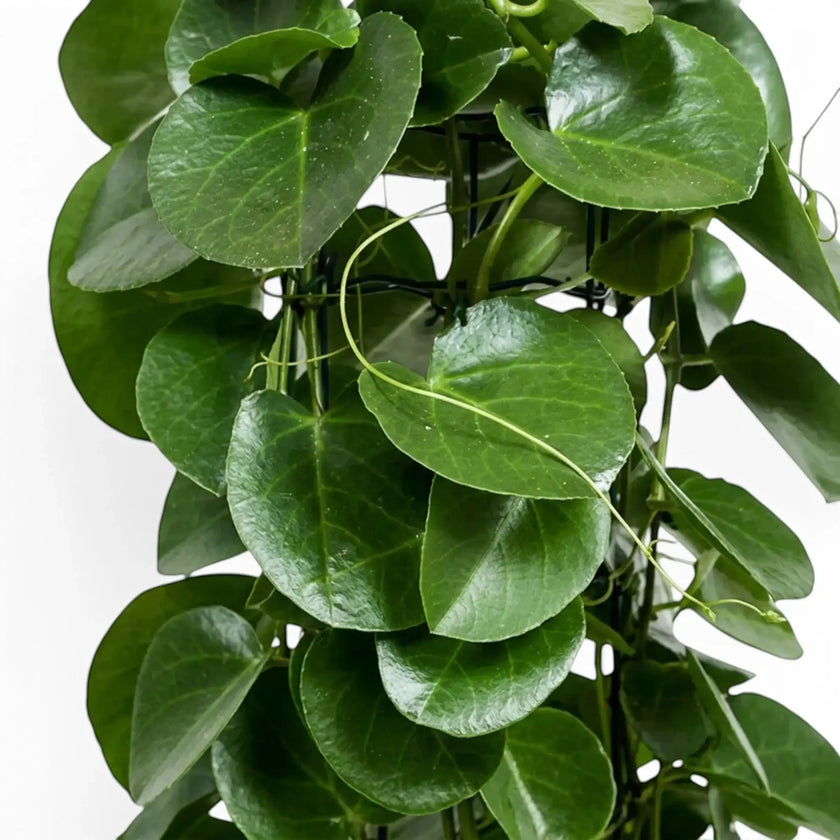
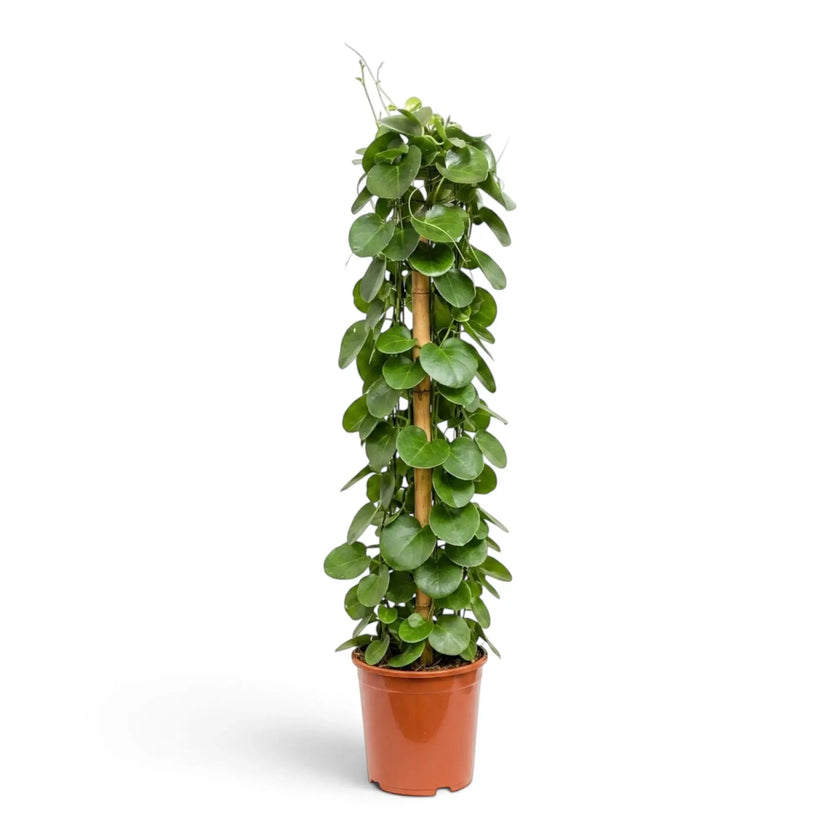
Cissus rotundifolia
Sale price€115,25
Vitaceae
Cissus (Grape Ivy)
Cissus (grape ivy & relatives) - botanical profile for tendrilled grape-family vines
Cissus is an accepted genus in Vitaceae, first published by Linnaeus. Plants of the World Online treats the genus as native across the tropics and subtropics to Central U. S. A. It includes climbers and lianas with tendrils, fleshy or woody stems and varied leaf forms; indoor growers usually know it through grape ivy types and patterned species such as Cissus discolor.
- Order: Vitales
- Family: Vitaceae
- Genus: Cissus L.
- Native range: Tropics & Subtropics to Central U. S. A.
- Typical habit: climbers or lianas with tendrils
Cissus vines and mature coverage
Cissus includes fine-leaved climbers, succulent-stemmed species and vigorous vines with broad foliage. Cissus alata is also widely sold under the older name Cissus rhombifolia. A trellis or pole encourages upward growth, while pruning develops a fuller trailing plant. Species, mature leaf size, node spacing and current vine length help define the space and support each form needs.
Stem succulence can offer a rough clue to stored moisture, but houseplant watering depends primarily on the species, substrate, pot size, temperature and active growth. Allow the root zone to reach the drying stage appropriate to the plant before watering thoroughly. Pruned Cissus stems often provide suitable material for node propagation. The window-orientation guide helps judge the softened light available to an indoor Cissus.
Safety depends on the exact species. Cissus alata, widely sold under the older name Cissus rhombifolia, is generally listed as non-toxic to cats and dogs; check other Cissus species individually and discourage chewing.
Botanical Profile
Cissus (grape ivy & relatives) - botanical profile for tendrilled grape-family vines
Cissus is an accepted genus in Vitaceae, first published by Linnaeus. Plants of the World Online treats the genus as native across the tropics and subtropics to Central U. S. A. It includes climbers and lianas with tendrils, fleshy or woody stems and varied leaf forms; indoor growers usually know it through grape ivy types and patterned species such as Cissus discolor.
- Order: Vitales
- Family: Vitaceae
- Genus: Cissus L.
- Native range: Tropics & Subtropics to Central U. S. A.
- Typical habit: climbers or lianas with tendrils
Details & Care
Cissus vines and mature coverage
Cissus includes fine-leaved climbers, succulent-stemmed species and vigorous vines with broad foliage. Cissus alata is also widely sold under the older name Cissus rhombifolia. A trellis or pole encourages upward growth, while pruning develops a fuller trailing plant. Species, mature leaf size, node spacing and current vine length help define the space and support each form needs.
Stem succulence can offer a rough clue to stored moisture, but houseplant watering depends primarily on the species, substrate, pot size, temperature and active growth. Allow the root zone to reach the drying stage appropriate to the plant before watering thoroughly. Pruned Cissus stems often provide suitable material for node propagation. The window-orientation guide helps judge the softened light available to an indoor Cissus.
Safety depends on the exact species. Cissus alata, widely sold under the older name Cissus rhombifolia, is generally listed as non-toxic to cats and dogs; check other Cissus species individually and discourage chewing.
Frequently Asked Questions About Cissus
What kind of houseplant is Cissus indoors?
In houseplant terms, Cissus usually means grape-ivy types such as Cissus alata: flexible climbing or trailing vines grown mainly for foliage and habit rather than for flowers.
Should Cissus climb or trail?
Either can work. Many indoor Cissus look good cascading from a pot, but they can also be trained onto a trellis or support if you want a tidier, more upright shape.
What light does Cissus need indoors?
Bright indirect light is usually the best fit. Common grape-ivy types cope with medium indirect light better than many sun-hungry vines, but harsh direct sun can still flatten or scorch the foliage.
How should I water Cissus?
Water when roughly the top 20–30% of the pot has dried, then water through and let the excess drain away. In lower light or through winter, let closer to the top 30–40% dry before watering again.
Why is my Cissus dropping leaves or looking sparse?
Usually because conditions changed. Weaker light, cold drafts, watering swings, or a sudden move can all trigger leaf drop or thinner growth. Cissus often shows stress in the foliage early.
Experience you can count on
More than 20,000 customers, rated 4.6 out of 5 stars.
Quality first
Plants are hand-selected and checked before shipping.
Reliable shipping
Safe packaging and tracked shipping from DE and NL.
Small business
Support a small, independent, women-led family business.

Get 10% off your next plant order
Sign up for Foliage Factory newsletter for early access to new arrivals and practical care tips that work in real homes.
Our Customers
★★★★★
Die Pflanzen waren prima verpackt und ein heatpack war im Paket enthalten. Die Lieferzeit hat 2 bis 3 Tagen gedauert, was aus meiner Sicht wirklich gut ist. Alle drei Pflanzen haben die Lieferung gut überstanden. Ich habe mich auf Hoyas spezialisiert und habe schon die nächsten Pflanzen meiner Wunschliste auf der Website gefunden. Daher wird die nächste Bestellung nicht lange auf sich warten lassen.
Marion
★★★★★
The plants are carefully packaged and arrive in great conditions (I’m based in Spain) and they’re always there to help in any way they can with your purchase.I have and will always recommend Foliage Factory to every friend I can. I’m not only satisfied with their plants and prices, but their customer service is exceptional.
José
★★★★☆
Very healthy and well packed plant. Unfortunately there was one plant that ordered couldn’t be delivered as it was out of stock hence 1 star less.
Sam
★★★★☆
Die Sendung kam leider in keinem guten Zustand bei mir an, kann passieren. Habe mich darauf hin sofort an Foliage Factory gewandt und habe selten einen so guten, schnellen, freundlichen und kulanten Kundendienst erlebt.
Frauke
★★★★★
Everything arrived in good condition and very well packed - it wasn't easy with a fragile plant and a heavy bag of substrate. I recommend it!
Lia
★★★★★
Bester online-Pflanzenhandel den ich kenne (habe davor 4 andere ausprobiert). Eine teure Pflanze wurde beim Transport beschädigt und mir ersetzt. Der Kontakt dabei war auch sehr nett (danke Jan) und hat mir gut geholfen. Die anderen Pflanzen sind in einem sehr guten Zustand, keine Schädlinge, super Bewurzelung. Nur zu empfehlen! :)
C L
★★★★★
Super Service, Gute Auswahl, Preise sind fair. Eine Pflanze kam kaputt an, hab sofort Ersatz bekommen. Danke an den unkomplizierten (und blitzschnellen) Kundenservice!!
Sarah
★★★★★
Envoie très rapide (2 jours), plantes parfaitement emballées et super offres ! Je suis une habituelle j'ai passé 6 ou 7 commandes et je n'en peut être plus satisfaite du service client et de la qualité et variété des plantes offertes
Iris
★★★★★
The plants have arrived in perfect condition, the roots and the foliage so so healthy! I had problem with 1 plant out of 16 and they have responded to my email almost instantly and the issue was resolved straight away. I'm really impressed and satisfied, definitely getting more plants from them again!
Patricija
★★★★★
I received perfectly heathy and absolutely beautiful plants, even bigger than expected. The delivery within Europe was really fast. I think Foliage Factory has one of the best plant web shops in the internet. It‘s just great to get so much informations about the plants. I will definitely order again :)
Walkerova
Limited discounts, extras, and bundle deals for subscribers.
Get points with every order to redeem them for discounts.
Give your friends 10 € off and get 200 Foliage Points.
Use your 10% code on plants when you're ready to order.