Alocasia Care Guide: Watering, Light, Soil, Humidity & Propagation
Alocasia Care Guide: How to Keep Alocasia Stable Indoors
Alocasia looks dramatic above the pot, but long-term success is decided below the surface. The leaves make the symptoms visible: yellowing, drooping, crispy edges, stalled growth, sudden collapse. The cause is usually lower down, where the crown, storage tissue and roots have to stay warm, oxygenated and evenly moist enough to keep working.
This is why Alocasia can feel unpredictable when care is built around fixed watering days or vague phrases like "bright indirect light". A plant in strong filtered light and warmth will use water faster than the same plant in a cooler, darker position. A compact jewel-type in a shallow airy pot behaves differently from a large vigorous species in a heavy container. A humid shelf with gentle airflow is not the same environment as a closed cabinet with wet leaves and stagnant air.
The aim is not to turn Alocasia care into a fragile routine. It is to make the conditions work together, so the plant is not pushed from one stress point into the next. Light must give leaves enough energy to use water. Warmth must keep roots active. Substrate must hold moisture without suffocating roots. Airflow must keep humidity from becoming stale. Watering then becomes easier to judge, because it follows how the pot actually dries.
This guide keeps botanical context where it helps care decisions, but the main focus is practical indoor growing: substrate, pot depth, crown placement, watering rhythm, light, humidity, airflow, dormancy, root rot, pests, propagation, toxicity and differences between popular Alocasia types.
Leaf shape is only the visible part of Alocasia diversity. Growth habit, crown structure, leaf thickness and native habitat all influence how each plant behaves indoors.
1. Why Alocasia Fails Indoors
Alocasia does not usually decline because it wants constant attention. It declines when the visible plant and the root zone are living in different conditions. Leaves may be sitting in what looks like a bright, warm spot, while the pot below is cold, wet and slow to dry. Or the plant may be watered because leaves droop, even though roots are already too damaged to absorb water. Once that cycle starts, extra water often makes the decline faster.
The most common indoor failure pattern is simple: low usable light slows water use, cool substrate slows roots, dense media holds too much water around the crown, and airless lower layers begin to damage roots. The plant then wilts or yellows, which can look like thirst. If more water is added before the pot has recovered oxygen, root damage increases and the base may soften.
Another common pattern is the opposite swing: the mix dries too hard, becomes hydrophobic, and then is soaked heavily. Water rushes through channels, some roots remain dry, and other pockets stay wet for too long. Alocasia dislikes these repeated extremes. Most types prefer an even rhythm: moisture available, air still present, warmth steady, and enough light to keep the plant active.
The five indoor stress loops
Stress loop
What happens
Better direction
Wet but wilting
Roots cannot absorb because the pot is cold, airless or damaged
Check roots and crown before adding water
Low light plus wet substrate
Leaves cannot use water fast enough, so the pot stays wet too long
Increase usable light or reduce water-holding volume
Buried crown
Petiole bases and growing point stay damp and low-oxygen
Keep crown at substrate level
Oversized pot
Unused substrate stays wet around a small root system
Match pot size to active roots, not leaf size
Dry/wet extremes
Roots are stressed by hard drying, then stressed again by saturation
Water when the upper pot zone has dried, not when the whole pot is exhausted
Many care problems become easier once this is understood. Yellowing is not automatically overwatering. Drooping is not automatically thirst. Dormancy is not automatically harmless. The first step is to read the plant together with the pot: crown firmness, root smell, substrate moisture, temperature, light level and recent changes.
What healthy stability looks like
A stable Alocasia does not need to produce leaves nonstop. It may pause after shipping, repotting, seasonal changes or a drop in light. What matters is whether the base remains firm, roots remain active, and new growth returns when conditions improve.
Leaves may cycle, but the crown stays firm.
The pot dries in a predictable pattern rather than staying wet for many days.
New leaves are not repeatedly smaller, distorted or yellow from the start.
Roots are pale, tan or firm rather than black, hollow, sour-smelling or mushy.
Older leaf loss happens one at a time, not as a fast collapse of the whole plant.
This is the thread running through the whole guide: Alocasia becomes easier when every care choice protects that below-surface stability.
Before you change anything: a quick diagnostic sequence
Alocasia reacts fast, so it is tempting to react fast too. That is where many plants are pushed from stress into decline. Before watering, repotting, fertilising or moving the plant, run through a short sequence. It keeps the response tied to evidence rather than panic.
Feel the crown and petiole bases. Firm tissue gives you time to adjust conditions. Soft or sour-smelling tissue needs rot triage.
Check the pot before checking the calendar. A plant watered three days ago may already be dry in warmth and strong light, while another may stay wet for ten days in low light.
Look at the pattern of leaf loss. One old leaf is often cycling. Several leaves together usually points to a setup problem.
Check recent changes. Shipping, repotting, moving closer to light, colder nights, pest treatment and a new substrate can all change water use.
Inspect new growth. Distorted, scarred or weak new leaves often reveal pests, salt stress or root damage earlier than mature leaves.
This short check also prevents over-correcting. Alocasia often needs one clear problem solved, not five new changes at once. If the crown is firm and the pot is simply drying too slowly, the answer may be warmer roots, more usable light and a more breathable potting setup. If the crown is soft, the answer is no longer routine care; it is rescue work.
2. Alocasia Care Framework
Good Alocasia care is not a list of separate tasks. It is a connected setup. Watering depends on light and temperature. Humidity depends on airflow. Pot size depends on root mass. Substrate depends on how quickly the plant dries in your conditions. The same care action can be helpful in one setup and harmful in another.
Use this framework before changing individual details. It gives you the order of importance: energy, warmth, oxygen, controlled moisture and fresh air.
Care factor
Strong indoor direction
What goes wrong when it is off
Light
Medium to bright filtered light, often around 10,000–30,000 lux at leaf level
Low light slows water use and weakens petioles
Warmth
Stable root-zone warmth, usually 18–28 °C for active growth
Cold wet media slows roots and increases rot risk
Substrate
Airy, re-wettable and moisture-retentive without becoming soggy
Compacted media removes oxygen and traps water around the crown
Pot size
Only slightly larger than the active root system
Oversized pots hold wet unused volume
Watering
Water when the upper 15–25% of pot depth has dried during active growth
Fixed schedules ignore drying speed and cause wet/dry swings
Humidity
Often workable at 50–65%; jewel-types may prefer 60–80% with airflow
Dry air can damage leaf edges; stagnant humidity increases leaf-spot pressure
Airflow
Gentle movement around leaves, shelves and crowns
Still air keeps leaves wet, raises disease pressure and slows surface drying
The care hierarchy
When Alocasia struggles, avoid changing everything at once. Work through the hierarchy in a practical order.
Check the crown and roots. A soft base or sour smell changes the whole response.
Check light and warmth. A plant in weak light and cool substrate cannot use water quickly.
Check substrate and pot size. Dense media or oversized pots keep the root zone wet too long.
Adjust watering to drying speed. Do not water because a calendar says so.
Use humidity as support. Add airflow whenever humidity is high.
This order prevents the most common mistake: treating leaf symptoms with more water before checking whether roots can still use it.
3. Roots, Crown and Pot Depth
Alocasia care starts with structure. Many types grow from thickened stem tissue at or below substrate level. This stored tissue helps the plant recover after stress, but it is also the tissue you need to protect from cold, stagnant moisture. A firm crown can support regrowth after leaf loss. A soft crown often means the plant is already in serious trouble.
The crown is where leaves and new roots emerge. It should sit at the substrate line, not deep under wet mix. Petiole bases can look like they need support, but packing media around them creates a damp collar. Indoors, that damp collar is one of the fastest ways to start crown rot.
How crown placement changes care
Correct placement: crown visible or level with the surface, roots covered, petiole bases not buried.
Too deep: base sits under wet substrate, airflow is low, tissue may soften.
Too exposed: roots dry too quickly and the plant may wobble.
Repeated top-ups: adding fresh mix over time can slowly bury the crown without being noticed.
Shallow does not mean dry. It means the sensitive growing point has air around it while roots below can still access moisture.
Rhizomes, corms and trade language
Botanically, rhizomes and corms are different stem structures. In houseplant trade, Alocasia storage tissue and small propagules are often called "corms" loosely. That wording is not always precise, but the care principle is consistent: storage tissue needs warmth and oxygen, and small propagules rot easily if they are kept wet before they are actively rooting.
Large species such as Alocasia macrorrhizos and Alocasia portei often form robust storage stems and strong roots when warm and bright. Compact types such as Alocasia cuprea, Alocasia reginula and Alocasia azlanii usually have less margin for deep cold, wet media. That is why pot depth matters as much as pot width.
Structure
What it means for care
Common mistake
Crown
Living growing point; keep at substrate level
Burying petiole bases to make the plant look stable
Storage stem
Holds energy and can support regrowth
Keeping it cold and wet in dense media
Rhizome-like tissue
Can produce roots and shoots when firm and healthy
Assuming any soft piece can be saved
Cormel
Small storage propagule that can sprout into a new plant
Keeping it sealed, wet and cool before roots form
Fine feeder roots
Handle much of the active water and nutrient uptake
Letting them die through hard drying, salt buildup or low oxygen
Bare-root checks show why pot depth matters. Crown height, root mass and storage tissue shape should guide repotting more than leaf size or decorative balance.
Pot depth should match the root system
A deep pot may look stable under a tall Alocasia, but unused lower substrate can stay wet long after the upper layer feels dry. Compact plants suffer from this especially quickly because their roots may not fill the lower volume. Large species can use more water, but even they decline if a heavy pot stays cool and saturated.
Use more pot weight for stability if needed, but do not solve tipping by overpotting into wet volume.
For compact plants, choose moderate depth and excellent structure rather than a tall decorative pot.
For large species, use a stable container with a breathable mix and a drainage path that actually clears runoff.
After repotting, re-check crown height once the mix settles.
4. Substrate and Potting Strategy
Substrate is not just a list of ingredients. It is the environment around the roots. Alocasia needs a mix that can hold useful moisture and still keep air spaces after watering. Dense, slumped, compacted or hydrophobic media can create two opposite problems in the same pot: some roots stay wet too long while others are missed by water entirely.
A good mix should re-wet evenly, drain excess water, hold enough moisture for active roots, and keep its structure over time. It should also match your conditions. A mix that works under warm grow lights may stay too wet on a cool shelf. A very coarse mix may work in a humid cabinet but dry too unevenly in a warmer, airier space.
What Alocasia roots need from substrate
Air after watering: roots still need oxygen when the mix is moist.
Even moisture: roots should not swing from soaked to bone-dry.
Reliable re-wetting: water should move through the pot rather than around dry pockets.
Longer-term structure: particles should not collapse into sludge after a few months.
Crown safety: the surface layer should not stay cold and wet around petiole bases.
Useful ingredients and what they do
Ingredient type
Useful role
Caution
Bark or coco chips
Structure, air space and drainage
Can become hydrophobic if allowed to dry too hard
Pumice, lava rock or perlite
Mineral aeration and long-term structure
Too much coarse material can dry roots unevenly in low humidity
Coir or fine organic fraction
Moisture buffer and even re-wetting
Too much fine material can hold water and reduce air space
Zeolite or similar mineral media
Structure and some nutrient-holding capacity
Still needs flushing and balanced feeding
Sphagnum moss
Useful for cormel sprouting or temporary recovery
Can stay too wet around crowns if packed tightly
Peat-heavy and compost-heavy mixes can work briefly, but they often become difficult indoors. They may compact, dry unevenly, stay wet at the base or shrink away from the pot. Alocasia can then show both drought stress and rot risk in the same container.
Compact jewel-types A. cuprea, A. reginula, A. azlanii
Fine-to-medium airy mix with mineral structure and a modest moisture buffer
Deep wet pots, dense peat cores, very coarse dry mixes
Large vigorous species A. macrorrhizos, A. portei, A. odora
Coarser but still moisture-retentive mix that supports strong roots
Compost-heavy media that slumps under repeated watering
Recently shipped plants
Small controlled pot with stable warmth and gentle moisture
Immediate large upgrade into slow-drying media
Bright warm setups
Slightly more moisture buffering so roots do not crash between waterings
Ultra-fast mixes that dry root tips too hard
Cooler lower-light setups
More aeration, smaller pot volume and cautious watering
Water-retentive lower layers and decorative cachepots with standing water
Potting rules that prevent most root-zone problems
Choose pot size from the active root mass, not from the leaf span.
Use drainage holes and empty runoff from saucers or cachepots.
Do not add a pebble layer at the bottom; it does not create meaningful drainage and can leave water perched higher in the pot.
Keep the crown at substrate level and avoid burying petiole bases.
Check whether a dense nursery core is still hidden in the middle of the root ball.
Repot in warm conditions where the plant can recover, not during a cold, low-light period unless rot forces action.
Removing or loosening dense nursery media can improve air around roots and crown tissue. The goal is not bare-root aggression; it is removing compacted material that stays wet too long.
Semi-hydroponics and LECA
Alocasia can grow in LECA and other semi-hydroponic systems, but semi-hydro is not a shortcut around root health. It replaces one set of substrate problems with another set of management decisions: reservoir height, nutrient strength, flushing, root adaptation, temperature and oxygen availability. Strong plants adapt better than stressed plants.
The highest-risk conversions are plants that have just shipped, plants with active pests, plants with rotting roots and compact jewel-types already struggling in cold conditions. In those cases, semi-hydro can make decline faster because damaged roots are moved into a constantly moist system before they can rebuild. A healthy plant with active roots, warm conditions and careful cleaning of old organic media has a much better chance.
Remove old peat or coco carefully so organic pockets do not rot inside the mineral setup.
Keep the reservoir warm; cold water around the base is a common failure point.
Use a complete hydroponic fertiliser at suitable strength rather than plain water long term.
Flush periodically to reduce salt accumulation.
Keep the crown above the wet zone and watch for softening at the base.
LECA works best when treated as a separate growing method, not as a universal cure for overwatering. If the old problem was cold roots and low light, changing the medium alone will not solve it.
5. Watering Alocasia Without Guesswork
Watering Alocasia well means matching water to drying speed. Drying speed changes with light, temperature, airflow, pot size, substrate, root mass and recent stress. A plant under warm grow lights may need water far sooner than a plant in a cool winter window. A compact plant in a dense nursery plug may stay wet long after the surface looks ready.
The mistake is treating drooping or yellowing as a command to water. Those symptoms can mean thirst, but they can also mean root failure. Always check the pot before reacting.
The 15–25% pot-depth check
For actively growing Alocasia in a suitable mix, water when the upper 15–25% of pot depth has dried from wet to dry or barely damp. This keeps moisture available without waiting for the whole root system to dry hard.
Check the top 15–25% of pot depth with a finger, wooden stick or skewer.
If that zone is dry to barely damp, watering is usually appropriate.
If it is still clearly damp and cool, wait.
Use room-temperature water where possible.
Water thoroughly so the mix is evenly moistened.
Let excess drain fully and remove runoff from the cachepot or saucer.
This method is not a rigid formula. It is a practical starting point. If the plant is resting, recently repotted, recovering from root loss or growing in cooler conditions, wait a little longer. If the plant is large, warm, bright and actively producing leaves, it may use water faster.
When to use the 25–35% check
A resting or stressed Alocasia with a firm crown usually needs less water. In that situation, wait until the upper 25–35% of pot depth has dried before watering lightly to moderately. The plant should not be kept bone-dry for long periods, but it also should not be kept at full active-growth moisture when roots are slow.
Plant state
Watering cue
Important warning
Active growth
Top 15–25% of pot depth dry to barely damp
Do not let the entire pot dry hard repeatedly
Growth pause with firm crown
Top 25–35% dry
Reduce watering because the plant is using less
Wet wilt
Leaves droop while substrate is wet
Do not water again; check roots and crown
After repotting
Water cautiously as roots re-establish
Disturbed roots absorb less for a while
Warm bright growth
Pot may dry faster than expected
Do not use a slow winter rhythm in active conditions
Top watering, bottom watering and flushing
Top watering is the best default for most Alocasia because it wets the mix from above and allows excess salts to move downward and out of the pot. Bottom watering can help re-wet dry media, but it should not become a way to keep the lower pot constantly wet. If you bottom-water regularly, flush from the top periodically.
Top watering: best default for even watering and salt movement.
Bottom watering: useful occasionally for re-wetting dry media, but not a permanent reservoir method unless the plant is adapted to that system.
Soak and drain: useful for hydrophobic media, followed by full drainage.
Standing water: unsafe for most potted Alocasia unless the whole system is intentionally managed as semi-hydroponics.
Watering mistakes that look like care
Watering because leaves droop without checking whether the pot is already wet.
Keeping the surface damp while the crown sits too deep.
Letting the pot dry so hard that the mix becomes hydrophobic.
Using a large pot so the plant "has room to grow".
Leaving water in a decorative cachepot after watering.
Following the same schedule after moving the plant to lower light.
Watering should follow how long the pot stays damp. When light and warmth rise, roots use water faster. When they fall, the same pot may stay wet long enough to damage roots.
Water quality and fertiliser salts
Water quality matters most when symptoms persist despite good watering rhythm. Hard water, fertiliser salts and poor flushing can contribute to brown edges, root-tip damage and nutrient uptake problems. Letting water sit overnight only helps with some free chlorine; it does not reliably remove chloramine or mineral hardness.
Rainwater can be useful when collected cleanly.
Reverse osmosis water can be useful for sensitive plants, but fertiliser must supply nutrients.
Tap water can work if hardness and salt buildup are managed.
Periodic flushing helps move accumulated salts out of the pot.
Feeding without pushing weak roots
Alocasia benefits from feeding when roots are healthy and growth is active. Fertiliser does not fix low light, cold roots or rot. In those conditions, extra nutrients can become extra salt load.
Feed when new leaves are emerging consistently.
Use lower concentration more regularly rather than rare heavy doses.
At quarter strength, use 25% of the label concentration, not 25% as often.
Flush periodically, especially with hard water or mineral substrates.
Do not fertilise a plant with active rot, severe root loss or a soft crown.
6. Light and Warmth: The Energy Side of Care
Alocasia cannot use water well without enough energy. Light drives photosynthesis, and warmth keeps roots active enough to take up water and nutrients. This is why the same watering routine can work in summer and fail in a darker, cooler period.
"Bright indirect light" is useful only when it is translated into something measurable. Human eyes adapt too easily. A corner that looks bright to us may be too weak for an Alocasia to hold multiple leaves and dry its pot at a healthy pace.
Practical indoor light targets
Measurement
Useful range
How to use it
Lux
Often 10,000–30,000 lux at leaf level
Good practical reference for windows and shelves
PPFD
About 200–600 µmol/m²/s for many actively growing setups
Better for grow lights because it measures plant-usable photons
Grow light colour temperature
4,000–6,500 K
Neutral to cool white works well for plant growth and visual use
Measure at leaf level, not across the room. Measure where new leaves emerge, because that is where the plant needs usable light. Re-check after moving shelves, changing distance from a window, raising a grow light or adding plants that shade each other.
How different Alocasia types use light
Alocasia macrorrhizos, Alocasia portei and Alocasia odora often handle higher filtered light when acclimated.
Alocasia cuprea, Alocasia reginula and Alocasia azlanii usually prefer strong filtered light without harsh direct exposure.
Variegated Alocasia need enough light to support growth, but pale tissue can scorch more easily, so changes should be gradual.
Low light often leads to weak petioles, smaller leaves, one-in-one-out growth and slower pot drying.
Do not move Alocasia from weak indoor light straight into intense direct sun. Acclimate over one to three weeks, especially after shipping, repotting or a long low-light period.
Acclimating Alocasia to stronger light
Stronger light can improve growth, but sudden exposure can damage leaves that formed in weaker conditions. This is especially true for thin-leaved plants, velvet types, pale variegated tissue and plants that have just been shipped. Light should be increased in steps so leaves and roots can adjust together.
Move the plant closer to a bright window gradually rather than all at once.
With grow lights, increase duration or intensity step by step over one to three weeks.
Watch for bleaching, crisp patches or edge scorch after changes.
Expect drying speed to change as light improves; do not keep the old watering rhythm automatically.
Do not combine major light increase, repotting and heavy feeding in the same week unless there is a clear reason.
Better light often makes Alocasia easier, but only when the root zone can keep up. If stronger light makes the pot dry much faster, water checks need to become more frequent. If stronger light warms the leaves while the pot remains cold, root activity may still lag behind.
Warmth protects the root zone
Warm leaves with a cold pot can still fail. Stone windowsills, unheated rooms, cold floors and draughty positions can keep the substrate much cooler than the air around the leaves. If the pot stays cold, roots slow down, water use falls and wet media becomes riskier.
Active growth: around 18–28 °C works for many indoor Alocasia.
Risk zone: prolonged 16–18 °C or lower, especially with wet substrate.
Propagation: cormels and divisions often root better around 25–28 °C.
Cool periods: reduce watering only when drying slows; do not dry the plant hard by rule.
Light and warmth should rise and fall together where possible. Warmth without light can leave the plant using stored energy without enough photosynthesis. Light without root warmth can leave leaves active while roots remain sluggish. Stability comes from matching both.
Large Alocasia can be vigorous when light, warmth and moisture are aligned. Indoors, the same growth potential depends on whether the pot can support active roots without staying stagnant.
7. Humidity and Airflow Without the Myths
Humidity helps Alocasia, but it is not a magic number and not a substitute for root health. Higher humidity can support smoother leaf expansion and reduce edge crisping in some types. It cannot compensate for weak light, cold roots, dense substrate, standing water or active pests.
Humidity also changes disease pressure. A humid setup with gentle airflow can be excellent. A humid setup with wet leaves, crowded plants and still air can produce leaf spots, bacterial pressure and soft tissue problems.
Useful humidity ranges
Plant group
Often workable indoors
What matters with it
Common Alocasia types
50–65%
Good light, warm roots and watering matched to drying
Velvet or thick-leaf jewel-types
60–80% when achievable
Airflow and clean leaves to prevent spotting
Large vigorous species
50–70%
Bright filtered light, steady moisture and stable pots
Propagation setups
Higher humidity can help
Warmth and ventilation are still essential
What actually works for humidity
A humidifier is the most controllable option for raising ambient humidity.
Plant grouping can smooth small fluctuations but does not replace a humidifier in dry interiors.
Cabinets and vitrines can work well if airflow and hygiene are managed.
Misting wets leaves more than it raises room humidity and can increase leaf-spot risk.
Wet trays under pots should not be treated as meaningful humidity control.
Airflow does not mean blasting leaves until they dry out. It means keeping air gently moving so humidity does not become stale. This matters especially in plant cabinets, dense shelves and warm humid corners.
Use a small fan on low in enclosed or crowded setups.
Move air around plants, not directly into one leaf all day.
Increase airflow when leaf spots appear in humid conditions.
Keep air moving around crowns and petiole bases, not only above the canopy.
When humidity rises, airflow should rise with it. That one adjustment prevents many problems blamed on Alocasia being "fussy".
8. Reading Alocasia Leaves: Yellowing, Drooping and Brown Edges
Alocasia leaves tell you something changed, but they rarely tell you the cause by themselves. The same symptom can come from opposite problems. Drooping can mean thirst or root rot. Yellowing can be normal leaf cycling or root-zone stress. Brown edges can come from dry air, salt buildup, damaged roots or hard dry-downs.
Read symptoms as patterns. One old leaf fading while a new one opens is very different from several leaves collapsing at once. A firm crown changes the diagnosis. A soft, sour-smelling base changes it again.
Pests, nutrient uptake issues, salt buildup or root damage
New growth, undersides, salts, roots
Yellowing with soft petioles
Possible rot
Unpot if smell, softness or wet media is present
Drooping leaves
Drooping means water movement through the plant is not matching demand. That can happen because the pot is dry. It can also happen because wet roots are damaged and cannot absorb water.
Dry pot, firm crown: water thoroughly and let the pot drain.
Wet pot, drooping leaves: do not water again; inspect roots and crown.
After repotting: root disturbance may reduce uptake temporarily.
After strong light increase: leaves may lose water faster than roots can supply it.
With soft base or sour smell: treat as possible rot.
Brown edges and crispy tips
Brown edges are often blamed on low humidity, and sometimes that is part of the story. But edges can also brown when roots are damaged, salts accumulate, the pot dries too hard, water is very hard, fertiliser is too strong, or the plant has gone through repeated wet/dry swings.
Check whether the plant dries too hard between waterings.
Flush the pot if fertiliser salts may have built up.
Review water hardness and feeding strength.
Check roots if browning continues while the mix is wet.
Improve humidity and airflow together, not humidity alone.
A yellowing Alocasia leaf can be normal cycling or a warning sign. The pattern matters: one old leaf fading is different from several leaves yellowing with soft petioles.
One-in-one-out growth
When Alocasia makes one new leaf and drops one old leaf each time, the plant is usually operating with limited energy or root capacity. It can stay alive this way, but it is not building a larger canopy.
Common causes include low light, too little active root mass, recent stress, underfeeding during active growth, salt-damaged roots, or a potting mix that alternates between too dry and too wet. The fix is not one trick. Improve light, check roots, stabilise watering and feed lightly only when growth is active.
9. Dormancy, Leaf Cycling or Rot?
Alocasia can pause. It can also decline. From above, both may look similar at first. Leaves stop appearing, older leaves yellow, petioles soften slightly, or the plant seems to shrink back. The crown decides the difference.
A firm crown with no sour smell usually means the plant has recovery potential. A soft, dark, smelly crown is not dormancy. It is a rot warning.
Three states that are often confused
State
What you see
What it means
Best response
Leaf cycling
One older leaf yellows while a new leaf forms
Normal energy balance or limited capacity
Keep care steady; improve light if needed
Growth pause
No new leaves for weeks; crown remains firm
Lower light, cooler roots, acclimation or stress recovery
No universal indoor dormancy rule applies. Growth can continue year-round when light, warmth and root health stay stable. Many indoor "dormancy" cases are really growth pauses caused by lower light, cooler substrate, shipping, repotting or root stress.
During a firm-crown pause, reduce watering only because the pot stays damp longer. Do not dry the plant hard just because the calendar says winter. Pause fertiliser until active growth returns.
Rot triage protocol
Use this when the plant collapses quickly, petioles soften, the base smells sour or musty, or the pot is wet while leaves wilt.
Unpot immediately. Do not leave a collapsing plant sitting in wet media.
Rinse and inspect. Healthy tissue is firm; rotting tissue is soft, hollow, slimy, dark or sour-smelling.
Remove all rot. Cut back to firm tissue with a clean blade.
Check the crown. A firm central growth point gives the plant a chance.
Dry briefly in warm air. Avoid sealing wet cut tissue in cold stagnant conditions.
Replant shallowly. Use a small pot, airy media and crown-level placement.
Restart gently. Keep lightly moist, not wet, until roots reactivate.
Hold fertiliser. Feed only after new growth and roots are functioning.
If the entire crown is soft, recovery is unlikely unless viable cormels or firm storage tissue remain. If a firm section remains, patience and warmth matter more than repeated interventions.
Leaf loss can be normal cycling, a temporary growth pause or active decline. Firm crown tissue supports recovery; soft, smelly tissue points toward rot.
10. After Arrival, Repotting and Nursery Media
New Alocasia often arrive in media designed for nursery production, transport and fast greenhouse growth. That media may hold water differently in a home. A dense plug that worked under warm, bright, high-airflow production conditions can become a cold wet core indoors.
Do not repot every new plant automatically on day one. But do not ignore warning signs either. The right decision depends on plant stability, drying speed, substrate condition, pests and crown placement.
When to leave Alocasia alone for now
The plant is firm, upright and not collapsing.
The pot dries at a reasonable pace.
There is no sour smell from the mix.
The crown is not buried too deep.
No pests are visible after inspection.
Conditions after arrival are warm and bright enough for acclimation.
In this case, give the plant time to settle. Keep warmth stable, avoid direct harsh sun after shipping, check drying speed carefully and expect some leaf cycling.
When repotting is safer than waiting
The pot stays wet for many days despite adequate light and warmth.
The media smells sour, swampy or stale.
A dense peat or plug core stays wet while the outer mix dries.
The crown sits too deep in wet material.
Roots are visibly rotting or pests are present in the root zone.
The plant is in a pot far larger than the active root system.
How to repot without adding more stress
Work in warm conditions, not in a cold low-light spell unless rot forces action.
Remove loose old media gently and loosen dense cores around the crown.
Do not strip healthy roots just to make the plant look clean.
Choose a pot that matches the current root mass.
Set the crown at substrate level.
Water enough to settle the mix, then let it drain fully.
Keep the plant warm, bright-filtered and stable while roots re-establish.
After repotting, leaf droop or one old leaf loss can happen because roots were disturbed and drying speed changed. Re-check the pot rather than watering repeatedly from worry.
11. Pests, Leaf Spots and Disease Pressure
Alocasia can be attractive to pests, especially when new growth is soft or plants are crowded. Pest damage is often mistaken for nutrient problems, humidity stress or mysterious leaf decline. New leaves are especially important because thrips and mites often show there first.
Common pests on Alocasia
Pest
Common signs
Where to check
Spider mites
Fine pale stippling, dull leaves, faint webbing
Undersides, leaf edges, petiole bases
Thrips
Silver scarring, black specks, distorted new growth
Sticky traps catch adults, but larvae live in damp substrate. A gnat problem is often a watering and substrate signal as much as a pest problem.
Let the upper substrate dry appropriately without droughting the plant.
Use yellow sticky traps to monitor and reduce adults.
Use Bti or beneficial nematodes such as Steinernema feltiae for larvae.
Correct the wet, stagnant media that allowed the population to build.
Leaf spots and bacterial or fungal pressure
Spots often increase when leaves stay wet, humidity is high without airflow, plants are crowded or damaged tissue remains on the plant. Thin leaves and velvet leaves can mark easily, so gentle handling helps too.
Stop misting and reduce leaf wetness.
Increase gentle airflow around leaves and crown.
Remove badly affected leaves if spots are spreading.
Avoid tight crowding where leaves stay damp against each other.
Use appropriate labelled treatment only if spread continues.
High humidity is not the problem by itself. Stagnant humidity with wet leaves is the problem.
12. Propagation: Offsets, Division, Cormels and Seed
Alocasia propagation is mostly about living growth points. Leaves alone cannot grow into new plants. A leaf may stay attractive after cutting, but without viable stem tissue, an offset, a division or a cormel, it cannot regenerate.
Propagation methods by source
Source
Best method
Main risk
Offsets / pups
Separate when they have roots and enough leaves
Stalling if removed too early
Multiple crowns
Divide only when each part keeps a viable growth point
Rot through damaged tissue
Cormels
Sprout warm with controlled moisture
Rot before rooting if kept wet and cold
Seed
Specialist route for breeding or conservation
Pollination timing, viability and slow juvenile growth
Offsets
Offsets are safest when they already have visible roots and enough leaf area to support themselves. Small offsets separated too early can stall for a long time.
Wait for visible roots and ideally 2–3 leaves.
Separate during active growth in warm conditions.
Use a small pot and airy, lightly moist substrate.
Use a temporary humidity cover only with regular ventilation.
Feed only after new growth resumes.
Division
Division works only when the plant has separate viable growth points. A root piece without growing tissue is not enough.
Unpot gently and remove enough media to see structure.
Identify separate crowns or shoots with attached roots.
Cut only where each section keeps viable growing tissue.
Remove damaged or rotting roots.
Let cuts dry briefly in warm air.
Replant shallowly in airy media.
Keep lightly moist and warm while roots establish.
Cormels
Cormels are often found around the base or pot edge during repotting. They may look inactive for weeks before sprouting. Firmness matters more than speed.
Use only firm cormels; discard soft or hollow ones.
Place half-buried in lightly moist sphagnum or a fine mineral/organic blend.
Keep around 25–28 °C with bright filtered light.
Vent enclosed setups regularly to avoid stagnant wet air.
Move to a small pot once roots and the first leaf are active.
Sprouting time varies widely, often 2–12 weeks depending on taxon, cormel maturity, freshness and warmth.
Trait stability note: cormel propagation is clonal, but visible traits can still vary in patterned or variegated cultivars, especially where the trait depends on chimeric tissue distribution.
Seed
Seed propagation is uncommon in normal indoor care. Many aroids have separate female and male phases on the inflorescence, so pollination timing matters. Seedlings need warmth, humidity and airflow, and hybrid seedlings may vary from the parent.
Cormels can become full plants when warmth, oxygen and moisture stay balanced. Too much wetness before roots form is the usual failure point.
13. Which Alocasia Type Do You Have?
Once the basic care system is clear, species and cultivar names become genuinely useful. They help predict size, speed, light demand, tolerance for wetter moisture, and how narrow the margin is around cold, wet substrate. They should not replace observation, though. A correct label is helpful; growth habit, crown shape, leaf texture and drying speed still tell you what the plant needs in your actual home.
Think of Alocasia types as different versions of the same care logic. Large, vigorous species usually need more light, warmth, space and pot stability. Compact jewel-types often need tighter control around pot depth, airflow and moisture. Variegated forms need enough light to support growth, but pale tissue can mark or scorch more easily. Wet-forest species may tolerate steadier moisture when warm and active, but they still do not want a stagnant indoor pot.
Start with your conditions, then choose the plant
A good match matters more than chasing the most dramatic leaf. Before buying, look at what you can provide without fighting the room every week. A bright warm shelf, a grow-light cabinet, an open living space and a cool windowsill all favour different Alocasia types.
Bright, warm, spacious position: large species such as A. macrorrhizos, A. portei and similar vigorous types make more sense than tiny jewel plants.
Warm cabinet or vitrine with airflow: compact types such as A. cuprea, A. reginula and A. azlanii can work well if the pot is shallow, breathable and not kept wet at the base.
Cooler, darker interior: Alocasia is usually a poor match unless grow lights and warmer root conditions are added.
Very dry air: robust types are usually more forgiving; compact jewel-types may need controlled humidity with airflow.
Pet or child access: placement matters because Alocasia tissue is irritating if chewed or handled carelessly.
This framing also makes leaf changes less confusing. A compact velvet plant is not failing because it does not grow like A. macrorrhizos. A large upright species is not difficult because it wants more room and light. The right plant is the one whose size, pace and tolerance match the conditions you can keep steady.
Quick care groups
Group
Examples
Care priority
Best for
Large vigorous species
A. macrorrhizos, A. portei, A. odora
High filtered light, warmth, pot stability and moisture with air in the mix
Bright interiors with space
Compact jewel-types
A. cuprea, A. reginula, A. azlanii
Warm root zone, shallow breathable potting, careful watering and humidity with airflow
Controlled shelves, vitrines or warm bright setups
Sharp-veined compact trade types
‘Amazonica’, ‘Polly’, related lookalikes
Strong filtered light, a shallow airy root zone and no swamp-style potting
Growers who can provide warmth and measured watering
Variegated selections
‘Frydek’ variegated forms, pale or mottled clones
Strong but gradual light, careful watering and protection from sudden scorch
Bright stable setups, not low-light corners
Wet-forest or moisture-tolerant types
A. brancifolia and some large species
Even moisture with oxygen, never stagnant saturated substrate
Warm bright setups with consistent watering
When the label says ‘Amazonica’ or ‘Polly’
Names such as ‘Amazonica’, ‘Polly’ and similar compact, sharp-veined Alocasia are often used inconsistently in plant trade. For care, the label matters less than the growth pattern. These plants usually grow from a tight crown, stay relatively compact and dislike dense wet media around the base.
Treat them as compact Alocasia: strong filtered light, stable warmth, shallow airy substrate and careful watering. They are not low-light plants, and they should not be kept like swamp plants in indoor pots.
Species notes by behaviour
The species below are included because they show different indoor strategies, not because every grower needs to memorise ranges. Use them as examples of how size, leaf texture, habitat and crown structure change the care emphasis.
Alocasia macrorrhizos
Large, vigorous and space-demanding.
Alocasia macrorrhizos is a useful contrast to compact jewel-types. It can become a strong architectural plant indoors when light, warmth and root conditions are generous. Once established, it is often more forgiving than smaller, slower Alocasia, but only if the pot does not stay cold and stagnant below a heavy canopy.
Its care is less about tiny adjustments and more about scale: enough filtered light, enough room, a container with weight and drainage, and a mix that can stay moist without losing air. Weak petioles usually point back to low light or a plant trying to carry large leaves without enough energy.
Native range: Central Malesia to Queensland.
Indoor potential: often 2–3 m in strong conditions with space.
Best setup: high filtered light, warmth, moisture with oxygen, and a stable container.
Watch for: weak petioles in low light and oversized cold pots.
Alocasia macrorrhizos can grow strongly indoors when light, warmth, water use and air around roots stay aligned.
Alocasia portei tends to weaken in low light. Strong filtered light and airflow help petioles stay sturdier and reduce leaf-spot pressure.
Alocasia portei
Architectural, lobed and genuinely space-hungry.
Alocasia portei is native to Luzon in the Philippines and develops a dramatic upright form with deeply divided leaves. It is not a compact shelf plant. Indoors, its main requirement is not mystery; it needs stronger filtered light, airflow through the canopy and a container that supports the plant without trapping cold, wet media around the crown.
Low light is usually visible in the structure before anything else: longer, weaker petioles, a plant leaning for energy, and leaves that do not hold themselves well. Good airflow also matters because the divided canopy can sit in humid, still air if plants are crowded together.
Native range: Philippines, especially Luzon.
Indoor potential: often 1–2 m where conditions are strong.
Best setup: high filtered light, airflow and stable potting.
Watch for: leaning growth, weak petioles and crown stress in heavy wet substrate.
Alocasia cuprea
Metallic, compact and less forgiving of cold wet roots.
Alocasia cuprea is a Bornean species known for thick, metallic-looking leaves. In pots, it usually behaves like a slower compact jewel-type rather than a fast forgiving foliage plant. Its leaves can look tough, but the plant itself is not helped by heavy wet media or big cold pots.
This is the kind of Alocasia where small pot decisions matter. A fine-to-medium breathable mix, a warm root zone and steady moisture are more useful than an extremely coarse mix that dries hard or a dense mix that stays wet around the crown. If growth stalls, check warmth and root conditions before increasing water.
Native range: Borneo; POWO currently lists Sabah.
Indoor potential: often compact, though mature plants can become larger than starter plants suggest.
Best setup: strong filtered light, warm roots, fine-to-medium airy substrate.
Watch for: cold, wet substrate, hard dry-downs and still humid air around thick leaves.
Alocasia cuprea is usually more stable with steady warmth and evenly moist, breathable substrate than with alternating drought and saturation.
Velvet leaves show stress early. Air around roots and stable warmth usually decide whether growth stays steady or cycles into decline.
Alocasia reginula ‘Black Velvet’
Compact, velvet-leaved and sensitive to heavy media.
Alocasia reginula is a small Bornean species, best known in cultivation through ‘Black Velvet’. Its compact size makes it look easy to place, but the tight crown and small root volume leave less room for mistakes with overpotting, cold substrate or wet media around the base.
Velvet leaves also change how you treat pests and humidity. Oily sprays can mark the surface, and high humidity without airflow can create leaf-spot pressure. A warm, bright, breathable setup is more important than chasing a single humidity number.
Native range: likely Borneo.
Indoor potential: usually under 30 cm in pots.
Best setup: bright filtered light, stable warmth, airy substrate and moderate to high humidity with airflow.
Watch for: oily sprays on velvet leaves, cold, wet pots and slow recovery after root damage.
Alocasia azlanii
Small, jewel-like and dependent on stable warmth.
Alocasia azlanii is a Bruneian Bornean species with glossy dark leaves and vivid venation in good growth. It does not respond well to cold, slow-drying setups. It rewards calm consistency more than constant intervention.
Think warm, bright and controlled: medium to bright filtered light, a breathable but not bone-dry mix, and humidity with air movement. If it stalls, the useful check is usually the root zone: is the pot warm, is the crown firm, and is moisture sitting where air should be?
Native range: Borneo, Brunei.
Indoor potential: often around 35 cm in pots.
Best setup: medium to bright filtered light, warmth, breathable substrate and steady moisture.
Watch for: cold sensitivity, stagnant wet media and leaf-spot pressure in still humid air.
Alocasia azlanii is most reliable when warmth, moisture rhythm and airflow stay steady rather than swinging between extremes.
Alocasia brancifolia is documented from lowland forest understory, often in swampy places. Indoors, the safer translation is steady moisture with high oxygen, not stagnant wet soil.
Alocasia brancifolia
Deeply divided foliage with wet-forest ancestry.
Alocasia brancifolia comes from Maluku and New Guinea and is described from lowland forest understory, generally in rather swampy places and sometimes open sites. That background explains why it appreciates consistent moisture when warm, but it does not mean stagnant saturated soil is safe indoors.
This is a good example of why habitat needs translation. Moisture tolerance is strongest when roots are active and air remains in the mix. In a cooler home or oversized pot, the same moisture becomes a risk.
Native range: Maluku and New Guinea.
Ecology: lowland forest understory, often in swampy places.
Best setup: bright filtered light, airy moisture-retentive substrate, warmth and airflow through the canopy.
Watch for: drought swings in too-coarse mixes and leaf-spot pressure in stagnant humidity.
Species comparison
Use this table as a quick reality check, not as a rigid rule sheet. If a plant is marked as more pause-prone, it does not mean it is doomed indoors. It means the setup has less tolerance for cold, wet media, low light or repeated drying extremes.
Taxon
Native range summary
Primary indoor priority
Pause tendency indoors
A. macrorrhizos
Central Malesia to Queensland
High filtered light, warmth, stable moisture with oxygen
Low when warm and bright
A. portei
Philippines, Luzon
Strong filtered light, airflow and pot stability
Low to medium
A. cuprea
Borneo, currently listed by POWO as Sabah
Warm roots, even moisture and fine-to-medium aeration
Medium in cool or low-light setups
A. reginula ‘Black Velvet’
Likely Borneo
Airy mix, stable warmth and careful watering
Medium
A. azlanii
Borneo, Brunei
Warmth, oxygen and no cold, wet depth
Medium to high when stressed
A. brancifolia
Maluku and New Guinea
Even watering rhythm, airflow and moisture with oxygen
Low to medium
The pattern is more useful than the labels alone: bigger, faster Alocasia usually need more energy and space; compact jewel-types need warmer, tighter root control; moisture-tolerant species still need oxygen; variegated plants need enough light without sudden scorch. That is the decision-making layer behind species names.
14. Botanical Context That Actually Helps Care
Botanical context belongs in a care guide only when it changes what you do. For Alocasia, three pieces of context are genuinely useful: it is an Old World aroid genus, species and cultivar labels can be messy in trade, and habitat descriptions should be translated into indoor conditions rather than copied literally.
What Alocasia is
Alocasia is a genus in Araceae, the arum family. Current summaries commonly place Alocasia at around 90 accepted species; International Aroid Society's 2025 Überlist lists 92 accepted species, with more expected as taxonomic work continues. Alocasia is native across tropical and subtropical Asia through the western Pacific and into eastern Australia.
The name Alocasia combines Greek a-, meaning "not", with Colocasia, reflecting historical comparison between related genera. Related does not mean interchangeable. Colocasia and Alocasia differ in growth form and ecology, so care should not be copied blindly between them.
Species, hybrids and cultivars
Species are naturally occurring taxa, such as Alocasia macrorrhizos, A. portei, A. cuprea and A. azlanii.
Hybrids are crosses between taxa. Some have long horticultural histories, but parentage and naming can be messy.
Cultivars are named cultivated selections written in single quotes, such as ‘Black Velvet’, ‘Polly’, ‘Frydek’ or ‘Pink Dragon’.
For indoor care, exact identity is helpful but not always available. If the label is uncertain, care by structure: compact crown or trunking habit, thin or thick leaves, peltate or non-peltate attachment, petiole strength, root mass and drying speed.
Habitat clues without the rainforest shortcut
"Rainforest plant" is too broad to be useful. Some Alocasia grow in shaded leaf litter, some near wet forest edges, some on rocky ground and some in regrowth or disturbed forest margins. Indoors, those habitats translate into light level, water movement, air around roots, warmth and airflow.
Faster drainage, airflow and often brighter filtered light
Harsh full sun or severe drought cycles
Moist banks above flood level
Steady moisture with drainage and warmth
Saturated stagnant substrate
Specific habitat examples that change care decisions
Deep shade and leaf litter:Alocasia infernalis is documented from valley bottoms in moist to ever-wet lowland forest, growing in deep leaf litter over red sandstone-derived clay-loams in heavy shade. Indoors, that points to warmth, filtered light, gentle moisture and a breathable mix, not a dark corner or cold, wet pot.
Rocky edge and regrowth:Alocasia nycteris is documented from remnant lowland forest and secondary forest on Panay Island, often in rocky areas, shaded roadsides and disturbed secondary forest near rice fields. Indoors, that translates better to measured brighter filtered light, strong air around roots and careful watering than to dense moisture-heavy substrate.
Moist bank:Alocasia azlanii is described from well-shaded moist ground above flood level near a shallow tributary in mixed dipterocarp forest on sandy clays. That supports stable warmth, humidity and steady moisture, above an oxygenated root zone.
Wet lowland understory:Alocasia brancifolia is documented from lowland forest understory, generally in rather swampy places and sometimes open sites. Indoors, the safer translation is consistent moisture with air in the mix, not stagnant saturated soil.
Wild Alocasia habitat helps only when it is translated into indoor variables: light, warmth, water movement and air around roots.
How to use sources without overloading care
Taxonomic and habitat sources are valuable, but they should not make routine care harder to follow. In practice, use them as a filter. If a source tells you a species is from shaded forest, translate that into filtered light, humidity support and breathable moisture. If a source mentions swampy places, translate that into warm, oxygenated moisture, not a saturated indoor pot. If a source describes rocky or disturbed ground, translate that into drainage, airflow and brighter filtered exposure, not neglect.
That is how botanical depth stays useful. The point is not to memorise every collection locality; it is to understand why one Alocasia collapses in a cold, wet pot while another tolerates steadier moisture when warm, bright and actively rooted.
15. Toxicity and Safe Handling
Alocasia contains insoluble calcium oxalate crystals, known as raphides, that can irritate skin, mouths and digestive tracts. The risk is highest when plant tissue is chewed or sap contacts sensitive skin, eyes, lips or mucous membranes.
What can irritate
Leaves, petioles, crown tissue, storage stems and cormels can all irritate.
Chewing can cause burning, swelling, drooling, vomiting and mouth pain.
Sap contact can irritate skin and eyes.
Some taxa may contain additional irritating compounds that intensify reactions.
Pets and children
Alocasia is not pet-safe. Symptoms after chewing may include drooling, pawing at the mouth, vomiting, swelling of lips or tongue, and in serious cases breathing difficulty. Veterinary help is recommended if symptoms appear.
Keep Alocasia out of reach where children may chew leaves or handle cut tissue. Ingestion can cause painful burning and swelling, and sap can irritate skin or eyes.
Safe handling basics
Wear gloves when repotting, dividing, pruning or removing rot.
Avoid touching eyes and face while handling cut tissue.
Wash hands and tools after work.
Blot sap from cut tissue and avoid direct contact.
Dispose of removed plant parts safely if pets or children have access to waste bins.
Gloves reduce irritation risk when handling Alocasia tissue, especially during repotting, division and rot cleanup.
16. Alocasia FAQ
How often should Alocasia be watered?
Water when the upper 15–25% of pot depth has dried during active growth. In slower conditions or during a firm-crown growth pause, wait until the upper 25–35% has dried. Drying speed changes with light, warmth, substrate, pot size and root health.
Why is my Alocasia losing leaves?
One older leaf yellowing as a new leaf grows is often normal leaf cycling. Several leaves yellowing quickly can indicate root stress, cold, wet media, pests, low light or rot. Check crown firmness and root condition before changing watering.
Does Alocasia go dormant in winter?
Some Alocasia pause when light and warmth drop, but not every indoor pause is true dormancy. A firm crown usually means the plant can wait in stable care. Soft tissue or sour smell points to rot, not dormancy.
Why are Alocasia leaves turning yellow?
Yellow leaves can come from natural cycling, low light, root stress, cold, wet substrate, pests, salt buildup or nutrient uptake problems. Pattern matters: one old leaf is different from several leaves yellowing together.
What light does Alocasia need indoors?
Many Alocasia do best in medium to bright filtered light, often around 10,000–30,000 lux at leaf level. Large vigorous types often tolerate higher filtered light when acclimated. Compact jewel-types usually prefer strong filtered light without harsh direct exposure.
Can Alocasia grow in low light?
Alocasia may survive for a while in lower light, but growth usually weakens. Low light slows water use, softens petioles, reduces leaf production and increases overwatering risk because the pot stays wet longer.
What substrate does Alocasia need?
Alocasia needs a breathable mix that holds some moisture while keeping air spaces after watering. Dense peat-heavy media, compost-heavy mixes and oversized pots are common reasons roots decline indoors.
Can Alocasia propagate from a leaf cutting?
No. Alocasia needs a viable growth point. Use offsets, division, cormels or seed. A detached leaf without stem tissue cannot grow into a new plant.
Can Alocasia grow in LECA or semi-hydroponics?
Yes, many Alocasia can grow in LECA or other semi-hydroponic setups when roots are healthy, the reservoir is warm, old organic media is removed, nutrients are managed and the system is flushed. Cold wet reservoirs and poor nutrient balance can still cause decline.
Why does Alocasia droop after repotting?
Repotting disturbs roots and changes drying speed. Temporary drooping can happen while roots recover. Keep warmth steady, provide filtered light, avoid heavy watering and check that the crown is not buried too deeply.
Is Alocasia toxic to pets and children?
Yes. Alocasia contains insoluble calcium oxalate crystals that can cause painful irritation if chewed or ingested. Keep plants out of reach where chewing risk exists.
Why does Alocasia keep making one leaf and losing one leaf?
One-in-one-out growth often means the plant has limited energy or root capacity. Improve usable light, check roots, keep warmth stable, avoid overpotting and feed lightly only when active growth is present.
Named Alocasia selections can have specific growth tendencies, but stable care still comes back to measured light, breathable roots, warmth and reliable drying rhythm.
17. Key Terms
Term
Meaning in Alocasia care
Crown
The growing point where leaves and new roots emerge. It should sit at substrate level rather than being buried in wet media.
Rhizome
Stem tissue that can produce roots and shoots. Many Alocasia have thickened stem structures that store energy and support regrowth.
Corm
A compact underground storage stem in strict botanical terms. In trade language, the word is often used loosely for Alocasia storage tissue or small propagules.
Cormel
A small storage propagule that can sprout into a new plant if it has a viable growth point and suitable warmth, oxygen and moisture.
Stolon
A slender stem-like structure that may carry small propagules in some plants.
Substrate
The growing medium around roots. For Alocasia, it should balance moisture retention, drainage, re-wetting and air space.
Hydrophobic media
Substrate that repels water after drying too hard. Water may run around roots instead of soaking evenly through the pot.
Anaerobic zone
A waterlogged layer with little oxygen. It can damage roots and trigger rot.
Feeder roots
Fine active roots responsible for much water and nutrient uptake. They are easily damaged by compaction, salt buildup or repeated hard drying.
Root rot
Root and crown decline associated with damaged tissue, low oxygen, excess moisture, pathogens or cold, wet substrate.
Salt buildup
Accumulated minerals from fertiliser or hard water. It can burn root tips and interfere with water uptake.
Chlorosis
Yellowing caused by reduced chlorophyll. In Alocasia, it may come from leaf cycling, nutrient uptake issues, root stress, pests or salt buildup.
Edema
Water-soaked or blister-like tissue damage caused when water uptake and transpiration fall out of balance.
Leaf cycling
Natural loss of older leaves as the plant reallocates energy to new growth.
Growth pause
A period where new leaves stop forming, often after lower light, cooler roots, repotting, shipping or stress.
Dormancy
A rest phase with reduced growth. Not all Alocasia require true dormancy indoors.
Repotting shock
Temporary stress after root disturbance or sudden change in substrate, pot size or drying speed.
Semi-hydroponics
A method using inert media such as LECA with a passive reservoir. It can work for Alocasia, but warmth, nutrients, flushing and reservoir management matter.
PPFD
Photosynthetic photon flux density, a measure of plant-usable light especially useful with grow lights.
Lux
A light measurement based on human visual brightness. Less precise than PPFD, but useful for practical indoor comparisons.
VPD
Vapour pressure deficit, describing how strongly air pulls moisture from leaves.
Velamen
A spongy outer root layer found in many epiphytes. Alocasia roots do not have velamen, so they are less tolerant of repeated hard drying than plants with specialised aerial root coverings.
18. Sources and Further Reading
Botanical and taxonomic references
Plants of the World Online. Alocasia genus profile. Royal Botanic Gardens, Kew.
Boyce, P. C., Croat, T. B., & Hay, A. (2025). The Überlist of Araceae: Totals for published and estimated number of species in aroid genera. International Aroid Society.
Boyce, P. C. (2008). "A review of Alocasia (Araceae: Colocasieae) for Thailand including a novel species and new species records from South-West Thailand." Thai Forest Bulletin (Bot.) 36: 1–17.
Krisantini, K., Sri Rahayu, M., Kartika, J. G., & Dinarti, D. (2024). "Comparative Analysis of Vegetative Development and Leaf Morpho-Anatomy in Three Taxa of Ornamental Alocasia (Araceae)." Horticulturae, 10(8), 778.
Arbain, D., Sinaga, L. M. R., Taher, M., & Susanti, D. (2022). "Traditional Uses, Phytochemistry and Biological Activities of Alocasia Species: A Systematic Review." Frontiers in Pharmacology, 13, 849704.
Nguyen Thi Phuong Thao & Miyajima, I. (2003). "Micropropagation of Ornamental Alocasia." Journal of the Faculty of Agriculture Kyushu University, 47(2), 277–282.
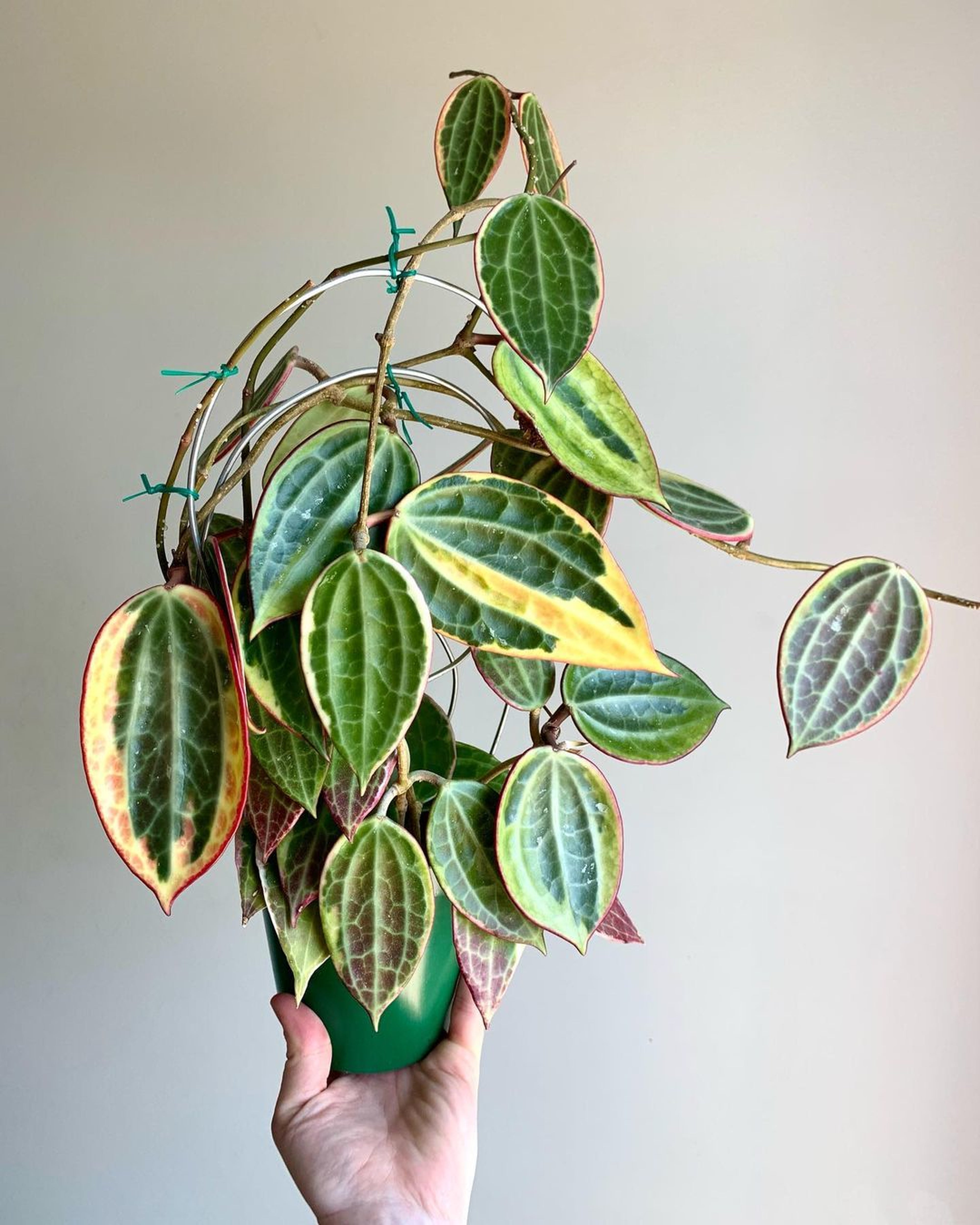
Want healthier vines and reliable blooms? This in-depth Hoya guide covers habitat basics, lighting, watering and humidity, substrate and feeding, pruning, propagation, sun stress, and fast pest tro...
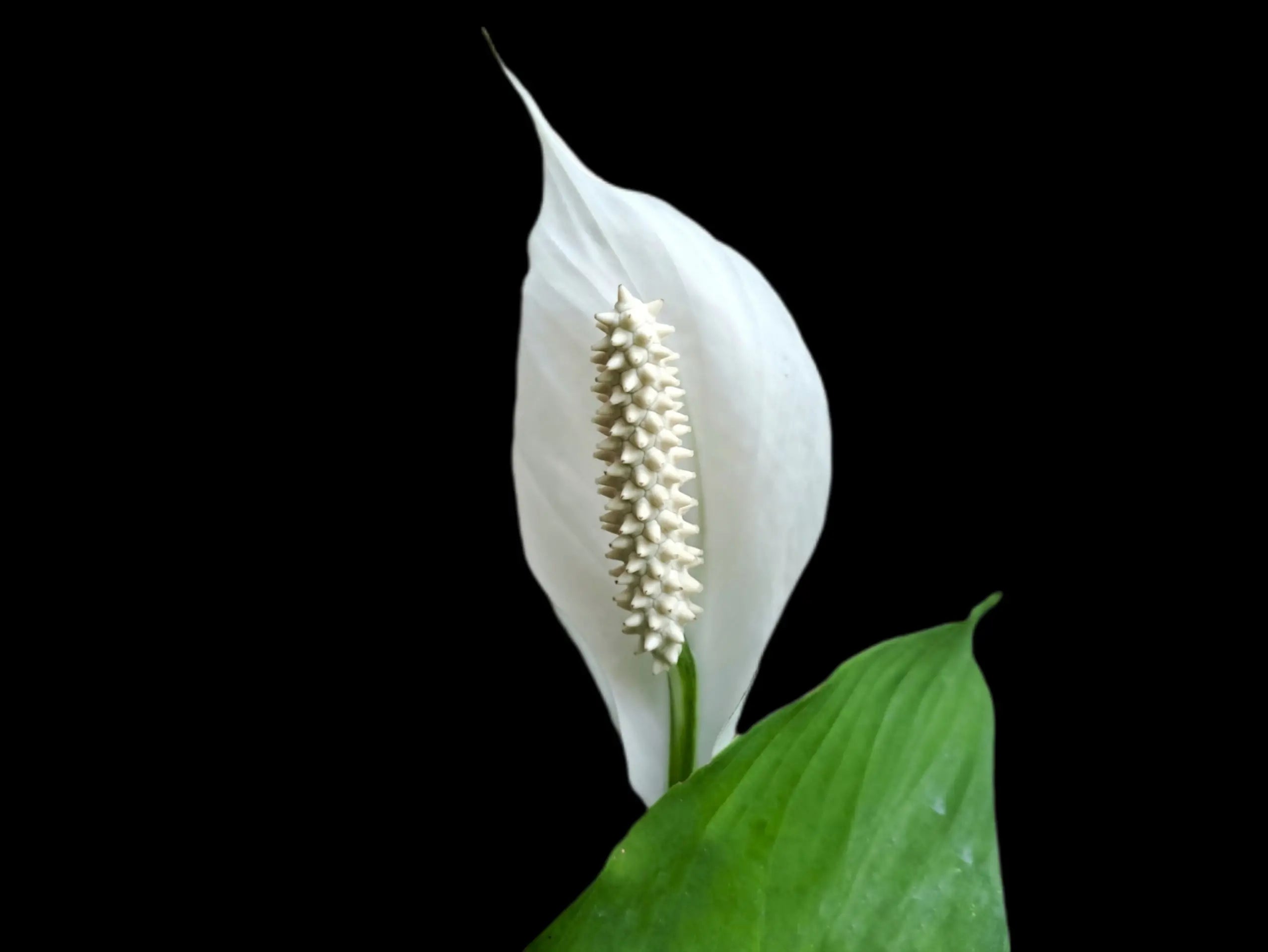
Peace lily (Spathiphyllum spp.) has been a staple in homes, offices, and public spaces for decades. Despite the name, it’s not a true lily. In this guide, you’ll get botanical background, cultivar ...




Leave a comment
This site is protected by hCaptcha and the hCaptcha Privacy Policy and Terms of Service apply.