Light
Bright indirect • approx. 10,000–20,000 lux


Wax Plant
VAT included · plus
Your new plant has just travelled a long way and needs a calm start in its new home. For step-by-step unboxing and first-week care, check our after-delivery care guide. For deeper tips on how your plant settles in over the next weeks, read our houseplant acclimatization guide.
Secure shipping, carefully packed orders with safe delivery across the EU, UK and Switzerland.
28-day plant guarantee, if a plant arrives damaged or fails soon after delivery, we help you make it right.
Free returns, simple, cost-free returns according to our policy.
For full details, please see:
Please head to our FAQ Page or Contact us.
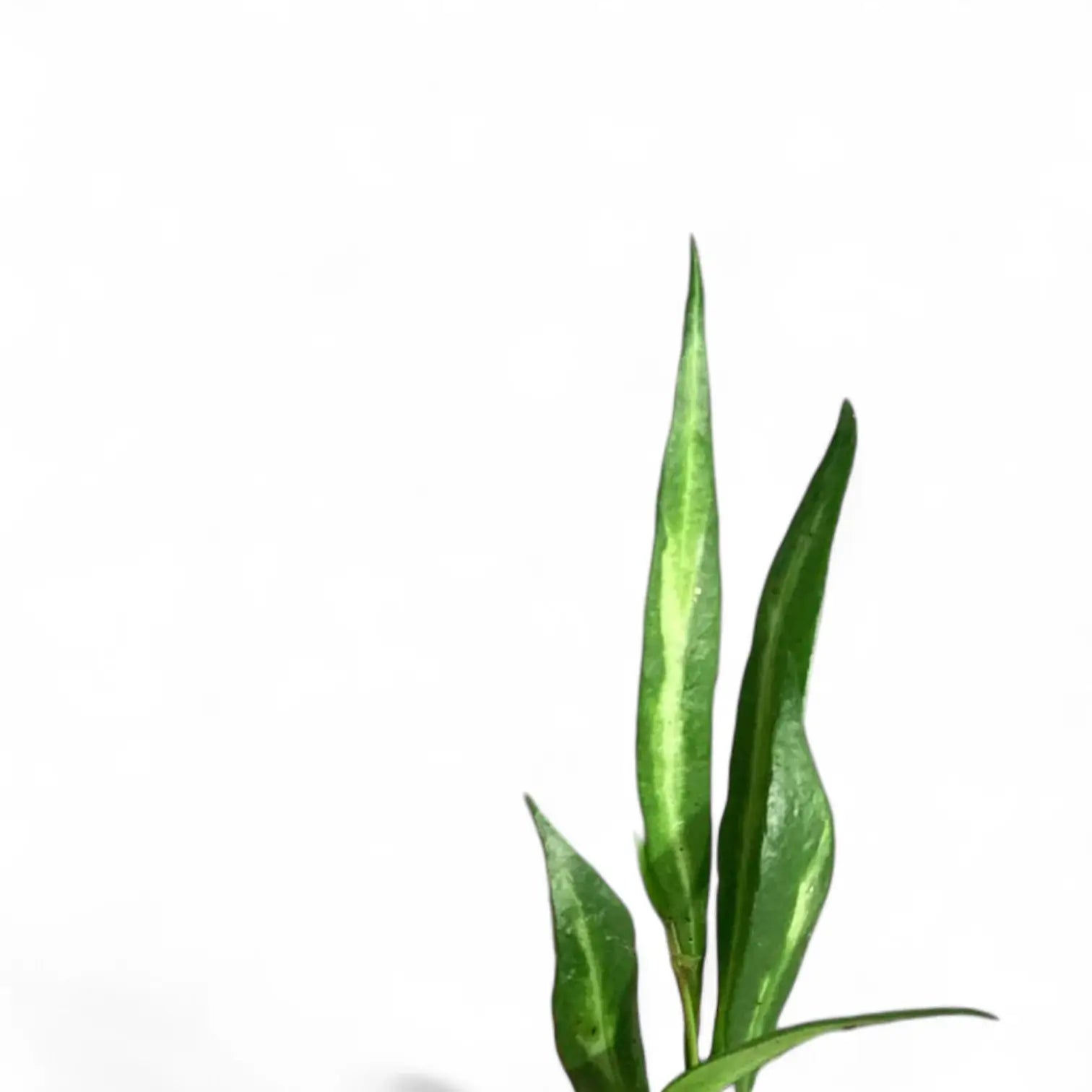
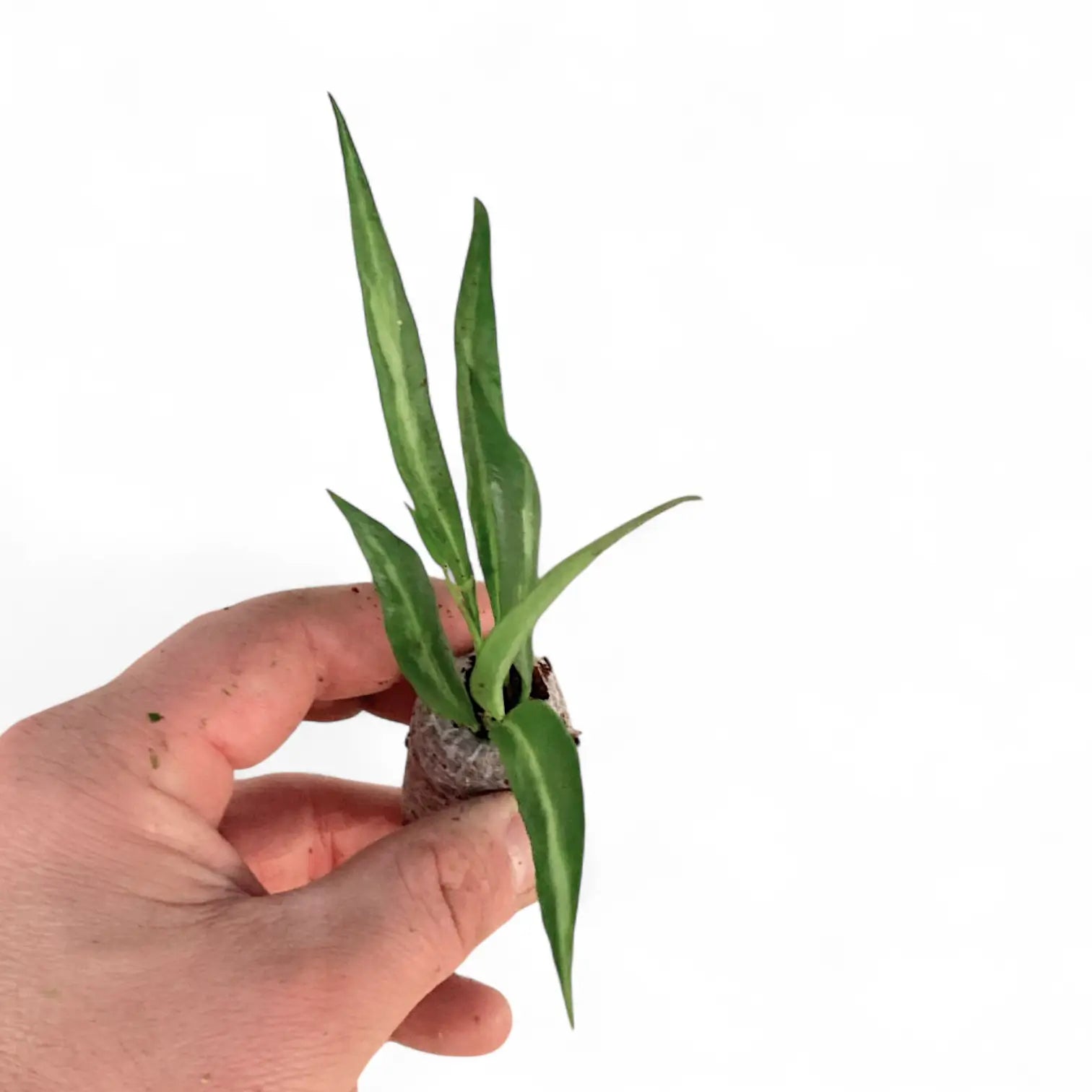
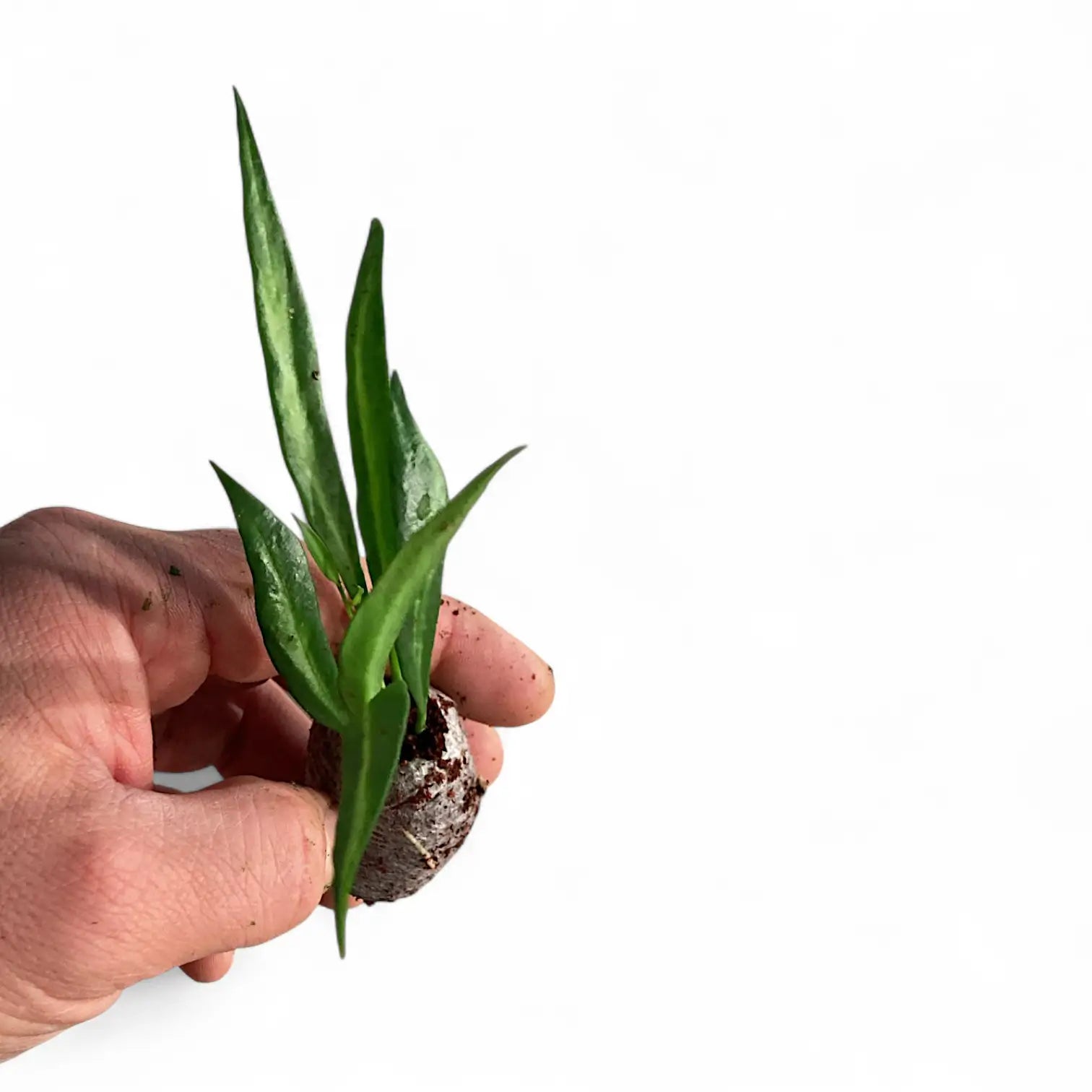
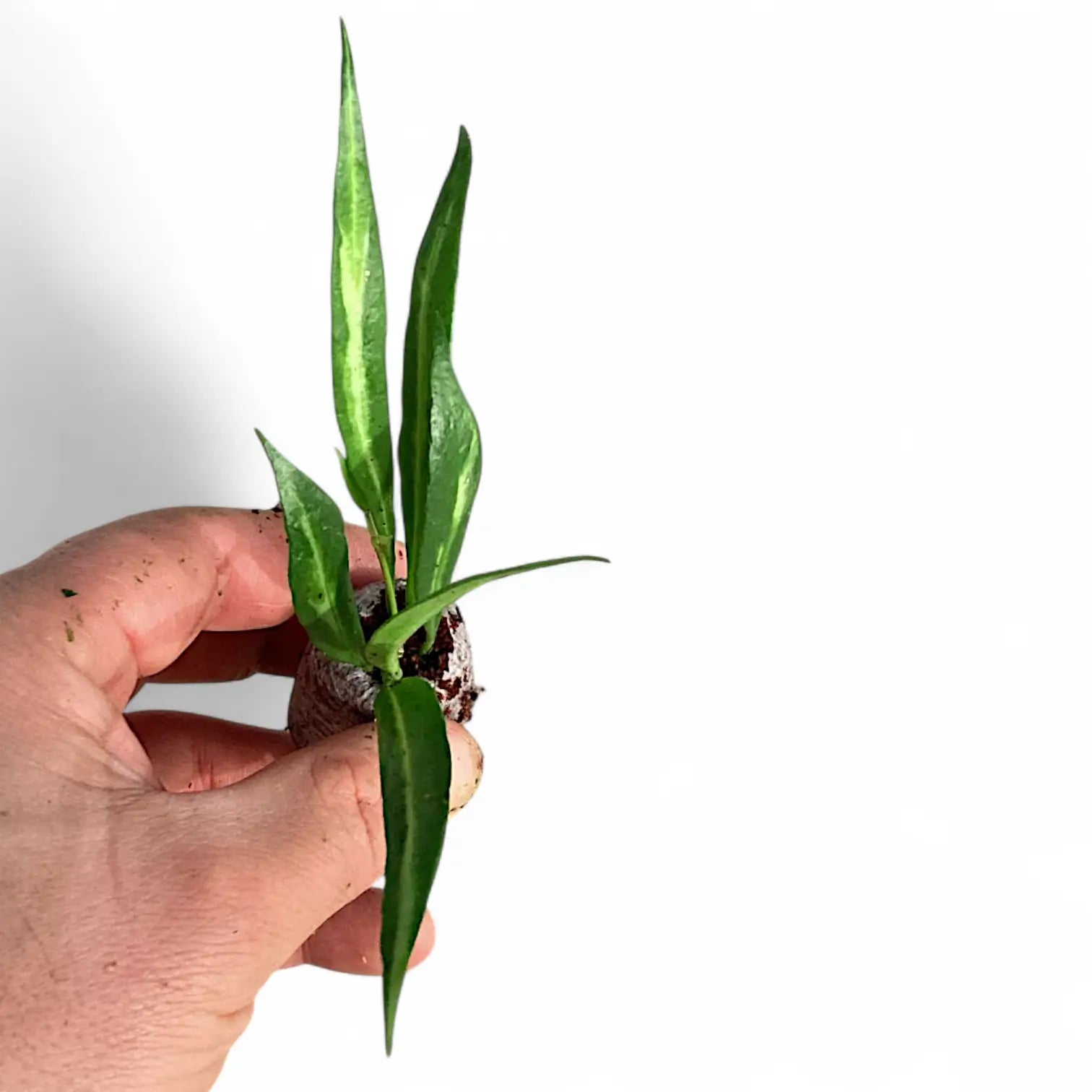
Hoya tsangii inner variegated
Light
Bright indirect • approx. 10,000–20,000 lux

Watering
Water when ~60–80% dry
Substrate
Airy + fast-draining • Light moisture buffer • Bark-based • Medium-chunky
Temperature
Ideal: 16–24 °C • Avoid below: 10 °C
Humidity
Moist 50–60 %
Growth habit
Climbing or trailing epiphytic perennial vine.
Support
recommended
Growth speed
Average
Max size indoors
Max. trail length: 30 cm • Max. spread: 30 cm
Toxicity & safety
Non-toxic
Origin & habitat
Variegated form of Hoya tsangii; species native to Philippines
Outdoor growing
Outside from 15 °C · sheltered from wind and rain
These care values are quick reference points for indoor growing. Use them as a guide, then adjust for pot size, substrate, temperature and how quickly the substrate dries.
For more detail, read the full product description or visit our Plant Care Guides.
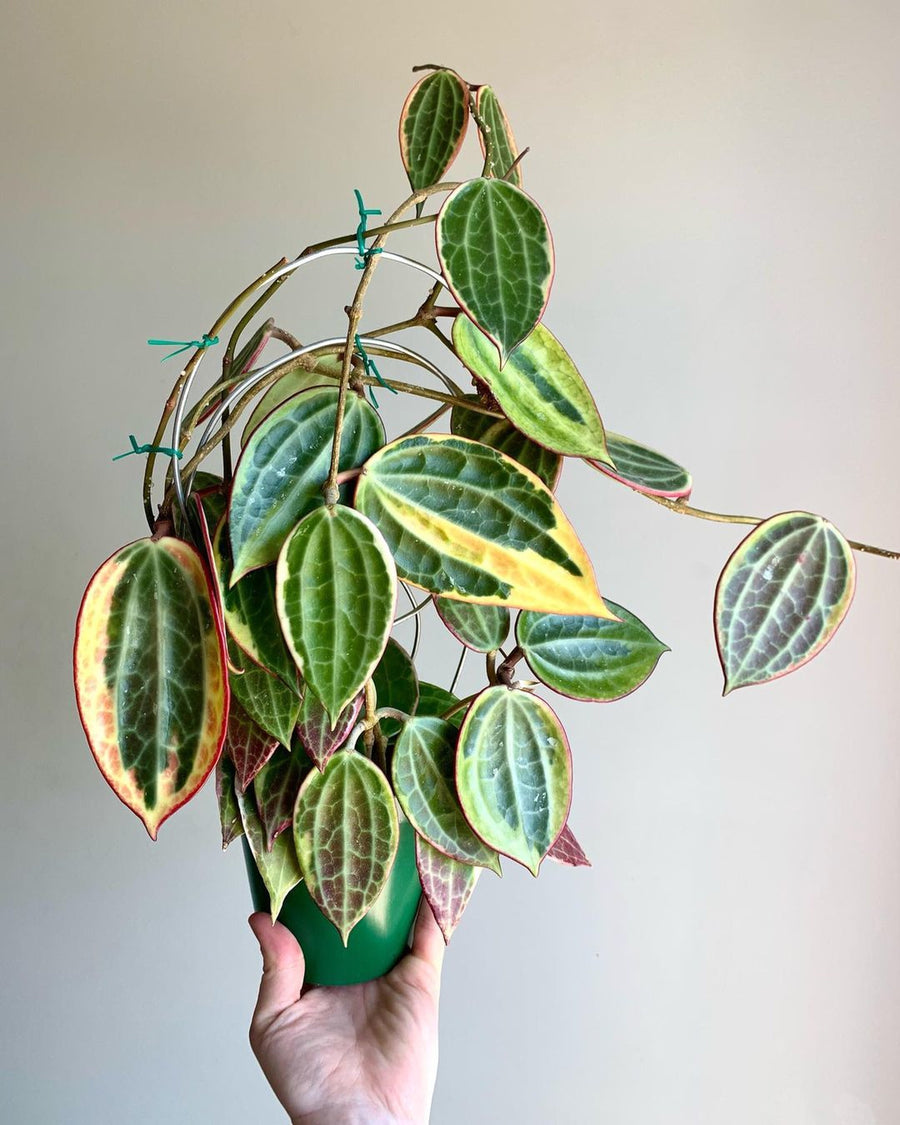
Hoya tsangii inner variegated brings a rare visual twist to this beloved Philippine species – lush olive-green leaves streaked with creamy white centers instead of margins. Compact and trailing, it is a graceful cultivar that stays tidy, thrives in bright indoor light, and rewards patient growers with clusters of golden, nectar-rich blooms.
Its pale-centered foliage catches light differently from outer-variegated types, creating a subtle shimmer that feels almost illuminated from within.
The creamy midrib area of each leaf develops a soft translucence in strong light – a signature visual cue that separates it from other tsangii cultivars.
The parent species Hoya tsangii C.M. Burton (1991) originates from southern Luzon and Mindanao, thriving as an epiphytic vine in humid tropical forests. It is adapted to filtered light, warm airflow, and moderate drying between rains.
Inner variegated plants follow the same compact, non-twining growth pattern, making them ideal for hanging pots, wall planters, or narrow shelves where cascading stems can develop naturally. Leaves sit close together on the vines, creating a dense, full appearance even in small containers.
Bright, indirect light is ideal. Some morning sun enhances contrast between green borders and pale centers, but avoid harsh direct midday rays.
Let the top few centimetres of substrate dry before watering again. Overwatering dulls variegation and increases the risk of root rot.
Prefers moderate to high humidity but adapts well to standard indoor levels as long as air is not completely stagnant.
Keep between 18–28 °C. Short dips to 15 °C are tolerated, but prolonged lower temperatures should be avoided.
Use a fast-draining mix of orchid bark, perlite, and chunky coco chips. Oxygen-rich roots translate directly into healthier, more stable growth.
Hanging or shallow pots with drainage holes suit it best. Allow roots to stay lightly snug rather than overpotted.
Feed with a balanced, diluted fertiliser every few weeks during active growth. Avoid heavy feeding, which can darken cream centres and coarsen new growth.
Propagate from stem cuttings – 2-node sections root readily in water or airy substrate under warm, stable conditions.
Performs well in semi-hydro or mineral-based setups with consistent moisture and good aeration around the roots.
Hoya tsangii natural environment – humid, bright but shaded forest layers – explains its tolerance for variable indoor conditions. Recreate that with bright filtered light, airy roots, and moderate, consistent moisture.
Inner variegated plants in particular respond well to stable light levels, which support even pigmentation and keep the pale centres clean and defined.
The species name tsangii honours Professor T. S. Tsang, a plant collector whose work contributed to early Hoya research in the Philippines.
The descriptive label inner variegated refers to its centrally pale foliage mutation, distinguishing it from cream-edged or splash-marked clones within the tsangii group.
This cultivar offers a rare inversion of classic variegation, with glowing centres framed by deep green edges – like soft candlelight inside each leaf. It stays easy to keep tidy, remains compact enough for shelves, and looks refined even when not in flower.
If you are drawn to foliage with clean geometry and gentle contrast, Hoya tsangii inner variegated earns a place in any collection.
Bring subtle contrast and calm brightness into your home – order Hoya tsangii inner variegated today and let its luminous foliage transform your plant display.
Plant names, growth habits, natural habitats and indoor care guidance are checked against trusted botanical, habitat and horticultural references before publication.View our plant care resources and references.
Choose options