Skip to content

Cart

Your cart is empty.

Echeveria

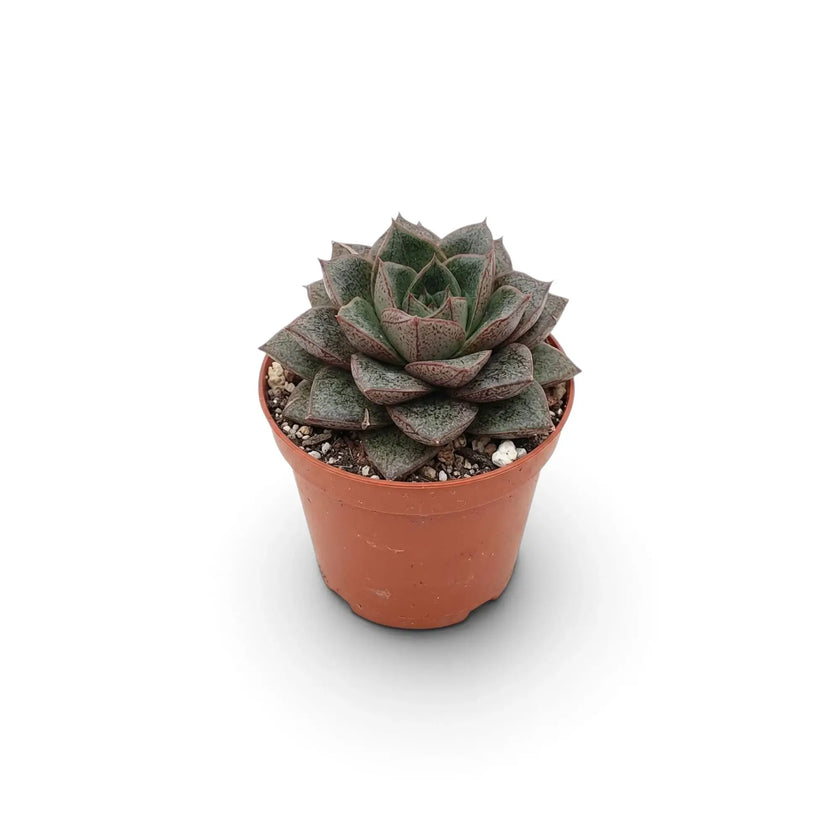
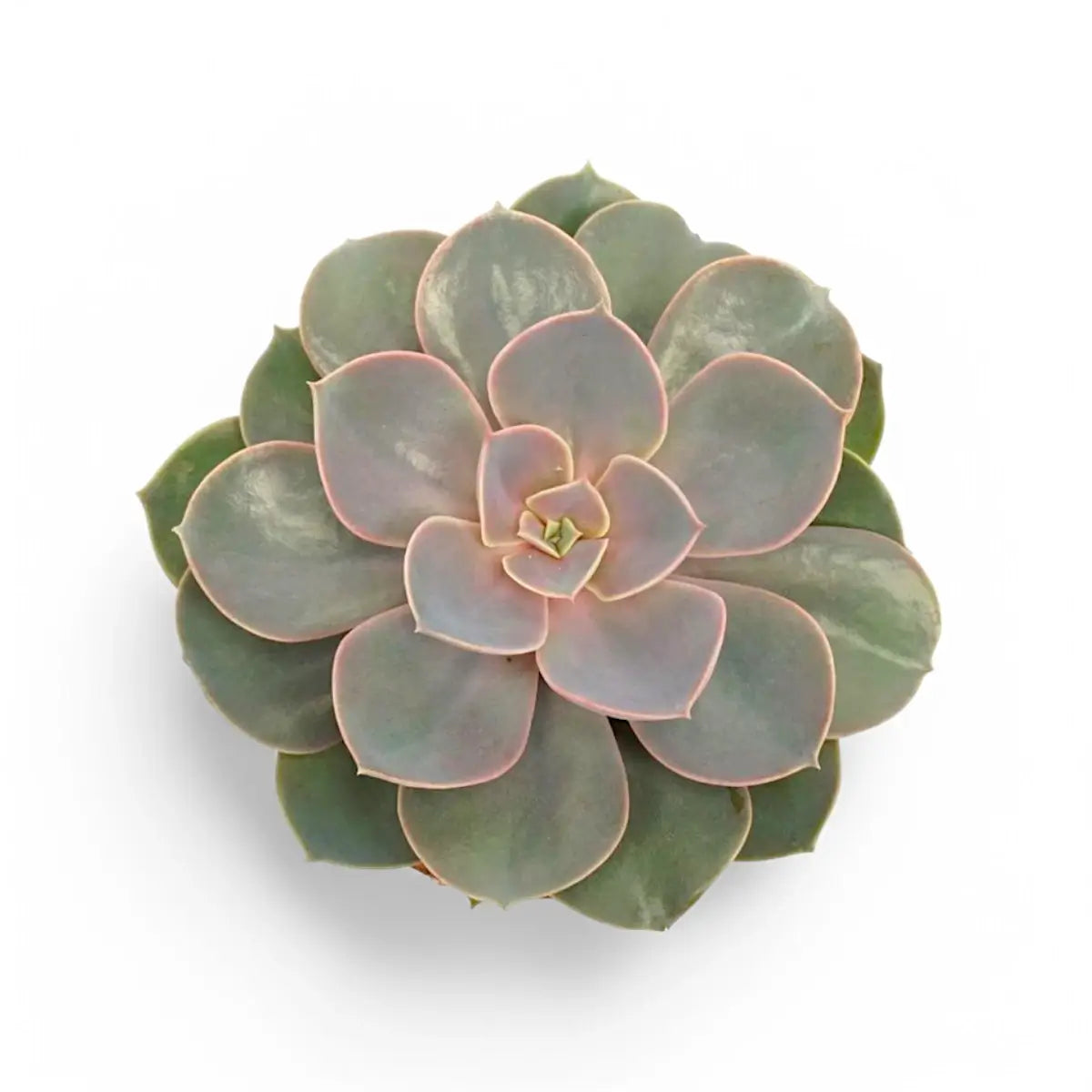
Echeveria Purple Pearl plant on white background

Substrate help

Choose a faster-drying mineral-leaning setup

Succulents and many cacti need a mix that releases excess water quickly and keeps the root zone open, especially in indoor pots.

Sort by:

Filters

Echeveria 'Lola' leaf detail on white background.
Echeveria 'Lola' Sold out
Echeveria 'Pollux' close-up of leaf on white background.
Echeveria 'Purple Pearl' aka 'Perle von Nürnberg' leaf detail on white background.
Echeveria agavoides 'Mars Galaxy' close-up of leaf on white background.
Echeveria agavoides 'Miranda' close-up of leaf on white background.
Echeveria agavoides 'Pluto Galaxy' leaf detail on white background.
Echeveria chihuahuaensis leaf close-up on white background.
Echeveria elegans close-up of leaf on white background.
Echeveria gibbiflora 'Metallica' close-up of leaf on white background.
Echeveria pulidonis leaf detail on white background.
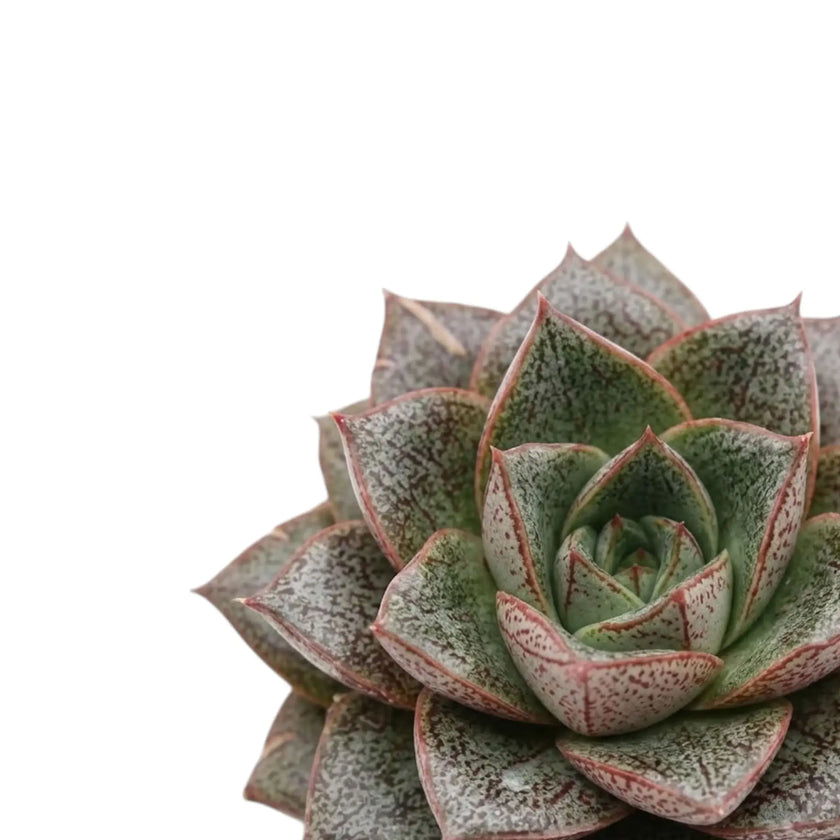
Echeveria purpusorum leaf detail on white background.
Echeveria purpusorum Regular price €9,50

Crassulaceae

Echeveria

Quick Overview

Echeveria: compact rosettes for sunniest sills

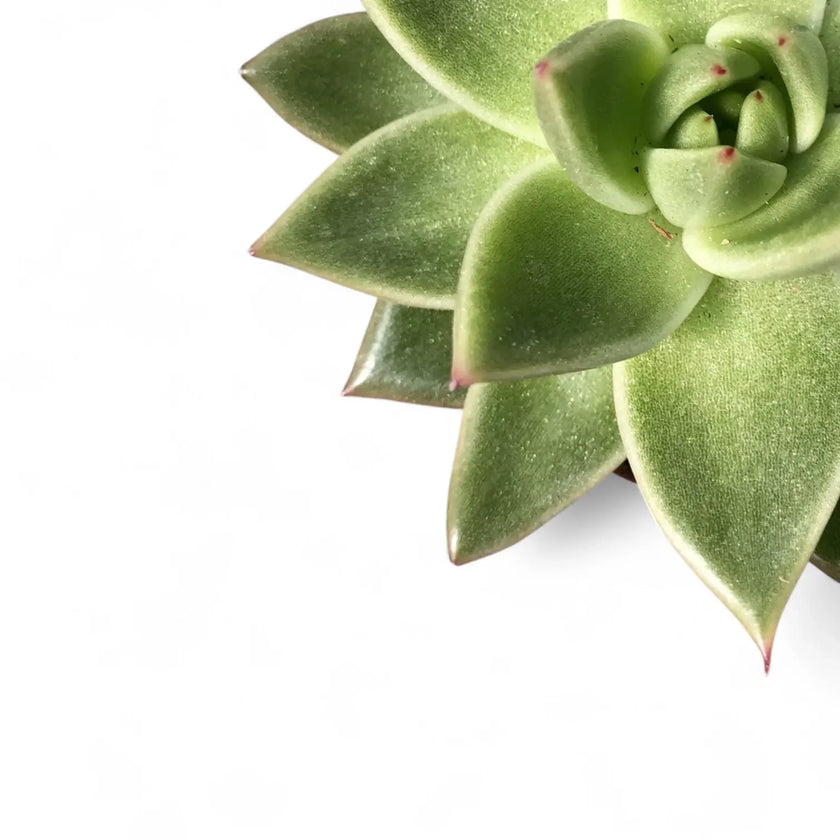
  • Appearance: low rosettes with overlapping fleshy leaves in many colours; best where you can see the shape from above.
  • Light: needs very bright light with several hours of direct sun or strong grow lights to avoid stretching.
  • Watering: soak thoroughly, then allow gritty mix to dry fully or almost fully; avoid frequent small top-ups.
  • Substrate: requires sharply draining, mineral substrate; heavy, peat-based soil quickly rots stems and roots.
  • Temperature: average warm interiors are fine; protect from cold, wet conditions at the root zone.
  • Care tip: keep water out of tight rosette centres to reduce rot risk, especially in cool periods.
Botanical Profile

Echeveria is an accepted genus in Crassulaceae native from southern Texas to northwestern Argentina, although many houseplant species and hybrids in cultivation trace back to Mexican lineages. The genus is known for rosette-forming succulents adapted to bright, dry habitats.

Details & Care

Echeveria: compact rosettes built for sun and a dry rhythm

Bright light and a fast-draining mix keep rosettes tight

Echeveria forms tidy rosettes in silvery blues, greens and pink‑tinged tones. Indoors, success comes from giving as much light as possible and keeping roots in an airy, gritty substrate.

Watering should be simple: a deep soak, then a full dry-out. Constant moisture dulls colour, weakens roots and invites rot, especially in cooler seasons.

Many varieties produce offsets, making clumps that fill a pot over time. Rosettes also root readily from healthy leaves when handled gently.

  • Light: South or west windows, bright conservatories, or strong grow lights; rotate occasionally for even growth.
  • Substrate: Mineral‑leaning succulent mix with plenty of grit for fast drainage and oxygen around roots.
  • Watering cues: Water only once the pot feels very light and the mix is dry through most of its depth.
  • Growth signals: Stretching and wide leaf spacing mean light is too weak; mushy bases point to excess moisture.
  • Handling: Avoid wetting the rosette centre in cool rooms; remove dead lower leaves to prevent pests.

Frequently Asked Questions About Echeveria