




Activated carbon
VAT included · plus
Sizes are approximate. Height is measured from the bottom of the pot to the top of the plant; diameter at the widest point.
You can’t add more of this item to your cart.
- Plant care fundamentals: Understand the main principles behind healthy houseplant care.
- After delivery and first week: Unpacking, initial placement and settling in.
- Light and placement: Assess indoor light and choose a suitable position.
- Watering: Learn when and how to water houseplants.
- Potting mixes and roots: Choose a suitable potting mix and understand drainage.
- Humidity: Learn when additional humidity helps and how to provide it safely.
- Fertilising: Learn how and when to feed houseplants.
- Plant problems: Identify common symptoms and possible causes.
- Pest control: Identify common houseplant pests and suitable responses.
Every order is carefully packed and sent with tracking. If your plant arrives damaged or develops a problem covered by our 28-day guarantee, contact us with photos. Full conditions are available under Guarantee & Returns.
Visit our FAQ or contact customer support for help with orders, delivery or plant care.
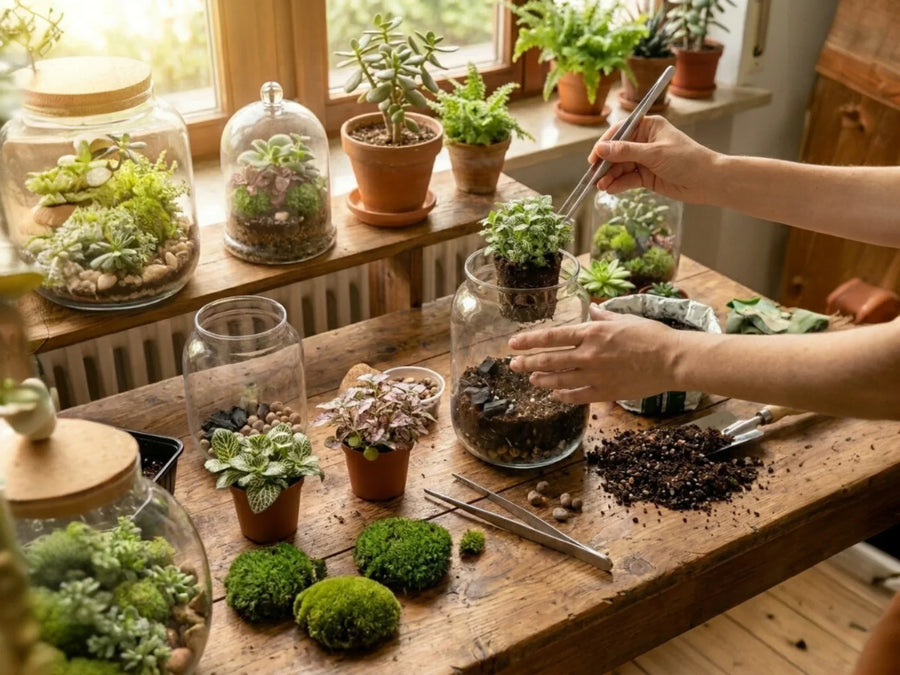
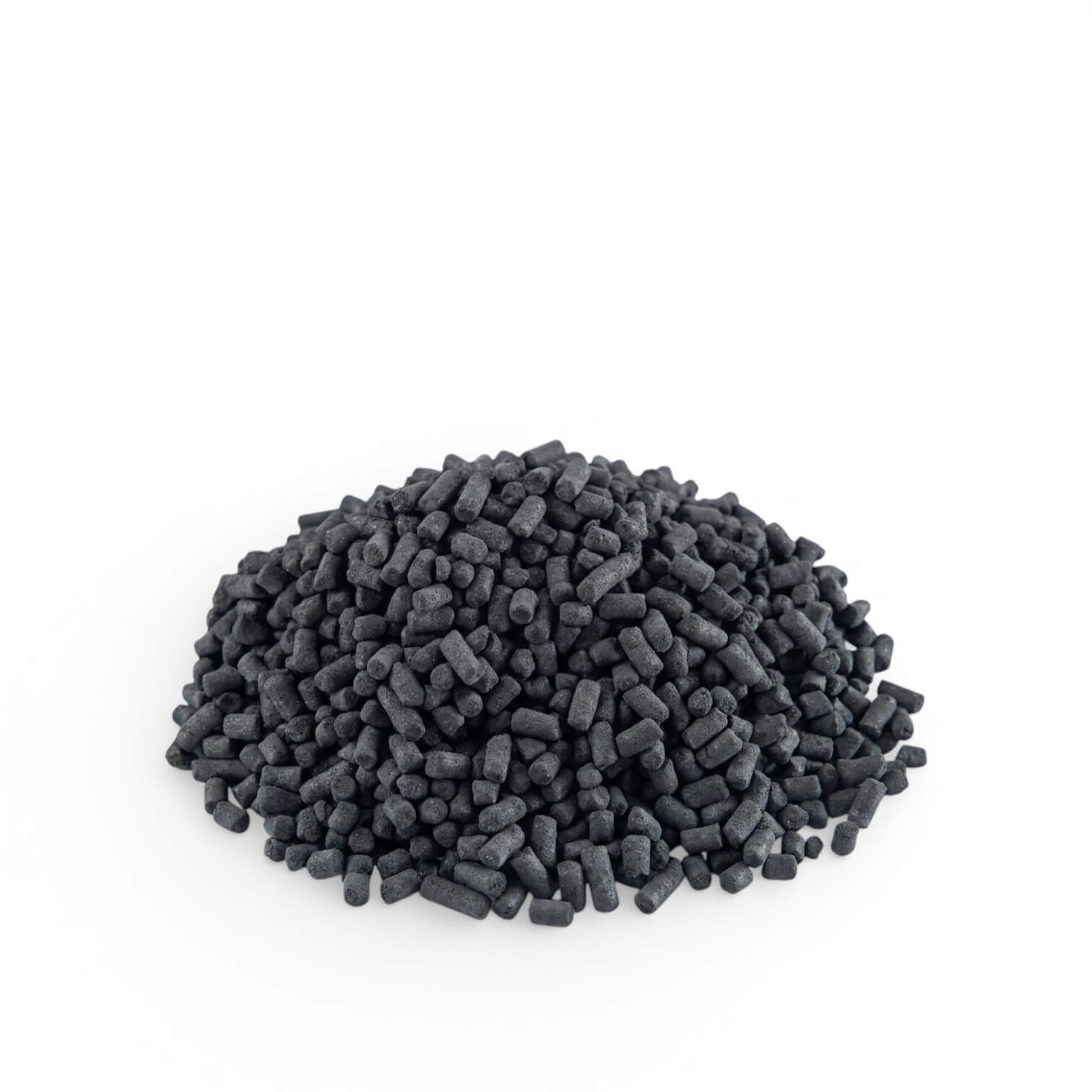
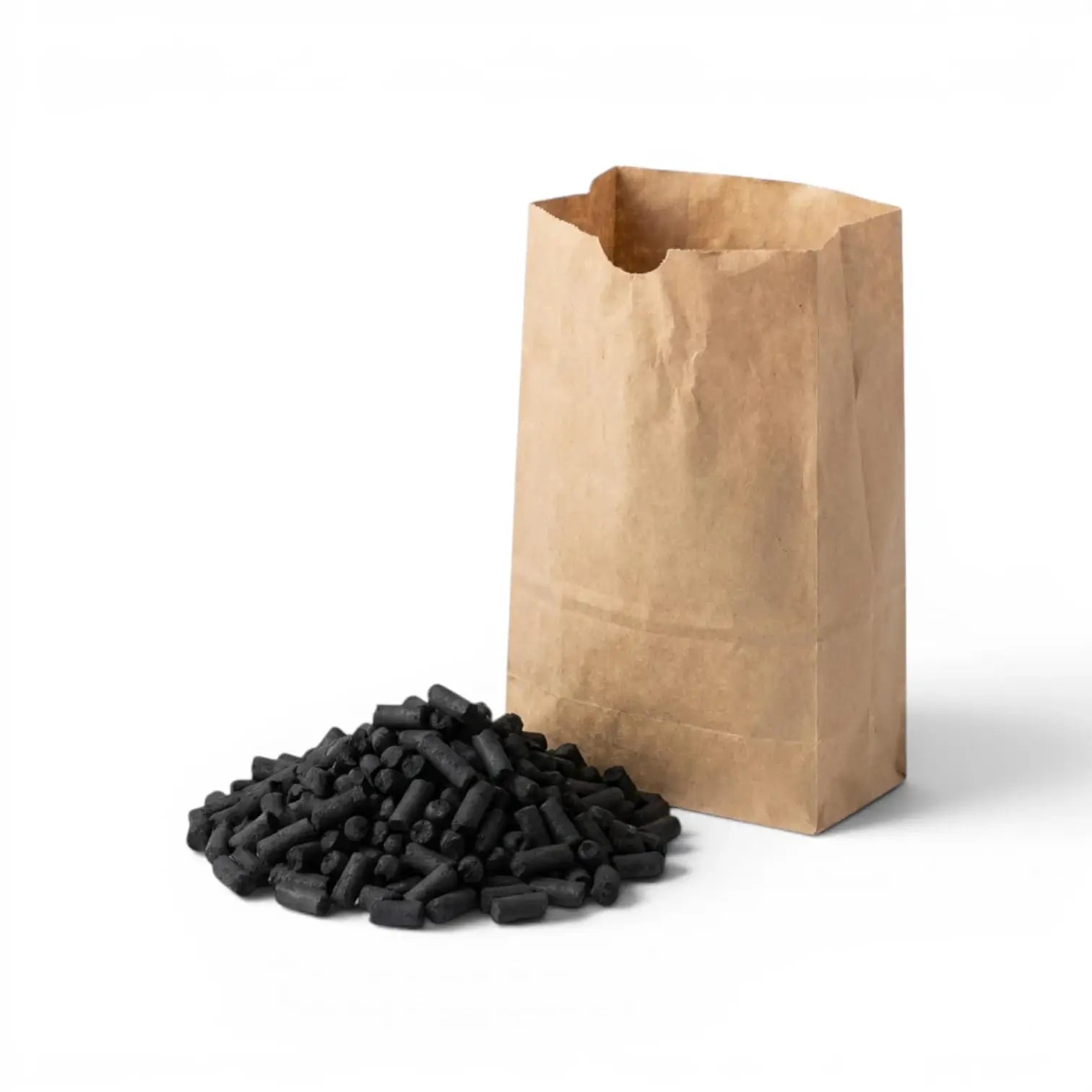
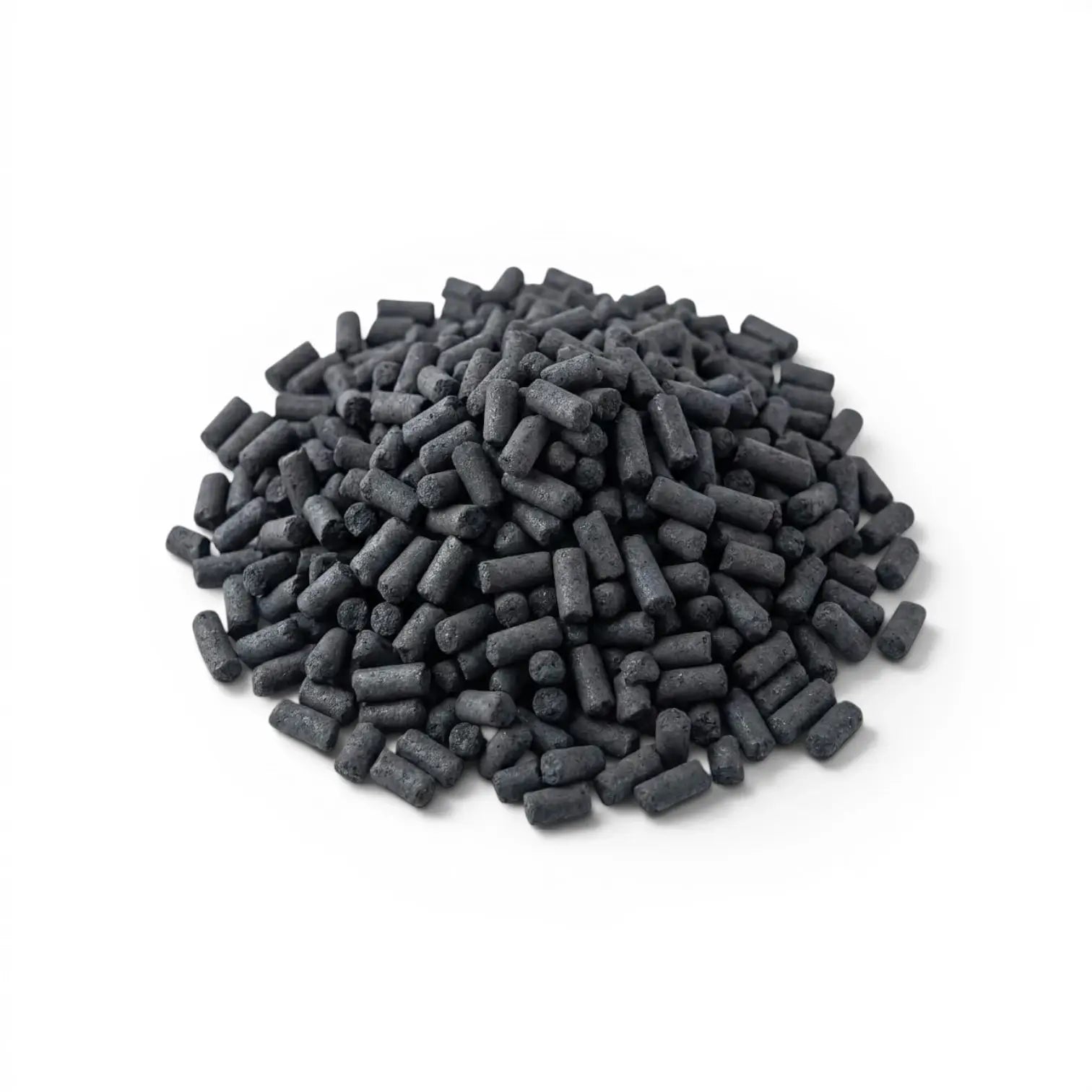
Activated carbon – porous carbon for enclosed plant builds
Activated carbon is a terrarium component rather than a general houseplant substrate. In enclosed glass it can sit as part of the base structure alongside mineral material, moss and fine planting medium.
In use
- Terrarium layer: use a thin layer between drainage material and planting medium
- Closed glass: best suited to jars and humid planted containers
- Small amount: a modest layer is enough for most setups
- Not drainage: it does not replace correct moisture control
Details
Use it below the main planting zone, usually above a mineral base and below soil or moss contact layers. Keep it shallow so roots still reach the actual growing medium.
Use and timing
Activated carbon will not correct a dense substrate, standing water or overpotting. Open houseplant pots are better improved with structure materials such as bark, perlite, pumice or lava rock.
How to use Activated carbon
- Terrariums: Use a small amount in the base layer or as an additive to help keep builds fresher.
- Nutrients: It does not add nutrients; treat it as a filtration or structural component.
- Mixing: Blend in lightly—too much can reduce water-holding in small jars.
Prep and handling for Activated carbon
- Rinse: A quick rinse removes fines so water moves evenly through the mix.
Activated carbon
Sale price€6,00
Choose options
Activated carbon
Sale price€6,00
Taxes included. Shipping costs are calculated at checkout
Available sizes
You can’t add more of this item to your cart.

Recently viewed:


Sign up for Foliage Factory newsletter for early access to new arrivals and practical care tips that work in real homes.