Skip to content

Cart

Your cart is empty.

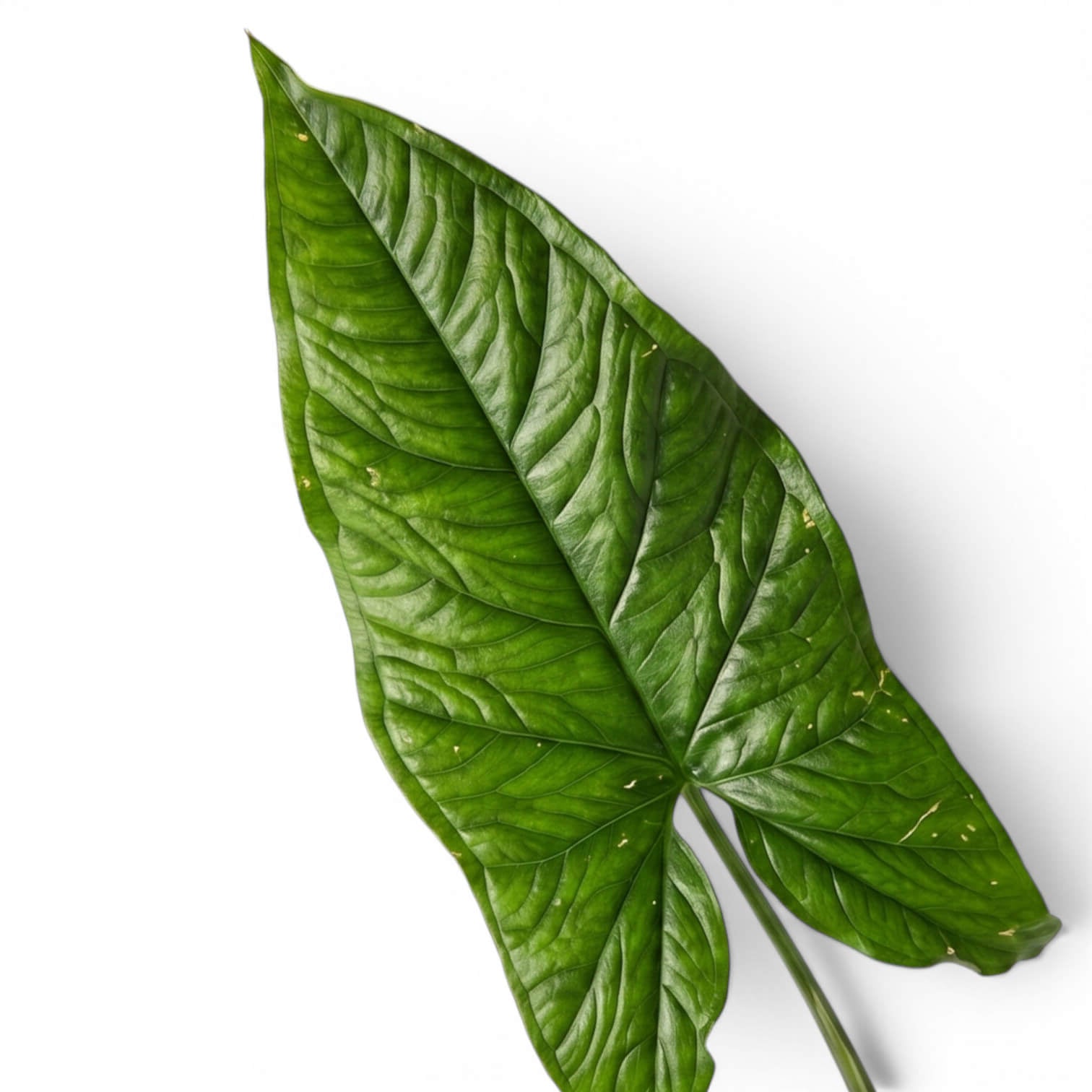
Syngonium steyermarkii  leaf on a white background
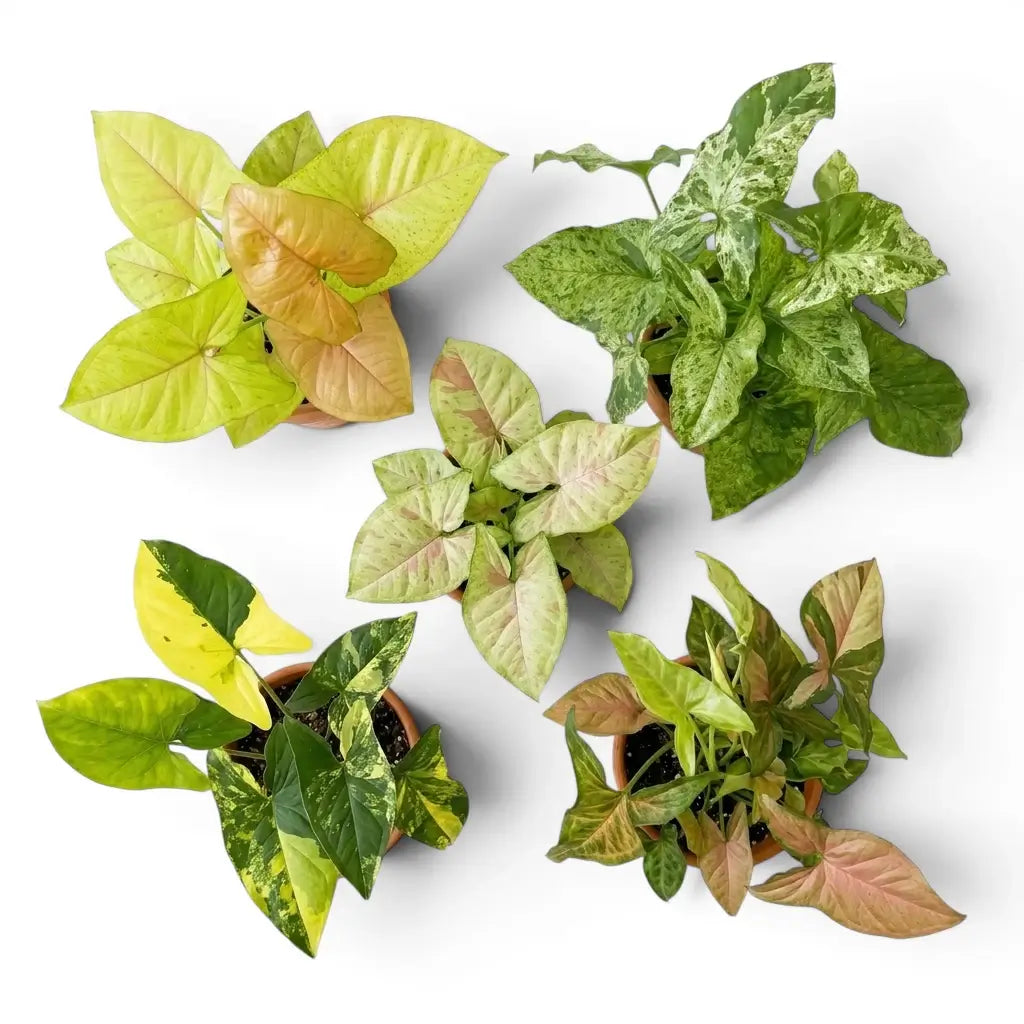
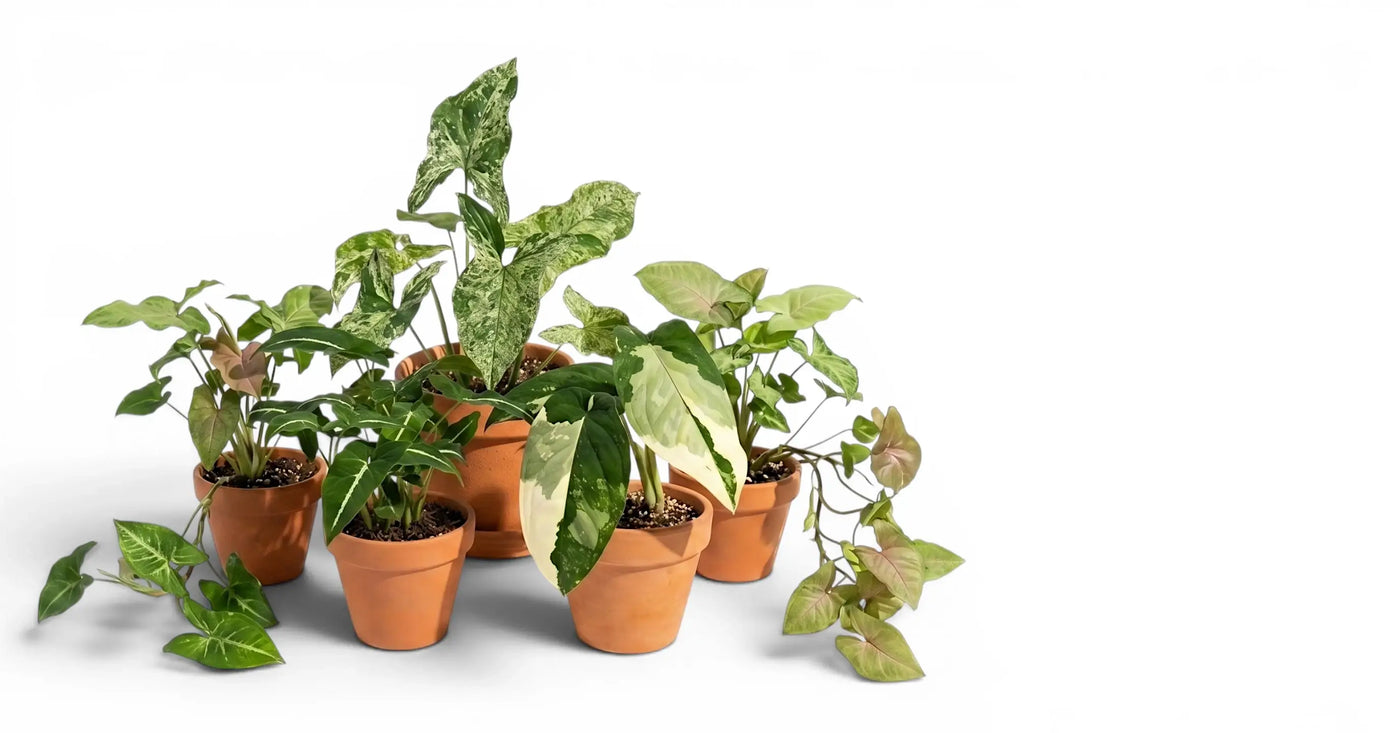
Five Syngonium varieties with variegated leaves on a white background
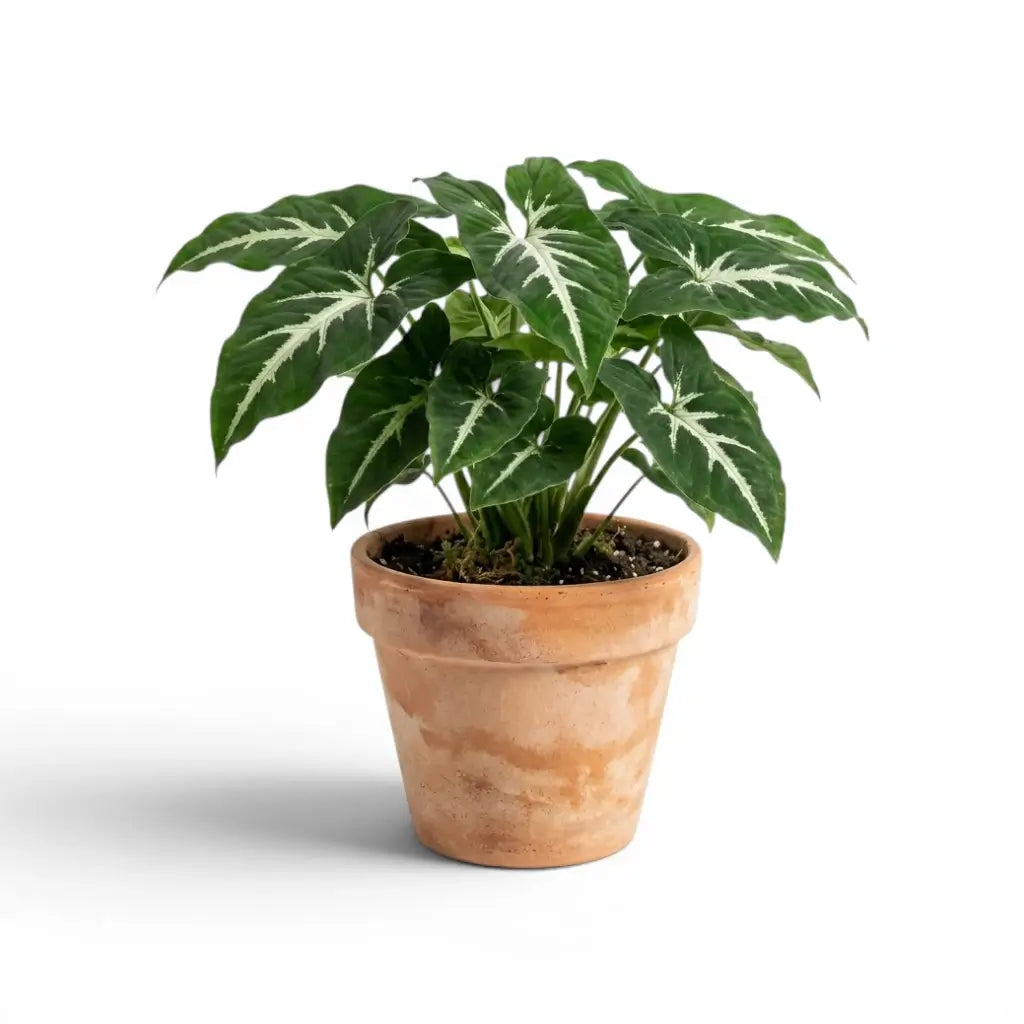
Syngonium wendlandii with green leaves on a white background

Syngonium are climbing aroids whose familiar arrowhead-shaped juvenile leaves can change markedly as a stem matures. A young plant may look compact, but its nodes, internodes and aerial roots already show the structure of a vine.

Pruning can maintain a fuller pot, hanging lets stems extend downward, and support encourages upward growth with clearer mature character. This guide focuses on that growth architecture, how leaf form changes and how to compare species-led plants with cultivated Syngonium podophyllum selections.

See the current Syngonium collection

Syngonium genus guide: growth, climbing and mature leaves

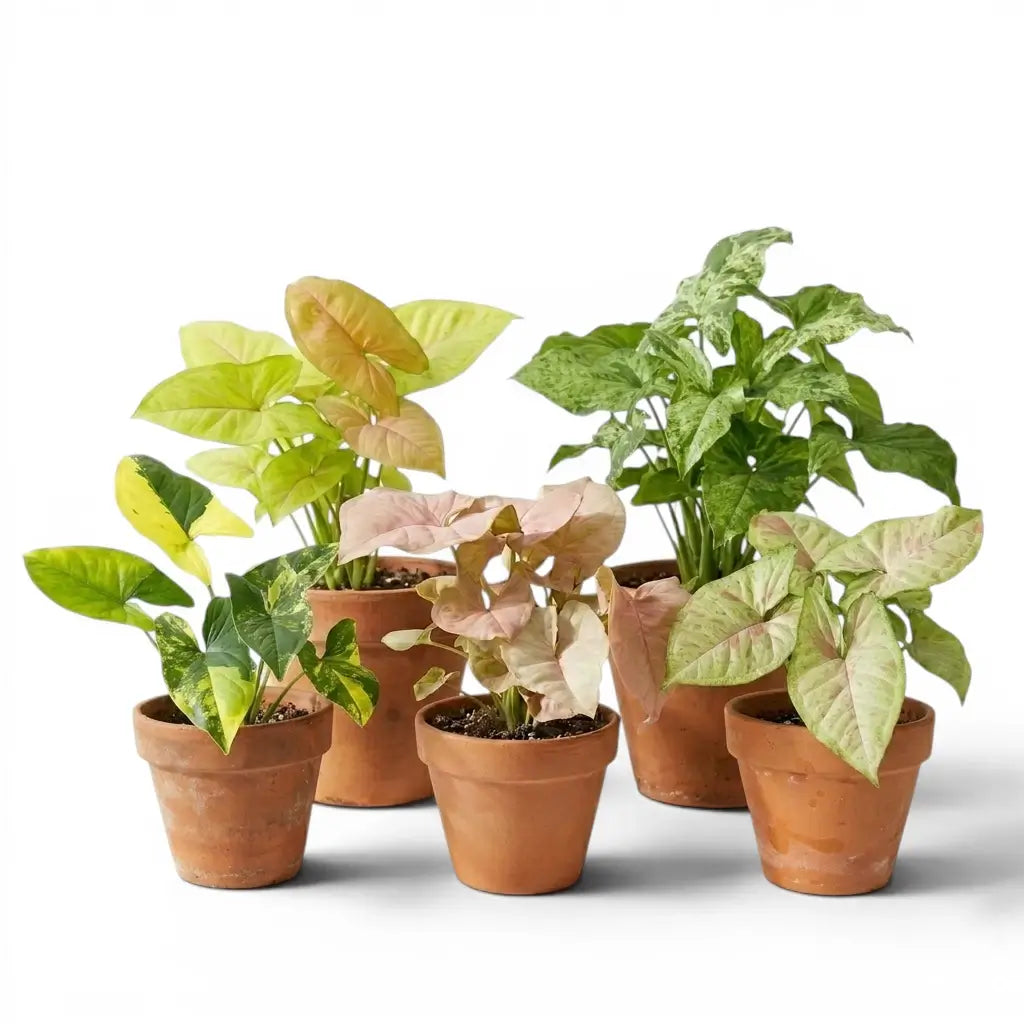
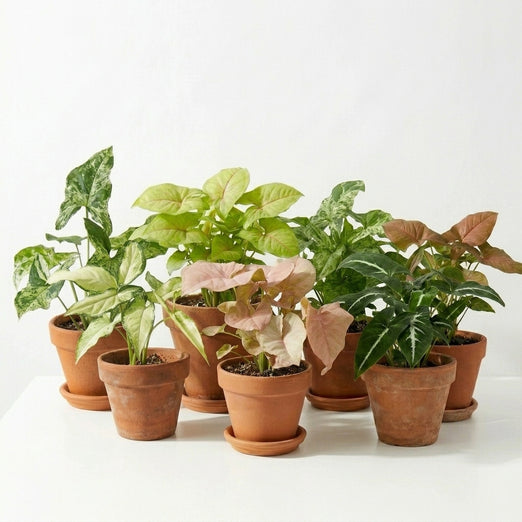
Five Syngonium varieties potted in terracotta pots on a white background
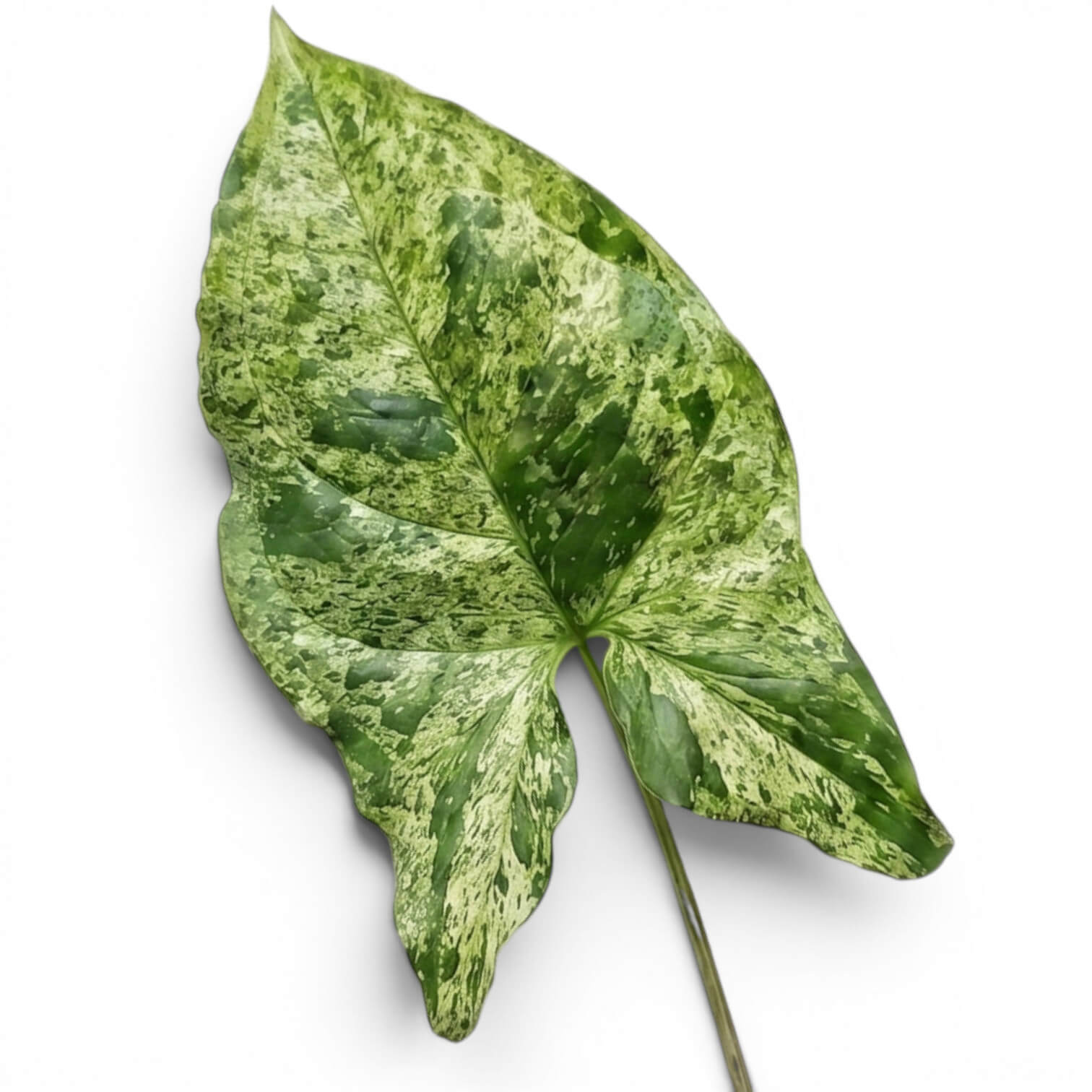
Variegated leaf of Syngonium podophyllum 'Mottled' on a white background

Syngonium at a Glance

Key facts for comparing Syngonium:

  • Genus: Syngonium
  • Family: Araceae
  • Common names: arrowhead plant and arrowhead vine
  • Native range: Mexico to tropical America at genus level; individual species have narrower ranges
  • Natural growth habit: climbing or root-climbing stems with nodes and aerial roots
  • Juvenile leaves: often arrowhead-shaped, giving the plant its common name
  • Mature growth: longer stems and, in some species and forms, larger, lobed or more divided leaves
  • Indoor presentation: pruned compact pot, hanging vine or support-grown climber
  • Safety: plant tissue contains irritating calcium oxalate crystals and is not pet-safe if chewed

A pruned pot, a hanging plant and a supported vine are different presentations of the same basic climbing structure.

Why Syngonium Leaves and Stems Change Over Time

Most indoor Syngonium plants are sold young. At this stage, leaves sit close together, the arrowhead shape is clear and the plant presents easily as a neat pot.

As stems extend, the climbing structure becomes more visible. Nodes, aerial root initials and longer internodes show where the plant can root, attach and continue upward when it meets support.

Juvenile Syngonium leaves

Young Syngonium usually has the classic arrowhead leaf shape. Leaves are smaller, internodes are shorter and the plant can be kept dense with pruning. This juvenile stage is the familiar arrowhead plant look.

Nodes, internodes and climbing stems

Syngonium grows from jointed stems. Nodes carry buds, roots and leaf attachments; internodes are the stem sections between them. A cutting needs a node because new roots and shoots develop from this stem tissue. As stems lengthen, those nodes also give the plant places to attach when support is available.

Hanging or unsupported stems

Extending stems can hang from the pot when they are left unsupported. This is a display choice within the natural climbing habit. Hanging stems stay fuller with pruning and rooted cuttings because density comes from multiple active growing points.

Support-grown Syngonium

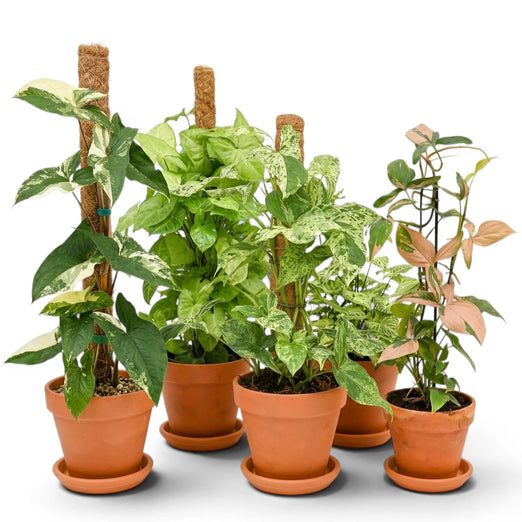
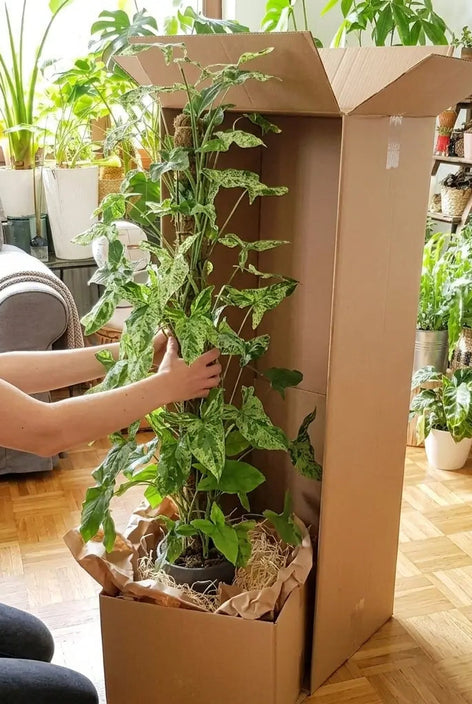
When stems are guided upward on textured support, some Syngonium can produce stronger, larger or more mature-looking foliage over time. Support gives aerial roots a surface to follow and keeps growth vertical, especially in species-led plants and vigorous forms.

Mature Syngonium leaves

Some Syngonium forms move beyond simple juvenile arrowhead leaves as they age. Leaves may become larger, more lobed or more divided, depending on species, cultivar, support, warmth, light, root health and time. This leaf-shape shift is heteroblastic growth: the plant can produce different leaf forms at different stages of development.

For indoor growing, the main decision is training. The same climbing plant can be pruned into a fuller pot, allowed to hang, or grown upward for a more structural plant.

Syngonium leaf development from juvenile arrowhead leaves to more mature divided growth

Compact Pot, Hanging Stems or Support-Grown Vine

Syngonium is naturally a climbing or root-climbing aroid. Indoors, the same stem habit can be trained in three practical ways: pruned for a fuller pot, allowed to hang from the container or guided upward on textured support.

Syngonium grown with longer stems and arrowhead foliage

Pruned compact Syngonium

A compact-looking Syngonium is usually a young or pruned climbing plant with short visible stems. Cutting above a node shortens the vine and can encourage a new shoot from a remaining node.

Compact cultivars such as 'Pixie' or 'Nana' have shorter proportions, but they still grow from nodes and remain climbing plants rather than true rosettes.

Compact Syngonium foliage in an indoor pot

Support-grown Syngonium

Support-grown Syngonium gives stems a route upward and gives aerial roots a surface to follow. Bark, cork, a plank or another textured support offers better contact than a smooth decorative stake that only holds the stem in place.

Species-led plants such as Syngonium chiapense show their scale, leaf size and vertical structure more clearly when they have room to climb.

Syngonium growth habit comparison with support-grown foliage

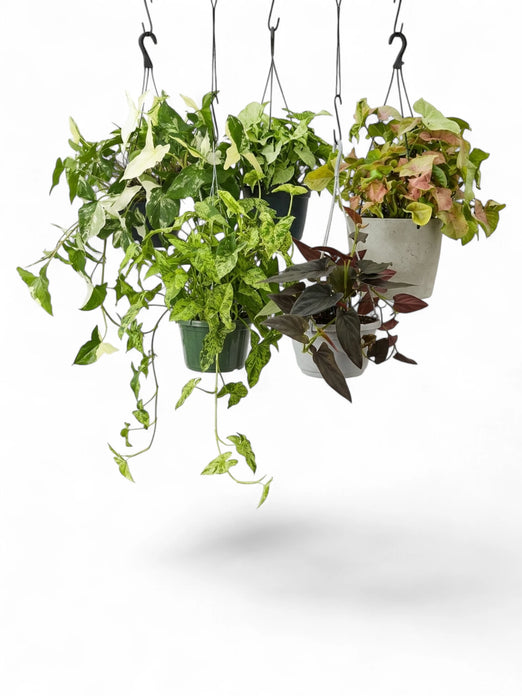
Hanging Syngonium

Hanging Syngonium displays extending stems as they spill from the pot. Many Syngonium podophyllum cultivars suit this presentation, especially when no pole, board or trellis is used.

Hanging changes direction, not growth habit. The plant still extends through nodes and internodes, and older stems can become increasingly spaced as they lengthen.

Syngonium Habitat & Botanical Profile

Syngonium is a genus in Araceae, the aroid family. The genus is native from Mexico to tropical America, with individual species occupying narrower ranges within that broader region. Wild Syngonium species grow as climbers, root-climbers or lianas in warm wet-tropical habitats.

Natural conditions explain much of their indoor care. Stems root at nodes, attach to tree trunks or other rough surfaces and grow through filtered forest light. Roots receive moisture, organic matter, airflow and oxygen. Indoors, that points to warm stable conditions, bright indirect light, breathable moisture-buffered mix and support when vertical growth is wanted.

Syngonium podophyllum has the broadest retail presence and is native from Mexico to tropical America. Syngonium chiapense is a Mexico-to-Guatemala species. Syngonium macrophyllum ranges from southern Mexico to Ecuador. These are accepted botanical species; many pink, compact, mottled and variegated houseplants are cultivated selections derived from species such as Syngonium podophyllum.

The common names arrowhead plant and arrowhead vine describe visible growth stages. “Arrowhead plant” fits juvenile leaves. “Arrowhead vine” fits the extending climbing stems that develop with time.

Syngonium podophyllum and cultivar names

Many familiar indoor Syngonium are Syngonium podophyllum cultivars or horticultural selections. Green, pink, red, cream, white, mottled, compact and confetti-type names mainly describe cultivated foliage traits.

Species identity is more useful for understanding natural scale and mature structure. Syngonium chiapense, for example, should be compared first as a species-led climber, while a name such as 'Confetti' identifies a selected foliage pattern.

How to read Syngonium names

  • Genus name: Syngonium identifies the group.
  • Common name: arrowhead plant refers to the familiar juvenile leaf shape, not the mature form of every species.
  • Species names: useful for plants such as Syngonium chiapense, Syngonium wendlandii and Syngonium macrophyllum.
  • Cultivar or trade names: useful for colour, pattern, compactness or unusual juvenile leaf form.
  • Comparison order: species background and climbing structure first, then foliage colour, pattern, size and support style.
Syngonium foliage showing arrowhead-shaped leaves

Syngonium among other aroids

Syngonium belongs to Araceae but is a separate genus from Philodendron, Epipremnum, Caladium and Alocasia. Arrow-shaped juvenile leaves and climbing stems can create superficial overlap, so genus identity matters when comparing mature growth.

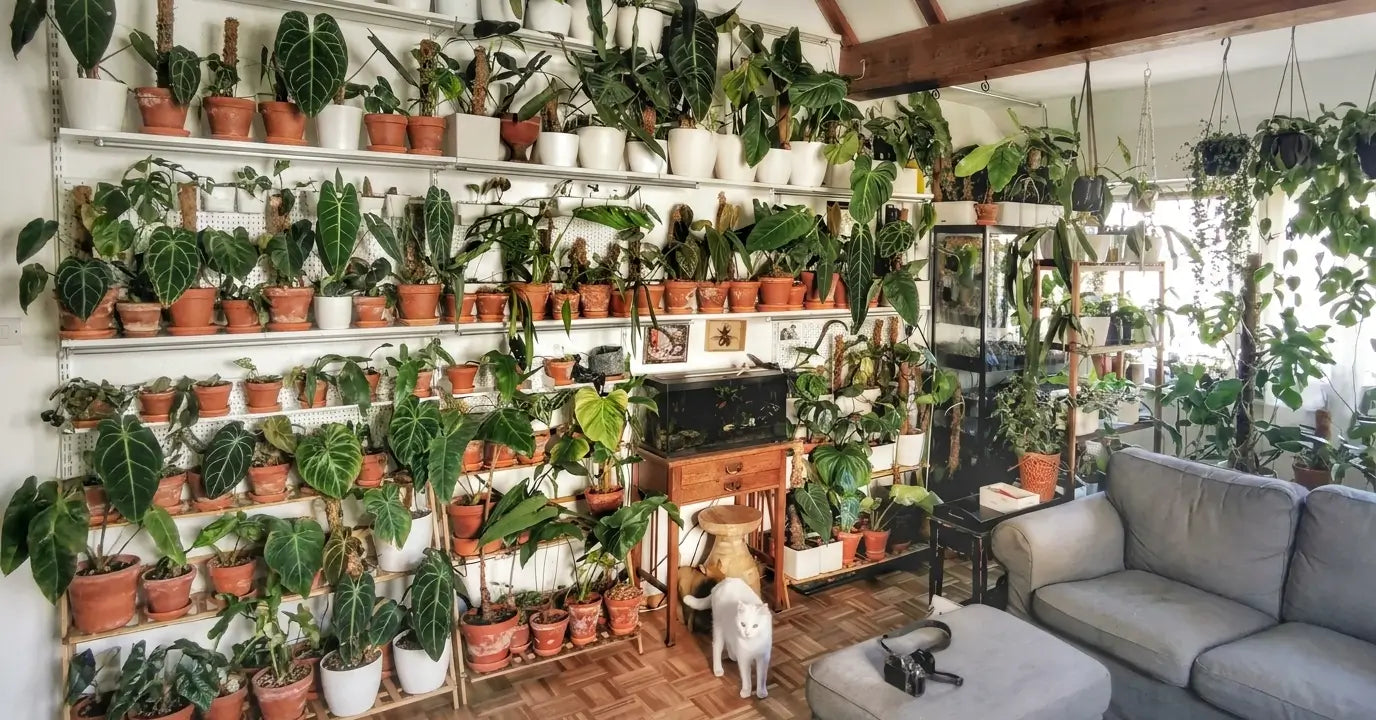
Green metal shelf with various Syngonium plants against a white wall

Training choices

  • Pruned compact pot: prune above nodes and replant rooted cuttings for density.
  • Hanging display: let stems extend over the pot edge and trim when the plant needs renewal.
  • Support-grown vine: guide stems upward when larger leaves and vertical structure are the goal.

All three approaches work with the same climbing stem structure. The right setup depends on space, support and the amount of shaping planned for the plant.

Mixed Syngonium varieties showing different colours and arrowhead leaf patterns

Syngonium Groups and Varieties to Compare

Syngonium includes compact-looking juvenile arrowhead plants, warm-toned foliage cultivars, mottled or variegated selections and species-led climbers with stronger mature leaf character. Some are best compared by species identity, leaf structure and mature climbing growth. Others are Syngonium podophyllum cultivars selected mainly for colour, mottling, speckling or juvenile leaf form.

The natural habit remains climbing or root-climbing across the genus. Indoor presentation changes the result: a stem can be kept fuller by pruning, displayed hanging or directed upward on support.