Skip to content

Cart

Your cart is empty

Fertilizers & Additives

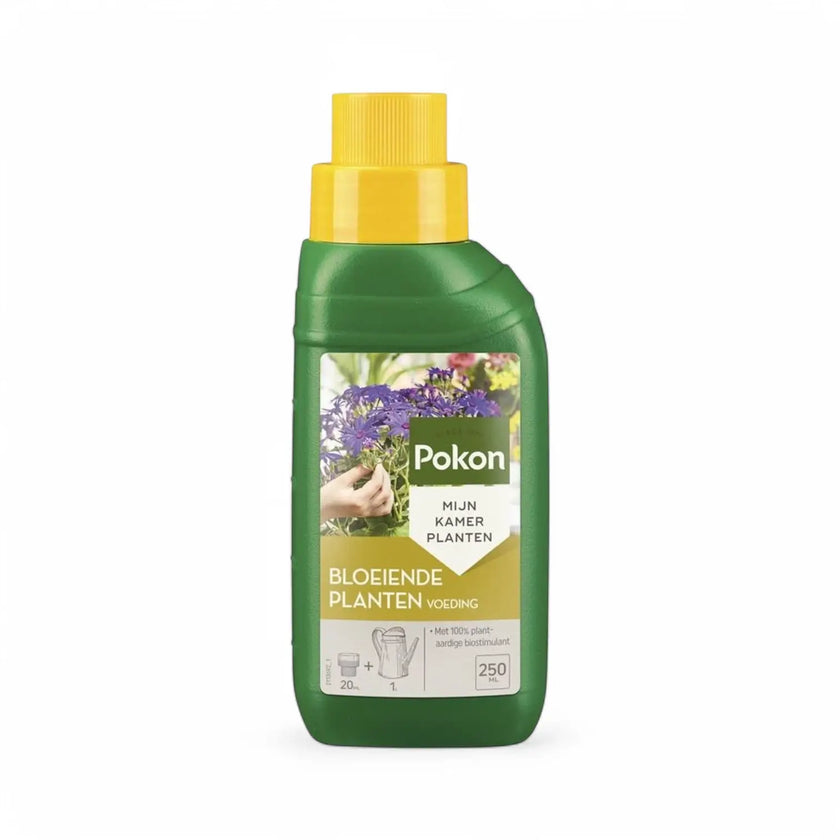
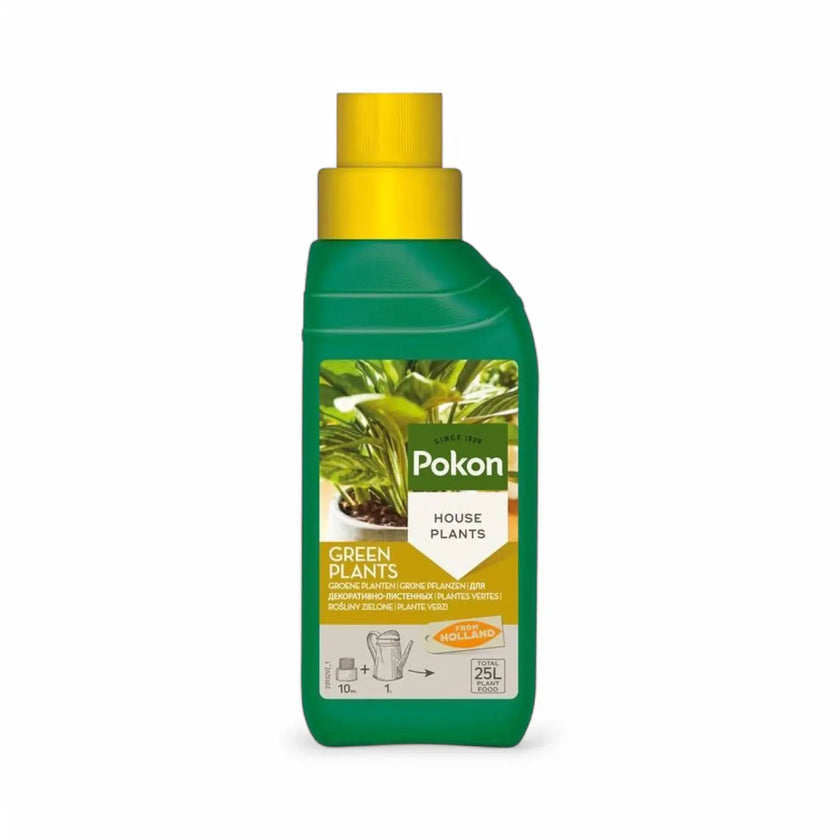
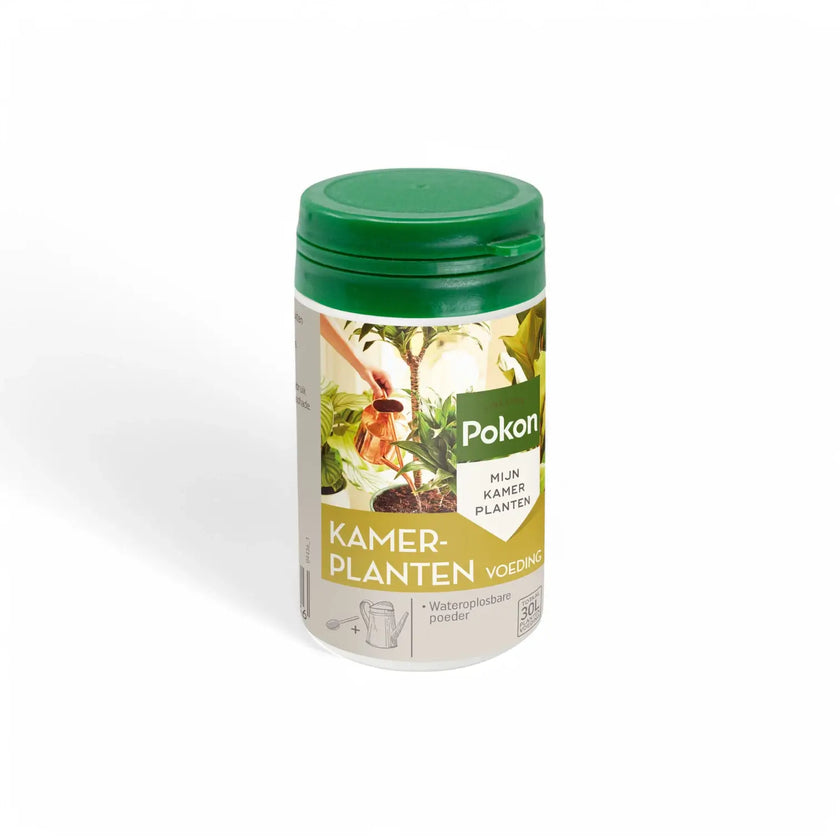
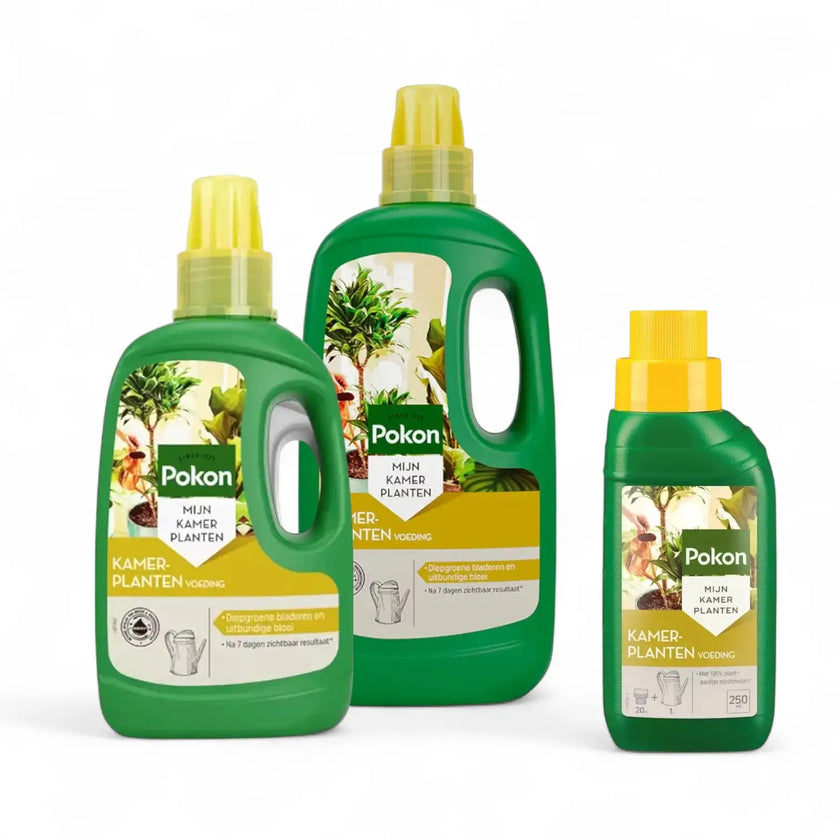
Liquid fertilizers, slow-release feeds and a smaller set of targeted additives for potted indoor plants that we use and trust.

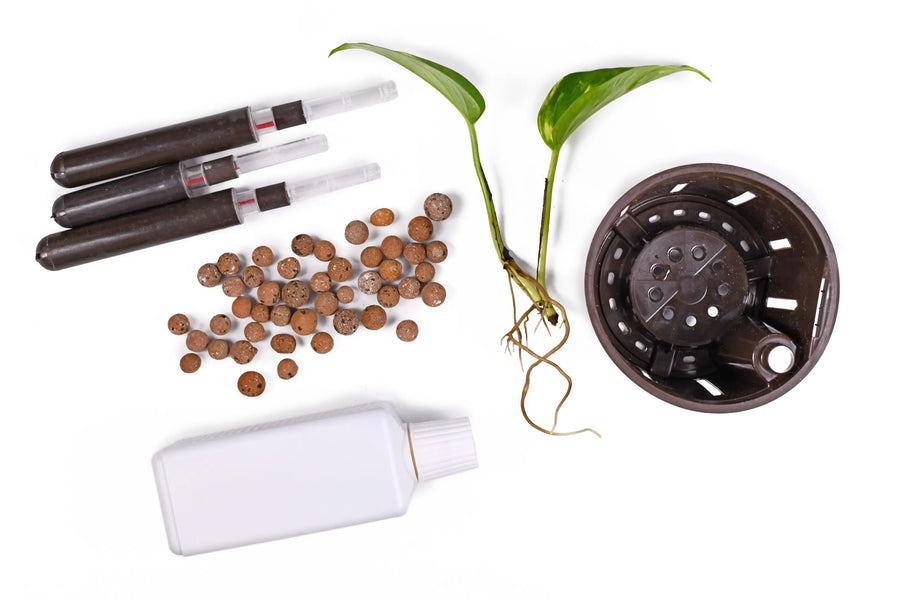
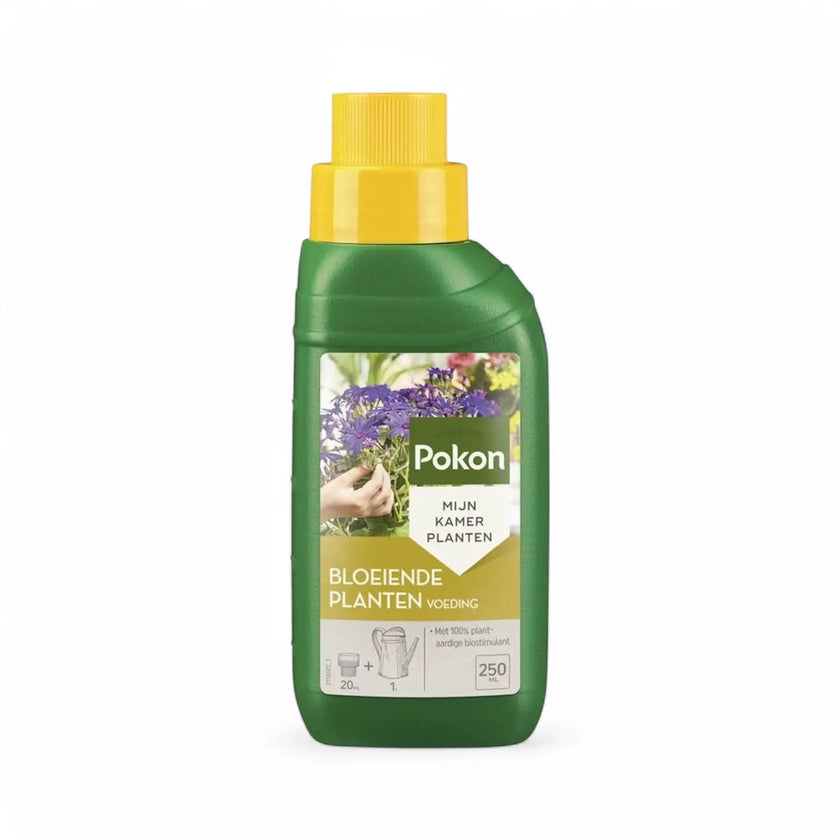
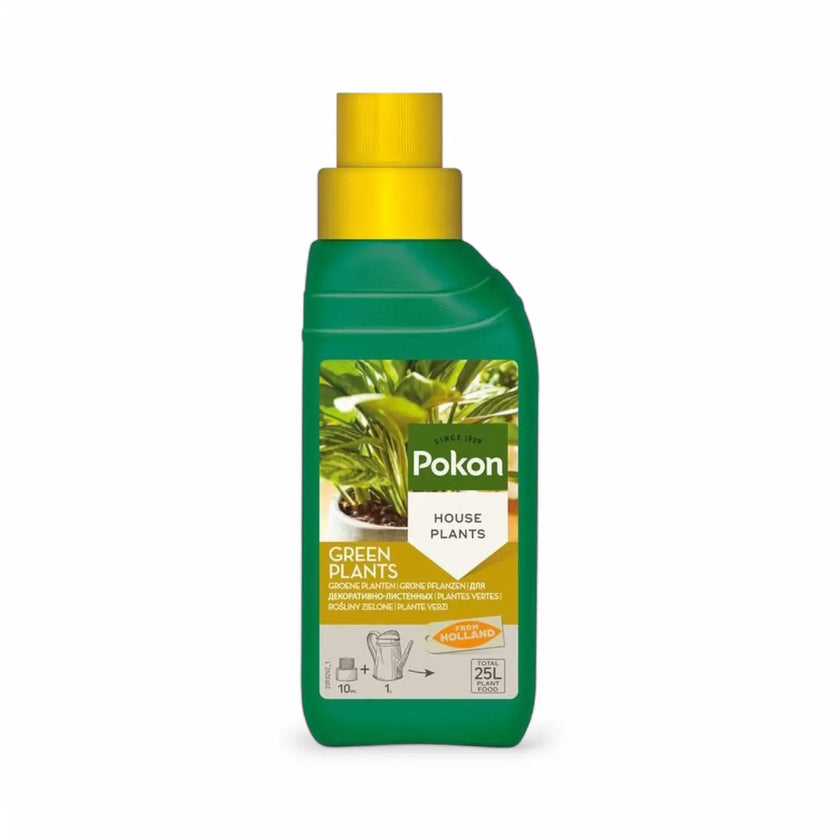
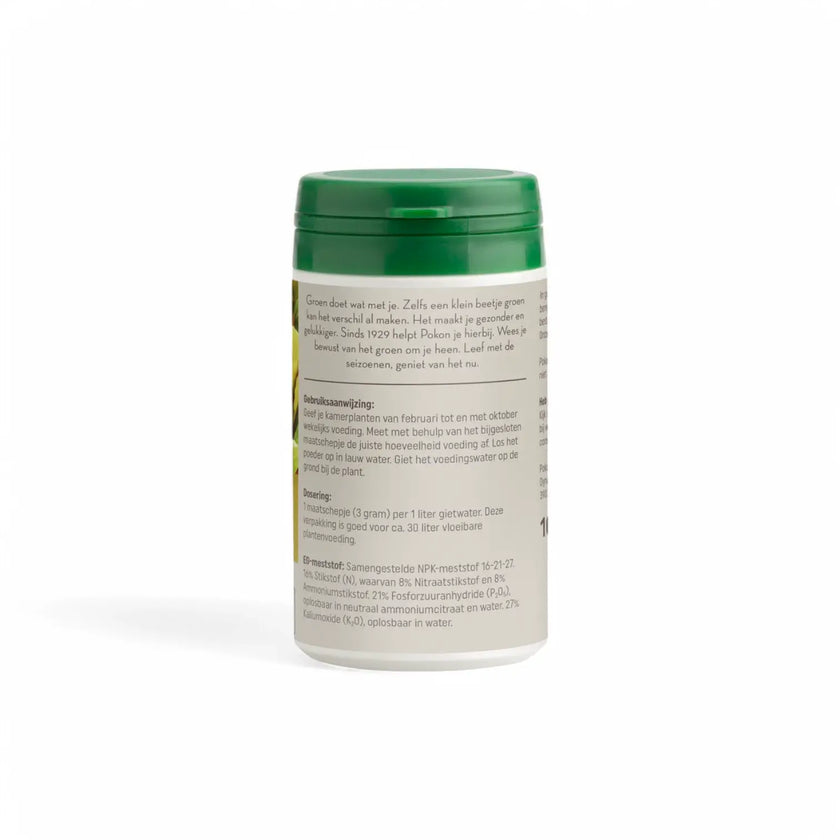
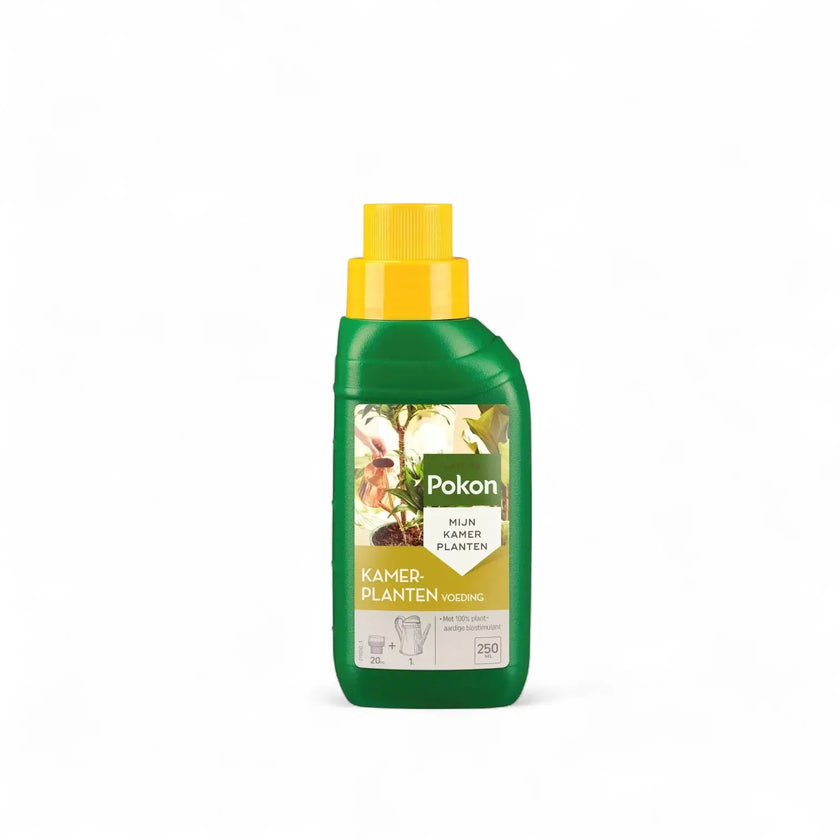
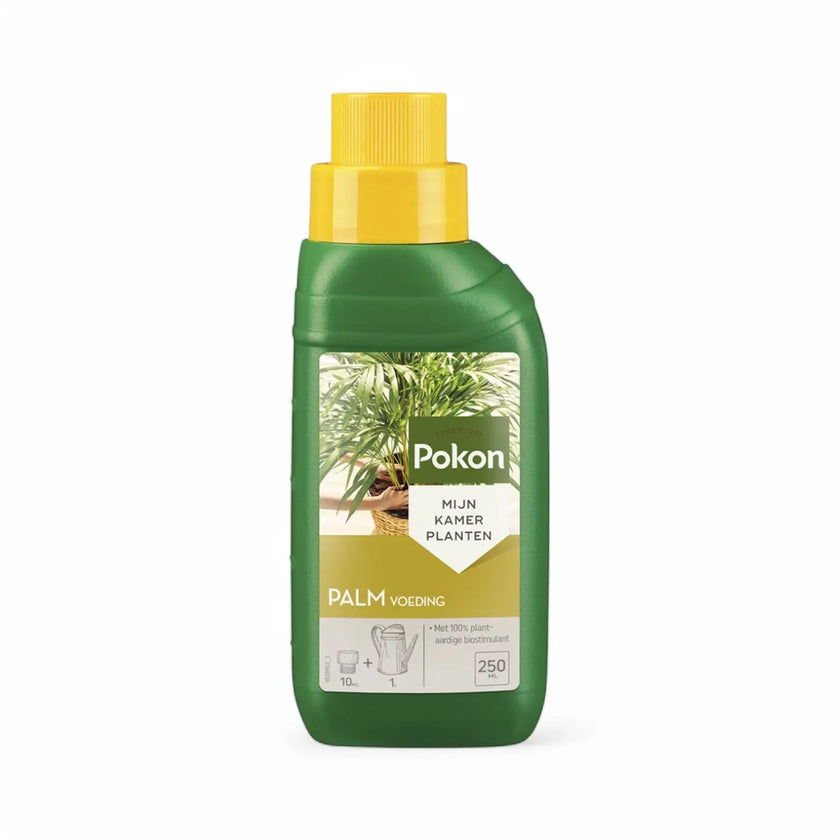
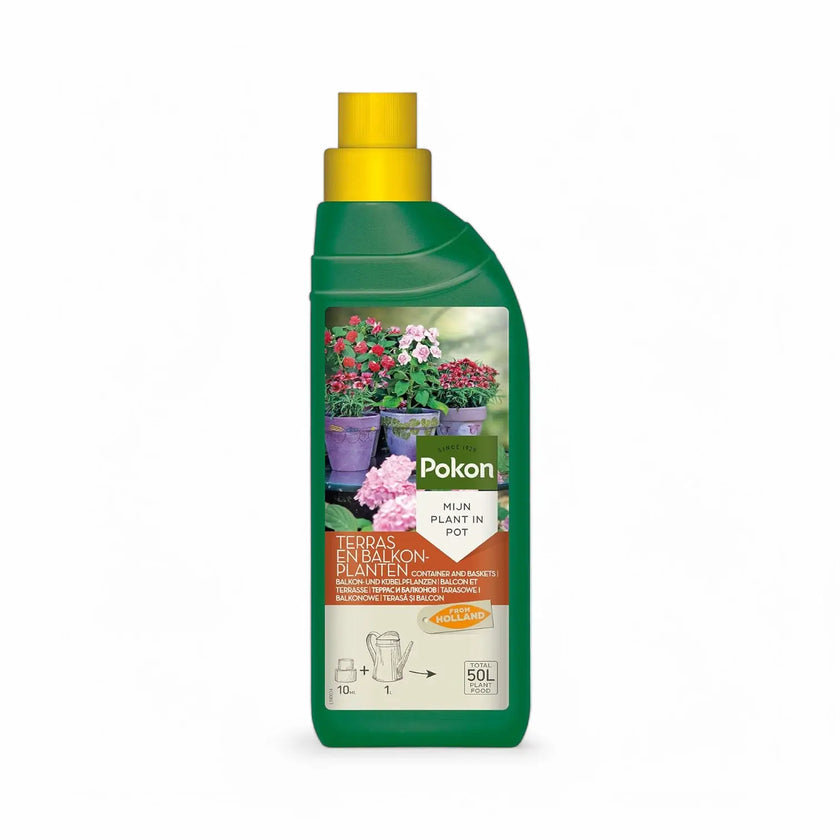
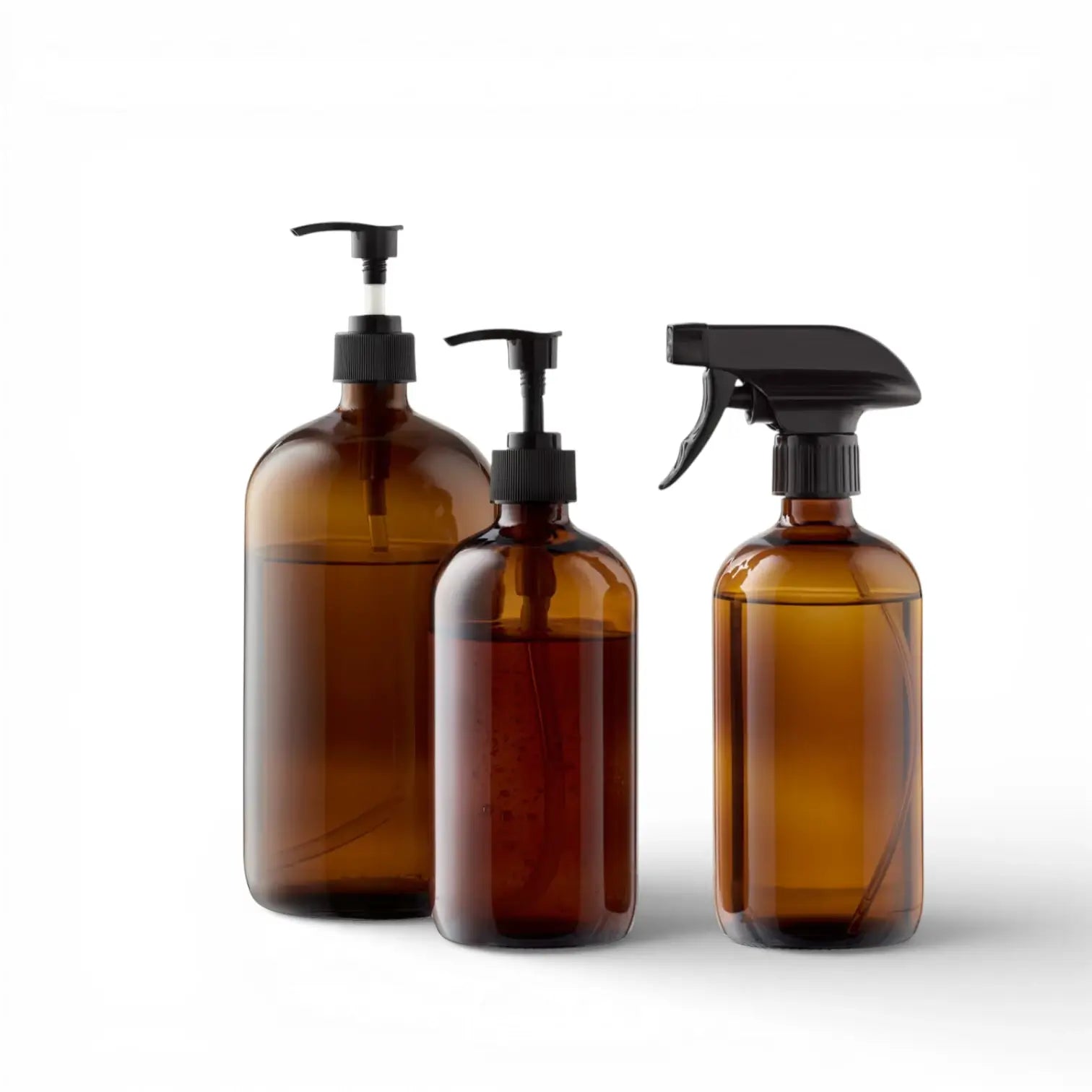
Brown fertilizer bottles on white backround

Sort by

Feeding indoor plants with fertilizers & additives

  • Purpose: fertilizers replace nutrients that wash out of pots or get locked in ageing substrates.
  • Dilution: indoors, starting at roughly 25-50 % of the label dose is usually safer than aiming for the maximum.
  • Timing: feed plants that are actively growing; pause for freshly repotted, dormant or clearly stressed plants.
  • Application: apply feeds to already moist substrate and flush with plain water from time to time.
  • Substrate match: airy mixes with a mineral fraction help roots handle regular feeding without suffocating.
  • Semi-hydro: use weaker solutions more continuously in semi-hydro or inert media instead of strong single doses.
Brown fertilizer bottles on white backround

Fertilizers & Additives: feed plants, don’t fry them

Houseplant fertilizer is a support act, not a rescue button. It helps plants that already have decent light, a suitable substrate and active growth; it does not fix poor conditions on its own.

Here you can compare liquid feeds, slow-release options and additives side by side so you can top up nutrition in a controlled way instead of guessing with every watering.

Fertilizer types in this range

  • General liquid houseplant feeds for most leafy indoor plants in active growth.
  • Leaner formulas for succulents, cacti and other arid-adapted species.
  • Slow-release products that provide a steady, low-effort nutrient background.
  • Additives and conditioners such as worm castings or root stimulators for fine-tuning, not miracle cures.

Conditions before you start feeding

  • plants receive reasonable light and are pushing new leaves or roots,
  • substrate drains properly and does not stay saturated for days,
  • roots have recovered from any recent rot, bare-rooting or heavy pruning.

If those basics are off, fix light, substrate and watering first. Adding nutrients to stressed roots usually makes problems worse, not better.

Picking a feed that holds up

  • Most foliage plants: use a balanced liquid feed, weaker than the label maximum, on a steady schedule.
  • Succulents and arid species: choose leaner products or dilute further to avoid soft, weak growth.
  • Additives: layer these only once your basic watering and feeding rhythm is consistent.

Timing, dilution and frequency are broken down in Beginner’s Guide to Fertilizing Houseplants. From this range, choose one main fertilizer that matches how your plants grow and use it lightly but regularly instead of chasing dramatic doses.

Frequently Asked Questions About Fertilizers
Worth reading: