





Carnivorous Plant Soil Mix
VAT included · plus
Quick overview of our standard shipping rates, free-shipping thresholds and typical transit times for the countries we currently serve. Remote-area surcharges for certain postcodes are added automatically at checkout where applicable.
For full details, winter shipping rules and packaging information, please visit our Shipping & Delivery page.
| Country | Shipping | Free from | Transit time |
|---|---|---|---|
| Austria | € 12.95 | € 100 | 2–4 working days |
| Belgium | € 8.95 | € 100 | 1–2 working days |
| Bulgaria | € 21.95 | € 300 | 5–7 working days |
| Croatia | € 29.95 | € 300 | 5–7 working days |
| Cyprus (²) | € 39.95 | No free shipping | 5–7 working days |
| Czechia | € 16.95 | € 150 | 2–4 working days |
| Denmark (¹) | € 16.95 | € 150 | 2–4 working days |
| Estonia | € 18.95 | € 200 | 2–4 working days |
| Finland | € 29.95 | € 300 | 5–7 working days |
| France (¹) | € 12.95 | € 100 | 2–4 working days |
| Germany | € 8.95 | € 70 | 1–2 working days |
| Greece (¹²) | € 29.95 | € 300 | 5–7 working days |
| Hungary | € 18.95 | € 200 | 2–4 working days |
| Ireland | € 14.95 | € 150 | 2–4 working days |
| Italy (¹) | € 14.95 | € 150 | 2–4 working days |
| Latvia | € 18.95 | € 200 | 5–7 working days |
| Lithuania | € 18.95 | € 200 | 2–4 working days |
| Luxembourg | € 12.95 | € 100 | 1–2 working days |
| Malta (²) | € 39.95 | No free shipping | 5–7 working days |
| Netherlands | € 8.95 | € 100 | 1–2 working days |
| Poland | € 12.95 | € 100 | 2–4 working days |
| Portugal (¹) | € 14.95 | € 150 | 2–4 working days |
| Romania | € 21.95 | € 300 | 5–7 working days |
| Slovakia | € 18.95 | € 200 | 5–7 working days |
| Slovenia | € 18.95 | € 200 | 5–7 working days |
| Spain (¹) | € 14.95 | € 125 | 2–4 working days |
| Sweden | € 18.95 | € 200 | 2–4 working days |
| Switzerland | € 29.95 | € 300 | 5–7 working days |
Notes
- ¹ Island / remote-area surcharge: added automatically at checkout for affected postcodes, including Sicily, Sardinia, Corsica, Faroe Islands, Azores, Madeira, Balearic Islands, and selected Greek island postcodes. Canary Islands: we currently do not ship there.
- ² Cyprus, Greece & Malta: delivery is possible, but courier reliability can vary; arrival times and plant condition cannot be guaranteed. Our 28-day guarantee does not apply to plants shipped to these destinations due to unpredictable transit times.
Secure shipping – carefully packed orders with safe delivery across the EU, UK and Switzerland.
28-day plant guarantee – if a plant arrives damaged or fails soon after delivery, we help you make it right.
Free returns – simple, cost-free returns according to our policy.
For full details, please see:
- Care basics – Main hub with links to all houseplant care guides.
- After delivery & first week – Unpacking, first placement, and early recovery.
- Light – How much light houseplants really need indoors.
- Watering – When to water and how to avoid root rot.
- Substrates & roots – Potting mixes and drainage for strong root systems.
- Humidity – When humidity matters and what actually helps.
- Fertilizing – Simple feeding routine without burning roots.
- Problems & pests – Yellow leaves, brown tips, bugs, and fixes that work.
- Semi-hydro – How to run low-maintenance mineral substrates.
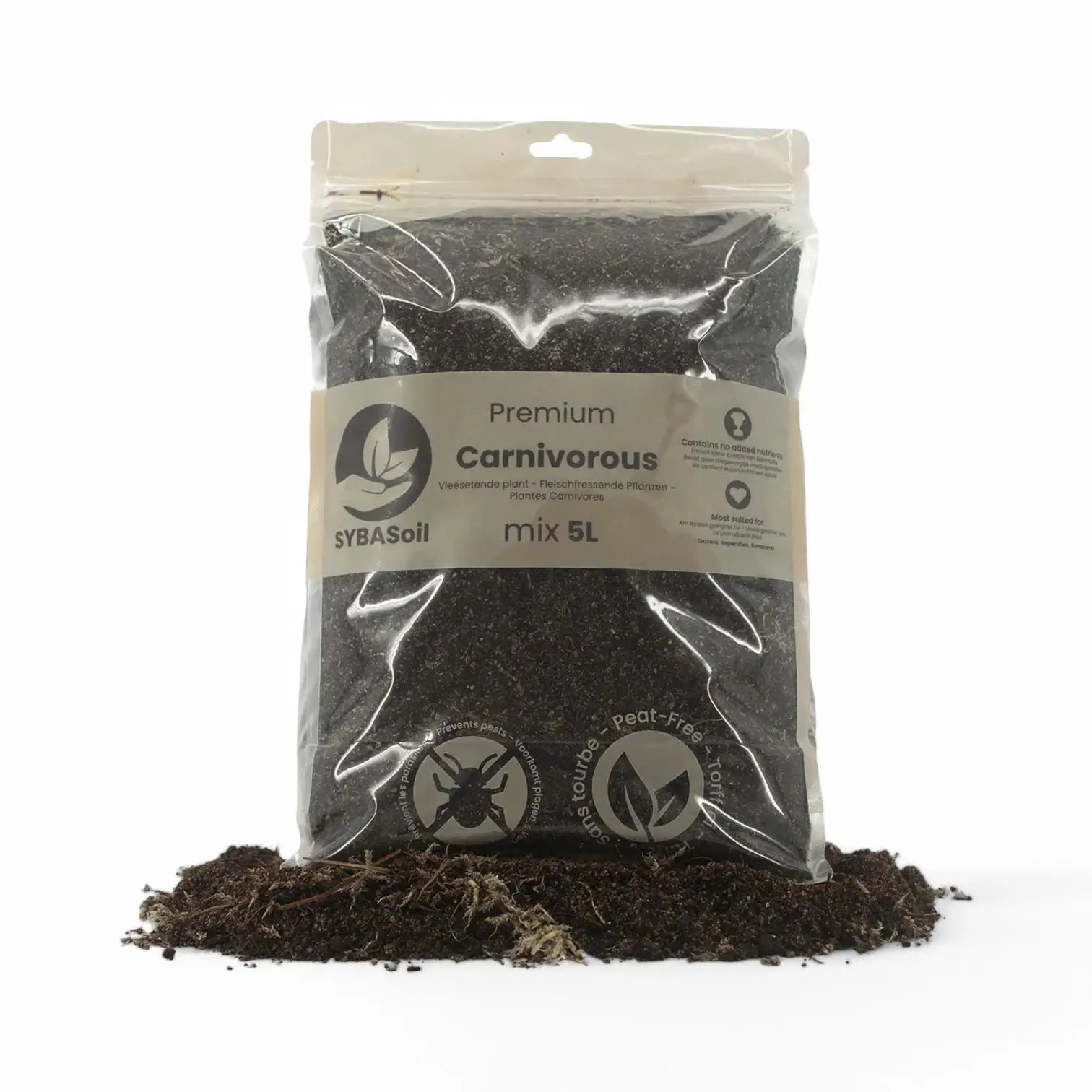
Carnivorous Plant Soil Mix – Low-nutrient, moisture-retentive soil for carnivorous plants
Carnivorous Plant Soil Mix is a nutrient-free, moisture-retaining and well-aerated substrate for Venus flytraps, pitcher plants, sundews and other carnivorous species. These plants are adapted to nutrient-poor, wet habitats, so the mix focuses on hydration, acidity and drainage while avoiding added fertilisers.
Why this mix suits carnivorous plants
- No added fertiliser: avoids overfeeding roots and traps that evolved for nutrient-poor soils.
- Moisture-retentive but not stagnant: holds water well yet still allows excess to drain away.
- Built for low minerals: helps prevent the salt build-up that easily damages carnivorous roots.
- Stable structure: stays usable for several seasons under indoor and greenhouse conditions.
Habitat-inspired structure
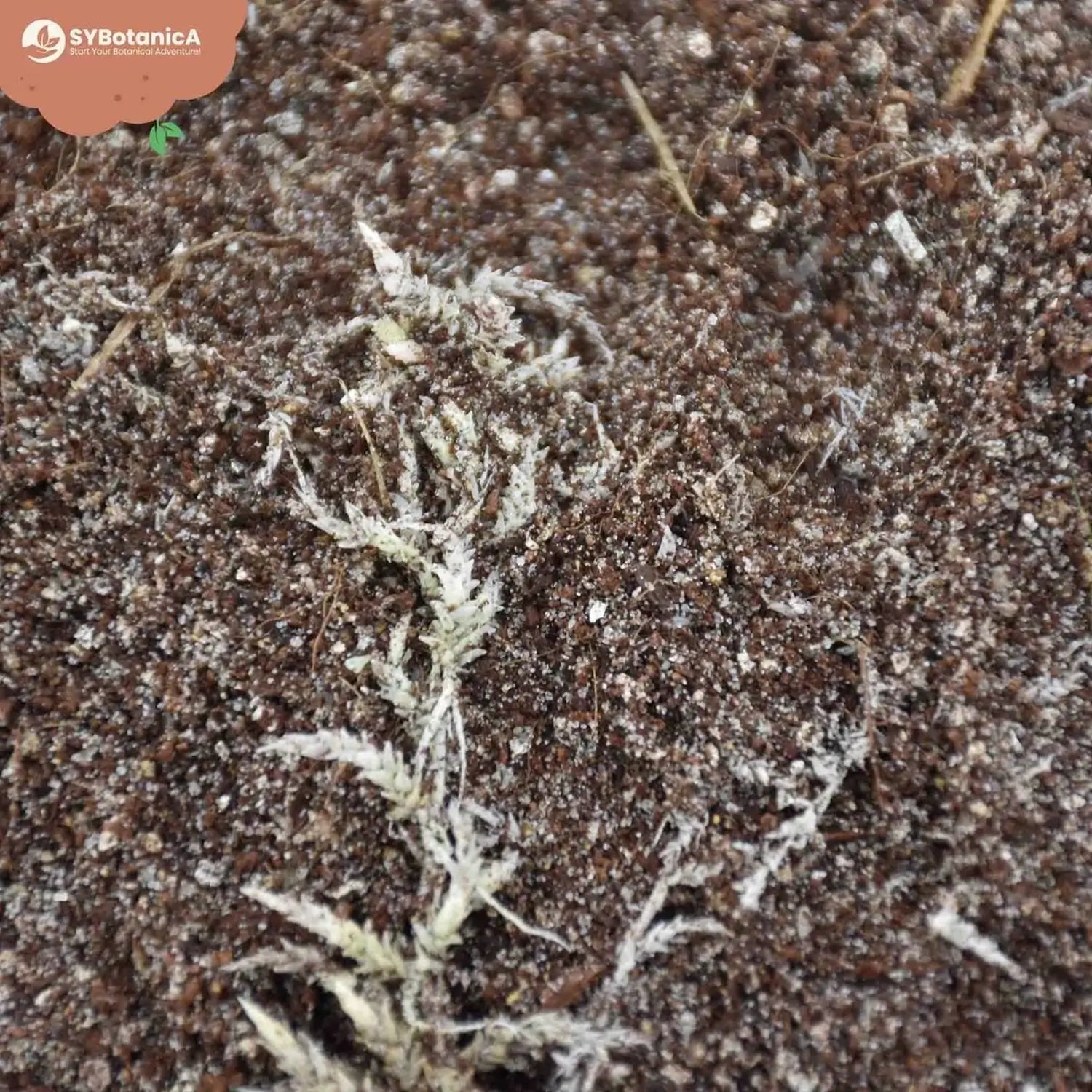
In nature, many carnivorous plants live in bogs and swamps with constantly wet, oxygen-poor soils that contain very little available nutrition. Carnivorous Plant Soil Mix uses a combination of sphagnum-based components, mineral additives and activated carbon to recreate the low-nutrient, high-moisture environment these plants expect in cultivation.
Water behaviour in Carnivorous Plant Soil Mix
Keep the substrate consistently damp. Most carnivorous plants do best when the pot stands in a shallow tray of water that is topped up regularly. Always use rainwater, distilled or reverse-osmosis water – tap water minerals can accumulate and cause long-term damage.
Which plants are a good match
This mix is suited to many popular carnivorous genera, including Dionaea (Venus flytrap), Drosera (sundews), Sarracenia and several small Nepenthes, depending on the species and setup. Species with very specific requirements may still need adjustments to water level, light and humidity.
For broader substrate context and repotting steps, see our substrate overview and repotting guide.
Choose options
VAT included · plus Shipping costs
Secure shipping – carefully packed orders with safe delivery across the EU, UK and Switzerland.
28-day plant guarantee – if a plant arrives damaged or fails soon after delivery, we help you make it right.
Free returns – simple, cost-free returns according to our policy.
For full details, please see:
- Care basics – Main hub with links to all houseplant care guides.
- After delivery & first week – Unpacking, first placement, and early recovery.
- Light – How much light houseplants really need indoors.
- Watering – When to water and how to avoid root rot.
- Substrates & roots – Potting mixes and drainage for strong root systems.
- Humidity – When humidity matters and what actually helps.
- Fertilizing – Simple feeding routine without burning roots.
- Problems & pests – Yellow leaves, brown tips, bugs, and fixes that work.
- Semi-hydro – How to run low-maintenance mineral substrates.

