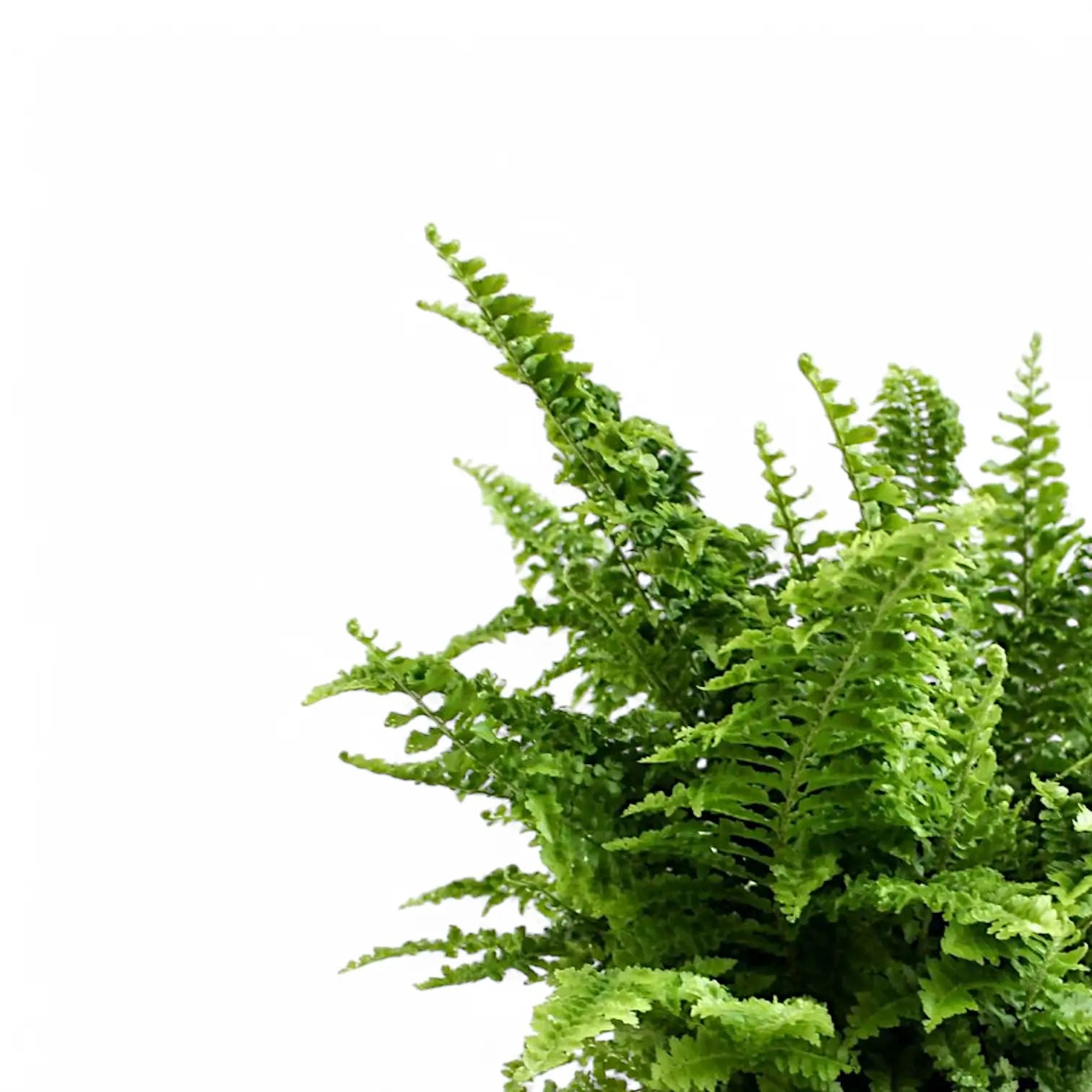
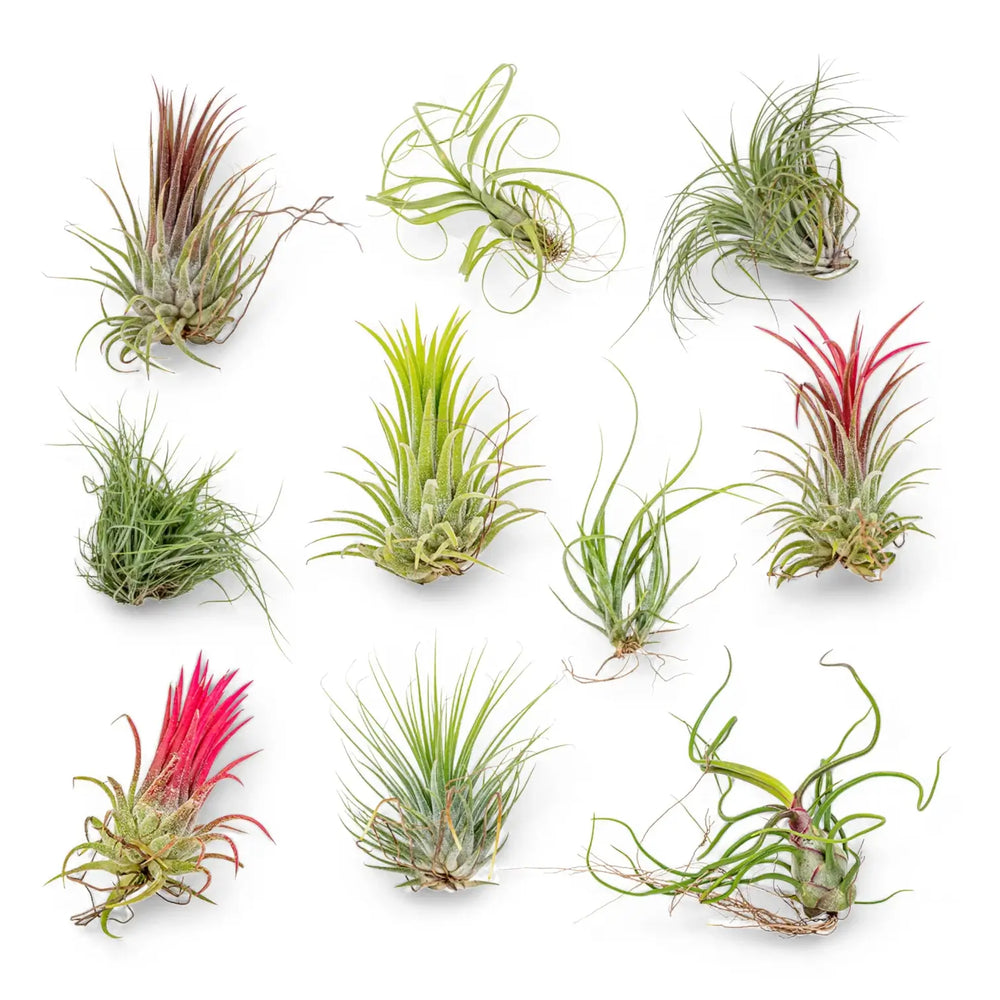
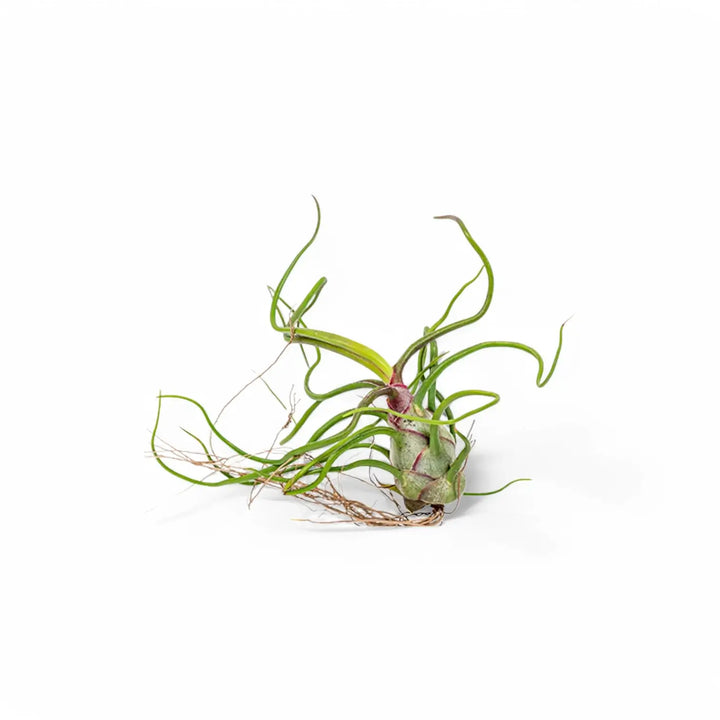
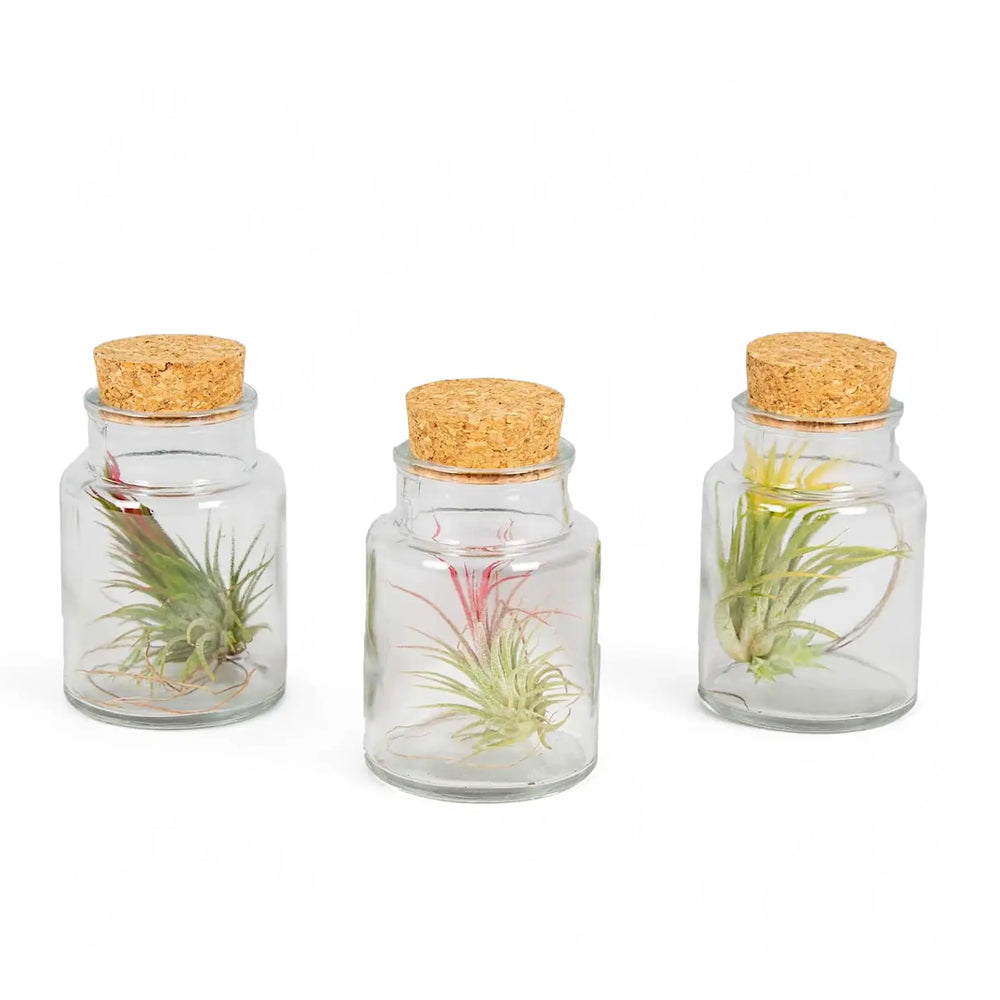
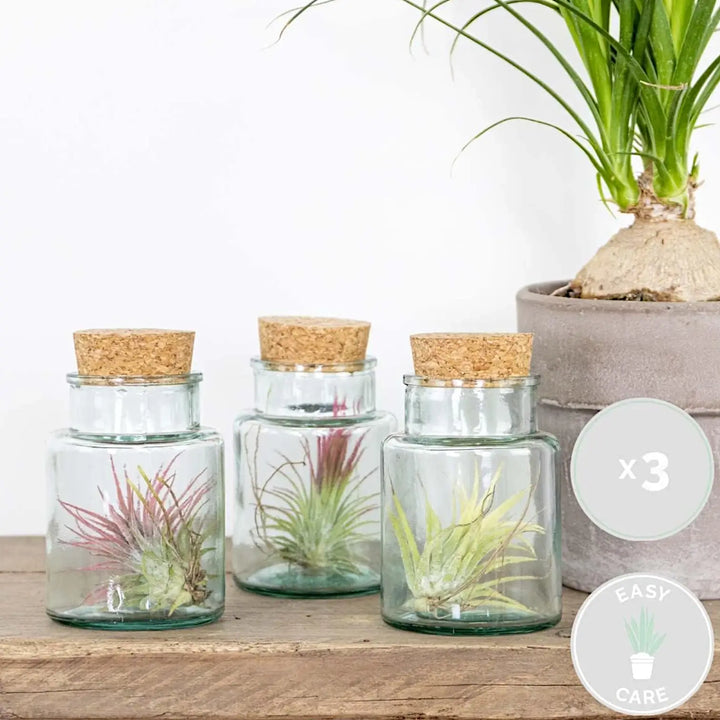
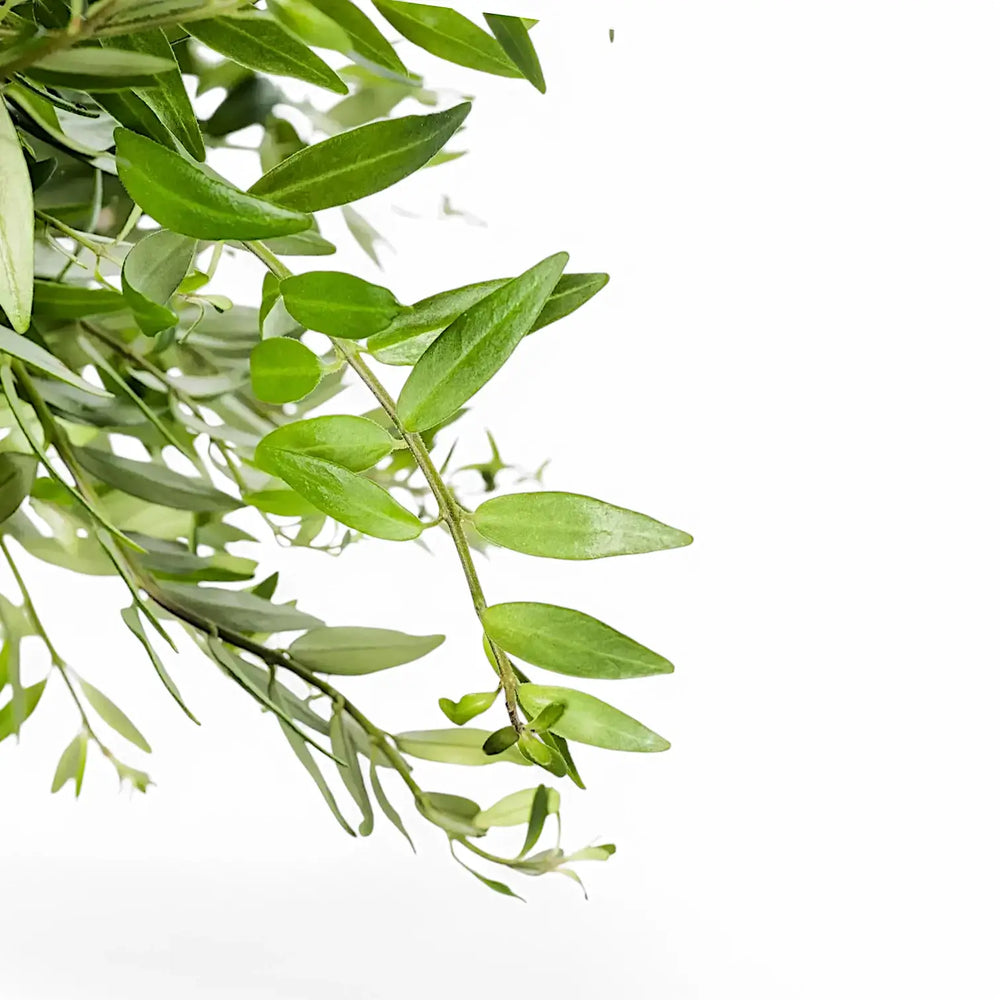
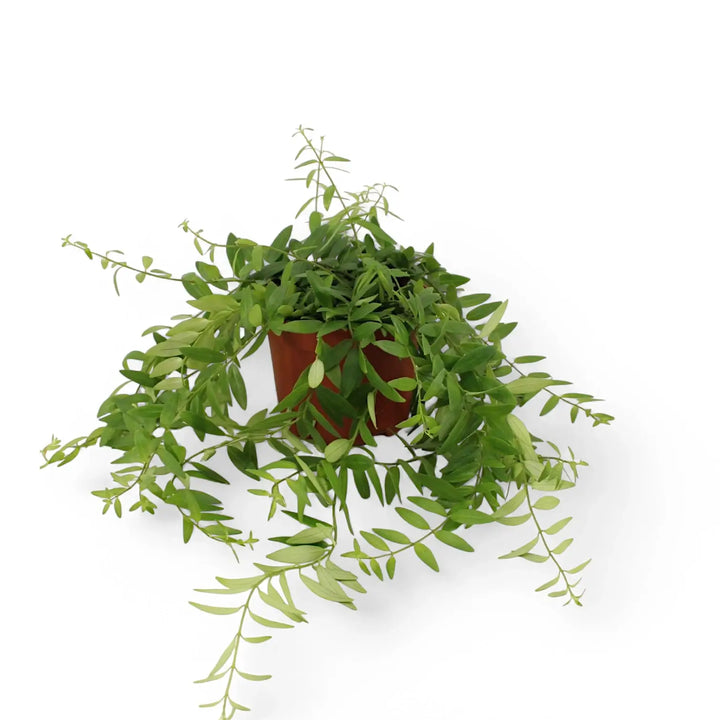
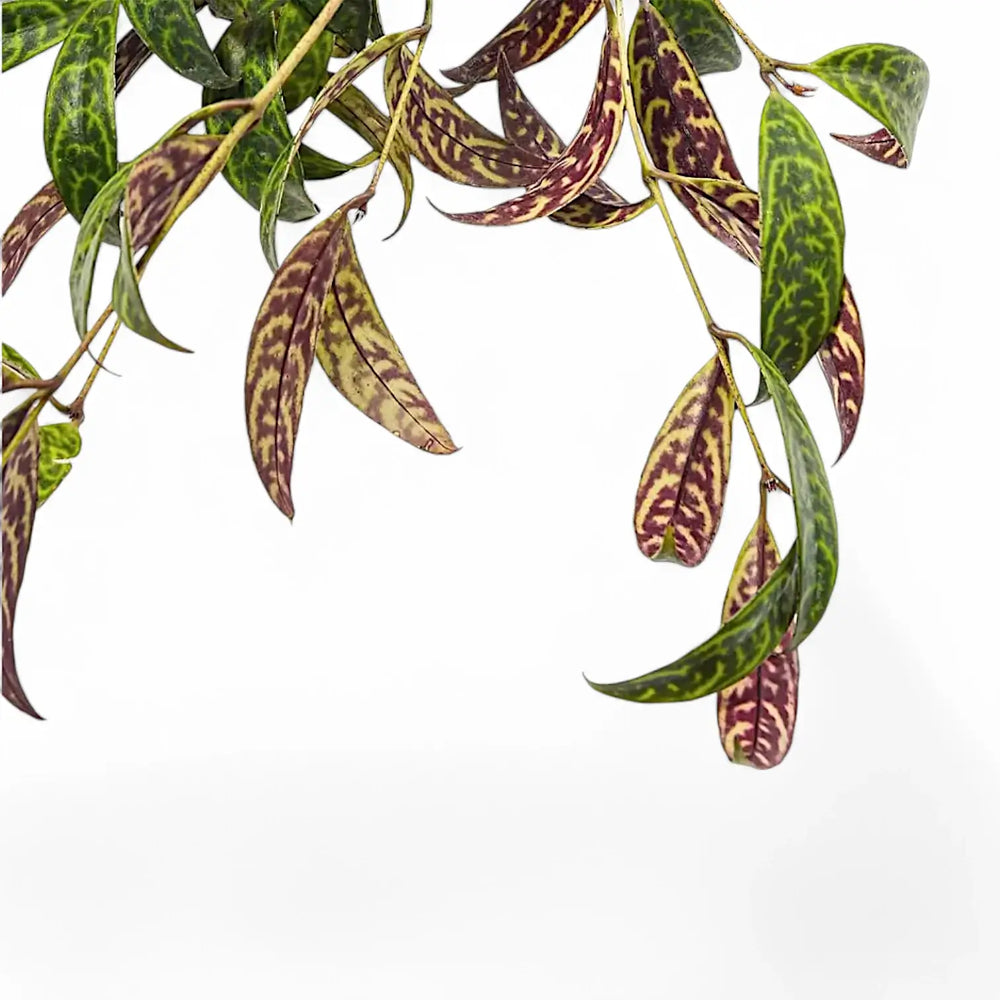
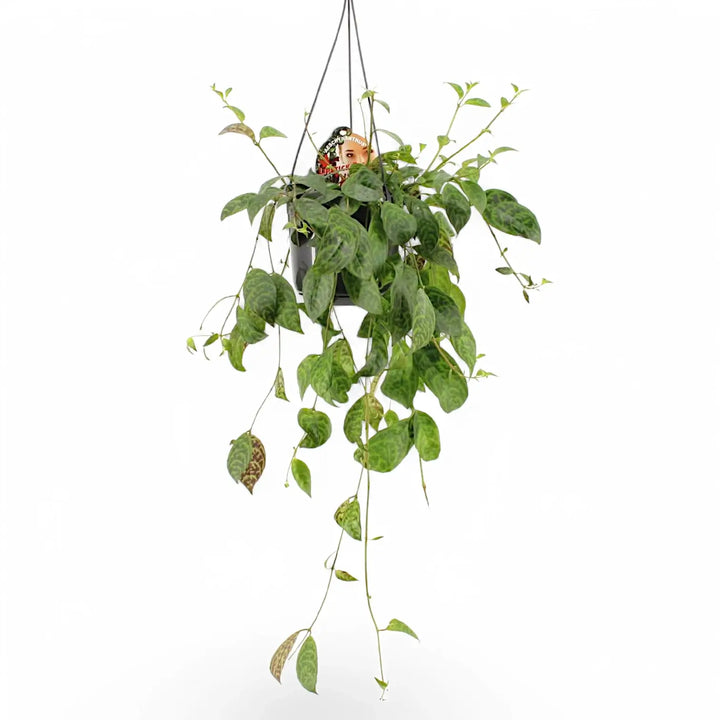
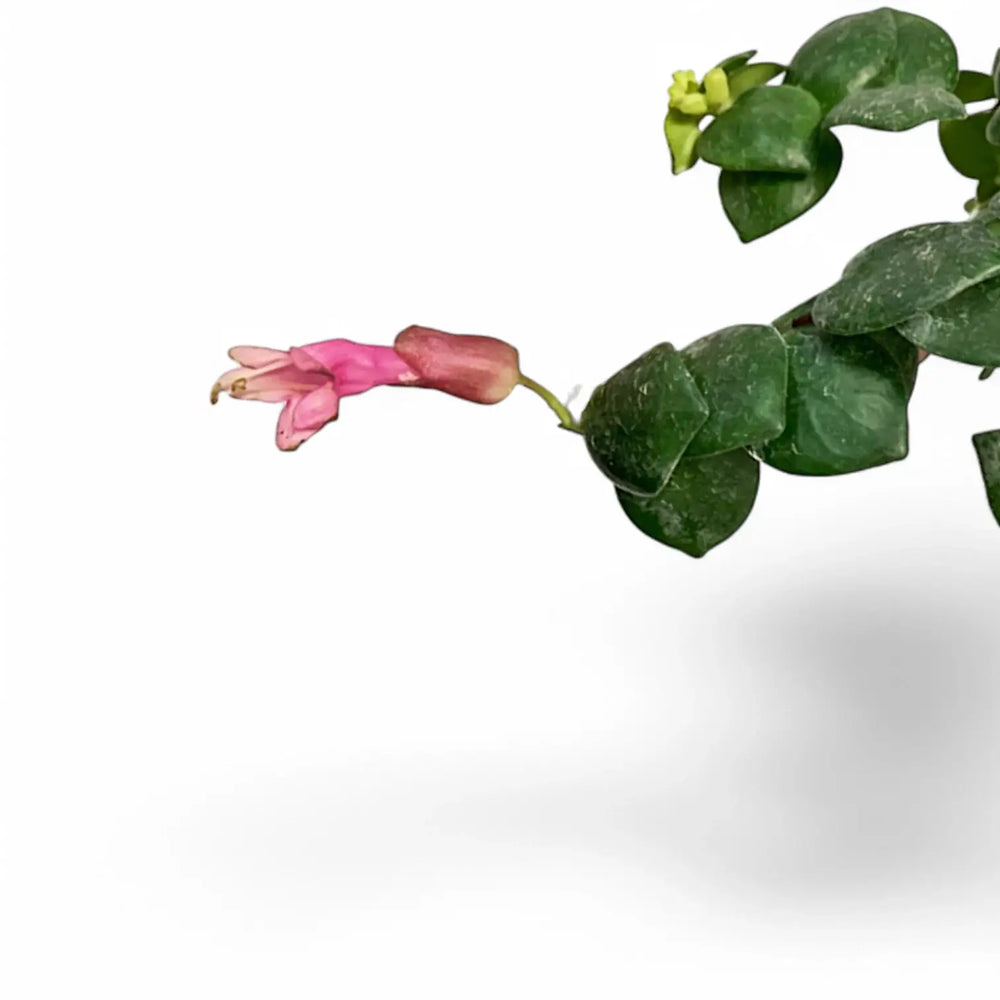
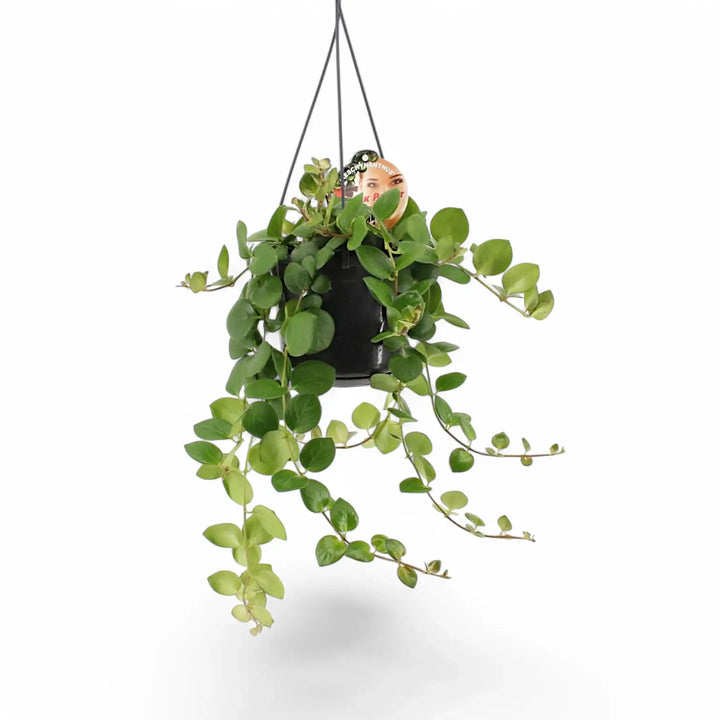
Pet-friendly Houseplants – lower-risk indoor plants for homes with animals
Pet-friendly houseplants in this category are widely described as non-toxic or lower-risk for cats and dogs under typical conditions. They are still ornamental plants, not food, and a determined animal that eats a lot of material can still end up with mild stomach upset.
The most useful way to use this filter is to start from the places your animals actually claim – sofas, low shelves, window ledges and favourite sleeping spots. Choose from Pet-friendly first for those areas, then add light, size and care filters so plants still match your windows and routines. Higher-risk species can stay in the same home, but they belong out of reach or behind doors.
This category does not replace professional veterinary advice and cannot cover every animal species or individual sensitivity. It focuses on common cats and dogs; health conditions, medications and unique reactions all change the risk picture. If an animal eats part of any plant and looks unwell, the next step is always to speak to a vet, not to rely on a category label. For detailed lists, practical tips and emergency contacts, see Houseplants Safe for Cats – Guide.
- Makes sense for: homes with free-roaming cats or dogs where plants and animals share the same rooms.
- You should still: discourage chewing, clear fallen leaves and watch new plants closely for the first days.
- Double-check: individual product descriptions plus your own trusted vet or poison hotlines for edge cases.
- Do not assume: that any plant is edible, completely risk-free or safe in unlimited amounts for every animal.
- Avoid relying on this if: you keep more sensitive species (such as certain birds or exotics) without separate guidance.
Use the Pet-friendly filter for the spots your animals actually use, then narrow by light and plant size so plants and pets can share rooms with fewer risks and fewer surprises.