Amydrium: slim aroid climbers for structured jungle setups
What Amydrium brings to an aroid collection
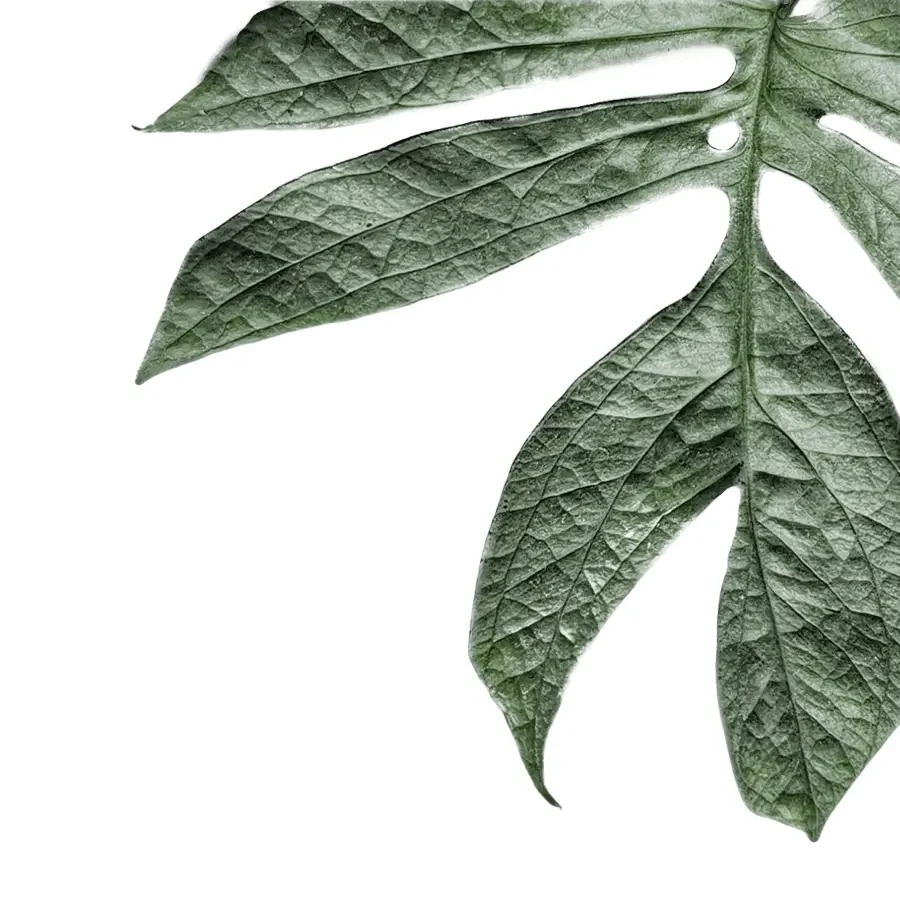
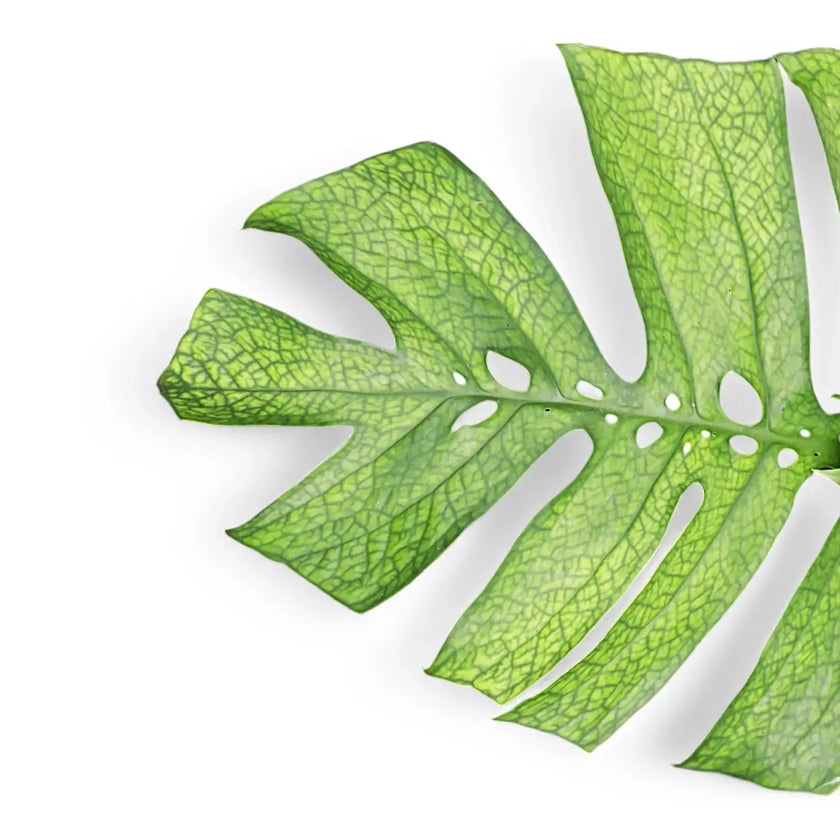
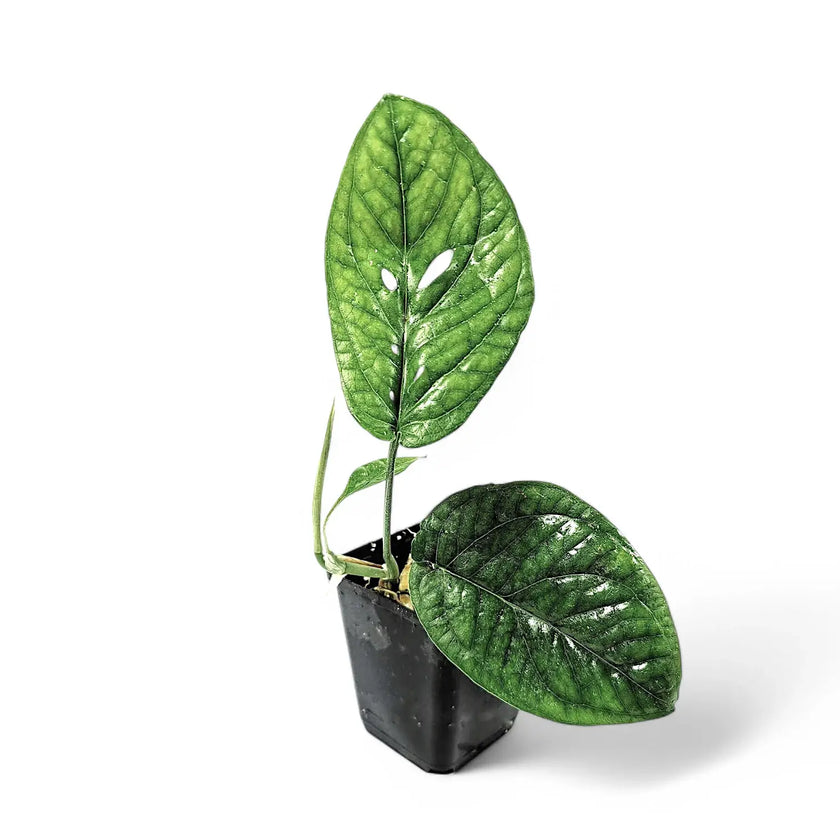
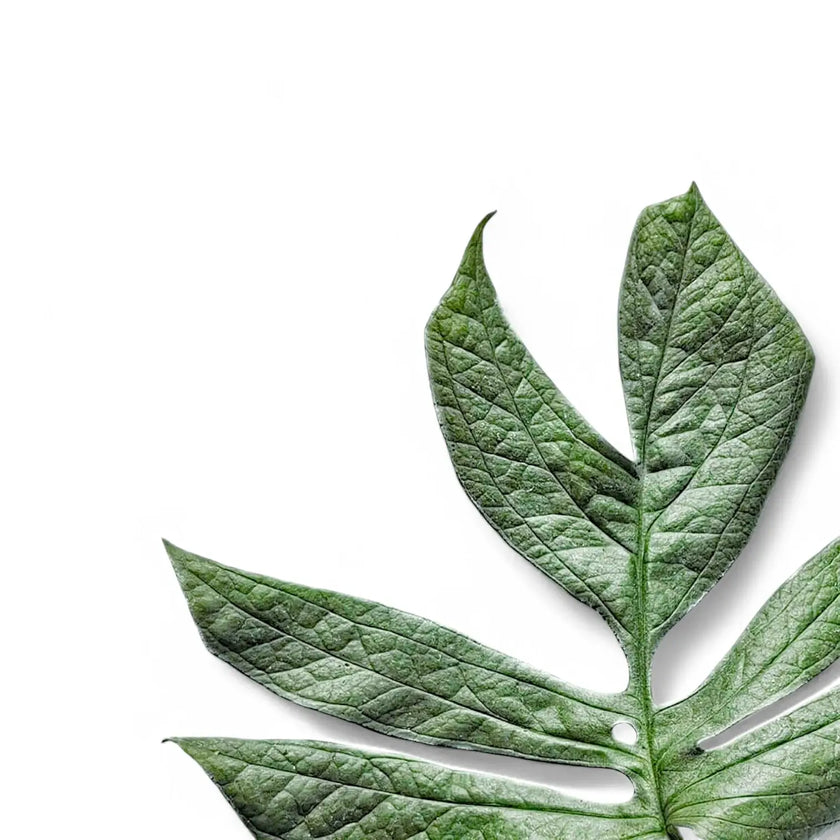
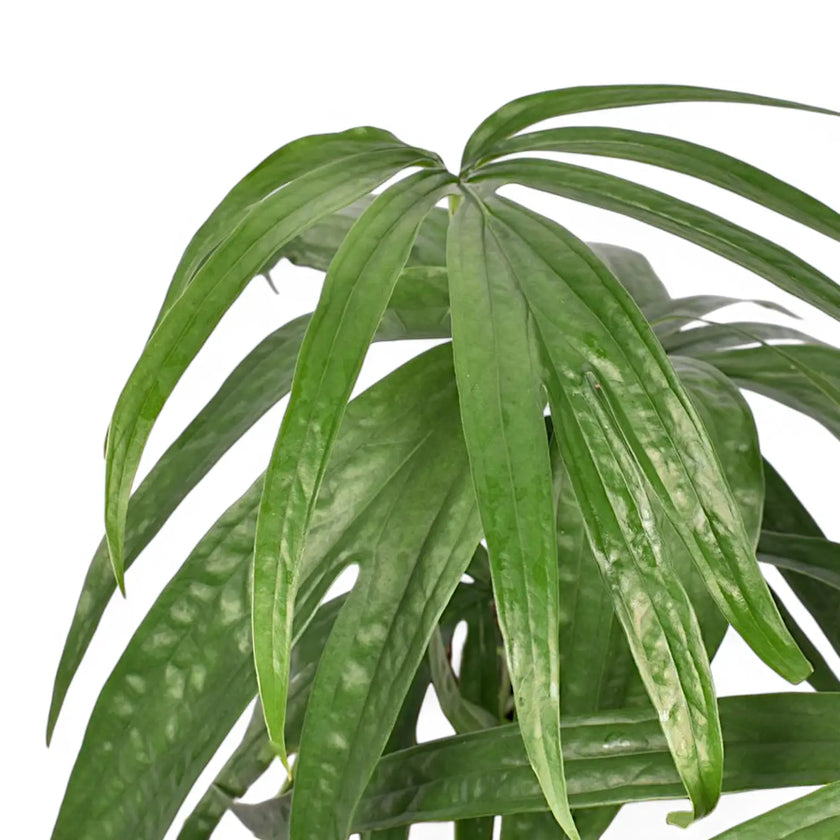
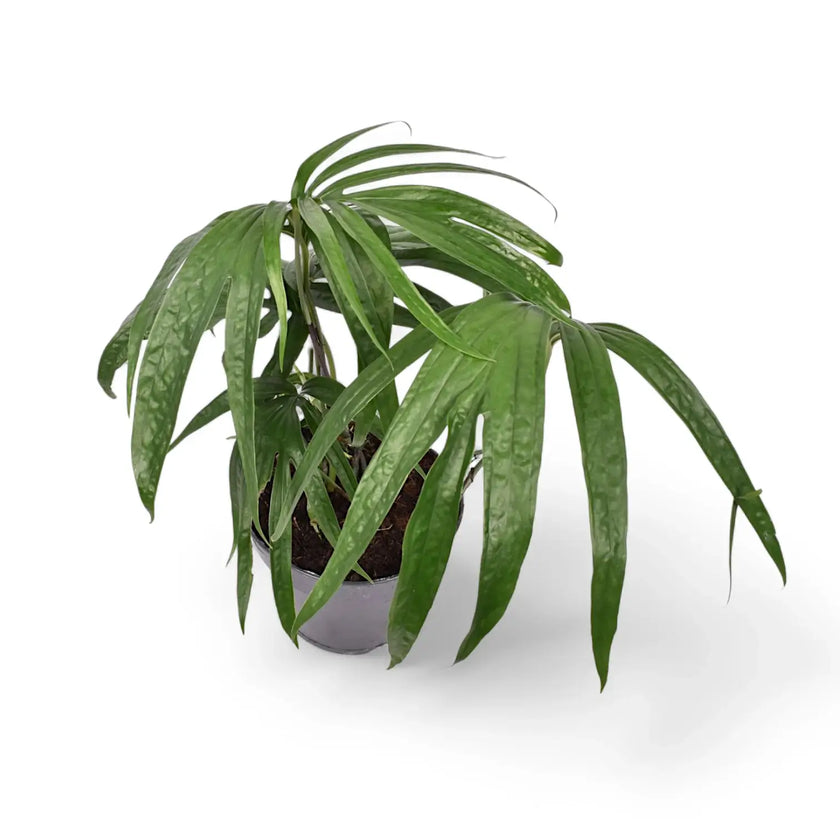
Amydrium sits between Monstera and climbing Philodendron in look and behaviour. Slender stems, elongated leaves and, in some species, perforations that develop with age give a fine, graphic line rather than huge, overwhelming leaves. For modern interiors, that “drawn with a pen” look sits especially well on shelves, in plant cabinets or running up a slim pole.
Growth is usually moderate rather than explosive. Once roots are in a breathable mix and stems have something to climb, Amydrium gives clear, readable responses to care decisions, which makes it a satisfying genus for people who like to fine-tune light and substrate and actually see the payoff.
Forest origin-how Amydrium lives in nature
Amydrium species occur in tropical forests of Southeast Asia, South China and New Guinea. Many are epiphytes or root-climbers on trunks and rocks in warm, humid air. Roots anchor in loose organic debris and moss over mineral material; water flows past quickly and light filters through moving canopies rather than hitting directly.
Indoors, that history points straight at the care recipe: steady warmth, moderate to high humidity, a genuinely airy aroid mix and strong, diffused light with vertical support to mimic those trunks and rock faces. Matching these basics goes further than any particular fertiliser brand or watering schedule on paper.
Light that brings out Amydrium’s fenestrations
Amydrium thrives in medium to bright, indirect light. Think of a place where leaves see bright open sky or bright shade for much of the day, but not a harsh midday beam through glass. Under a good window or decent LED grow lights, mid to high thousands of lux usually keep internodes short and encourage perforations on mature foliage.
In low light, stems stretch, leaves shrink and often lose their perforations, giving a more generic vine look. In very intense direct sun, especially behind glass, thin tissue around holes and along margins can bleach and crisp. Use our bright-indirect light guide if you want a more objective check on which windows actually suit Amydrium rather than guessing.
Substrate, watering and how Amydrium treats its roots
Amydrium roots need loose, well-aerated material that wets and then drains quickly. In a pot, water thoroughly once the upper few centimetres of mix are dry and the pot has clearly lightened while the lower layer is only faintly cool. Let excess run out of the drainage holes and never leave the container standing in water.
Long gaps between waterings in already warm, bright conditions lead to slightly curling leaves and slowed new growth. Constantly wet, compact mix produces yellowing older leaves, soft bases and, if ignored, rotting roots. Aim for a clear cycle: a deep soak, then a gradual dry-down that stops well before the pot is dust-dry for days.
Build the mix as you would for other climbing aroids: quality indoor substrate or aroid base cut with plenty of chunk-fine bark, perlite, pumice, coconut chips. The pot should never feel like one solid mass; when you squeeze a handful of moist mix, it should spring back, not smear. For concrete ratios and why they matter long term indoors, see our aroid substrate guide.
Temperature, humidity and airflow Amydrium likes
Indoors, Amydrium is comfortable at typical warm-room temperatures, roughly 18-26 °C. Short cooler spells are manageable for healthy plants if the mix is not waterlogged, but extended periods in the mid-teens with wet substrate push roots and lower stems towards rot. On winter sills, cold air pooling around the pot often does more damage than the room thermostat suggests.
Humidity in native habitats is high, but many Amydrium adapt to indoor air around 50-60 % if changes are gradual. New leaves open cleaner and perforations are usually stronger when air sits in that range, especially with stronger light. Sudden drops-for example when heating runs hard-often show up as fine brown rims along the edges. A small humidifier, a cabinet or simply grouping Amydrium with other plants away from hot, dry air streams all help. Gentle, constant airflow keeps crowns and nodes drier after watering without chilling them.
Growth habit, training and feeding Amydrium
Amydrium is a vining aroid with nodes that root as stems climb. Left to sprawl, vines run horizontally and leaves stay smaller. Once you give a rough pole, plank or trellis, internodes usually shorten, blades size up and the plant becomes more vertical and organised.
Tip pruning is your main shaping tool. Cutting an active stem above a node usually triggers branching below the cut, which is useful if you want a fuller pot or several vines trained together. Keep at least a couple of healthy nodes on both mother plant and cutting so each section can re-root and continue.
When Amydrium is clearly in active growth-new leaves emerging and expanding-use a balanced liquid fertiliser at reduced strength every few waterings. Always feed onto already moist mix, not into bone-dry or saturated substrate. Pale margins, salt crusts or burned tips are cues to reduce frequency or strength. For a grounded nutrient strategy, our fertiliser guide for houseplants is a good reference.
Toxicity and handling Amydrium safely
As with most aroids, Amydrium is considered toxic if chewed or ingested due to calcium oxalate crystals and other irritants. Sap can irritate mouth, throat and sometimes skin. Treat Amydrium as unsafe for pets and children that like to nibble leaves and place pots accordingly.
When cutting or repotting, avoid getting sap in eyes or on broken skin. Rinse any contact areas with water and mild soap, and consider light gloves if you already know you react to aroid sap.
What Amydrium typically does after shipping
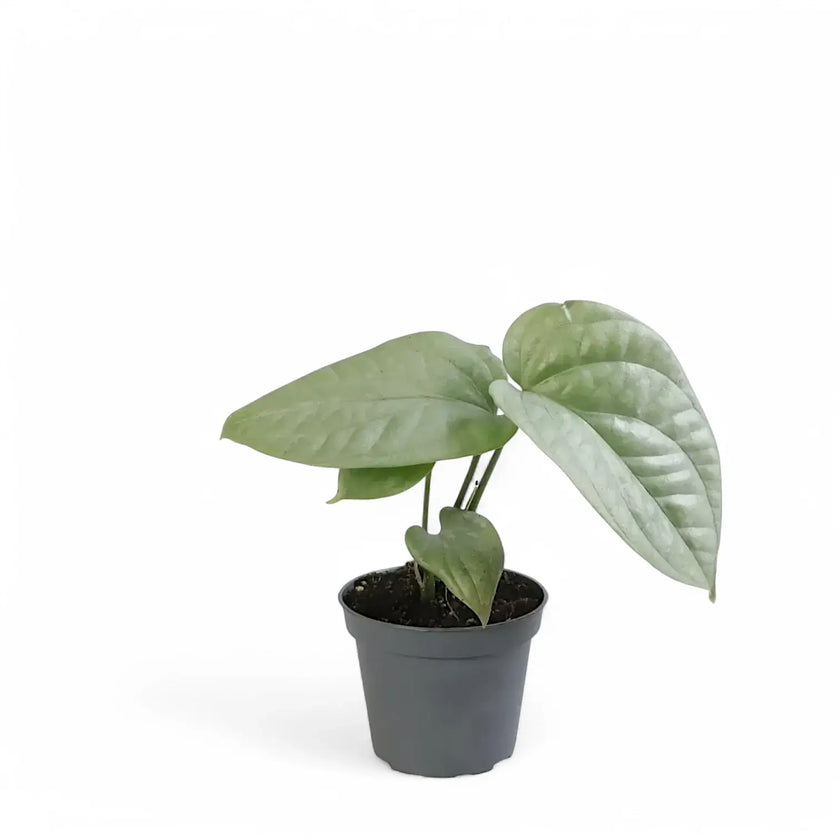
Most Amydrium arrive as relatively young plants with developing root systems and foliage still sizing up. After a few days in a box and a sharp change in light and humidity, it is normal for growth to pause and for one or two older leaves to yellow or crease.
Once unpacked, move Amydrium straight into its long-term bright, indirect spot and check the root ball. If the upper layer is still clearly moist and the pot feels heavy, wait before watering; if the substrate has dried a lot in transit, water slowly and thoroughly once, then revert to a measured on-off rhythm. Hold off on major repotting and strong feeding until you see firm new leaves. For broader context, our acclimatisation guide shows normal post-shipping phases.
Amydrium problem-solving-quick visual checks
- Pale, long stems with few or no fenestrations: light is too weak over many weeks. Move Amydrium into stronger, indirect light or extend time under grow lights, adjusting gradually.
- Lower leaves yellowing in a slow-drying, heavy mix: excess moisture and poor aeration. Check roots, remove mushy sections and repot into a looser aroid substrate while giving more drying time between waterings.
- Brown, crisp tips or narrow dry rims: often a mix of swinging between very dry and very wet substrate or sudden humidity drops. Smooth out watering and stabilise humidity instead of relying on occasional misting.
- Soft, collapsing segments near the base: local rot, usually from cold and wet conditions. Cut back to firm tissue, let the cut end dry briefly and re-establish in fresh, airy mix with cautious watering.
- New leaves misshapen or stuck in the sheath: can result from very low humidity, a dried-out growth point or pests in tight leaf bases. Rinse the crown gently, raise humidity slightly and check for thrips, mites or mealybugs.
Back to top