Syngonium – adaptable arrowhead vines for bright indoor jungles
Syngonium – arrowhead aroids with changing leaves
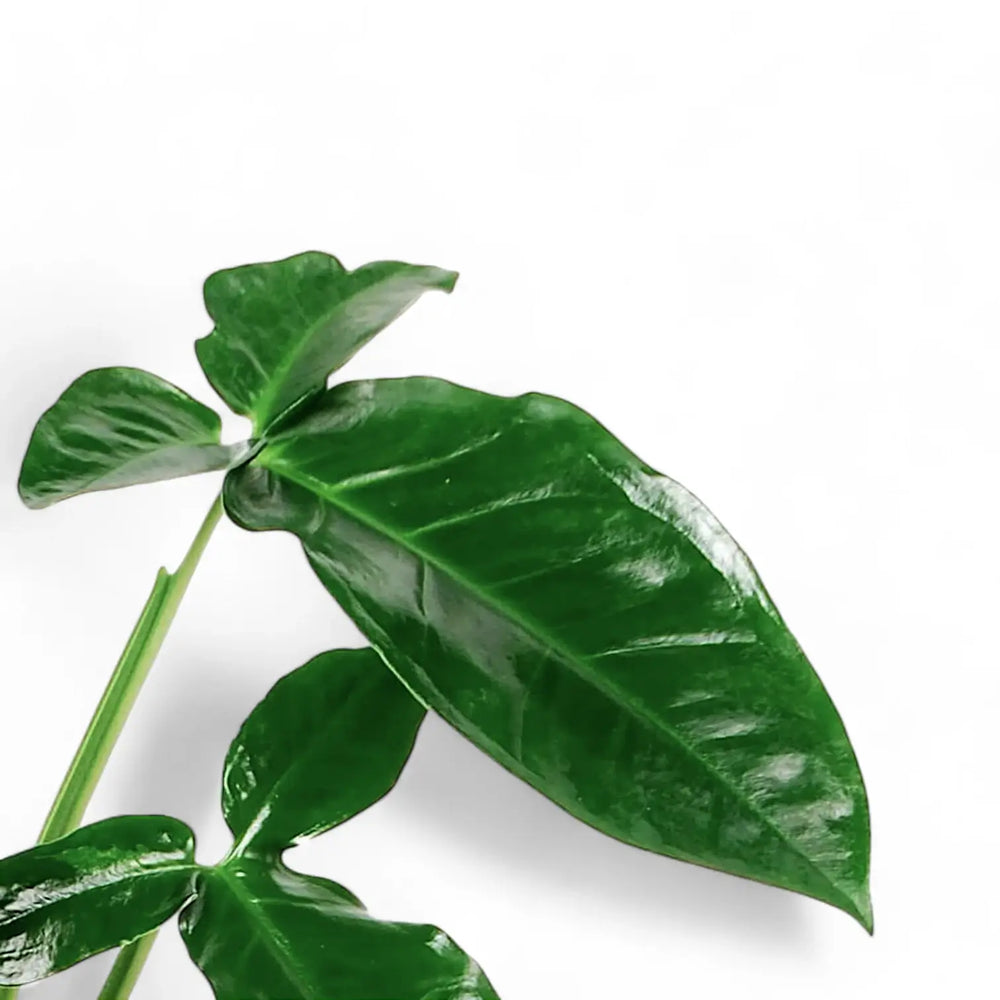
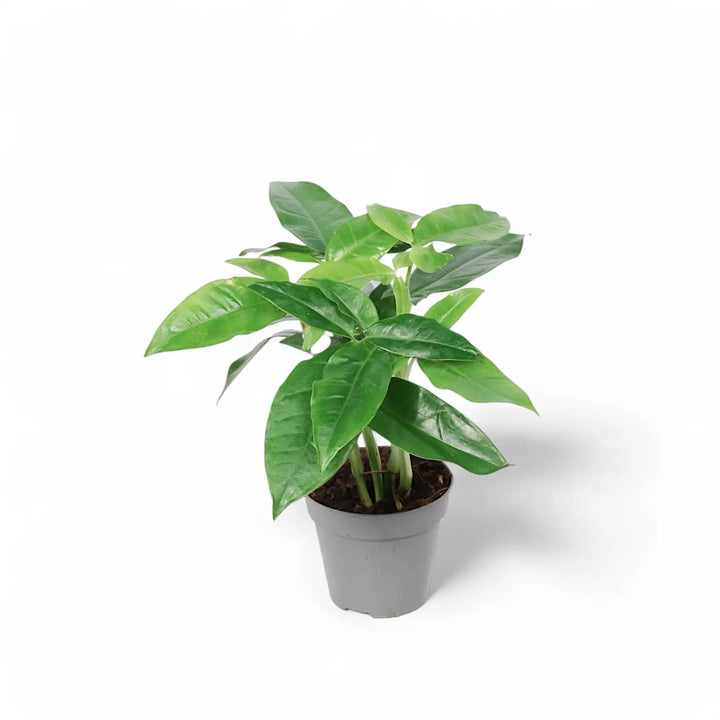
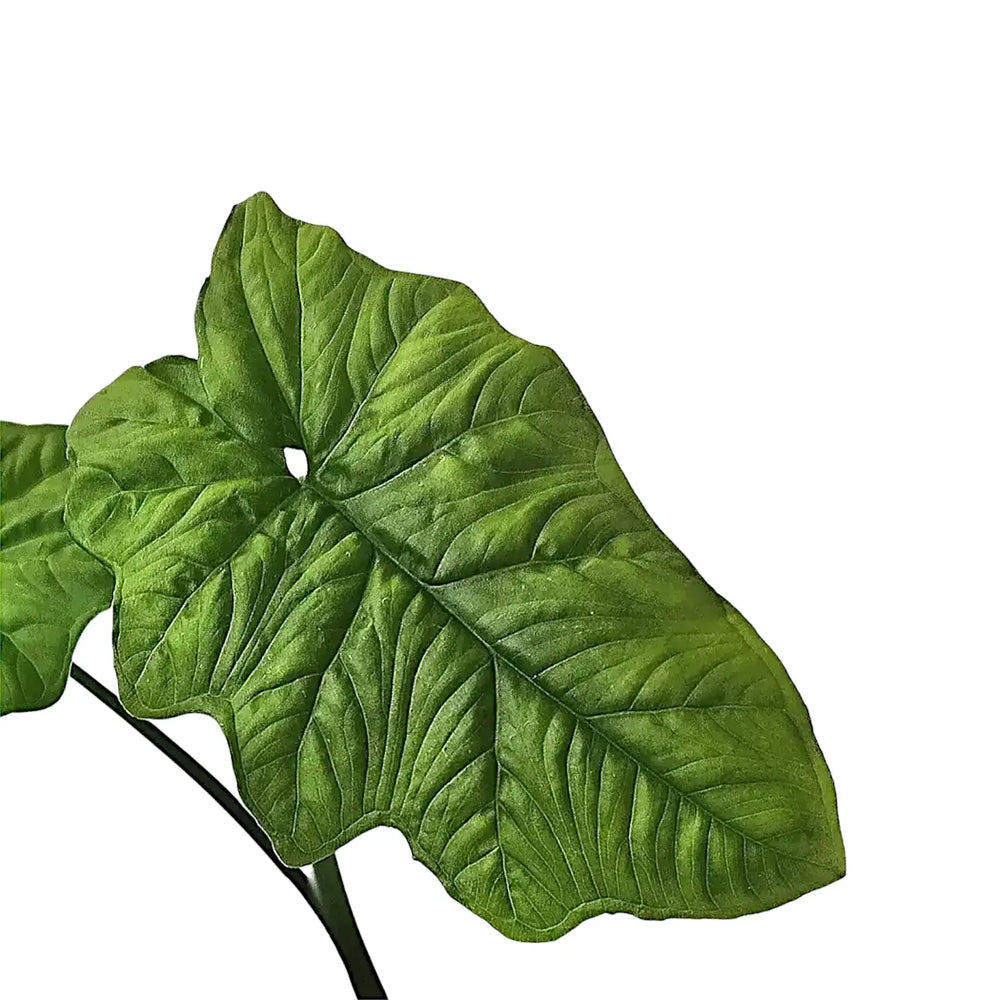
Syngonium is a neotropical aroid genus of herbaceous hemiepiphytes native to humid forests from Mexico through Central America into northern South America. In the wild, these vines creep along the forest floor in their juvenile phase, then climb tree trunks and rocks as they mature. Their leaves shift from simple arrowhead shapes to more deeply lobed or even pedate forms, giving a single plant several different looks over time.
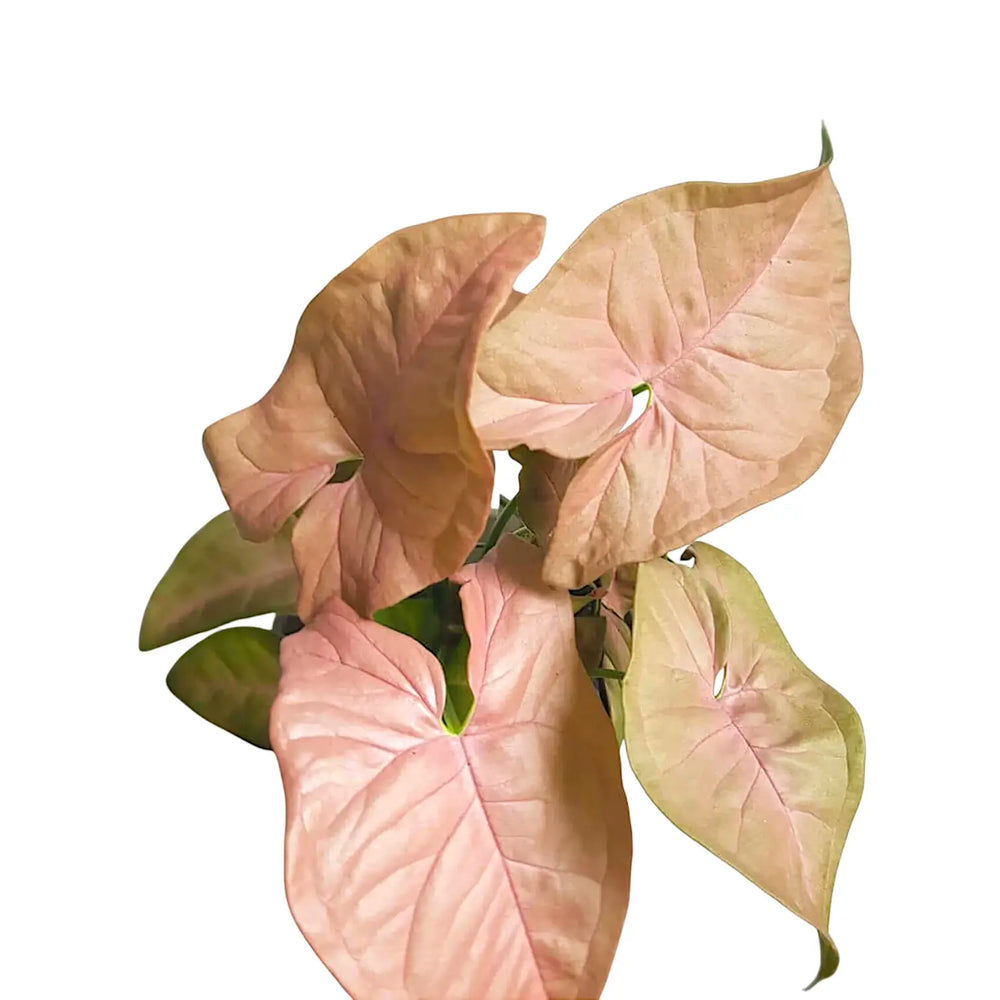
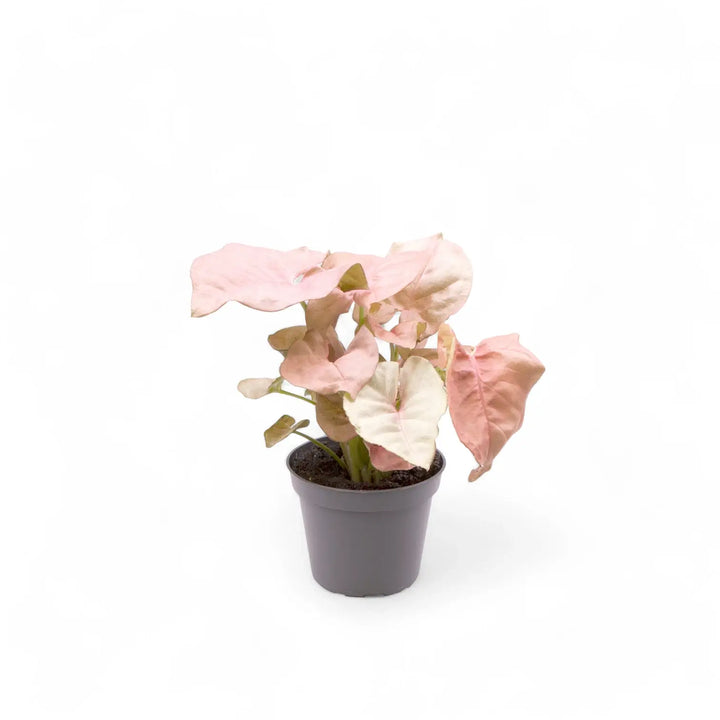
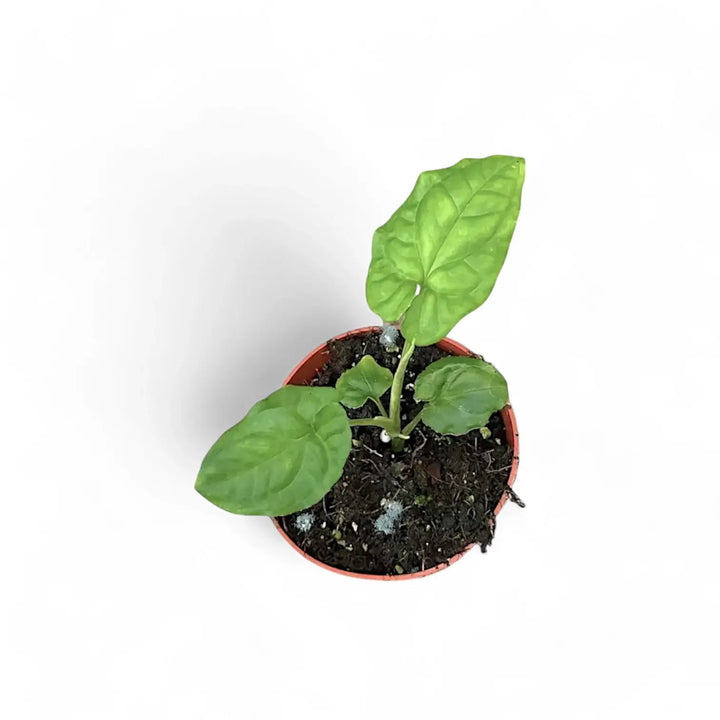
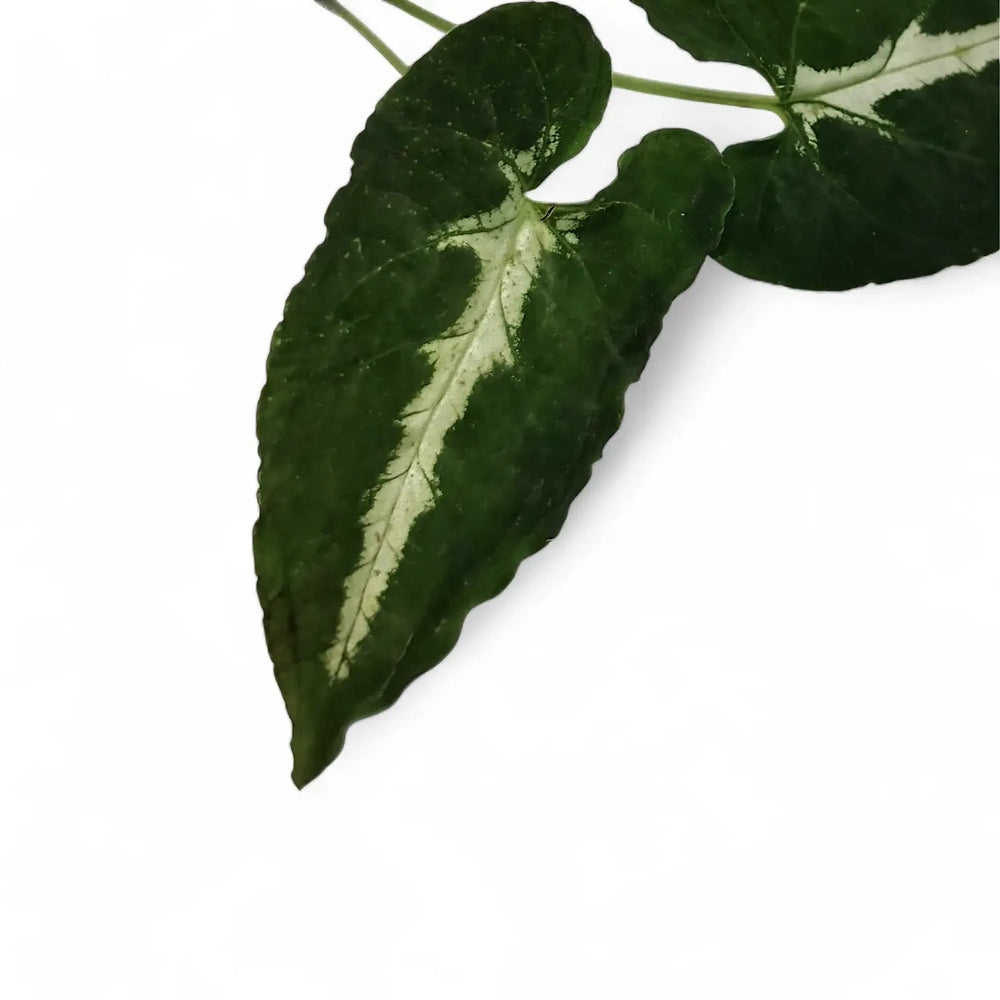
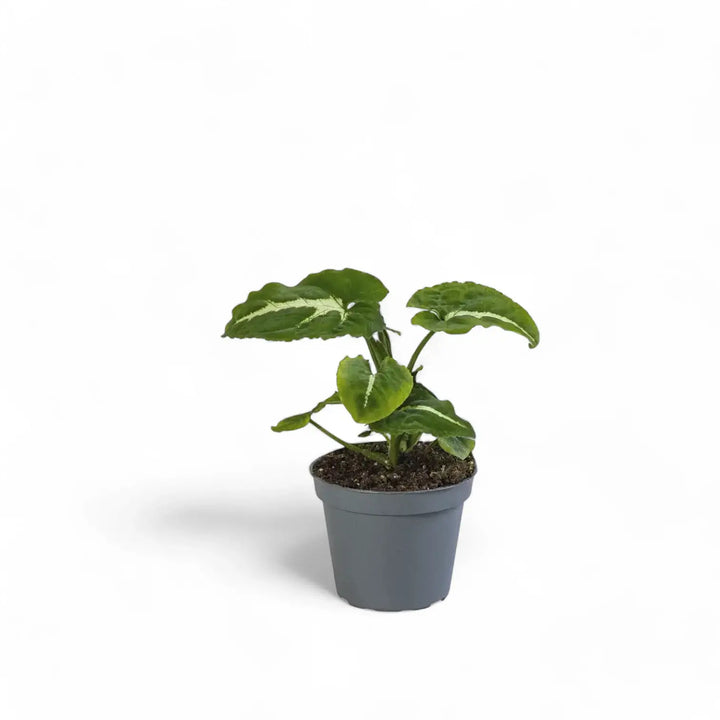
Most plants in cultivation are forms of Syngonium podophyllum and related species. They range from classic green “arrowhead vines” to cultivars washed in cream, pink, bronze or mottled variegation. Compact when young and vigorous once established, Syngonium can work as a trailing plant, a climber on a moss pole, or a low underplanting beneath taller aroids. For a broader context on where Syngonium sits among other aroids, see our aroids overview guide.
Is Syngonium a good match for your space?
- Syngonium fits well when: you have medium to bright, indirect light, a reasonably warm room and you are comfortable letting the top of the mix dry a little between waterings instead of keeping the pot constantly wet.
- More demanding if: your home is very dark or very dry, you tend to overwater, or you need a plant that stays compact without pruning – most Syngonium will eventually want to climb or trail.
- Before you choose Syngonium: think about the growth style and leaf type you want. Juvenile, arrowhead forms suit shelves and mixed planters; larger, lobed or highly variegated cultivars benefit from a support and a bit more space to show off their foliage. For colour-heavy forms, our coloured-variegation guide and variegation explainer give realistic expectations.
Syngonium in the wild – neotropical hemiepiphytes
In their native forests, Syngonium species grow as hemiepiphytes and climbers in warm, humid conditions. Seeds germinate in leaf litter on the forest floor or in debris caught on branches. Young plants creep or scramble until they find a suitable support, then climb towards brighter levels of the canopy. Along the way they produce adventitious roots at their nodes, anchoring into bark, moss and leaf litter.
This lifestyle explains a lot of their preferences indoors: they are adapted to broken forest light, evenly moist but well-aerated organic substrates, and high ambient humidity with moving air. Cold, compacted, stagnant soil or harsh, direct sun are the conditions they are least prepared to handle.
Syngonium light & placement – bright forest shade, not full sun
Syngonium are happiest in medium to bright, indirect light. A spot near an east-facing window, a little back from a brighter south or west window, or in a bright room with light filtered through other plants or sheer curtains usually works well. In this range, internodes stay short, leaves size up and the foliage colour and pattern stay crisp without bleaching. For benchmarks and window-by-window examples, see our bright-indirect light guide and window-orientations guide.
In genuinely low light, vines stretch towards the window, leaves stay small and growth slows. Prolonged direct midday sun, especially through glass, can scorch the leaf surface – first as pale, faded areas, then as brown, crispy patches.
Syngonium roots, watering & substrate
Syngonium roots are relatively fine and exploratory, designed to run through loose forest litter and humus. In pots they need air as much as water, so standard heavy garden soil or very compact compost is not ideal. Use a peat-free indoor mix or a fine aroid substrate loosened with materials such as fine orchid bark, coco chips and pumice or perlite until it feels open and springy in the hand.
Let the top 2–3 cm of mix dry before watering again. The surface should feel dry and the pot lighter when lifted, while deeper down the mix is still faintly cool. When you water, do it slowly and thoroughly until excess drains from the holes, then empty any outer cover pot or saucer so the roots are not sitting in stale water. Chronically waterlogged mix leads to yellowing lower leaves and mushy roots; repeated severe drought causes drooping, curled leaves and stalled growth.
If you suspect root problems – a sour smell from the pot or black, soft roots – unpot the plant, trim away damaged tissue and reset it into fresh, airy mix. Our root-rot guide and watering guide walk through this process in more detail.
Syngonium temperature, humidity & airflow
Syngonium come from warm forests and respond best to similar indoor conditions. Most cultivated forms are comfortable between about 18 and 28 °C. Short dips below that are usually tolerated if the mix is on the drier side, but repeated cold nights or draughts across wet soil often result in yellowing leaves, dark patches and slowed growth.
Moderate to high humidity (around 50–70 %) keeps foliage looking fresher and helps prevent crisp edges, especially on thinner leaves and highly variegated types. Grouping plants, using a small humidifier nearby or growing Syngonium in a bright cabinet are all more effective approaches than frequent misting. Whatever method you choose, combine humidity with gentle air movement so leaves and stems dry between waterings; very still, wet air encourages fungal spots. For realistic targets, see our humidity guide.
Syngonium growth habits, supports & pruning
Syngonium are climbing or scrambling vines from the start. Juvenile plants often behave like small bushy specimens, but given time and support they will produce longer stems with clear nodes and aerial roots. Training those stems up a moss pole, slab of cork or branch lets the plant behave more like it does in the wild and often brings out larger, more complex leaves.
Regular, light pruning keeps Syngonium in scale with your space and encourages branching. Trim overly long or bare stems just above a node to stimulate new shoots below the cut. Cuttings with at least one node and an aerial root can be potted up or rooted in water, making it easy to propagate and to thicken up existing pots. When pruning, avoid removing all the healthy foliage at once; staged trimming is less stressful and maintains the plant’s ability to photosynthesise. For propagation basics, see our propagation guide.
Syngonium and pet safety
Like most aroids, Syngonium contains insoluble calcium oxalate crystals in its tissues. If chewed, these needle-like crystals can irritate the mouth and throat of pets and people, causing burning, drooling and discomfort. Serious poisoning is uncommon, but the experience is unpleasant, particularly for cats, dogs and small animals.
For safety, treat Syngonium as “look, don’t chew” plants. Position them where pets and small children cannot easily reach the foliage, and clear away any pruned material rather than leaving it on the soil. When handling or cutting stems, wash your hands afterwards and avoid touching your eyes.
What to expect when Syngonium arrives from Foliage Factory
Travel and a change of environment can temporarily stress Syngonium. It is normal for a new plant to arrive with a few yellowing older leaves, some minor creasing or slight droop, especially on the outer foliage. These are cosmetic and usually resolve as the plant adjusts.
After unboxing, remove loose packing material and any leaves that are clearly damaged. Place your Syngonium straight into its intended bright, shaded position instead of moving it around. Check the moisture level a couple of centimetres down: if the mix feels very dry and the pot is light, water thoroughly and let excess drain; if it is still evenly moist, wait a few days before watering. Avoid repotting immediately unless the root ball is obviously unstable or the compost is breaking down badly. Over the next weeks, watch for firm new leaves and steady extension of stems as the best sign that the plant is settling in. For more general tips on acclimatising new arrivals, see our houseplant acclimatisation guide.
Syngonium troubleshooting – quick diagnostics
- Syngonium leaves yellowing from the base while the mix is wet: often indicates overwatering or compacted substrate. Allow the surface to dry further between waterings and consider refreshing the mix if it stays wet and heavy.
- Syngonium leaves drooping and curling with very dry soil: a sign of underwatering. Give a deep soak, then adjust your routine so the mix is never left dust-dry for long periods.
- Syngonium vines long, thin and sparse: light is too low. Move the plant closer to a bright window or provide gentle supplemental lighting to increase the daily light dose.
- Syngonium leaves with brown, crispy edges: commonly caused by dry air, hot drafts or repeated moisture stress. Improve humidity, keep the plant away from heaters and aim for more even watering.
- Speckled leaves, webbing or distorted new Syngonium growth: may indicate sap-sucking pests such as spider mites or thrips. Inspect both sides of leaves and stems, rinse the plant gently if possible and start a consistent, appropriate treatment before infestations build; our spider mite and thrips guides are good next steps.
FAQ – Syngonium Is Syngonium the same as pothos?
No. Syngonium belongs to the aroid genus Syngonium, while pothos is Epipremnum aureum. They have a similar vining habit and care requirements, but they are different plants with different flowers and leaf development.
Do Syngonium need a moss pole?
They do not require a pole to survive, but most Syngonium appreciate something to climb. Providing a moss pole, branch or board allows aerial roots to anchor and often leads to larger, more mature foliage compared with plants left to trail.
Can Syngonium live in low light?
Syngonium will tolerate lower light better than many sun-loving species, but in very dim conditions growth becomes sparse and slow. For compact vines with good leaf size and pattern, aim for medium to bright, indirect light.
How often should I repot Syngonium?
Repot when roots are circling the pot, the mix breaks down and stays wet too long, or the plant dries out very quickly after watering. Move up one pot size at a time and refresh the substrate with a loose, well-aerated mix.
How often should I feed Syngonium?
Syngonium are moderate feeders. During the main growing season, a diluted, balanced liquid fertiliser every 4–6 weeks is usually sufficient. In winter or in very low light, reduce or pause feeding and focus on stable light and sensible watering instead.
Back to top Ready to add some adaptable arrowhead foliage to your collection? Browse our Syngonium range at Foliage Factory and find the climbers and creepers that fit your space ↑