Rhaphidophora: climbing aroids that look best once they grip
Why Rhaphidophora behaves better on a board than in mid-air
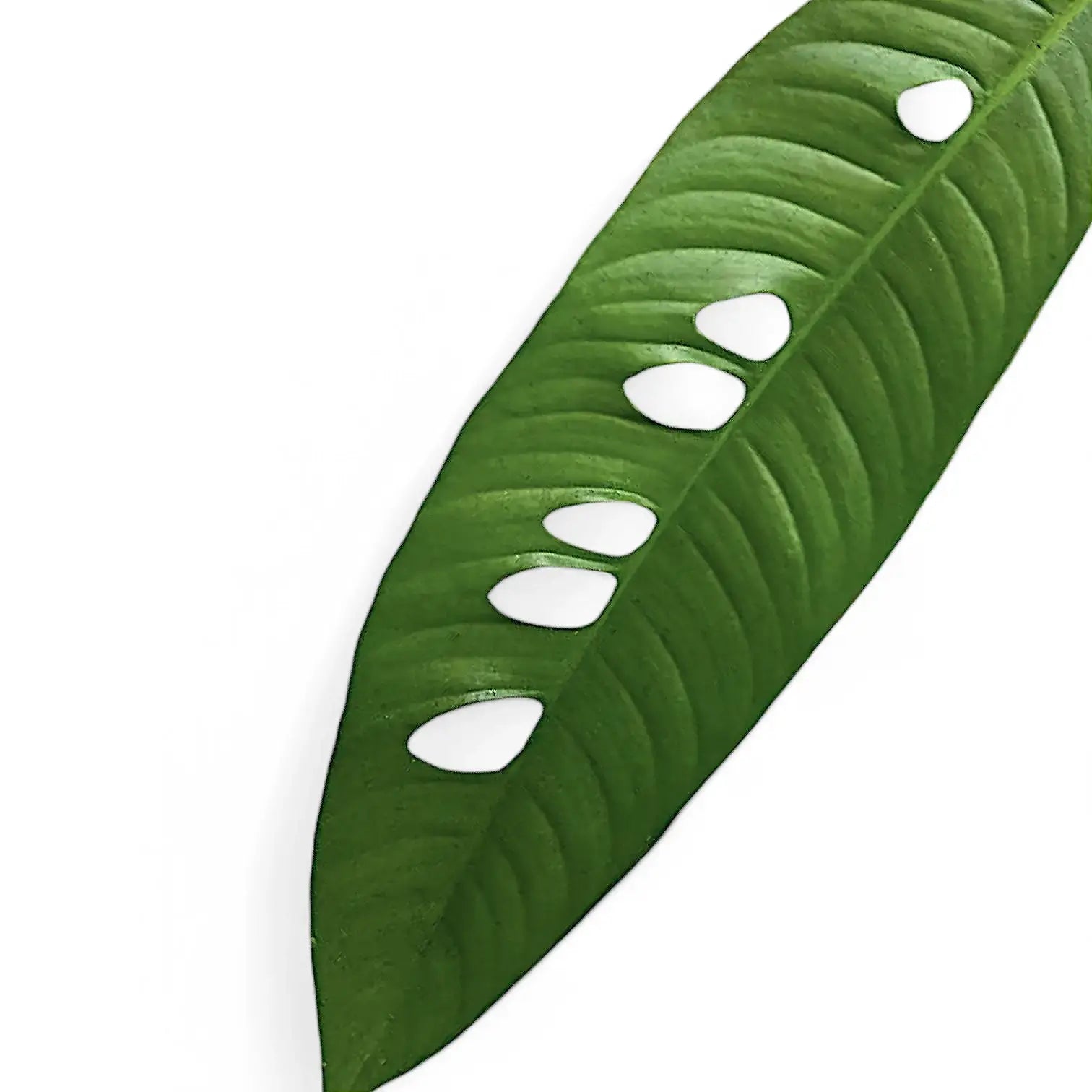
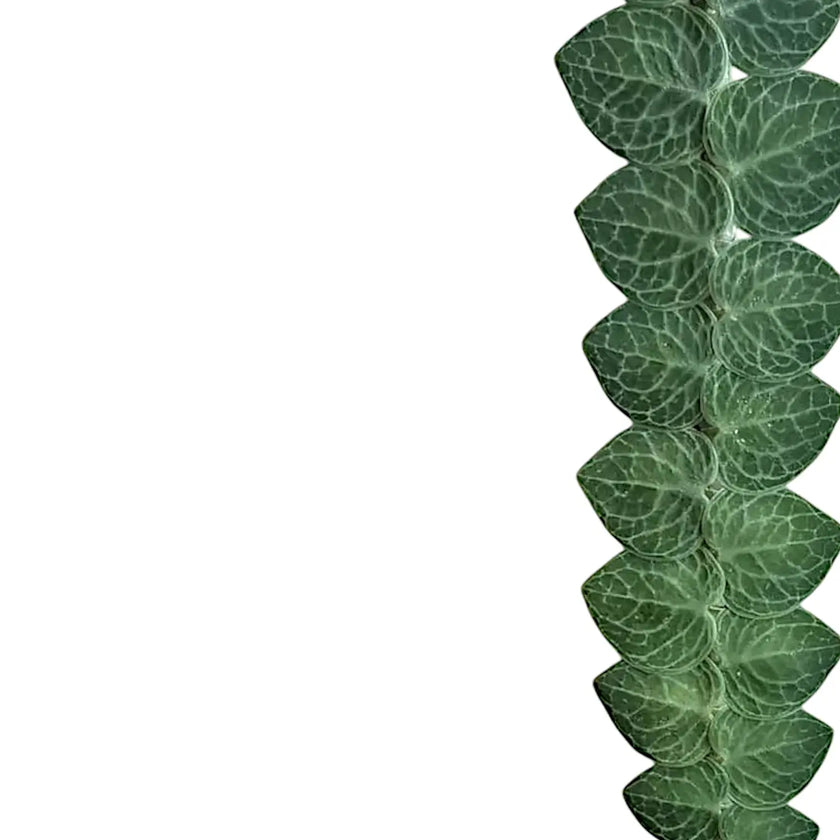
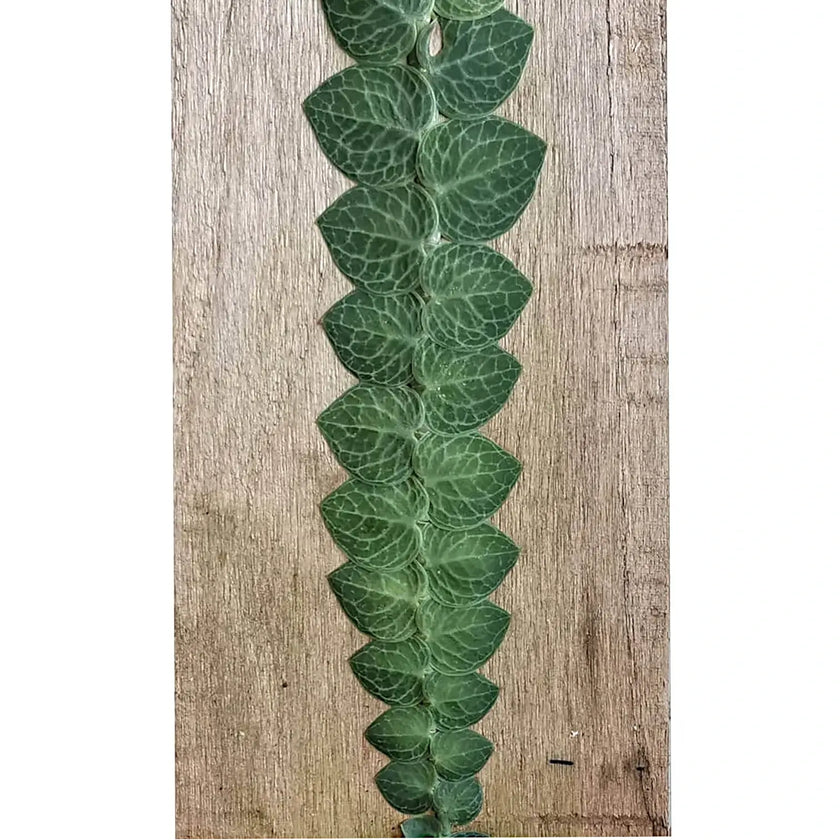
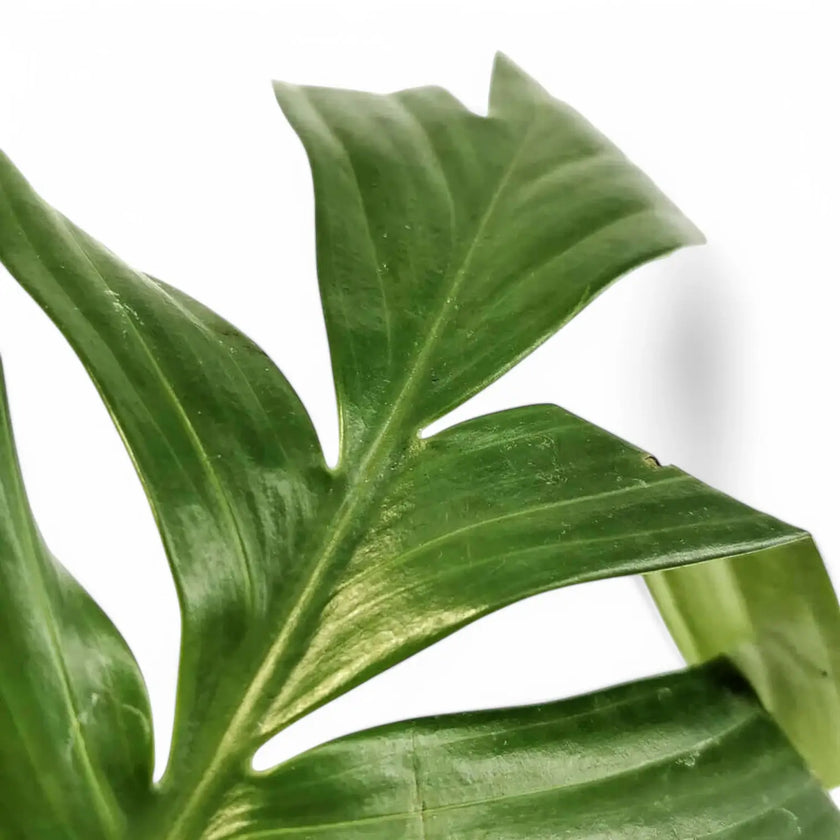
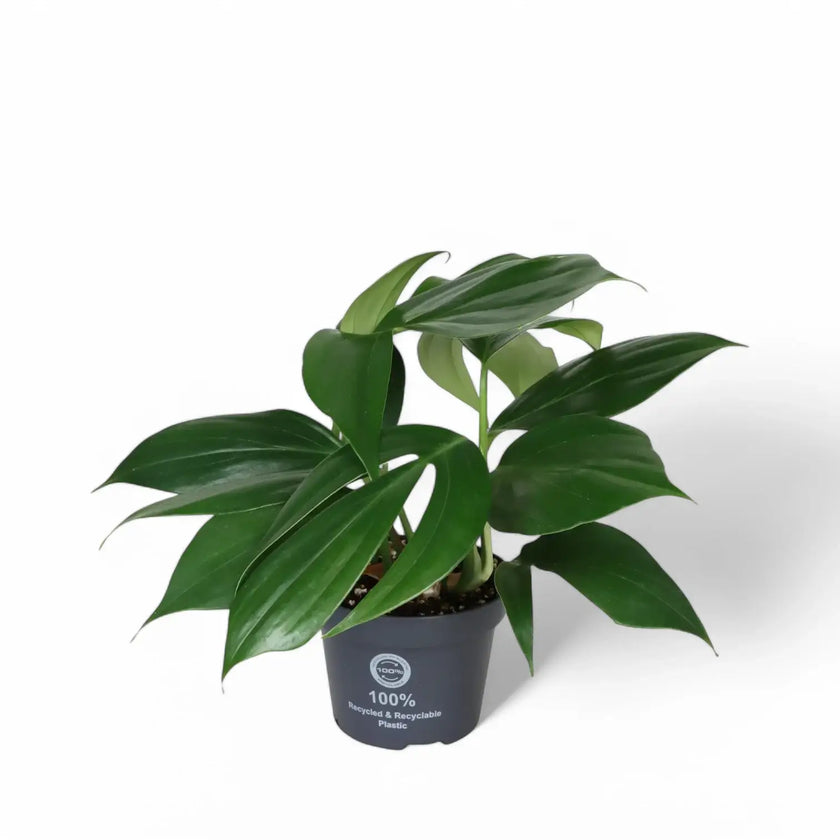
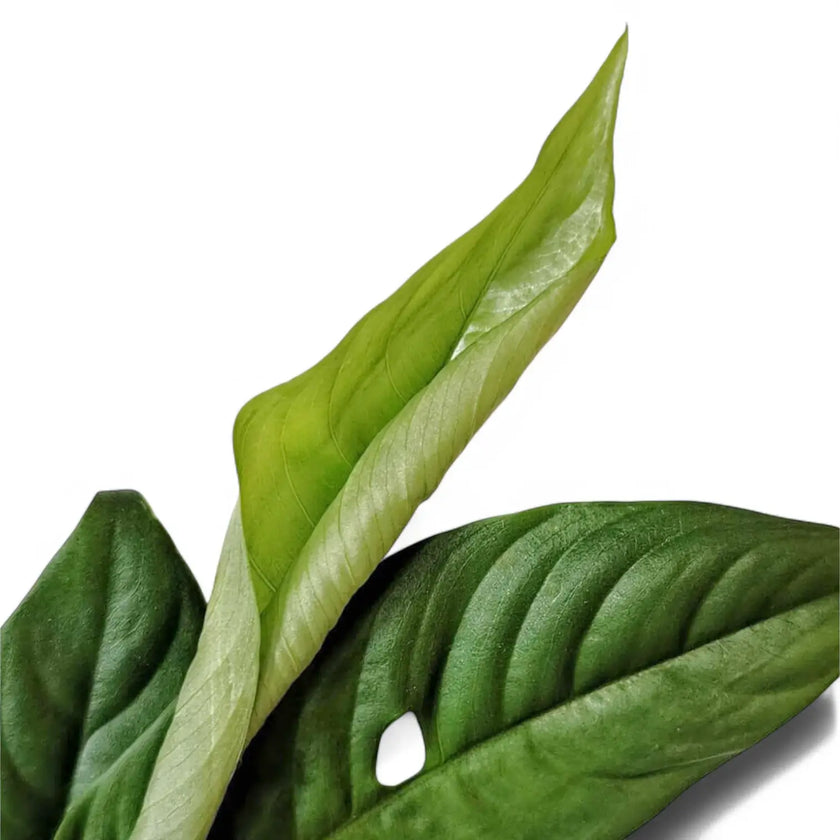
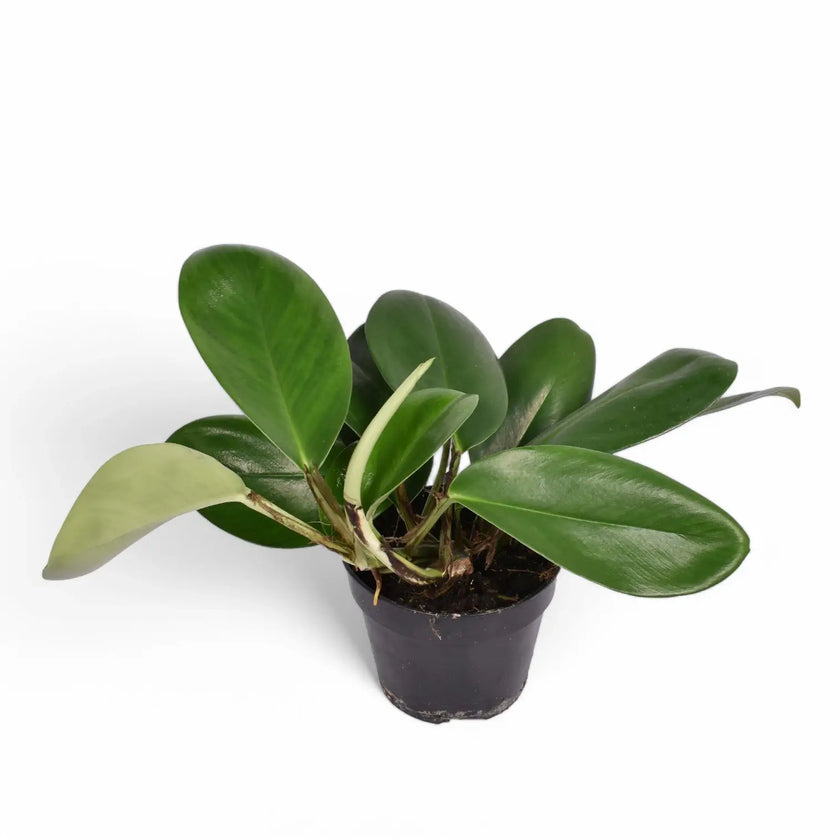
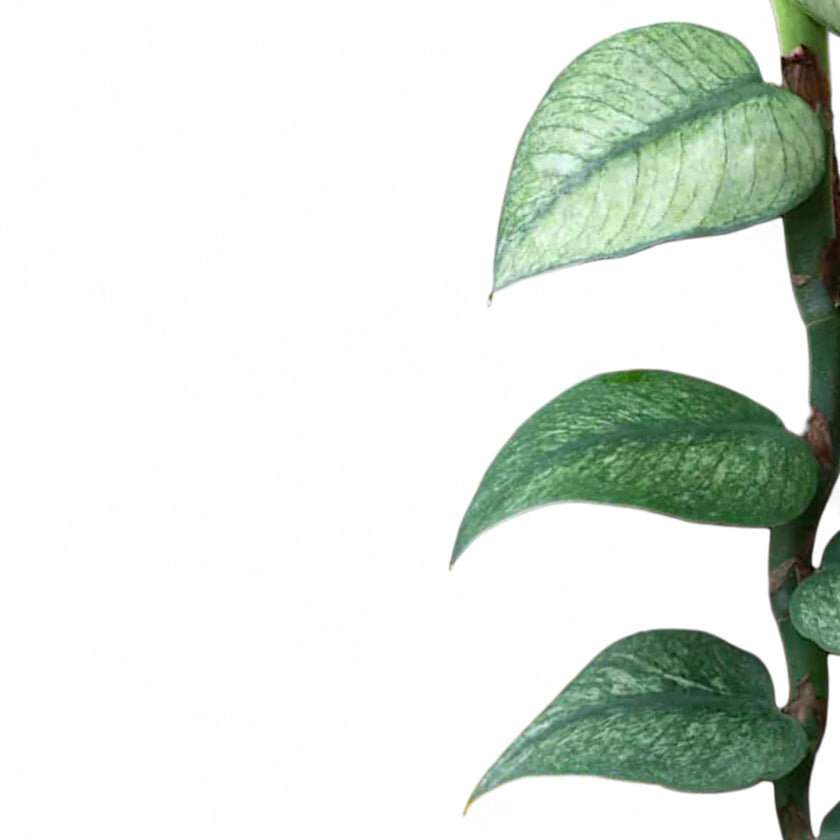
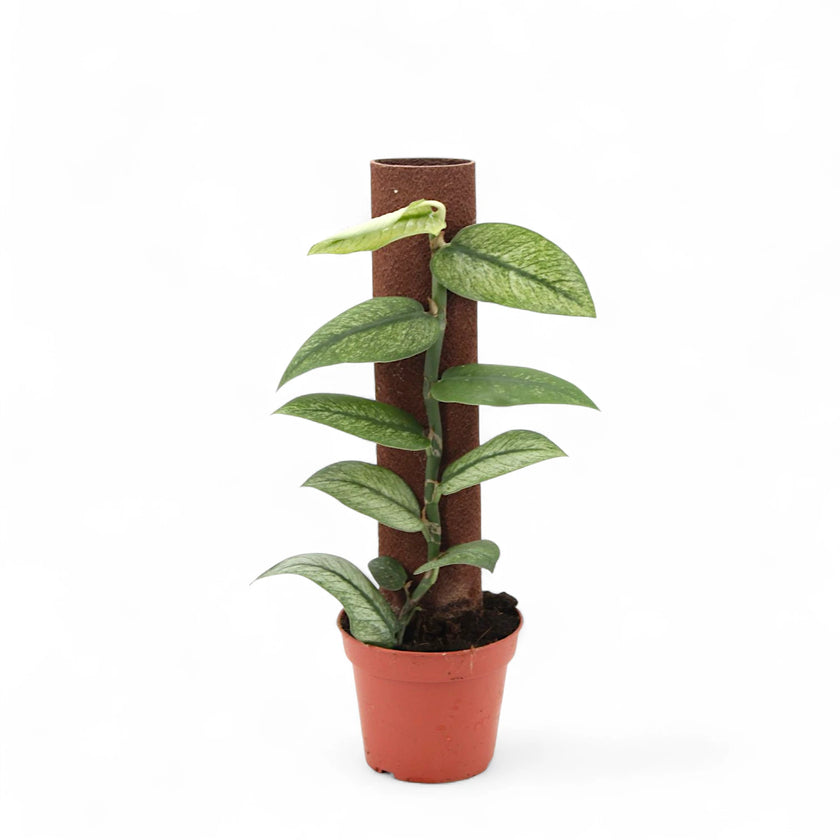
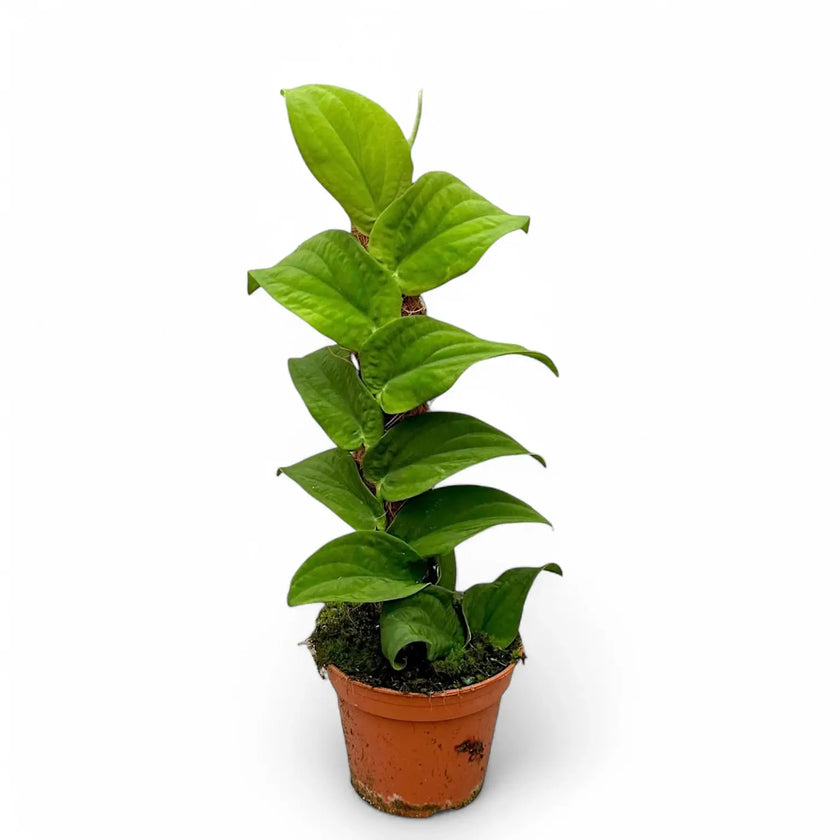
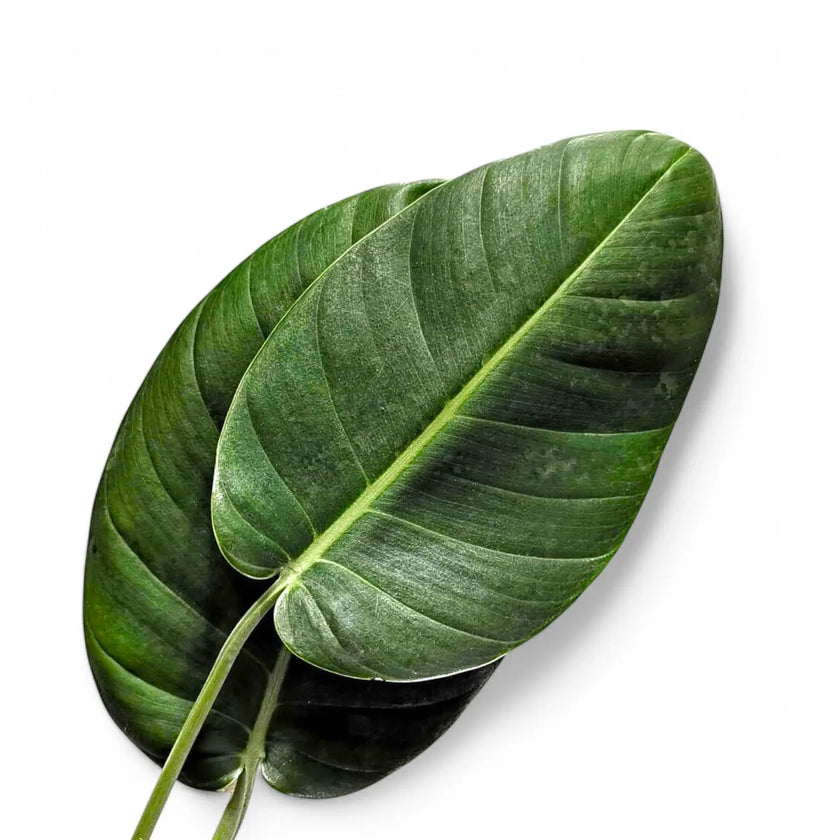
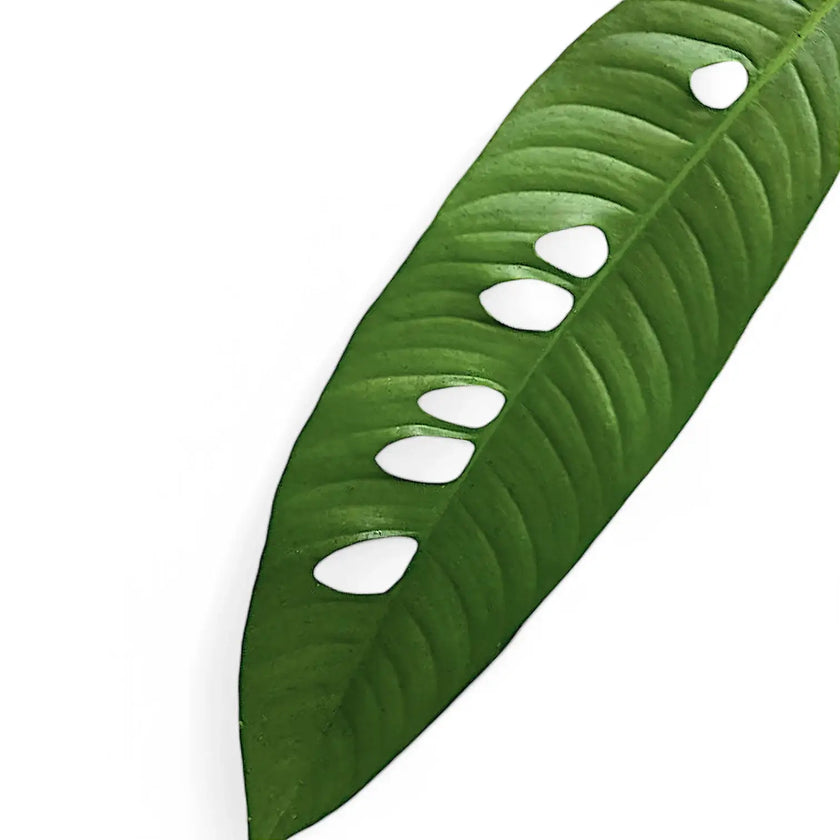
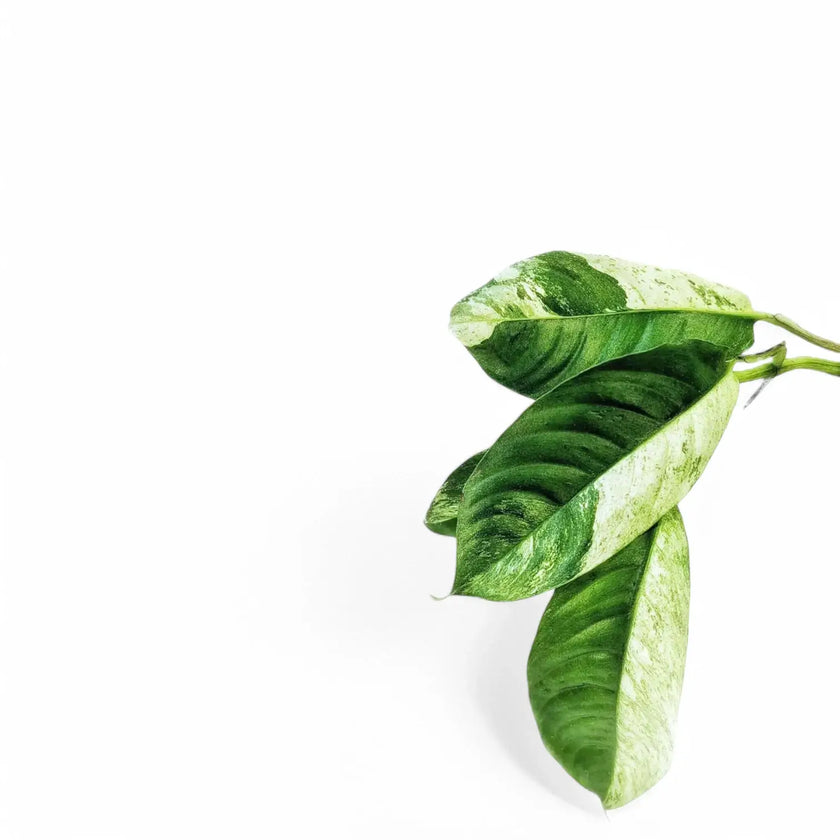
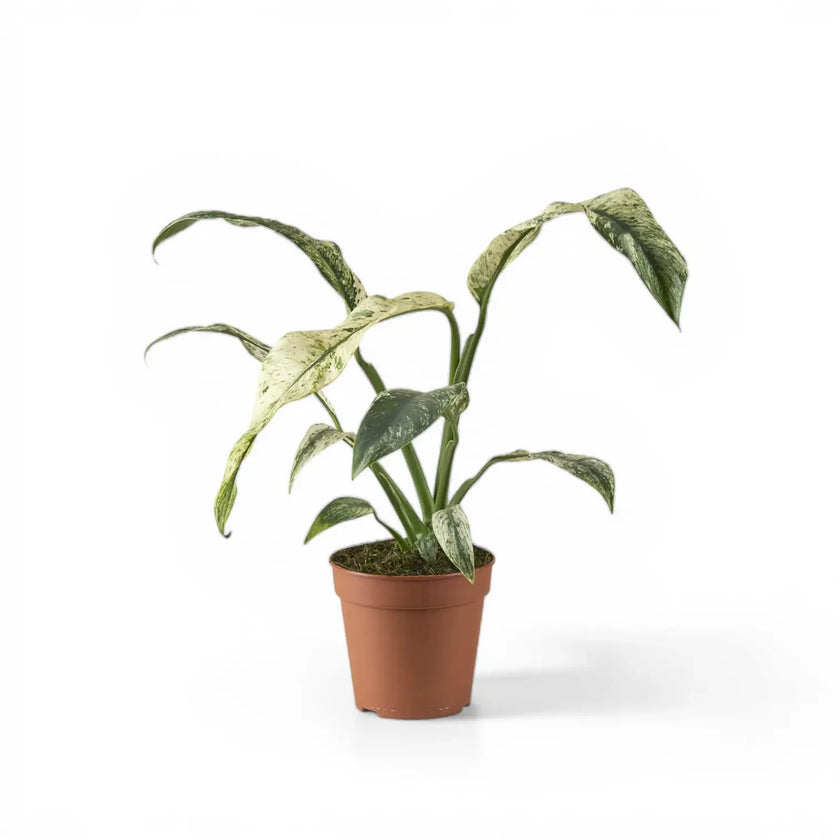
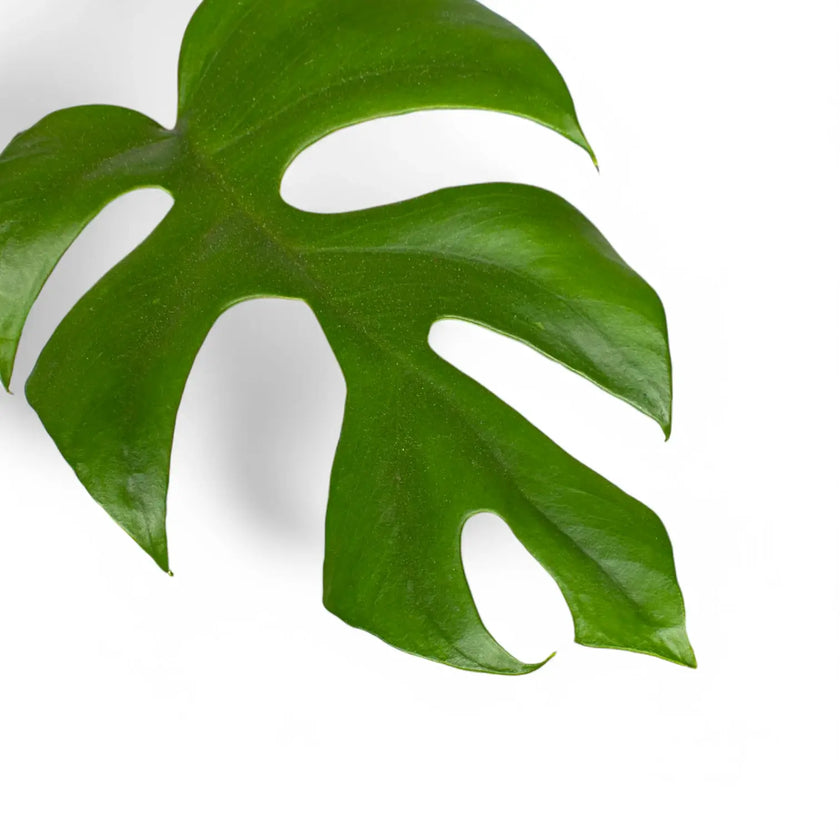
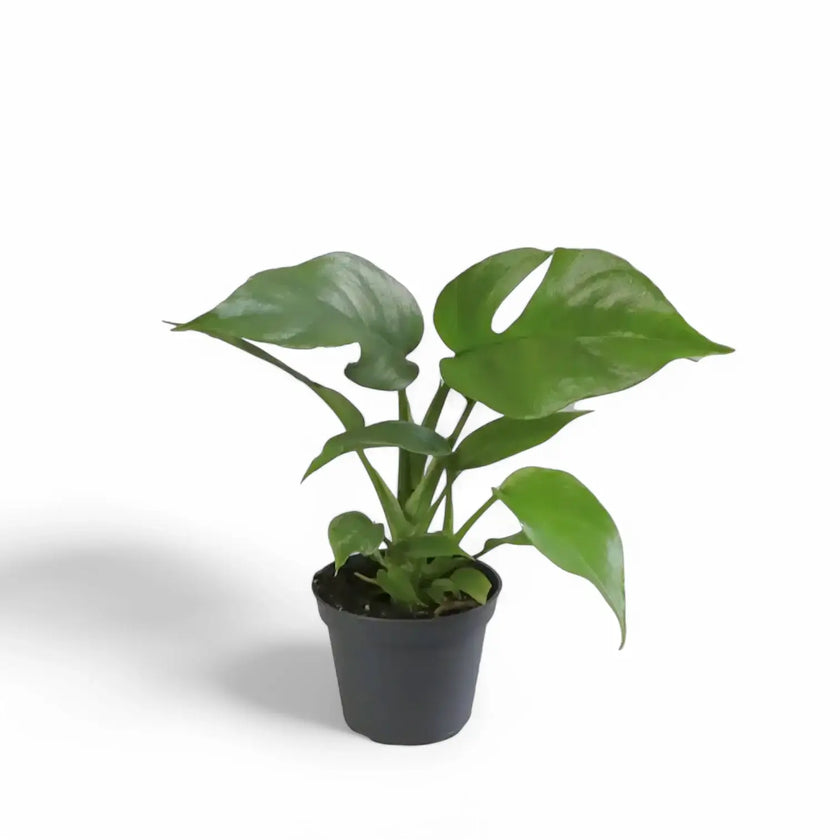
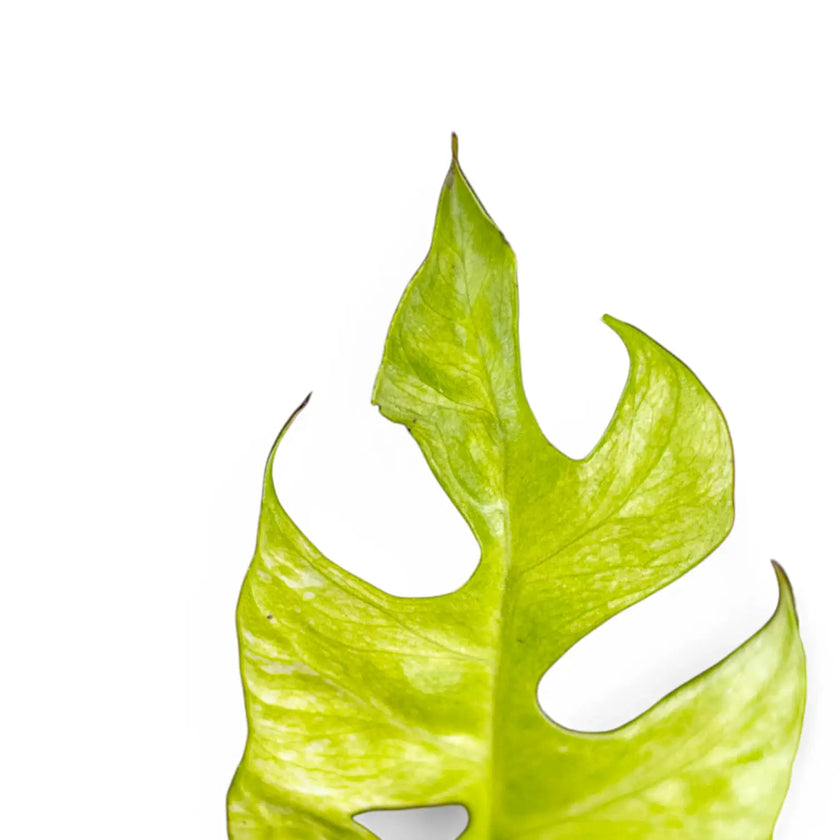
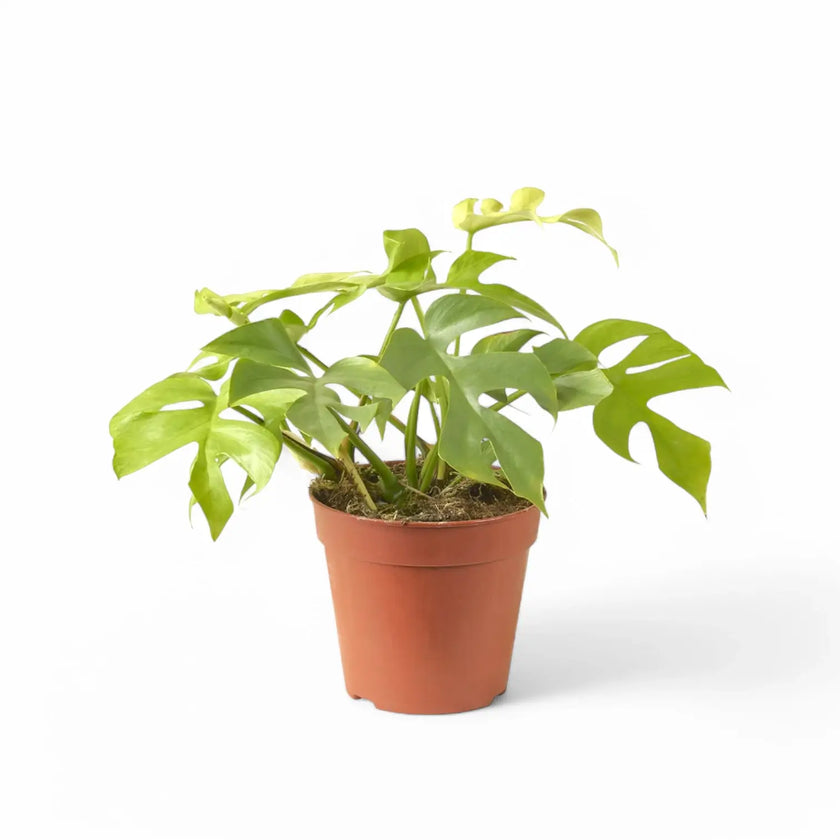
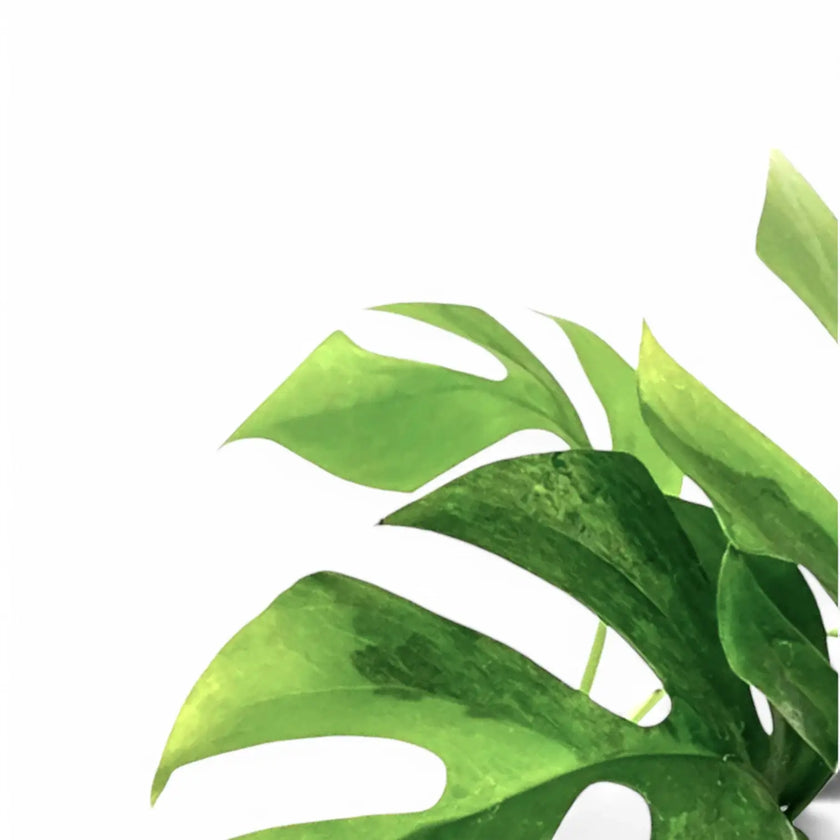
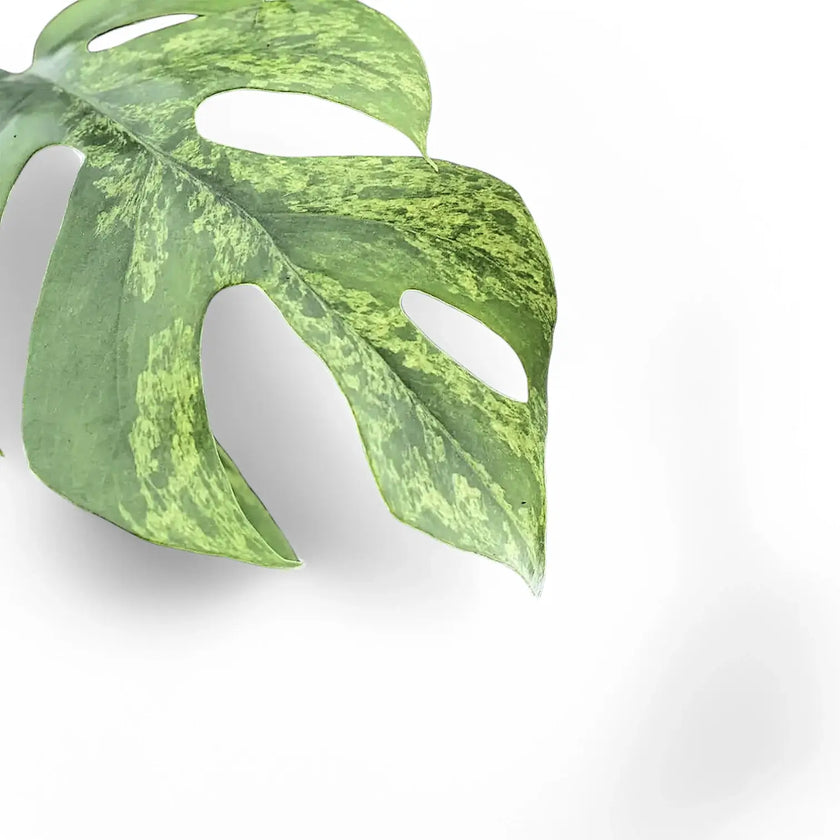
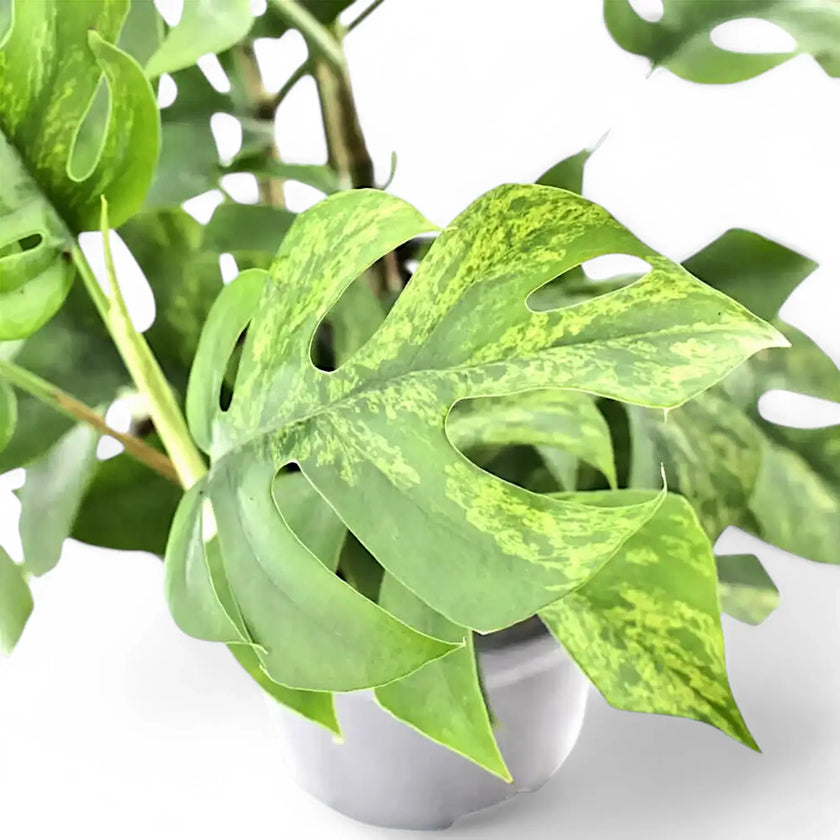
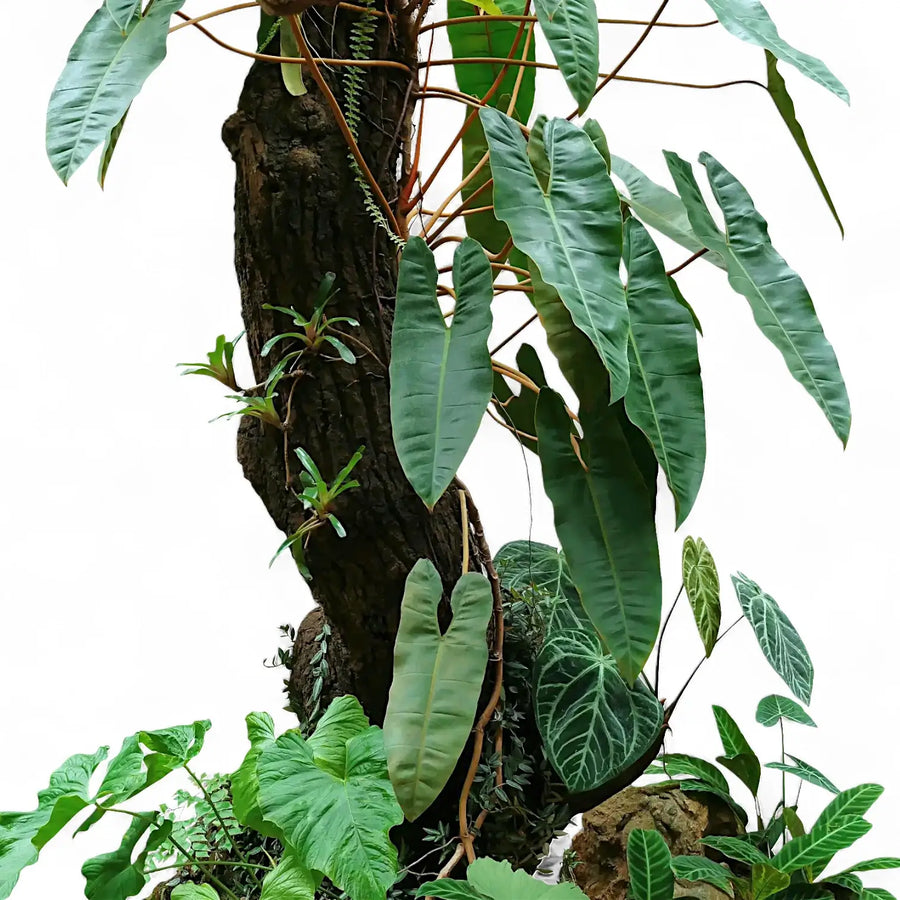
Rhaphidophora sits close to Monstera and Epipremnum in the collector world, but the look is different. Most forms are leaner, more directional climbers that hug supports, shingle across surfaces or stretch upward with clear intent. Juvenile leaves can seem simple at first; once stems root along a board or pole, foliage often gets larger, tighter-spaced and far more characteristic.
That is the real draw indoors. Rhaphidophora is for people who like guiding a plant, not just parking it in a pot. Given texture to grip, bright filtered light and room to climb, it turns into a structured vertical plant instead of a loose trailer with shrinking leaves.
What habitat tells you about Rhaphidophora care
Species in this genus occur from tropical Africa across South and Southeast Asia to the western Pacific, usually as root-climbing aroids in warm, humid forests. Many start low, then run up trunks, rocks or other rough surfaces where roots can anchor into moss, litter and bark. Water moves through those materials fast; it does not sit around roots in heavy, airless soil.
That is why indoor culture is easiest when you think “climber in airy organic debris”, not “vine in dense compost”. The right setup is a breathable mix, thorough watering and a support that lets nodes actually attach and feed the next phase of growth.
Light, support and spacing that change the way Rhaphidophora looks
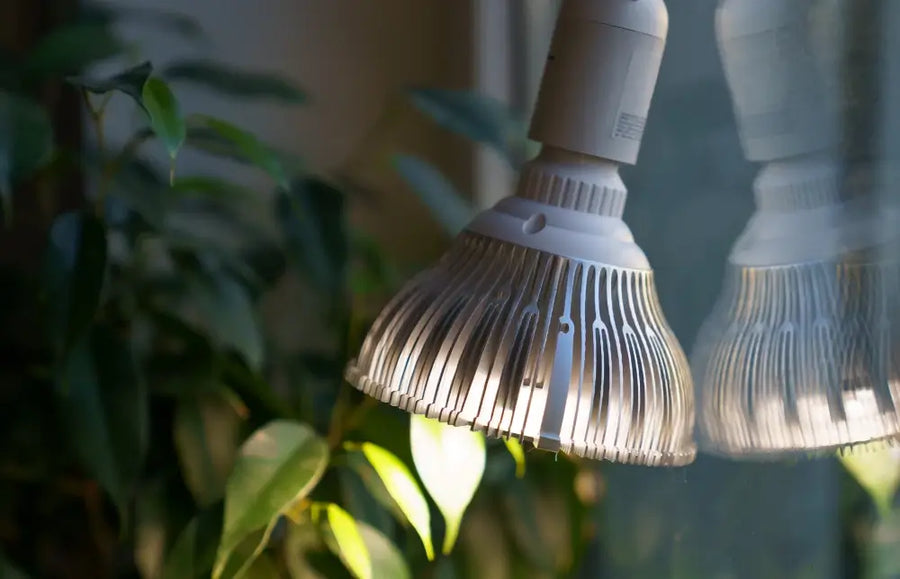
Rhaphidophora usually wants medium to bright, indirect light. Too dim, and internodes stretch, leaves stay small and shingling species peel away from their support. Too much concentrated sun through glass marks thinner blades and dries exposed roots. A bright position with softened light keeps growth tight and makes climbing worth the effort.
Support is not optional if you want the plant to show its real habit. Boards, planks, moss poles and rough bark-style surfaces all work better than smooth stakes or loose unsupported growth. Tie stems in early, keep nodes close to the support and let aerial roots make contact. Once the vine is hanging free for too long, it tends to stall into a less interesting, juvenile form.
Water, substrate and why heavy soil sets Rhaphidophora back
Use an airy aroid-style mix with bark, mineral fraction and enough fine material to hold some moisture between waterings. Water thoroughly, then let the upper portion dry a little before watering again. Roots like a clear wet-to-damp-to-slightly-drier rhythm, not repeated half-sips into a cold, compact pot.
When mix stays dense and slow for days, older leaves yellow, nodes soften and aerial roots stop exploring. When the pot swings bone-dry too often, new leaves stay smaller, edges crisp and growth becomes hesitant. The middle ground is simple: deep watering, good drainage and oxygen around the roots every day.
Common Rhaphidophora problems indoors
- Long bare internodes and small leaves: not enough usable light, or the stem has nothing worth climbing. Increase brightness and attach the vine to a proper support.
- Shingling stems lifting away from the board: air is too dry, the surface is too smooth or nodes were not secured early enough. Reattach while growth is still flexible.
- Yellow leaves in a pot that stays cold and wet: substrate is too dense or watering is too frequent. Check the roots and repot into a looser mix if needed.
- Brown, papery patches on exposed leaf areas: likely scorch from direct sun through glass. Move the plant slightly back or filter the light.
- New leaves staying tiny despite active roots: the plant is still behaving as an unsupported juvenile vine. More light and vertical contact usually matter more than extra fertiliser.
Back to top and compare the Rhaphidophora that suit your board, your pole and the space you can give a climber ↑