Skip to content

Cart

Your cart is empty

Pilea

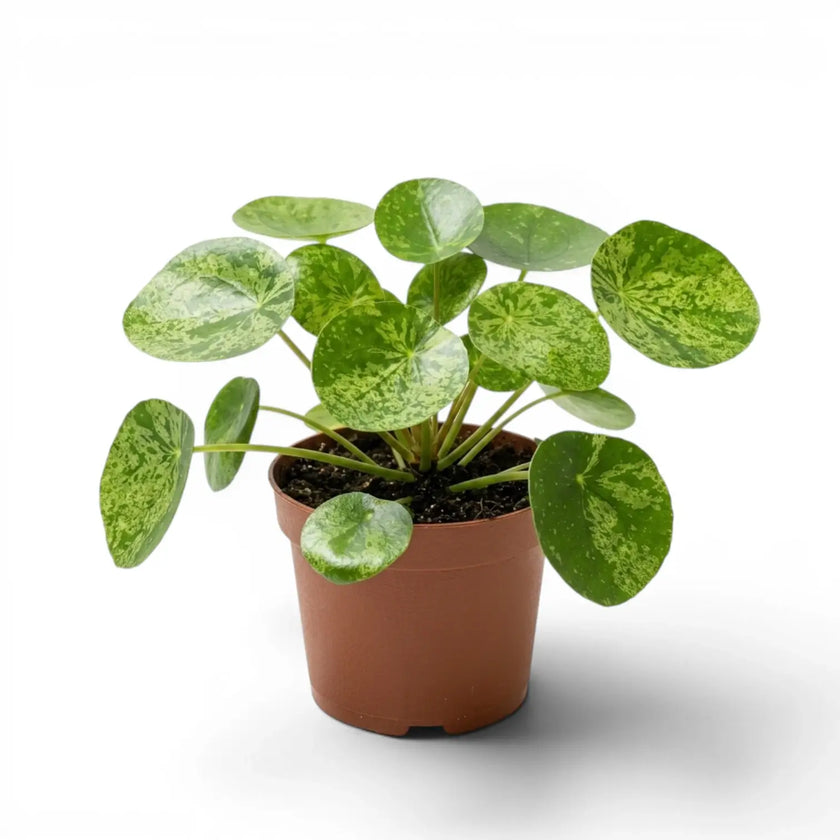
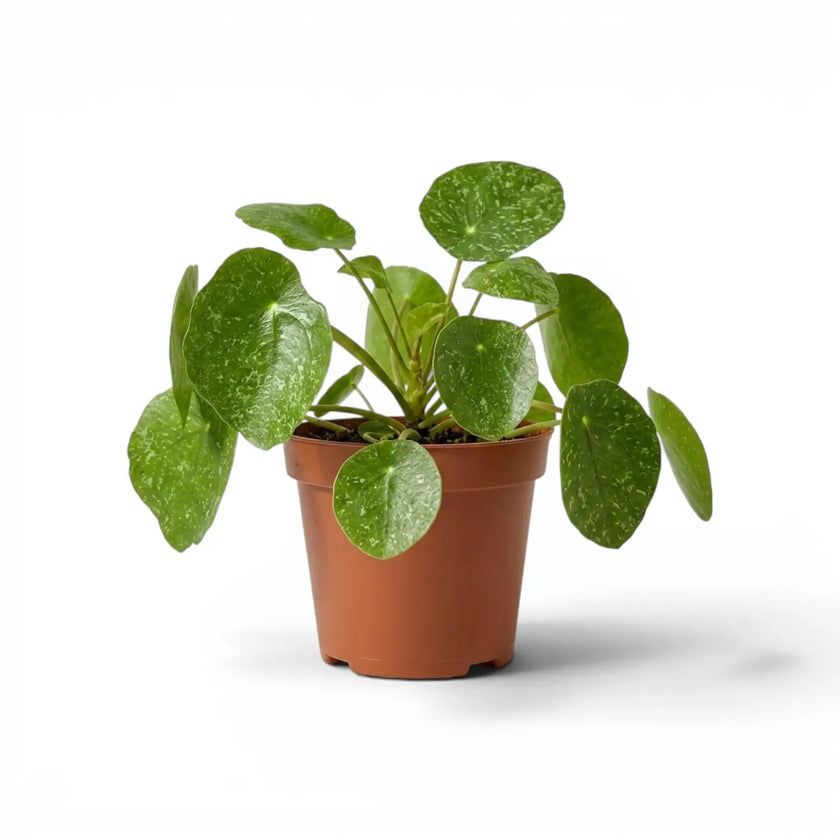
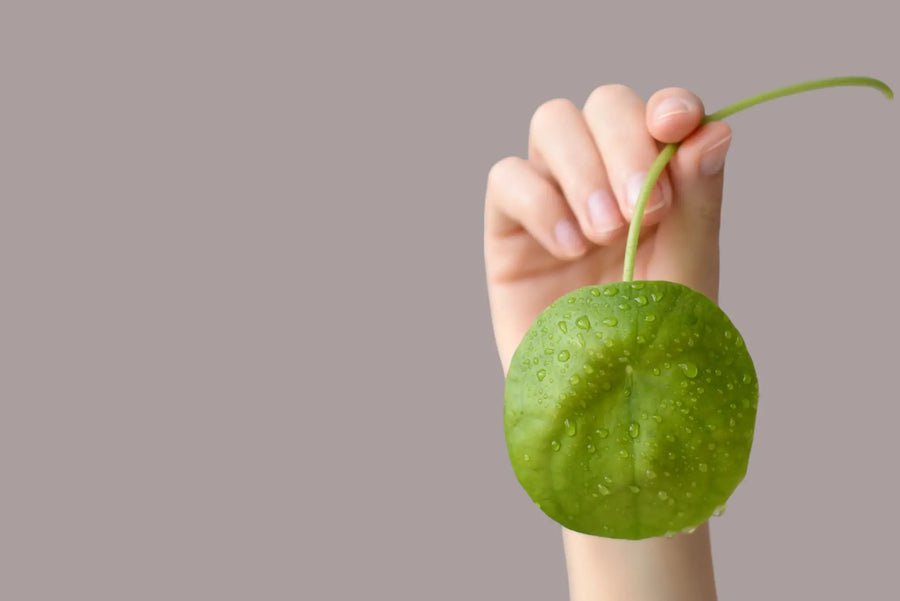
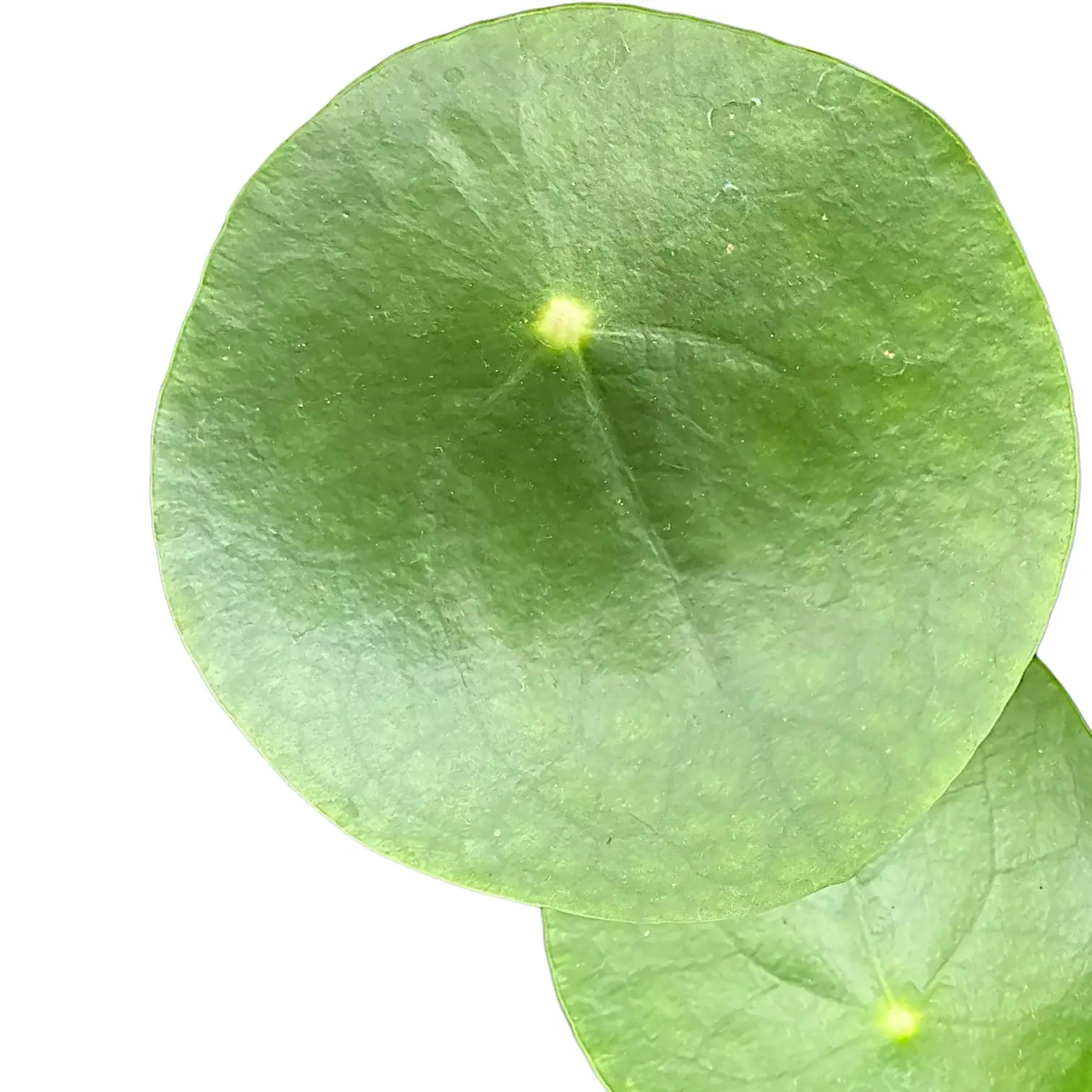
Pilea is more than just Pilea peperomioides – it spans upright “coin plants”, silver-splashed forms, trailing mats and tiny terrarium species. Indoors, most behave as quick, compact foliage pieces that want bright shade, light, airy substrate and watering that avoids both long droughts and heavy, cold compost.

  • Good for shelves, tabletops and terraria where smaller plants make more sense than shrubs
  • Needs loose, humus-rich mixes with mineral structure and lightly moist care
  • Propagates easily from offsets or stem pieces, so refreshing tired pots is simple

Use this collection to pick Pilea when you want fine-scale foliage texture around larger plants or inside glass projects.

Sort by

Filters

Pilea — botanical profile for nettle-family foliage plants

Pilea is a genus of herbaceous and shrubby plants in Urticaceae, described by John Lindley in 1821. The name comes from Latin “pileus”, a felt cap, referring to the calyx covering the fruit. Current taxonomic syntheses recognise a little over 600 accepted species, making Pilea the largest genus in the nettle family and an important source of compact indoor foliage plants such as Pilea peperomioides.

  • Order: Rosales
  • Family: Urticaceae
  • Tribe: Pileeae
  • Genus: Pilea Lindl.
  • Type species: Pilea muscosa Lindl. (often treated as a synonym of Pilea microphylla)
  • Chromosomes: Base number around x ≈ 11; most species show somatic counts of 2n ≈ 22–44, with local polyploidy.

Range & habitat: Pilea has a near-global distribution in tropical, subtropical and some warm-temperate regions, with strong centres in the Neotropics and East Asia. Many species grow in shaded forest understories, on moist rock faces and along stream banks, often in humus pockets or crevices where soils are periodically moist but well aerated.

  • Life form: Mostly small, fast-growing perennial herbs or subshrubs; some are creeping or tufted, others form loose clumps or mats.
  • Leaf attachment: Leaves usually opposite with a single intrapetiolar stipule in each node, a key diagnostic feature within Urticaceae.
  • Leaf size: From tiny scales a few millimetres across to broad blades 10–15 cm long in robust species; many popular houseplants sit in the 3–8 cm range.
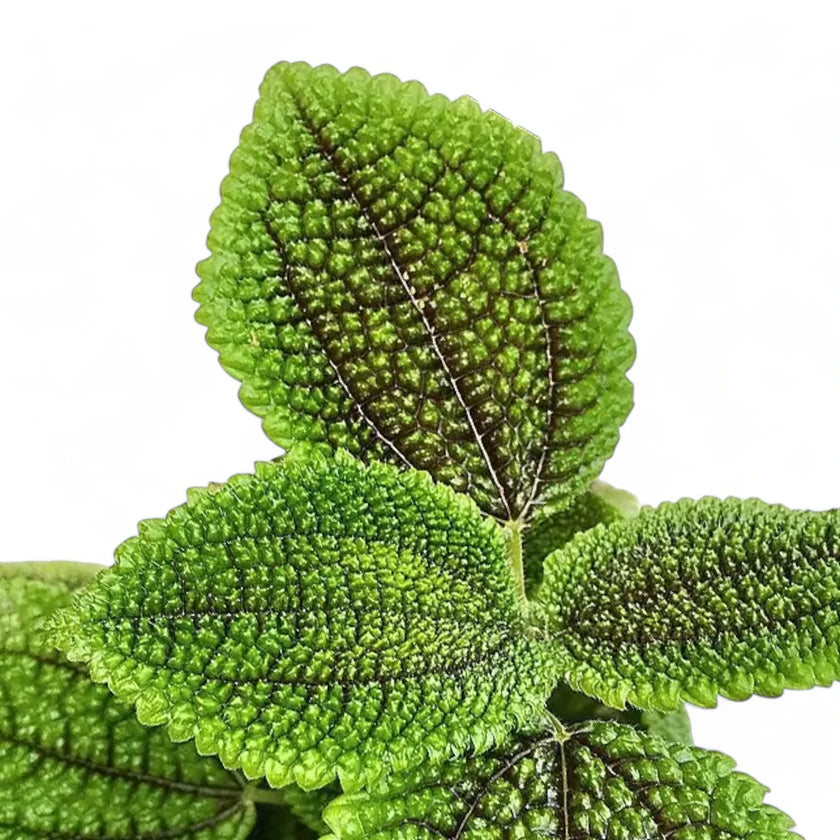
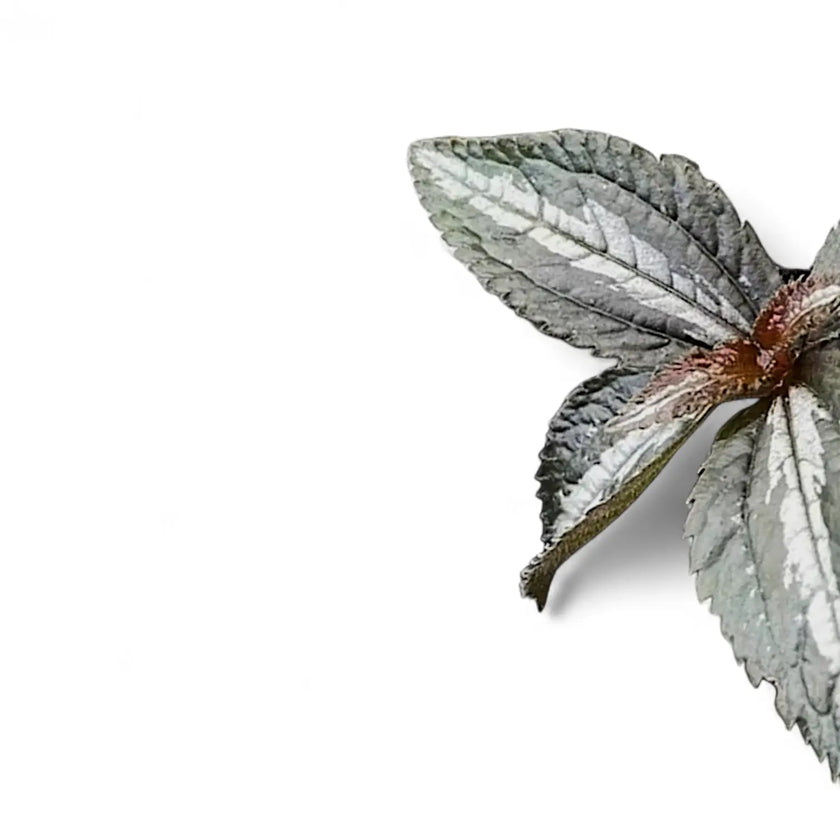
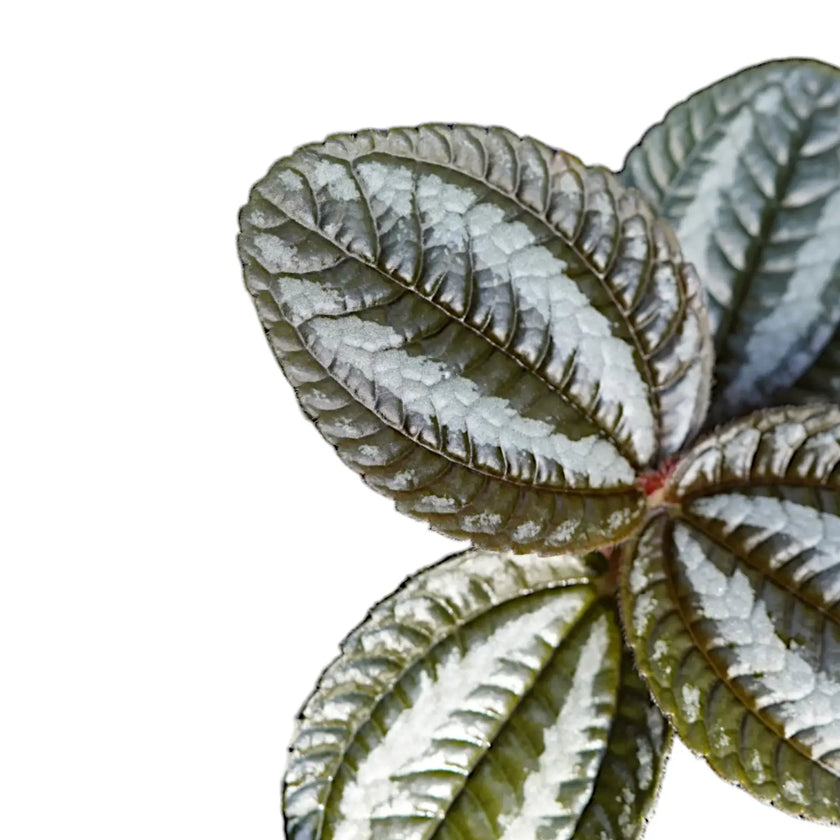
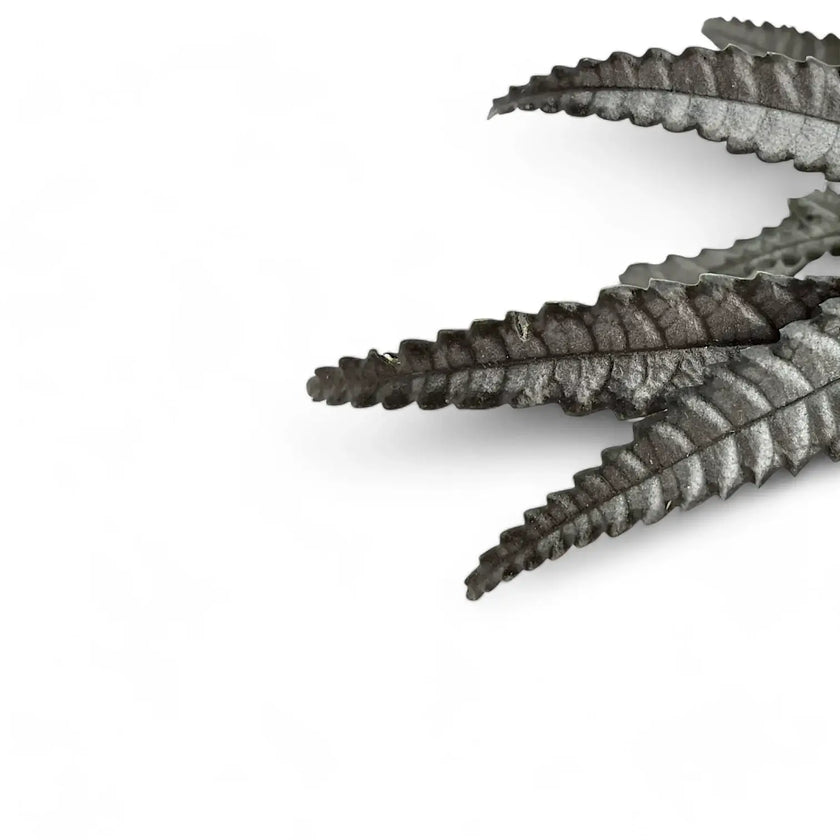
  • Texture & colour: Thin to slightly succulent foliage, often bright to mid-green but in some species metallic, quilted or variegated with silver or bronze patterns.
  • Notable adaptation: Shade-tolerant photosynthesis combined with small stature and rapid clonal spread allows Pilea to exploit small, transient gaps and microhabitats in forest litter and rock crevices.

Inflorescence & fruit: Pilea produces small, often inconspicuous cymose or paniculate inflorescences with unisexual flowers lacking showy petals. The fruits are tiny achenes partially enclosed by the persistent calyx, which can assist in short-distance dispersal by water splash or animal movement.


Pilea – small fast fillers from Chinese money plant cousins to terrarium creepers

Pilea – tiny powerhouses for every corner

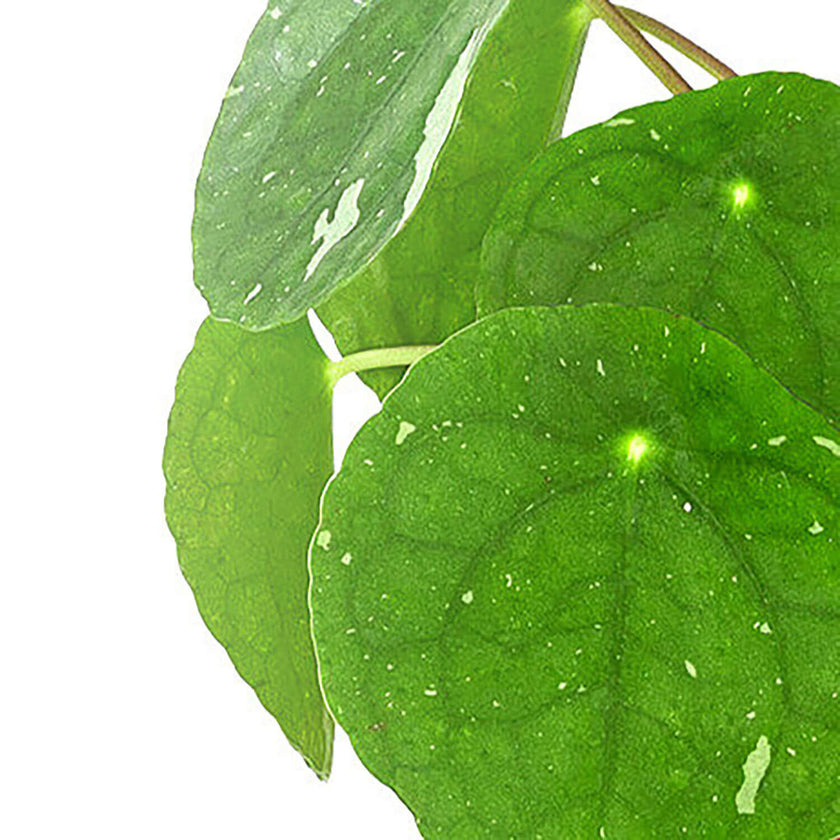
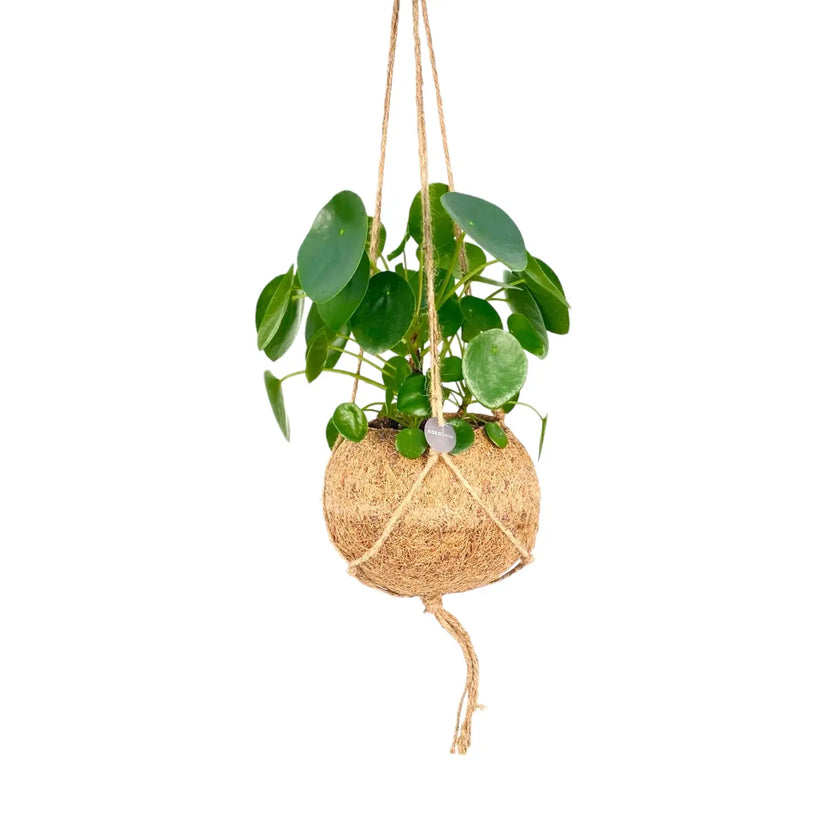
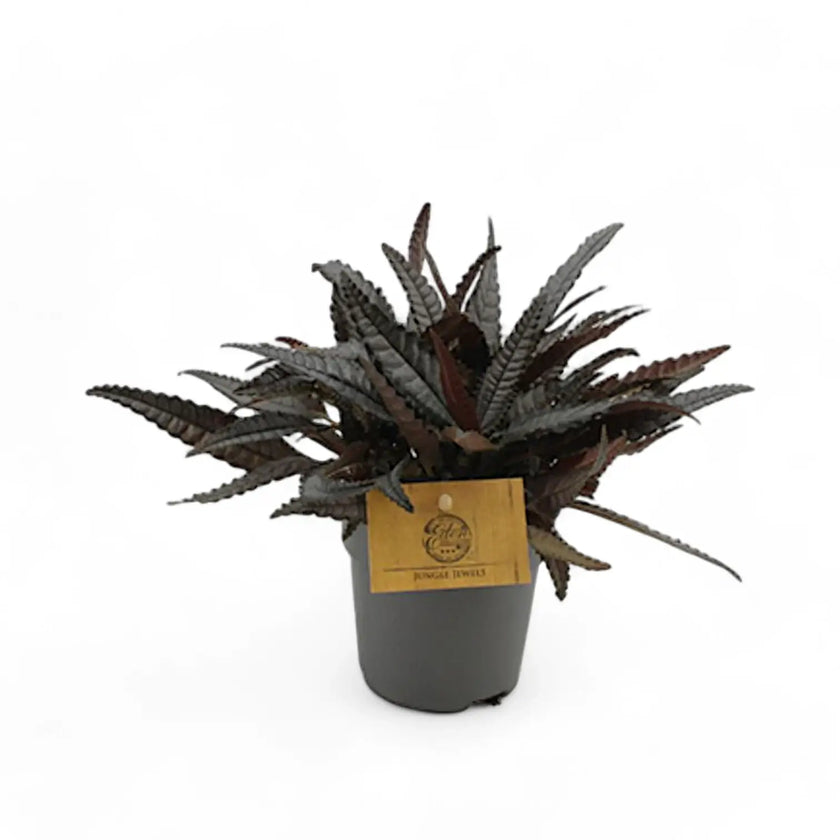
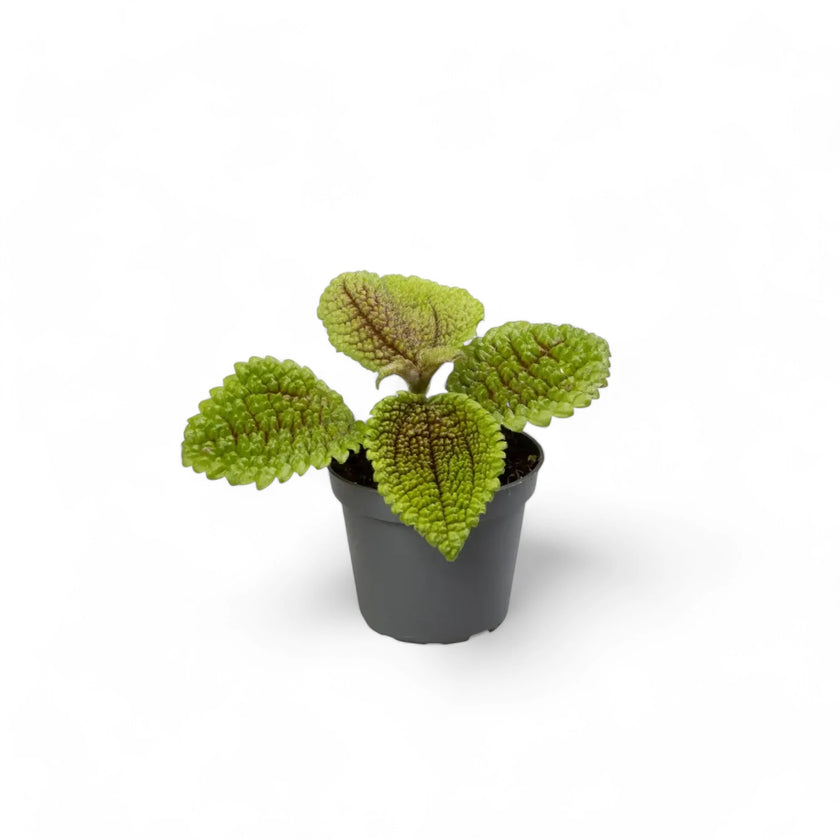
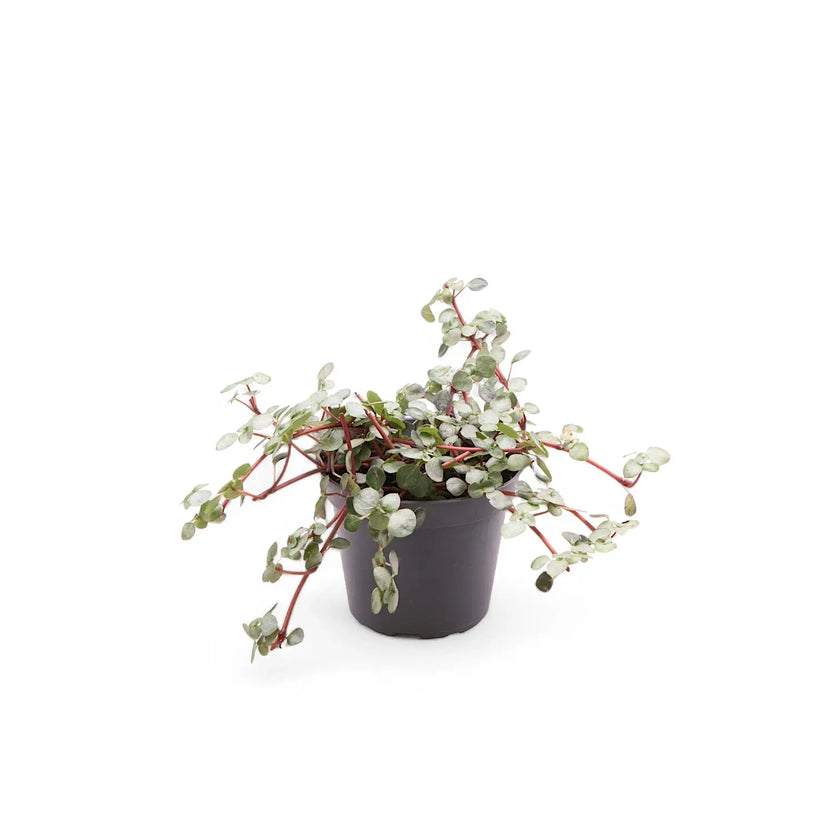
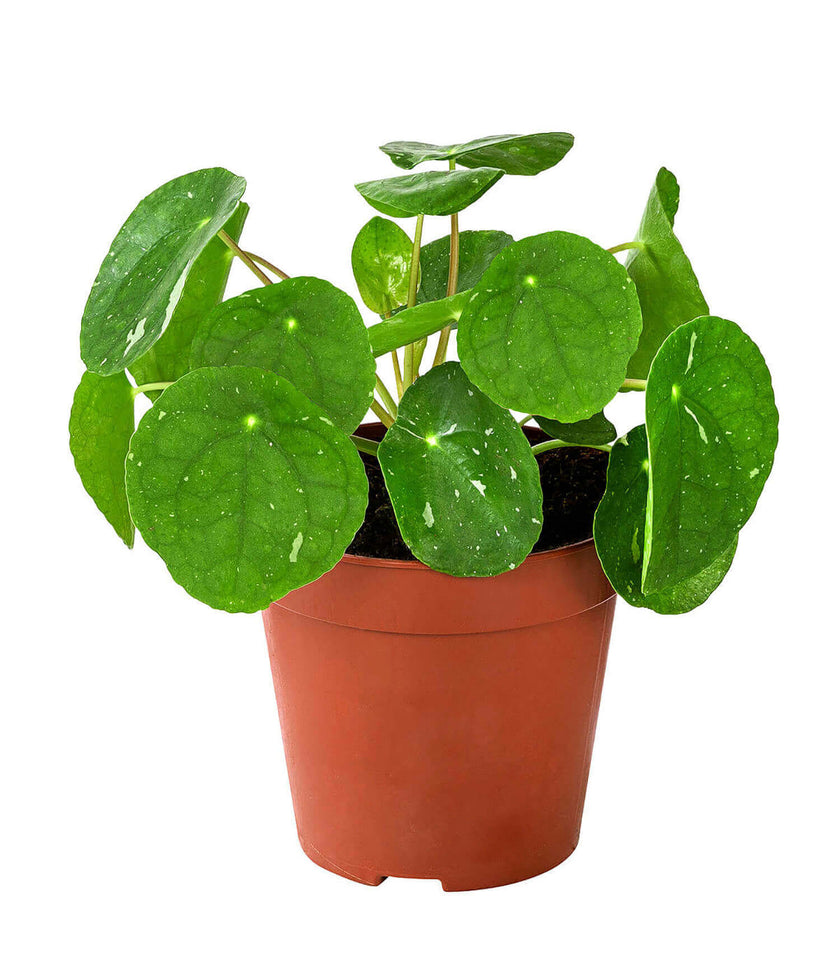
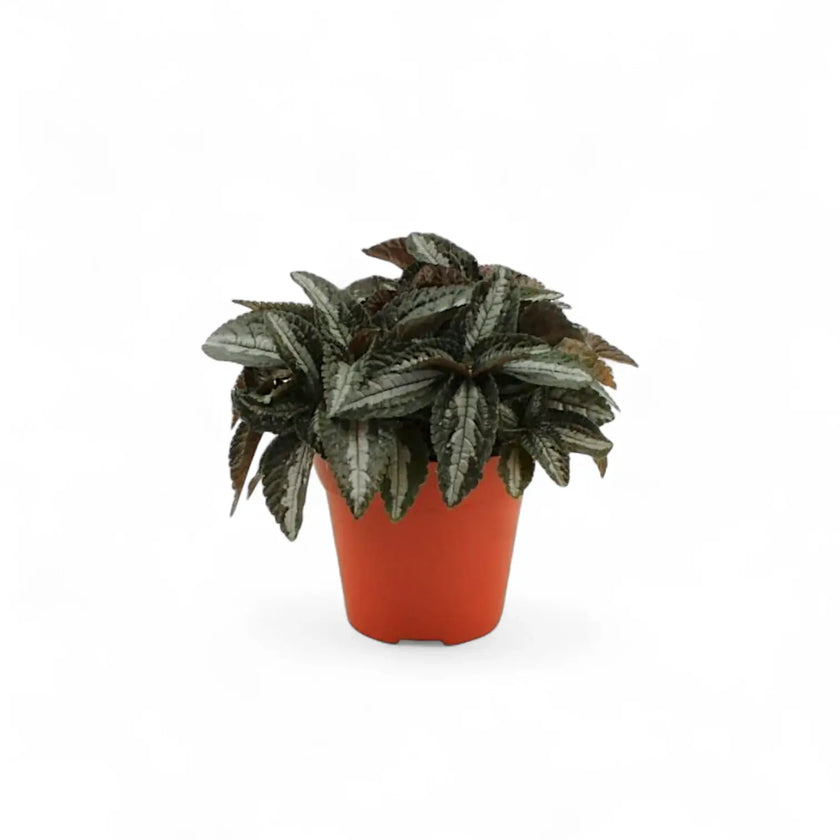
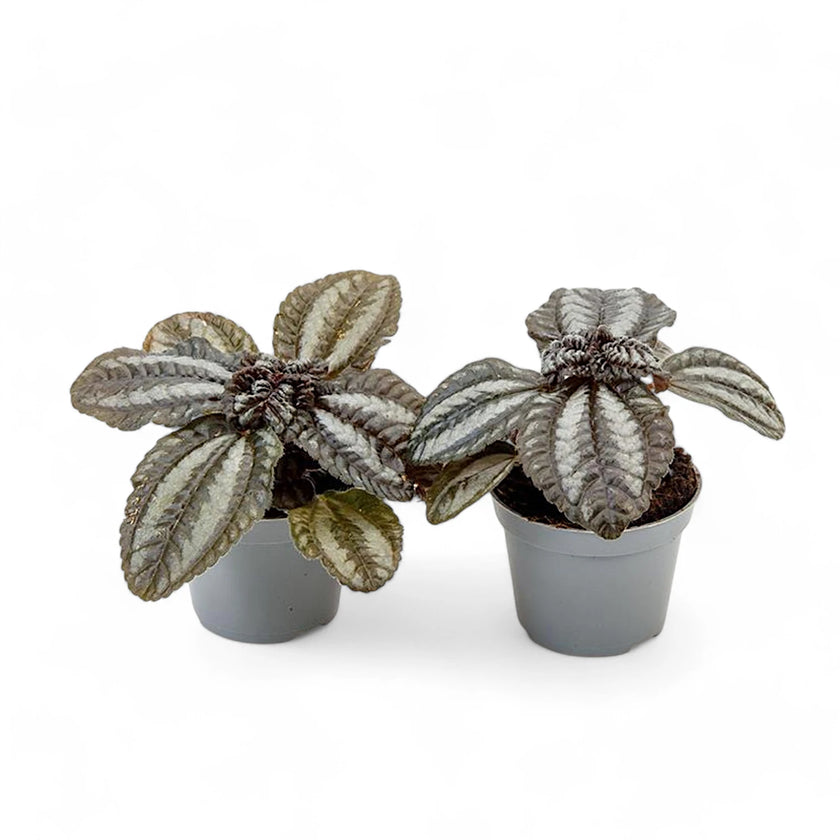
Pilea is the largest genus in the nettle family (Urticaceae), with well over 500 described species. That means far more than just Pilea peperomioides: think iridescent coppery mounds of Pilea spruceana, silver-splashed Pilea cadierei, tiny cascading Pilea depressa and moss-like Pilea microphylla that can drape over the edges of pots and terrariums. Most Pilea stay small, but their foliage textures and colours are anything but boring.

Because they are compact, fast to establish and generally undemanding, Pilea are perfect for filling in gaps on shelves, tucking into mixed planters or adding fine detail around larger centrepiece plants. Given sensible light and a gentle watering hand, they form dense mats or cushions of leaves that bring instant “finished” polish to an indoor planting.

Is Pilea a good match for your space?

  • Where Pilea fits best: bright but not harsh windowsills, plant shelves and terrariums, and homes where someone is happy to water lightly and regularly instead of keeping pots constantly wet.
  • Less ideal when: most of your rooms are very dim, you frequently overwater small containers, or you are looking for a single large, tree-like statement plant rather than compact accents.
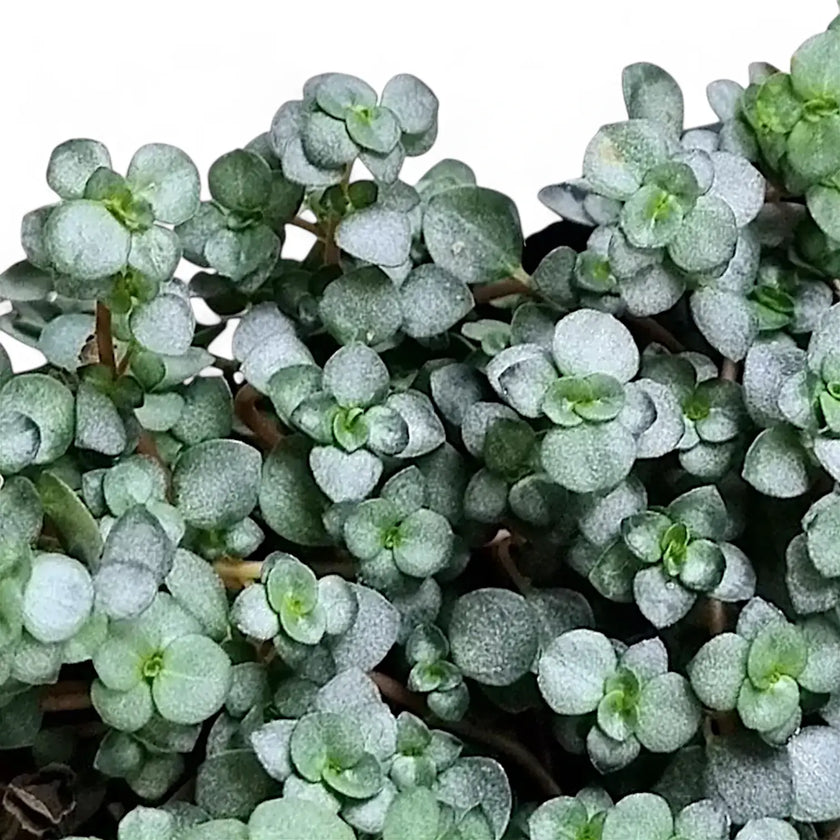
  • Before you choose a Pilea: remember that different species behave differently. Some are upright and almost shrub-like, others trail or form creeping mats. A vigorous groundcover like Pilea nummulariifolia wants room to roam, while a tiny-leaved Pilea glaucophylla is happier in a small pot or terrarium.

Pilea in nature – succulent herbs from shaded rocks and trunks

Pilea species are native across the tropics, subtropics and warmer temperate regions of the Americas, Africa and Asia, with a strong centre of diversity in Central and South America and Southeast Asia. In the wild they are typically small, often succulent herbs, subshrubs or epiphytes growing in humid, shaded habitats: on mossy rocks, tree trunks, cliff faces and forest floors, often where soil is shallow but moisture is frequent.

This lifestyle explains their anatomy. Many Pilea have fleshy leaves and stems able to store water between rain events, combined with fine, shallow roots that spread through leaf litter, humus and cracks rather than plunging deep. They are adapted to bright shade and intermittent moisture, not baking sun or long periods in saturated, airless soil. Indoors they will be happiest when you mimic that combination of filtered light, gentle airflow and a well-drained but regularly moistened mix.

Pilea and light – bright shade, never scorching sun

Most Pilea thrive in medium to bright, indirect light. A position close to an east- or north-facing window, or a little back from a bright south or west window, gives them enough light for compact growth without exposing their often delicate foliage to harsh midday rays. Under these conditions leaves keep good colour and texture, and stems stay relatively tight rather than stretching.

In low light, internodes elongate, mats become patchy and coloured or metallic patterns can fade. At the other extreme, strong direct sun through glass can bleach or burn leaves, especially on silvered Pilea cadierei and the soft, quilted types like Pilea mollis. If you are unsure how bright your room really is, compare it with the examples in our bright-indirect light guide so you do not have to wait for scorch or stretching as your first warning signs.

Pilea roots, watering and airy substrates

Pilea roots are fine and shallow, designed to knit through moss and loose debris. In pots they need oxygen as much as moisture, so dense, heavy compost is a common cause of failure. Use a light, free-draining mix based on a quality peat-free indoor soil loosened with fine bark, perlite or pumice. For trailing and mat-forming species, wider, shallower containers are usually better than deep, narrow ones.

Let the top centimetre or two of substrate dry before you reach for the watering can – the surface should feel dry, but if you press a finger in a bit deeper you should still feel a hint of cool moisture. When you water, apply enough to soak the whole root zone and let excess drain away rather than giving frequent tiny sips that only dampen the surface. If you want to understand how pot size, mix structure and light level change drying speed, you can refer to our complete watering guide for houseplants and apply those principles to your Pilea.

Signs of too much water include yellowing lower leaves, translucent or mushy stems and a pot that stays heavy and cold for days. Too little water shows up as limp, folded leaves, crisp edges and mats pulling away from the sides of the container. Adjust your rhythm rather than trying to rescue chronically soggy plants with stronger fertiliser or sudden drenching.

Pilea and your indoor climate

Pilea are adapted to mild, frost-free conditions and do well in the same temperature range as most homes. Aim for 18–26 °C and avoid placing them where they will be hit by cold draughts or pressed against winter windows. Short, cool nights are usually tolerated if the substrate is not saturated.

Because many Pilea have relatively thin leaves or fine succulent tissue, they appreciate moderate humidity. Typical indoor humidity is often acceptable, but very dry air from heaters can lead to brown edges, leaf curling and stalled growth, especially in small pots that dry quickly. Grouping plants, using a small humidifier nearby or placing Pilea in a slightly more sheltered microclimate (for example, a bright spot away from radiators and open doorways) usually provides enough of a buffer without needing a full terrarium. Our humidity guide explains realistic target ranges.

Pilea growth, pruning and propagation

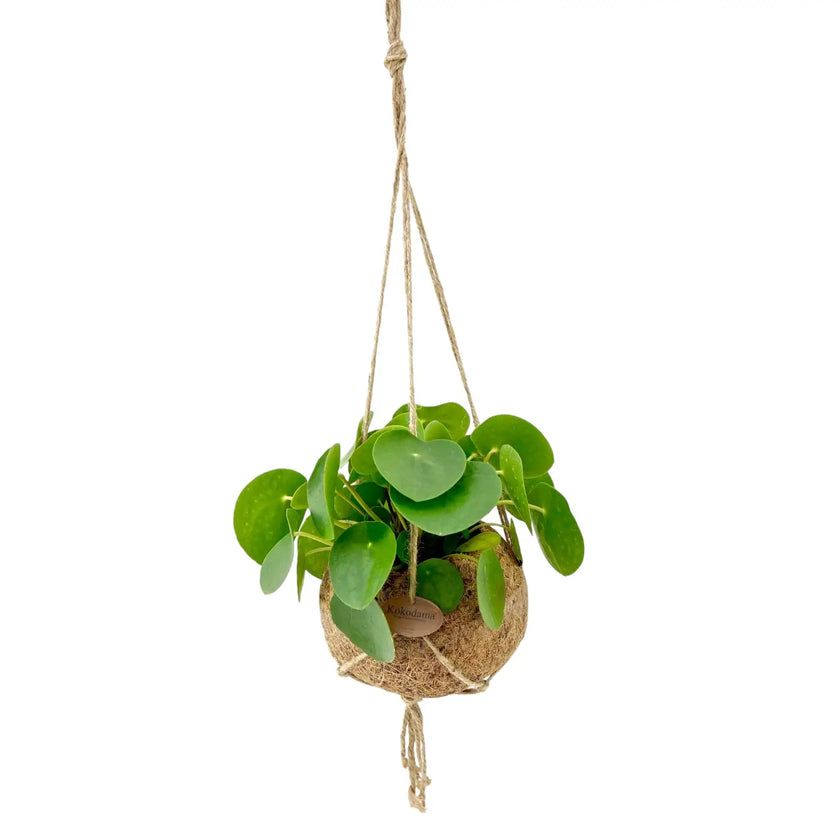
Pilea grow quickly when happy, producing a steady stream of new shoots from the base and along stems. Upright species like Pilea peperomioides and Pilea involucrata gradually form small subshrubs, while trailing kinds such as Pilea glauca and Pilea depressa drape and cascade. Many species branch readily from the nodes, especially if you pinch out the tips of long stems to encourage side shoots.

Regular light pruning keeps plants compact and bushy. You can cut back leggy stems just above a node to stimulate branching, or trim overgrown mats to keep them within the bounds of their containers. Most Pilea are easy to propagate: short stem cuttings with a few nodes root quickly in a moist, airy mix or even in water, making them ideal for sharing with friends or thickening up existing pots. Our propagation guide covers the general method.

Pilea and pet-friendly planting

Many of the Pilea species commonly grown indoors, including Pilea peperomioides and Pilea cadierei, are listed as non-toxic to cats and dogs by major animal welfare organisations. That makes them a popular choice for households where pets may occasionally investigate plants. As with any ornamental, though, eating large quantities of foliage can still upset digestion.

To be safe, try to position Pilea where they are not constantly knocked or chewed. Their fine stems and delicate leaves can be damaged by rough handling, and repeated breaking of shoots will weaken the plant. When you prune or divide, basic hygiene – clean tools and a quick hand wash afterwards – is all that is usually required.

What to expect when your Pilea arrives

Soft leaves and fine roots make Pilea a little sensitive to travel. It is normal for a new plant to arrive with a few yellowing or bruised leaves, slightly flattened growth or some loose foliage in the packaging. These cosmetic issues rarely affect the plant’s long-term prospects and will be hidden as fresh growth appears.

After unboxing, remove any damaged or mushy leaves and gently tidy up the surface of the compost. Place the plant straight into a bright but not sun-baked position rather than moving it around the house. Check the moisture level a couple of centimetres below the surface: if the mix is very dry and the pot feels light, water thoroughly and let the excess drain; if it still feels evenly moist, wait a few days before watering. Avoid repotting immediately unless the root ball is clearly unstable or the substrate is breaking down badly. Over the next weeks, look for firm, turgid leaves and fresh shoots – those are your best indicators that the Pilea has settled in. Our acclimatisation guide has more detail on this phase.

Pilea troubleshooting – common issues and how to respond

  • Yellow, soft leaves and a heavy pot: usually a sign of overwatering or a mix that holds too much water. Let the substrate dry further between waterings, ensure the pot has good drainage and consider moving the plant into a lighter, more open mix.
  • Limp, folded or drooping leaves and a very light pot: indicate underwatering or a root ball that is too small for the container. Water thoroughly, then adjust your schedule to prevent extremes, and repot into a slightly larger, shallow pot if the current one is packed with roots.
  • Stretched stems and sparse foliage: light levels are too low. Move your Pilea closer to a window or a brighter spot and rotate the pot regularly so all sides receive light.
  • Brown, crispy edges or pale patches on leaves: often caused by direct sun on glass, very dry air or repeated episodes of wilting. Shift the plant out of harsh sun, cushion it from hot air sources and aim for a more even moisture level.
  • Fine webbing, sticky residue or distorted new growth: suggests sap-sucking pests such as spider mites, aphids or mealybugs. Inspect both sides of the leaves and stems, remove heavily infested parts and start a consistent, gentle treatment before pests spread to neighbouring plants. For guidance, see our spider mite and aphid guides.

Pilea FAQ – your top questions answered Are all Pilea good for terrariums?

Many Pilea with small, thin leaves – such as Pilea depressa, Pilea glauca or miniature species – do very well in closed or semi-closed terrariums where humidity is high and temperatures are stable. Larger, more succulent types like Pilea peperomioides or Pilea cadierei usually prefer more airflow and can rot if kept in constantly saturated, stagnant air.

How often should I water a Pilea?

Watering frequency depends on pot size, mix, light and temperature, so avoid rigid schedules. As a general guide, allow the top 1–2 cm of substrate to dry out between waterings and check that the pot feels lighter before you water again. In bright, warm conditions this might mean watering once or twice a week; in cooler, shadier spots it may be much less often.

Does Pilea need fertiliser?

Pilea are not heavy feeders, but they do appreciate a little nutrition during active growth. A balanced, diluted liquid fertiliser applied every four to six weeks in spring and summer is usually sufficient. Always reduce the dose if plants are in very small pots or semi-hydro substrates, and avoid feeding when the mix is cold and very wet or when plants are clearly stressed. For more context, see our fertiliser guide.

Can Pilea grow in low light?

Pilea will survive in low light better than some flowering or sun-loving plants, but they will not look their best in deep shade. Expect slower growth, smaller leaves and more stretching. For dense, colourful mats and rosettes, give them at least medium light and, ideally, bright, indirect light for several hours a day.

When should I repot or divide my Pilea?

Repot when roots are clearly visible at the drainage holes, the plant dries out very quickly after watering or the mix has broken down and stays wet for a long time. Move up just one pot size at a time and keep the new container shallow, using an airy mix rather than dense universal soil. Older clumps that have become woody or bare in the middle can be divided: trim and replant the healthiest sections into fresh substrate to rejuvenate the planting.

Back to top Ready to go beyond the Chinese money plant? Explore our full Pilea collection at Foliage Factory and build a layered, textural understorey for your indoor jungle ↑

Pilea – small-scale texture and form

  • Habit: covers upright rosettes, trailing mats and creeping groundcovers; generally compact and fast to establish.
  • Light: medium to bright, indirect light; low light gives sparse stems, direct sun scorches many fine-leaved species.
  • Watering: likes lightly moist, airy mix with short dry phases; repeated extremes cause leaf drop and weak growth.
  • Substrate: prefers loose, humus-rich soil with mineral structure for drainage; avoids heavy, waterlogged compost.
  • Climate: warm, sheltered spots suit best; large swings in temperature or very dry air roughen foliage.
  • Propagation: most species root easily from stem or plantlet cuttings, so refreshing pots is straightforward.

Make Sure to Read:


Further Guides: