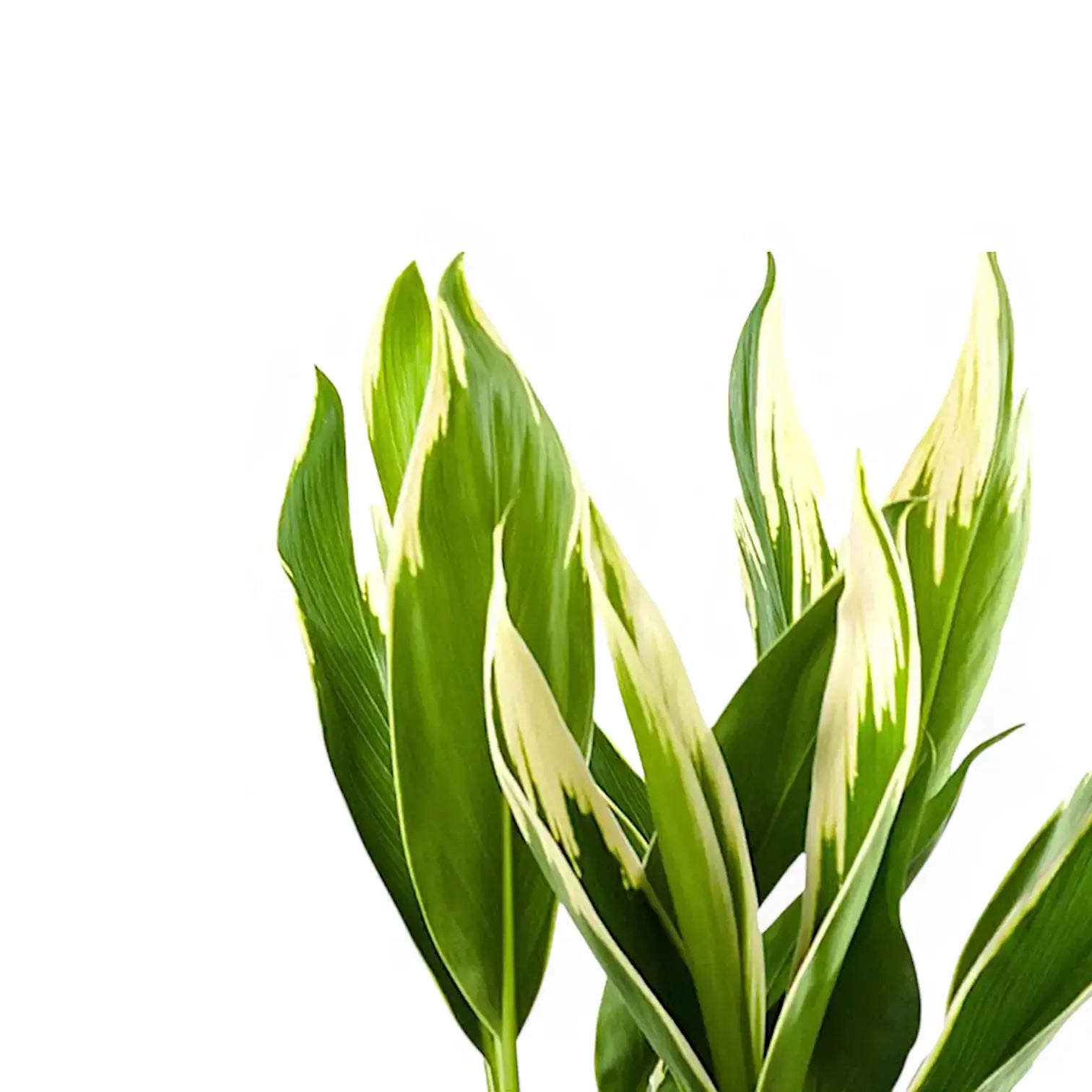
Cordyline: slim indoor “trees” with clean lines and colour
Why Cordyline earns its place indoors
Cordyline brings an architectural look that many leafy houseplants simply cannot offer. Narrow, sword-shaped leaves arise from a central stem or rosette, creating a clean vertical accent that suits minimal interiors as well as dense jungle corners.
As a Cordyline houseplant, you get foliage that ranges from deep green to copper, pink, red or cream-striped. With decent light and a stable watering rhythm, colour stays vivid for years and stems slowly thicken into a trunk-like base that feels more like a small indoor tree than a typical foliage plant.
Origin and what Cordyline usually needs indoors
Most indoor Cordyline cultivars descend from species native to warm, frost-free regions of Asia and the Pacific. In nature, plants often experience high light, good airflow and substrates that never stay waterlogged for long, even during heavy rainfall.
Indoors that translates into three main needs: bright light, a root zone that stays moist but breathable, and protection from cold draughts. Once those are in place, Cordyline is surprisingly tough and forgiving for a plant with such refined looks.
Light: how bright Cordyline actually wants it
Cordyline handles more light than many indoor tropicals. Green forms tolerate several hours of direct sun at a bright window once acclimated; heavily coloured or cream-variegated forms usually look best in bright, indirect light with only soft morning or late-afternoon rays.
Too little light leads to stretched growth, weak stems and faded colours. Leaves may become dull olive or washed-out pink, and lower foliage is shed more quickly. Excess harsh sun, especially when plants go from low light straight into a hot window, causes bleached streaks and crisp brown patches.
If judging brightness in your home still feels vague, take the guesswork out of it with our guide to what “plenty of bright, indirect light” really means. It breaks light down into simple tests you can do in each room, and pairs well with our window orientation guide if you are juggling several possible spots.
Watering, substrate and pots Cordyline can live with long-term
Roots prefer consistently slightly moist conditions, not a swing between dried-out and waterlogged. Let the surface of the mix lose its sheen and feel just dry to the touch, then water slowly and deeply until excess drains from the pot. Empty saucers completely so water does not stagnate around lower roots.
Use a rich, structured Cordyline potting mix rather than pure, fine peat. A good starting blend combines quality potting soil with a noticeable portion of bark, perlite or pumice. That structure holds nutrients and moisture while keeping air spaces open so roots can respire.
Signs of underwatering include limp leaves that fold downward, dry brown tips and older foliage yellowing from the edges. Chronic overwatering in dense soil shows up as soft, darkened roots, a sour smell from the pot and leaves yellowing from the centre while new growth becomes weak. For the underlying mechanics-how pot size, mix and light change watering-see our ultimate guide to watering houseplants.
Temperature, humidity and placement
Cordyline is happiest in typical indoor temperatures between 18 and 26 °C. Brief cooler spells rarely cause problems if roots are not sitting in wet, cold substrate, but frequent exposure around or below 12-15 °C causes stress and can trigger leaf loss.
Average indoor humidity is usually enough, yet air that is both warm and very dry leads to brown tips and increased spider-mite pressure. Grouping plants, using a humidifier or at least keeping Cordyline away from hot, dry air streams from heaters already makes a noticeable difference.
Placement-wise, think bright window rather than deep room: near east or west exposures, or a little back from a south-facing pane, often hits the sweet spot between light and temperature.
Growth habit, pruning and feeding
Cordyline grows either as a multi-stemmed clump from the base or as a single cane that slowly extends upward. Leaves emerge in spirals at the top of each stem and are shed from below over time, so a mild “palm on a stick” look is normal as plants mature.
If a cane becomes too tall or bare for your space, it can usually be cut back above a node; new shoots then emerge from dormant buds below the cut, eventually creating a fuller plant. Cut sections can often be rooted as stem cuttings if you want backups.
For nutrition, Cordyline does better with modest, regular feeding than with occasional strong doses. A balanced liquid fertiliser at low concentration on plants that are actively pushing new leaves keeps growth steady and colours clear without burning roots. If new leaves emerge very pale or growth stalls while watering and light are on point, gentle feeding is likely due.
Toxicity and handling
Cordyline foliage contains compounds that can irritate the digestive tract of pets and may cause drooling, vomiting or reduced appetite if leaves are chewed. Skin contact with sap is usually harmless for most people but can bother very sensitive skin.
As with many decorative houseplants, place pots where cats, dogs and small children cannot easily chew on leaves, and wash hands after heavy pruning if you notice any irritation.
What usually happens after Cordyline arrives
Transport can bend or mark long leaves, so small tears, creases and a few yellowing outer leaves are normal. Focus on the crown: as long as the central growth point and youngest leaves look firm, the plant is in good shape.
After unboxing, remove any foliage that is badly damaged, water the rootball once until evenly moist and let surplus water drain fully. Place Cordyline straight into bright, indirect light and give it a couple of weeks to adjust before considering a larger pot. Sudden moves into very different light or a huge volume of fresh, wet substrate slow acclimatisation and can cause unnecessary stress.
Quick fixes for common Cordyline issues
- Brown tips on many leaves: often a mix of low humidity, irregular watering and built-up salts in substrate. Rinse the pot thoroughly with clean water, adjust watering so the top layer does not swing from very dry to soaking, and raise humidity slightly.
- Yellowing lower leaves only: normal ageing if it happens slowly. If several leaves yellow quickly, check for chronically wet soil or sudden chills near windows or doors.
- Faded colours and long, floppy stems: light is too weak. Move Cordyline closer to a brighter window or support with a grow light, increasing brightness gradually over one to two weeks.
- Brown patches or stripes on sun-facing side of leaves: sun scorch. Shift the plant a bit further from the window or provide sheer curtains so light stays strong but filtered.
- Soft, collapsing crown or cane: serious root or stem rot, usually from prolonged waterlogging. Unpot immediately, trim to firm, healthy tissue and re-root viable top sections in fresh, airy mix while discarding mushy parts.
Back to top and choose the Cordyline that fits your light, your room temperature and the amount of colour you want in the room ↑