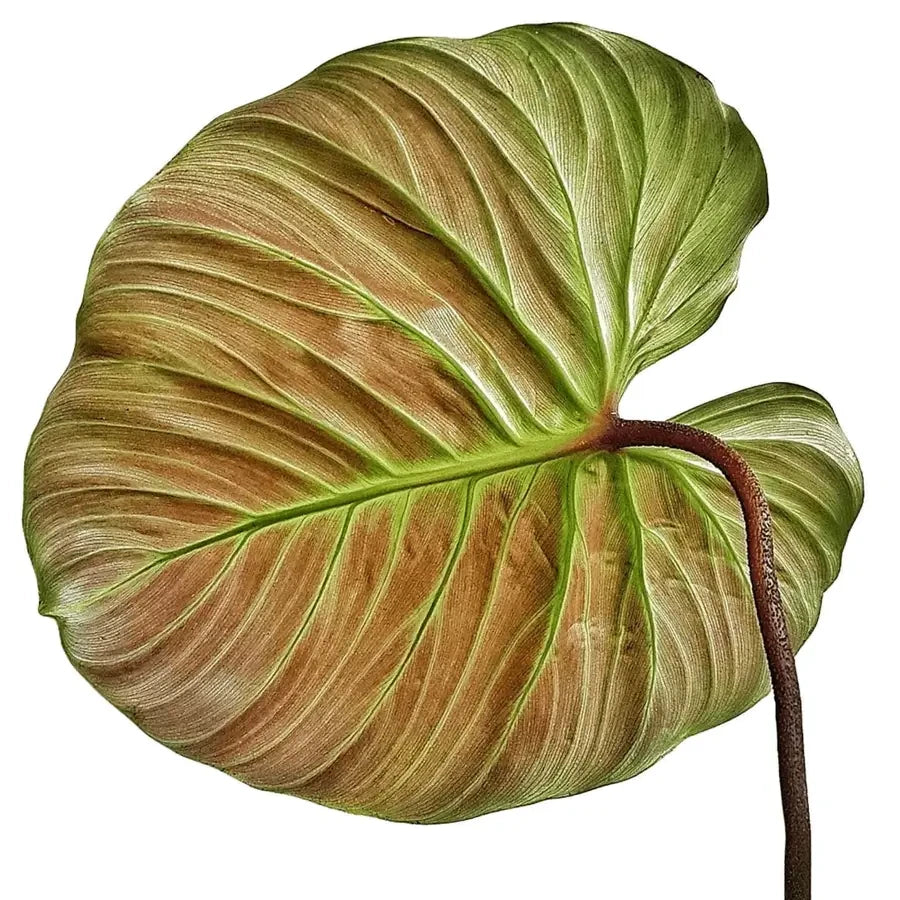
Philodendron-the beloved aroids from heartleaf trailers to statement foliage
Why Philodendron hooks so many plant lovers
Philodendron is one of the most diverse aroid genera on the planet-hundreds of species ranging from palm-sized trailers to shoulder-high, self-supporting clumps. Heart-shaped classics, velvet climbers, deeply cut “tree” types, shingling miniatures: you can build an entire living wall of Philodendron and still not run out of new forms to See.
Most Philodendron adapt well to life in pots. They grow steadily rather than explosively, tolerate a range of indoor conditions and reward good care with bigger leaves, longer vines and an ever-changing mix of juvenile and adult foliage. Once you understand how they grow in the wild, they become some of the most satisfying and forgiving statement plants you can own. If you want the bigger picture first, our Philodendron care guide is a useful overview.
Is Philodendron the right choice for your space?
- Philodendron is a great fit if: you have medium to bright, indirect light, can keep a lightly moist but airy substrate and are happy to give a climbing plant a proper support or a creeping form a wide, shallow pot.
- Think twice if: your home is very dark or cold for long periods, you tend to “love plants to death” with constant watering, or you need something that stays tiny and never needs pruning or staking.
- Good to know: Philodendron is not one plant but a huge group. Some are true climbers, others are ground-hugging “crawlers” and some form self-supporting trunks. Many change dramatically between juvenile and adult stages, so the plant you unpack may not yet show its final leaf shape. For heartleaf classics in particular, see our heartleaf Philodendron overview.
Philodendron in the wild-life as a neotropical aroid
Almost all Philodendron are native to the tropical Americas, from Mexico and the Caribbean through Central America into much of South America. In these forests they grow as evergreen hemiepiphytes, epiphytes and terrestrials-starting life on the ground and climbing, or sprouting high in the canopy and sending roots down to the forest floor.
They anchor themselves to bark, rock or soil with tough aerial and subterranean roots and push between layers of leaf litter and decaying wood. Their leaves range from simple hearts to deeply divided, many-lobed blades. In season they form typical aroid inflorescences: a fleshy central spadix packed with tiny unisexual flowers, wrapped in a protective spathe. In the wild these structures are often warmed and visited by beetles, which carry pollen between plants. For more on unusual Philodendron forms and names, articles like Philodendron corsinianum story and our other plant profiles are useful side reading.
Philodendron light-lush growth without scorch
In their native forests most Philodendron grow in bright, filtered light beneath a canopy rather than in full, open sun. Indoors they are happiest in medium to bright, indirect light: a position close to an east or north window, or set back a little from a stronger south or west exposure behind a sheer curtain. In these conditions vines climb steadily, internodes stay reasonably short and leaves develop good size and colour.
In low light, stems stretch towards the nearest window, leaves emerge smaller and any variegation or patterning becomes less distinct. At the other extreme, harsh midday sun through glass can bleach or burn leaves, especially on thinner or variegated forms. If you are unsure how bright your space really is, compare it with the examples in our bright-indirect light guide, and if you are tempted to rely on “low-light” marketing labels, read our low-light explainer first.
Philodendron roots, watering and airy aroid mixes
Philodendron roots are adapted to weave through loose leaf litter, decaying wood and gaps between pieces of bark or rock. In a pot they resent being packed into heavy, waterlogged compost. A good aroid mix balances moisture with air: combine a high-quality peat-free indoor substrate with fine orchid bark, coco chips and mineral components such as pumice or perlite until the mix feels springy and open in your hand.
Rather than following a fixed calendar, use the pot and substrate as your guide. Allow the surface to dry and for the container to feel noticeably lighter before you water again. When you do water, do it slowly and thoroughly so the entire root ball is moistened, then empty any saucer so the base is not sitting in stale water. Constant saturation quickly leads to root rot and yellowing lower leaves; repeated hard drought causes wilt, curling and crisp margins, especially on thinner leaves. The underlying mechanics are unpacked in our ultimate watering guide and drainage vs aeration.
Creeping “crawler” types with horizontal rhizomes are happiest in broad, relatively shallow pots with a chunky, evenly moist mix and good airflow across the surface. Many Philodendron will also adapt to semi-hydro or other inert, free-draining substrates if roots are transitioned gradually and the water level is kept low enough to leave plenty of air around the root zone, as described in our semi-hydro guide.
Philodendron and your home climate
Philodendron comes from climates that stay warm year-round, so the typical indoor range of 18-28 °C suits most species and cultivars well. Brief dips a little below that are usually tolerated if the mix is on the dry side, but prolonged exposure below roughly 15 °C, or cold draughts combined with wet roots, can lead to yellowing, dark patches and stalled growth. Seasonal adjustments are covered in our winter care guide.
Many Philodendron handle ordinary indoor humidity, but they tend to look their best with relative humidity around 50-70 %. In very dry air-especially near heaters or sun-heated glass-you may see brown tips or edges and faster moisture loss from the pot. Grouping plants, using a small room humidifier or simply positioning Philodendron away from strong drying currents can help, but focus first on stable temperatures, appropriate light and a balanced watering routine; humidity is a refinement, not a shortcut. For realistic ranges and trade-offs, see our humidity guide.
Philodendron growth forms, supports and pruning
Philodendron growth habits fall into three broad groups: climbing or scrambling vines, creeping “crawlers” that run along the surface of the mix, and self-supporting, trunk-forming types often sold as “tree philodendron”. Many of the best-known houseplants are primary climbers: they produce long stems with nodes, each bearing a leaf and one or more aerial roots. Those rope-like roots are not a fault, in the wild they anchor the plant to trunks and rocks and help it reach water and nutrients.
Given a rough stake, moss pole or branch to grip, climbing Philodendron will move upwards and usually produce larger, more mature foliage than they ever will when left to trail. Regular light pruning keeps plants in scale with your space. For vining types, cutting back a leggy stem just above a node encourages branching from lower points and produces a bushier plant. Many Philodendron are straightforward to propagate: a section of healthy stem with at least one node and an aerial root can often be rooted in an airy mix and grown on as a new plant. For self-heading types, remove only tired or damaged leaves and, where needed, old bare sections of stem; avoid stripping off all active growth at once. For species-specific quirks (like Philodendron Florida hybrids or Philodendron splendid), see their dedicated guides in our aroids tag.
Philodendron and pet safety
Like most aroids, Philodendron tissues contain bundles of insoluble calcium oxalate crystals (raphides). If chewed, these can cause intense irritation to the mouth and throat of pets and people, leading to drooling, pawing at the face and reluctance to eat. Serious poisoning is uncommon, but discomfort can be significant, especially for cats, dogs and small animals.
For that reason, it is best to treat Philodendron as a “look, don’t chew” plant. Place it where curious mouths cannot easily reach, and remove fallen leaves promptly so they are not eaten off the floor. If you suspect a pet has chewed a Philodendron and is showing signs of distress, consult a veterinarian quickly. For alternative statement plants in pet households, our cat-safe houseplants guide is a safer shortlist.
What you may notice when your Philodendron arrives
Transport is a short, sharp change for a plant that is used to stable humidity and light. It is normal for a newly delivered Philodendron to show some stress: one or two yellowing older leaves, a slightly dull surface or minor mechanical damage to individual leaves. These blemishes do not usually affect long-term performance and are often hidden as new foliage unfurls.
After unboxing, remove loose packing material and any leaves that are clearly broken or mushy, then set your Philodendron straight into the spot where it will live-ideally a stable, bright, indirect position away from hot glass or cold draughts. Check the root ball: if the top few centimetres are dry and the pot feels light, water thoroughly and let the excess drain; if the mix is still evenly moist, wait a few days before watering. Avoid repotting immediately unless you can see obvious signs of root rot or collapsing compost. Over the next weeks, watch for firm new leaves and steady extension of stems or rhizomes; these are better indicators of success than the fate of a couple of stressed, older leaves. For more on this phase, see our acclimatisation guide.
Philodendron troubleshooting-common signals and fixes
- Lower leaves yellowing and dropping while the mix stays wet: usually a sign of chronic overwatering or compacted substrate. Slide the plant gently from its pot, trim away any black or mushy roots, repot into a looser aroid mix and water only once the top layer has begun to dry. For a step-by-step approach, see our root rot guide.
- Stems elongating with small, widely spaced leaves: light levels are too low. Move your Philodendron closer to a brighter window or supplement with suitable grow lighting, and rotate the pot regularly so all sides receive light.
- Soft, drooping leaves and a heavy, wet pot: indicate that roots are short of oxygen. Check drainage holes are clear, improve aeration in the mix and extend the interval between waterings, especially in cooler months.
- Crisp, brown tips or edges on newer leaves: often reflect a combination of low humidity, irregular watering or very dry air next to heaters or hot windows. Smooth out your watering routine, keep the plant away from strong heat sources and consider a modest increase in background humidity.
- Spots, webbing or distorted new growth: may signal pests such as spider mites, thrips or mealybugs. Inspect both sides of leaves and along stems, isolate affected plants and follow a consistent treatment plan before pests spread to the rest of your collection. Our guides on spider mites, thrips and mealybugs are useful references.
Back to top and pick the Philodendron that suits the way it grows, from climbing vines to broad crawlers and self-heading forms ↑