Houseplant enthusiasts often marvel at leaves with multiple colors, especially when pink hues come into play. Variegated foliage — whether displaying green and white marbling or bright pink patches — truly stands out from standard green leaves. This guide brings together two key discussions: first, a detailed look at how variegation works in plants and why certain patterns form, and second, an in-depth exploration of pink foliage, including practical tips to keep those rosy tones vivid.
2. How Plants Get Their Colors (A Deeper Look at Variegation)
Understanding Variegation: What It Is and Why It Matters
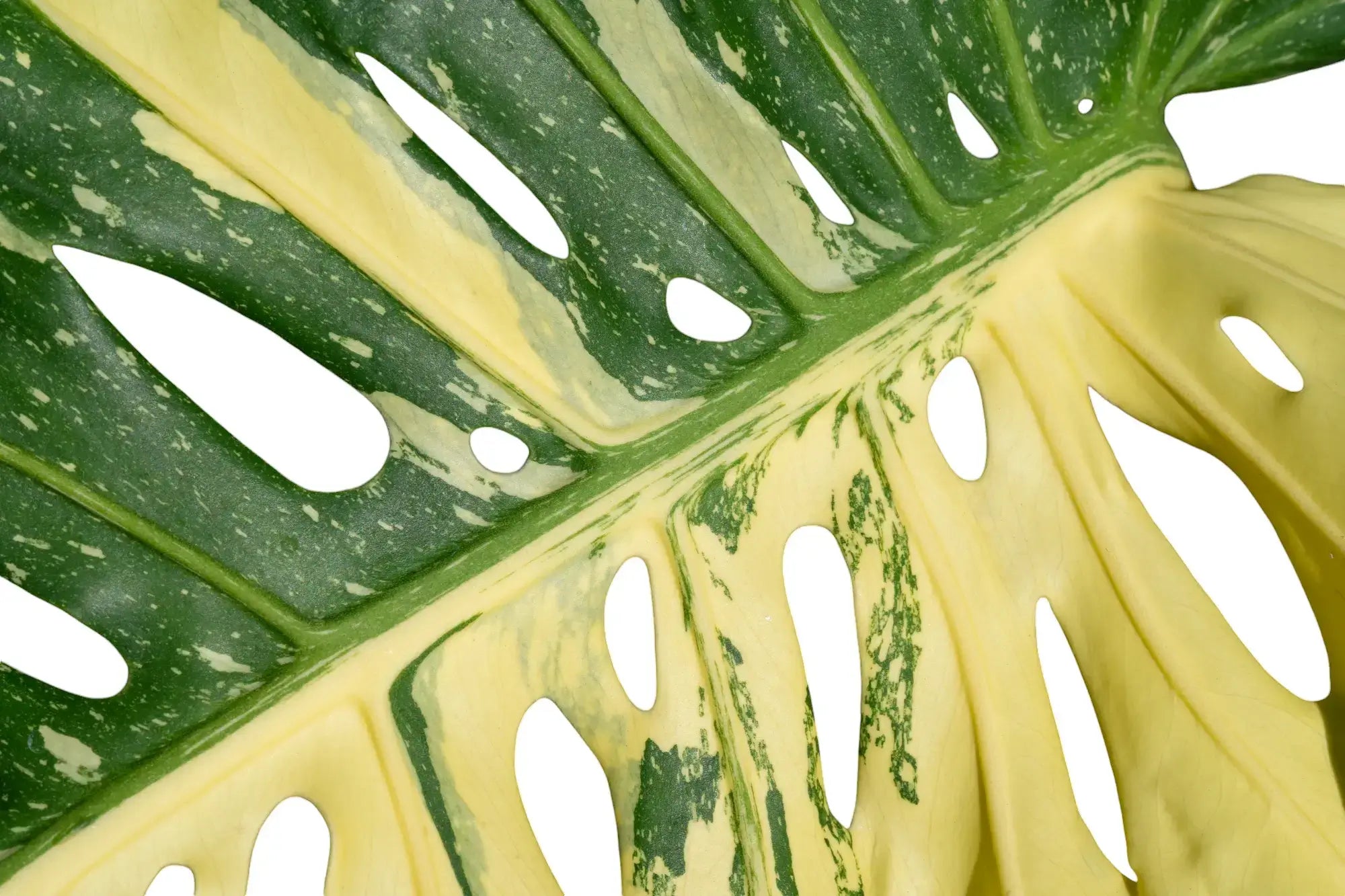
Variegation refers to a plant’s leaves showing multiple colors, typically green paired with white, yellow, pink, silver, or purple. This color variation can stem from genetics, random mutations, or environmental stress. Some variegated forms are predictable and stable within a species, while others might revert to all-green foliage or change unpredictably over time.
Key Distinction: Leaf discoloration due to age or nutrient deficiency does not count as true variegation. If an older leaf yellows or a plant lacks nutrients, that’s a separate issue from the genetic or stable traits behind variegated cultivars.
Essential Terminology:
Sport Mutation – A sudden genetic change in part of a plant, often leading to a new color pattern. If stable, it can be propagated into a new cultivar.
Reversion – When a variegated plant loses its unique color pattern and returns to a solid-green form. This often occurs because fully green foliage has higher photosynthetic efficiency.
Chlorosis – Yellowing of leaves caused by nutrient deficiency or disease. It’s unrelated to true variegation.
Chimera – A plant with two genetically distinct cell types, creating a mosaic of different colors in leaves and stems.
What Gives Plants Their Color?
Three major factors influence leaf coloration:
Chlorophyll Levels
This green pigment drives photosynthesis. Leaf sections rich in chlorophyll appear deeper green; areas lacking chlorophyll may look white or yellow.
Additional Pigments
Certain plants produce pigments like anthocyanins (red, pink, purple), influencing leaf color. Intensity can change with light levels, temperature, and overall plant health.
Structural Features
In some species, microscopic structures in leaves reflect light in unique ways, creating silver or iridescent appearances even without extra pigments.
Different Types of Variegation and Their Causes
Structural Variegation (Light Reflection-Based)
Cause: Air pockets or specialized leaf cells that affect how light interacts with the surface.
Propagation: Can spread via cuttings or sometimes seeds.
Why Does Variegation Matter?
Beyond visual appeal, variegation reflects complex biological processes. Knowing which type of variegation a plant has helps you:
Propagate correctly (e.g., understanding chimeras vs. stable genetics).
Prevent Reversion by adjusting care or pruning green-dominant shoots early.
Spot True Variegation rather than simply dealing with nutrient issues or pests.
Pink Foliage – Science, Care, and Beautiful Choices
Pink foliage has become a beloved staple among indoor gardeners. Whether you seek a subtle blush in leaf veins or bold neon pink sectors, these colors brighten living spaces and spark conversations. Underneath their aesthetic allure lies fascinating plant biology: pink pigments, typically anthocyanins, can serve as protective screens against harsh light or help plants adapt to temperature changes.
Some pink houseplants flaunt delicate bubblegum shades, while others present vivid magenta tones reminiscent of tropical blooms. For those who want to create a colorful indoor oasis, understanding what causes pink pigmentation and how to maintain it is essential.
The Science Behind Pink Foliage
Pink leaf coloration primarily arises from anthocyanins — water-soluble pigments that reflect red, pink, or purple wavelengths. They don’t contribute directly to photosynthesis like chlorophyll does, but they can protect leaves from damage by strong light or extreme temperatures.
How Pink Variegation Forms
Genetics
Certain species are naturally predisposed to pink pigments, either through breeding or evolution.
Chimeric Mutations
Unstable genetic changes in part of the leaf can create sectors rich in pink.
Environmental Factors
Light levels, temperature, and soil pH can intensify (or diminish) pink coloration.
Key Factors Influencing Pink Pigmentation
Genetics – Determines if a plant can produce anthocyanins and how stable those pink patterns are.
Light Exposure – Bright, indirect light often increases anthocyanin production. Some plants may turn pinker under mild sun stress.
Temperature – Cooler nights can amplify pink/red tones in certain species.
Soil pH – Slightly acidic conditions favor redder shades, while more alkaline soils might lean towards bluish hues if the plant’s genetics permit.
Nutrient Balance – Phosphorus and potassium support color development; excessive nitrogen can result in greener leaves.
Humidity & Watering – Tropical pink foliage often thrives in 50–60% humidity or higher. Consistent watering promotes healthier variegation.
The Science of Sun Stress & Pink Pigments
Many pink succulents and foliage plants respond to higher light by producing more anthocyanins, which:
Shield from UV Rays – Acting as a natural sunscreen.
Dissipate Excess Energy – Preventing photo-oxidative harm.
Adapt to Seasonal Changes – Producing stronger pinks, reds, or purples when exposed to bright light and mild stress.
Below is a curated list of stunning options for anyone seeking plants with pink leaves. Each entry highlights key features and care reminders to help you select and nurture your favorites.
...
...
Cryptanthus bivittatus ‘Super Pink’
Nicknamed ‘Earth Star,’ this bromeliad forms compact, spiky rosettes streaked with hot-pink striping.
Its small size and vivid color make it an ideal accent for desks, terrariums, and tight spaces.
Goeppertia roseopicta ‘Surprise Star’ (also known as ‘Princess Jessie’)
This standout cultivar boasts broad, rounded leaves adorned with hand-painted pink midribs and rims.
As part of the Goeppertia roseopicta family, it belongs to a group of strikingly patterned plants, each offering a unique take on pink variegation.
Hypoestes phyllostachya ‘Pink’
Better known as the Pink Polka Dot Plant, this playful variety features leaves splattered with bubblegum-pink spots.
A fun and easygoing plant, it’s a favorite for beginners and makes a whimsical addition to any plant shelf.
Philodendron ‘Birkin Pink’ (also called ‘Pink Bikini’)
A fresh twist on the beloved Philodendron ‘Birkin,’ this variety develops soft pink striping on new leaves, intensifying with age.
Its upright rosette growth makes it a compact yet striking feature in any space.
Alocasia cuprea ‘Red Secret’
With its metallic, burgundy-pink leaves and sculpted texture, this Alocasia almost appears otherworldly.
The reflective surface deepens in color under the right conditions, giving it a truly mesmerizing presence.
With its metallic, pinkish-burgundy tones, Alocasia ‘Red Secret’ looks almost surreal, reflecting light beautifully.
Alocasia cuprea ‘Red Secret’ variegata
A rare and highly sought-after variant of Alocasia cuprea, this plant showcases a mesmerizing mix of cream, pink, and deep green on its metallic-textured leaves.
Each new leaf unfurls with a slightly different variegation pattern, making every specimen truly unique.
Echeveria agavoides ‘Mars Galaxy’
This stunning succulent features thick rosette-shaped leaves tipped with a glowing pinkish-red hue, resembling a cosmic burst of color.
Exposure to bright light deepens its striking contrast.
Philodendron ‘Pink Princess’
A true collector’s gem, this Philodendron features dark-green leaves splashed with vibrant pink variegation.
Each leaf unfolds in a one-of-a-kind pattern, making it a dynamic and ever-changing addition to any plant collection.
Syngonium podophyllum ‘Neon’
With electrifying neon-pink leaves, this Syngonium retains its bold color from tip to stem, unlike other pink variegated plants that shift over time.
Whether trained to climb or left to trail, it makes a stunning display.
Musa ‘Nono’ (commonly referred to as ‘Hot Pink Banana’)
This striking banana plant sets itself apart with bright pink stems and vividly colored leaf veins.
It’s a tropical statement piece that may even produce small, ornamental pink bananas under the right conditions.
Despite its misleading name, this isn’t a true strawberry or begonia.
Its heart-shaped leaves feature pinkish-white marbling and deep red undersides, creating a cascading effect as it spreads via runners.
Tradescantia mundula ‘Lisa’
A fast-growing trailing plant with a delicate mix of green, white, and pink variegation.
The newest growth often emerges with the strongest pink hues, creating a soft, pastel cascade when placed in a hanging planter.
Piper argyrites ‘Pink’
A climbing plant with heart-shaped leaves laced with vivid pink variegation against a deep green backdrop.
Its elegant and subtle variegation adds a refined touch to any plant collection.
Caladium bicolor ‘Purple Light’
A show-stopping variety with translucent pinkish-purple leaves veined like stained glass.
Its large, heart-shaped foliage adds an instant focal point to any indoor or shaded outdoor setting.
Each of these pink-foliage plants brings a unique aesthetic, from soft pastels to intense neon shades, making them standout choices for collectors and enthusiasts alike.
7. Why Pink Variegation Fades & How to Fix It
Despite your best efforts, pink leaves can fade to green. Understanding why allows for the right interventions.
A. Chimeric Reversion
Plants like Philodendron ‘Pink Princess’ carry chimeric variegation: sections of cells with the genetic instructions for pink exist alongside purely green sections. Sometimes new leaves develop fully green when the pink-producing cells fail to propagate. Once that tissue is gone, more light or fertilizer won’t bring it back.
How to Prevent Green Takeover
Prune green-dominant leaves before they spread.
Cut back to a node with pink coloration.
Maintain optimal lighting and care to support any existing pink.
B. Not Enough Light
Many pink-variegated plants (e.g., Syngonium ‘Neon’ or Hypoestes ‘Pink’) need bright, indirect light to sustain anthocyanin production. In low light, they ramp up chlorophyll (green pigment) to capture more light, overshadowing pink tones.
Solution
Give plants more bright, indirect light or use full-spectrum grow lamps that have red and blue wavelengths to encourage anthocyanin synthesis.
C. Environmental Stress (Good vs. Bad)
Some species (like Cryptanthus ‘Super Pink’ or Echeveria ‘Mars Galaxy’) deepen in color under mild stress: strong light, slightly drier soil, or cooler temps. However, overly harsh stress — such as scorching sun or severe drought — can damage leaves instead of intensifying color.
Solution
Slightly increase light if the plant tolerates it.
Allow mild dryness between waterings (especially for succulents).
Avoid extremes that could burn or freeze the foliage.
D. Excess Nitrogen
Heavy nitrogen promotes lush green growth. If you want to maintain pink variegation, opt for a balanced fertilizer (like 10-10-10) or one marginally higher in phosphorus and potassium. This helps keep anthocyanin production active.
E. Natural Growth Variability
Some pink tones shift or fade as leaves mature. It’s normal for certain species (e.g., Alocasia ‘Red Secret’) to change color with age. If your plant’s new growth remains pink overall, slight fading in older leaves could be part of its natural cycle.
Fake, Chemically Induced Pink Variegation
A cautionary example is Pink Congo Philodendron, which showed solid pink leaves initially but soon reverted to green. This “rare” pink color was chemically induced — likely via plant hormones — temporarily suppressing chlorophyll. When the treatment wore off, normal green growth resumed. Unscrupulous sellers sometimes use these tactics to charge premium prices, so buy from reputable sources and research the science behind true variegation.
Conclusion & Next Steps
Variegation in houseplants — whether featuring white splashes, green stripes, or pink patches — reflects a mesmerizing blend of genetic, structural, and environmental factors. Pink foliage, in particular, adds warmth and vibrancy to interiors, from subtle blushes to neon magenta. By understanding how and why variegation occurs, you can better care for these unique plants, keep their colors strong, and prevent reversion.
Ready to transform your indoor space with rosy leaves? Head to Foliage Factory’s Pink Foliage Collection and find pink-toned houseplants that suit your style. Each leaf makes a bold statement — pick a favorite, give it proper care (bright light, balanced nutrition, and a bit of humidity), and watch those gorgeous pinks flourish in your home!
Enhance your indoor space with pink houseplants and discover how these plants with pink leaves can make your home bloom with color, style, and botanical intrigue. Each vibrant leaf is an invitation to explore the fascinating world of variegation and natural artistry right in your living room.
Sources And Further Reading
Klanrit, P., Kitwetcharoen, H., Thanonkeo, P., & Thanonkeo, S. (2023). In Vitro Propagation of Philodendron erubescens ‘Pink Princess’ and Ex Vitro Acclimatization of the Plantlets. Horticulturae, 9(6), 688.
Wang, Y., Zhou, B., Sun, M., Li, Y., & Kawabata, S. (2012). UV-A light induces anthocyanin biosynthesis in a manner distinct from synergistic blue + UV-B light and UV-A/blue light responses in different parts of the hypocotyls in turnip seedlings. Plant and Cell Physiology, 53(8), 1470–1480.
Landi, M., Tattini, M., & Gould, K. S. (2015). Multiple functional roles of anthocyanins in plant–environment interactions. Environmental and Experimental Botany, 119, 4–17.
Zhao, S., Blum, J. A., Ma, F., Wang, Y., Borejsza-Wysocka, E., Ma, F., Cheng, L., & Li, P. (2022). Anthocyanin accumulation provides protection against high light stress while reducing photosynthesis in apple leaves. International Journal of Molecular Sciences, 23(20), 12616.
Cirillo, V., D’Amelia, V., Esposito, M., Amitrano, C., Carillo, P., Carputo, D., & Maggio, A. (2021). Anthocyanins are key regulators of drought stress tolerance in tobacco. Biology, 10(2), 139.
Meet four collector icons from Philodendron × Florida: 'Florida Green', 'Florida Beauty', 'Florida Ghost', and 'Florida Bronze'. Learn what sets each apart and how to keep them thriving indoors.
Monstera ‘Thai Constellation’ pairs stable, creamy marbling with classic Monstera fenestrations. Learn the origin story, then get a practical care breakdown for light, humidity, watering, soil, and...




Leave a comment
This site is protected by hCaptcha and the hCaptcha Privacy Policy and Terms of Service apply.